Kyoto 3-Day Itinerary: A Route for First-Timers with Hour-by-Hour Timings, Transport and an Autumn Version (2026)
Kyoto 3-day, 2-night itinerary by area: hour-by-hour timings, transport and fares, daily entry fees, a November autumn-leaves version and rainy-day swaps.
Quick answer
For 3 days and 2 nights in Kyoto, stay both nights around Shijo Karasuma or Kawaramachi. Day 1: Nishiki Market, Fushimi Inari, Gion at dusk. Day 2: Kiyomizu-dera when it opens at 6:00, then walk to Nanzen-ji, the Philosopher's Path and Ginkaku-ji. Day 3: Arashiyama's bamboo grove and Tenryu-ji in the morning, Kinkaku-ji after lunch. Required entry fees total about 2,500 yen; city buses cost 230 yen a ride, so on this route an IC card usually beats the 1,100-yen Subway & Bus One-Day Pass (checked November 2026).
The most common mistake on a Kyoto 3-day itinerary is putting Kiyomizu-dera, Kinkaku-ji and Arashiyama on the same day and spending it waiting for buses. This plan splits Kyoto into three areas, south, east and west, and covers one per day: Day 1 is Fushimi Inari and the city center, Day 2 walks from Kiyomizu-dera to Ginkaku-ji, and Day 3 pairs Arashiyama with Kinkaku-ji. Every leg lists arrival times, how to get there, and what fares and entry fees cost, so first-timers can follow it and miss the worst crowds.
Kyoto 3-day itinerary at a glance: one area per day
Bottom line: Kyoto's main sights form an upside-down U, with Higashiyama in the east, Arashiyama and Kinkaku-ji in the northwest and Fushimi Inari in the south. Group sights in the same direction on the same day and transit stays under about 1.5 hours a day.
| Day | Area | Main sights | Main transport | Required entry fees |
|---|---|---|---|---|
| Day 1 | City center + south | Nishiki Market, Fushimi Inari Taisha, Gion, Kamo River | Subway, Keihan | 0 yen (Fushimi Inari is free) |
| Day 2 | Higashiyama | Kiyomizu-dera, Ninenzaka and Sannenzaka, Nanzen-ji, Philosopher's Path, Ginkaku-ji | Mostly walking + city bus | 1,500 yen |
| Day 3 | Northwest | Arashiyama Bamboo Grove, Tenryu-ji, Togetsukyo Bridge, Kinkaku-ji | JR, Randen, city bus, subway | 1,000 yen |
The plan assumes you reach Kyoto Station around 10:30 a.m. on day 1 and leave after 3 p.m. on day 3. Each sight gets only a sentence or two here; for detailed routes and photo spots, see the dedicated guides. Opening hours for the city's main sights are summarized in Kyoto attractions.
Where to stay so the Kyoto itinerary flows
Bottom line: this route works best if you stay between Shijo Karasuma and Shijo Kawaramachi. Day 1 takes the Keihan line to Fushimi Inari, Day 2 starts with a dawn walk to Kiyomizu-dera, and Day 3 heads west by subway or Hankyu, and this area is close to all three.
- Shijo Karasuma / Kawaramachi: Subway Shijo Station, Hankyu Karasuma and Kyoto-kawaramachi stations, and Keihan Gion-shijo Station are all walkable. From Kawaramachi to Kiyomizu-dera is about a 25–30-minute walk, so you need not wait for the first bus.
- Kyoto Station: Easiest with large luggage, a direct HARUKA train from Kansai Airport, or a shinkansen on day 3. The downside is a ride before the early Kiyomizu-dera start.
- Gion / Higashiyama: Closest to Kiyomizu-dera, but restaurants close early and Arashiyama is farther away.
A full comparison of areas and budgets is in where to stay in Kyoto. Note also that Kyoto City's accommodation tax moved to five tiers on March 1, 2026, charging 200–10,000 yen per person per night depending on the room rate[12]. For example, two people staying two nights at a per-person nightly rate of 6,000 to under 20,000 yen pay 400 yen per person per night, or 1,600 yen in total, usually collected at the hotel. See Kyoto accommodation tax 2026 for the bands.
Day 1: lunch at Nishiki Market, Fushimi Inari in the afternoon, Gion at dusk
Bottom line: drop your bags on arrival day and spend the afternoon at Fushimi Inari. It is open around the clock and free, one of the few major sights where an afternoon visit costs you nothing.
| Time | Plan | Transport and fare |
|---|---|---|
| 10:30 | Kyoto Station → Shijo, leave luggage at hotel | Subway Karasuma Line, about 5 min, 220 yen |
| 11:30–12:45 | Graze through Nishiki Market for lunch | About 3 min walk from Shijo Station |
| 13:00 | Cross Shijo Ohashi Bridge to Keihan Gion-shijo Station | About 10 min walk |
| 13:15 | Keihan local train → Fushimi-Inari Station | About 10 min, about 240 yen |
| 13:30–16:00 | Fushimi Inari Taisha, Senbon Torii up to Yotsutsuji | About 1.5 hours round trip (with photo stops) |
| 16:15 | Keihan Fushimi-Inari → Gion-shijo | About 10 min, about 240 yen |
| 16:45–18:30 | Stroll Yasaka Shrine, Hanamikoji and Shirakawa's Tatsumi Bridge | Walk |
| 18:30 | Dinner in Pontocho or Kiyamachi, walk back along the Kamo River | Walk |
Most Nishiki Market shops open from about 10:00 to around 17:00, with more closures on Wednesdays, and the market asks visitors not to eat while walking; eat at the stall instead. See the Nishiki Market guide. At Fushimi Inari Taisha, the Senbon Torii start behind the main hall: the round trip to the Okusha prayer hall takes 30–45 minutes, Yotsutsuji with its city view takes about 1.5 hours, and the full mountain loop takes 2–3 hours. Trail sections and night visits are covered in the Fushimi Inari guide.
Keihan limited expresses do not stop at Fushimi-Inari, so take a local or semi-express[11]. If you stay at Kyoto Station, take the JR Nara Line to Inari Station instead, about 5 minutes and about 150 yen, with the great torii right outside.
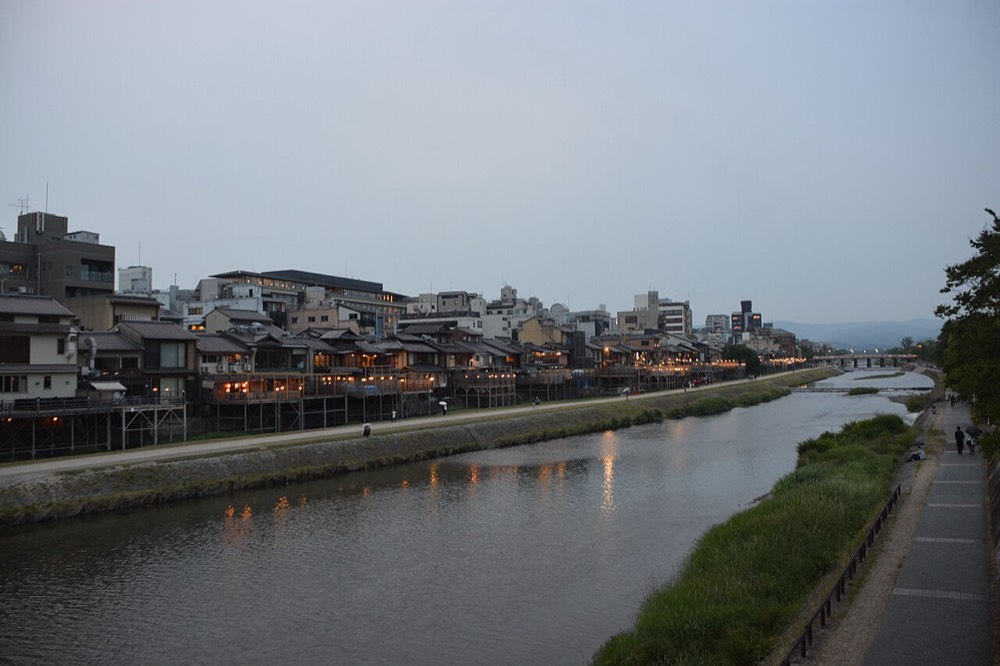
Some lanes off Hanamikoji in Gion are private roads with no-photography signs at the entrance, so check before you shoot, and don't chase geiko or maiko for photos. For local dinner ideas, see Kyoto food guide.
Day 2: start at Kiyomizu-dera at dawn and walk to Ginkaku-ji
Bottom line: this day is almost all on foot, and reaching Kiyomizu-dera by 6:30 is the early start most worth making on the whole trip. Kiyomizu-dera opens at 6:00 every day[5], and before 7 a.m. the stage and the Ninenzaka and Sannenzaka slopes are far quieter than at midday.
| Time | Plan | Transport and fare |
|---|---|---|
| 6:00 | Leave from Shijo Kawaramachi | About 25–30 min walk, or taxi |
| 6:30–8:00 | Kiyomizu-dera main hall, stage and Otowa Waterfall | 500 yen adults |
| 8:00–9:00 | Sannenzaka, Ninenzaka and the stone lane below Yasaka Pagoda | Walk (most shops open around 9–10) |
| 9:00–10:00 | Kodai-ji (optional) or straight north via Nene-no-michi and Maruyama Park | Kodai-ji 800 yen |
| 10:00–11:00 | Walk past Chion-in and Shoren-in to Nanzen-ji | About 30–35 min walk |
| 11:00–12:00 | Nanzen-ji Sanmon gate and the aqueduct | Grounds free; Sanmon and Hojo garden 600 yen each |
| 12:00–13:00 | Yudofu (simmered tofu) lunch near Nanzen-ji | — |
| 13:00–14:00 | Walk north along the Philosopher's Path | About 2 km |
| 14:00–15:00 | Ginkaku-ji | 1,000 yen adults |
| 15:15 | Ginkakuji-michi → Shijo Kawaramachi, rest at hotel | City bus routes 5, 17, 32 and others, 230 yen |
At Kiyomizu-dera, the paid area is the main hall and its stage; night viewings and slope walks are in the Kiyomizu-dera guide. Nanzen-ji's grounds and red-brick aqueduct are free, but climbing the Sanmon gate costs extra; see the Nanzen-ji guide. Ginkaku-ji (formally Jisho-ji) raised its fee to 1,000 yen for adults in April 2026 and is open 8:30–17:00 from March to November and 9:00–16:30 from December[7]; it is covered together with the walk in Ginkaku-ji and the Philosopher's Path.
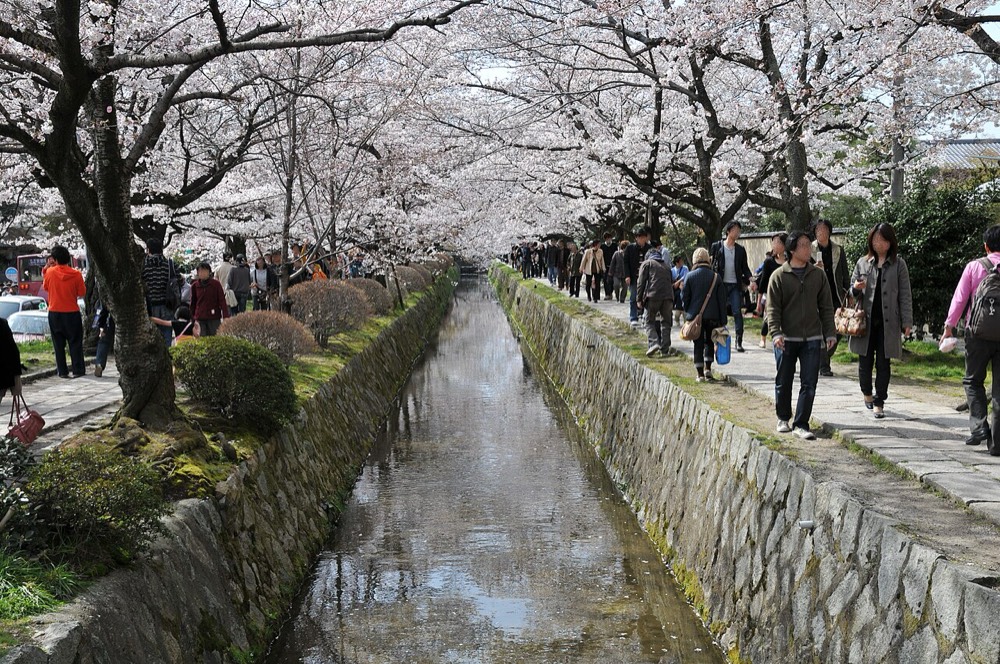
If that is too much walking, take a city bus between Nanzen-ji and Ginkaku-ji, or ride from Kiyomizu-dera to Higashiyama Sanjo and walk from there. Resting at the hotel after 3 p.m. and heading out to Shijo and Kawaramachi in the evening leaves more energy for Day 3's early start than squeezing in more sights.
Day 3: Arashiyama in the morning, Kinkaku-ji in the afternoon, leave Kyoto
Bottom line: the Arashiyama bamboo grove is quietest before 8 a.m. and Tenryu-ji opens at 8:30[8]. Put Arashiyama first and Kinkaku-ji after midday, and there is still time to collect luggage at the station before you leave.
| Time | Plan | Transport and fare |
|---|---|---|
| 7:00 | Check out, leave luggage, head to Arashiyama | JR Sagano Line from Kyoto Station to Saga-Arashiyama, about 15 min, 240 yen |
| 7:30–8:20 | Arashiyama Bamboo Grove, Nonomiya Shrine | Walk |
| 8:30–9:30 | Tenryu-ji garden (Sogenchi Pond) | Garden 500 yen; halls +300 yen |
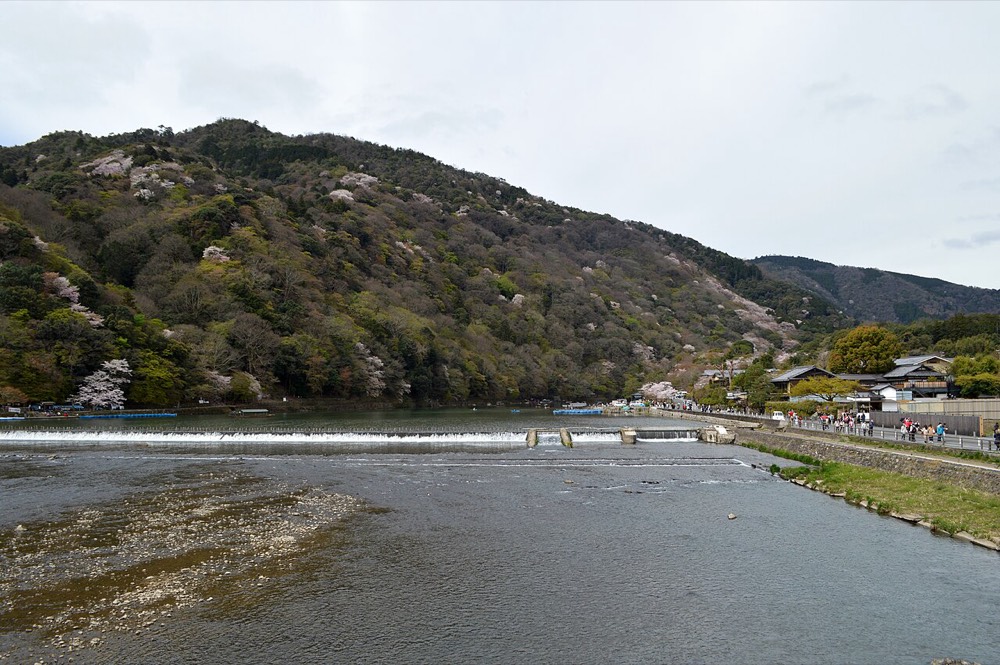
| 9:30–10:30 | Togetsukyo Bridge, brunch on Arashiyama's main street | Walk |
| 10:45 | Randen Arashiyama → change at Katabiranotsuji to the Kitano Line → Kitano-Hakubaicho | Randen flat fare 250 yen, about 25–30 min |
| 11:30 | Kitano-Hakubaicho → Kinkakuji-michi | City bus routes 204, 205 and others, 230 yen |
| 11:45–12:45 | Kinkaku-ji | 500 yen adults |
| 13:00 | Kinkakuji-michi → Kitaoji Bus Terminal → Subway Karasuma Line to Kyoto Station | City bus 230 yen + subway (fare by distance) |
| 14:00 | Lunch and souvenirs at Kyoto Station, collect luggage, depart | — |
If you start from the Shijo area, take Hankyu to Arashiyama Station or the Randen from Shijo-Omiya rather than detouring via Kyoto Station. The bamboo grove ends at Tenryu-ji's north gate, which also opens at 8:30; walk through the garden and exit the main gate onto Arashiyama's main street. For the best bamboo grove times, the Sagano Romantic Train and the Hozugawa river boat, see the Arashiyama day trip.
Kinkaku-ji (formally Rokuon-ji) is open 9:00–17:00 every day for 500 yen[6] and takes about 40 minutes. Getting back to Kyoto Station on bus 205 is not recommended: it crosses the city center and loses a lot of time in traffic, and Kyoto Kanko Navi also suggests changing to the subway at Kitaoji. Side trips to Ryoan-ji and Ninna-ji are in the Kinkaku-ji guide. If you would rather not go back for luggage, Japan luggage delivery can send it from your hotel to your next stop. For souvenir shopping back at Kyoto Station, our Kyoto souvenirs guide covers the fastest places to buy inside the station.
Getting around Kyoto: is the Subway & Bus One-Day Pass worth it for 3 days?
Bottom line: on this route, an IC card is cheapest on all three days. The Subway & Bus One-Day Pass costs 1,100 yen for adults and 550 yen for children and is valid only on the day you first use it[1]. A city bus ride in the flat-fare zone is 230 yen[2], so you need 5 subway or bus rides in a day to break even, but this route takes 1–3 such rides a day, and JR, Keihan and Randen are not covered.
| Day | Main rides | Approx. IC card cost | Can the pass be used? |
|---|---|---|---|
| Day 1 | Subway 220 + Keihan about 240 x 2 | About 700 yen | Only the subway leg; not worth it |
| Day 2 | City bus 230 x 1–2 | 230–460 yen | Yes, but too few rides to break even |
| Day 3 | JR 240 + Randen 250 + city bus 230 x 2 + subway | About 1,200 yen | JR and Randen not covered; not worth it |
Many older guides still mention the 700-yen bus-only One-Day Pass, but its sales ended on September 30, 2023, and it could not be used after March 31, 2024[4]. The municipal subway charges by distance, 220–360 yen for adults[3]. On weekends, a Sightseeing Limited Express Bus that stops only at major sights runs from Kyoto Station toward Kiyomizu-dera and Ginkaku-ji for 500 yen[2]. IC cards, how to board Kyoto city buses, and the "resident-priority fare" that may be introduced in fiscal 2027 are covered in the Kyoto transport guide.
Kyoto 3-day costs: entry fees and transport in one table
Bottom line: required entry fees for the three days total 2,500 yen, or about 4,200 yen with the optional sights; city transport runs about 2,000–2,500 yen over three days. Accommodation, meals and travel to and from Kyoto vary too much by season and preference to list here.
| Item | Day 1 | Day 2 | Day 3 |
|---|---|---|---|
| Required entry fees | Fushimi Inari 0 yen | Kiyomizu-dera 500 + Ginkaku-ji 1,000 | Tenryu-ji garden 500 + Kinkaku-ji 500 |
| Optional entry fees | — | Kodai-ji 800, Nanzen-ji Hojo garden 600 | Tenryu-ji halls 300 |
| City transport (IC card) | About 700 yen | About 230–460 yen | About 1,200 yen |
| Daily subtotal (required + transport) | About 700 yen | About 1,730–1,960 yen | About 2,200 yen |
Entry fees come from each temple's official site: Kiyomizu-dera's opening hours are on its visitor page[5], Kinkaku-ji is 500 yen[6], Ginkaku-ji 1,000 yen[7] and the Tenryu-ji garden 500 yen[8]. Many temple amulet counters and small shops still take cash only, so carrying 3,000–5,000 yen in cash is wise.
Kyoto autumn leaves itinerary: how to change the 3 days in November
Bottom line: in autumn-leaves season, walk the Higashiyama day in reverse, north to south by day, and save the evening for illuminations; add one foliage spot to each of the other two days. This year's peak forecasts and illumination listings are in Kyoto autumn leaves 2026.
- Add Tofuku-ji on Day 1: Tofuku-ji Station is one stop from Kyoto Station on the JR Nara Line, and Inari is the next stop. During its autumn special period from November 14 to December 6, Tofuku-ji opens at 8:30 and Tsutenkyo Bridge and Kaisan-do cost 1,000 yen for adults; photos on the bridge may be banned when crowded. See the Tofuku-ji autumn leaves guide. Do Tofuku-ji in the morning and Fushimi Inari in the afternoon, and move Nishiki Market to the evening of Day 3.
- Walk Day 2 north to south: enter Ginkaku-ji when it opens at 8:30 → Philosopher's Path → Eikan-do → Nanzen-ji, rest at the hotel in the afternoon, and return to Higashiyama in the evening for illuminations. Eikan-do's autumn treasure exhibition runs November 11 to December 6 for 1,500 yen, and its night illumination November 20 to December 6 for 1,000 yen, with separate tickets for day and night; see the Eikan-do autumn leaves guide.
- Pick one for Day 2 evening: Kiyomizu-dera's autumn night viewing runs November 21 to 30, open until 21:30 (last entry 21:00)[5]; Kodai-ji's night viewing runs October 23 to December 13, lit from 17:00, see Kodai-ji night illumination. Both are in Higashiyama, so you can do both in one night if you have the energy.
- Start Day 3 at 7:30: Tenryu-ji holds a special early opening from November 14 to 30, 2026, with the garden open from 7:30 (the north gate still opens at 8:30)[8], so you can do the bamboo grove and garden together early.
Places that need booking ahead rather than a same-day decision: the Ruriko-in autumn special opening requires advance reservations from mid-November to early December; Nanzen-ji's early-morning viewings on set November dates require online registration; and the Sagano Romantic Train goes on sale one month before the travel date and sells out fast in autumn, with the current cars retiring on December 29, 2026, see Sagano Romantic Train 2026. Hotels also fill earlier than usual in foliage season, so book 2–3 months ahead.
Rainy-day swaps for a Kyoto itinerary
Bottom line: when it rains in Kyoto, swap the Arashiyama day for indoor sights. The bamboo grove, Togetsukyo and the Philosopher's Path still look lovely in rain, but stone slopes get slippery, and Arashiyama is the most flexible part of the plan.
- Nijo Castle instead of Arashiyama: take the Subway Tozai Line to Nijojo-mae Station. The National Treasure Ninomaru Palace is an indoor visit, and admission plus the Ninomaru Palace costs 1,300 yen for adults[9], with entry from 8:45 to 16:00 and closing at 17:00[10]. The Honmaru Palace needs a reservation and a separate fee. If you hop 4 or more subway and bus stops that day, the Subway & Bus One-Day Pass becomes worth it, and holders get castle admission reduced from 800 to 700 yen[9].
- Covered walking route: Nishiki Market connects to the covered Teramachi and Shinkyogoku shopping arcades, so you can walk from Shijo to Sanjo under a roof.
- Fushimi Inari in rain: turn back at the Okusha prayer hall; the stone steps higher up get slippery.
- Kiyomizu-dera in rain: still worth going, and rainy mornings are even quieter, but take the Sannenzaka steps slowly.
Who this Kyoto itinerary suits, who it doesn't, and what to do with only 2 days
Bottom line: this is a plan for first-timers who want to see Kyoto's signature sights in one go; it involves a lot of walking and early starts.
Good for
- First-time visitors who want Fushimi Inari, Kiyomizu-dera, Arashiyama and Kinkaku-ji
- Travelers happy to head out at 6 a.m. and walk well over 10,000 steps a day
- People coming from Osaka who want two nights in Kyoto rather than a day trip
Not ideal for
- Strollers or young children: Ninenzaka, Sannenzaka and Fushimi Inari are all steps and slopes, so plan just two sights a day
- Anyone wanting outskirts like Uji, Kibune and Kurama, or Ohara: there is no slack in these three days, so add a day, see the Uji day trip or Kibune and Kurama day trip
- Repeat visitors who have been two or three times: the signature sights are all here, so try the outskirts or seasonal special openings instead
If you only have 2 days
- Day 1 (Higashiyama + south): Kiyomizu-dera at dawn → Ninenzaka and Sannenzaka → Gion → Nishiki Market for lunch → Fushimi Inari in the afternoon. Fushimi Inari never closes, so going late is fine.
- Day 2 (northwest): follow Day 3's Arashiyama and Kinkaku-ji plan.
What gets cut is Nanzen-ji, the Philosopher's Path and Ginkaku-ji, which are best walked slowly on a return visit anyway.
Making it run smoothly: pre-trip tips
- Decide which day is the early one: only one of Kiyomizu-dera and Arashiyama can be done at 6–7 a.m., with the other around its 8:30 opening. This plan puts Kiyomizu-dera on Day 2 and Arashiyama on Day 3, so neither hits the tour-group peak.
- Book a hotel around Shijo: don't switch hotels between the two nights, and leave bags at the hotel or Kyoto Station on day 3 so you're not dragging a suitcase onto buses.
- Check where bus queues go: stops in front of Kyoto Station for Kiyomizu-dera and Kinkaku-ji often have long lines; use the subway, Keihan or JR wherever a rail option exists.
- Treat 16:00 as the cutoff: Nijo Castle, Ginkaku-ji in winter and most temples stop admitting visitors between 16:00 and 17:00, so don't schedule afternoon sights too late.
- Recheck a week before you leave: special openings and illumination dates change every year, so November travelers should check each temple's official site once more before departure.
FAQ
Are 3 days enough for Kyoto?
For a first visit, 3 days and 2 nights cover Fushimi Inari, Higashiyama (Kiyomizu-dera to Ginkaku-ji), Arashiyama and Kinkaku-ji, as long as you stick to one area per day. If you also want Uji, Kibune and Kurama, or Nara, add another day.
Should I buy the Kyoto Subway & Bus One-Day Pass for 3 days?
On this route, mostly no. The pass costs 1,100 yen for adults and a city bus ride is 230 yen, so you need about 5 rides to break even. The Fushimi Inari and Arashiyama days rely on JR, Keihan and Randen, which the pass does not cover. Consider it only on a rainy day spent hopping between subway and bus stops.
Where should I stay for 3 days in Kyoto?
Around Shijo Karasuma or Shijo Kawaramachi works best: the subway, Hankyu and Keihan are all within walking distance. Kyoto Station suits travelers with big luggage or a direct train from Kansai Airport, but reaching Kiyomizu-dera at dawn takes about 15 minutes more.
How do I avoid crowds in Kyoto?
Visit the busiest places right at opening: Kiyomizu-dera opens at 6:00, the Arashiyama bamboo grove can be walked at dawn and Fushimi Inari never closes. Tour groups peak from about 10 a.m. to 3 p.m., so use that window for transfers, meals or quieter temples, and return to popular areas in the evening.
How should I change a Kyoto 3-day itinerary in November?
Reverse the Higashiyama day: start at Ginkaku-ji in the morning, walk south to Eikan-do and Nanzen-ji, then see the Kodai-ji or Kiyomizu-dera illuminations in the evening. Add Tofuku-ji, one JR stop away, before Fushimi Inari on day 1. Tenryu-ji opens its garden at 7:30 from November 14 to 30, and places like Ruriko-in need advance online booking.
Sources
- Kyoto City Transportation Bureau | Subway & Bus One-Day Pass: 1,100 yen adults, 550 yen children, valid on the day of first use, covered routes
- Kyoto City Transportation Bureau | City Bus fares: Flat-fare zone 230 yen adults; Sightseeing Limited Express Bus 500 yen
- Kyoto City Transportation Bureau | Subway fares (from October 1, 2025): 220–360 yen adults by distance
- Kyoto City Transportation Bureau | End of Bus One-Day Pass sales: Bus-only pass sales ended September 30, 2023; use ended March 31, 2024
- Kiyomizu-dera | Access and visiting hours: 2026 opening hours; autumn night viewing November 21–30
- Kinkaku-ji (Rokuon-ji) official | Access and visiting: 9:00–17:00, 500 yen adults
- Ginkaku-ji (Jisho-ji) official | Access and visiting: Summer 8:30–17:00, winter 9:00–16:30, 1,000 yen adults
- Tenryu-ji official | Visitor information: Garden 8:30–17:00, 500 yen, halls +300 yen; special early garden opening 7:30 from November 14–30, 2026
- Nijo Castle | Admission fees and tickets: Admission plus Ninomaru Palace 1,300 yen; Honmaru Palace by reservation; one-day pass discount on admission
- Nijo Castle | Opening hours and closures: Entry 8:45–16:00, closes 17:00
- Kyoto Kanko Navi | Access to Fushimi Inari Taisha: JR Inari and Keihan Fushimi-Inari stations; Keihan limited expresses do not stop at Fushimi-Inari
- City of Kyoto | Accommodation tax: Five-tier rates from March 1, 2026
Fares, opening hours and event dates can change. Information checked on 2026.11.07; please confirm with official sources before you go.