Kyoto Food Guide: How to Do Nishiki Market, Yudofu, Matcha Sweets and Kyo-ryori
What to eat in Kyoto: how to visit Nishiki Market (no eating while walking), yudofu and shojin ryori, Uji matcha sweets, kaiseki and obanzai, plus Fushimi sake.
Quick answer
Kyoto's must-eat food falls into five groups: pickles and snacks at Nishiki Market (about 390 m long, around 400 years old; finish food at or in front of the shop, never while walking), yudofu, the winter classic, Uji matcha sweets, seasonal kyo-kaiseki and home-style obanzai, and Fushimi sake plus nishin soba, a noodle dish said to have originated in Kyoto.
Kyoto's food goes well beyond the matcha sweets everyone knows. There are pickles at Nishiki Market, winter yudofu, kaiseki built around the seasons, and sake from Fushimi. Kyoto was Japan's capital for over a thousand years, and its cooking was shaped by the imperial court and the temples. The flavors are generally mild, with the emphasis on dashi and the natural taste of ingredients, which is quite different from Osaka's "eat until you drop" style. This guide covers the types of dishes you should try, how to handle Nishiki Market without making mistakes, and which areas make the most convenient places to eat, so your first trip to Kyoto tastes the way it should.
What Are the Must-Eat Foods in Kyoto? Eight Picks
In short: Kyoto's must-eats fall into five groups, which are market snacks, tofu dishes, matcha sweets, formal kyo-ryori and everyday local food. Trying one from each group covers the city well.
| Food | What it is | Where to eat it | Budget |
|---|---|---|---|
| Kyo-tsukemono (pickles) | Senmai-zuke, shiba-zuke, suguki and more; the top Kyoto souvenir | Nishiki Market | Low |
| Yudofu | Tofu simmered slowly in a clay pot; the classic winter dish | Nanzen-ji, Arashiyama | Medium |
| Shojin ryori | Temple cuisine centered on vegetables | Arashiyama, near temples in the city | Medium to high |
| Matcha sweets | Matcha parfaits, warabi mochi, matcha ice cream | Uji, Gion | Low to medium |
| Kyo-kaiseki | A seasonal course meal | Gion, Pontocho, Higashiyama | High |
| Obanzai | Kyoto home cooking, built on seasonal vegetables and dashi | Izakaya in Shijo and Kawaramachi | Medium |
| Nishin soba | Simmered herring on hot soba | Gion, long-established shops in the city | Low |
| Fushimi sake | Brewed with soft water, with a gentle taste | Fushimi brewery district | Medium |
According to Kyoto Travel, kyo-kaiseki originally came from vegetarian cooking, with fish and meat added only in modern versions, and nishin soba is regarded as a noodle dish that began in Kyoto.[2]
How to Do Nishiki Market: Rules and What to Eat
In short: Nishiki Market is the best first stop for Kyoto food, but remember to finish what you buy at or in front of the shop and not to eat while walking. The best time is around 10:00 to 11:00.
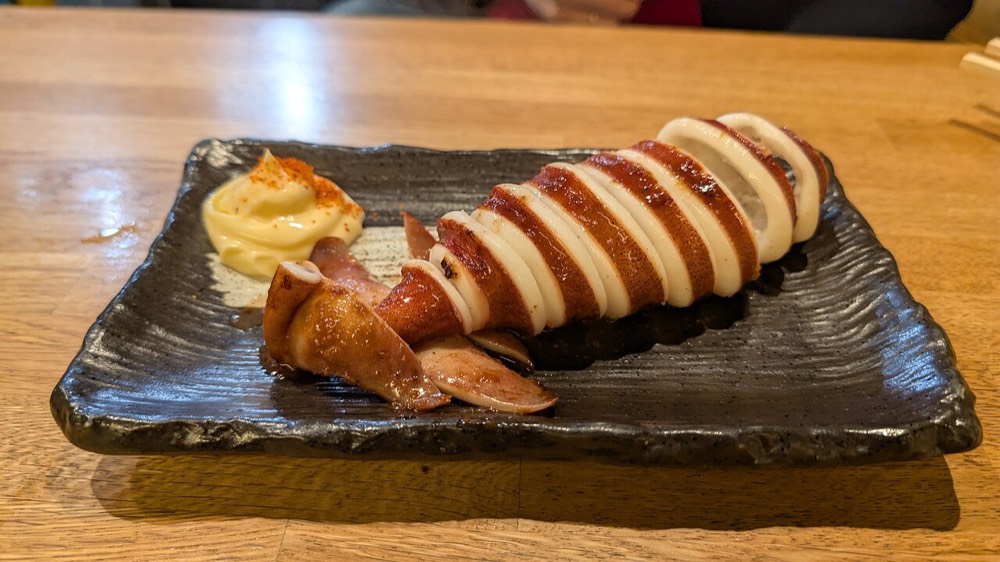
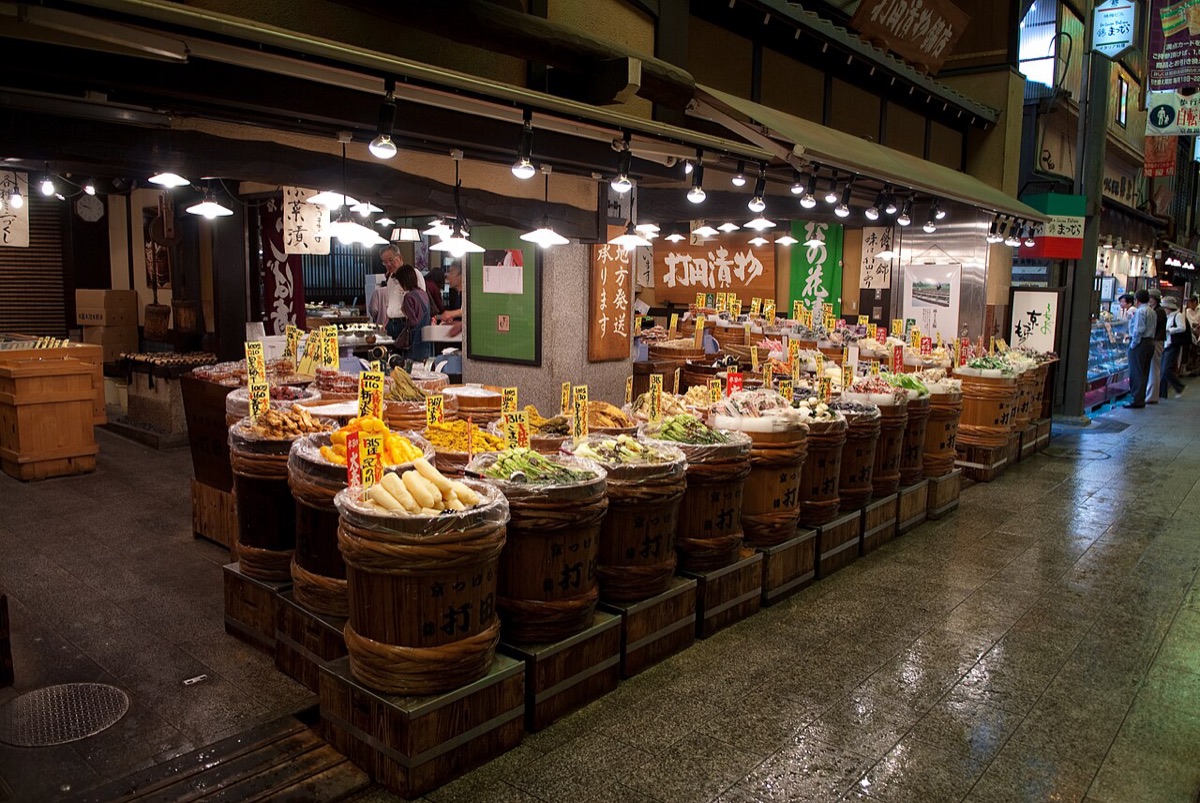
Nishiki Market is a long, narrow covered shopping street running parallel to Shijo-dori on its north side. It is about 390 meters long, has a roof that keeps off the rain, and is around 400 years old. It is known as "Kyoto's Kitchen" (Kyo no Daidokoro).[1] The street is packed with pickle shops, dried goods, fresh fish, Kyoto vegetables, tofu, Japanese sweets and knife makers, plus many stalls selling tamagoyaki, soy-milk doughnuts, fried snacks and other street food.
Rules and tips for Nishiki Market
- Do not eat while walking. The market's official site asks visitors not to eat while walking and to finish food inside the shop or in front of it.[1]
- Either direction works, east to west or west to east. The east end meets the Shinkyogoku and Teramachi shopping streets and is near Hankyu Kyoto-Kawaramachi Station. The west end is near Shijo Station on the subway and Hankyu Karasuma Station.
- Buy souvenirs here. Kyoto pickles, sansho pepper, shichimi, kombu and other dried goods are easy to carry home. Travelers from Taiwan should note that fresh meat and meat-containing products cannot be brought into Taiwan, so check the quarantine rules before buying.
- Carry cash and small change. Some shops take cards or mobile payment, but small stalls are easiest with cash.
- Closing days vary. Hours and closing days differ by shop, so if you have a specific place in mind, check its notice before you go.
The areas around Shijo-Kawaramachi and Shijo-Karasuma, near Nishiki Market, are also popular places to stay. If you would like to sleep inside the food district, see where to stay in Kyoto.
Yudofu and Shojin Ryori: Kyoto's Most Characteristic Light Flavors
In short: yudofu is best in autumn and winter at Nanzen-ji or Arashiyama. For shojin ryori, book ahead and confirm what the broth is made from.
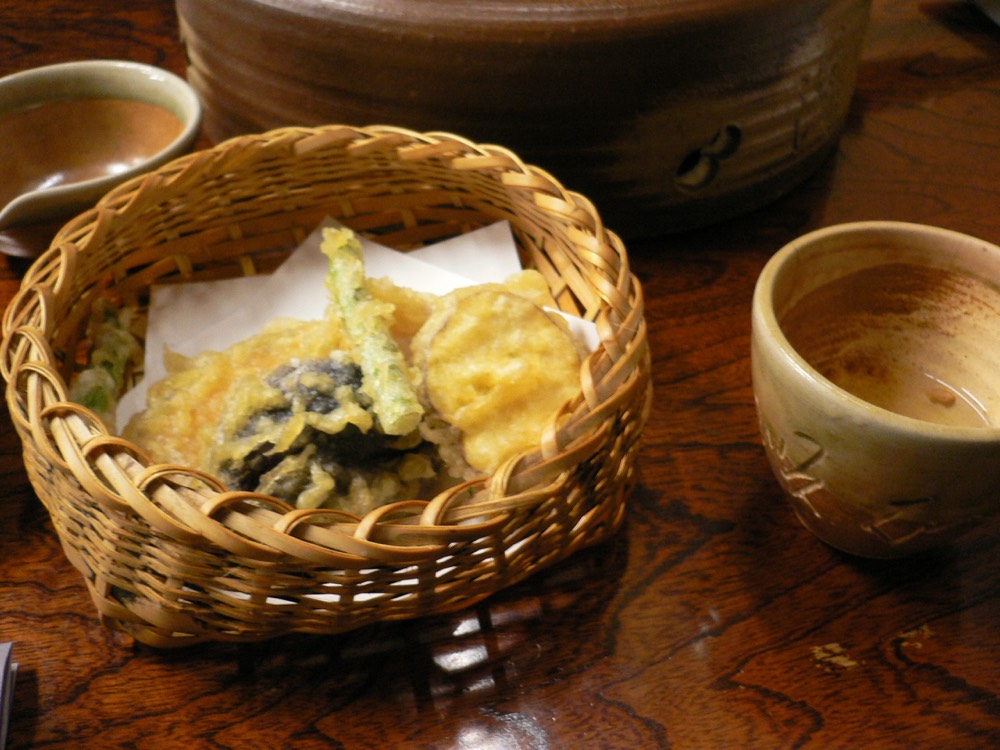
Kyoto's water is soft, and the city has long been famous for its tofu. For yudofu, tofu is slowly heated in a clay pot of kombu dashi, then lifted out and dipped in soy sauce with condiments (spring onion, ginger). Kyoto Travel calls it one of the city's signature winter dishes.[2] The approach to Nanzen-ji and the Arashiyama and Sagano area have the most long-established yudofu restaurants. Many make yudofu into a set with sesame tofu, vegetable tempura and dengaku, which makes a good lunch after a temple visit.
Shojin ryori is temple cuisine that came with Zen Buddhism in the Kamakura period. It is based on vegetables, beans and grains and uses no meat or fish. There are restaurants serving it around Tenryu-ji in Arashiyama and near the large Zen temples in the city. Kyoto Travel advises vegetarians to research ahead and book early, and to ask the restaurant first if you want to avoid fish stock.[2] If you are in Arashiyama, it is easy to add one meal there. See the timings in the Arashiyama day trip for a route.
Kyoto Matcha Sweets: Uji Is the Real Thing
In short: for the most authentic matcha sweets, set aside half a day for Uji. If you are short of time, Gion and Shijo also have dessert shops run by Uji tea merchants.
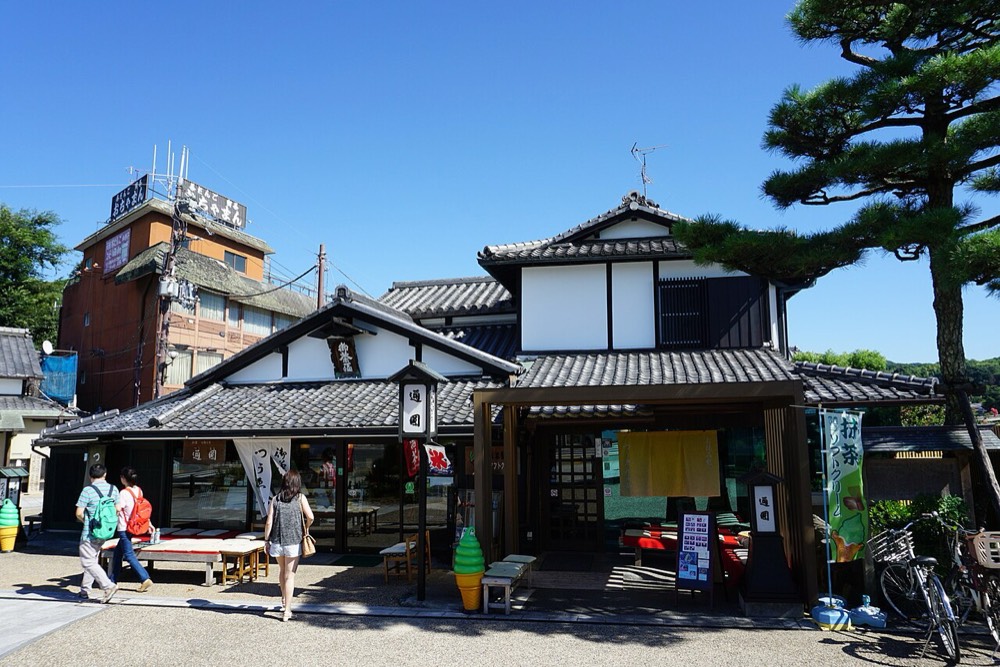
Kyoto Travel notes that most of the tea used in the Japanese tea ceremony is grown in Kyoto Prefecture,[2] and Uji is the best-known growing area. Tsuen, beside Uji Bridge, was founded in the first year of Eiryaku (1160). Its first master is said to have built a hut on the east side of the bridge to serve tea to travelers, and it has been going for more than 800 years.[3] Nakamura Tokichi Honten was founded in 1854, and the matcha jelly and matcha parfaits at its dessert counter are popular with visitors from Taiwan. For a formal tea ceremony, the city-run Taiho-an tea room in Uji offers usucha and sencha for 1,000 yen each, and a full tea-making experience for 2,400 yen. Some plans need to be booked 3 days ahead.[5] For the full Uji route, see the Uji day trip.
Common matcha sweets in Kyoto
- Matcha parfait: layered matcha ice cream, shiratama, red bean and matcha cake. This is the classic.
- Warabi mochi (わらび餅): chewy and bouncy, often dusted with kinako or matcha powder.
- Nama yatsuhashi: a thin rice-flour wrapper around red bean filling, in flavors such as matcha and cinnamon. A signature Kyoto souvenir.
- Matcha ice cream: sold in Uji and on the Arashiyama shopping street. Finish it in front of the shop before moving on.
Kyo-kaiseki and Obanzai: How to Eat Well on a Budget
In short: kyo-kaiseki dinners are expensive. To try it on a budget, choose a lunch set. For the everyday taste of Kyoto, go for obanzai.
Kyo-kaiseki (Kyoto cuisine) treats seasonal ingredients as the star, keeps seasoning restrained, and pays attention to seasonal feeling in the tableware and presentation. Washoku was listed as UNESCO Intangible Cultural Heritage in 2013, and Kyoto Travel notes that Kyoto chefs played an important role in this.[2] High-end ryotei are concentrated in Gion, Higashiyama and Pontocho. Dinner needs a reservation, and some places accept only regular customers or bookings through a hotel. A restaurant's lunch set is usually more affordable than its dinner, which makes it a good way to try it for the first time.
Obanzai is everyday Kyoto home cooking. It uses Kyoto vegetables such as Shogoin turnip, Kujo green onion and Horikawa burdock, is seasoned with dashi, and aims to waste as little as possible.[2] Many izakaya around Shijo and Kawaramachi lay out the day's obanzai in dishes on the counter, and ordering a few to go with a drink makes a very Kyoto dinner. Saba sushi (mackerel sushi) and the steamed sushi of winter are also sushi styles particular to Kyoto.
Fushimi Sake and Other Local Flavors
In short: if you enjoy drinking, pair Fushimi Inari Taisha with the Fushimi sake brewery district on the same day, and visit a brewery for a tour and tasting in the afternoon.
Kyoto Travel explains that Kyoto's soft water nurtured Fushimi's brewing industry, and Fushimi is one of the oldest and best-known sake-producing areas in Japan. Since 2013, the city has also promoted an ordinance encouraging toasts with sake, in support of the local traditional industry.[2][4] The Fushimi district has several breweries and museums where you can learn about the brewing history and taste sake, and a walk along the waterways between the breweries is pleasant too.
Other local flavors worth trying:
- Kyoto ramen: a chain famous for rich chicken-paitan broth started in Kyoto, and the ramen street in Kyoto Station Building gathers several well-known shops.
- Kyoto coffee and Showa-era kissaten: Kyoto has many old coffee houses, and Kyoto Travel also introduces a long-established kissaten known for its pudding, which is a good place to rest when you are tired.
- Wagashi: Kyoto confectionery is based on red bean, sugar and rice flour, made to go with tea ceremony and festivals, with many seasonal-only items.
Kyoto Food Tips Before You Go
- Book popular places first. For kyo-kaiseki, shojin ryori and popular yudofu restaurants, book through the official site or your hotel in peak season.
- Eat lunch early. Restaurants in tourist areas are busiest at 12:00, and being seated before 11:00 saves a lot of waiting.
- Check closing days. Many old Kyoto shops have regular or irregular closing days, and last orders at dinner are often earlier than travelers from Taiwan might expect, so check before you go.
- Carry cash. Small restaurants, market stalls and dessert shops can still be cash-only.
- Plan food along your sightseeing route. Pair Nishiki Market with Nijo Castle or Gion, yudofu with Nanzen-ji or Arashiyama, and matcha with Uji. Planning food and sights together saves the most time. For a list of sights, see Kyoto attractions.
FAQ
Can you eat while walking in Nishiki Market?
No. The market's official association asks visitors not to eat while walking. Finish any snack inside the shop or in front of it before moving on. The aisles are narrow and crowded, and eating on the move can stain other people's clothes and causes trouble for the shops.
What time is best to visit Nishiki Market?
Aim for around 10:00 to 11:00. Many shops are not open yet if you arrive earlier, tourists peak after noon, and quite a few shops start closing after 17:00. Hours and closing days differ by shop, so check the shop's own notice if you have a specific place in mind.
Where can you eat yudofu in Kyoto?
The approach to Nanzen-ji and the Arashiyama and Sagano area have the most long-established yudofu restaurants, and many serve set meals with sesame tofu and tempura. Yudofu is Kyoto's classic winter dish, so autumn and winter suit it best. Popular places often have lines at lunch, so aim to be seated before 11:00.
Where should you go for matcha sweets in Kyoto?
For the most authentic experience, go to Uji. Nakamura Tokichi Honten was founded in 1854, and Tsuen beside Uji Bridge has been in business since 1160. In central Kyoto, Gion and Shijo also have dessert shops run by Uji tea merchants, serving matcha parfaits, warabi mochi and more.
What vegetarian or light dishes are there in Kyoto?
Start with shojin ryori, temple cuisine built around vegetables and tofu, served near temples such as Tenryu-ji. Kyoto Travel's guidance is to book ahead and ask whether fish stock is used, because some restaurants make their broth with bonito. Yudofu and Kyoto-vegetable obanzai are also relatively light.
Sources
- Kyoto Nishiki Market Shopping Street Promotion Association (official): 390 m length, about 400 years of history, request not to eat while walking
- Kyoto Travel | Food and Drink: Kyo-kaiseki, shojin ryori, obanzai, yudofu, Fushimi sake, nishin soba, Kyoto vegetables
- Tsuen Tea (official): Founded in the first year of Eiryaku (1160)
- Kyoto Travel | Sake Guide: Fushimi sake breweries and sake culture
- Uji City Tea Room Taiho-an (GLTJP): Uji matcha experience fees
Fares, opening hours and event dates can change. Information checked on 2026.10.19; please confirm with official sources before you go.