Where to Stay in Kyoto: Kyoto Station, Shijo-Kawaramachi, Gion or Karasuma-Oike?
Where to stay in Kyoto: Kyoto Station, Shijo-Karasuma, Kawaramachi, Gion and Karasuma-Oike compared by transit, food and quiet, plus the lodging tax rise from March 2026.
Quick answer
For a first trip to Kyoto, stay at Kyoto Station (direct from the airport, best transit) or Shijo-Kawaramachi (the most food and shopping). Choose Gion and Higashiyama for atmosphere, or Karasuma-Oike for somewhere quiet yet convenient. Kyoto's lodging tax rose on March 1, 2026 to 200-10,000 yen per person per night in 5 tiers by room rate, paid at check-in.
For a first trip, the usual choice in Kyoto is between Kyoto Station and Shijo-Kawaramachi, and after that Gion, Karasuma-Oike and a few others. Central Kyoto is not large, but buses are crowded and the sights are spread out, so choosing the right area can save you more than an hour of travel every day. This guide compares Kyoto's main areas on four points (transit, food, nightlife and quiet), tells you where to stay for different itineraries, and sets out the lodging tax that rose in March 2026 so you are not surprised by an extra charge at check-in.
Where Is the Most Convenient Place to Stay in Kyoto? Five Areas Compared
In short: choose Kyoto Station for transit, Shijo-Kawaramachi for eating, drinking and shopping, and Gion for atmosphere. For both convenience and quiet, choose Karasuma-Oike or Shijo-Karasuma.
| Area | Transit | Food and shopping | Quiet at night | Best for |
|---|---|---|---|---|
| Kyoto Station | ★★★★★ JR, Shinkansen, subway, bus terminal, airport bus | ★★★★ Station department store, underground mall | ★★★★ | First-timers, lots of luggage, day trips to Osaka and Nara |
| Shijo-Kawaramachi | ★★★★ Hankyu, Keihan, many bus lines | ★★★★★ Nishiki Market, department stores, izakaya | ★★ | Shoppers, going out in the evening |
| Shijo-Karasuma | ★★★★ Karasuma Line subway, Hankyu | ★★★★ Mix of offices and old shops | ★★★ | Balancing transit and price |
| Gion, Higashiyama | ★★★ Keihan, buses | ★★★ Ryotei, sweets | ★★★ (inside the lanes) | Early starts at Kiyomizu-dera, Kyoto atmosphere |
| Karasuma-Oike, around Nijo Castle | ★★★★ Two subway lines meet | ★★★ | ★★★★★ | Families, longer stays, those who like quiet |
Kyoto Travel also advises booking accommodation early for the cherry blossom and autumn-leaf seasons.[2] The pros and cons of each area follow.
Staying at Kyoto Station: The Top Pick for Transit
In short: if your trip includes any of a round trip to Kansai Airport, day trips to Osaka or Nara, or the Shinkansen, staying around Kyoto Station is the safest choice.
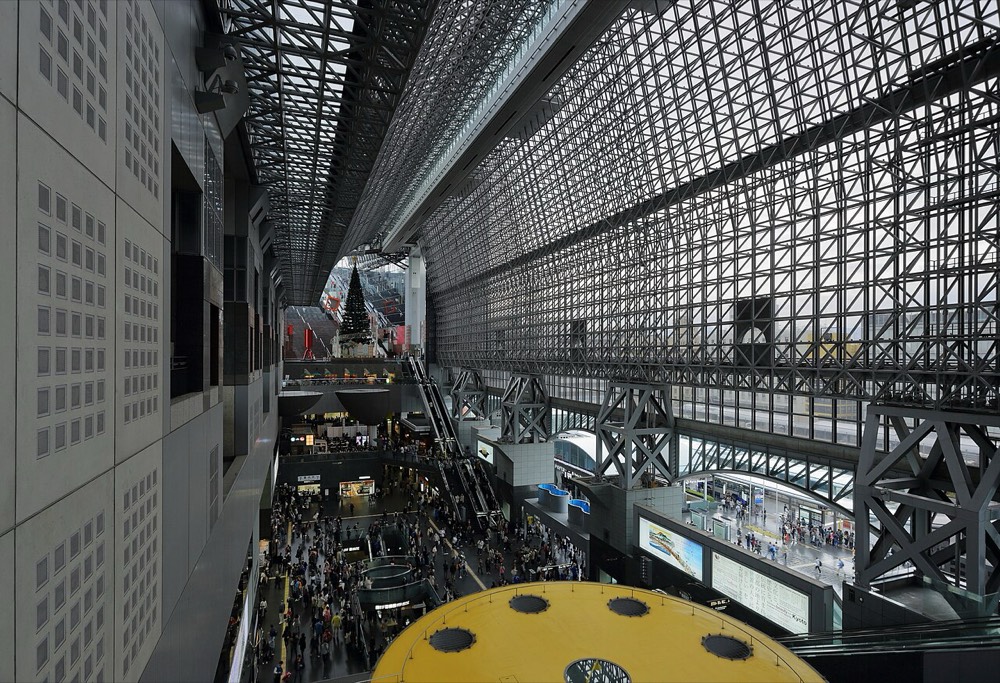
Kyoto Station is where the JR Kyoto Line, Sagano Line, Nara Line, Shinkansen, Kintetsu and the Karasuma subway line meet. The HARUKA airport express and the Limousine Bus both come straight here, and JR runs directly to Arashiyama, Fushimi Inari and Uji, so it is the transport heart of Kyoto. The station building holds a department store, Ramen Koji and an underground mall, so there is no shortage of places to eat in the evening.
The downside is that the surroundings feel more like a modern city and lack Kyoto's old-world charm, and buses toward Higashiyama and Kinkaku-ji are very crowded in peak season. Choose a hotel within a 5 to 10 minute walk of the Hachijo exit (south side) or the Karasuma exit, so dragging luggage does not wear you out.
Staying in Shijo-Kawaramachi and Shijo-Karasuma: Most Convenient for Food and Shopping
In short: Shijo-Kawaramachi is Kyoto's liveliest downtown, and the most convenient place for izakaya dinners and drugstore shopping. Shijo-Karasuma, a little to the west, is relatively quiet and has better subway access.
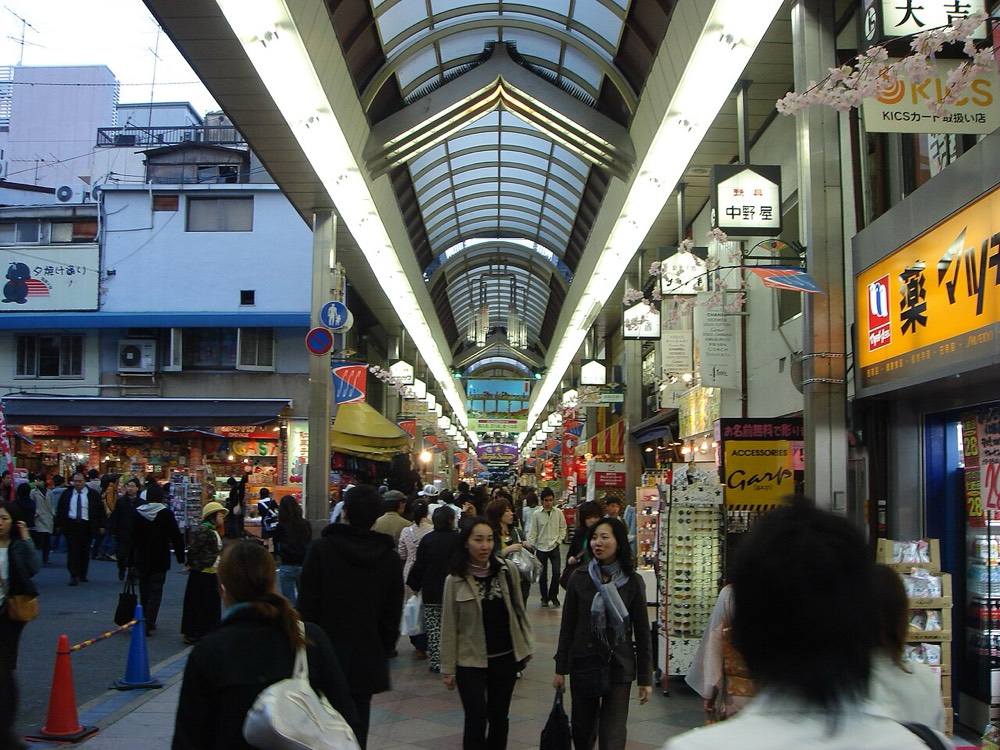
Around Shijo-Kawaramachi you will find department stores, Nishiki Market, the Shinkyogoku shopping street and the restaurants of Pontocho and Kiyamachi, and you can walk to the Kamo River and Gion. Kyoto-Kawaramachi, the terminus of the Hankyu Kyoto Line, is here, and Keihan's Gion-Shijo Station is across the Kamo River. From Osaka-Umeda, Hankyu runs through without a transfer. For Nishiki Market and the food nearby, read it alongside the Kyoto food guide.
Shijo-Karasuma is at Shijo Station on the Karasuma Line and Karasuma Station on Hankyu, and the subway to Kyoto Station is only 2 stops. The area is mostly business hotels, usually better value than Kawaramachi, and Nishiki Market is only a few minutes' walk away, which makes it a value favorite for many travelers from Taiwan.
Downsides: Kawaramachi is crowded and noisy on weekend nights, so check soundproofing at hotels near Kiyamachi. From both areas you need to change to a bus to reach Kiyomizu-dera or Kinkaku-ji.
Staying in Gion and Higashiyama: For Early Starts at Kiyomizu-dera
In short: Gion and Higashiyama are the most atmospheric places to stay, and their best feature is that you can reach Kiyomizu-dera and Yasaka Shrine early in the morning before the tourists arrive.
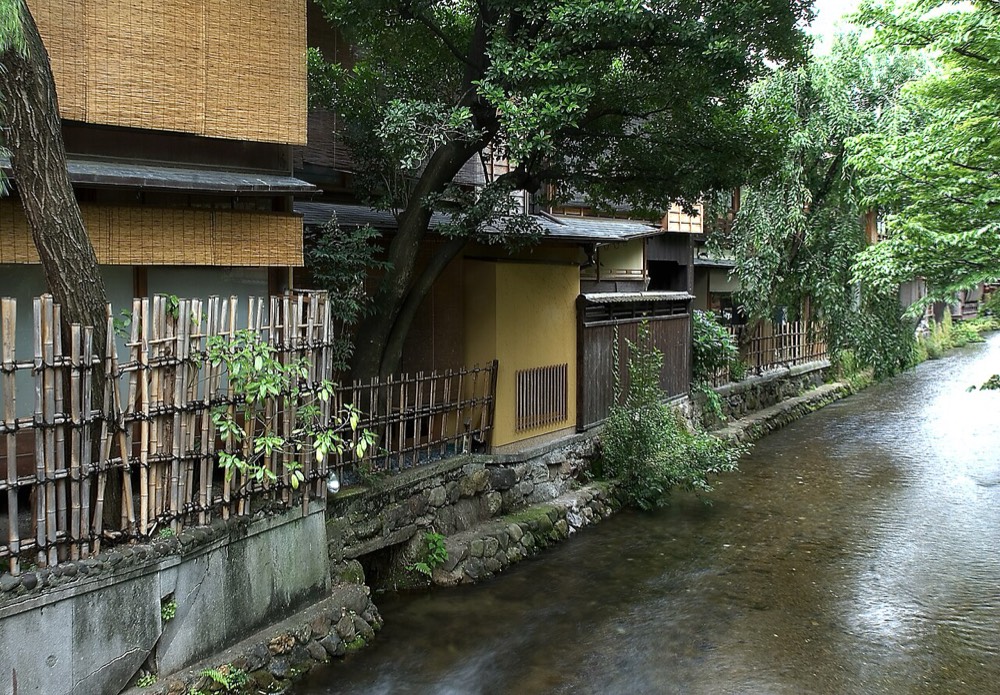
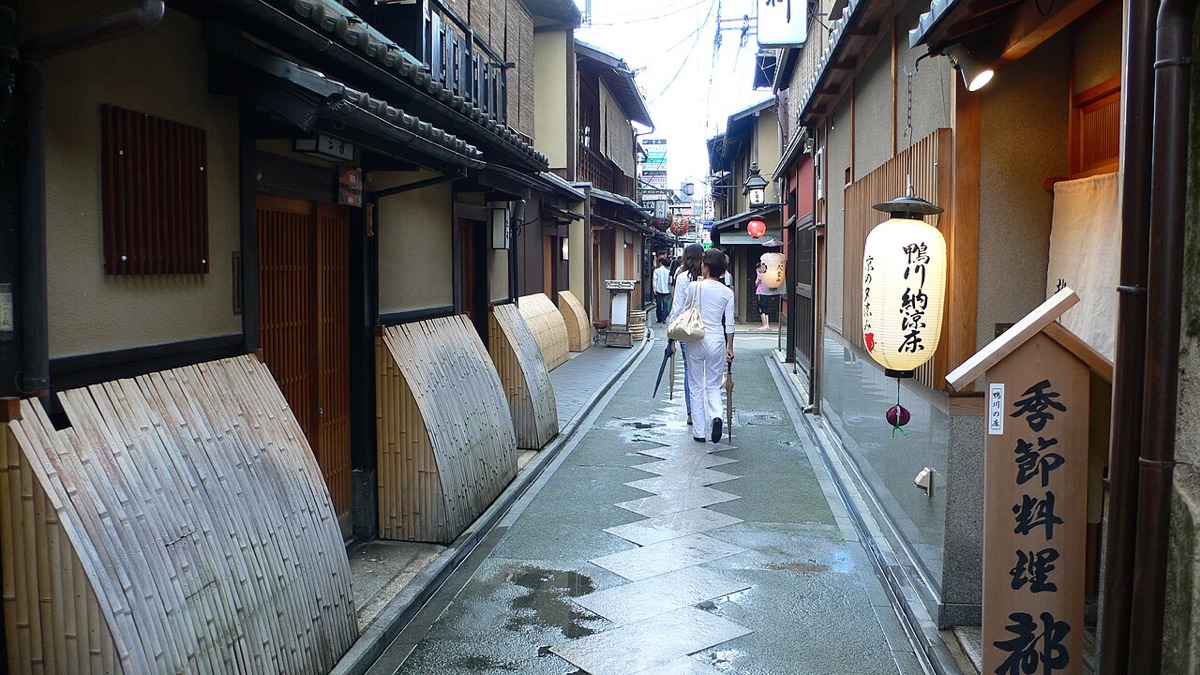
Staying here, you can stroll to Kiyomizu-dera when it opens at 6:00, and Hanamikoji and the Shirakawa canal are especially atmospheric in the evening after the tour groups have left. There are many traditional inns and converted machiya, which suit anyone who wants one special night.
Things to watch for:
- Transport toward Kyoto Station and Arashiyama is less convenient, relying mainly on Keihan and buses, and in peak season you often cannot get on the buses around Higashiyama.
- There are many stone-paved slopes and a suitcase is hard work, so using a luggage delivery service is advisable.
- Some private lanes in Gion are now closed to tourists. Walk on ordinary streets when returning to your hotel at night, and do not chase geiko and maiko for photos.
Staying in Karasuma-Oike and Around Nijo Castle: Quiet but Still Convenient
In short: Karasuma-Oike is where the Karasuma and Tozai subway lines meet, so you can reach Kyoto Station, Nijo Castle and Keage in Higashiyama without a bus, which suits families and long-stay travelers.
Around Karasuma-Oike and Nijo Castle the area is mostly residential and offices, and it is quite quiet at night, yet Nishiki Market and Shijo are a 10 to 15 minute walk away. The Tozai Line runs through to the front of Nijo Castle, Sanjo Keihan and Keage (toward Nanzen-ji and the Philosopher's Path), which helps anyone wanting to avoid the bus crowds. Municipal subway fares are 220-360 yen,[4] and if you ride a lot in one day you can pair it with the Subway and Bus One-Day Pass (1,100 yen for adults).[3] For how to ride subways and buses, see the Kyoto transport guide.
Suburban areas such as Arashiyama, Ohara and Uji also have onsen ryokan, and these suit one night of relaxation in the middle of a trip. They are not recommended as a base for the whole trip, because the time cost of traveling in and out of the city every day is higher.
Kyoto Lodging Tax 2026: How Much Extra Per Night?
In short: from March 1, 2026, Kyoto City raised its lodging tax. The tax per person per night falls into 5 tiers by the room-only rate (room rate plus service charge, excluding meals and consumption tax), up to 10,000 yen.[1]
| Room-only rate per person per night | Lodging tax (per person per night) |
|---|---|
| Under 6,000 yen | 200 yen |
| 6,000 to under 20,000 yen | 400 yen |
| 20,000 to under 50,000 yen | 1,000 yen |
| 50,000 to under 100,000 yen | 4,000 yen |
| 100,000 yen or more | 10,000 yen |
The tax applies to guests at hotels, ryokan, simple lodgings, guesthouses and all other accommodation, and in principle is paid at the accommodation where you stay. It is sometimes already included in the amount paid through a booking site or travel agency, so confirm the details with the accommodation.[1] For example, if two people stay in a double room at 30,000 yen a night, the rate per person is 15,000 yen, which falls in the 400 yen tier, so the two of you pay 800 yen in total for one night.
Kyoto Machiya Stays and Booking Tips
In short: Kyoto machiya are distinctive, but before booking check that the property is legally registered, how check-in works and what the stairs are like. In peak season, book 3 to 6 months ahead.
A machiya (Kyo-machiya) is a traditional Kyoto wooden townhouse, with a narrow frontage, a long interior and often a small inner courtyard. Kyoto Travel notes that some converted machiya also offer experiences such as calligraphy and kimono.[2] Whole-house machiya suit families or friends in groups of 3 to 6, but most have no staff on site and use a keypad lock for self check-in, and the stairs tend to be steep.
Checklist when booking
- Confirm the lodging is legal. Guesthouses in Japan must be registered by law, and a proper booking page shows a permit or registration number. Be wary of listings that are unusually cheap and show none.
- Check taxes and cleaning fees. The lodging tax, the bathing tax (for onsen ryokan) and cleaning fees are often charged separately.
- Confirm front desk hours and luggage storage. Unstaffed properties may not let you leave luggage early.
- Check the real walking time from the station. Many Kyoto lanes are stone-paved or sloped, and a 10-minute walk on the map can take 15 with luggage.
- Book early for autumn leaves and cherry blossoms. Rates in November and from late March to early April are clearly higher than on ordinary days, so choose a free-cancellation plan for flexibility.
Once you have decided where to stay, start planning each day from Kyoto attractions, or return to the Kyoto travel overview for more Kyoto articles.
FAQ
Is it better to stay at Kyoto Station or Kawaramachi?
Choose Kyoto Station if your trip includes round trips to Kansai Airport, day trips to Nara or Osaka, or a lot of luggage. Choose Shijo-Kawaramachi if you want to shop and eat out in the evening and visit Gion and Higashiyama. The two are about 10-15 minutes apart by subway or bus, so the choice is between a transport hub and everyday convenience.
How much is the Kyoto lodging tax?
Under Kyoto City's rules, from March 1, 2026 the tax per person per night depends on the room-only rate: 200 yen for under 6,000 yen, 400 yen for 6,000 to under 20,000 yen, 1,000 yen for 20,000 to under 50,000 yen, 4,000 yen for 50,000 to under 100,000 yen, and 10,000 yen for 100,000 yen or more.
Is the Kyoto lodging tax already included in booking-site prices?
Not always. Kyoto City explains that the tax is in principle paid to the accommodation, but it is sometimes already included in the amount paid through a booking site or travel agency. Read the note saying whether taxes are paid separately when you book, and ask the hotel if you are unsure.
Who is a Kyoto machiya stay suited to?
It suits families or friends in groups of 3 to 6 who want to experience traditional wooden architecture. A whole-house machiya usually has a kitchen and several rooms, but most have no staffed front desk and the stairs can be steep. If you travel with older relatives or heavy luggage, confirm the check-in method and the layout first.
How far ahead should you book Kyoto accommodation?
The cherry blossom season from late March to early April and the November autumn-leaf season are the hardest times to book, so reserve 3 to 6 months ahead. For other months, 1 to 2 months ahead is usually enough. Peak-season rates rise noticeably, and a free-cancellation plan gives more flexibility.
Sources
- Kyoto City | About the Kyoto City lodging tax (京都市の宿泊税について): Lodging tax tiers, the March 1, 2026 revision, how it is paid
- Kyoto Travel | Accommodations: Ryokan, hotel and machiya types and advice on booking early
- Kyoto Travel | Discount Tickets (お得な乗車券): Subway and Bus One-Day Pass
- Kyoto City Transportation Bureau | Taking the Kyoto City Subway: Subway lines and fares
Fares, opening hours and event dates can change. Information checked on 2026.10.19; please confirm with official sources before you go.