Tofuku-ji Autumn Leaves Guide: Tsutenkyo Bridge Peak Time, Admission, Crowds and Access (2026)
Tofuku-ji autumn leaves 2026: peak forecast late Nov to early Dec, 8:30 opening in the special period, ¥1,000 Tsutenkyo fee, photo limits, crowd tips and access.
Quick answer
Tofuku-ji's autumn leaves usually peak from mid-November to early December, and the Japan Weather Association's tenki.jp forecasts late November to early December for 2026; on November 20 they had reached their peak. From November 14 to December 6 is the autumn special period: Tsutenkyo Bridge and Kaisando open early at 8:30 and cost ¥1,000 for adults, the Hojo garden costs ¥600, and no combined ticket is sold. When it is crowded, photography on Tsutenkyo and Gaunkyo bridges may be stopped. From Kyoto Station, take the JR Nara Line about 3 minutes to Tofukuji Station, then walk about 10 minutes.
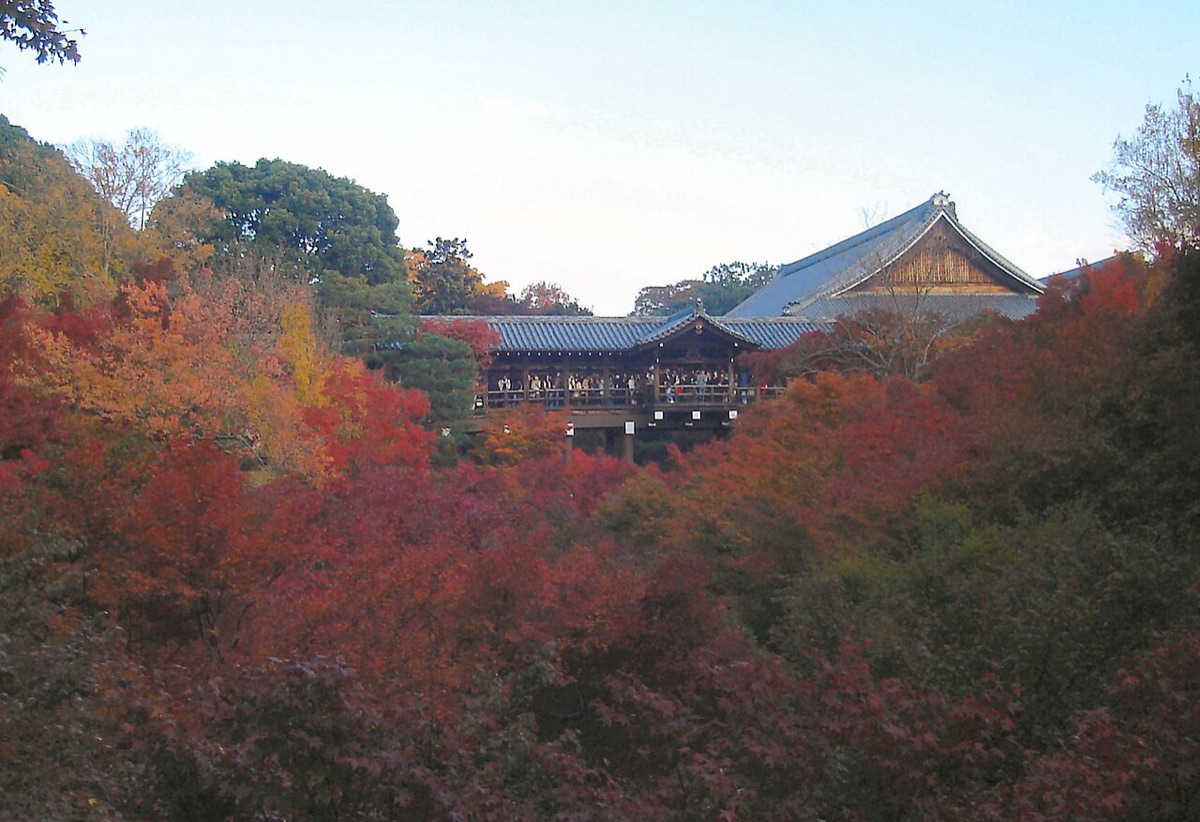
Tofuku-ji's autumn leaves are one of Kyoto's signature foliage scenes: from Tsutenkyo Bridge you look down on the Sengyokukan ravine, filled with maples like a sea of red clouds. Tofuku-ji's leaves usually peak from mid-November to early December, and in 2026 the forecast is a little later; on November 20 they reached their peak. This guide covers Tofuku-ji's 2026 foliage timing, hours and fees during the autumn special period, photo restrictions on Tsutenkyo, the best times to avoid crowds, how to get there from Kyoto Station and Gion, and how to combine it with Fushimi Inari.
When are Tofuku-ji's autumn leaves at their best? 2026 peak forecast
In short: Tofuku-ji's Tsutenkyo leaves are usually at their best from mid-November to early December, the Japan Weather Association's tenki.jp forecasts late November to early December for 2026, and on November 20 the status was already "peak colors" (koyo migoro)[4].
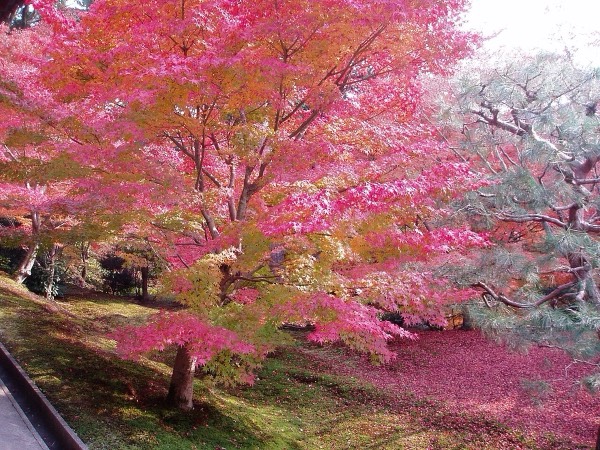
The maples at Tofuku-ji are mainly Japanese maple (iroha-momiji) and mountain maple (yama-momiji), along with trident maple (tokaede) and Nomura maple (nomura-momiji)[4]. The most distinctive is the "Tsuten maple", whose leaves split into three lobes and turn golden in autumn, a different colour from the usual red maples[4].
| Item | 2026 information |
|---|---|
| Usual peak | Mid-November – early December[4] |
| 2026 forecast | Late November – early December (tenki.jp)[4] |
| Status on November 20 | Peak colors[4] |
| Autumn special period | November 14 – December 6[1] |
| Evening | No general illumination; private night viewing by reservation, November 18 to December 6[7][8] |
| Early morning | Private early-morning viewing by reservation, November 19 to December 6[7][8] |
| National Treasure Sanmon Gate and Ryogin-an special opening | November 7 to December 6[9][10] |
Temperatures have been high this autumn, and foliage in central Kyoto is widely forecast to be later than usual. With Tofuku-ji at peak since November 20, from now through the first week of December is a good window; from early December you may also see the "chiri-momiji" of fallen leaves carpeting the ravine. For a comparison of other Kyoto foliage spots, see Kyoto Autumn Leaves 2026.
What is Tsutenkyo Bridge? The three bridges over Sengyokukan and other highlights
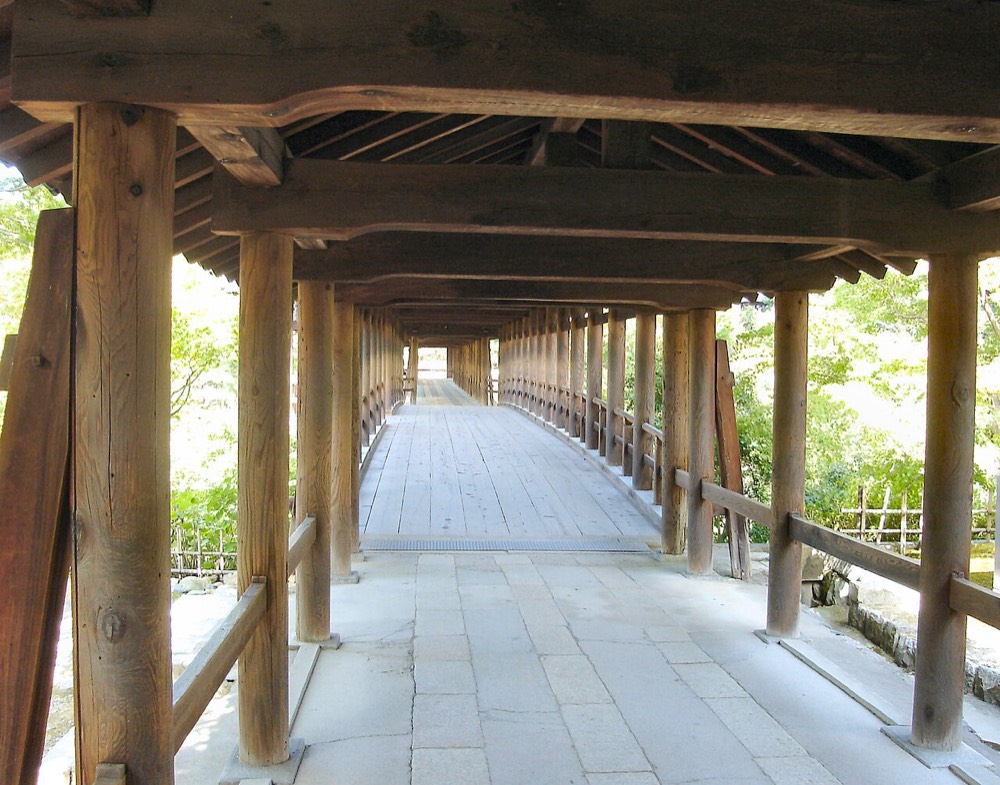
In short: Tsutenkyo is a covered wooden bridge spanning the Sengyokukan ravine inside Tofuku-ji, linking the Buddha Hall side with Kaisando Hall, and looking down on the ravine of maples from it is the classic Tofuku-ji view[6].
Tofuku-ji is the head temple of the Tofuku-ji branch of Rinzai Zen. Regent Kujo Michiie began building it in 1236 and it took 19 years to complete; its name takes one character each from Nara's Todai-ji and Kofuku-ji, and its founding abbot was Shoichi Kokushi (Enni)[5]. It is also one of Kyoto's Five Great Zen Temples, ranked fourth[6].
Three bridges cross the Sengyokukan ravine, from downstream to upstream:
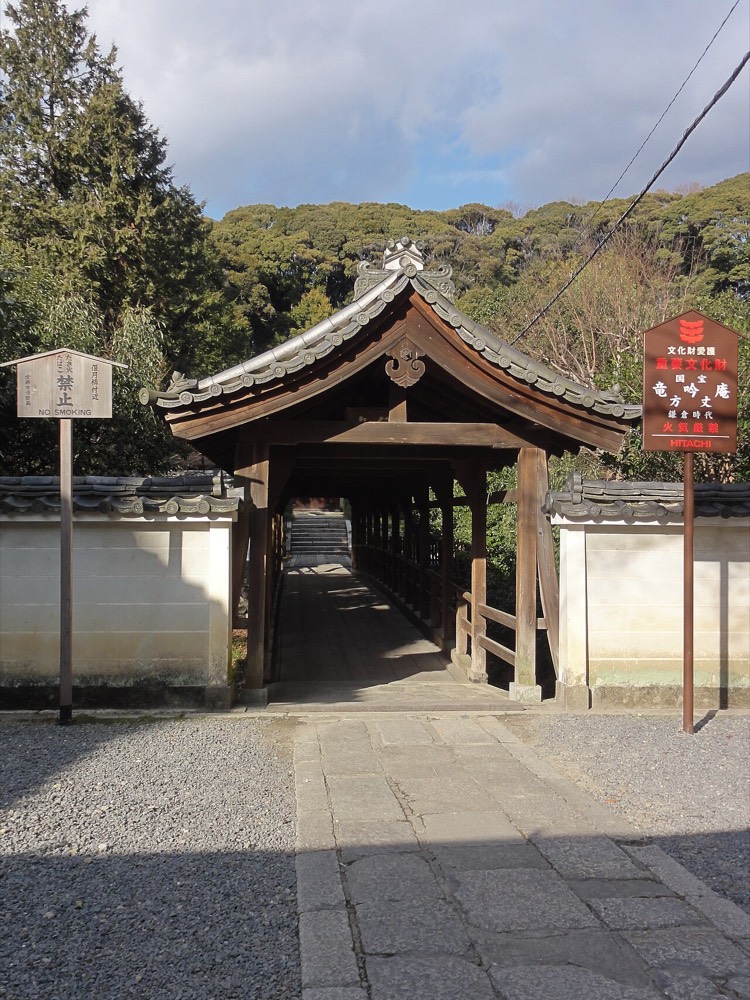
- Gaunkyo Bridge: downstream of Tsutenkyo, it offers a view across to Tsutenkyo and the maples and is a popular spot for photographing the whole bridge[6].
- Tsutenkyo Bridge: the most famous, inside the paid "Tsutenkyo and Kaisando" area. The original bridge was destroyed by a typhoon in 1959 and rebuilt two years later[6].
- Engetsukyo Bridge: another wooden bridge, upstream of Tsutenkyo[6].
Besides the leaves, two more places in the grounds are worth seeing:
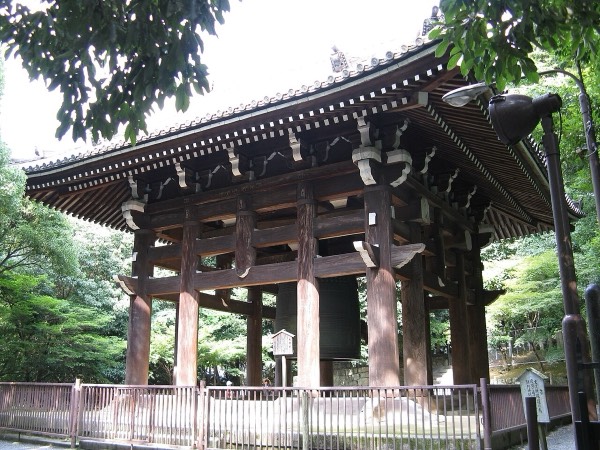
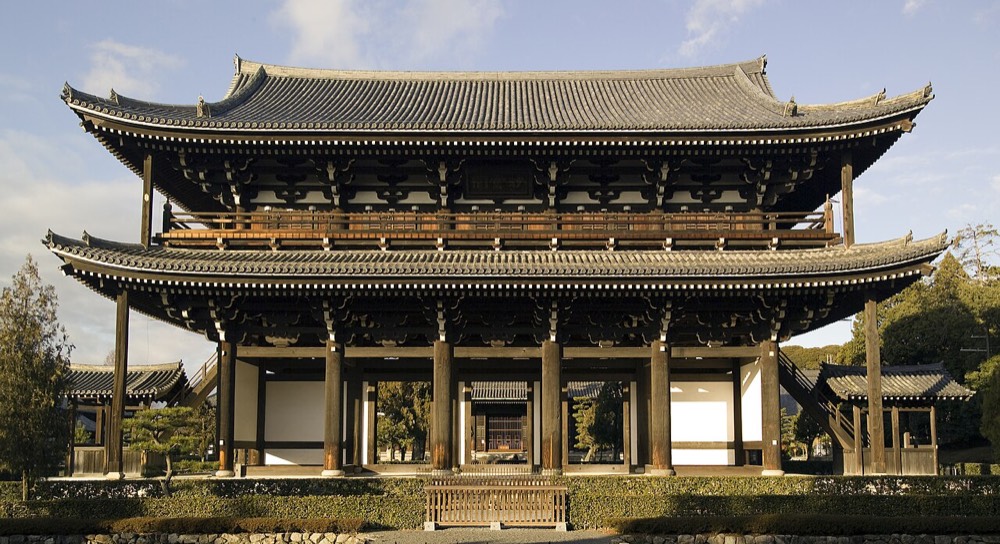
- Sanmon Gate: a National Treasure and one of the oldest surviving Zen temple gates in Japan[6]. From November 7 to December 6, 2026 it has a special opening where you can go up inside, 9:00 to 16:30 (last entry 16:00), ¥1,000 for adults and ¥500 for elementary and junior high students; the stairs are steep, and the temple may refuse entry for safety reasons[9].
- Ryogin-an: its hojo is the oldest surviving hojo building and a National Treasure. It also has a special opening from November 7 to December 6, 9:00 to 16:30 (last entry 16:00), ¥1,000 for adults and ¥500 for elementary and junior high students, with reception at Ryogin-an[10].
- Tofuku Chaen: the temple announced on October 31 that on December 13, from 9:30 to 15:30, Shizuoka sencha will be served on the Hojo veranda to the first 300 visitors; Hojo admission is required[11]. This falls after the autumn special period and suits visitors coming in mid-December for the fallen leaves.
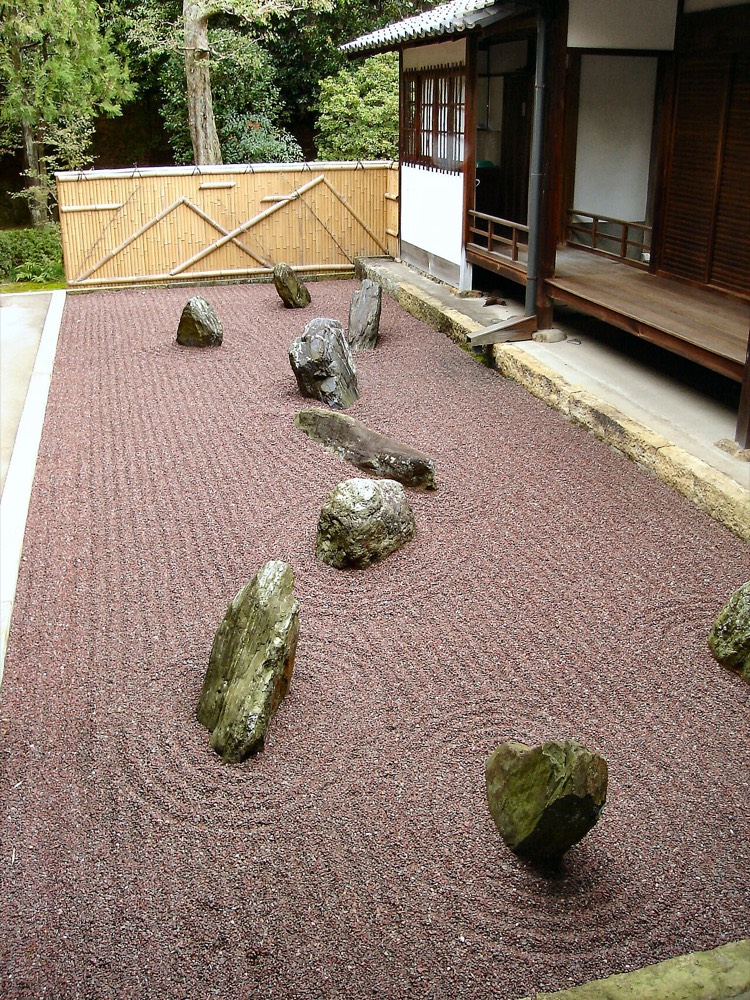
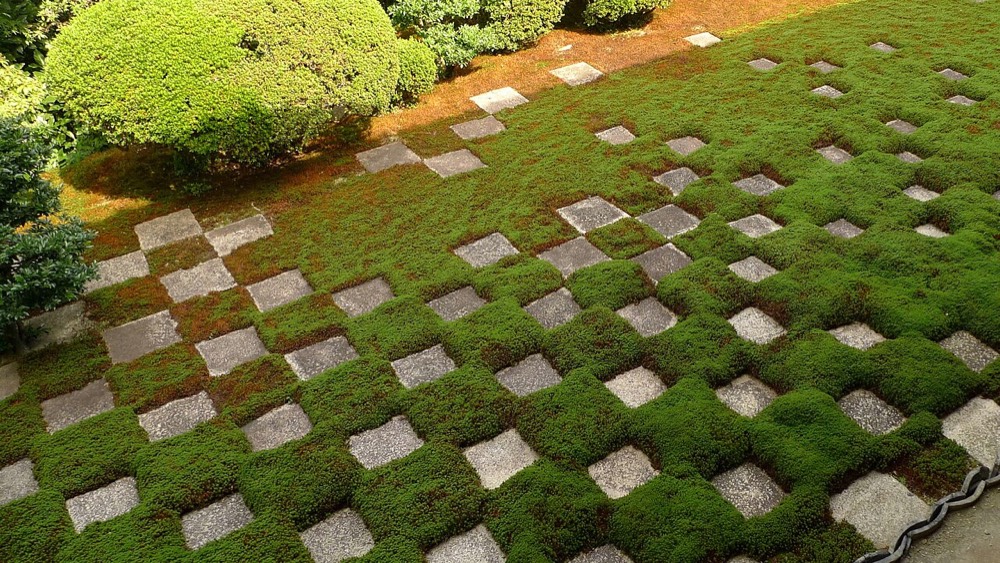
- Hojo Garden (Garden of the Eight Views): completed in 1939 by garden designer Shigemori Mirei and designated a National Place of Scenic Beauty in 2014[6]. The north garden uses moss and stone slabs in a checkerboard pattern, and in autumn the maples beside the moss turn red, making it another photo highlight.
Tofuku-ji hours and admission: what does the autumn special period cost?
In short: during the autumn special period from November 14 to December 6, 2026, Tsutenkyo and Kaisando open at 8:30 and cost ¥1,000 for adults, while the Hojo garden opens at 9:00 and costs ¥600 for adults; no combined ticket is sold in this period[1][2].
Tofuku-ji revised its fees from November 1, 2026, raising the adult Hojo garden fee from ¥500 to ¥600[2]. In summary:
| Area | Regular period (from November 1) | Autumn special period (Nov 14–Dec 6) |
|---|---|---|
| Tsutenkyo and Kaisando | Adults ¥600, elementary/junior high ¥300 | Adults ¥1,000, elementary/junior high ¥500 (the temple fee notice says ¥300) |
| Hojo garden (Honbo garden) | Adults ¥600, elementary/junior high ¥300 | Adults ¥600, elementary/junior high ¥300 |
| Combined ticket (both areas) | Adults ¥1,000, elementary/junior high ¥500 | Not sold |
Source: Tofuku-ji official notice of July 1, 2026[2] (rechecked November 20, 2026). For the autumn special period, the temple's visitor information page and the Kyoto City Official Travel Guide event page both give ¥500 for elementary and junior high students at Tsutenkyo[1][12], while only the temple's July fee notice gives ¥300[2]; as of November 20 the two temple pages still disagree. ¥500 is more likely, but go by what is posted on site.
Hours vary by season[1]:
| Period | Opening – last admission | Gates close |
|---|---|---|
| April 1 – October 31 | 9:00–16:00 | 16:30 |
| November 1 – November 13 | 9:00–16:00 | 16:30 |
| November 14 – December 6 | Tsutenkyo 8:30–16:00; Hojo 9:00–16:00 | 16:30 |
| December 7 – March 31 | 9:00–15:30 | 16:00 |
Things to know about the autumn special period[1]:
- No combined ticket is sold, so Tsutenkyo and the Hojo need separate tickets; seeing both costs ¥1,600 per adult.
- Handwritten goshuin (temple stamps) are not available in this period.
- No re-entry once you leave the paid area, so take your photos and breaks inside.
- Eating and drinking are not allowed in the grounds, nor is sketching or drawing.
Private early-morning and night viewings (reservation required)
Tofuku-ji announced on October 25 that this autumn there are private viewings of Tsutenkyo under JR Central's "Souda Kyoto, Ikou" campaign: a private night viewing from November 18 to December 6 and a private early-morning viewing from November 19 to December 6, both requiring advance booking[7]. All bookings are made through the JR Central website, and Tofuku-ji itself does not take reservations; regular daytime visits (9:00 to 16:30) need no reservation[8]. For the times, fees and capacity of the private sessions, check JR Central's "Souda Kyoto, Ikou" official site.
Can I take photos on Tsutenkyo Bridge? Crowds and photography rules
In short: photography is normally allowed, but the temple says that during the autumn special period visitors may be asked not to take photos on Tsutenkyo and Gaunkyo bridges when it is crowded, and tripods are banned at all times[1].
At peak foliage, Tsutenkyo is often so crowded that you can only shuffle forward with the flow. Staff may ask you not to stop for photos depending on conditions, to keep the bridge from jamming. If photos matter to you:
- Go in at the 8:30 opening: the first slot of the day has the fewest people, and photo restrictions are usually most relaxed.
- Shoot the bridge from outside it: the classic Tsutenkyo composition is actually taken from across the ravine or from the Gaunkyo side, not standing on the bridge.
- Ravine path: inside the paid Tsutenkyo area a path leads down to the floor of the Sengyokukan ravine and on to Kaisando, and looking up at the maples from the bottom gives a different angle.
- Just use your phone: tripods are banned, and selfie sticks easily hit people on a crowded bridge, so it is best to put them away.
How to avoid the crowds at Tofuku-ji in foliage season
In short: the most effective approach is to arrive before the 8:30 opening on a weekday, see Tsutenkyo first and then the Hojo garden; late morning into the afternoon is busiest, especially at weekends.
Tofuku-ji is one of the most popular temples in Kyoto's foliage season, and crowds usually build noticeably from late morning. A suggested plan:
- Arrive at JR or Keihan Tofukuji Station around 8:00 and walk about 10 minutes to the temple.
- Queue at the Tsutenkyo entrance by 8:15 and see Tsutenkyo and Kaisando first after the 8:30 opening.
- After 9:00, move to the Hojo garden to see the Garden of the Eight Views and the checkerboard moss garden on the north side.
- Leave before 10:00 and head for your next stop.
If you can only go in the afternoon, remember admission closes at 16:00, and in late November the sun sets early, so the light starts fading after 15:00. Large suitcases are hard to move through the crowds, so leave them at Kyoto Station first.
How to get to Tofuku-ji: JR, Keihan and bus access
In short: the easiest route is the JR Nara Line from Kyoto Station, one stop and about 3 minutes to JR Tofukuji Station; from the Gion area take the Keihan line, about 5 minutes from Gion-Shijo to Keihan Tofukuji Station. From either station it is about a 10-minute walk[3].
| From | How to get there | Time |
|---|---|---|
| Kyoto Station | JR Nara Line to Tofukuji Station, then about 10 minutes on foot | About 3 minutes by train[3] |
| Gion-Shijo | Keihan Main Line to Tofukuji Station, then about 10 minutes on foot | About 5 minutes by train[3] |
| Kyoto Station (bus) | City bus 88 or 208 to the "Tofukuji" stop, then about 4 minutes on foot | About 15 minutes[3] |
| Gion (bus) | City bus 202 or 207 to the "Tofukuji" stop, then about 4 minutes on foot | About 14 minutes[3] |
Buses in central Kyoto are badly congested in foliage season, so take the train where you can. The JR and Keihan Tofukuji stations are next to each other; just follow the signs on foot, passing several sub-temples along the way. For how to use Kyoto's buses, subway and day passes, see our Kyoto transport guide.
How to combine Tofuku-ji and Fushimi Inari in one day
In short: Tofuku-ji and Fushimi Inari Taisha are both on the JR Nara Line, with Inari Station just one stop south of Tofukuji Station, so Tofuku-ji in the morning and Fushimi Inari around midday is the smoothest half-day plan in southern Kyoto.
A suggested half-day to full-day plan:
- 8:30 Tofuku-ji: go straight to Tsutenkyo at opening, then the Hojo garden, about 1.5 hours.
- 10:30 Fushimi Inari Taisha: take JR one stop from Tofukuji to Inari Station, or Keihan to Fushimi-Inari Station, and walk the Senbon Torii. For hiking routes and times, see our Fushimi Inari Taisha guide.
- Afternoon: continue south on the JR Nara Line to Uji, or rest around Kyoto Station, then visit another temple's evening illumination.
If this is your first time in Kyoto, pick other must-sees from our Kyoto attractions guide; if you want to stay somewhere convenient for reaching Tofuku-ji early, the Kyoto Station area saves the most time. For a comparison of areas, see where to stay in Kyoto.
Before you go
- During the autumn special period admission closes at 16:00, earlier than you might expect, so don't leave it too late in the afternoon.
- Tsutenkyo and the Hojo need separate tickets, so allow time for the ticket queue too.
- Photos on the bridge may be stopped when crowded; follow staff directions.
- Eating and drinking are not allowed in the grounds, so have hot drinks and snacks outside the temple.
- Prices and times in this guide were checked in October 2026. Foliage changes quickly, so check the Tofuku-ji website and the latest foliage report before you go; for nationwide foliage timing, see Japan Autumn Leaves 2026.
FAQ
When are Tofuku-ji's autumn leaves at their best in 2026?
According to tenki.jp, Tsutenkyo at Tofuku-ji usually peaks from mid-November to early December, and the 2026 forecast is late November to early December, slightly later than usual. On November 20 the status was already peak colors, so from now until early December is a good time, after which the leaves may turn into fallen chiri-momiji. Check the latest foliage report before you go.
How much does it cost to see Tsutenkyo Bridge at Tofuku-ji?
During the autumn special period from November 14 to December 6, 2026, Tsutenkyo and Kaisando cost ¥1,000 for adults; for elementary and junior high students, the temple's visitor information page and Kyoto City's official travel guide both give ¥500, while only the temple's July fee notice gives ¥300, so go by what is posted on site. The Hojo garden is a separate ¥600 for adults and ¥300 for children. No combined ticket is sold in this period. Outside autumn, Tsutenkyo is ¥600 for adults and the combined ticket ¥1,000.
Can I take photos on Tsutenkyo Bridge?
Normally yes, but the temple says that during the autumn special period visitors may be asked not to take photos on Tsutenkyo and Gaunkyo bridges when it is crowded, and tripods are banned throughout the grounds. For the classic view of Tsutenkyo, shoot from the Gaunkyo side or from paths away from the bridge, and follow staff directions.
What time is least crowded at Tofuku-ji in autumn?
During the autumn special period Tsutenkyo opens at 8:30, 30 minutes earlier than usual, so be at the entrance by about 8:15. Weekday mornings are usually much quieter than weekends, while late morning into the afternoon is busiest. Admission closes at 16:00, so arriving too late in the afternoon leaves little time. There are also private early-morning and night viewings that must be booked through the JR Central website; the temple itself does not take reservations.
How do I get to Tofuku-ji, and can I drive?
Take the JR Nara Line from Kyoto Station about 3 minutes to Tofukuji Station, or the Keihan line from Gion-Shijo about 5 minutes to Tofukuji Station, then walk about 10 minutes. The temple says all its parking lots are closed from October 25 to December 10 in the foliage season, so use public transport.
Can I visit Tofuku-ji and Fushimi Inari on the same day?
Yes. Both are on the JR Nara Line, and Inari Station is just one stop south of Tofukuji Station, a few minutes away. Visit Tofuku-ji first at 8:30 for the leaves, then move to Fushimi Inari Taisha before noon to walk the Senbon Torii, avoiding the peak crowds at both.
Sources
- Tofuku-ji official | Visitor information: Hours by season, autumn special period (Nov 14–Dec 6), photography and tripod rules, visitor notes (rechecked November 20, 2026)
- Tofuku-ji official | Notice of admission fee changes from November 1, 2026: Admission fees from November 1, 2026 and during the autumn foliage period
- Tofuku-ji official | Access: JR, Keihan and city bus access; parking closed in the foliage season
- tenki.jp | Tofukuji Tsutenkyo autumn leaves 2026: Usual peak, 2026 forecast, maple species, Tsuten maple, status on November 20
- Tofuku-ji official | History: Founding date, Kujo Michiie, origin of the name, founding abbot Shoichi Kokushi
- Wikipedia (Japanese) | Tofuku-ji: National Treasure Sanmon, Hojo garden (Shigemori Mirei, 1939), the three bridges over Sengyokukan, rebuilding of Tsutenkyo
- Tofuku-ji official website, top page: Special program "Treasures of Tofuku-ji" paused in autumn (Oct 25–Dec 16); private night viewing Nov 18–Dec 6 and private early-morning viewing Nov 19–Dec 6 (reservation required)
- Tofuku-ji official | How to book the "Souda Kyoto, Ikou" private early-morning and night viewings of Tsutenkyo: Notice of October 25, 2026: book via the JR Central website; the temple does not take reservations
- Tofuku-ji official | Special opening of the National Treasure Sanmon Gate, Nov 7–Dec 6: Notice of October 25, 2026: hours and admission
- Tofuku-ji official | Special opening of the National Treasure Ryogin-an, Nov 7–Dec 6: Notice of October 25, 2026: hours and admission
- Tofuku-ji official | Tofuku Chaen tea event: Notice of October 31, 2026: sencha served on the Hojo veranda on December 13
- Kyoto City Official Travel Guide: Autumn Foliage Special Viewing at Tofuku-ji: November 14 to December 6, 2026, 8:30–16:30, adults ¥1,000 and children ¥500, no combined ticket (checked November 20)
Fares, opening hours and event dates can change. Information checked on 2026.11.20; please confirm with official sources before you go.