Kyoto Accommodation Tax 2026: 5 Tiers, How It's Calculated, Children, and Japan's 3,000 Yen Departure Tax
Kyoto's accommodation tax rose on March 1, 2026 to 200-10,000 yen per person per night. Rates, how to calculate, children, and Japan's new 3,000 yen departure tax.
Quick answer
From March 1, 2026, Kyoto City's accommodation tax has 5 tiers based on the room-only rate per person per night: 200 yen under 6,000 yen, 400 yen for 6,000 to under 20,000 yen, 1,000 yen for 20,000 to under 50,000 yen, 4,000 yen for 50,000 to under 100,000 yen, and 10,000 yen at 100,000 yen or more. Meals and consumption tax are excluded, and children are taxed if a room charge applies to them. Japan's departure tax rose from 1,000 to 3,000 yen from July 1, 2026.
Kyoto's accommodation tax changed significantly on March 1, 2026: at high-end properties, guests now pay up to 10,000 yen more per person per night, a "hidden cost" many people only notice when they book. Using Kyoto City's official rules, this guide explains how the Kyoto accommodation tax is calculated: the 5 tiers, how the room price is defined, whether children pay, and when you pay, with worked examples for different types of stay. It also covers accommodation taxes in Tokyo, Osaka and Hokkaido, and Japan's departure tax, which rose to 3,000 yen in July 2026, so you can add up every tax on your trip in one go.
Kyoto accommodation tax 2026: the 5 tiers
In short: from March 1, 2026, Kyoto City's accommodation tax has 5 tiers based on the room-only rate per person per night, from 200 yen to 10,000 yen[1].
Kyoto City has levied its accommodation tax (shukuhaku-zei) since October 2018. From March 1, 2026 it raised the tax sharply for mid-range and high-end stays, while the lowest tier stays at 200 yen[1]. The old and new rates compare as follows:
| Room rate per person per night (excluding meals and consumption tax) | Until Feb 28, 2026 | From Mar 1, 2026 |
|---|---|---|
| Under 6,000 yen | 200 yen | 200 yen |
| 6,000 to under 20,000 yen | 200 yen | 400 yen |
| 20,000 to under 50,000 yen | 500 yen | 1,000 yen |
| 50,000 to under 100,000 yen | 1,000 yen | 4,000 yen |
| 100,000 yen or more | 1,000 yen | 10,000 yen |
The old system had only 3 tiers (200 yen under 20,000 yen, 500 yen for 20,000 to under 50,000 yen, and 1,000 yen for 50,000 yen or more)[4]. The change that affects most travellers is the 6,000-20,000 yen tier: most business hotels and budget inns fall into this range per person, and the tax doubled from 200 to 400 yen. At luxury ryokan or hotels costing 50,000 yen or more per person, the nightly tax is now 4 to 10 times the old amount.
Kyoto City applies the rate according to the night of stay, not the booking date. Even if you booked before the increase, any night from March 1, 2026 onward uses the new rate, and if you prepaid at the old rate you pay the difference at check-in[4].
How is the Kyoto accommodation tax calculated? How the room price is defined
In short: check the tier against the room-only rate per person per night. That rate includes the room charge and service charge, but excludes meals and consumption tax[1].
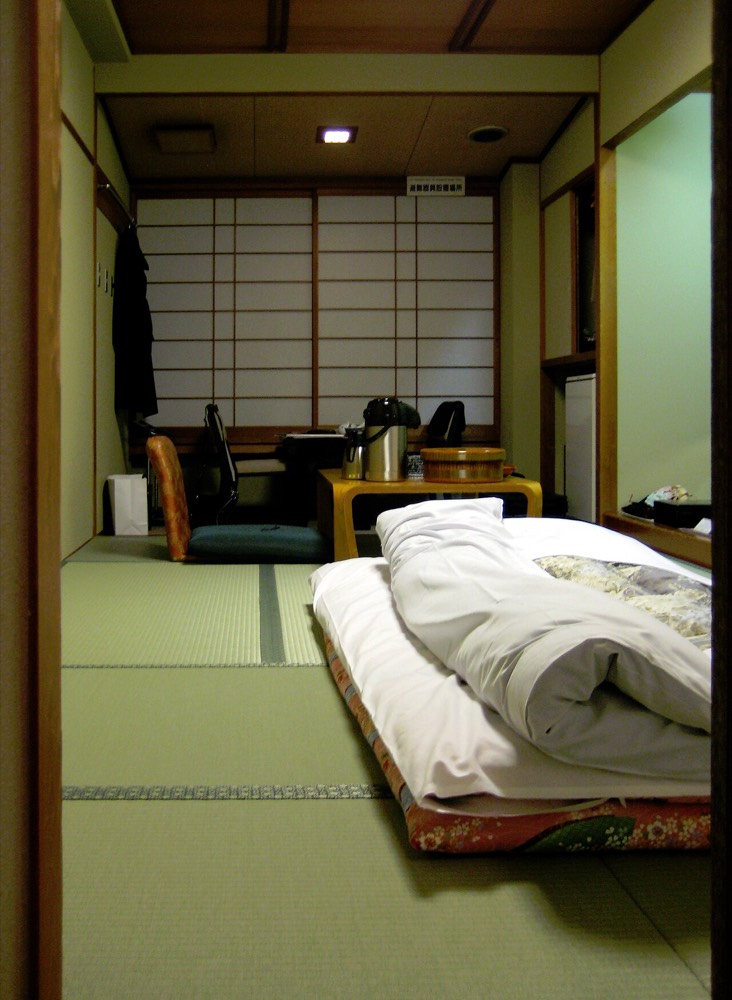
Kyoto City defines the taxable "lodging charge" as the sudomari rate, meaning the price for staying without meals. According to Kyoto City's FAQ[2], these items are included in or excluded from the room price:
- Included: cleaning fees, bedding fees, bathing fees, sleepwear such as yukata, and service charges.
- Excluded: meals, and taxes such as consumption tax.
You can work it out like this:
- Take the total room price and remove consumption tax (Japanese room rates often include 10% consumption tax) and meal costs.
- Divide by the number of guests to get the price per person per night.
- Find the tax per person per night in the 5-tier table above.
- Multiply by the number of guests and nights to get the total tax for your stay.
Pay special attention to discounts and points[2]:
- Discounts given by the property itself (a direct price cut, or the hotel's own membership points) are taxed on the discounted price.
- Discounts paid for by a "third party", such as booking-site points, credit card points or prize stays, are taxed on the original price. For example, if a 20,000 yen room costs you 15,000 yen after 5,000 yen of booking-site points, the tax is still based on 20,000 yen, so 1,000 yen.
So a points discount that seems to drop you into a lower tier may leave the tax unchanged. Budgeting from the original price is the safer approach.
Kyoto accommodation tax examples: how much extra for different stays?
In short: at an ordinary business hotel, expect about 400 yen extra per person per night; at a luxury ryokan or hotel, the tax can run to thousands or even tens of thousands of yen a night.
Room prices in the examples below already exclude consumption tax and meals; actual charges depend on the property:
| Stay | Room rate per person per night | Tax per person | Total per night | Total for 3 nights |
|---|---|---|---|---|
| Hostel dorm bed, 1 guest | 4,500 yen | 200 yen | 200 yen | 600 yen |
| Business hotel single, 1 guest | 9,000 yen | 400 yen | 400 yen | 1,200 yen |
| 30,000 yen double room, 2 guests | 15,000 yen | 400 yen | 800 yen | 2,400 yen |
| Ryokan with 2 meals, room portion 60,000 yen, 2 guests | 30,000 yen | 1,000 yen | 2,000 yen | 6,000 yen |
| 220,000 yen luxury hotel room, 2 guests | 110,000 yen | 10,000 yen | 20,000 yen | 60,000 yen |
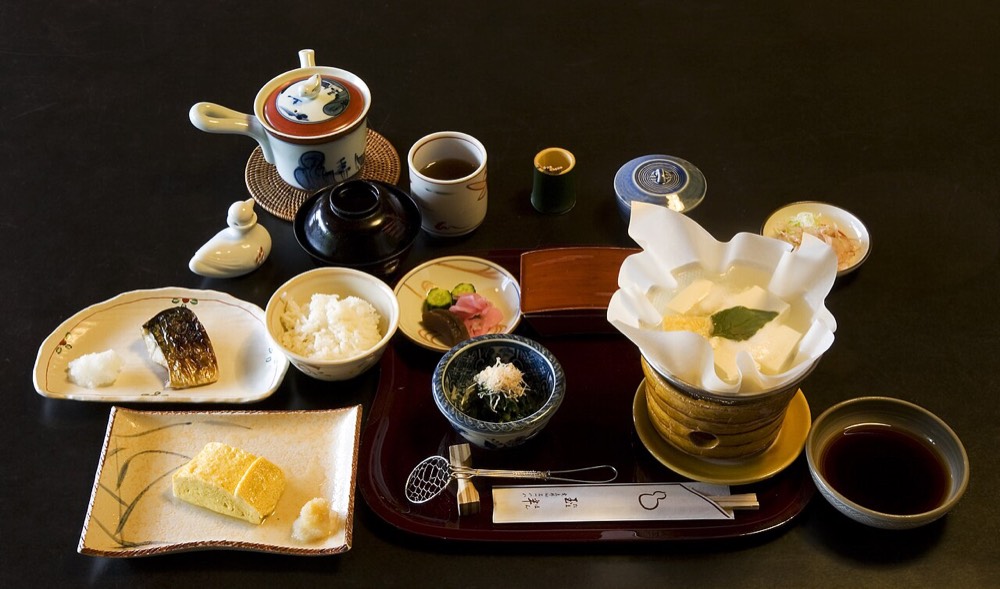
With the "one night, two meals" plans common at Kyoto ryokan, part of the price covers breakfast and dinner, and that part is not taxed[1]. If the bill does not show the meal cost separately, ask the property what room-only amount it uses.
Also watch for the "threshold effect": 49,000 yen per person per night is taxed 1,000 yen, but 50,000 yen jumps to 4,000 yen. When two options are close in price, adding the tax can change which one is cheaper. To decide which area to stay in first, see where to stay in Kyoto.
Do children and school trips pay the Kyoto accommodation tax?
In short: there is no age exemption, so children are taxed whenever a lodging charge applies to them; the only exemptions are school trips and similar events run by schools in Japan[3].
Kyoto City's FAQ states that the tax applies regardless of the guest's age whenever a lodging charge is incurred[2]. So:
- Children with their own child rate or extra-bed charge: taxed on their own share of the room price.
- Infants who share a bed with adults at no extra charge: Kyoto City's principle is "taxed only if there is a lodging charge", but ask the property when booking or before check-in whether they are counted.
Exemptions only apply in these cases[3]:
- School trips or year-group events run by schools defined in Article 1 of Japan's School Education Act (kindergarten to high school, colleges of technology and so on, excluding universities). Students and supervising teachers submit a certificate to the property.
- Children aged 3 and over, and their supervisors, at events run by nursery schools and certified childcare centres.
Kyoto City also states clearly that vocational schools, universities and overseas schools are not exempt[3], and school club training camps are taxed too. If you are bringing a student group from abroad, include the tax in your budget.
When do you pay the Kyoto accommodation tax? Is it included on booking sites?
In short: you pay the tax to the property you stay at; some booking sites and travel agencies include it in the prepaid amount, while others leave it to be paid on site[1].
Kyoto City uses a "special collection" system: guests pay the tax to the hotel, ryokan or guesthouse, which then files and pays it to the city[1]. In practice you will see three situations:
- Paid on site at check-in: the booking page says "taxes paid separately" or "pay at property", and you pay it with other charges at check-in or check-out.
- Already included in the prepaid amount: some booking sites and package tours already include the tax, so nothing more is due on site.
- Topping up the difference: if the prepaid amount used the old rate or the wrong tier, you will be asked to pay the difference at check-in.
Payment methods depend on each property. Most hotels accept cards, but some small inns and guesthouses may take cash only, so carry some yen. The tax applies to every kind of accommodation in Kyoto City, including hotels, ryokan, simple lodgings and private rentals, and even guests at illegal rentals are taxable[1].
Tokyo, Osaka and Hokkaido compared: Japan accommodation taxes at a glance
In short: Japan's accommodation taxes are set by each local government, and rates and exemption thresholds vary widely; Kyoto currently has some of the heaviest high-end tiers.
The table covers areas travellers often visit, checked on official websites (October 2026):
| Area | Exemption threshold | Rate per person per night | Notes |
|---|---|---|---|
| Kyoto City | None | 200-10,000 yen, 5 tiers | From March 1, 2026 |
| Osaka Prefecture | Under 5,000 yen not taxed | 200 / 400 / 500 yen | From September 1, 2025[7] |
| Tokyo | Under 10,000 yen not taxed | 100 / 200 yen | Planned switch to 3% of the room rate, with stays under 13,000 yen not taxed[8] |
| Sapporo (incl. Hokkaido tax) | None | 300 / 400 / 1,000 yen combined | From April 1, 2026[9] |
| Hokkaido (areas without a municipal tax) | None | 100 / 200 / 500 yen | From April 1, 2026[10] |
Osaka Prefecture: 200 yen for 5,000 to under 15,000 yen per person per night, 400 yen for 15,000 to under 20,000 yen, and 500 yen for 20,000 yen or more[7]. For the best area to stay in Osaka, see where to stay in Osaka.
Tokyo: under the current system, 100 yen for 10,000 to under 15,000 yen per person per night and 200 yen for 15,000 yen or more. Tokyo has decided to switch to a flat 3% of the room rate and to bring private rentals into the tax[8]. For a comparison of Tokyo areas, see where to stay in Tokyo.
Hokkaido: Hokkaido introduced a prefectural tax on April 1, 2026, and municipalities with their own tax, such as Sapporo, add theirs on top. Sapporo's combined total is 300 yen under 20,000 yen, 400 yen for 20,000 to under 50,000 yen, and 1,000 yen for 50,000 yen or more[9]. In the ski town of Kutchan (the Niseko area), Hokkaido's published rate list shows a combined 3% of the room rate, including the prefectural tax[10].
Other prefectures and cities in Japan also levy accommodation taxes, such as Fukuoka Prefecture and Kanazawa City; check the local government website for rates. Separately, onsen ryokan usually charge a "bathing tax" (nyuto-zei). The standard rate under Japan's Local Tax Act is 150 yen per person per day, but the actual amount varies by municipality, and it is a different tax from the accommodation tax.
Japan departure tax 2026: now 3,000 yen, from when?
In short: Japan's departure tax (officially the International Tourist Tax) rose from 1,000 yen to 3,000 yen per departure from July 1, 2026[5].
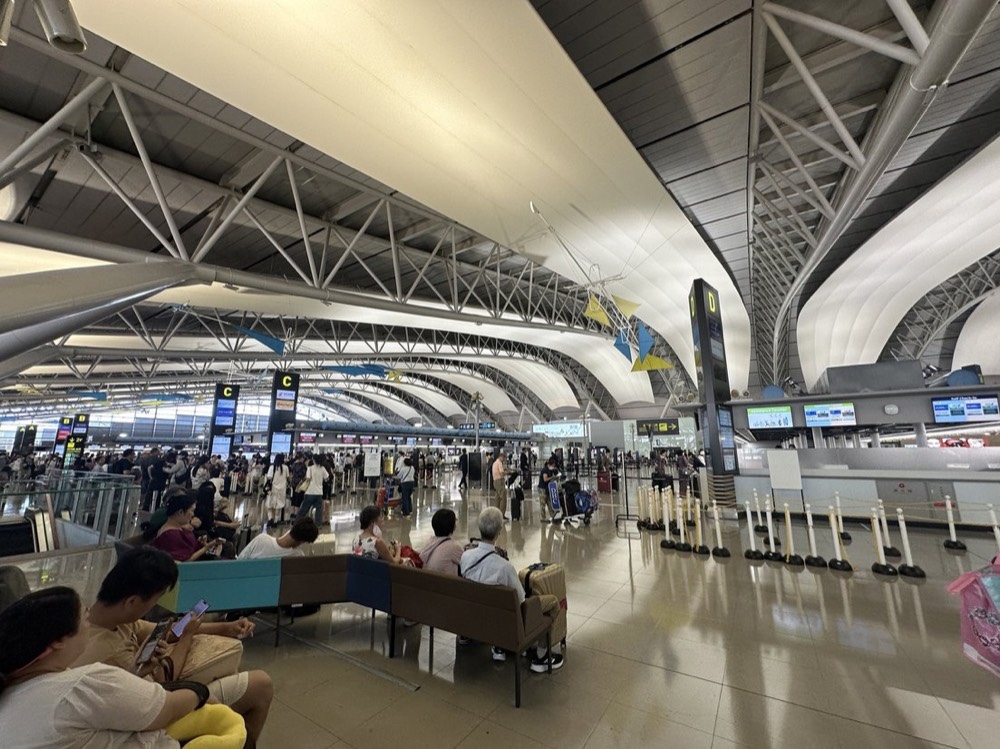
The International Tourist Tax has been levied since January 2019 on every traveller, of any nationality, leaving Japan by air or sea, each time they depart. The Japan Tourism Agency has also published notices in several languages about the rate rise from July 1, 2026[6]. According to the National Tax Agency's Q&A[5], the key points are:
- How you pay: it is normally collected by the airline or shipping company as part of the fare, so you pay it when you buy your ticket, with no separate queue at the airport.
- Old or new rate: departures from July 1, 2026 are generally charged 3,000 yen. Tickets bought before July 1 with the departure date already fixed still pay 1,000 yen.
- Exceptions: open tickets bought before July 1 (no departure date set at the time), departure dates changed on or after July 1, and tickets whose terms say the tax is collected separately from the fare all pay 3,000 yen.
- Exempt: children under 2, transit passengers leaving within 24 hours of arrival, aircraft and ship crew, and travellers forced back to Japan by weather or other unavoidable causes.
As of October 2026, almost any trip booked now pays 3,000 yen. A family of four (with both children aged 2 or over) pays 12,000 yen per departure, so check whether this tax is included when comparing airfares.
Total taxes for a Kyoto trip: how much extra?
In short: for two people spending 4 nights at an ordinary Kyoto hotel, accommodation tax plus departure tax comes to about 9,200 yen.
| Item | Calculation | Total for two |
|---|---|---|
| Kyoto accommodation tax | 30,000 yen double room, 15,000 yen each → 400 yen × 2 guests × 4 nights | 3,200 yen |
| Japan departure tax | 3,000 yen × 2 people | 6,000 yen |
| Total | — | 9,200 yen |
If you swap one night for a high-end ryokan at 60,000 yen per person (room portion), that night's tax becomes 4,000 yen × 2 guests = 8,000 yen, raising the total noticeably. Consumption tax on shopping, on the other hand, can be handled through the tax-free system; see the Japan tax-free shopping guide for the rules.
Before you go: 4 things to check before booking in Kyoto
In short: build the accommodation tax into your budget when you book and confirm how to pay, and check-in will go smoothly.
- Check whether taxes are included: Japanese room prices often include consumption tax, but accommodation tax is usually extra, so watch for "taxes paid separately" on the booking page.
- Use the per-person price to find the tier: especially near the 20,000, 50,000 and 100,000 yen thresholds, a small price difference can mean a different tier.
- Carry some yen in cash: small inns or guesthouses may take cash only; see paying in Japan for how to prepare.
- Add taxes to your pre-trip checklist: accommodation tax, bathing tax and departure tax are fixed costs, so check them alongside the Japan trip checklist.
Once your accommodation and budget are set, start planning each day with things to do in Kyoto.
FAQ
Is the Kyoto accommodation tax based on the room price or the price per person?
It is based on the price per person. Kyoto City sets the rate per guest per night, so divide a room rate by the number of guests before checking the tier. Two people in a 30,000 yen room pay 15,000 yen each, which falls in the 400 yen tier, so 800 yen a night in total.
Do children pay the Kyoto accommodation tax?
Kyoto City says the tax applies regardless of age whenever a lodging charge is incurred. Children with their own child rate or extra-bed charge pay it. For infants who share a bed at no charge, ask the accommodation when you book. School trips from overseas schools are not exempt.
Can I pay the Kyoto accommodation tax by credit card?
The tax is paid to the accommodation, so payment methods depend on each property. Most hotels let you pay it by card with the room, but some small inns or guesthouses take cash only. If you prepaid on a booking site, check whether the tax was included to avoid paying twice or being asked to top up.
Do bookings made before March 2026 pay the new Kyoto rate?
Yes. Kyoto City applies the rate according to the night of stay, so any night from March 1, 2026 onward uses the new rate even if you booked before the increase. If you prepaid at the old rate, you pay the difference to the accommodation when you stay.
Do I have to pay Japan's 3,000 yen departure tax separately?
Usually not. The International Tourist Tax is normally collected by the airline or shipping company as part of the fare, so you pay it when you buy your ticket. Departures from July 1, 2026 are generally charged 3,000 yen; children under 2 and transit passengers leaving within 24 hours are exempt.
Sources
- Kyoto City | Accommodation Tax (宿泊税について): 5-tier rates from March 1, 2026, definition of the room charge, exemptions, how to pay
- Kyoto City | Accommodation Tax FAQ (taxable stays): What the room charge includes and excludes, discounts and points, infants and children
- Kyoto City | Accommodation Tax FAQ (exemptions): School-trip exemption and schools that do not qualify
- Kyoto City | Accommodation Tax FAQ (rate revision): Rate applied by night of stay, topping up prepaid amounts
- National Tax Agency | Q&A on the International Tourist Tax (revised April 2026): Rise from 1,000 to 3,000 yen from July 1, 2026, transitional rules and exemptions
- Japan Tourism Agency | International Tourist Tax: Traveller notice on the rate rise from July 1, 2026
- Osaka Prefecture | For guests staying at accommodation in Osaka: Osaka accommodation tax rates from September 1, 2025
- Tokyo Metropolitan Bureau of Taxation | Accommodation Tax FAQ: Current Tokyo rates and the planned switch to a flat 3%
- Sapporo City | Accommodation Tax: Combined Sapporo and Hokkaido tax, levied from April 1, 2026
- Hokkaido Government | Hokkaido Accommodation Tax: Introduction of the Hokkaido tax and municipal rate list
Fares, opening hours and event dates can change. Information checked on 2026.10.20; please confirm with official sources before you go.