Where to Stay in Tokyo 2026: Shinjuku, Ueno, Ginza, Asakusa or Ikebukuro?
Where to stay in Tokyo: Shinjuku, Ueno, Ginza, Asakusa and Ikebukuro compared by airport links and who they suit, plus the lodging tax and its 3% change in 2027.
Quick answer
Pick your Tokyo base by itinerary: Shinjuku for first-timers who want the best transit; Ueno if you fly via Narita (about 45 minutes by Skyliner); Ginza or Tokyo Station for shopping, food and the shinkansen; Asakusa for a budget-friendly old-town feel; Ikebukuro for anime and shopping. Tokyo's lodging tax is currently ¥100–200 per person per night for rooms of ¥10,000 or more; from April 1, 2027 it becomes a flat 3% of the room charge.
Where you should stay in Tokyo depends on which airport you use, where you want to go each day and your budget. This guide compares five popular areas (Shinjuku, Ueno, Ginza/Tokyo Station, Asakusa and Ikebukuro) on transport, atmosphere and who they suit, adds Shibuya and Shinagawa as alternatives, and covers the current Tokyo accommodation tax and the new rules from 2027, so you can decide before you book.
Where is the most convenient place to stay? Five areas compared
The short answer: choose Shinjuku for a first trip focused on central Tokyo; Ueno if you fly via Narita; Ginza or Tokyo Station if shopping, food and the shinkansen matter most.
| Area | Main lines | Airport access | Best for | Downsides |
|---|---|---|---|---|
| Shinjuku | JR Yamanote and Chuo lines, many subway and private lines | Narita N'EX direct, airport buses | First-timers, sights in western Tokyo | Huge station that is easy to get lost in; pricier rooms |
| Ueno | JR Yamanote, Ginza and Hibiya subway lines, Keisei | Narita Skyliner direct | Narita arrivals, mid-range budgets | Fewer nightlife options |
| Ginza / Tokyo Station | All JR lines, shinkansen, many subway lines | Airport buses, monorail with a transfer | Shopping, food, shinkansen trips | Higher room rates |
| Asakusa | Ginza Line, Toei Asakusa Line, Tobu lines | Keikyu through-service to Haneda, Keisei through-service to Narita | Tight budgets, old-town streets | Not on the Yamanote Line |
| Ikebukuro | JR Yamanote and Saikyo lines, subway, Tobu, Seibu | Airport buses | Anime fans, day trips to Kawagoe | Far from eastern sights |
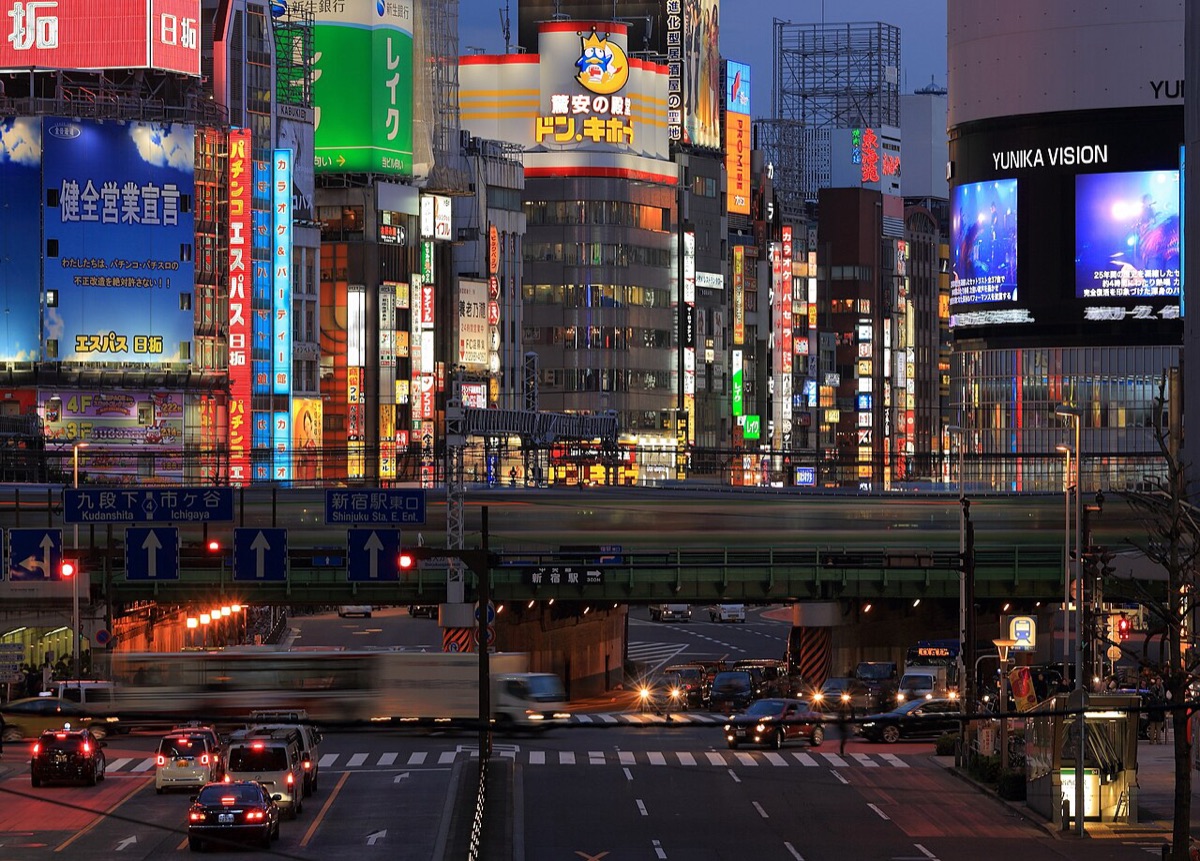
Staying in Shinjuku: the best transit, but pick the right exit
Shinjuku is one of Tokyo's biggest transport hubs. The JR Yamanote and Chuo lines, the Marunouchi Line, the Toei Shinjuku and Oedo lines, and the Odakyu and Keio lines all meet here. The Narita Express (N'EX) runs directly to Shinjuku, and GO TOKYO lists Narita to Shinjuku at about 90 minutes[4]. Odakyu trains and highway buses toward Hakone and Mt. Fuji also depart from Shinjuku.
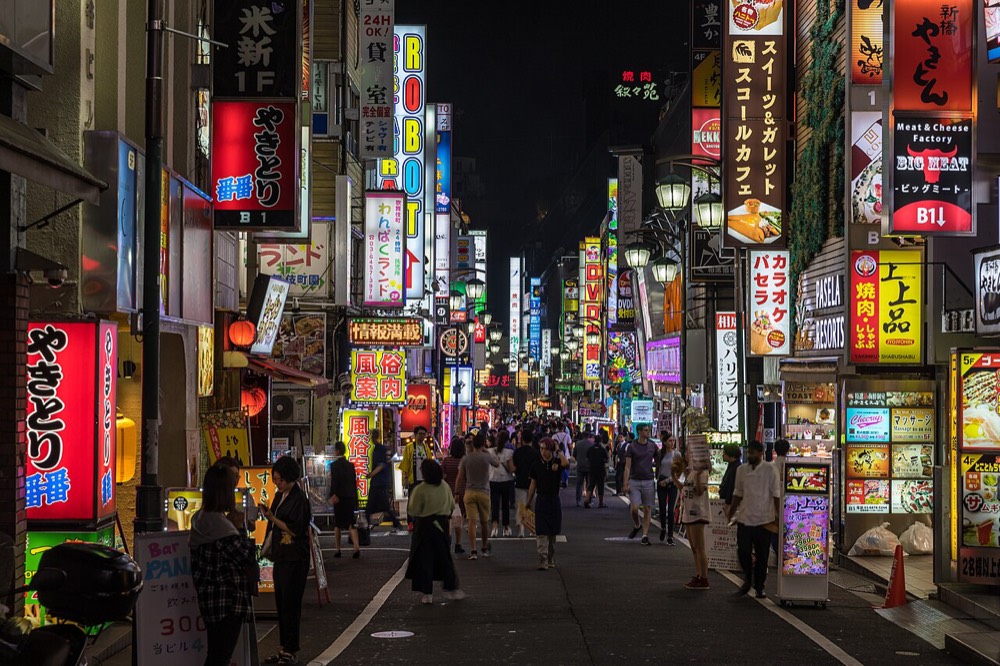
How to choose a location in Shinjuku
- West exit: skyscrapers and business hotels, within walking distance of the free observation decks at the Tokyo Metropolitan Government Building, and relatively quiet at night.
- South exit and New South exit: close to the Busta Shinjuku highway bus terminal, handy for buses to Mt. Fuji and Kawaguchiko.
- East exit: the most department stores and restaurants, but Kabukicho, the nightlife district, lies just to the north. Avoid it if you want quiet.
Shinjuku Station has a huge number of exits, so when booking, check how many minutes the hotel is from a specific exit rather than from "Shinjuku Station" in general.
Staying in Ueno: the top pick for Narita arrivals
Ueno's biggest advantage is airport access. The Keisei Skyliner runs directly from Narita to Keisei Ueno, and GO TOKYO lists Narita to Ueno at about 45 minutes[4]. JR Ueno Station has the Yamanote Line, the Ueno-Tokyo Line and the Tohoku and Hokuriku shinkansen, and the Ginza Line takes you toward Asakusa in one stop.
Around Ueno Station you will find Ueno Park, the museums and Ameyoko market. There are plenty of business hotels, and prices are usually friendlier than in Shinjuku or Ginza. The downside is that reaching Shibuya or Shinjuku at night means a Yamanote Line ride of more than 20 minutes. East toward Inaricho and north toward Uguisudani there are more budget options, but there are quite a few love hotels around Uguisudani Station, so check the street view first if you are travelling with family.
Staying in Ginza and Tokyo Station: shopping, food and shinkansen connections
Tokyo Station is the starting point of the shinkansen and the main stop for airport buses. If your itinerary includes shinkansen trips to Sendai, Karuizawa, Kyoto or Osaka, staying near Tokyo Station or Nihonbashi saves the most effort. GO TOKYO also notes that Tokyo's luxury hotels cluster around the Imperial Palace, Nihonbashi, Roppongi and Asakusa[1].
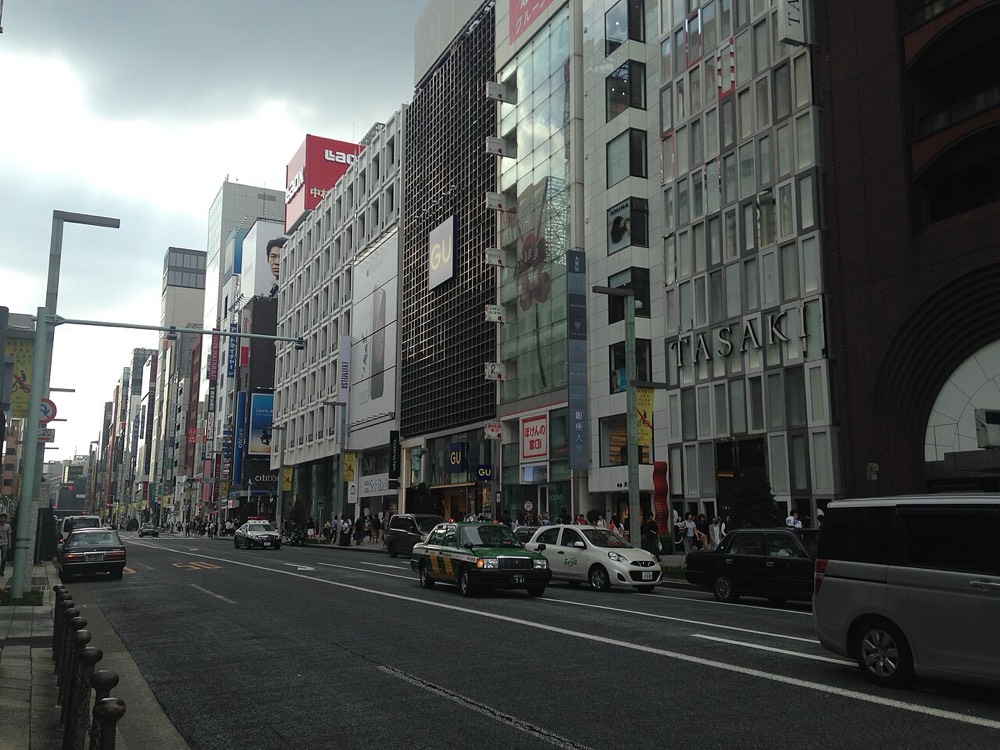
From Ginza you can walk to Yurakucho and Tsukiji, so breakfast at the Tsukiji Outer Market in the morning and department-store browsing in the evening are both easy. From Haneda, take the Tokyo Monorail to Hamamatsucho (as little as about 13 minutes), then the Yamanote Line to Tokyo Station in about 7 minutes[5]. Room rates are generally high, so this area suits travelers with a larger budget.
Staying in Asakusa: old-town atmosphere and good-value rooms
Asakusa's appeal is that Senso-ji and Nakamise-dori are right outside your door. Once the crowds thin out in the evening the area has a lovely atmosphere, and you can walk or ride one subway stop to Tokyo Skytree. GO TOKYO notes that the shitamachi districts of eastern Tokyo have a growing number of design-minded hostels and family-run guesthouses[6], which suit budget travelers who like meeting other people.
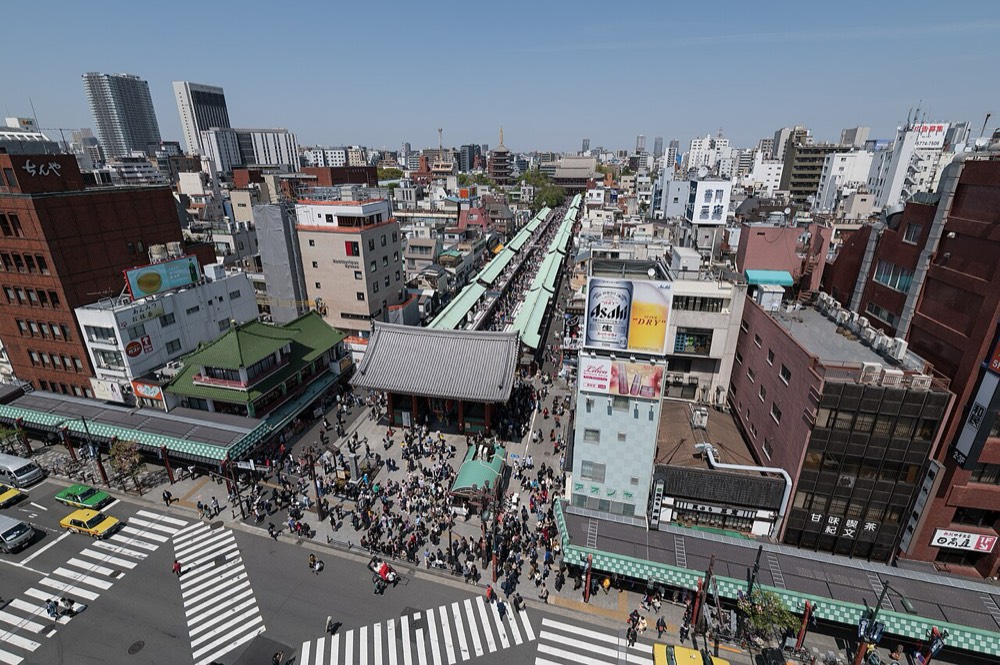
For transport, the Toei Asakusa Line runs through to the Keikyu and Keisei lines, and some trains go directly from Asakusa to Haneda or Narita, but check the timetable to see whether a transfer is needed. The downside is that Asakusa is not on the JR Yamanote Line. Getting to Shinjuku, Shibuya or Harajuku requires subway transfers and usually takes more than 30 minutes one way.
Staying in Ikebukuro: anime, shopping and the northwest suburbs
Ikebukuro is served by the JR Yamanote, Saikyo and Shonan-Shinjuku lines, the Marunouchi, Yurakucho and Fukutoshin subway lines, and the Tobu Tojo and Seibu Ikebukuro lines. Sunshine City has an observation deck and an aquarium, and anime shops are concentrated nearby[6]. The Tobu Tojo Line also takes you to Kawagoe ("Little Edo") for a day trip.
There are many business hotels around Ikebukuro Station, and prices are usually a little lower than in Shinjuku. The downside is that eastern and bayside sights such as Asakusa and Odaiba are farther away.
Other options: Shibuya and Shinagawa
- Shibuya: good for young travelers who love shopping and want night views, and very close to Harajuku and Omotesando. Rooms cost more, and the station area is under constant redevelopment, so transfers can be confusing.
- Shinagawa: about 11 minutes from Haneda by Keikyu Express[5], and also a Tokaido Shinkansen stop, so it suits itineraries that use Haneda and continue to the Kansai region.
Tokyo accommodation tax and private rentals: rules to know before booking
Current accommodation tax: for hotels and inns in Tokyo, a stay under ¥10,000 per person per night (excluding meals) is tax-free, ¥10,000 to under ¥15,000 is taxed at ¥100, and ¥15,000 or more is taxed at ¥200[3].
New system from April 2027: Tokyo has obtained the consent of the Minister for Internal Affairs and Communications, and for stays from April 1, 2027 the tax becomes a flat 3% of the room charge[2]. Reports say the tax-free threshold will rise to under ¥13,000 per person per night and that simple lodgings and private rentals will be added to the taxable category. Stays during 2026 are still subject to the current fixed-amount system; check the Tokyo Bureau of Taxation announcements for exact calculations.
Check that private rentals are legal: GO TOKYO warns that legally registered rentals in Tokyo display a notification number beginning with "M13", or a hotel business licence number. Even listings on well-known booking sites can be operating illegally, so check the number, the cancellation policy and the house rules before booking[1].
How to choose: decide by your itinerary
- Pick your airport first: for Narita, prioritize Ueno or Shinjuku (N'EX); for Haneda, prioritize Shinagawa, Hamamatsucho or Asakusa (Keikyu through-service). For airport route comparisons, see the Tokyo transport guide.
- Then look at your daily routes: if most of your sights are in the west, stay in Shinjuku or Shibuya; if they are in the east, stay in Ueno or Asakusa. For where the sights are, see Tokyo attractions.
- For stays of 5 days or more, consider splitting: the first half in Ueno or Asakusa and the second half in Shinjuku works best alongside the 5-day, 4-night Tokyo itinerary.
- Send heavy luggage ahead: when changing hotels, use a luggage delivery service; details are in Japan luggage delivery.
Autumn holiday weeks and the year-end/New Year period are peak booking times in Tokyo, so book as early as possible once your dates are set.
FAQ
Where is the most convenient place to stay in Tokyo for a first visit?
Most people choose Shinjuku or the Tokyo Station area. Shinjuku is a hub for the JR Yamanote and Chuo lines plus many subway and private railway lines, and the Narita Express (N'EX) runs there directly. Tokyo Station has the shinkansen and airport buses. If you mainly fly via Narita, Ueno with the Skyliner is the smoothest.
Ueno or Asakusa: which is better for a hotel?
Ueno has stronger transport: the JR Yamanote Line, the Ginza Line subway and the Keisei Skyliner, which makes Narita easy. Asakusa is within walking distance of Senso-ji and is quieter at night with an old-town (shitamachi) feel, but it is not on the Yamanote Line, so getting to Shinjuku or Shibuya takes longer.
How much is the Tokyo accommodation tax?
Under the current system, hotels and inns in Tokyo charge no tax below ¥10,000 per person per night, ¥100 from ¥10,000 to under ¥15,000, and ¥200 at ¥15,000 or more. From April 1, 2027 it becomes a flat 3% of the room charge, with the tax-free threshold raised to under ¥13,000.
Is it safe to stay in Kabukicho?
Kabukicho is a nightlife district; it gets crowded and chaotic late at night, and street touts are common. If you value quiet and peace of mind, look at the west exit or south exit side of Shinjuku, walk along main roads when returning at night, and never follow touts into venues.
What should I check when booking a private rental (minpaku) in Tokyo?
GO TOKYO advises confirming the property is legally registered. Legal rentals in Tokyo display a notification number starting with M13, or a hotel business licence number. Also read the cancellation policy and house rules before booking.
Sources
- GO TOKYO: Accommodations and the accommodation tax: Accommodation types, how to identify legal private rentals, tax explanation
- Tokyo Metropolitan Government: Consent of the Minister for Internal Affairs and Communications to the accommodation tax and its start date (June 30, 2026): New accommodation tax takes effect April 1, 2027
- Tokyo Bureau of Taxation: Accommodation tax FAQ: Current accommodation tax brackets
- GO TOKYO: Narita International Airport - Access: Travel times from Narita to Tokyo, Shinjuku and Ueno
- GO TOKYO: Haneda Airport - Access: Travel times from Haneda to Shinagawa and Hamamatsucho
- GO TOKYO: Tokyo itinerary - a perfect five-day vacation plan: Types of accommodation in each area
Fares, opening hours and event dates can change. Information checked on 2026.10.19; please confirm with official sources before you go.