Best Things to Do in Tokyo 2026: Asakusa, Shibuya, Shinjuku & Odaiba Must-Sees and How to Combine Them
Tokyo attractions 2026 by area: Senso-ji, Skytree, Ueno, free Metropolitan Government Building observatory, SHIBUYA SKY, Meiji Jingu and Odaiba, with hours and prices.
Quick answer
For a first trip to Tokyo, plan the must-see sights in five areas: Senso-ji and Tokyo Skytree in the east, Ueno Park in the north, Tokyo Station, the Imperial Palace and Ginza in the center, the Shinjuku Metropolitan Government Building (free observatory, open until 22:00), Meiji Jingu and SHIBUYA SKY in the west, and teamLab Planets in Toyosu on the bay (running through the end of 2027). Note that the life-size Unicorn Gundam statue in Odaiba ended its display on August 31, 2026.
Lists of Tokyo attractions often run to dozens of entries, and on a first trip it is hard to know where to begin. This guide groups the must-see sights into five areas (east, north, center, west and the bay), with opening hours, ticket highlights and the nearest station for each, plus 2026 updates such as the end of the Odaiba Gundam statue display, so you can slot whole areas straight into your itinerary.
Tokyo Attractions Overview: Five Areas in One Table
Start with the big picture, then dig into the areas that interest you. Think of the Tokyo attractions map as centered on the Imperial Palace, with the old downtown (shitamachi) streets to the east, the fashionable districts to the west and Tokyo Bay to the south.
| Area | Highlights | Suggested time | Main stations | Admission |
|---|---|---|---|---|
| East | Senso-ji, Nakamise, Tokyo Skytree | Half a day to a day | Asakusa, Oshiage | Senso-ji free; Skytree paid |
| North | Ueno Park, museums, Ameyoko | Half a day | Ueno | Park free; museums paid |
| Center | Tokyo Station, Imperial Palace Outer Gardens, Ginza, Tsukiji Outer Market | One day | Tokyo, Ginza, Tsukiji | Mostly free |
| West | Shinjuku Metropolitan Government Building, Meiji Jingu, Harajuku, Shibuya | One to two days | Shinjuku, Harajuku, Shibuya | Government building free; SHIBUYA SKY paid |
| Bay | Toyosu teamLab, Toyosu Market, Odaiba | Half a day to a day | Shin-Toyosu, Shijo-mae, Odaiba | teamLab paid |
GO TOKYO's official five-day itinerary uses the same area grouping and recommends at least 5 days to see the main sights at a relaxed pace[6].
Senso-ji and Tokyo Skytree: Tokyo's Must-See East
The east is the area to prioritize on a first visit, because you can combine old downtown atmosphere with Tokyo's tallest landmark in a single day.
Senso-ji (浅草寺) and Nakamise-dori
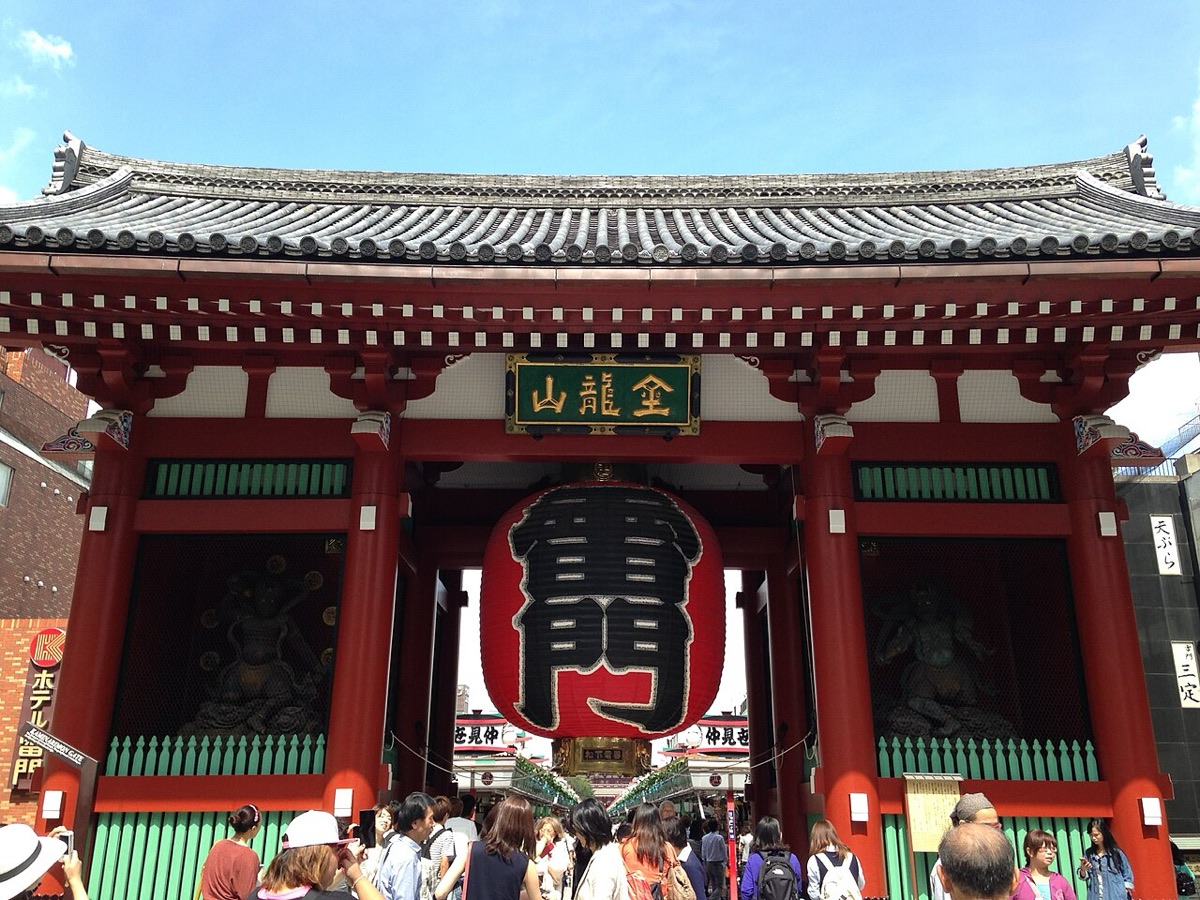
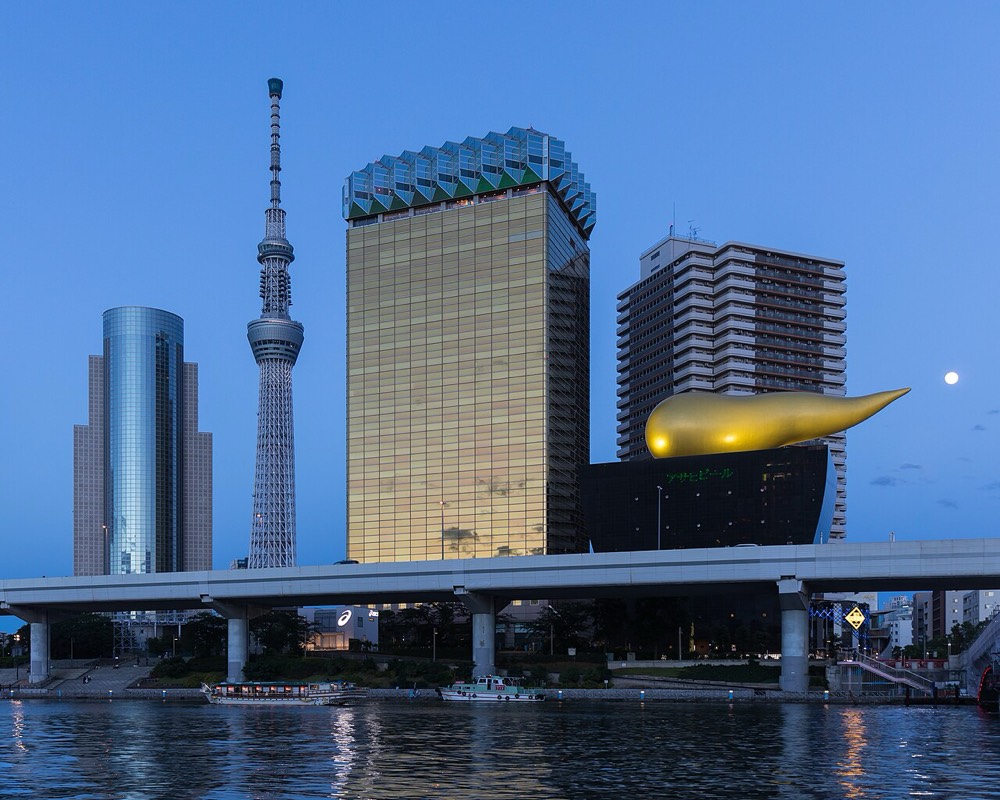
Senso-ji was founded in 628 and is the oldest temple in Tokyo; the current buildings were rebuilt after being destroyed in World War II[1]. Walk in through Kaminarimon, with its big red lantern, and you reach Nakamise-dori, lined with about 90 shops selling ningyo-yaki cakes, rice crackers and souvenirs[1]. The grounds are open to visit freely, and the main hall is listed by travel media as open from 6:00 to 17:00, with opening at 6:30 from October to March[8].
Tokyo Skytree (東京スカイツリー)
At 634 meters, it is the tallest freestanding broadcast tower in the world, with observation decks at 350 and 450 meters. GO TOKYO lists the hours as 10:00 to 22:00 Monday to Friday and 9:00 to 22:00 on Saturdays, Sundays and holidays[2]. Ticket prices vary by date and by how you buy them. Booking a dated, timed ticket on the official site saves time compared with queuing on the day. From Asakusa it is a 20 to 30 minute walk across the Sumida River, or you can take the Tobu line or the Toei Asakusa line to Oshiage.
Ueno and Around Tokyo Station: Museums, the Imperial Palace and Ginza
Ueno Park
Ueno Park is home to the Tokyo National Museum, the National Museum of Western Art and Ueno Zoo, and it is one of Tokyo's classic cherry blossom spots in spring[6]. Afterward, walk over to neighboring Ameyoko (アメ横) for the bustle of a market street. Museum closing days differ, but Monday is common, so always check the official site before you go.
Tokyo Station, the Imperial Palace and Ginza
The red-brick Marunouchi building of Tokyo Station is a sight in itself, and the Imperial Palace Outer Gardens are about a 10-minute walk away. The Imperial Palace East Gardens are open to the public free of charge, but they have set closing days and seasonal hours, so follow the Imperial Household Agency's announcements. Ginza is the shopping district packed with high-end department stores and long-established shops, and on weekends Chuo-dori becomes a pedestrian zone. In the morning, you can start with a seafood breakfast at Tsukiji Outer Market; for how to eat there, see Tokyo food guide.
Shinjuku, Harajuku and Shibuya: Must-See Attractions in West Tokyo
The west is the liveliest part of Tokyo. These districts are all on the JR Yamanote Line, with only a few minutes between neighboring stations.
Tokyo Metropolitan Government Building Observatory (Shinjuku)
This is the top recommendation among free things to do in Tokyo. The north and south towers each have an observatory on the 45th floor, 202 meters up, with free admission and opening hours of 9:30 to 22:00 (last entry 30 minutes before closing)[3]. On clear autumn and winter mornings you may see Mt. Fuji. Note that the south observatory closes on the 1st and 3rd Tuesday of each month, and the north observatory on the 2nd and 4th Monday[3].
Meiji Jingu and Harajuku
Meiji Jingu enshrines Emperor Meiji and Empress Shoken, celebrated its 100th anniversary in 2020, and has dense forest grounds with free entry[6]. Its gates open and close with sunrise and sunset. Leaving the shrine, Takeshita Street leads into Harajuku, and Omotesando, lined with designer boutiques, lies beyond. From late November to early December, the ginkgo avenue at Meiji Jingu Gaien is one of Tokyo's signature autumn scenes.
Shibuya Crossing and SHIBUYA SKY
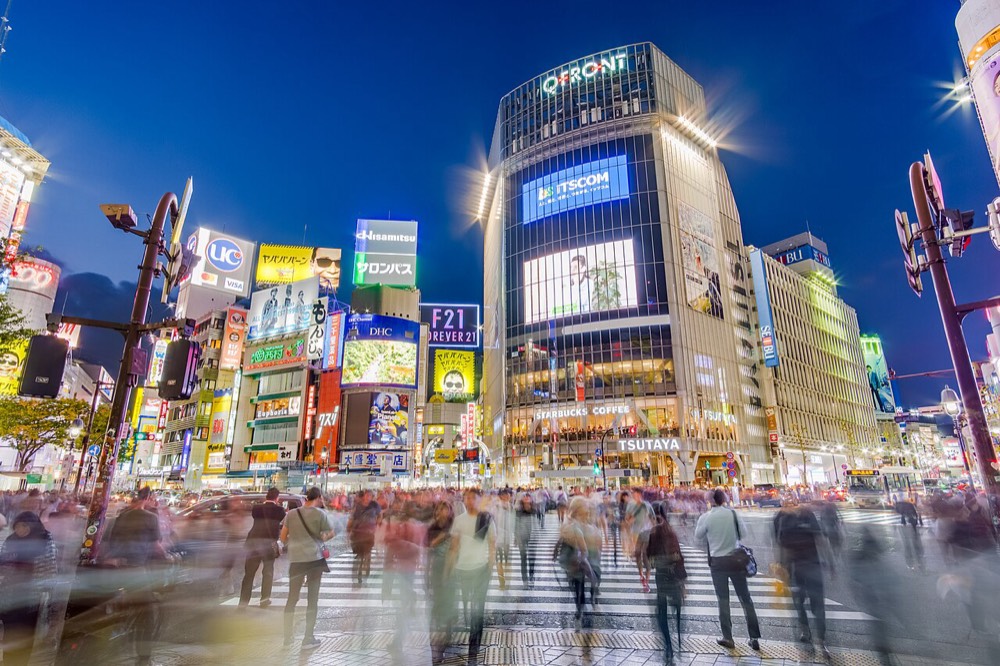
When the light turns green at the scramble crossing (スクランブル交差点) in front of Shibuya Station, pedestrians surge across from every direction at once, making it one of Tokyo's most iconic street scenes. The statue of Hachiko is right beside it. For a view from above, go up to SHIBUYA SKY, the open-air observation deck about 229 meters up on top of Shibuya Scramble Square. According to GO TOKYO's April 2026 update, adult advance online tickets are 2,700 yen up to 14:59 and 3,400 yen from 15:00, with tickets bought at the counter costing 300 yen more each, and it is open until 22:30 (last entry 21:20)[4]. Items that could blow away, such as hats and selfie sticks, are not allowed on the rooftop, and bags must be stored in lockers.
Odaiba and Toyosu: What Changed on the Bay in 2026?
The bay area suits a half-day plan, and two things are worth knowing in 2026.
1. The Odaiba Unicorn Gundam has ended its display. The life-size Unicorn Gundam statue in front of DiverCity Tokyo Plaza, unveiled in 2017, ended its display on August 31, 2026[7]; as of October 2026, no follow-up plan has been announced. Odaiba is still good for the Rainbow Bridge night view and a stroll in Odaiba Seaside Park.
2. teamLab Planets runs through the end of 2027. teamLab Planets TOKYO DMM in Toyosu is an immersive art museum where you enter barefoot and walk through knee-deep water, and a "Forest" area was added in 2025[5]. GO TOKYO lists the standard ticket at 3,200 yen, though actual prices vary by date, so check the official site[5]. The same area has Toyosu Market, where you can watch the tuna auction (advance lottery required).
If you want another teamLab experience, "Mori Building Digital Art Museum: teamLab Borderless" opened at Azabudai Hills in February 2024[6], not far from Tokyo Tower, so you can pair it with Tokyo Tower.
How to Plan Tokyo's Must-See Sights by Number of Days
- 3 days: One day each for the east (Asakusa and Skytree), the center (Tsukiji, the Imperial Palace and Ginza) and the west (Harajuku, Shinjuku and Shibuya).
- 5 days: Add the north (Ueno) and the bay (Toyosu / Odaiba), or take a day trip such as a Hakone day trip or a Mt. Fuji and Kawaguchiko day trip. For a full route, see the 5-day, 4-night Tokyo itinerary.
- With kids: Ueno Zoo, Disney and the science museums are better fits; see Tokyo attractions for families and the Tokyo Disney guide.
Before You Go: Tickets and Transport
- Buy timed tickets for observation decks. Sunset slots at Skytree and SHIBUYA SKY are the most popular and get harder to book as the weekend approaches.
- Save the free sights for the evening. The Metropolitan Government Building observatory is open until 22:00, so it works well at the end of a day.
- Connect nearby sights on foot. Asakusa to Skytree and Harajuku to Shibuya are both walkable, so a subway pass is not always worth it; see the Tokyo transport guide for how to get around.
- Check Monday closures. Many museums and galleries close on Mondays, and the closure may shift to the next day after a national holiday.
Opening hours and prices at each attraction can change at short notice, so check the official website before you go.
FAQ
What are the free things to do in Tokyo?
Senso-ji, Meiji Jingu, Ueno Park and the Shibuya Crossing are all free. The observatory at the Tokyo Metropolitan Government Building in Shinjuku, on the 45th floor at 202 meters, is also free; GO TOKYO lists it as open until 22:00, which makes it the cheapest night view in the city.
Should I choose SHIBUYA SKY or Tokyo Skytree?
Choose SHIBUYA SKY if you want an open-air deck with views over the Shibuya Crossing and the sunset. Choose Skytree if you want the highest viewpoint and plan to pair it with Asakusa. Buy a dated, timed ticket on the official site for either one; sunset slots go first.
Can I still see the Gundam statue in Odaiba?
No. The life-size Unicorn Gundam statue in front of DiverCity Tokyo Plaza ended its display on August 31, 2026, and as of October 2026 no follow-up statue has been announced. Odaiba still has the Rainbow Bridge night view and Odaiba Seaside Park.
How many days do I need for Tokyo's attractions?
GO TOKYO suggests at least 5 days to see the main sights at a relaxed pace. With only 3 days, prioritize the east (Asakusa, Skytree), the center (Tsukiji, the Imperial Palace, Ginza) and the west (Harajuku, Shinjuku, Shibuya).
What time does Senso-ji open?
The temple grounds are open all day. The main hall is listed by travel media as open from 6:00 to 17:00, with opening at 6:30 from October to March. To photograph Kaminarimon without the crowds, arrive before 8:00.
Sources
- GO TOKYO: Senso-ji Temple: Temple history and number of Nakamise shops
- GO TOKYO: Tokyo Skytree: Observation deck heights and opening hours
- GO TOKYO: Tokyo Metropolitan Government Building: Free observatory height, hours and closing days
- GO TOKYO: SHIBUYA SKY: Ticket prices (online / at the counter) and hours, updated April 2026
- GO TOKYO: teamLab Planets TOKYO DMM: Exhibit contents and standard ticket price
- GO TOKYO: Tokyo Itinerary, the Perfect 5-Day Vacation Plan: Area grouping and recommended number of days
- Norimono News: Odaiba's Unicorn Gundam to Be Seen for the Last Time: Unicorn Gundam statue display ends at the end of August 2026
- Rurubu&more: Senso-ji (Asakusa Kannon): Main hall opening hours
Fares, opening hours and event dates can change. Information checked on 2026.10.19; please confirm with official sources before you go.