Tokyo Transport Guide 2026: Narita and Haneda to the City, Subway Tickets and the JR Yamanote Line
Tokyo transport guide: Narita and Haneda to the city, new Tokyo Subway Ticket prices from March 2026, how to use Suica, and Yamanote Line tips, with a fare table.
Quick answer
Getting around Tokyo comes down to one IC card plus a subway ticket only when your itinerary justifies it. From Narita, the fastest way into the city is the Keisei Skyliner (as little as 36 minutes to Nippori, 2,580 yen for adults); from Haneda, the Keikyu Line to Shinagawa or the Tokyo Monorail to Hamamatsucho takes under 30 minutes. From March 14, 2026, the Tokyo Subway Ticket is 1,000 yen for 24 hours, 1,500 yen for 48 hours and 2,000 yen for 72 hours, and covers only Tokyo Metro and Toei Subway, not the JR Yamanote Line.
Tokyo transport looks complicated, but three things are enough: pick the right route from the airport, carry a transit IC card, and decide each day whether a subway ticket is worth it. This guide covers the latest fares as of October 2026, including the March 2026 increases for JR East and the discount subway ticket, to help you get into the city from Narita and Haneda and understand how to ride the Tokyo subway and the JR Yamanote Line.
How Tokyo's Transport System Is Divided: JR, Subway and Private Railways
Trains in central Tokyo are run by three kinds of operators, each with its own fares, and this is what confuses first-time visitors most.
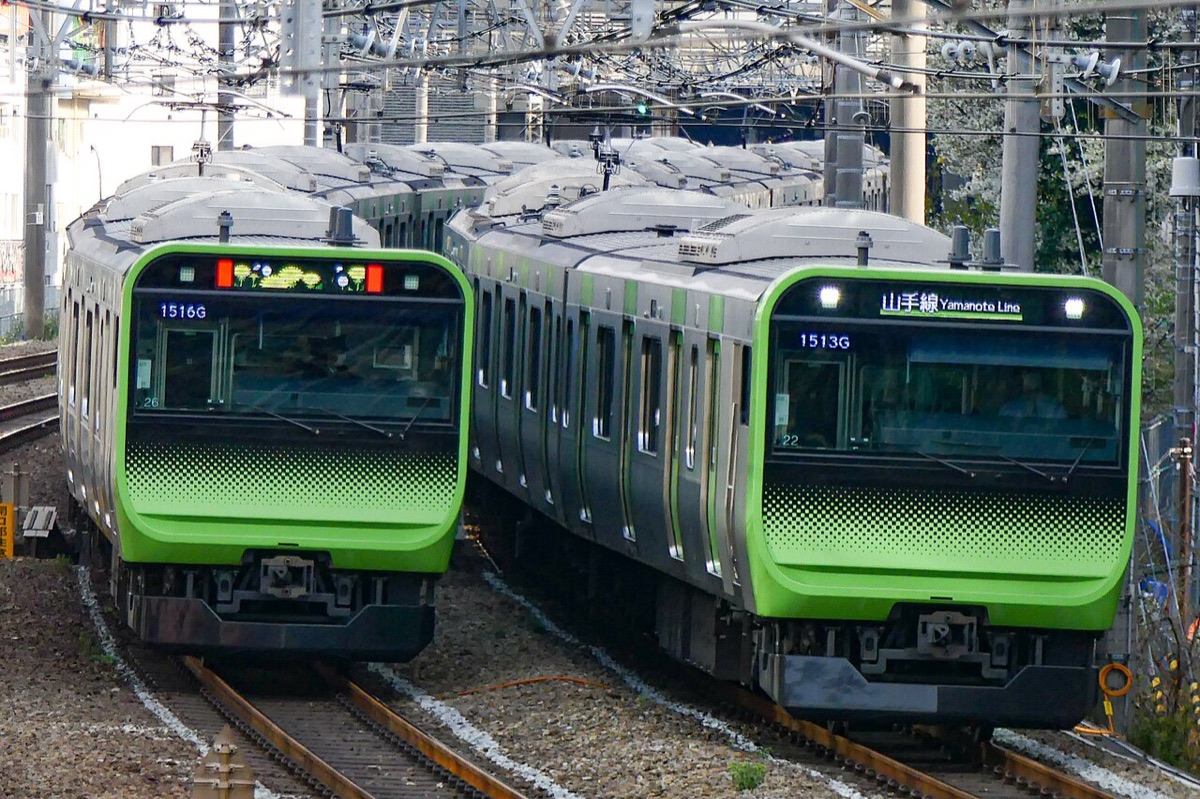
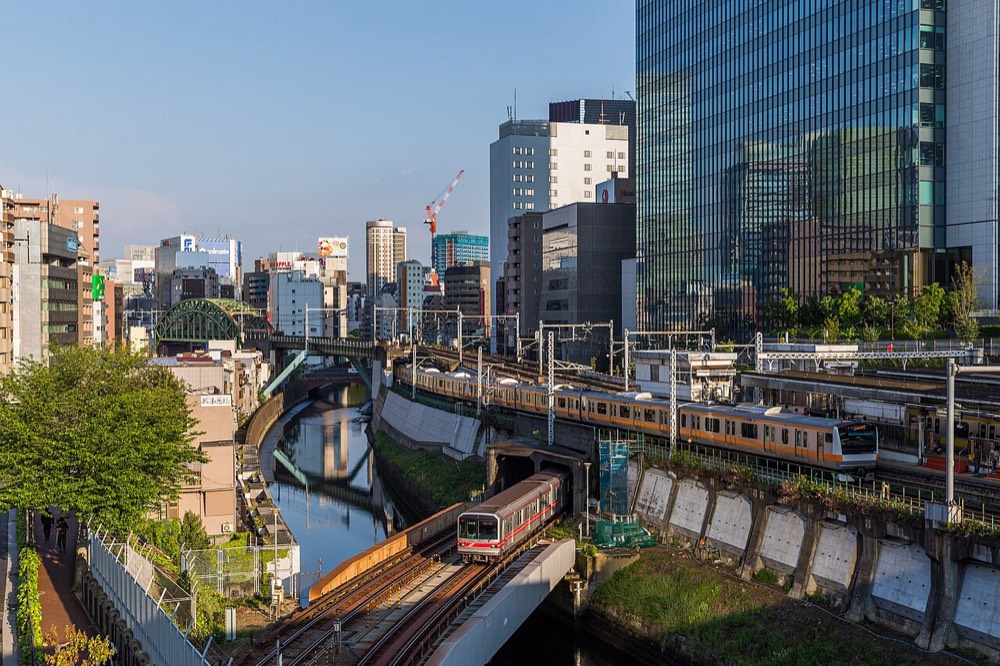
- JR East: the Yamanote Line, Chuo Line, Sobu Line, the Narita Express (N'EX) and more. The Yamanote Line is a loop around central Tokyo that links major stations such as Tokyo, Ueno, Ikebukuro, Shinjuku, Shibuya and Shinagawa.
- Tokyo subway: split into "Tokyo Metro" (9 lines) and "Toei Subway" (4 lines: Asakusa, Mita, Shinjuku and Oedo). GO TOKYO counts more than 280 subway stations across Tokyo[7].
- Private railways and others: Keisei (to Narita), Keikyu (to Haneda), the Tokyo Monorail, Odakyu, Keio, Tokyu and so on.
Whichever company it is, you can tap in and out with a transit IC card such as Suica or PASMO, and the system calculates transfer fares automatically, so an IC card is basic equipment for getting around Tokyo.
Narita Airport Transport: Skyliner, N'EX or Bus?
Narita Airport is about 50 to 60 kilometers from central Tokyo. The short answer: take the Skyliner if you are staying around Ueno or Asakusa; take the N'EX if you are staying near Tokyo Station, Shinjuku or Shibuya with large luggage; and take the airport bus if budget is the priority.
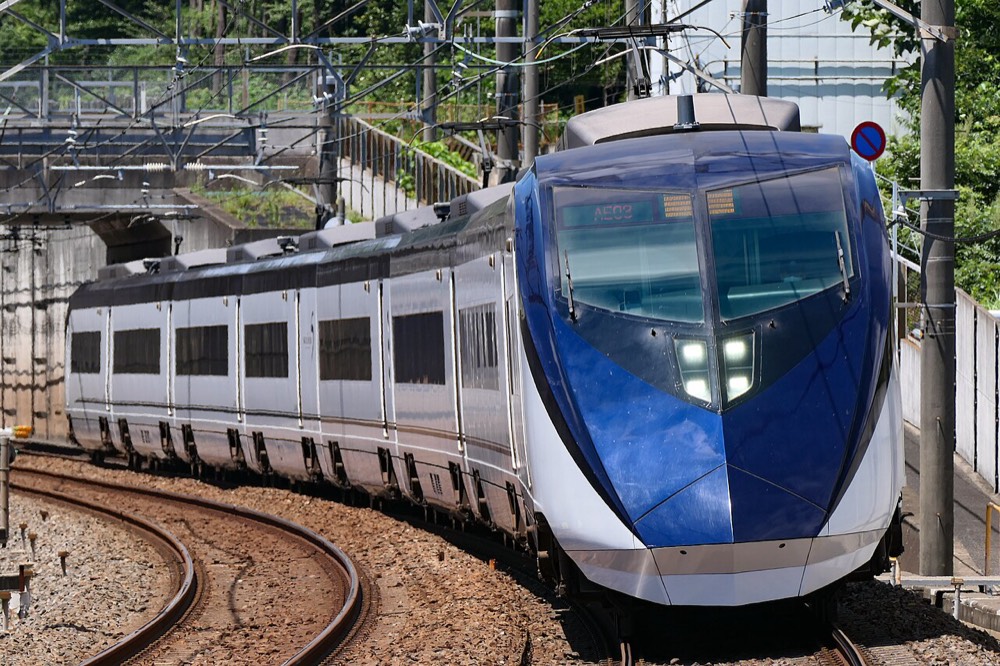
According to GO TOKYO, a train takes about 60 minutes to Tokyo Station, about 90 minutes to Shinjuku Station and about 45 minutes to Ueno Station[1]. The options compare as follows:
| Option | Main stops | Travel time | Adult one-way fare |
|---|---|---|---|
| Keisei Skyliner (all seats reserved) | Nippori, Keisei Ueno | As little as about 36 min to Nippori | 2,580 yen |
| JR Narita Express N'EX (all seats reserved) | Tokyo, Shinagawa, Shibuya, Shinjuku | About 60 min to Tokyo Station | One-way fare depends on the section, see the JR site; round-trip ticket for foreign visitors 5,200 yen |
| Airport bus TYO-NRT | Tokyo Station, Ginza | About 68 min to Tokyo Station | 1,500 yen, or 3,000 yen late at night and early morning |
The Skyliner fare is the standard price published on the Keisei site[5]. The foreign-visitors-only "N'EX TOKYO Round Trip Ticket" must be bought with a passport; the JR East site lists it at 5,200 yen, valid for a round trip between Narita and stations in Tokyo within 14 days[6]. The JR site also announces that some N'EX services are suspended from November 6 to 8, 2026, so if you arrive on those days, check an alternative first.
Haneda Airport Transport: Keikyu, Monorail and Bus Compared
Haneda Airport is about 15 kilometers from central Tokyo and is the fastest airport into the city. The short answer: take the Keikyu Line for Shinagawa, Asakusa or the western half of the Yamanote Line; take the Tokyo Monorail for Tokyo Station, Hamamatsucho or Shimbashi.
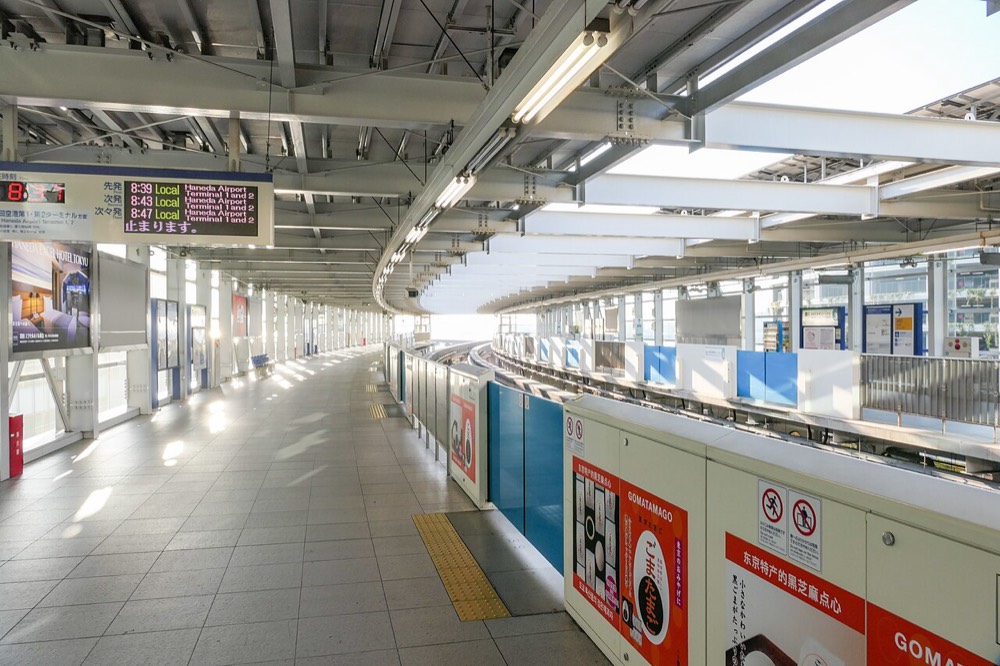
- Keikyu Line: from Terminal 3, the express to Shinagawa takes about 11 minutes, and from Shinagawa the Yamanote Line to Tokyo Station takes about 13 minutes[2]. Keikyu runs through to the Toei Asakusa Line, so some trains reach Asakusa without a change. The fare to Shinagawa listed by a transfer-guide site is about 330 yen (327 yen by IC card); check the Keikyu site for the exact fare.
- Tokyo Monorail: from Terminal 3 to Hamamatsucho takes as little as about 13 minutes, and from Hamamatsucho the Yamanote Line to Tokyo Station takes about 7 minutes[2]. The fare is about 520 yen (519 yen by IC card); check the Tokyo Monorail site for the exact fare.
- Limousine bus: about 45 minutes to the Tokyo City Air Terminal, suited to people with a lot of luggage whose hotel happens to be at a bus stop.
A taxi into the city is not very expensive, but there is a late-night surcharge from 22:00 to 5:00, and expressway tolls are extra[2].
Is the Tokyo 24-Hour Subway Ticket Worth It? New 2026 Prices
The Tokyo Subway Ticket is an unlimited-ride subway pass aimed mainly at foreign visitors, and its price rose on March 14, 2026. The new prices announced by the Tokyo Metropolitan Government are as follows[4]:
| Ticket | Adult | Child | Lines covered |
|---|---|---|---|
| Tokyo Subway Ticket 24 hours | 1,000 yen | 500 yen | Tokyo Metro + Toei Subway |
| Tokyo Subway Ticket 48 hours | 1,500 yen | 750 yen | Tokyo Metro + Toei Subway |
| Tokyo Subway Ticket 72 hours | 2,000 yen | 1,000 yen | Tokyo Metro + Toei Subway |
| Tokyo Metro / Toei Subway Common One-Day Ticket | 1,100 yen | 550 yen | Tokyo Metro + Toei Subway |
| Tokyo Free Kippu (one-day ticket) | 1,720 yen | 860 yen | Subway + Toei Bus + JR within the 23 wards |
GO TOKYO also lists a Tokyo Metro 24-hour ticket at 700 yen for adults and a Toei one-day pass at 700 yen for adults[3].
How do you decide if it is worth it? A single Tokyo Metro ride costs about 180 to 330 yen and a Toei ride about 180 to 430 yen[7]. With the 24-hour ticket at 1,000 yen, it starts to pay for itself after about 4 or more subway rides in a day. It suits a day along subway lines such as "Asakusa, Ueno, Ginza, Roppongi"; if your day is concentrated in Shinjuku, Harajuku and Shibuya and mostly on the JR Yamanote Line, you do not need one.
Where to buy: Tokyo Metro ticket offices, some tourist information centers and large electronics stores, and at Haneda and Narita airports; bring your passport when you buy[7]. The validity period starts from the first time you pass through a ticket gate, not the purchase date.
How to Ride the JR Yamanote Line: Fares and Tips
The Yamanote Line is the backbone of getting around Tokyo, circling the city with 30 stations. Clockwise is "outer loop" (外回り) and counterclockwise is "inner loop" (内回り); the platforms show the direction and the next station.
JR East revised its fares on March 14, 2026. The cheaper "within the Yamanote Line" fare category was abolished, and the base fare changed from 147 yen to 155 yen by IC card[8]. For the actual fare between stations, use a transfer-guide app or the JR website.
Riding tips:
- First check the line color on the platform (the Yamanote Line is yellow-green) and "inner loop / outer loop", then confirm the next station name.
- Shinjuku, Shibuya, Tokyo and Ikebukuro stations have many exits, so look up in Google Maps which exit to use (for example "Shinjuku Station East Exit") to save a lot of wasted walking.
- Rush hours are 7:30 to 9:30 in the morning and 17:30 to 19:30 in the evening[7]; avoid them if you have a suitcase.
- The JR Pass and the JR Tokyo Wide Pass cover the Yamanote Line, but not Tokyo Metro or Toei Subway.
Suica, Welcome Suica or Credit Card: Which to Choose?
The simplest approach: on an iPhone, add Suica to Wallet or download Welcome Suica Mobile; on Android, buy a physical card at a station.
- Regular Suica / PASMO: includes a 500-yen deposit, works in the main IC card areas across Japan, and can also pay at convenience stores[3].
- Welcome Suica / TOURIST PASMO: for short-stay foreign visitors, with no deposit, but valid for only 28 days and unused balance cannot be refunded[3].
- Welcome Suica Mobile: an iPhone-only app that lets you issue and top up a card on your phone before or after you arrive in Japan[3]. JR East has announced that Samsung Galaxy support will follow from the first half of 2027, with specific models not yet announced.
- Contactless credit cards: GO TOKYO says many Tokyo private railways and subways already let you tap a credit card to ride, but JR lines, the Keisei line and the Tokyo Monorail do not yet support it[3], so it cannot fully replace an IC card.
For a more complete setup tutorial, see the Suica guide.
How to Plan Tokyo Transport Smoothly
The key to smooth Tokyo transport is where you stay and your daily route:
- Stay near a Yamanote Line station for the easiest return to your hotel; for choosing an area, see where to stay in Tokyo.
- Plan one area per day, such as Asakusa plus Skytree, or Shinjuku plus Harajuku plus Shibuya, to cut both fares and time; you can use the 5-day, 4-night Tokyo itinerary directly.
- Buy a subway ticket only for subway days. For the 48- and 72-hour tickets, make sure you will mostly use the subway on every consecutive day.
- Last trains run at about 23:30 to 00:30[7], so watch your return time if you go out to Roppongi or Shibuya at night.
- For day trips to Hakone, Mt. Fuji and other nearby areas, plan the transport separately; see the Hakone day trip and the Mt. Fuji and Kawaguchiko day trip.
Fares and discount-ticket policies change, so check each operator's website again before you go; to see whether a JR Pass is worth it, read Is the JR Pass worth it?.
FAQ
Is the 24-hour Tokyo subway ticket or Suica better value?
At 1,000 yen for 24 hours, a Tokyo Subway Ticket starts paying off after about 4 or more subway rides in a day, since a single Tokyo Metro ride costs roughly 180 to 330 yen. If your day is mostly on the JR Yamanote Line (for example Shinjuku, Shibuya and Harajuku), the subway ticket goes unused, and tapping Suica is simpler.
Can I ride the Yamanote Line with a Tokyo Subway Ticket?
No. The Tokyo Subway Ticket covers only the 9 Tokyo Metro lines and 4 Toei Subway lines. It does not include the JR Yamanote Line, the Chuo Line, Keisei, Keikyu or the Tokyo Monorail. For JR, tap an IC card or buy a separate ticket.
What is the easiest way from Narita Airport to Shinjuku?
If you have large luggage and want to avoid transfers, take the JR Narita Express (N'EX) direct to Shinjuku, which GO TOKYO lists at about 90 minutes; JR East also offers an N'EX TOKYO round-trip ticket for foreign visitors only. If budget comes first, take the airport bus to Tokyo Station and transfer.
Are there trains if I land at Haneda late at night?
Most of Tokyo's last trains run between about 23:30 and 00:30, so you may miss them on a late arrival. Haneda has late-night airport buses and taxis; for taxis, note the late-night surcharge from 22:00 to 5:00, and check the schedules before you leave.
Can I tap a credit card to ride in Tokyo?
In part. GO TOKYO says many Tokyo private railways and subways now accept contactless credit cards, but JR lines, the Keisei line and the Tokyo Monorail do not yet, and Tobu and Seibu support only some lines, so it is still best to carry a Suica or PASMO.
Sources
- GO TOKYO: Narita International Airport, Access and Terminal Information: Travel times from Narita to stations in Tokyo, TYO-NRT bus fares
- GO TOKYO: Haneda Airport, Access and Terminal Information: Keikyu and monorail travel times, and taxi information
- GO TOKYO: Affordable Tickets and Transit IC Cards: Suica, Welcome Suica, one-day pass prices and credit card ticketing
- Tokyo Metropolitan Government: Change in Prices of Tokyo Metro and Toei Subway Common One-Day Tickets (January 30, 2026): New Tokyo Subway Ticket prices from March 14, 2026
- Keisei Electric Railway: Skyliner official site: Skyliner fares and travel times
- JR East: N'EX TOKYO Round Trip Ticket: N'EX round-trip ticket for foreign visitors
- GO TOKYO: Tokyo Subway Guide: Tokyo Metro and Toei single fare range, operating hours
- Norimono News: JR East Fare Increase in March 2026: JR East fare revision on March 14, 2026 and the Yamanote Line base fare
Fares, opening hours and event dates can change. Information checked on 2026.10.19; please confirm with official sources before you go.