Is the JR Pass Worth It? 2026 Prices, Best Itineraries and Regional Pass Comparison
2026 JR Pass prices for the 7/14/21-day passes, online vs. agent price gaps, the NOZOMI supplement ticket, and how to choose between Kansai, Kyushu and Hokkaido passes.
Quick answer
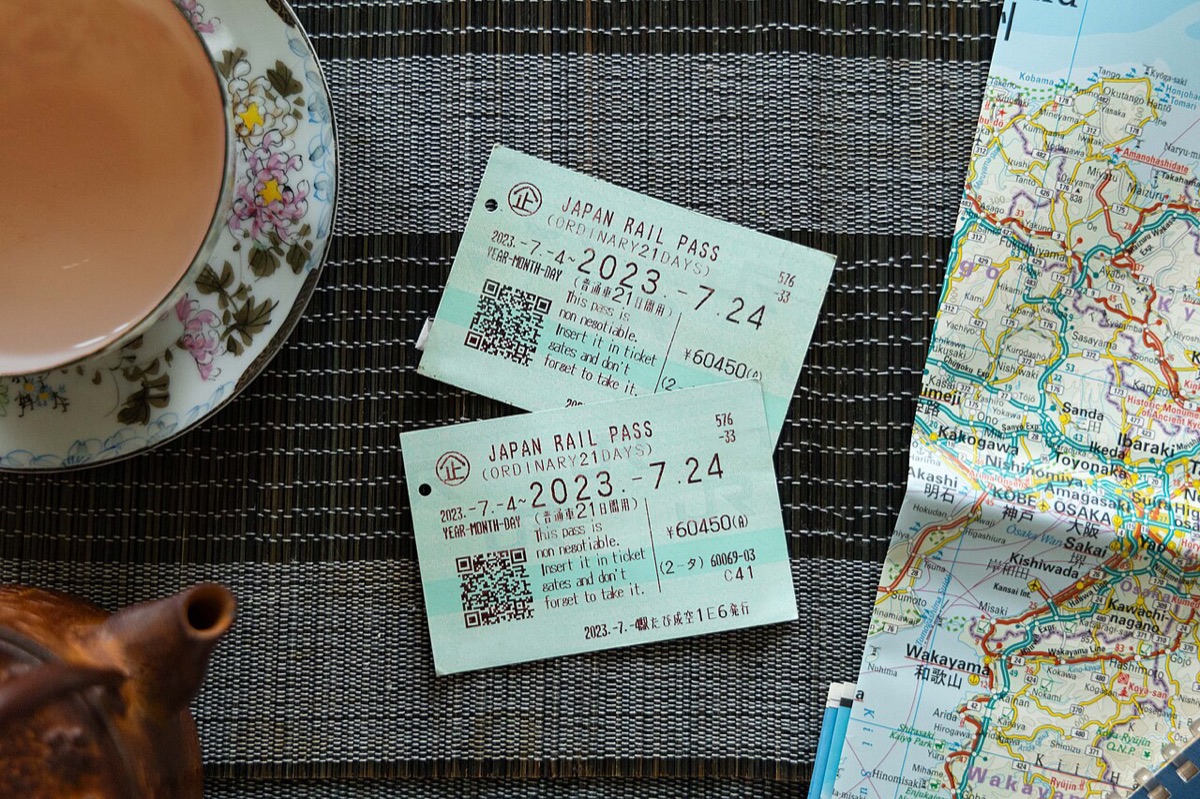
The nationwide JR Pass (Ordinary car) costs 50,000 yen for 7 days, 80,000 yen for 14 days and 100,000 yen for 21 days when bought on the official site (exchange orders from overseas agents cost more: 53,000 yen for 7 days). A Tokyo-Osaka round trip in reserved seats is about 29,440 yen, so that trip alone does not pay off. The pass only makes sense if you cover several regions, such as Tokyo, Kansai, Hiroshima and Kyushu, within 7 days. If you stay in one region, a regional pass for Kansai, Kyushu or Hokkaido is usually cheaper.
Is the JR Pass (JAPAN RAIL PASS) worth buying? Short answer: in 2026 the nationwide Ordinary-car 7-day pass costs 50,000 yen on the official site, and a Tokyo-Osaka round trip alone will not pay it back. It only makes sense if you cross several regions within 7 days and ride the Shinkansen a lot. This article uses the official site's October 2026 prices to work out what the JR Pass costs, which itineraries suit it, and how to choose a regional pass, which is often the better deal.
How much is the JR Pass? 2026 nationwide price table
In short: the Ordinary 7-day pass is 50,000 yen when bought online, or 53,000 yen as an exchange order from an overseas agent.
The JR Pass is issued jointly by the six JR Group companies in two classes, Ordinary and Green (first class), each with 7-, 14- and 21-day versions. According to the JAPAN RAIL PASS official site, prices depend on where you buy[1]:
| Type | Official site (online) | Overseas agent exchange order |
|---|---|---|
| Ordinary 7 days (adult) | 50,000 yen | 53,000 yen |
| Ordinary 14 days (adult) | 80,000 yen | 84,000 yen |
| Ordinary 21 days (adult) | 100,000 yen | 105,000 yen |
| Green 7 days (adult) | 70,000 yen | 74,000 yen |
| Green 14 days (adult) | 110,000 yen | 116,000 yen |
| Green 21 days (adult) | 140,000 yen | 147,000 yen |
Children (aged 6 to 11 on the day of use) pay about half the adult price, for example 25,000 yen for the Ordinary 7-day pass online. The official site also notes that an exchange order bought from an agent is converted to local currency at the bank's selling rate on the day it is issued, which may differ from the rate when you arrive in Japan[1]. At October 2026 prices, buying on the official site is at least about 3,000 yen cheaper than buying from an agent, and you can reserve seats before collecting the pass.
What can you ride with a JR Pass? Do you need a NOZOMI supplement?
In short: you can ride almost all JR lines, including most Shinkansen, but the fastest NOZOMI and MIZUHO trains on the Tokaido, Sanyo and Kyushu Shinkansen need a separate supplement ticket.
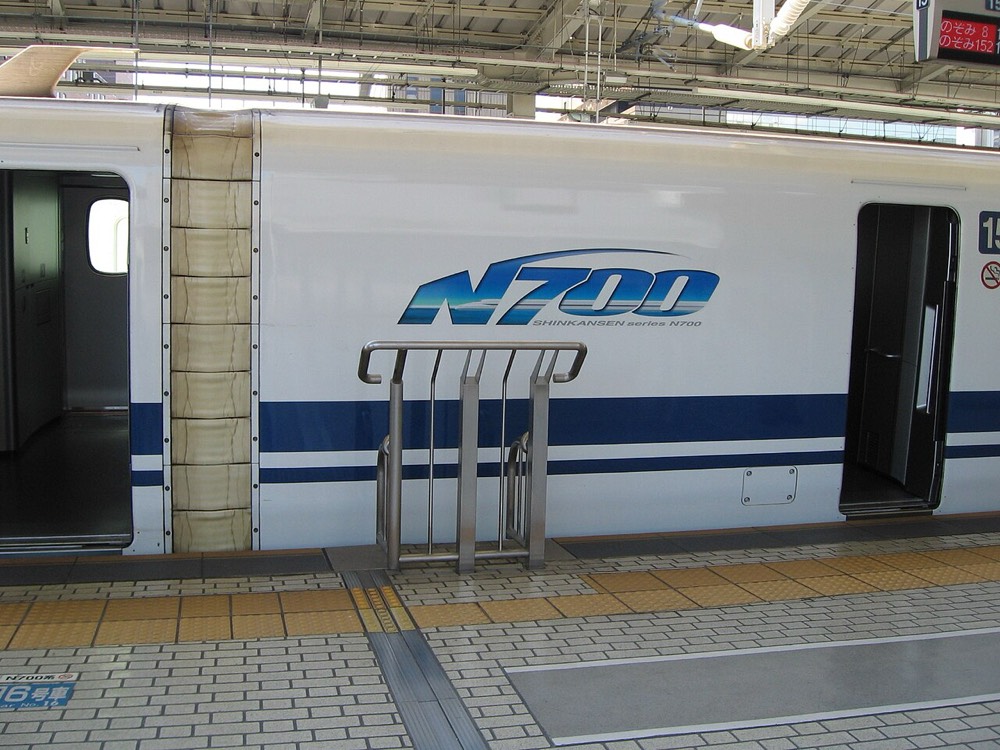
According to the official coverage page[4], the JR Pass covers:
- JR Group Shinkansen, limited express, express, rapid and local trains, plus JR BRT (with a few exceptions).
- The Tokyo Monorail (Haneda Airport to Hamamatsucho).
- Designated sections of Aoimori Railway, IR Ishikawa Railway, Ainokaze Toyama Railway and Hapi-Line Fukui (you must ride the full designated section between stations).
Not covered: all seats on NOZOMI and MIZUHO, GranClass cars, and private railway sections (for example through trains toward Nikko or Izukyu-Shimoda need an extra fare on the private railway section).
NOZOMI MIZUHO Ticket prices
Since 2023, JR Pass holders can buy a separate "NOZOMI MIZUHO Ticket" to ride the fastest trains, one ticket for each ride[2]:
| Section | Supplement (tax included) |
|---|---|
| Tokyo - Nagoya | 4,180 yen |
| Tokyo - Kyoto | 4,960 yen |
| Tokyo - Shin-Osaka | 4,960 yen |
| Tokyo - Hiroshima | 6,500 yen |
| Shin-Osaka - Hakata | 4,960 yen |
| Hakata - Kagoshima-Chuo | 5,150 yen |
Supplement tickets go on sale one month before the travel date and can be bought at reserved-seat ticket machines and Green Window counters at JR stations. An Ordinary pass can only add Ordinary-car seats, not Green car seats[2]. If you don't want to pay extra, just take the HIKARI or SAKURA; from Tokyo to Shin-Osaka they take only about 20 to 30 minutes longer.
Is the JR Pass worth it? A Tokyo-Osaka round trip calculation
In short: a Tokyo-Osaka round trip alone is not worth it; your individual Shinkansen tickets within 7 days need to add up to more than 50,000 yen to break even.
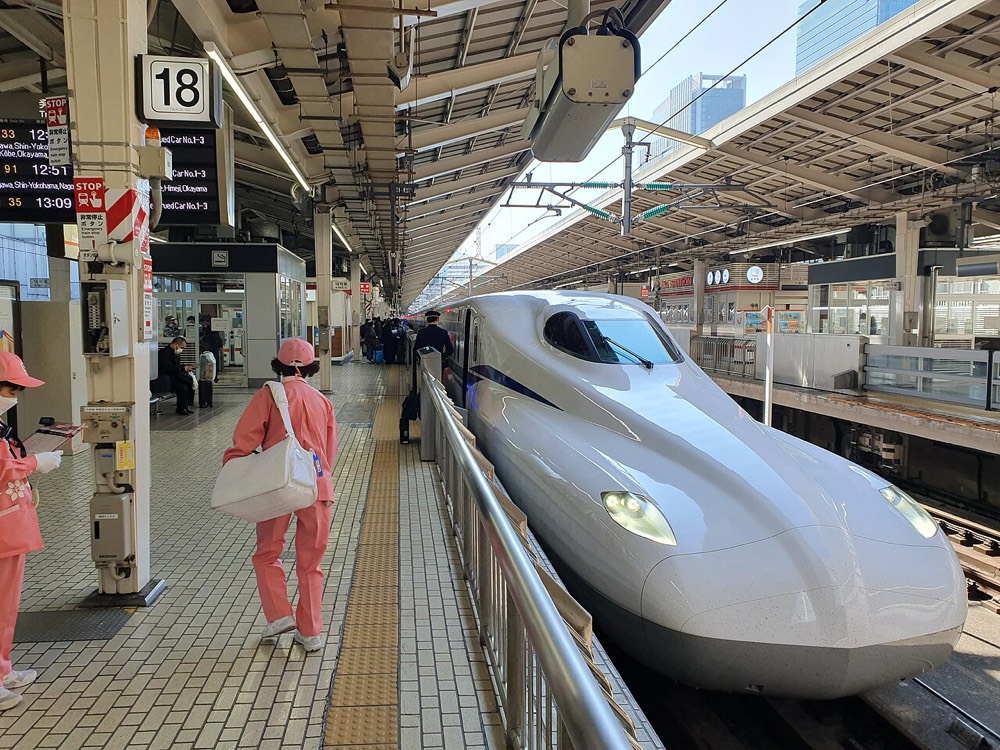
Take the most common plan, flying into Tokyo and out of Osaka, or a Tokyo-Osaka round trip. According to the Japanese journey planner Ekitan, a one-way NOZOMI Ordinary reserved seat from Tokyo to Shin-Osaka is about 14,720 yen, and a HIKARI or KODAMA reserved seat is about 14,400 yen[5]:
| Itinerary (within 7 days) | Estimated cost of separate tickets | 7-day JR Pass | Result |
|---|---|---|---|
| Tokyo → Shin-Osaka one way | About 14,720 yen | 50,000 yen | Separate tickets are much cheaper |
| Tokyo ↔ Shin-Osaka round trip | About 29,440 yen | 50,000 yen | Separate tickets still about 20,000 yen cheaper |
| Tokyo ↔ Shin-Osaka round trip + Kansai-Hiroshima round trip | Close to the 50,000 yen mark (depends on train type and season) | 50,000 yen | Roughly break-even; check fares section by section |
| Long multi-region loop such as Tokyo → Kyoto → Hiroshima → Hakata → Tokyo | Often over 50,000 yen | 50,000 yen | Only now does it start to pay off |
Fares for distant sections such as Hiroshima and Hakata differ slightly between search sites (they vary by train type and seasonal surcharges), so before you go, check your own itinerary section by section on the official JR booking site or a journey-planner app and add them up. Also remember that if you want to ride the NOZOMI the whole way, each section needs a supplement of 4,000 to 6,500 yen, which raises the break-even point.
Who should buy a JR Pass?
- First-time visitors who want to cover several cities in 1 to 2 weeks, such as Tokyo, Kyoto, Osaka, Hiroshima and Fukuoka.
- Travelers making long trips from Tokyo to Tohoku (Sendai, Aomori) or Hokuriku (Kanazawa) and then south to Kansai.
- People who ride long-distance JR trains every day rather than city subways.
If you plan to spend 5 days in Tokyo with just one trip to Hakone or Nikko, the subway tickets and Suica card in the Tokyo transport guide are enough, and you don't need a JR Pass.
JR Pass or regional pass? Kansai, Kyushu and Hokkaido compared
In short: most visitors stick to one region, and a regional JR pass is usually less than half the price of the nationwide pass.
| Pass (official site prices, October 2026) | Days | Adult price | Best for |
|---|---|---|---|
| Kansai Mini Pass | 3 days | 3,000 yen | Getting around Osaka, Kyoto, Kobe and Nara |
| Kansai WIDE Area Pass | 5 days | 12,000 yen | Kansai plus Okayama, Takamatsu, Kinosaki Onsen, Amanohashidate |
| Kansai-Hiroshima Area Pass | 5 days | 17,000 yen | Kansai plus Hiroshima and Miyajima |
| All Kyushu Pass | 3 / 5 / 7 days | 22,000 / 24,000 / 26,000 yen | Fukuoka, Nagasaki, Kumamoto, Kagoshima across prefectures |
| Northern Kyushu Pass | 3 days | 15,000 yen | Fukuoka, Yufuin, Beppu, Nagasaki |
| Hokkaido Rail Pass | 5 days | 22,000 yen | Sapporo, Hakodate, Asahikawa, eastern Hokkaido |
Prices are from each company's site: JR-West[6], JR Kyushu[7] and JR Hokkaido[8]. A few 2026 changes to watch:
- The Kansai Area Pass went off sale on September 30, 2026. Passes bought before that date can still be used within their validity period[6]. For getting around Kansai now, consider the 3-day Kansai Mini Pass (which does not cover limited expresses such as HARUKA).
- The All Kyushu Pass covers the Shinkansen between Hakata and Kagoshima-Chuo and the Nishi-Kyushu Shinkansen, but not the Shinkansen between Kokura and Hakata[7].
- JR Hokkaido announced that from October 20, 2026, passes can be bought at New Chitose Airport using ticket machines with a passport reader[8].
The JR East passes for Tohoku, Nagano and Niigata could not be reached on the official site during this research, so please check prices directly on the JR East site. For itinerary details, see the 5-day Osaka itinerary, the Kyushu transport guide and Hokkaido without a car.
How to buy and collect a JR Pass: eligibility and steps
In short: buy online on the official site and collect with your passport in Japan; the most important thing is to get the "Temporary Visitor" sticker when you enter.
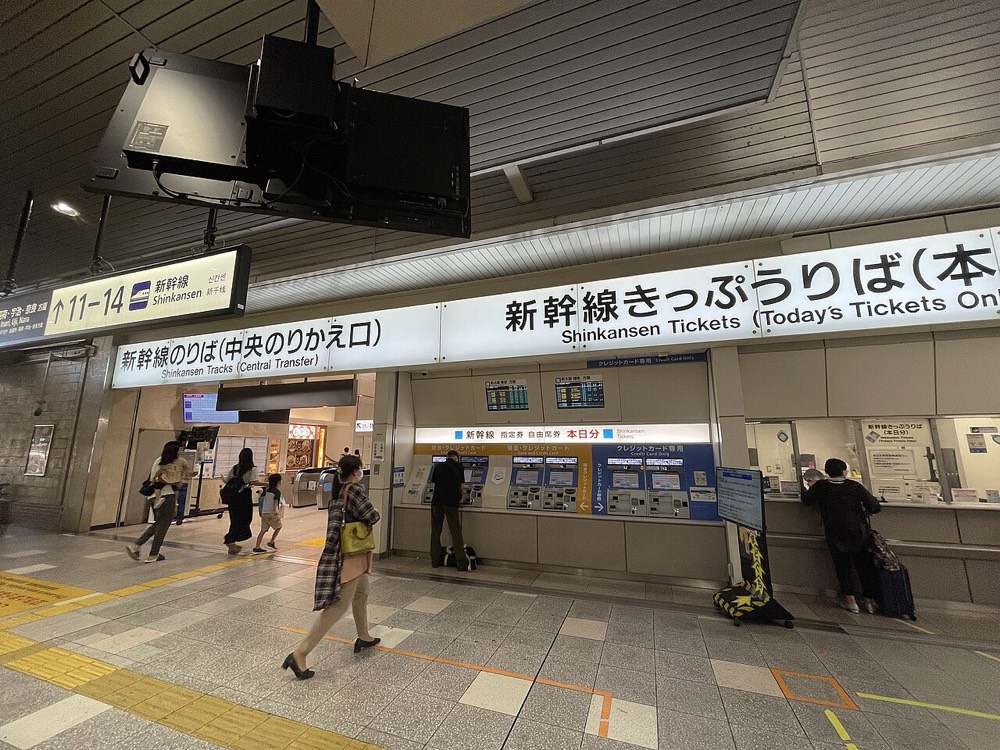
- Check eligibility: The JR Pass is only for foreign visitors entering Japan as "Temporary Visitor" for sightseeing, and for qualifying Japanese nationals living overseas[3].
- Buy online: Pay on the official reservation site (in yen); you can reserve seats in advance[1].
- At immigration: The official site warns that the automated gates do not leave a Temporary Visitor sticker or stamp in your passport. Use a staffed counter or ask the immigration officer to add one, otherwise you cannot collect the pass[3].
- Collect: At a ticket machine or counter in a major JR station, show your passport to collect the pass. Seat reservations can also be made later at ticket machines.
- Ride: Insert the physical pass into the automatic gate, and remember to take it back.
Before you buy: three things to do
- Price your itinerary section by section: Use the official JR booking site or a journey-planner app to add up each one-way fare and compare it with 50,000 yen, rather than going by feel.
- Add the supplement if you want the NOZOMI: Tokyo - Shin-Osaka is 4,960 yen each way, so a round trip is close to 10,000 yen extra.
- Prepare for city transport separately: The JR Pass does not cover subways and private railways such as Tokyo Metro and Osaka Metro, so you still need a transport IC card for getting around cities; see the Suica guide. More transport topics are in the transport section.
FAQ
Can I ride the NOZOMI with a JR Pass?
Not directly. To ride the NOZOMI or MIZUHO on the Tokaido, Sanyo and Kyushu Shinkansen, you must buy a separate "NOZOMI MIZUHO Ticket" for each ride, for example 4,960 yen from Tokyo to Shin-Osaka. If you don't want to pay extra, take the HIKARI, SAKURA or KODAMA instead.
Is the JR Pass cheaper to buy from an agent or on the official site?
According to the official site's October 2026 prices, the Ordinary 7-day pass is 50,000 yen when bought online and 53,000 yen as an exchange order from an overseas agent, so online is cheaper. Agent exchange orders are converted to your local currency at the bank's selling rate on the day they are issued.
Is the JR Pass worth it if I only visit Tokyo and Osaka?
Usually not. A one-way NOZOMI Ordinary reserved seat from Tokyo to Shin-Osaka is about 14,720 yen, or about 29,440 yen round trip, far less than the 50,000 yen 7-day pass. Unless you also plan to go to Hiroshima, Kanazawa, Sendai or other distant places in the same week, buying individual tickets is cheaper.
Can I still exchange for a JR Pass if I enter Japan through the automated gates?
Be careful. The JR Pass is only for visitors entering as "Temporary Visitor", and you must show the Temporary Visitor sticker or stamp in your passport. The automated gates do not issue a sticker, so the official site advises using a staffed counter or asking an immigration officer to add one, otherwise you cannot collect the pass.
How do I choose between the Kansai WIDE Area Pass and the JR Pass?
If you only visit Kansai plus Okayama, Kinosaki Onsen or Amanohashidate, the Kansai WIDE Area Pass at 12,000 yen for 5 days is enough. Consider the JR Pass only if your trip crosses regions toward Tokyo or Kyushu. The original Kansai Area Pass went off sale on September 30, 2026.
Sources
- JAPAN RAIL PASS official site: Types and prices: Online and overseas agent prices confirmed in October 2026
- JAPAN RAIL PASS official site: Using NOZOMI / MIZUHO: NOZOMI MIZUHO Ticket prices by section and purchase rules
- JAPAN RAIL PASS official site: Eligibility: Temporary Visitor status and notes on automated gates
- JAPAN RAIL PASS official site: Coverage: Eligible JR lines, Tokyo Monorail and trains not covered
- Ekitan: Tokyo to Osaka Shinkansen fares: NOZOMI reserved seat 14,720 yen; HIKARI/KODAMA reserved seat 14,400 yen
- JR-West: JR-WEST RAIL PASS: Prices for Kansai WIDE, Kansai Mini and Kansai-Hiroshima passes; notice of the Kansai Area Pass discontinuation
- JR Kyushu: JR KYUSHU RAIL PASS: All Kyushu and Northern Kyushu pass prices
- JR Hokkaido: Hokkaido Rail Pass: Price and purchase methods for the 5-day Hokkaido Rail Pass
- JR Central: NOZOMI all-reserved-seat periods: FY2026 year-end and New Year periods when all NOZOMI seats are reserved
Fares, opening hours and event dates can change. Information checked on 2026.10.19; please confirm with official sources before you go.