Kyushu Transport Guide 2026: JR Kyushu Rail Pass, SUNQ PASS or Rental Car (With Post-Earthquake Updates)
Getting around Kyushu: JR Kyushu Rail Pass prices, SUNQ PASS bus tickets, driving, and Kyushu Shinkansen status after the 2026 Kumamoto earthquake.
Quick answer
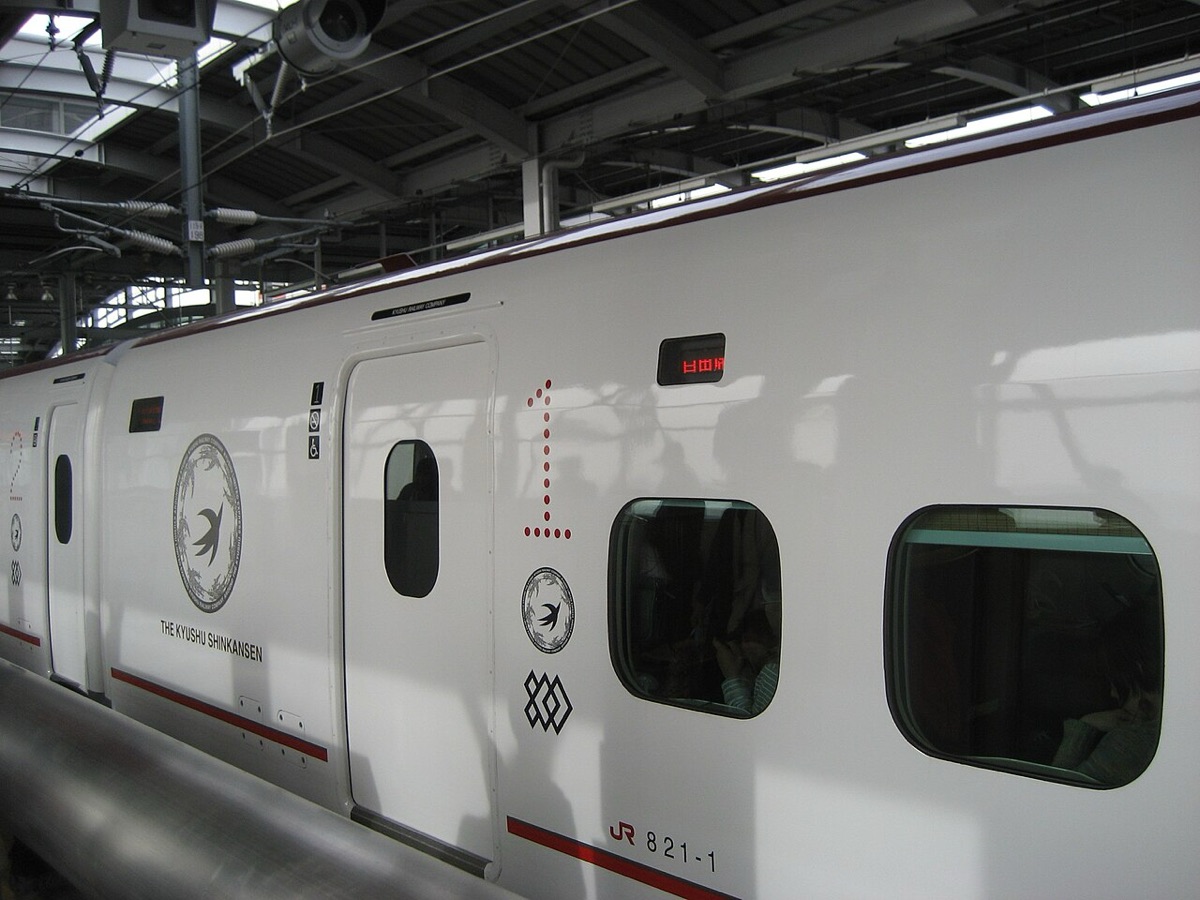
There are three ways to get around Kyushu. Buy a JR Kyushu Rail Pass if you ride the Shinkansen and cross prefectures often (All Kyushu 3-day from 22,000 yen, Northern Kyushu 3-day 15,000 yen). Use the SUNQ PASS bus ticket to save money and reach onsen areas like Yufuin and Aso (digital Northern Kyushu 3-day 10,000 yen). Consider driving only for rural sights. After the July 2026 Kumamoto earthquake, the Kyushu Shinkansen fully reopened on September 18.
The question that trips up most Kyushu travelers is which to choose: the JR Kyushu Rail Pass, the SUNQ PASS bus ticket or a rental car. The answer depends on your route. If you link Fukuoka, Kumamoto and Kagoshima by Shinkansen, choose the JR pass. If you focus on onsen mountain areas such as Yufuin, Beppu and Aso and want to keep the budget down, choose the SUNQ PASS. Consider a rental car for rural scenery. This guide sets out the prices and best uses of the three options, plus the latest on services after the July 2026 Kumamoto earthquake, so you can plan Kyushu transport in one go.
Has Kyushu Transport Recovered After the 2026 Kumamoto Earthquake?
In short: the main lines have reopened, and you only need to check the operation information once more before you leave. On July 28, 2026 the Reiwa 8 Kumamoto Earthquake struck Kumamoto Prefecture, and the Kyushu Shinkansen and the Kagoshima Main Line were suspended for a time. According to JR Kyushu's notice,[3] the current situation is as follows.
- Kyushu Shinkansen: The full line (Hakata to Kagoshima-Chuo) reopened on September 18, 2026 on a revised timetable. Hakata to Kumamoto has the same timings as before the earthquake. South of Kumamoto, trains run slowly over about 10 km near Shin-Yatsushiro Station, services are about 90% of normal, and Hakata to Kagoshima-Chuo takes up to about 8 minutes longer.[4]
- Kagoshima Main Line (conventional): The Uto to Yatsushiro section reopened on October 10, 2026, completing the full line after 74 days, and it returned to the pre-earthquake timetable.[5]
- For other lines (such as the Hohi Main Line and sightseeing trains), check JR Kyushu's operation information page. We cannot confirm the real-time status of every branch line here.
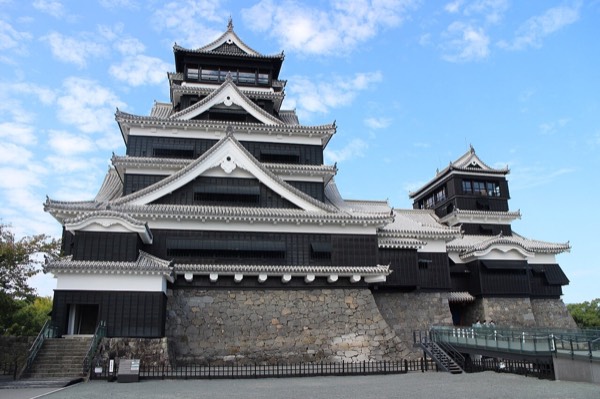
If you plan to visit Kumamoto and Aso in November or December, look at the current state of Kumamoto Castle and Aso together; see the Kumamoto and Aso guide.
Getting Between Major Kyushu Cities: Travel Times at a Glance
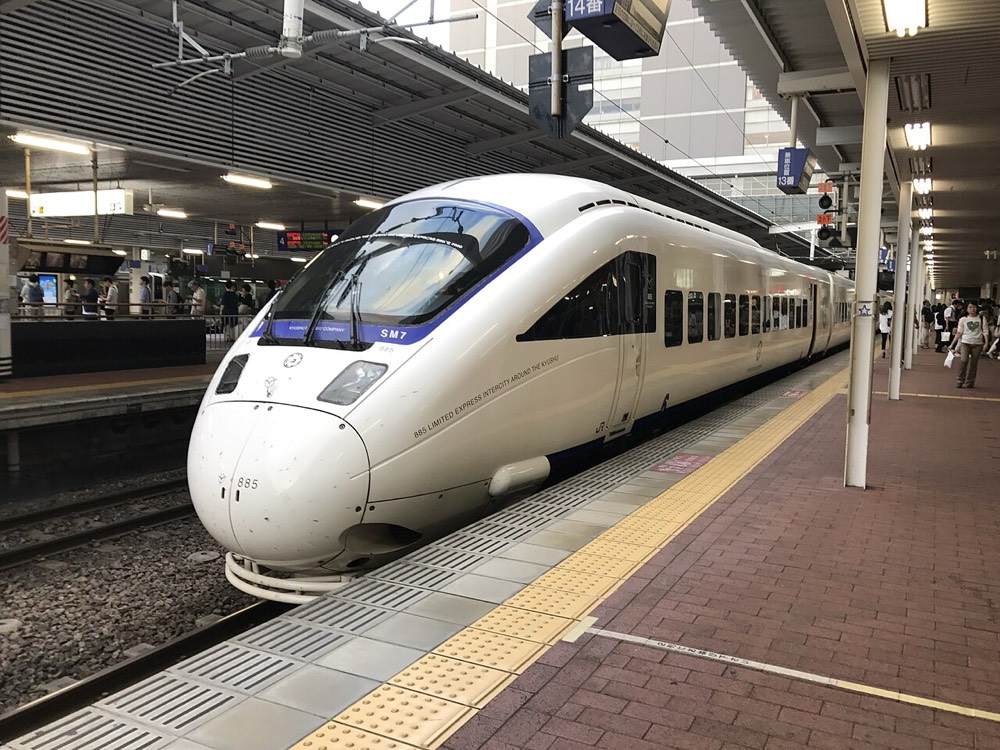
Kyushu is roughly the size of Taiwan, and most cities are 1 to 2 hours apart. The table below gives the transport and time for common routes (times are approximate for the fastest services and vary by train):
| Route | Main transport | Approximate time | Covered by a pass? |
|---|---|---|---|
| Fukuoka Airport to Hakata Station | Fukuoka City Subway Airport Line | About 5 minutes (260 yen) | Not covered |
| Hakata to Kumamoto | Kyushu Shinkansen | About 33 minutes at the fastest | Covered by the JR Kyushu pass |
| Hakata to Kagoshima-Chuo | Kyushu Shinkansen | About 1 hour 20 minutes at the fastest (currently slow running) | All Kyushu version |
| Hakata to Nagasaki | Limited express Relay Kamome plus the Nishi-Kyushu Shinkansen (change at Takeo-Onsen) | About 1 hour 20 minutes at the fastest | Covered by the JR Kyushu pass |
| Hakata to Yufuin | Limited express Yufuin no Mori / highway bus | About 2 hours 10 minutes to 2 hours 20 minutes | Either the JR pass or SUNQ |
| Kumamoto Airport to central Kumamoto | Airport limousine bus | About 45-65 minutes (1,400 yen) | Not covered |
The Kumamoto Airport bus details come from the airport's website:[8] the express service takes about 45 minutes to Kumamoto Sakuramachi Bus Terminal and about 65 minutes to Kumamoto Station, at a fare of 1,400 yen.
Flying to Kyushu from Taiwan: Which Airport Is Easiest?
From Taiwan there are direct flights to Kyushu airports including Fukuoka, Kumamoto and Kagoshima. Taoyuan to Fukuoka is a little over 2 hours, and flights and destinations change each season, so check the airline's notices. For a first trip to Kyushu, most people fly in and out of Fukuoka. Fukuoka Airport is only 5 minutes from Hakata Station by subway, one of the closest major airports to a city center in all of Japan, and the Shinkansen and highway buses to every prefecture also leave from Hakata.
JR Kyushu Rail Pass Prices and How to Buy
The JR Kyushu Rail Pass is a rail pass for short-stay foreign visitors, with unlimited rides on JR Kyushu Shinkansen, limited express and local trains during its validity. According to the JR Kyushu website,[1] the prices in October 2026 are as follows.
| Type | Days | Adult | Child (ages 6-11) |
|---|---|---|---|
| All Kyushu | 3 days | 22,000 yen | 11,000 yen |
| All Kyushu | 5 days | 24,000 yen | 12,000 yen |
| All Kyushu | 7 days | 26,000 yen | 13,000 yen |
| Northern Kyushu | 3 days | 15,000 yen | 7,500 yen |
| Northern Kyushu | 5 days | 17,000 yen | 8,500 yen |
| Southern Kyushu | 3 days | 12,000 yen | 6,000 yen |
Key Rules for the JR Kyushu Rail Pass
- It must be used on consecutive days. A 3-day pass means 3 days in a row, and you cannot skip days.
- Free seat reservations are limited. Reserving at a station Green Window or reserved-seat ticket machine is unlimited with the All Kyushu pass, and up to 6 times each with the Northern and Southern Kyushu passes. Beyond that you buy a limited express ticket separately.
- Online reservations cost extra. Reserving in advance through the official online system requires the "KRP Option Ticket," at 1,000 yen per section for the Shinkansen and ordinary limited expresses and 1,500 yen for D&S sightseeing trains (half price for children).
- You cannot ride the Sanyo Shinkansen between Hakata and Kokura. This section belongs to JR West, and the website lists it clearly as not covered.
- Green Car (first class) costs extra.
You can buy through the official online booking site, designated overseas travel agencies (which give you an exchange order) and JR ticket offices in Kyushu. The website also notes that online booking prices may differ from those in the table, so go by the price shown on the purchase page before you order.
How to Tell Whether the JR Kyushu Rail Pass Is Worth It
A simple test: add up the one-way fares for the rides you plan, and if the total exceeds the pass price, it is worth buying. The Northern Kyushu pass suits northern routes such as Fukuoka plus Nagasaki plus Yufuin or Beppu, and the Southern Kyushu pass suits Kumamoto plus Kagoshima plus Miyazaki. You only need the All Kyushu pass if you cross between north and south, for example Fukuoka all the way to Kagoshima. If you are also comparing the nationwide JR pass, see the full analysis in Is the JR Pass worth it?
What Is the SUNQ PASS? Prices and Who It Suits
The SUNQ PASS is an unlimited-ride bus ticket covering the seven prefectures of Kyushu plus Shimonoseki in Yamaguchi. It covers highway buses, regular route buses and some ferries, and its website says about 2,400 routes can be used.[9] The SUNQ PASS changed its prices on October 1, 2024 and at the same time launched a digital version that lets you choose your days of use.[2]
| Type | Paper ticket (consecutive days) | Digital ticket (any days in the period) |
|---|---|---|
| Northern Kyushu plus Shimonoseki/Nagato, 3 days | 12,000 yen | 10,000 yen (any 3 days within 5) |
| Southern Kyushu, 3 days | 10,000 yen | 8,500 yen (any 3 days within 5) |
| All Kyushu plus Shimonoseki/Nagato, 3 days | 14,000 yen | 12,000 yen (any 3 days within 5) |
| All Kyushu plus Shimonoseki/Nagato, 4 days | 17,000 yen | 15,000 yen (any 4 days within 7) |
The table shows the revised prices announced officially, and the website suggests the digital ticket is the better value. If prices change again, go by the SUNQ PASS website.
Which Routes Suit the SUNQ PASS?
- Onsen routes from Fukuoka: highway buses run from Hakata and Tenjin to Yufuin and Beppu, which neatly avoids the problem of Yufuin no Mori tickets selling out.
- Kumamoto to Aso and Takachiho: rail services in the Aso mountains and Takachiho in Miyazaki are infrequent, so buses are the mainstay.
- Budget travelers: for the same 3 days, the digital SUNQ PASS is clearly cheaper than the All Kyushu JR pass.
Note that most highway buses require seat reservations in advance (even with a SUNQ PASS), and popular services fill up in peak season. Buses are also slower than the Shinkansen, so long journeys take a lot of time.
Kyushu Without a Car vs Driving: How to Choose
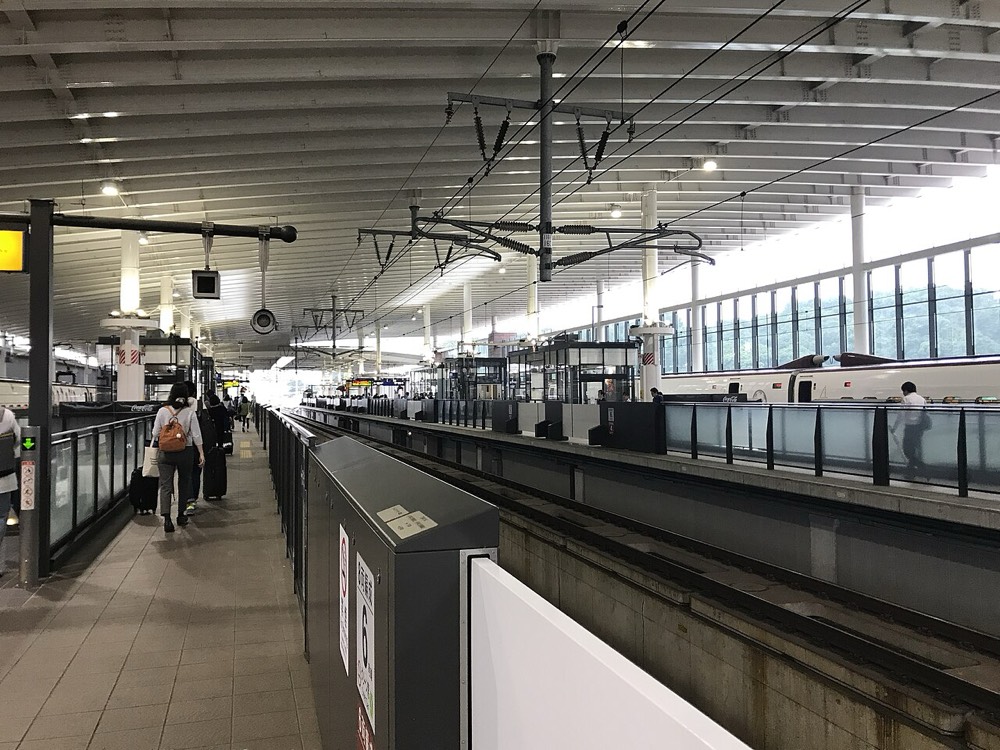
Traveling around Kyushu without a car is entirely workable, and for a city-based itinerary it is even easier than driving. The Kyushu Tourism Organization's transport overview[7] also lists rail and buses as the main options, and recommends driving for those who want rural routes such as the Aso panoramic roads and Miyazaki's Nichinan Coast.
| Comparison | JR Kyushu Rail Pass | SUNQ PASS | Driving |
|---|---|---|---|
| Speed | Fastest (Shinkansen) | Slow | Medium, most freedom in the countryside |
| 3-day cost guide | 15,000-22,000 yen | 10,000-12,000 yen (digital) | Rental fee plus fuel plus tolls |
| Best for | Fukuoka, Nagasaki, Kumamoto, Kagoshima | Yufuin, Beppu, Aso, Takachiho | Aso outer rim, Takachiho, island ports |
| What to prepare | Passport | Phone (digital ticket) | Taiwanese licence plus Japanese translation plus passport (for travelers from Taiwan) |
What to Watch for When Driving in Kyushu
- Documents (for travelers from Taiwan): your original Taiwanese driver's licence plus a Japanese translation (applied for at a motor vehicles office) plus your passport. All three are required. The process is the same as in Okinawa, so see the Okinawa car rental guide on licences and Japanese translations.
- Expressway pass: NEXCO West Japan offers the Kyushu Expressway Pass for foreign visitors, with unlimited driving on Kyushu expressways for a fixed fee. Check the NEXCO West Japan website for prices.
- Do not drive in cities: parking in Fukuoka and Nagasaki is expensive and the roads are narrow, so use public transport in the cities and rent a car only for the onsen mountains and Aso (for example picking up at Kumamoto Station or Kumamoto Airport).
- Winter mountain roads: from December to February the Aso and Kuju areas can have snow and ice, so confirm that the rental comes with winter tires.
Sightseeing Trains and Onsen Lines: What to Know About Yufuin no Mori
The limited express Yufuin no Mori is a popular sightseeing train from Hakata to Yufuin and Beppu. JR Kyushu's website says all seats are reserved, and tickets go on sale at 10:00 a.m. one month before the travel date.[6] In summer 2026 its services were adjusted because of vehicle trouble. An official notice says Nos. 1 to 6 returned to normal running from September 19, but from October there are days when it does not run for regular inspection, so check the operation calendar on the website first.
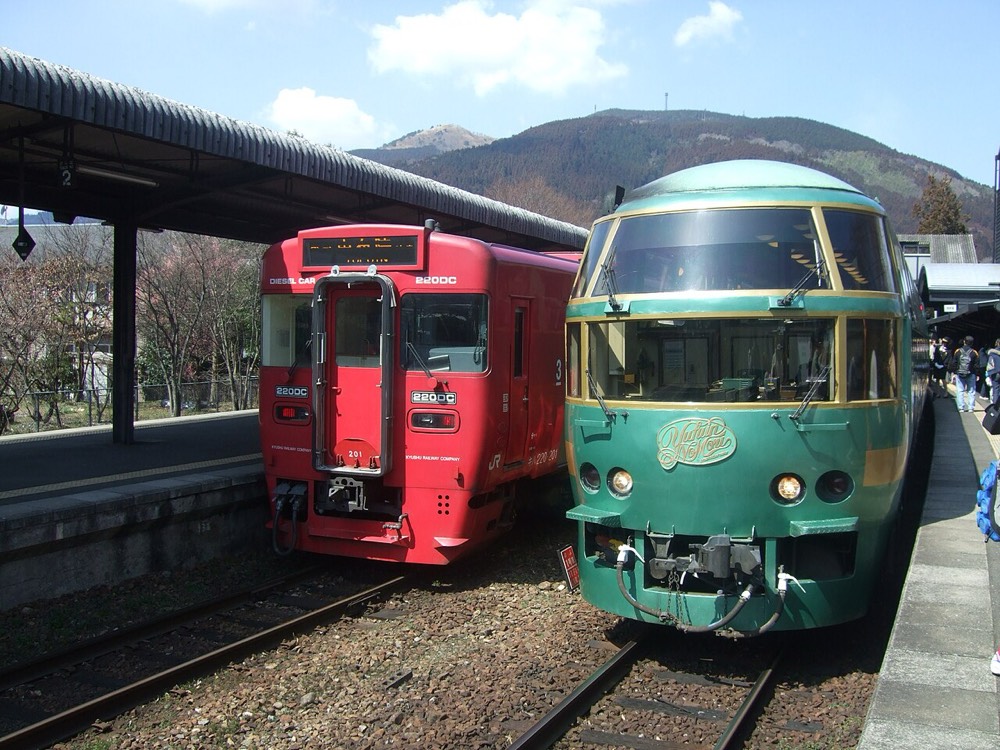
If you cannot get a ticket, take the limited express Yufu on the same route, or a highway bus from Hakata (about 2 hours). For how to plan two days in Yufuin and Beppu, see the Yufuin and Beppu onsen 2-day trip.
Transport Combinations by Itinerary
- Fukuoka plus Nagasaki plus Yufuin, 5 days: use the subway in Fukuoka for the first 2 days (an IC card works; see the Suica guide for iPhone and Android), and activate a Northern Kyushu 3-day pass from day 3 for Nagasaki, Yufuin and Beppu.
- Kumamoto plus Aso plus Kagoshima, 5 days: use a Southern Kyushu 3-day pass for round trips on the Shinkansen to Kumamoto and Kagoshima, and use a bus or half a day of car rental for the Aso section.
- A budget onsen trip from Fukuoka: a digital SUNQ Northern Kyushu pass, taking highway buses to Yufuin, Beppu and Kumamoto on 3 days chosen within 5.
- Fukuoka all the way to Kagoshima: an All Kyushu 5-day pass is the simplest, taking the Shinkansen south the whole way.
For eating in Fukuoka, pair this with the Fukuoka food guide, for Nagasaki see the Nagasaki guide, and for more regional information see the Kyushu travel overview.
Tips Before You Go
- Check JR Kyushu's operation information again a week before you leave, because the post-earthquake timetables may still change.
- A JR pass must be used on consecutive days, so group your travel days together and do not activate it on city sightseeing days.
- Reserve Yufuin no Mori and highway buses early in peak season, and a SUNQ PASS does not guarantee you a seat.
- If you will drive, apply for the Japanese translation of your licence early. Travelers from Taiwan can get it done the same day at a motor vehicles office, but do not leave it until the day before departure.
FAQ
Can the JR Kyushu Rail Pass be used on the Shinkansen from Hakata to Kokura?
No. The Hakata to Kokura section belongs to JR West's Sanyo Shinkansen, and the JR Kyushu website states clearly that the pass cannot be used on it. To go from Fukuoka to Kitakyushu, take a JR conventional limited express such as the Sonic, or buy a separate Shinkansen ticket.
Is it possible to travel around Kyushu without a car?
Yes. Major cities such as Fukuoka, Nagasaki, Kumamoto and Kagoshima are linked by Shinkansen or limited express, with subways and trams in the cities, and the onsen areas such as Yufuin, Beppu and Aso have highway buses and sightseeing trains. You only really need a car or a day tour for places with few public transport services, such as Takachiho and the scenic driving routes around the Aso outer rim.
What is the difference between the digital and paper SUNQ PASS?
Since October 2024 the digital version is about 12-15% cheaper than paper and can be used on days of your choice within a set period (for example the 3-day pass is any 3 days within 5 days of first use), while paper must be used on consecutive days. For the Northern Kyushu 3-day pass, paper is 12,000 yen and digital is 10,000 yen.
Is the Kyushu Shinkansen running normally now?
According to JR Kyushu's notice, the Kyushu Shinkansen fully reopened on September 18, 2026 on a revised timetable. Hakata to Kumamoto is the same as before the earthquake, and south of Kumamoto, because of slow running near Shin-Yatsushiro, it takes up to about 8 minutes longer to Kagoshima-Chuo. Check JR Kyushu's operation information before you travel.
What documents do travelers from Taiwan need to drive in Kyushu?
You need your original Taiwanese driver's licence plus a Japanese translation of it (available from a Taiwan motor vehicles office), and you must carry your passport. A Taiwan-issued international driving permit is not valid in Japan, so you must have the Japanese translation. Rental companies check all three documents.
Sources
- JR Kyushu | JR Kyushu Rail Pass (official English page): Pass prices, number of seat reservations, sections not covered
- SUNQ PASS | Notice of price revision on October 1, 2024: Paper and digital prices, how to use
- JR Kyushu | Train operation information and notices: Kyushu Shinkansen fully reopened September 18; Kagoshima Main Line reopened October 10
- Kumamoto Nichinichi Shimbun | Kyushu Shinkansen up to 8 minutes slower; timetable after full reopening on the 18th: Services and slow running after the full reopening
- Kumamoto Nichinichi Shimbun | JR Kagoshima Line fully restored after 74 days: Uto-Yatsushiro section restored
- JR Kyushu | Limited Express Yufuin no Mori: All seats reserved, operation calendar
- Kyushu Tourism Organization | Visit Kyushu: Getting around: Overview of transport in Kyushu, expressway pass
- Aso Kumamoto Airport | Access information: Airport limousine bus times and fares
- SUNQ PASS | Official website: Coverage (7 Kyushu prefectures plus Shimonoseki, about 2,400 routes) and how to buy
Fares, opening hours and event dates can change. Information checked on 2026.10.19; please confirm with official sources before you go.