Driving in Okinawa from Taiwan: Japanese Translation of Your Taiwan Licence, Car Rental, ETC and Road Rules
Driving in Okinawa on a Taiwan licence: get the Japanese translation same day at a Taiwan DMV office for NT$100, plus rental steps, ETC tolls, bus lanes and road rules.
Quick answer
Travelers from Taiwan who want to drive in Okinawa need three things: the original Taiwan driver's licence, its Japanese translation and a passport. An International Driving Permit issued in Taiwan is not valid in Japan. The translation can be issued the same day at any Taiwan motor vehicles office counter for NT$100 (online applications add NT$28 postage and take about 7 to 12 working days). It lets you drive within 1 year of entering Japan and while the licence is valid. On the Okinawa Expressway, Naha IC to Kyan IC costs ¥1,040 with ETC or ¥1,610 in cash for a regular car (checked October 2026).
What you need to drive in Okinawa is simple: the original Taiwan driver's licence, its Japanese translation and your passport, all three without exception. Many people assume an International Driving Permit is enough to rent a car in Japan, but the permit issued in Taiwan is not valid there, and some only find out at the rental counter when they cannot rent a car. This guide is for travelers from Taiwan and covers what to prepare for driving in Okinawa: how to get the Japanese translation, the rental and pickup process, expressway ETC tolls, bus lanes and local road rules.
What to Bring to Drive in Okinawa: Taiwan Licence, Japanese Translation and Passport
In short: travelers from Taiwan do not use an International Driving Permit in Japan, but a "Taiwan licence plus an officially recognized Japanese translation." This is a reciprocal arrangement between Taiwan and Japan, and Japanese police guidance also lists Taiwan among the countries and regions whose drivers may drive with a Japanese translation attached[3].
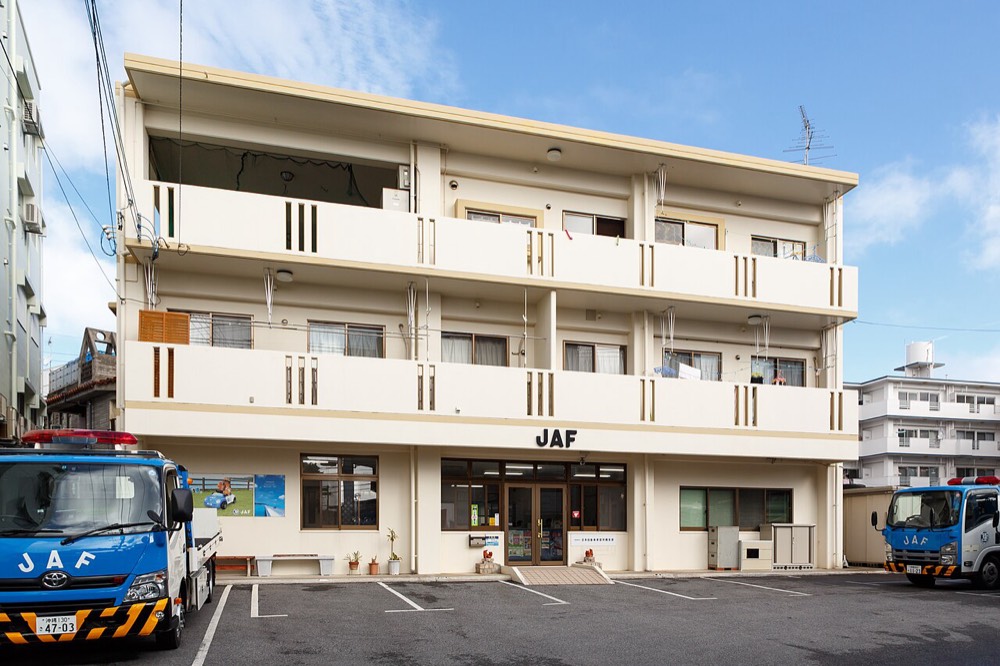
According to the Kyoto Prefectural Police, bodies that can legally produce the translation include Taiwan's licensing authority (the highway motor vehicles offices), the Taipei Economic and Cultural Representative Office in Japan, the Japan Automobile Federation (JAF), and organizations approved by Japan's National Public Safety Commission; translations you make yourself or get from a translation agency are not valid[3]. For travelers from Taiwan, the easiest way is to get it done at a motor vehicles office in Taiwan before you leave.
Documents to carry while driving:
| Document | Purpose | Notes |
|---|---|---|
| Original Taiwan driver's licence | Proves your right to drive | Must be valid, and the class must match the car you rent |
| Japanese translation of the licence | Basis for Japan recognizing the Taiwan licence | Must be issued by a motor vehicles office, the representative office, JAF or similar |
| Passport | Confirms entry date and identity | Police may ask to see it to check you are within 1 year |
| Rental booking details and payment credit card | Used at pickup | Payment method and whether it must be in the driver's name follow each rental company's rules |
You can drive for 1 year from the day you enter Japan, and if your Taiwan licence expires earlier, the licence expiry date applies[3]. A stay of a few days to a few weeks will not reach that limit, but if your licence is about to expire, renew it first.
How to Apply for the Japanese Translation: Same Day at a Motor Vehicles Office, or Online by Mail
A Japanese translation of a Taiwan licence can be issued at any highway motor vehicles office in Taiwan, regardless of where you are registered, and you can get it on the same day at the counter. The fee is NT$100 per copy[1].
Applying in Person
- Bring your original Taiwan licence and ID card to any motor vehicles office (any district).
- Tell the counter you want a "Japanese translation of a driver's licence" and pay the NT$100 fee.
- Wait while it is made and collect it on the spot. Check that the name spelling, date of birth and licence class on the translation are correct.
Applying Online
- Log in to the Highway Bureau's motor vehicles online service as a member.
- Open the Japanese translation application page and confirm your personal details.
- Pay the NT$100 fee and NT$28 registered-mail postage by credit card or bank account.
- Wait for the motor vehicles authority to mail it, which takes about 7 to 12 working days including delivery[2].
If you are already in Japan and realize you did not get the translation, there is a fallback: apply for a Japanese translation from the Taipei Economic and Cultural Representative Office in Japan or from JAF[3]. It takes time to process, and the fees and number of days depend on each body's announcements, so a last-minute application during a trip is not realistic. It is best to get it done in Taiwan.
Japan has also seen cases in recent years of people using forged Taiwan licences to apply for translations, so checks may be more careful. Bring the genuine original licence, with details matching your passport.
Okinawa Car Rental Process: Booking, Pickup and Return
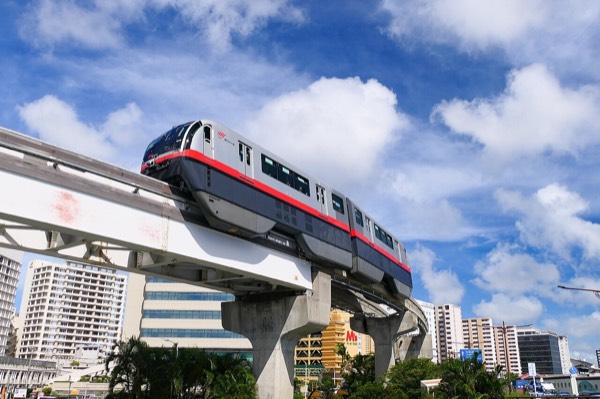
Okinawa's main island has no railway, only the Yui Rail monorail in Naha, so renting a car is the main way most travelers reach sights in the north. The drive from Naha Airport to Okinawa Churaumi Aquarium in the north takes about 2 hours by expressway[7].
Booking a Car
In summer holidays, long weekends and peak seasons cars sell out quickly, so book a car as soon as you book your flights. Nationwide rental companies listed by Visit Okinawa Japan include Toyota, Nippon, Nissan, ORIX, Times, OTS and Budget[4], and there are also many local Okinawa operators. You can book directly on a rental company's website, or compare via Japanese car rental comparison sites or platforms such as KKday and Klook. When booking, also check:
- Whether there is Chinese-language navigation (most cars can switch languages, and you can also navigate by phone number or MAPCODE)
- Whether to add an ETC card
- Child seats for children aged 6 and under (required by Japanese law for children 6 and under; companies supply them free or for a fee)[4]
- What the collision damage waiver and NOC (Non-Operation Charge) coverage includes
Pickup: Shuttle Bus to the Rental Office
Most rental offices in Okinawa are not inside the airport terminal. After arrival, go to the airport's designated shuttle stop and take each company's shuttle bus to its office to complete the paperwork[4]. In peak season both the shuttle and counter can have long queues, and one operator has announced waits of up to 2 hours at the airport at peak times, so do not pack your first day too tightly.
At pickup the counter checks your licence, translation and passport, and walks around the car with you to confirm existing scratches. Take photos for your records.
Return: Fill Up and Allow Time
The usual rule is to return the car with a full tank. Fill up at a gas station near the rental office and keep the receipt. After returning, you take the shuttle back to the airport, and with peak-season traffic it is wise to allow more time than usual rather than cutting it close to your flight.
Okinawa Driving Costs and ETC: How Expressway Tolls Work
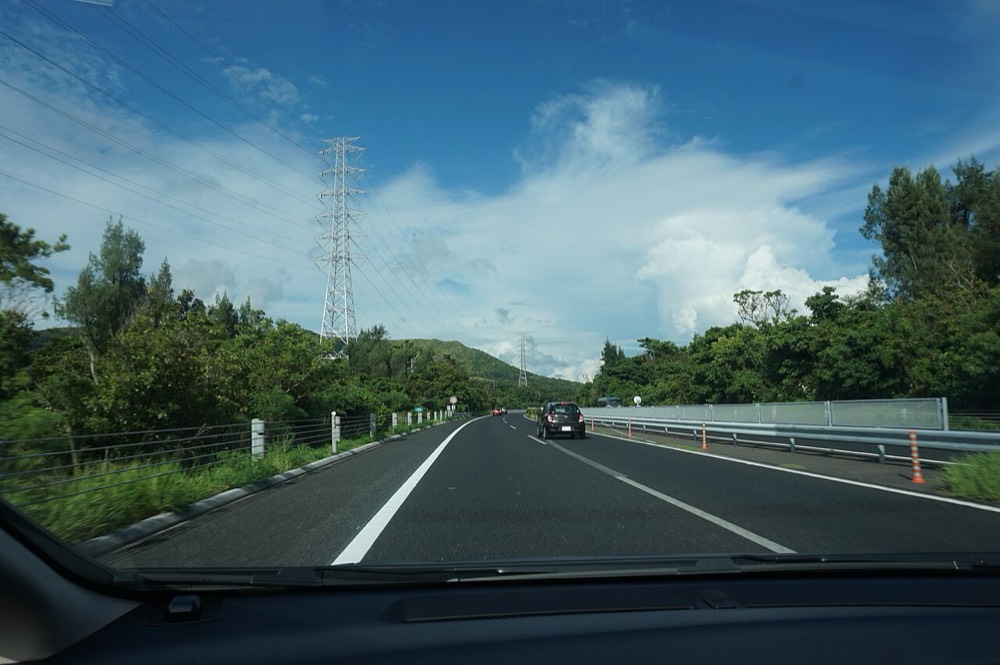
The only expressway in Okinawa is the Okinawa Expressway, from Naha IC to Kyan IC near Nago in the north. There is currently a special discount for ETC vehicles: for the whole route, a regular car pays ¥1,040 with ETC, or ¥1,610 in cash, a difference of ¥570[5].
| Section (regular car) | ETC | Cash | Notes |
|---|---|---|---|
| Naha IC to Kyan IC, full route | ¥1,040 | ¥1,610 | ETC special discount of 35.5% |
| Same section, driving between 0:00 and 4:00 | ¥730 | ¥1,610 | ETC with the late-night discount as well |
NEXCO West Japan announced that this ETC discount is scheduled to run until March 31, 2027[5], and whether it continues after that depends on official announcements. If you will go north and back two or three times in a few days, the tolls alone can differ by over a thousand yen, so adding an ETC card is usually worth it. ETC card rental fees, and whether you can pre-load it or settle at return, depend on each rental company[4].
Other costs of driving in Okinawa can be estimated roughly like this:
- Rental fee: Varies a lot with car type, season, number of days and insurance plan; use the quote at the time you book.
- Fuel: Japanese fuel prices fluctuate; fill up yourself before returning and pay in cash or by card.
- Parking: Parking near Kokusai-dori is mostly paid, while the parking lots at northern sights such as Ocean Expo Park are all free[7].
Driving in Okinawa: Bus Lanes, Parking and Road Rules
The most important thing to watch in Okinawa is the bus lanes on weekday mornings and evenings, followed by parking lot scrapes and slippery roads in the rain.
Do Not Enter Bus Lanes on Weekday Rush Hours
On major roads such as National Route 58 around Naha, Urasoe and Ginowan, some lanes become bus lanes (バスレーン) during weekday commuting hours, open only to buses, taxis, motorcycles and permitted vehicles; they are not enforced on Saturdays, Sundays and national holidays[4]. According to Ryukyu Shimpo, Route 58's hours are 7:30 to 9:00 on weekday mornings (toward Naha) and 17:30 to 19:00 in the evening (northbound)[6]. The road is marked with the characters "バス専用" and signs, so move to another lane when you see them.
Parking Lots Cause More Trouble Than Roads
Visit Okinawa Japan notes that about 80 percent of accidents in Okinawa happen in parking lots, such as at hotels and convenience stores[4]. Reverse slowly and check your mirrors. Coin parking lots are mostly the "lock plate" type: after you park, a plate rises under the car, and when leaving you enter the space number at the payment machine; once the plate drops, drive off quickly[4].
Other Rules and Habits
- Japan drives on the left with the driver's seat on the right; the indicator and wiper stalks may be the reverse of what you are used to, and switching on the wipers when you meant to signal is a common embarrassment.
- The speed limit on expressways is 80 km/h[4]; follow the signs on regular roads.
- Everyone in the car must wear a seat belt, and you may not hold a phone while driving[4].
- Zero tolerance for drunk driving, including alcohol remaining from the night before[4]. If you want awamori or Orion beer, plan it for a night when you are not driving.
- At the red inverted-triangle "止まれ" (stop) sign, come to a complete stop before moving off.
- Okinawa's asphalt contains limestone and is especially slippery after rain, so slow down and keep more distance[4].
What to Do in an Accident
Even for a single-car crash or a small scrape, stay at the scene and call 110 for the police, call 119 if anyone is hurt, then contact the rental company[4]. If the police are not called, insurance may not pay out.
What If You Would Rather Not Drive in Okinawa?
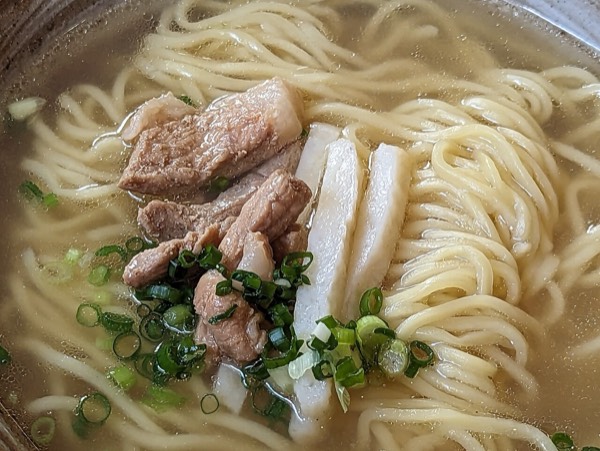
Without a licence, or if you prefer not to drive on the left, you can still enjoy Okinawa. The monorail makes central Naha easy, and for the north you can take an express bus or join a day tour. For details, see Okinawa without a car. If you do plan to drive, start with Okinawa attractions to map out where you want to go, then add Okinawa food recommendations to place Okinawa soba shops and taco rice into your lunch stops.
Before You Go: Driving Checklist for the Last Week
- Confirm your Taiwan licence is valid for the whole trip and that you have the Japanese translation (collectable the same day at a motor vehicles office counter).
- Keep the translation, original licence and passport together in one document holder, and carry them while driving.
- Check that the name spelling on your rental booking matches your passport.
- Decide whether to add an ETC card and a child seat.
- Allow extra time on arrival and return days for the shuttle bus and traffic.
- Download an offline map and save the phone numbers or MAPCODEs of the places you want to visit.
For other documents, internet and insurance preparation, check the Japan trip checklist as well; more Okinawa articles are collected under Okinawa travel.
FAQ
Can I drive in Okinawa with an International Driving Permit from Taiwan?
No. International Driving Permits issued in Taiwan are not recognized in Japan. Travelers from Taiwan use the original Taiwan licence together with a Japanese translation, and carry their passport while driving so police can confirm the date of entry.
Where do I get the Japanese translation of my licence, and how long does it take?
In Taiwan, apply in person at any highway motor vehicles office (any district). Bring your original licence and ID card, and you get it the same day for NT$100. You can also apply online through the motor vehicles online service, with delivery by mail taking about 7 to 12 working days plus NT$28 postage.
How long is the Japanese translation valid?
The translation has no separate expiry date, but you can drive for the shorter of 1 year from entering Japan and the validity of your Taiwan licence. If your licence is about to expire, renew it first and then apply for the translation.
Should I rent an ETC card with my car in Okinawa?
If you will use the Okinawa Expressway to go north, adding one is recommended. Naha IC to Kyan IC costs ¥1,040 for a regular car with ETC, versus ¥1,610 in cash, a ¥570 difference each way. Most rental companies offer ETC cards as an add-on, with fees set by each company.
What are the most common mistakes when driving in Okinawa?
Common ones are entering bus lanes by mistake in the weekday rush hours, scrapes in convenience store or hotel parking lots, and slipping on wet asphalt in the rain. Japan also has zero tolerance for drunk driving, and alcohol remaining from the night before counts as a violation.
Sources
- Taiwan Highway Bureau: Taiwan-Japan driver licence reciprocity: Where to apply for the translation, required documents and fee
- My E-Government (Taiwan): applying for a Japanese translation of a driver's licence: Online application steps, postage and processing days
- Kyoto Prefectural Police: for those driving with a foreign driver's licence: Conditions for driving in Japan on a Taiwan licence, bodies that can issue translations, and the 1-year limit
- Visit Okinawa Japan: Rental Vehicles in Okinawa: Okinawa traffic rules, bus lanes, parking and accident procedures
- NEXCO West Japan: Okinawa Expressway special discount: ETC and cash tolls between Naha IC and Kyan IC
- Ryukyu Shimpo: bus lane extension (Kumoji to Isa): Section and hours of the Route 58 bus lane
- Okinawa Churaumi Aquarium: access: Driving time from Naha Airport to the aquarium
Fares, opening hours and event dates can change. Information checked on 2026.10.19; please confirm with official sources before you go.