Japan Trip Checklist: Documents, Internet, Payment, Transit Cards and Apps in One Place
Japan trip checklist: passport and visa-free rules, Visit Japan Web, mobile data, cash and cards, transit cards, key apps, packing and tax-free, by timeline.
Quick answer
Preparing for a trip to Japan falls into three stages: one month before, check your passport validity, book flights and hotels, and learn the visa-free rules (residents of Taiwan can stay 90 days visa-free for short visits); one week before, complete Visit Japan Web, arrange an eSIM or SIM card, get yen and credit cards, and choose a transit card; one day before, check your luggage (power banks in carry-on, no meat products) and your phone apps. From November 2026, Japan's tax refund is paid after you leave, so allow time at the airport.
Preparing for a trip to Japan is not hard in itself; the difficulty is that there are many small things and it is easy to miss one or two. This checklist follows a timeline of one month, one week and one day before departure: documents and visa-free rules, Visit Japan Web, mobile data, payment, transit cards, essential apps, packing and the duty-free allowance on returning home, each linked to a deeper guide. If it is your first time in Japan, just tick items off one by one.
Japan trip preparation overview: tick things off by timeline
The short answer: sort out documents, flights and hotels a month ahead; handle entry, internet, money and transport a week ahead; and the day before it is only luggage and your phone.
| When | What to prepare | Key points |
|---|---|---|
| 1 month before | Passport validity, flights, hotels, travel insurance | Passport must be valid for your whole stay; book hotels early in peak season |
| 2 weeks before | Plan the itinerary and transport passes | Decide whether you need a JR Pass or a regional pass |
| 1 week before | Visit Japan Web, mobile data, currency, credit card setup, transit card | Enable overseas withdrawals on your debit card; install your eSIM first |
| 1 day before | Pack, download apps, charge your phone | Power banks in carry-on; no meat products |
| Departure day from Japan | Tax-free procedure, duty-free allowance at home | Do the tax-free confirmation before checking bags |
Documents and visa-free entry: what to bring on your first trip to Japan
The short answer: travelers from Taiwan do not need a visa for short tourist stays, but the passport must be valid and you should have material ready to explain your trip.
According to the Japan-Taiwan Exchange Association, travelers who hold household registration in Taiwan and a valid passport can stay in Japan for 90 days without a visa for tourism, visiting relatives or short business contacts; work or paid activities require a visa, and meeting the conditions does not mean you are guaranteed entry[1]. Travelers of other nationalities should check Japan's entry requirements for their own passport.
Documents checklist:
- Passport: make sure its validity covers the whole trip. If it is close to expiring, renew it first so that Visit Japan Web does not warn about insufficient validity.
- Flight and hotel confirmations: keep them on your phone and carry a printed copy in case immigration asks.
- Taiwan ID card and National Health Insurance card (for travelers from Taiwan): these may be needed when you clear customs back home or seek medical care.
- Japanese translation of your driving licence: only needed if you rent a car in Japan, and for travelers from Taiwan it must be carried together with the original Taiwan licence.
- Credit and debit cards: at least two, kept separately.
Entry procedures: fill in Visit Japan Web first
The short answer: complete the immigration and customs declaration in Visit Japan Web a week before you leave, then show the QR code after landing. Visit Japan Web is a free web service from Japan's Digital Agency; you can fill it in on a computer, but you need a phone or tablet to show the QR code at entry[2].

You will need your passport, flight number, the name, address and phone number of your first night's accommodation, and an email address. If you travel with children or older relatives, you can register family members under the same account. For the full steps, see the Visit Japan Web guide.
Internet: eSIM, SIM card or pocket Wi-Fi?
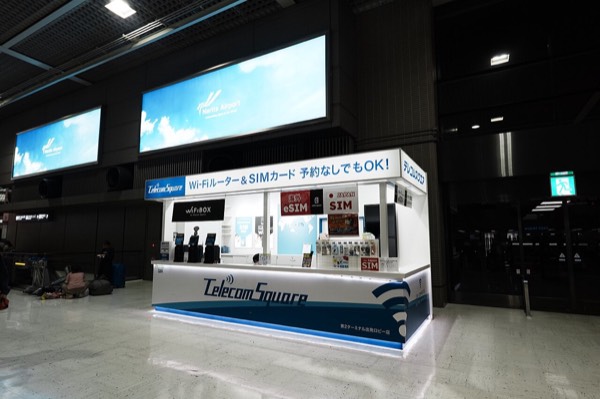
The short answer: if your phone supports eSIM and is not locked, choose an eSIM; for a family traveling together consider a pocket Wi-Fi; if your phone does not support eSIM, buy a physical SIM card. The ways of getting online in Japan listed by GO TOKYO include free Wi-Fi, rental routers, physical SIM cards and eSIM[3].
Pre-trip checks:
- Install the eSIM while you are on Wi-Fi at home, then switch to mobile data after you arrive in Japan.
- Keep your home number switched on so you can receive SMS verification codes for credit cards and online banking, but turn off data roaming on that number.
- Download an offline Google Maps area as a backup.
For how to choose a plan and how much data you need, see how to choose a Japan eSIM.
Payment: how to combine cash, cards and a transit card
The short answer: prepare some yen in cash, two credit cards from different card networks, and one transit IC card. GO TOKYO says Tokyo is still a relatively cash-reliant city, but major credit cards work in many places, and transit cards such as Suica and PASMO can also pay at convenience stores and other shops[4].
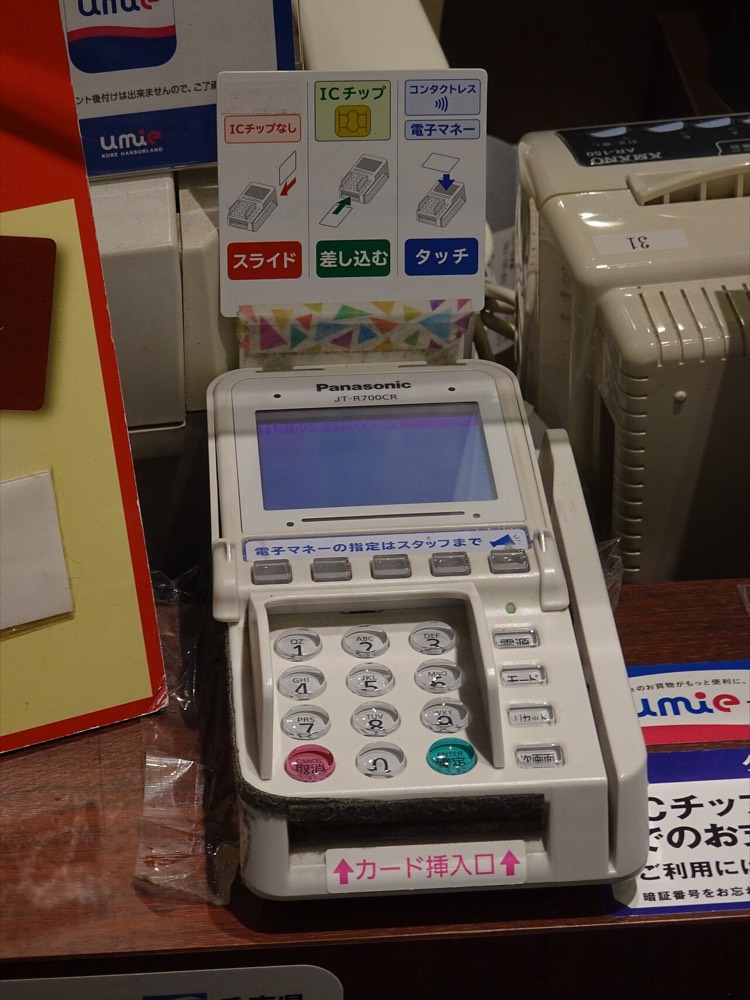
What to do before you go:
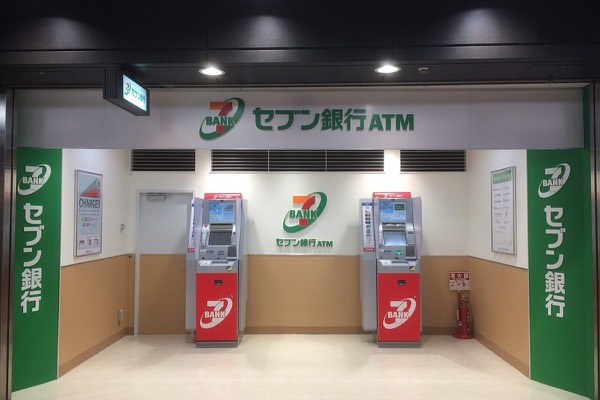
- Currency: exchange some yen at a bank before you leave, and if you plan to withdraw from Japanese ATMs, make sure your debit card is enabled for overseas withdrawals.
- Credit cards: check that overseas transactions and SMS alerts are turned on, and learn the foreign transaction fee.
- Pay in yen when using a card: this avoids the poorer exchange rate of dynamic currency conversion (DCC).
- Tipping: there is no tipping custom in Japan, and some places add a service charge[4].
For a fuller comparison, see the Japan payment guide.
How to prepare transit cards and transport passes
The short answer: a transit IC card is the easiest way to get around a city; for long-distance travel between cities, then weigh up a JR Pass or regional pass.
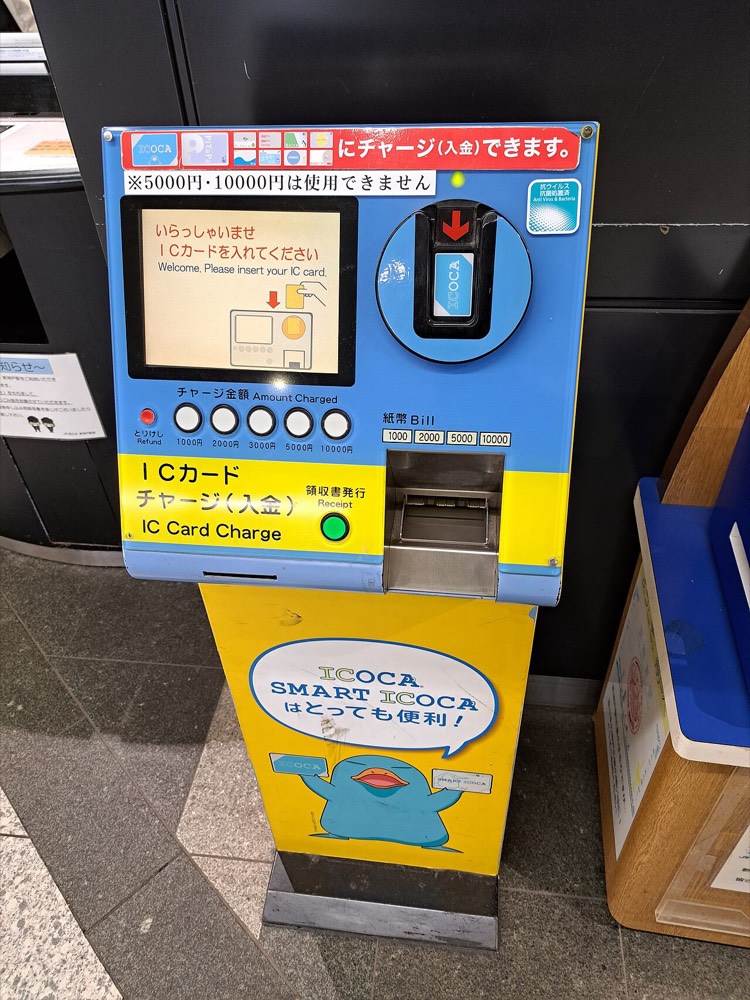
- Transit IC cards: Suica (JR East), PASMO (Tokyo private railways and subways), ICOCA (JR West) and others can be used interchangeably in most areas. iPhone users can add one directly to Apple Wallet without buying a physical card; see the Suica guide for iPhone and Android for setup.
- JR Pass and regional passes: worth it only if you make a lot of long-distance trips, so add up the single-ticket prices first; see Is the JR Pass worth it?.
- City day passes: Tokyo, Osaka and Kyoto each have their own subway or sightseeing passes; decide based on how busy your day is.
Essential apps for traveling in Japan
The short answer: maps, transit, translation and disaster alerts matter most; add others according to your itinerary.
| Category | Use | Notes |
|---|---|---|
| Maps and navigation | Finding routes, checking opening hours | Google Maps shows train transfers and walking routes; download offline maps before you go |
| Transit search | Train times, platforms, fares | In addition to Google Maps, you can use Japanese railway operators' or transit search apps |
| Translation | Menus, signs, communication | Pick an app with live camera translation |
| Disaster alerts | Earthquakes, tsunamis, weather warnings | "Safety tips" from the Japan Tourism Agency system, available in 15 languages including Traditional Chinese[5] |
| Messaging | Contacting travel companions, booking restaurants | LINE is also widely used in Japan |
| Transit card | Balance check and top-up | Your phone wallet or each card's official app |
Packing for Japan: the details
The short answer: separate carry-on from checked items, pack seasonal clothes for your destination, and leave space for shopping on the way back.
- Power banks and spare lithium batteries: under airline rules these can only go in carry-on bags, not checked luggage; limits on number and capacity follow each airline's announcements.
- Plugs and voltage: Japan's common two-flat-pin outlet has the same shape as Taiwan's plugs. Voltage is about 100V, and most phone and laptop chargers are wide-voltage and work directly, but check the label on hair dryers and similar items.
- Medicine: keep regular and prescription medicine in your carry-on, in its original packaging.
- Seasonal clothing: Hokkaido winters call for cold-weather clothing and non-slip shoes, see what to wear in Hokkaido in winter; in summer you need sun protection and heatstroke precautions.
- Shopping bag and spare space: plastic bags at Japanese convenience stores and drugstores usually cost extra, so a foldable shopping bag is handy.
Heading home: the new tax refund system and the duty-free allowance
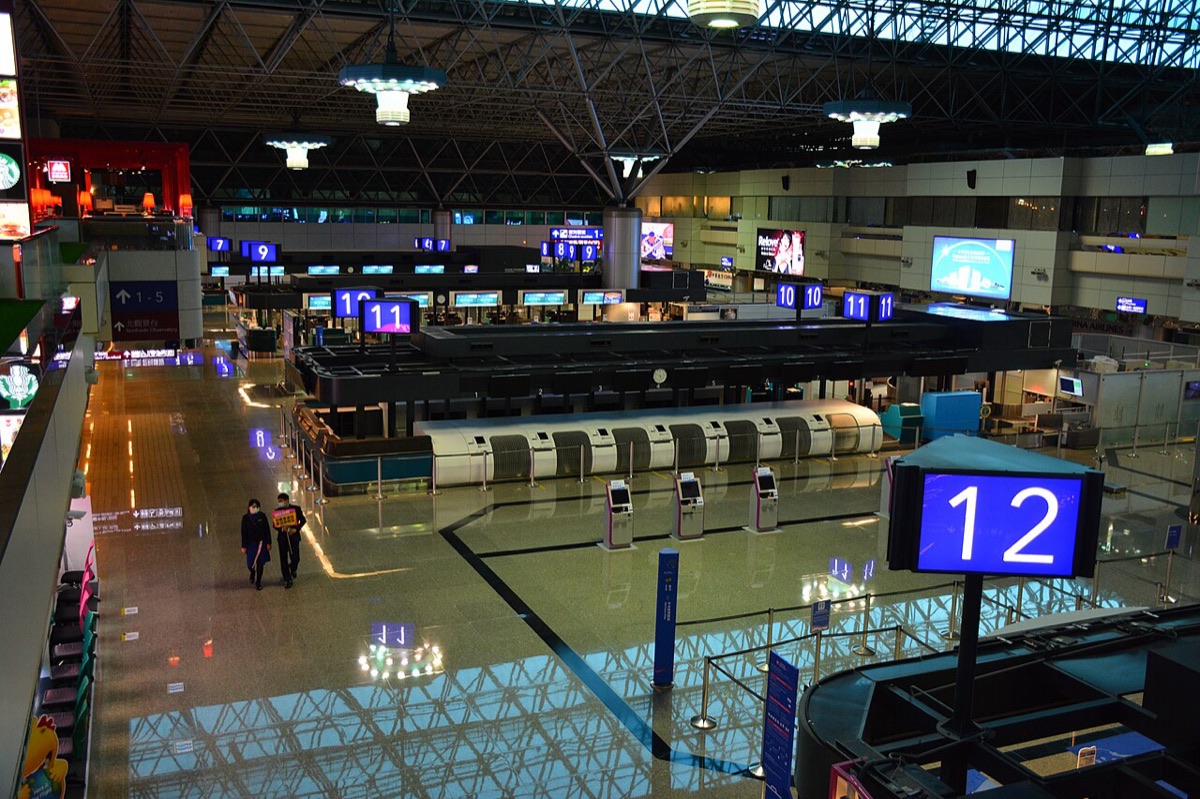
The short answer: from November 1, 2026, tax-free shops in Japan sell at the tax-included price first, and the tax is refunded after customs confirms export when you leave. The Japan Tourism Agency says you must scan your passport at a tax-free procedure terminal in the departure hall within 90 days of purchase, and this must be done before you check your bags[6]. Arrive at the airport early on departure day; for details, see Japan's new tax refund system 2026.
For travelers returning to Taiwan: you also need to keep your duty-free allowance in mind when you enter Taiwan. The Taiwan Customs Administration of the Ministry of Finance states that the duty-free allowance for personal and household baggage is NT$35,000 per person (alcohol and tobacco are counted separately), and the duty-free limit for personal-use alcohol for those aged 18 and over is 1.5 liters; beyond that you must use the red channel to declare[7].
A 5-minute check the night before
Check five things one last time: your passport and wallet are on you, the Visit Japan Web QR code opens, your eSIM is installed or your pocket Wi-Fi is booked, your phone and power bank are fully charged, and your luggage contains no meat products with the power bank in your carry-on. With all five ticked, you can head out with peace of mind. If you have not yet decided where to go, pick a destination from the Japan travel overview, and find more pre-trip information in the travel preparation section.
FAQ
Do travelers from Taiwan need a visa for Japan?
Travelers with a valid passport and household registration in Taiwan can stay up to 90 days without a visa for tourism, visiting relatives or short business contacts. Work or paid activities need a visa, and the Japan-Taiwan Exchange Association also notes that meeting the conditions does not guarantee entry, so be ready to explain the purpose of your trip at immigration. Other nationalities should check Japan's visa rules for their own passport.
What do first-time visitors to Japan forget most often?
Common slips are not filling in Visit Japan Web, not setting up phone data, not enabling overseas withdrawals on a debit card, putting a power bank in checked luggage, and bringing food that cannot enter Japan, such as jerky or instant noodles containing meat. On the way home, people often forget that the tax-free procedure must be done before checking bags, and that there is a duty-free limit when returning home.
Are Japanese power outlets the same as in Taiwan? Do I need an adapter?
The common Japanese outlet has two flat pins, the same plug shape as in Taiwan, and most phone and laptop chargers marked 100-240V can be used directly. Japan's voltage is about 100V, slightly lower than Taiwan's 110V. Check the label on hair dryers, heaters and other appliances that do not support a wide voltage range. Three-pin plugs may not fit, so bring an adapter just in case.
Do I have to buy a transit card for Japan?
Not necessarily, but it is very convenient. Transit IC cards such as Suica, PASMO and ICOCA work on trains and buses and can also pay at convenience stores and vending machines, so you do not need to buy a ticket or find change each time. iPhone users can add one to Apple Wallet. If your trip is mostly long-distance JR travel, separately work out whether a JR Pass or regional pass is worth it.
Do I need travel insurance for a trip to Japan?
Medical costs in Japan can be high for foreign visitors, so it is generally advisable to consider travel accident insurance, overseas medical cover and trip-inconvenience cover before you go. Whether to buy it and how much cover to take depends on your situation, and this article does not recommend a particular product. If you rely on insurance bundled with a credit card, check its activation conditions and coverage first.
Sources
- Japan-Taiwan Exchange Association: Entering Japan without a visa: Conditions for the 90-day visa-free stay for residents of Taiwan
- Digital Agency: Visit Japan Web (Traditional Chinese service page): Online immigration and customs declaration service
- GO TOKYO: Wi-Fi & Connectivity: Ways to get online in Japan
- GO TOKYO: Money: Cash, credit cards, transit IC cards, ATMs, tipping
- JNTO: Safety tips App: Push alerts for earthquakes, tsunamis and weather warnings
- Japan Tourism Agency: Travelers' Special Page (Refund Method): How the new tax refund system works from November 2026
- Taiwan Customs Administration, Ministry of Finance: Higher duty-free allowance for personal and household baggage and personal-use alcohol: Duty-free allowance on entering Taiwan
- Ministry of Agriculture, Forestry and Fisheries: Animal Quarantine Service: Quarantine rules for bringing meat products into Japan
Fares, opening hours and event dates can change. Information checked on 2026.10.19; please confirm with official sources before you go.