What to Wear in Hokkaido in Winter: Monthly Temperatures, Non-Slip Shoes and Layering
What to wear in Hokkaido in winter: Sapporo, Asahikawa and Hakodate temperatures, the layering method, non-slip shoes, snow-walking tips and a packing list.
Quick answer
The key to dressing for a Hokkaido winter is three layers plus non-slip, waterproof shoes. According to the Japan Meteorological Agency's 1991–2020 normals, Sapporo's January mean is -3.2°C with a mean minimum of -6.4°C; Asahikawa's January mean minimum is -11.7°C; Hakodate's is -6.0°C. Wear a moisture-wicking heat-tech base, a fleece or down vest in the middle, and a windproof, waterproof down coat outside, plus gloves, a hat and a scarf. Choose waterproof boots with deep treads, or add ice cleats, and walk in small steps with your whole foot down.
The most common mistake in what to wear in Hokkaido in winter is not wearing too little, but wearing shoes that do not grip. Temperatures in Hokkaido are often below freezing, but with the right three-layer system, city sightseeing is not hard to manage; what really injures people and ruins trips is the icy sidewalk. This guide uses the Japan Meteorological Agency's normals to show monthly winter temperatures in Hokkaido, then organizes clothing and a packing list by upper body, lower body, shoes and accessories, and finally teaches how locals walk on snow without slipping.
How Cold Is Hokkaido in Winter? Monthly and City Temperatures
In short: Sapporo's mean temperature is below freezing from December to February, with January the coldest, and Asahikawa is about 4 to 5°C colder than Sapporo.
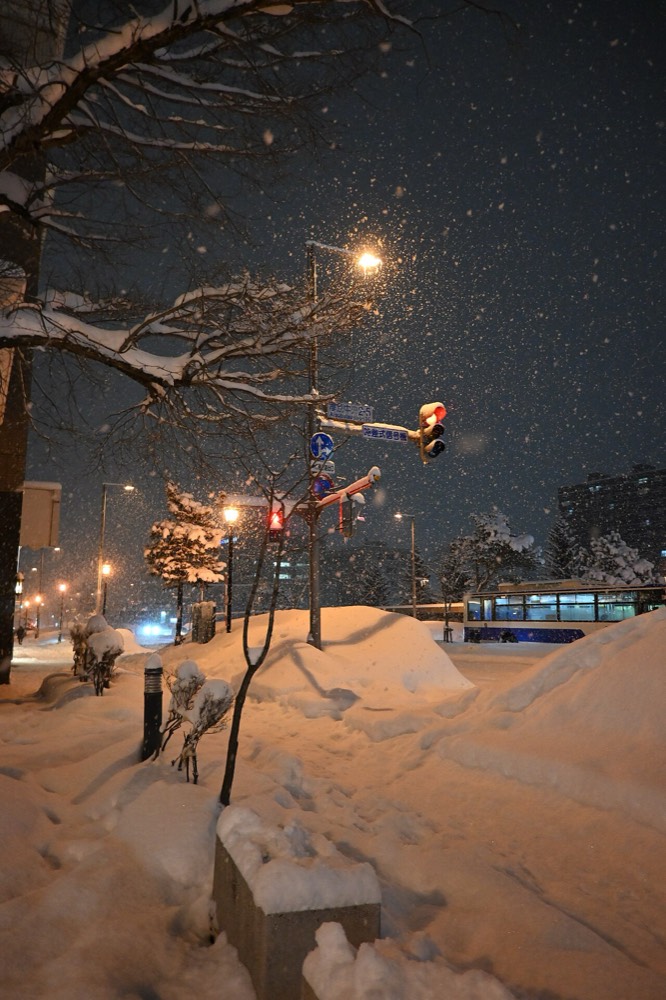
These are the Japan Meteorological Agency's 1991–2020 normals[1][2][3]:
| City and month | Mean temperature | Mean maximum | Mean minimum |
|---|---|---|---|
| Sapporo, November | 5.2°C | 8.7°C | 1.6°C |
| Sapporo, December | -0.9°C | 2.0°C | -4.0°C |
| Sapporo, January | -3.2°C | -0.4°C | -6.4°C |
| Sapporo, February | -2.7°C | 0.4°C | -6.2°C |
| Sapporo, March | 1.1°C | 4.5°C | -2.4°C |
| Asahikawa, January | -7.0°C | -3.3°C | -11.7°C |
| Asahikawa, February | -6.0°C | -1.7°C | -11.8°C |
| Hakodate, January | -2.4°C | 0.9°C | -6.0°C |
| Hakodate, February | -1.8°C | 1.8°C | -5.7°C |
As for snow, Sapporo's normal January snowfall is about 137 cm, and the maximum snow depth is greatest in February at about 95 cm[1]. In other words, if you visit Hokkaido in January or February you will definitely be walking on snow, while in early December and March snow, ice and slush mix together, and the roads can actually be harder to walk on.
For travelers from Taiwan, for comparison: Taipei's January mean is around 16°C, so Sapporo in January is nearly 20°C colder. But indoors, in subways and in shopping malls in Hokkaido, the heating is strong, and you often sweat inside, which is why being able to take clothes on and off matters more than wearing a lot.
What to Wear in Hokkaido in Winter: The Three-Layer Method
In short: the inner layer wicks moisture and keeps you warm, the middle layer holds heat, and the outer layer blocks wind and water, each with its own job.
Upper Body: Three Layers Are Enough
- Inner layer (next to the skin): A moisture-wicking heat-tech top or wool top. Avoid pure cotton underwear, which dries slowly after you sweat and makes you cold outdoors.
- Middle layer (warmth): A fleece jacket, sweater or light down vest. When you go indoors you can keep this layer on and carry your coat.
- Outer layer (protection): A windproof, water-repellent down coat or snow jacket with a hood. In snowfall a hood is more useful than an umbrella, and Hokkaido snow is mostly dry snow that you can just brush off.
Lower Body: Do Not Forget Your Legs
The lower body is what travelers from Taiwan most often overlook. Jeans get cold and heavy when wet, so if you will play in the snow, switch to water-repellent pants; even if you only walk around the city, add at least a pair of thermal leggings under your pants.
Adjust by Itinerary
| Trip type | Suggested outfit |
|---|---|
| Sightseeing in Sapporo, Otaru and Hakodate | Heat-tech base + fleece middle layer + medium-weight down coat + thermal leggings |
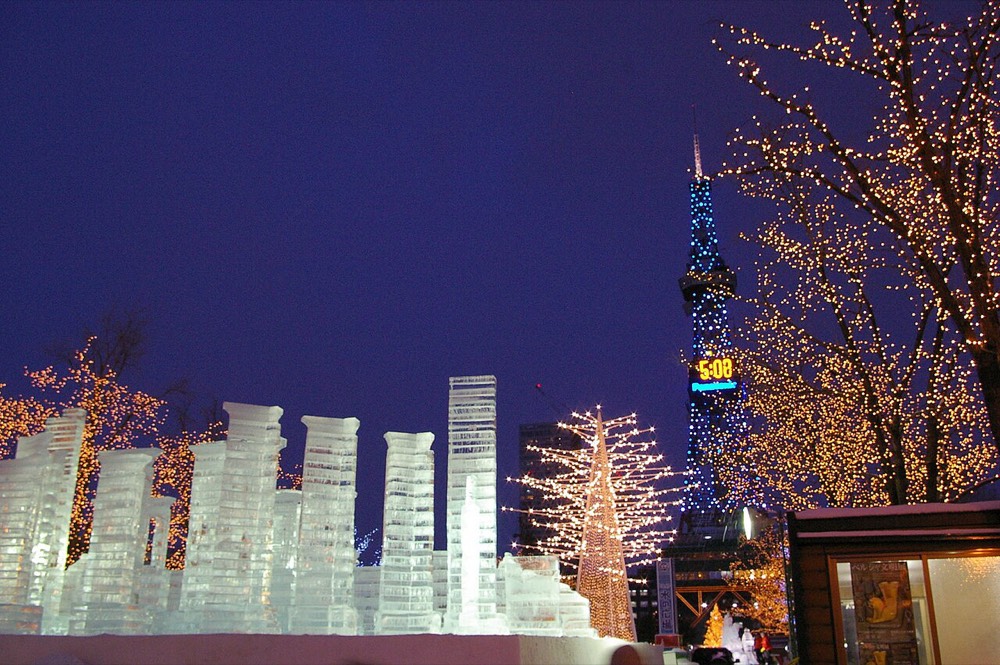
| Illuminations and Snow Festival at night (long outdoor standing) | Thicker middle layer or long down coat + hand warmers + knit hat |
| Inland areas such as Asahikawa, Biei and Sounkyo | Long, thick down coat or snow jacket + water-repellent pants + insulated gloves |
| Skiing and snow activities | Ski jacket and pants (rentable at the resort) + wicking base layer + goggles |
How to Choose Winter Shoes for Hokkaido: Non-Slip Basics
In short: the sole needs deep treads, waterproofing and comfort, and you need all three.
The official Sapporo tourism site recommends winter boots with good grip, and notes that most convenience stores sell non-slip spikes (ice cleats) that fit over your soles[4]. When choosing, use this guide:
- Snow boots: Warm, waterproof and non-slip, the most reassuring choice; the downside is that they are bulky and take up luggage space.
- Waterproof short boots (with deep-tread soles): The best balance for city sightseeing; with ice cleats they can handle icy roads.
- Ordinary sneakers: The soles are flatter and mesh lets snow water in, so we do not recommend wearing them alone; if you must, add ice cleats.
- Leather shoes, flats and rain boots: The soles are too slippery or not warm enough, and they are not suitable.
The advantage of removable ice cleats is that you can take them off indoors, so you do not slip on the smooth floor tiles of shopping malls or stations. Insoles and wool socks also matter: when your feet are cold, your whole body feels cold.
How to Walk on Snow Without Slipping: Local Techniques
In short: take small steps, put your whole foot down, and lean your center of gravity slightly forward.
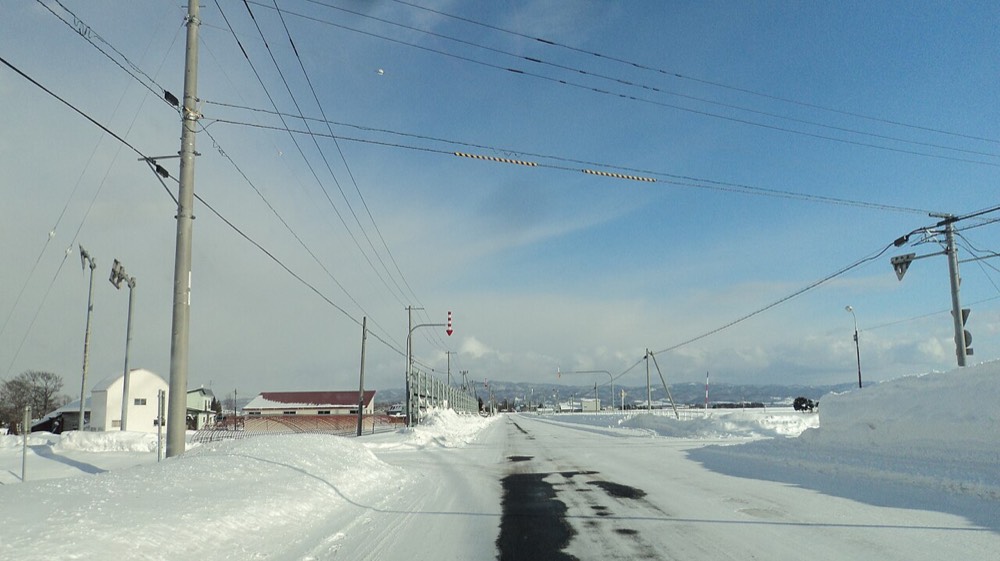
How serious is the problem of falls in Sapporo? According to data compiled by the Winter Life Promotion Council (Winter Life Suishin Kyogikai), a collaboration of industry, government and academia, 1,813 people in Sapporo were taken to hospital by ambulance after falling on winter roads from December to March in fiscal 2024, the highest on record, and the incidents were concentrated in the Susukino and Odori areas[6], which are the busy districts tourists walk through most.
The walking method recommended by the council[5]:
- Take small steps: A big stride means lifting your foot high and shifts your balance; keep your feet about 20 cm apart.
- Put your whole foot flat: Lean your center of gravity slightly forward and try to land with your entire sole at once; on ice you can move with a slight gliding shuffle with the foot barely lifted.
- Step straight down: Put your foot directly below you rather than reaching it forward.
- Do not rush: Leave early and watch the surface as you walk, and do not look at your phone while walking.
- Be especially careful when starting and stopping: Sudden acceleration or braking is when people slip most easily.
- Do not fill your hands: Carrying heavy things worsens your balance, so use a backpack where you can.
Places that are especially slippery include shiny icy surfaces, surfaces that look snowy but have ice underneath, crosswalks and roadways, slopes, and leftover snow on the road[5]. The Sapporo tourism association also mentions that anti-slip agent is spread on busy sidewalks around JR and subway stations[4]. In central Sapporo, an underground concourse links Sapporo Station with Odori and Susukino, so when it is snowing or icy, use the underground routes as much as possible.
Hokkaido Winter Trip Packing List
| Category | Items | Notes |
|---|---|---|
| Clothing | 2–3 heat-tech tops, 1–2 middle layers, 1 down coat | You can wear the coat onto the plane |
| Clothing | Thermal leggings, water-repellent long pants | Essential for snow play |
| Accessories | Gloves (touchscreen), knit hat, scarf or neck gaiter | Ears and fingers freeze first |
| Shoes | Waterproof snow boots or short boots, ice cleats, wool socks | Ice cleats are also sold at local convenience stores |
| Care | Lip balm, lotion, hand cream | Indoor heating is dry |
| Other | Hand warmers, power bank, sunglasses | Phones drain faster in the cold; snow glare is harsh |
From Taiwan, the direct flight to New Chitose Airport takes about 4 hours. It is still warm in Taiwan when you leave, so you can carry the down coat in your carry-on and put it on after you arrive. You can restock hand warmers at Japanese drugstores and convenience stores, so you do not need to bring too many.
Before You Go: Combining With a Hokkaido Winter Itinerary
- Illuminations in December, the Snow Festival in February: The Sapporo White Illumination and the Munich Christmas Market run from late November to Christmas, and the Sapporo Snow Festival 2027 is February 4 to 11. For itineraries and dates, see Japan Christmas illuminations 2026 and the Sapporo Snow Festival 2027 guide.
- Beginners should not drive in winter: Driving on snow and icy roads is difficult. In Hokkaido winter you can use JR and buses instead; see Hokkaido without a car.
- Leave time for delays: Heavy snow can delay JR trains, buses and flights, so do not schedule distant plans on the day of your return flight.
- Take your coat off indoors: Remove your coat in restaurants, shopping malls and subways, so that you do not get colder from sweating when you go back outside. For other preparations, see the Japan trip checklist.
FAQ
How many layers should I wear in Hokkaido in winter?
Three layers are enough for city sightseeing: a heat-tech base layer, a fleece or light down middle layer, and a windproof, waterproof down coat. Add thermal pants or leggings for your legs. Indoor spaces and subways are heated strongly, so a coat that is easy to take off works better than wearing many layers, and you can remove it when you go inside.
Can I wear sneakers in Hokkaido in winter?
It is not recommended. Ordinary sneakers have flat soles and are not waterproof, so you can easily slip on icy ground, and slush soaks them through. At minimum wear waterproof boots with deep treads, or add removable ice cleats to your shoes. The official Sapporo tourism site also mentions that you can buy such non-slip attachments at convenience stores.
Do I need to buy snow boots for Hokkaido, and can I buy them there?
If you will play in the snow, visit Asahikawa and Biei, or stay more than 5 days, snow boots are recommended. They can be bought in Taiwan but the selection is limited, or you can buy them after arriving in Sapporo at an outdoor shop or large retailer in the city, wearing waterproof boots with ice cleats for the first day. If you only sightsee in central Sapporo, waterproof short boots with ice cleats are usually enough.
Which is colder in Hokkaido, December or February?
January and February are the coldest. Sapporo's mean temperature is -0.9°C in December, -3.2°C in January and -2.7°C in February, and snow depth is greatest in February, with a normal maximum of about 95 cm. Snowfall is lighter in early December, but the roads are often especially slippery because melted snow refreezes.
How thick should a down coat be, and does it need to be long?
For sightseeing in Sapporo and Hakodate, a medium-weight down coat with a heat-tech base and a middle layer is enough, and wind protection and a hood matter more than thickness. For Asahikawa, Biei, or standing outdoors for a long time at night to see illuminations or the Snow Festival, choose a long coat that covers your hips, which keeps your lower body much warmer.
Sources
- Japan Meteorological Agency Sapporo normals (1991–2020): November to March temperatures, snowfall and maximum snow depth
- Japan Meteorological Agency Asahikawa normals (1991–2020): December to February temperatures
- Japan Meteorological Agency Hakodate normals (1991–2020): December to February temperatures
- Sapporo Travel: Sapporo Winter Walking Tips: Winter walking and non-slip footwear advice for Sapporo
- Winter Life Promotion Council: How to walk on winter roads: Snow-walking techniques and slippery spots
- Winter Life Promotion Council: Ambulance transport data: Statistics on winter falls requiring hospital transport in Sapporo
Fares, opening hours and event dates can change. Information checked on 2026.10.19; please confirm with official sources before you go.