Hokkaido Without a Car: JR, Buses and Rail Passes (2026 Fares)
Visit Hokkaido without a car: New Chitose Airport transfers, 2026 JR Hokkaido Rail Pass prices, fares from Sapporo and winter travel tips.
Quick answer
Hokkaido without a car works well: base yourself in Sapporo and JR reaches Otaru (about 32 min, 800 yen), Asahikawa (about 1 hr 25 min by limited express), Noboribetsu and Hakodate (about 3 hr 50 min). New Chitose Airport to Sapporo takes about 37 minutes and costs 1,230 yen on the Rapid Airport. If you combine Sapporo with Hakodate or eastern Hokkaido, the JR Hokkaido Rail Pass 5-day ticket at 22,000 yen (bought overseas) usually pays off. For Sapporo and Otaru only, single tickets are enough. In winter, icy roads and frequent blizzards make public transport safer than driving.
Getting around Hokkaido without a car is the most practical choice for many first-time visitors. Hokkaido is about 2.3 times the size of Taiwan, so it can look like a place where you must drive, but the main tourist cities (Sapporo, Otaru, Hakodate, Asahikawa and Noboribetsu) are all linked by JR Hokkaido, and fast trains run from the airport straight into the city. This guide covers the core routes, the latest 2026 fares, how to work out whether a JR Hokkaido Rail Pass is worth it, and why public transport is the better choice in winter.
Is Hokkaido without a car realistic?
Yes, as long as you use Sapporo as your base and plan around JR lines. Sapporo is Hokkaido's transport hub, with direct trains to Otaru, Asahikawa, Noboribetsu and Hakodate. The places where you really need a car are those with little public transport between sights, such as the flower fields around Furano and Biei, Shiretoko and the remote east. You can cover these with local one-day bus tours instead.
Who does well without a car:
- First-time visitors: the classic Sapporo, Otaru and Hakodate route is fully covered by JR.
- Winter travelers: snow-season roads are unforgiving for drivers from Taiwan (details below), and trains are the safest option.
- Families with older relatives, or anyone who wants a drink: Japan has zero tolerance for drunk driving, so if you want a Sapporo beer with dinner, don't drive.
- Anyone without a Japanese translation of their licence: drivers with a Taiwanese licence need a Japanese translation to drive in Japan, and skipping the car saves you the paperwork.
New Chitose Airport transport: the fastest way to Sapporo
New Chitose Airport (新千歳空港) is the main gateway for direct flights from Taiwan. Several airlines fly from Taoyuan, with a flight time of about 3.5 to 4 hours, and STARLUX Airlines starts a Taichung to New Chitose route from October 2026. Check each airline's announcements for actual schedules.
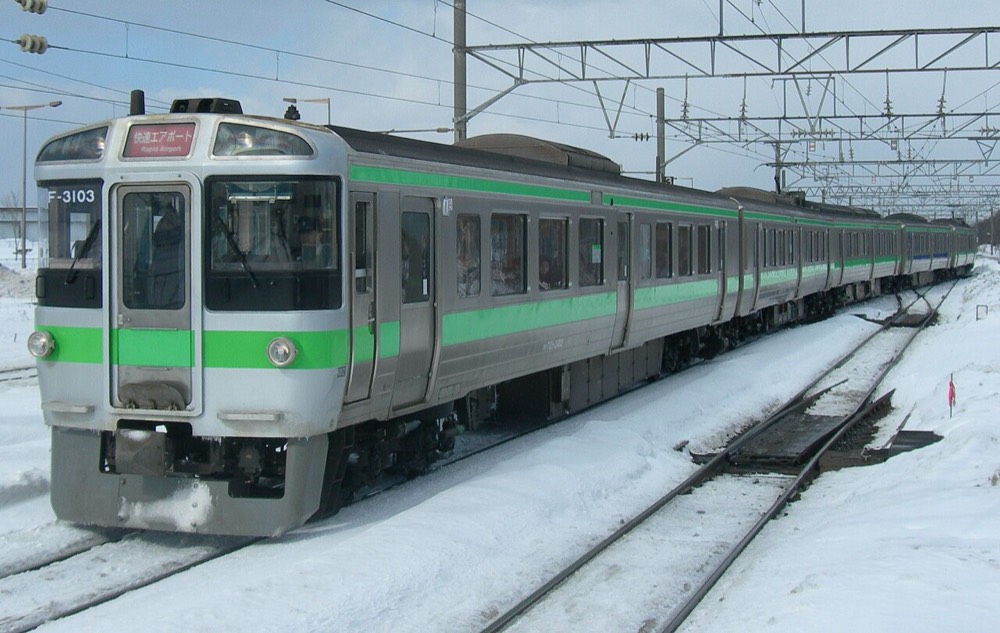
There are three ways to get from the airport to central Sapporo:
| Option | Travel time | Adult fare | Best for |
|---|---|---|---|
| JR Rapid Airport (快速エアポート) | About 37 min (about 33 min on the special rapid) | 1,230 yen | Most travelers staying near Sapporo Station or Odori |
| Airport shuttle bus | About 70 min | 1,500 yen | Heavy luggage, or a hotel near a bus stop |
| Taxi | About 60 min | About 10,000-13,000 yen plus expressway tolls | Splitting the fare among several people, late-night arrivals |
According to the JR Hokkaido website, the Rapid Airport runs 6 trains an hour between 9:00 and 16:00, roughly every 10 minutes from the airport[2]. Car 4 is the reserved "U Seat" car, where an extra 1,000 yen guarantees you a seat. The airport bus fare was raised on April 1, 2026, with the central Sapporo line going from 1,300 yen to 1,500 yen[4]. Taxi times and prices follow the transport page of Welcome to Sapporo[3].
Main routes from Sapporo: fares and travel times
The table below shows one-way trips from Sapporo Station on the fastest JR service (searched on a weekday in October 2026; limited express fares are for ordinary-car reserved seats, and peak-season seat charges can be slightly higher)[6]:
| Destination | Train | Travel time | Adult one-way fare | Day trip? |
|---|---|---|---|---|
| Otaru | Rapid Airport | About 32 min at fastest | 800 yen | Excellent |
| Noboribetsu (hot springs) | Limited express | About 1 hr 13 min | 4,890 yen | Possible, but an overnight stay is better |
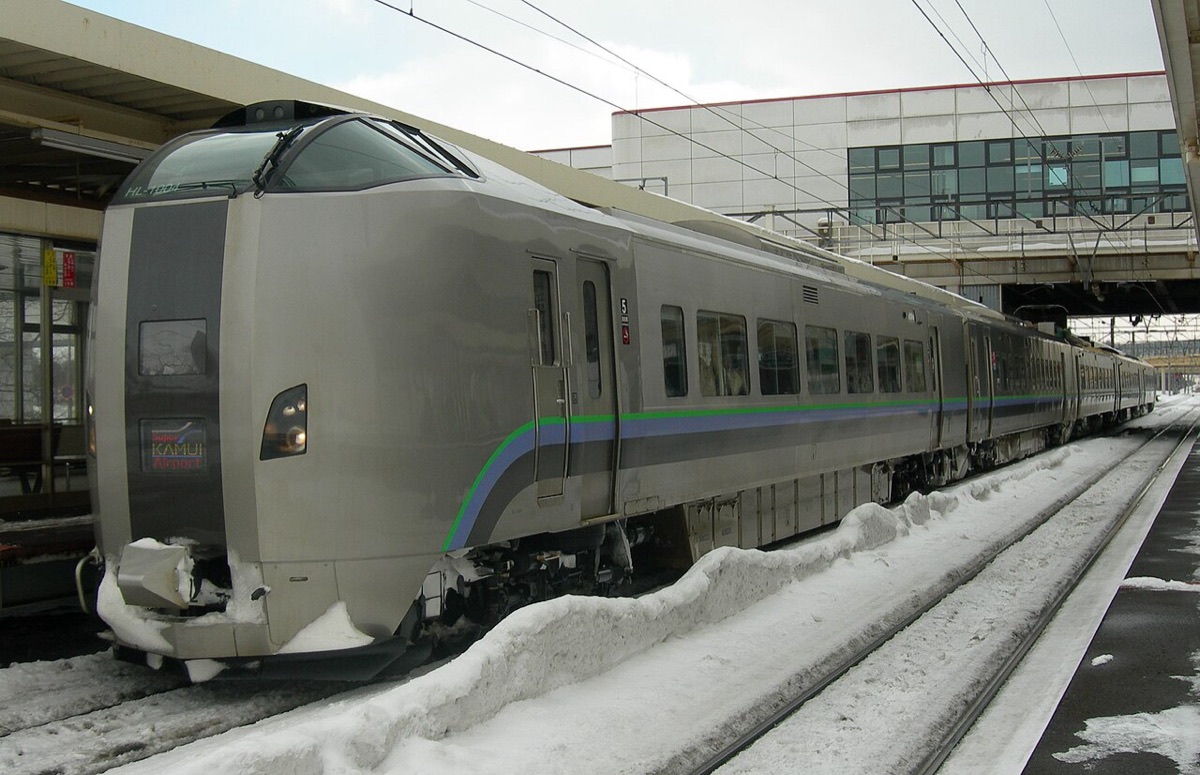
| Asahikawa | Limited Express Lilac / Kamui | About 1 hr 25 min | 5,440 yen | Yes (Asahiyama Zoo) |
| Biei | Limited express plus transfer at Asahikawa | About 2 hr | 6,320 yen | Possible in summer, but tight |
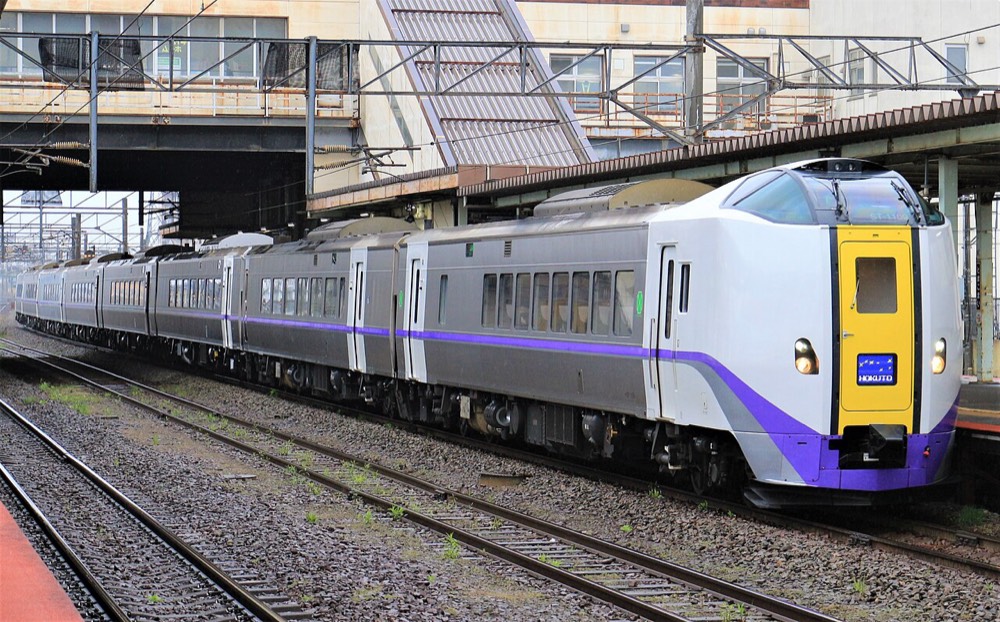
| Hakodate | Limited Express Hokuto | About 3 hr 50 min | 9,770 yen | Not recommended as a day trip; stay 2 nights |
| Kushiro | Limited Express Ozora | About 4 hr | 10,320 yen | Overnight needed |
A few practical rules for riding:
- All limited express seats are reserved: every JR Hokkaido limited express is reserved-seat only, and even with a rail pass you must reserve before boarding[1].
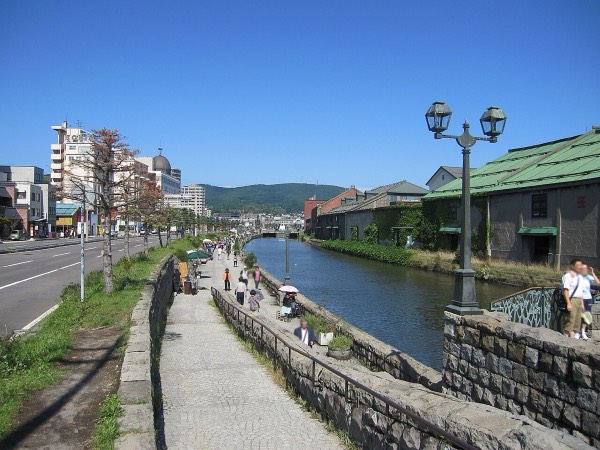
- Use the rapid train to Otaru: you don't need a limited express between Sapporo and Otaru, since the Rapid Airport runs frequently during the day. For what to do there, see our Otaru day trip guide.
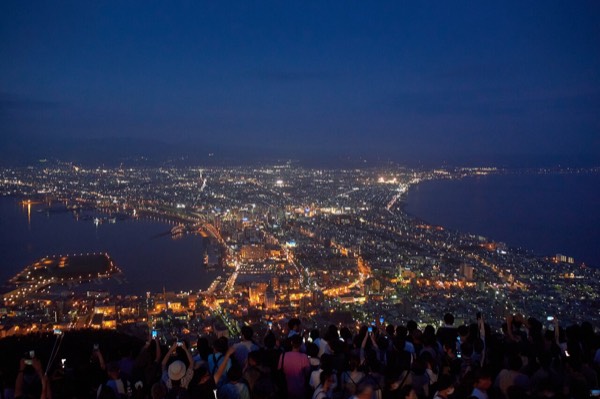
- Plan 2 nights in Hakodate: the trip takes nearly 4 hours each way, so a same-day return is exhausting. For the night view, morning market and Goryokaku, see our Hakodate guide.
JR Hokkaido Rail Pass 2026: prices and how to choose
JR Hokkaido offers 5 kinds of passes for foreign visitors, sold only to people holding a non-Japanese passport. The details below are from the JR Hokkaido website (confirmed October 2026)[1]:
| Pass | Validity | Overseas advance price (adult) | Station price (adult) | Main coverage |
|---|---|---|---|---|
| Sapporo-Noboribetsu Area Pass | 4 consecutive days | 10,000 yen | 11,000 yen | New Chitose Airport, Sapporo, Otaru, Noboribetsu |
| Sapporo-Furano Area Pass | 4 consecutive days | 11,000 yen | 12,000 yen | New Chitose Airport, Sapporo, Otaru, Furano, Biei, Asahikawa |
| Hokkaido Rail Pass 5-day | 5 consecutive days | 22,000 yen | 23,000 yen | All JR Hokkaido lines (excluding Shinkansen) |
| Hokkaido Rail Pass 7-day | 7 consecutive days | 28,000 yen | 29,000 yen | Same as above |
| Hokkaido Rail Pass 10-day | 10 consecutive days | 37,000 yen | 38,000 yen | Same as above |
Children aged 6-11 pay half price. The Hokkaido Rail Pass also covers some JR Hokkaido bus routes, but it does not cover the Hokkaido Shinkansen or the Dosan Isaribi Railway, and it cannot be used on the Sapporo subway or streetcar.
When does a Hokkaido pass pay off?
The easiest way to check is to add up the one-way fares from the table above:
- Sapporo and Hakodate round trip: 9,770 x 2 = 19,540 yen, and with the airport round trip of 2,460 yen you are already at 22,000 yen. Add one more trip to Asahikawa or Noboribetsu within the 5 days and the 5-day pass clearly wins.
- Sapporo and Otaru only: the airport round trip (2,460 yen) plus an Otaru round trip (1,600 yen) comes to about 4,000 yen, so even an area pass doesn't pay off. Just tap an IC card.
- Sapporo, Otaru and Noboribetsu hot springs: the airport round trip, Otaru and a Noboribetsu round trip come to about 13,800 yen, so the Sapporo-Noboribetsu Area Pass (10,000 yen) pays for itself.
- Sapporo, Asahikawa and Biei: choose the Sapporo-Furano Area Pass, since a single round trip to Asahikawa already comes close to the price of the pass.
If you are comparing this with the nationwide JR Pass, see Is the JR Pass worth it?. For trips within Hokkaido, the nationwide pass is usually not the first choice.
Buying and exchanging your pass
- Bring your original passport when exchanging or buying. Copies and residence cards are not accepted.
- At stations, payment is by yen cash or credit card only, and Apple Pay is not accepted.
- Exchange orders must be redeemed within 3 months of issue (90 days for electronic exchange orders), and the name must match your passport exactly.
- JR Hokkaido announced that from October 20, 2026, multilingual passport-reading ticket machines will be installed at Sapporo Station (3 machines) and New Chitose Airport Station (1 machine), so you can buy or exchange passes even when the counter is closed. They do not support paper exchange orders or JTRweb electronic exchange orders[1].
- Lost passes are not reissued, and train delays do not extend validity.
Getting around Sapporo: subway day pass and contactless cards
The Sapporo Municipal Subway is the main way to get around the city, supplemented by the streetcar and buses. Adult subway fares start at 210 yen per trip, and the streetcar is a flat 230 yen.
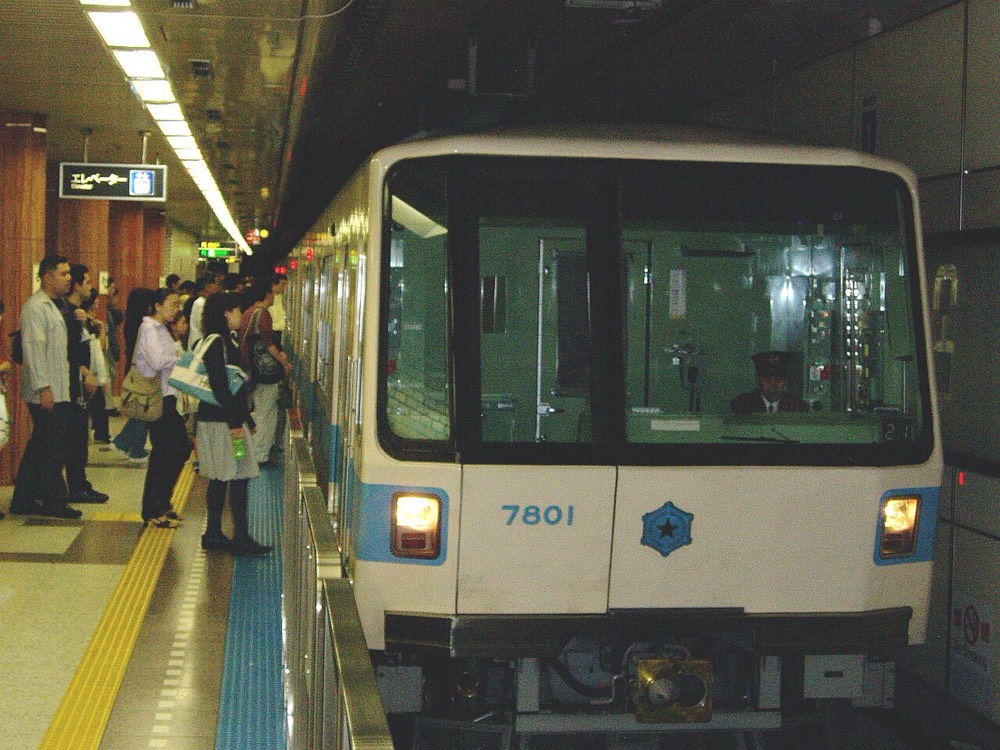
From March 26, 2026, tapping a credit card on the Sapporo subway applies a "daily cap" automatically: once your fares reach 830 yen on weekdays, or 520 yen on weekends, holidays and the year-end and New Year period, further rides that day are free. It works like an automatic day pass, but only for adult fares and only on the subway[7]. The physical card and the same card in a phone wallet are counted separately, so always tap with the same one.
Why public transport is the better choice in winter
Road conditions in Hokkaido in winter (roughly December to March) are very different from what drivers from Taiwan are used to:
- Icy roads: snow melts by day and refreezes at night, creating black ice that looks like a wet road and greatly lengthens braking distances.
- Blizzards and whiteouts (ホワイトアウト): in rural areas and on mountain roads, wind and snow can cut visibility to nothing in an instant.
- Early darkness: around the winter solstice it gets dark by about 4 p.m., which makes reading the road harder.
- Extra costs of a snow-season rental: snow tires are usually standard, but handling emergencies in snow, refueling and finding parking are all harder than usual.
The Hokkaido Transport Bureau of the Ministry of Land, Infrastructure, Transport and Tourism reports that foreign rental-car use in Hokkaido hit a monthly record of 14,656 cars in October 2025, and that deaths and serious injuries in accidents involving foreign drivers nationwide also reached a record. From January 2026 it has worked with Hokkaido Police, rental car associations and JAF on a winter road driving simulation experience for foreign visitors[5]. The fact that the authorities have had to push safety campaigns shows that winter driving really isn't suited to travelers without snow experience.
Of course, JR can also be delayed or suspended in heavy snow. We suggest:
- Schedule long trips such as Sapporo to Hakodate during the day and don't pack your day too tightly.
- Spend the night before your flight home in Sapporo or near the airport, rather than rushing to the airport from far away on the same day.
- Check the JR Hokkaido website for operation updates before you set out.
For what to wear and how to choose shoes that won't slip, see what to wear in Hokkaido in winter. If you go in February, don't miss the Sapporo Snow Festival 2027.
Planning a car-free Hokkaido itinerary
Here are two sample itineraries that can be done entirely by JR with no driving:
6 days, 5 nights: Sapporo, Otaru and Hakodate
- Day 1: New Chitose Airport to Sapporo, then Odori Park and Tanukikoji.
- Day 2: Otaru day trip (about 32 minutes on the Rapid Airport).
- Day 3: Sapporo city and food, see our Sapporo food guide.
- Day 4: Limited Express Hokuto to Hakodate, then Mt. Hakodate for the night view.
- Day 5: Hakodate morning market, Goryokaku and Motomachi.
- Day 6: Fly home from Hakodate Airport, or take JR back to Sapporo and on to New Chitose.
If you use JR on days 4 to 6, plus the airport round trip, consider the 5-day pass.
5 days, 4 nights: Sapporo, Asahikawa and Noboribetsu
Stay 4 nights in Sapporo, with one day trip to Asahikawa (Asahiyama Zoo), one to Noboribetsu hot springs, and the remaining time in Sapporo and Otaru. Choose the Sapporo-Noboribetsu or Sapporo-Furano Area Pass depending on which side you want to see more of.
For more Hokkaido articles, see our Hokkaido travel overview or the transport topic.
Before you go
- Always reserve limited express seats in advance, and book early online or at the station in peak season (summer holidays and the Snow Festival).
- Passes run on consecutive days, so put your longest moves inside the validity period and use an IC card for the days before and after in Sapporo.
- Fares in this article were searched in October 2026. JR and bus fares may change, so check the JR Hokkaido website before you go.
FAQ
How should a first-timer plan Hokkaido without driving?
Stay 4-5 nights in Sapporo and use it as a base for day trips to Otaru, Noboribetsu or Asahikawa, then add 2 nights in Hakodate if you have more days. Every leg is a direct JR ride with no bus transfers, and you only move your luggage once or twice, which is the most reliable setup in winter.
Is the Hokkaido Rail Pass cheaper if I buy it before leaving home?
Yes. According to the JR Hokkaido website, passes bought in advance through designated overseas travel agencies or the JR East online system cost 1,000 yen less than at a Hokkaido station (for the 5-day pass, 22,000 yen versus 23,000 yen). From October 20, 2026, multilingual ticket machines that read passports at Sapporo and New Chitose Airport stations can also exchange or sell passes.
Should I take the JR or the bus from New Chitose Airport to Sapporo?
Most people choose the JR Rapid Airport: about 37 minutes, 1,230 yen, and roughly one train every 10 minutes during the day. The airport bus takes about 70 minutes to central Sapporo and costs 1,500 yen from April 2026. It can drop you near some hotels, so it is worth considering if you have a lot of luggage and want to avoid the subway.
Is driving in Hokkaido in winter dangerous?
For drivers from Taiwan who are not used to snow, the risk is high: icy roads, blizzards with poor visibility and early darkness are all common. The Hokkaido Transport Bureau notes that foreign rental-car use has hit record levels and serious accidents involving foreign drivers have increased, and it has introduced a winter road driving simulation experience. In winter, rely mainly on JR and buses.
Can I use the Hokkaido Rail Pass on the Shinkansen?
No. The JR Hokkaido Rail Pass covers all JR Hokkaido lines (limited express, rapid and local trains) but not the Hokkaido Shinkansen, and it cannot be used on the Sapporo Municipal Subway or streetcar. Tickets between Hakodate and Shin-Aomori or Tokyo must be bought separately.
Sources
- JR Hokkaido Rail Pass (official site): Pass types, prices, coverage and purchase rules
- JR Hokkaido Rapid Airport: New Chitose Airport to Sapporo fare, travel time and frequency
- Welcome to Sapporo: Sapporo transportation info: Airport-to-Sapporo bus and taxi travel times
- Travel Watch: New Chitose Airport bus fare revision, April 2026: Central Sapporo to New Chitose Airport bus raised to 1,500 yen
- MLIT Hokkaido Transport Bureau: winter road driving experience for foreign visitors (press release, January 2026): Foreign rental-car numbers and winter driving safety measures
- Yahoo! Transit Japan (searched October 2026): Fares and travel times on routes from Sapporo
- Impress Watch: Sapporo Subway contactless credit card daily cap: Daily cap of 830 / 520 yen from March 26, 2026
Fares, opening hours and event dates can change. Information checked on 2026.10.19; please confirm with official sources before you go.