Sapporo Food Guide: Soup Curry, Genghis Khan Lamb, Miso Ramen and Seafood Markets
What to eat in Sapporo: how to order soup curry, how to grill Genghis Khan lamb, miso ramen and Ramen Alley, Nijo and Curb Market hours, and the late-night parfait habit.
Quick answer
Sapporo's big three are soup curry, Genghis Khan lamb barbecue and miso ramen. Soup curry grew out of 1970s medicinal-herb curry in Sapporo and was named by Magic Spice in 1993; you choose the spice level and toppings. Genghis Khan comes in marinate-first and dip-after styles. Per Sapporo's official tourism site, miso ramen was born in 1955 at Aji no Sanpei. For seafood, go to Nijo Market (about 7:00-17:00) or the Curb Market (6:00-17:00), then finish the night with a parfait in Susukino.
On any Sapporo food list, soup curry, Genghis Khan lamb barbecue and miso ramen are close to mandatory, and with fresh Hokkaido seafood and a late-night parfait you have a complete Sapporo eating trip. Drawing on Sapporo's official tourism site (Yokoso Sapporo) and the official Hokkaido tourism site, this guide covers the origin of each dish, how to order, where to eat, and the hours of Nijo Market and the Curb Market, so first-timers know what to order and when to go.
Sapporo Must-Eat List at a Glance
The short answer: Sapporo's big three are soup curry, Genghis Khan lamb barbecue and Sapporo ramen, and seafood and dessert round things out. Here is a suggested plan by time of day:
| Food | Best time | Main area | First-time order |
|---|---|---|---|
| Seafood rice bowl (kaisendon) | Breakfast, brunch | Nijo Market, Curb Market | Mixed bowl with salmon roe, sea urchin and crab |
| Soup curry | Lunch | Around Sapporo Station, Odori, Susukino | Chicken and vegetable soup curry, low to medium spice |
| Genghis Khan lamb barbecue | Dinner | Susukino, around Sapporo Beer Garden | Start with lamb |
| Miso ramen | Dinner, late night | Ganso Sapporo Ramen Yokocho, Susukino | The signature miso ramen |
| Shime parfait | After dinner | Susukino | Seasonal fruit parfait |
| Sapporo beer | Dinner | Citywide | Pair it with Genghis Khan |
To fit meals into your itinerary, use Sapporo as a base as in our guide to getting around Hokkaido without a car, and add an Otaru day trip for seafood and sweets.
How to Order Sapporo Soup Curry: Origins and How to Eat It
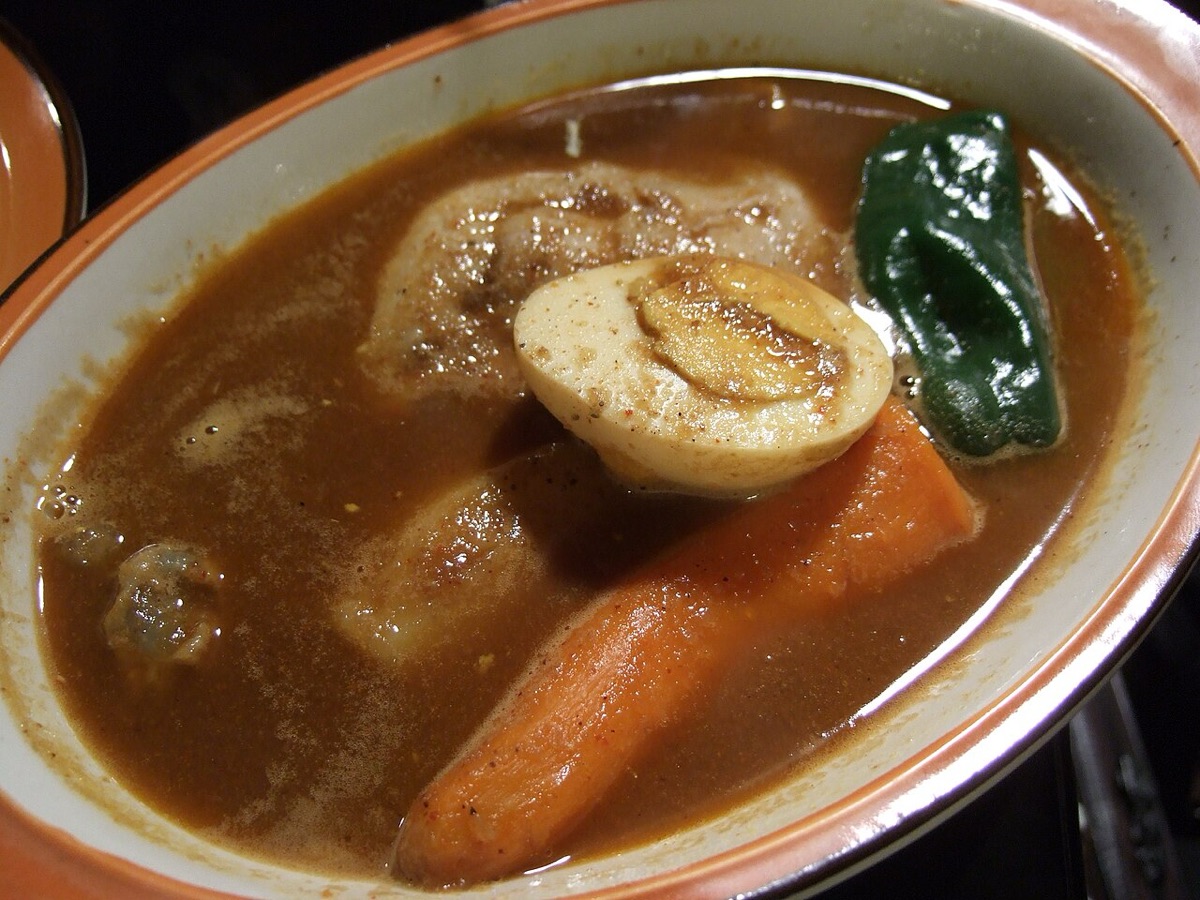
Sapporo soup curry (スープカレー) is a light, unthickened curry served with whole chicken legs and fried vegetables, quite unlike regular thick Japanese curry.
According to Yokoso Sapporo's soup curry feature, Sapporo's soup curry culture grew out of medicinal-herb curry served in the 1970s at shops such as Ajanta, and Magic Spice, which opened in 1993, gave the dish the name "soup curry." It uses no flour as a thickener, and the broth is made from chicken bones, vegetables and spices, like a ramen stock[1].
Four Steps to Order Soup Curry
- Pick a main: Chicken leg with vegetables is the classic; others include pork, lamb, seafood or all vegetables.
- Pick a soup base: Common types are spice-based, tomato or French-consomme style, Japanese-dashi style and shrimp-broth style. Shrimp is rich, while Japanese dashi is mild.
- Pick a spice level: Most shops let you choose, and some go up to 100 levels[1]. If you are sensitive to heat, choose the lowest level or a Japanese-dashi base.
- Pick rice portion and extra toppings: Cheese is a popular add-on, and Hokkaido rice is a selling point at many shops.
There are no rules for eating it: spoon some rice into the soup, pour soup over the rice, or alternate bites of soup and rice. Portions are usually large, so two people can share before moving on to another dish.
Genghis Khan Lamb Barbecue: Marinated or Dipped?
Genghis Khan (ジンギスカン) is Hokkaido's signature lamb barbecue, grilled on a special domed iron pan with onions, bean sprouts and other vegetables around the edge to soak up the juices. Yokoso Sapporo explains that it became popular after World War II when the government encouraged sheep farming, and Hokkaido residents often grill it outdoors during spring cherry blossom viewing[2].
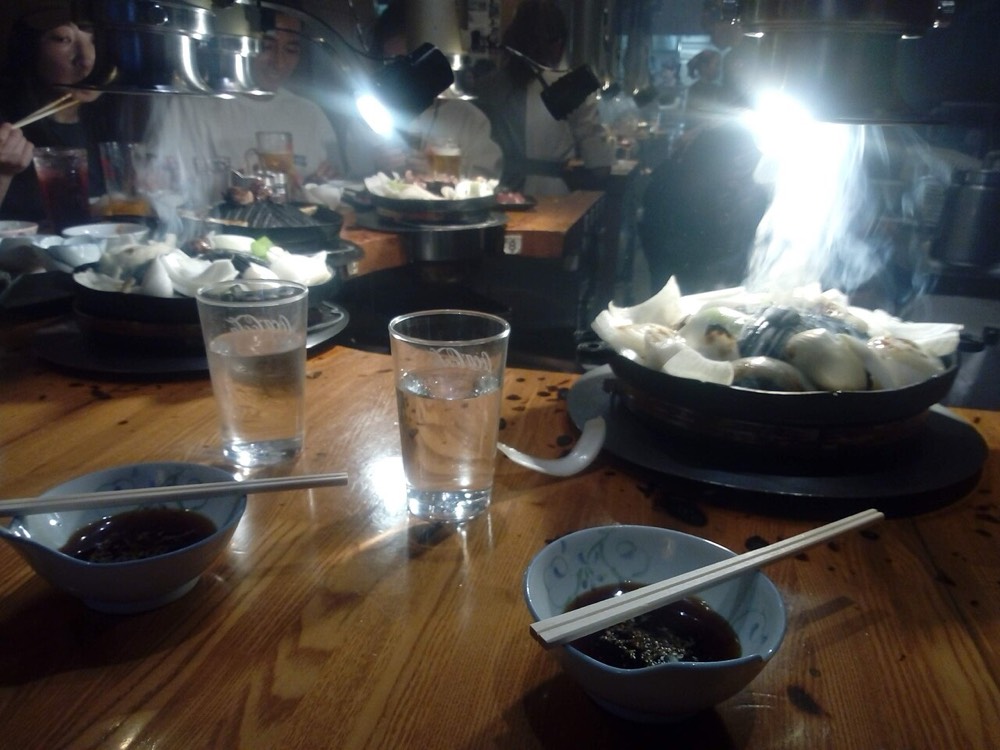
The Two Styles and Types of Lamb
- Marinate-first style (tsukekomi, 味付け派): The lamb is marinated in sauce before grilling; more common inland.
- Dip-after style (atozuke, 後付け派): Raw lamb is grilled as is and dipped in sauce afterward; more common along the coast.
- Lamb: Under 1 year old, tender with little gaminess; the best pick for a first try.
- Mutton: 2 years or older, with a stronger flavor and chewier texture; a challenge for lamb lovers[2].
Where to Eat Genghis Khan
Susukino has many Genghis Khan specialists, mostly with counter seating and often a line. Another option is the Sapporo Beer Garden (サッポロビール園), where you can drink beer and grill meat inside a red-brick building, good for groups. Grilling leaves a heavy smell, so wear a jacket you do not mind scenting; many shops also give you a plastic bag for your coat.
Sapporo Ramen: Miso Ramen's Origins and Ramen Alley
Miso ramen is the most iconic Sapporo ramen. Yokoso Sapporo's miso ramen feature says it was created around 1955 by the owner of Aji no Sanpei, inspired by miso soup, and is characterized by a rich miso broth with medium-thick curly noodles[3]. Aji no Sanpei still operates near Odori Station.
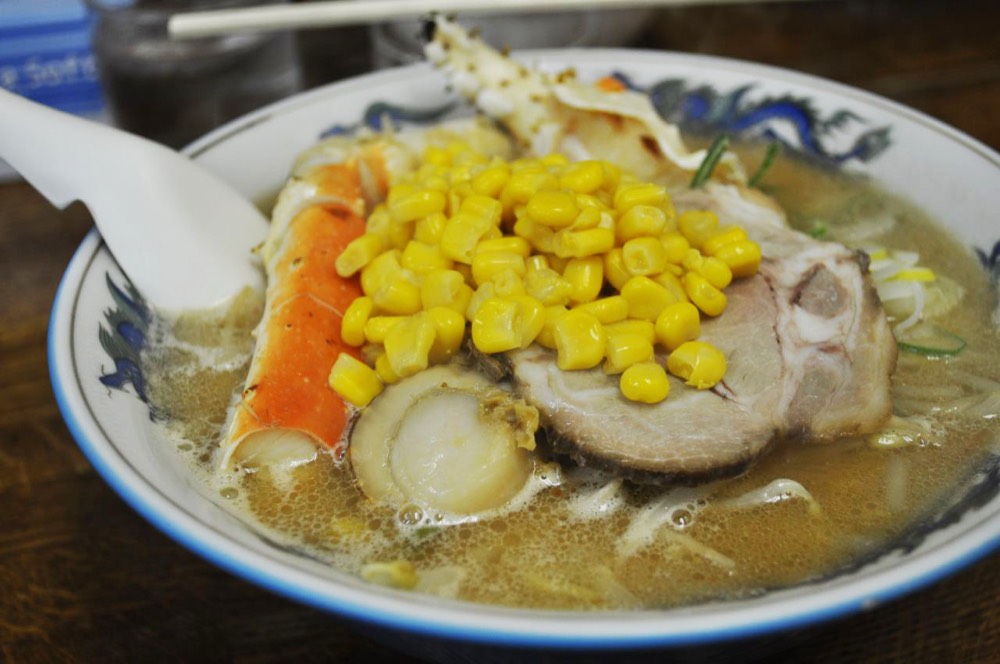
Ganso Sapporo Ramen Yokocho
For the full Sapporo ramen atmosphere in one place, visit Ganso Sapporo Ramen Yokocho (元祖さっぽろラーメン横丁, "Ramen Alley") in Susukino. According to the official Hokkaido tourism site, it began in 1951 as the "Koraku Ramen Meitengai," closed for a time in 1969 because of road widening, and reopened at its current site in 1971. It is about a 3-minute walk from Susukino Subway Station, and each shop has its own hours and closing days[5].
Ramen Alley is a narrow lane packed with small shops, many open until late, a popular spot for a bowl after drinking. Besides miso there are soy sauce and salt ramen, so look at the signs and photos at each entrance to choose.
Nijo Market and Curb Market: Where to Eat Seafood Rice Bowls
Hokkaido seafood is an essential part of eating in Sapporo. The city has two markets that visitors often go to, per Yokoso Sapporo (confirmed October 2026)[4]:
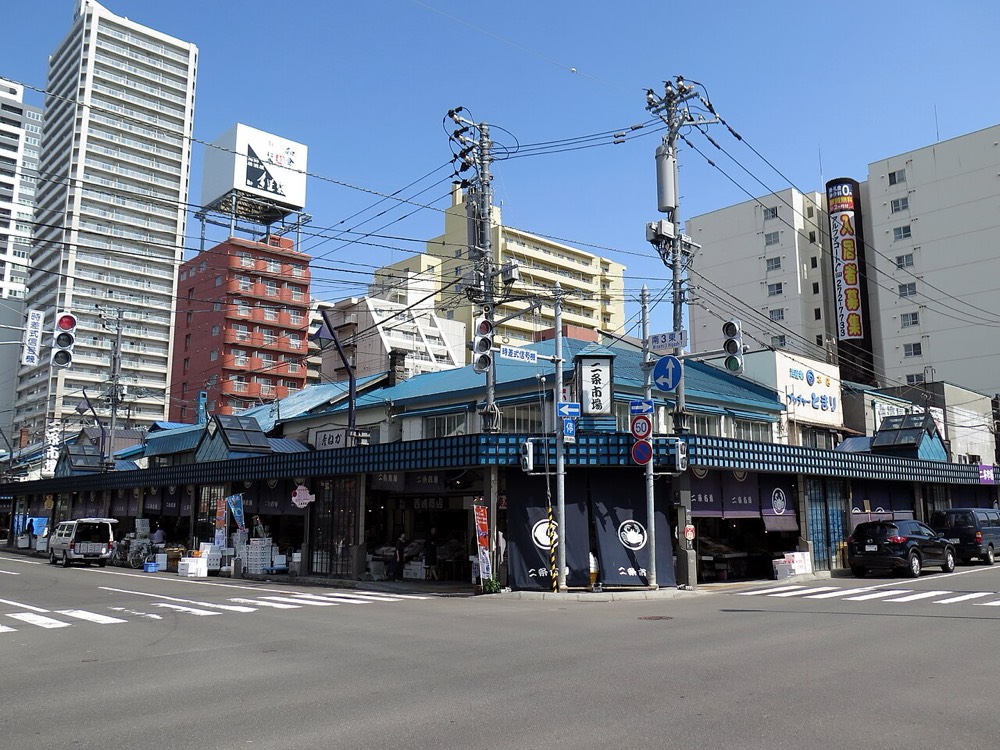
| Item | Nijo Market | Sapporo Central Wholesale Market Curb Market |
|---|---|---|
| Hours | About 7:00-17:00 (eateries about 7:00-21:00) | 6:00-17:00 (eateries from 7:00) |
| Closed | Open year-round (varies by shop) | Open year-round (varies by shop) |
| Access | About 5 min on foot from Bus Center-mae Station (Tozai Line); about 10 min from Odori Station | About 7 min on foot from Nijuyonken Station (Tozai Line); about 10 min from JR Soen Station |
| Character | In the city center, easy to combine with Odori Park and Susukino | More shops; you can pick crab from the tanks and have it cooked or shipped |
Tips for seafood rice bowls:
- Go in the morning for the most choice: The Curb Market information notes that the selection shrinks after 11:00[4].
- Check the price signs: Seafood bowls and crab are often sold at market price or by weight, so confirm the price and portion before ordering.
- Shipping crab: For travelers returning to Taiwan, bringing fresh seafood home involves quarantine rules and is hard to keep fresh, so eat it in Japan or ship it to your lodging within Japan.
What Else to Eat at Night: Shime Parfait and Sapporo Beer
Shime Parfait (シメパフェ)
In Sapporo, ending a dinner or a night of drinking with a parfait is called a "shime parfait." The official Hokkaido tourism site presents it as a popular night-time food culture born in Sapporo[6]. Several parfait shops in Susukino stay open late, using ice cream made with Hokkaido milk and seasonal fruit in elaborate presentations, a favorite photo subject for many Taiwanese travelers in Sapporo.
Sapporo Beer
Sapporo is also an important city in Japanese beer history, and many restaurants in town serve the Hokkaido-only "SAPPORO CLASSIC." If you like beer, visit the Sapporo Beer Museum, then eat Genghis Khan at the neighboring beer garden for a combined experience.
Sweets and Souvenirs
Hokkaido has many dairy and sweets brands. The department store basement floors around Sapporo Station and Odori have Shiroi Koibito, Rokkatei, Kitakaro, LeTAO and other souvenirs, so shopping for them all on the day before you leave saves the most time.
Seasonal Eating: What to Eat in Sapporo in Winter
Winter in Sapporo is ideal for hot soup curry and miso ramen, and seafood such as crab and cod milt is in season. During the February Sapporo Snow Festival there are several food stalls around the Odori site; see Sapporo Snow Festival 2027 if you want to combine them. Famous shops often mean waiting outdoors in winter, so see what to wear in Hokkaido in winter for warm clothing and non-slip shoes.
How to Plan Your Sapporo Meals
An example for 3 days in Sapporo:
- Day 1: Soup curry for lunch, Genghis Khan in Susukino for dinner, then a shime parfait.
- Day 2: Seafood rice bowl at Nijo Market in the morning, Odori Park during the day, Ganso Sapporo Ramen Yokocho in the evening.
- Day 3: Breakfast at the Curb Market and picking crab to ship to your hotel in the morning, Sapporo Beer Garden in the evening.
You do not have to fill every slot: soup curry and Genghis Khan are both big portions, so two main meals a day is plenty. For more Hokkaido food and sights, see the Hokkaido travel overview and the food topic page; if you are also visiting Hakodate, do not miss the Hakodate Morning Market in the Hakodate guide.
Before You Go
- Popular soup curry and Genghis Khan shops often have lines at dinner; avoid the 18:00-19:00 peak or arrive early.
- Some small shops still take cash only, so carry both yen cash and a credit card.
- Fresh seafood is not suitable to take back to Taiwan (quarantine and freshness issues); eat crab locally or ship it to lodging in Japan.
- Hours can change; check each shop's and market's official announcements before you go.
FAQ
What are the must-eat foods in Sapporo?
Sapporo's official tourism site lists soup curry, Genghis Khan lamb barbecue and Sapporo ramen as the city's three big dishes. Add Hokkaido seafood (seafood rice bowls, crab, sea urchin), Sapporo beer and a late-night parfait, and three or four days will cover it well.
How do you order soup curry in Sapporo? Is it spicy?
Most shops ask you to choose a main (chicken leg is the classic), a soup base and a spice level, then the rice portion and any extra toppings. Spice levels are up to you, and some shops go up to 100 levels. If you do not like heat, pick the lowest level or a Japanese-dashi base; most shops can make it very mild.
Is Genghis Khan lamb? Does it taste gamey?
Yes, it is lamb. Lamb under 1 year old is tender with little gaminess, while mutton from sheep 2 years or older has a stronger flavor and a chewier texture. For a first try, start with lamb, grill it with onions and bean sprouts, and pair it with Sapporo beer.
What is the difference between Nijo Market and the Curb Market?
Nijo Market is in the city center, about a 10-minute walk from Odori Station, so you can sightsee afterward. The Curb Market is next to the Central Wholesale Market; it is farther out but has more shops, which suits a dedicated breakfast trip or picking out crab. Both are open year-round, and the morning has the widest choice.
What is a Sapporo "shime parfait"?
A shime parfait (シメパフェ) is a late-night habit that started in Sapporo: after dinner or drinks, you finish the day with an elaborate parfait. The official Hokkaido tourism site presents it as a popular night-time food born in Sapporo, and Susukino has several parfait specialists open until late.
Sources
- Yokoso Sapporo: Sapporo soup curry feature: Soup curry origins, soup bases, how to eat it
- Yokoso Sapporo: Sapporo Genghis Khan feature: Sauce styles, types of lamb, grills
- Yokoso Sapporo: Sapporo miso ramen feature: Origins of miso ramen and representative shops
- Yokoso Sapporo: Nijo Market and Curb Market: Hours, access and how to enjoy them
- HOKKAIDO LOVE! (official Hokkaido tourism site): Ganso Sapporo Ramen Yokocho: History of Ramen Alley and access
- HOKKAIDO LOVE! (official Hokkaido tourism site): Shime parfait: Sapporo's late-night parfait culture
Fares, opening hours and event dates can change. Information checked on 2026.10.19; please confirm with official sources before you go.