Paying in Japan: Currency Exchange, Cards, Mobile Payments and How Much Cash to Bring
How to get yen for Japan: exchange before you leave, at the airport or from ATMs, plus how cards, IC cards and PayPay work and how much cash to carry.
Quick answer
There are three common ways to get yen: exchange before you leave (for travelers from Taiwan, Bank of Taiwan's online currency exchange lets you order online and collect cash at a branch, with a 10,000 yen minimum per yen order), exchange at a Japanese airport, or withdraw with an overseas card at 7-Eleven's Seven Bank or Japan Post ATMs. Cards and transit IC cards are widely accepted in big cities, but small shops, shrines and some restaurants are still cash only, so carry cash, a credit card and an IC card.
Should you exchange yen at home, at the airport, or just withdraw from a Japanese ATM? And once you are there, should you tap a card, use a transit IC card, or carry a stack of cash? This guide covers the most common ways to get yen for travelers leaving from Taiwan, how cards and mobile payments work in practice in Japan, and the fee and exchange-rate details that cost people money. It describes general methods and cautions only and is not personal financial advice; check each bank's official notices for its fees.
How can you get yen? A comparison table
In short: the three most common routes are "exchange at a bank in Taiwan before you leave," "exchange at a Japanese airport," and "withdraw from a Japanese ATM with an overseas card." Each has its own trade-off between convenience and cost.
| Method | How it works | Pros | Watch out for |
|---|---|---|---|
| Taiwanese bank, in branch or online | Order online and collect cash at a branch, or go to the counter | You have cash before you leave and can exchange in stages | You must collect during banking hours |
| Bank counter at a Taiwanese airport | Exchange before departure at the airport | Handy for last-minute top-ups | Rates follow each bank's posted rate |
| Exchange counter at a Japanese airport or in the city | Bring your home currency or US dollars and exchange on the spot | No need to exchange in advance | Fewer places in Japan exchange New Taiwan dollars, and rates vary by shop |
| Japanese ATM withdrawal | Use a debit or credit card with international withdrawal | Withdraw as you need, no large amounts of cash | Your issuing bank in Taiwan charges fees and an exchange margin |
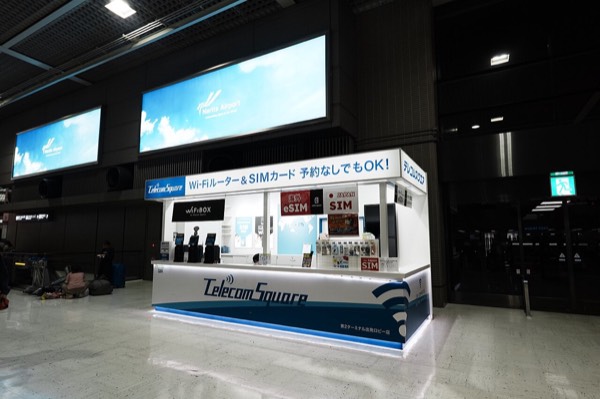
GO TOKYO says you can exchange money at Narita and Haneda airports, in most areas of central Tokyo and at some hotels[1], but many travelers from Taiwan still prefer to exchange part of their yen at home first.
Exchanging at a Taiwanese bank: how Bank of Taiwan's online exchange works
Bank of Taiwan's "Online Currency Exchange Easy Buy" lets you order foreign banknotes online and pick them up at a designated branch. According to its website, a yen order has a minimum of 10,000 yen and a maximum of 320,000 yen per transaction, there is no fee for online purchases, and yen and some other currencies get a 0.1% rate discount. You must pay within 2 hours of ordering, or the order is cancelled[2].
Steps:
- Open the online exchange page and accept the terms of service.
- Choose the currency (yen), denominations, amount and pickup branch.
- Enter your personal details, pickup date and payment method.
- Pay within the time limit as instructed (online banking transfer, ATM transfer, Taiwan Pay and so on)[2].
- Bring photo ID to the branch on the agreed date to collect the cash.
Other banks have similar online exchange or foreign-currency ATM services with different conditions, so compare the options at the bank you already use.
How much cash do you need in Japan? Where is cash only?
In short: big cities in Japan are used to cards, but you still need cash. GO TOKYO describes Tokyo as still "relatively cash-based" and says it is not unusual for locals to carry 20,000 to 30,000 yen in their wallets[1].
Common situations where cash is required or easier:
- Some small ramen shops and set-meal restaurants with ticket machines accept only cash.
- Offerings, charms and goshuin (temple stamps) at shrines and temples.
- Market stalls, festival stands, small rural shops and buses.
- Coin lockers and vending machines (some accept IC cards).
When preparing cash:
- The 10,000 yen note is the largest denomination and is accepted everywhere; 2,000 yen notes are rare[1].
- The Bank of Japan has issued new 10,000, 5,000 and 1,000 yen notes since July 3, 2024[5]. The old notes remain valid, so you don't need to worry about which version you receive.
- Bring a coin purse. Japan has many coin denominations, and getting 1 yen and 5 yen coins in change is common.
Are cards widely accepted in Japan? Credit card basics
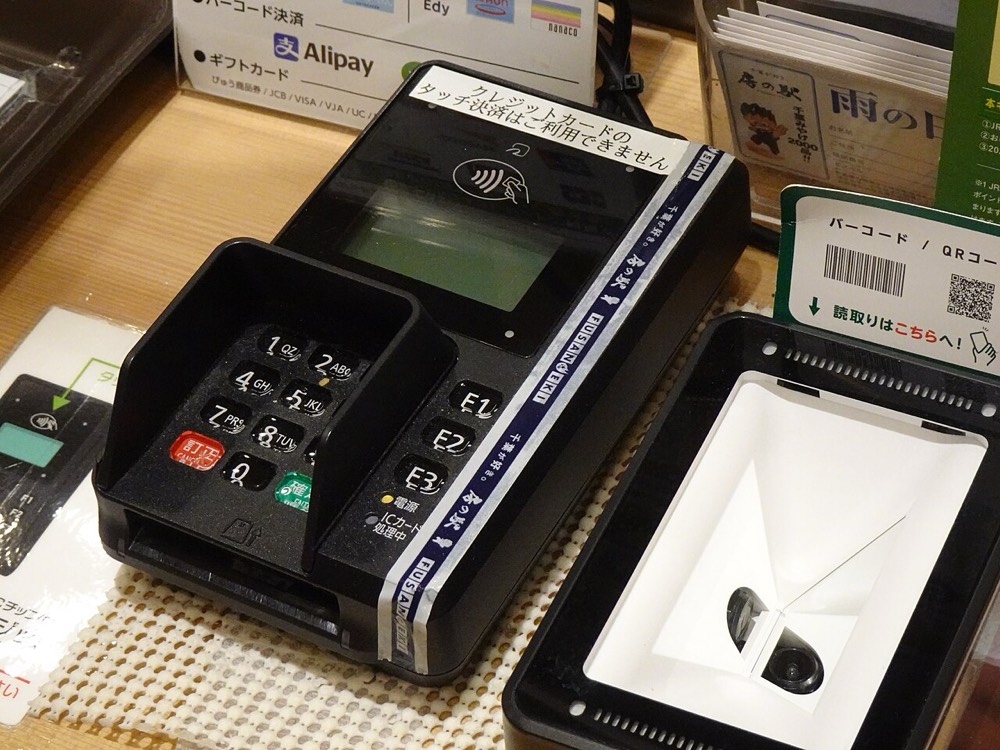
In short: chain stores, department stores, drugstores, convenience stores, hotels and larger restaurants generally take cards. GO TOKYO lists American Express, Visa, Mastercard, Diners Club and JCB as accepted in many places, though independent small shops may not take cards[1].
Things to know when paying by card (the fee details below describe cards issued in Taiwan):
- Pay in yen: when the terminal or staff asks which currency to use, choose yen (JPY). Choosing NT dollars triggers dynamic currency conversion (DCC), which usually gives a worse rate.
- Foreign transaction fees: most Taiwanese credit cards charge a foreign transaction fee on overseas purchases (commonly around 1.5%, depending on each card's terms). Overseas rewards and fees vary a lot between cards, so just read your own card's terms before you leave; this article does not recommend specific cards.
- Contactless payment: if your card supports tap-to-pay, many shops in Japan let you tap directly. Some railways also allow tapping a credit card at the gate; check each operator's announcements for the lines that support it.
- Carry two cards from different networks: for example one Visa or Mastercard and one JCB, so you have a backup if one is declined or lost.
- Turn on SMS or app notifications: overseas transactions sometimes need an SMS verification code, so your Taiwanese number must be able to receive texts. See how to choose a Japan eSIM for ways to keep your main number active.
How do mobile payments work in Japan? IC cards, Apple Pay and PayPay
In short: for travelers from Taiwan, the most useful "mobile payment" is actually the transit IC card. GO TOKYO explains that transit cards such as Suica and PASMO can be used at many shops and major convenience stores[1], so one card covers both rides and purchases.
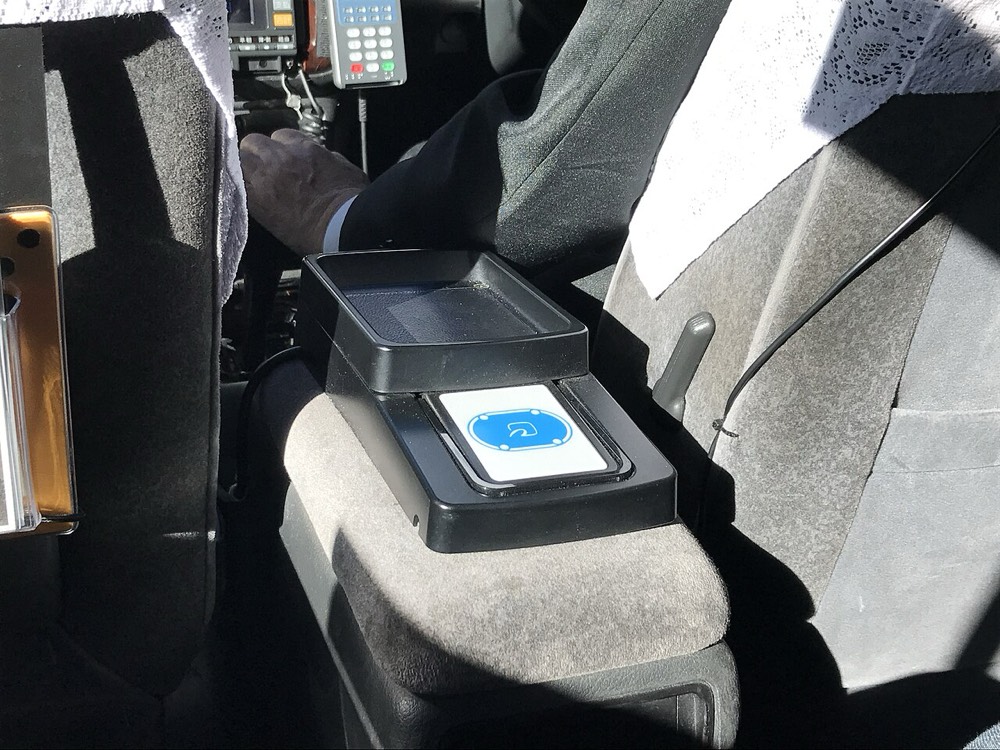
Transit IC cards: the most versatile small-payment tool
- A physical card or one added to your phone (for example in Apple Wallet on an iPhone) both work.
- Most convenience stores, station shops, vending machines and coin lockers accept them.
- Top-ups usually need cash, or a credit card linked to your phone wallet.
For how to buy and set up a transit card, see our Suica guide for iPhone and Android.
Apple Pay and Google Pay
A credit card added to Apple Pay in Taiwan can usually be used at shops in Japan that support contactless payment, depending on whether the card and the shop's terminal support it.
PayPay and other QR code payments
PayPay is a very common QR code payment in Japan, and many small shops display a PayPay sign. However, its sign-up and top-up conditions are aimed mainly at Japanese users, and the rules on whether foreign visitors can use it, and which overseas wallets can scan, change from time to time, so check PayPay's official website. For a short sightseeing trip, credit cards, Apple Pay and an IC card are usually enough, with no special preparation needed.
Withdrawing cash at Japanese ATMs: Seven Bank and Japan Post
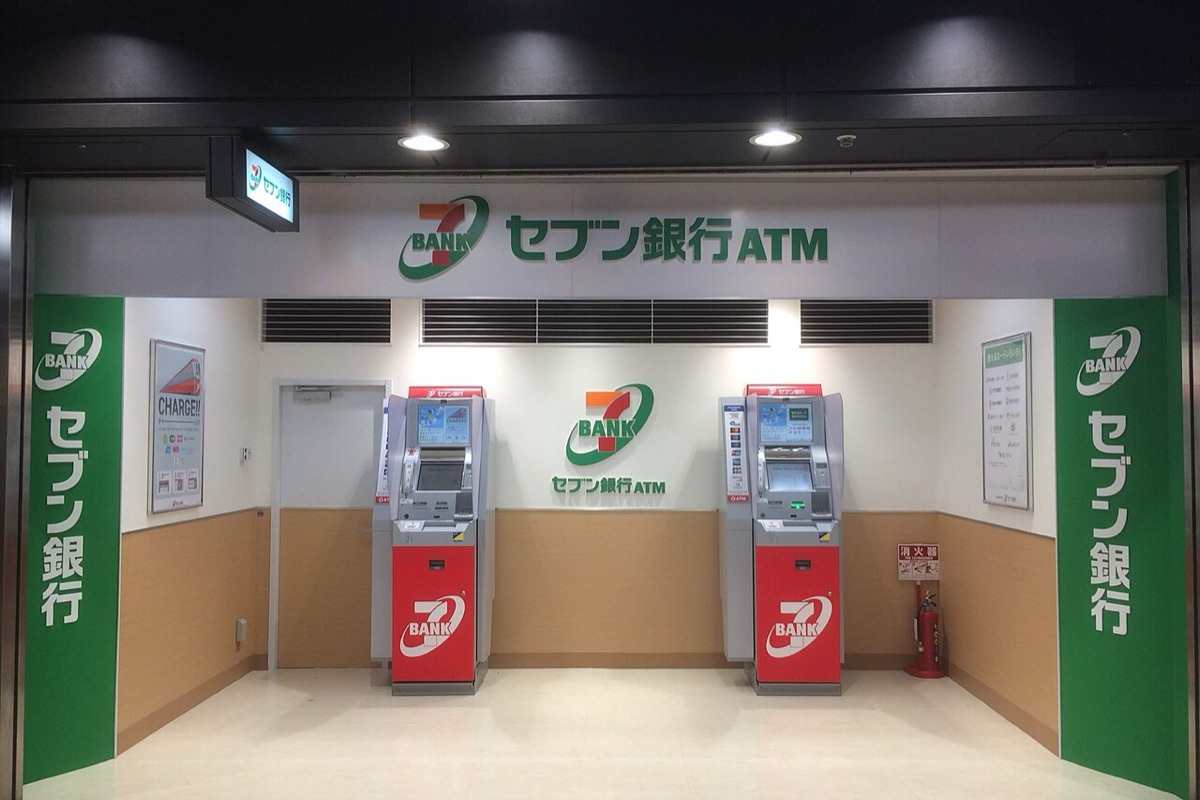
In short: when you run low on cash, the Seven Bank ATMs in 7-Eleven and the Japan Post Bank (ゆうちょ銀行) ATMs at post offices are the most convenient, and both accept many overseas cards.
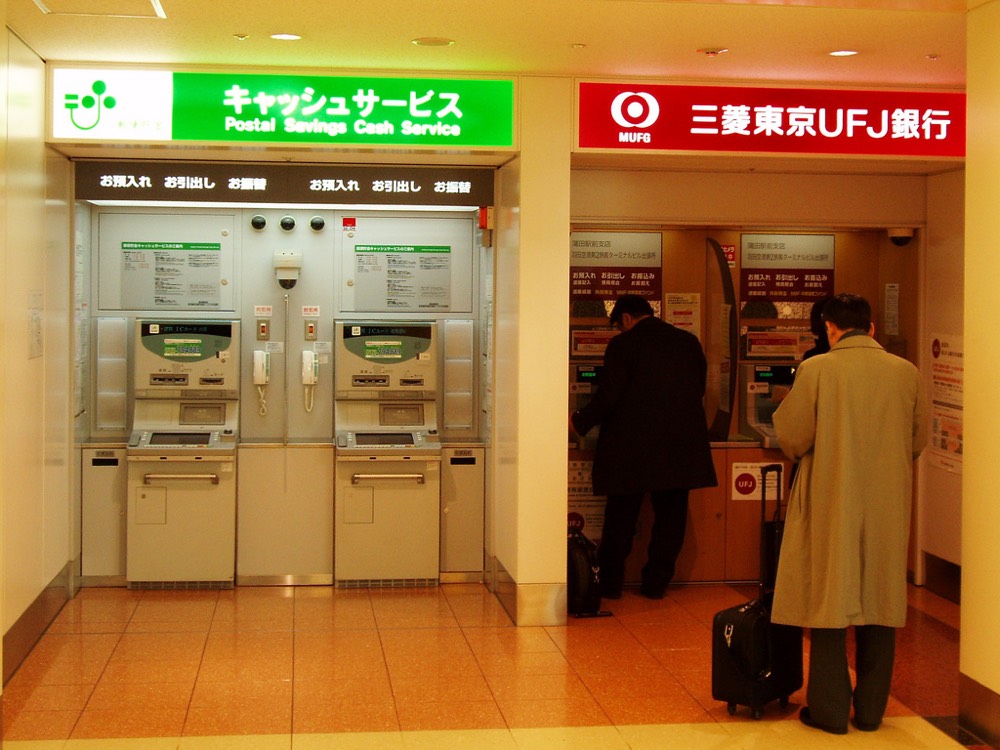
| Item | Seven Bank ATM | Japan Post Bank (ゆうちょ銀行) ATM |
|---|---|---|
| Locations | More than 28,000 inside 7-Eleven stores across Japan, plus airports and department stores[3] | Post offices and Japan Post Bank ATMs, with small ATMs at some FamilyMart stores[4] |
| Accepted cards | Visa, PLUS, Mastercard, Maestro, Cirrus, UnionPay, AmEx, JCB, Discover, Diners Club[3] | VISA, PLUS, Mastercard, Maestro, Cirrus, JCB, UnionPay, DISCOVER[4] |
| Hours | Day and night withdrawals[3]; see the website for details | Weekdays 7:00-23:00, Sundays and holidays 7:00-21:00 (varies by location)[4] |
| Fee on the Japanese side | See the official notice | 220 yen per withdrawal (tax included) for some overseas cards[4] |
| Per-transaction limit | See the official notice | 50,000 yen per transaction[4] |
Before you use an ATM, check these (the first two apply to cards issued in Taiwan):
- Whether your Taiwanese debit card has "overseas withdrawal" enabled and a withdrawal PIN set.
- The cross-border withdrawal fee and exchange margin charged by your Taiwanese issuing bank, which vary by bank.
- Withdrawing cash with a credit card is a "cash advance," which usually carries a fee and interest, so it costs more.
- If the ATM asks whether to charge in your home currency (for example NT dollars), choosing yen is less likely to cost you extra.
Choosing your payment method under the new tax refund system
In short: from November 1, 2026, Japanese duty-free shops switch to charging the tax-inclusive price at the register and refunding consumption tax after departure is confirmed. The Japan Tourism Agency FAQ lists refund methods including bank transfer, credit card refund, app refund and cash at the departure port, depending on the shop[6].
This means that for large purchases your payment method can affect how you get the refund: people who pay by credit card commonly have it refunded to the same card. Ask the shop about the refund method and any fees when you buy. For the full process, see Japan's new tax refund system in 2026.
Putting your payment kit together
A safe combination for most travelers from Taiwan is: some yen in cash, two credit cards from different networks and one transit IC card, topping up cash at a Seven Bank or Japan Post ATM when needed. Before you leave, check your credit card's overseas settings and whether your debit card's overseas withdrawal is enabled, and in Japan you can switch between methods as the situation requires. For more on the documents and apps to prepare before you go, see our Japan trip checklist; other practical guides are in the trip preparation section.
FAQ
How much yen cash should I bring to Japan?
There is no standard answer; it depends on your itinerary and spending habits. GO TOKYO notes that people in Tokyo commonly carry 20,000 to 30,000 yen in their wallets, which is a useful reference. If your lodging is prepaid and you mainly use cards and an IC card, cash only needs to cover small shops, shrines and odd purchases. For rural areas, markets or festivals, bring more, or top up from a local ATM.
Should I pay in yen or my home currency when using a card in Japan?
Generally choose yen (JPY). If you pick your home currency on the card terminal or ATM (for example NT dollars on a Taiwan-issued card), the conversion is done by the merchant's provider (dynamic currency conversion, or DCC). The rate is usually no better than the card network's rate, and most Taiwanese credit cards still charge their foreign transaction fee.
Can a Taiwanese debit card be used to withdraw cash at ATMs in Japan?
It depends on whether the card has overseas withdrawal enabled and carries an international logo such as Plus, Cirrus or UnionPay. Seven Bank ATMs and Japan Post ATMs both accept many overseas cards, but Taiwanese issuing banks charge a separate cross-border withdrawal fee and an exchange margin. Before you leave, check with your bank that withdrawals are enabled, and ask about the fees and your PIN.
Can tourists use PayPay?
PayPay is a widely used QR code payment in Japan, but its sign-up and top-up conditions are aimed mainly at Japanese users, and what foreign visitors can do changes from time to time, so rely on PayPay's official information. In practice, credit cards, Apple Pay or a transit IC card already cover most tourist spending, so there is no need to set up PayPay specially.
Is tipping expected in Japan?
No. Tipping is not a custom in Japan, and GO TOKYO also says Japan has no tipping system, although some venues add a service charge. The amount on the bill is what you pay, and pressing a tip on staff may just cause confusion. Service charges at high-end restaurants and hotels are usually already printed on the bill.
Sources
- GO TOKYO: Money: Cash habits, credit cards, IC cards, ATMs, currency exchange and tipping
- Bank of Taiwan: Online Currency Exchange Easy Buy: Online foreign currency process, yen minimum and maximum amounts, rate discount
- Seven Bank: International Card Services: Accepted international card brands, number and locations of ATMs
- Japan Post Bank: International ATM Services: Overseas card brands, operating hours, fees and per-transaction limit
- Bank of Japan: New Bank of Japan Notes: New banknotes issued on July 3, 2024
- Japan Tourism Agency: Frequently Asked Questions for Travelers (Refund Method): Refund methods under the new tax refund system
Fares, opening hours and event dates can change. Information checked on 2026.10.19; please confirm with official sources before you go.