Japan's New Tax-Free Refund System 2026: Pay Tax First, Get It Back at Departure
Japan's new tax-free system starts November 1, 2026: pay tax at the shop, refund after customs confirms export. Airport steps, 5,000 yen minimum and 90-day limit.
Quick answer
From November 1, 2026, Japan switches to a refund method for tax-free shopping: you pay the price including consumption tax at the shop, then scan your passport at a tax-free procedure terminal (or use Visit Japan Web) in the airport departure hall so customs can confirm export. The shop or its refund agent then returns the tax (10% for general goods, 8% for food). The minimum stays at 5,000 yen before tax per store per day, you must leave within 90 days, consumables no longer need sealed bags, but items used in Japan cannot be refunded.
Japan's new tax-free system starts on November 1, 2026. From then on, you pay the price including consumption tax at a tax-free shop, and the tax is returned only after customs confirms at the airport that you took the goods out of Japan. Using official material from the Japan Tourism Agency and the National Tax Agency, this guide explains what changed, what did not, what to do at the airport and how the money comes back, with particular attention to the traps travelers fall into most, such as opened drugstore items, tax-free goods in checked bags and leaving through a domestic connection.
What is Japan's new tax-free system? From tax waived at the register to pay first, refund later
The short answer: the new system moves the refund from the moment of checkout to after you leave Japan. Its Japanese name is "refund method" (リファンド方式). According to the Japan Tourism Agency's traveler page, for tax-free goods bought from November 1, 2026, shops sell at the tax-included price, and the amount equal to consumption tax is returned only after customs confirms you really took the goods out of Japan[1].
Under the old system, you showed your passport at a drugstore or department store and paid the tax-free price at the register, and customs only spot-checked passports at departure immigration. The problem was that some people resold tax-free goods inside Japan and avoided inspection when leaving. The official explanation published in January 2025 says that about 90 percent of high-value tax-free buyers who bought 100 million yen or more could not be stopped for inspection at departure[6]. Collecting the tax first and refunding after export is confirmed is meant to close that gap.
For ordinary travelers, one sentence sums up the difference: you pay about 10% more at checkout, then scan your passport at a terminal when you leave, and the money comes back later.
Old system vs new system: what changed at a glance
The short answer: the minimum is unchanged and the rules are simpler, but there are two new hurdles, export confirmation and a 90-day limit. Based on Japan Tourism Agency and National Tax Agency material[4][5]:
| Item | Old system (purchases through Oct 31, 2026) | New system (purchases from Nov 1, 2026) |
|---|---|---|
| Price at checkout | Tax-free price (no consumption tax) | Tax-included price, refunded afterward |
| Minimum purchase | 5,000 yen or more before tax, same store, same day | Unchanged: 5,000 yen or more before tax |
| General goods / consumables | Counted separately | Categories abolished; counted together toward the minimum |
| Consumables cap | 500,000 yen | Abolished |
| Sealed bags for consumables | Required, in a special sealed bag | Sealing abolished, but items used in Japan cannot be refunded |
| Departure procedure | Show passport at departure immigration | Scan passport at a departure-hall terminal or use Visit Japan Web, with inspection if needed |
| Time limit | No limit on days after purchase (goods must leave with you) | Leave Japan and complete confirmation within 90 days counting from the day after purchase |
| Goods not eligible | Gold bars, goods for business or resale, etc. | Gold and platinum bars, gold and platinum coins, goods already exempt from consumption tax |
A few of these changes are very practical:
- Drugstore items and snacks no longer need sealing. Many travelers used to get stuck at the airport after opening items at the hotel. The new system drops the sealed bag, but the rule is clearer: anything you eat or use in Japan cannot be refunded[5].
- Drugstore and clothing purchases can be combined to reach 5,000 yen. General goods and consumables are no longer counted separately, so the total at one store on one day just needs to reach 5,000 yen before tax[4].
- There is a limit on quantity. The new system no longer asks clerks to judge whether goods are for "daily life use", but the amount you buy is limited to what you can personally carry out of Japan[5].
How much is the Japan tax refund? How the refunded amount is calculated
The short answer: what is refunded is the consumption tax, 10% for general goods and a reduced 8% for food and drink (excluding alcohol). It is the tax contained in the tax-included price, so it is about 9.1% of the tax-included price (10/110) and 7.4% (8/108).
For example, if you buy skincare at a drugstore for 11,000 yen including tax (10,000 yen before tax), you pay 11,000 yen at the register, and after confirmation at departure you get back up to 1,000 yen.
What you actually receive also depends on whether the shop or its refund agent charges a fee. The National Tax Agency Q&A states that consumption tax law does not specify how the refund is made[4], so fees, exchange rates and the refund currency are all set by each shop. The step where you register your refund method while shopping is the best moment to ask.
Japan tax refund at the airport: what to do on departure day
The short answer: complete the tax-free procedure first, then check your bags. According to the Japan Tourism Agency, tax-free procedure terminals are in the international departure hall before the check-in counters, and if you leave within 90 days of purchase you scan your passport at a terminal with all your tax-free goods in hand[1]. The steps are:
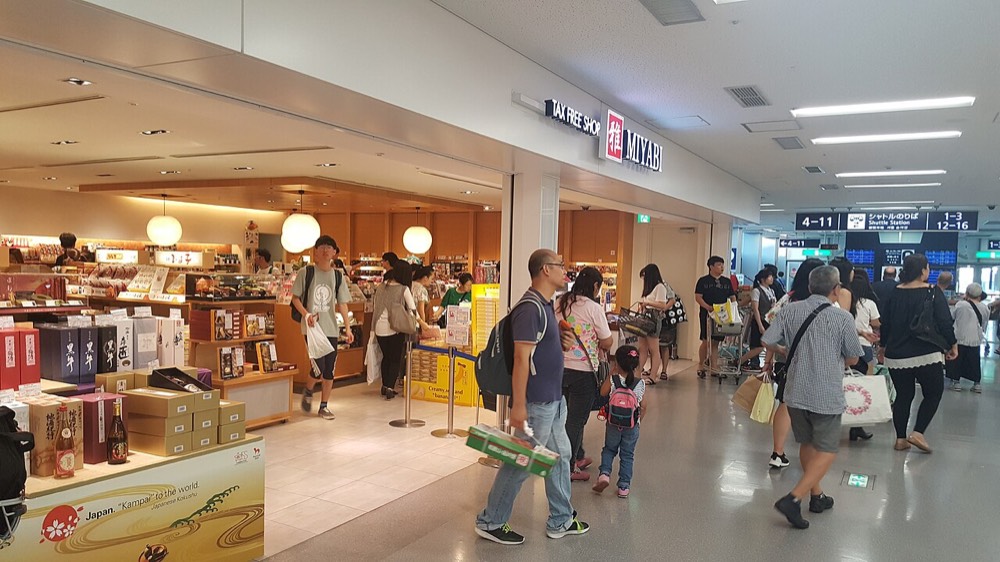
- Do not check your bags when you arrive at the airport. All tax-free goods must be with you, and once luggage is handed to the airline you cannot get it back[2].
- Find the tax-free procedure terminal in the international departure hall and scan your passport.
- Read the result. A green light means no inspection is needed and the procedure is complete; a red light means you take your tax-free goods to the designated customs inspection area and show them to an officer[1].
- Check in and drop your bags afterward. After a green light, you can put the tax-free goods into your checked luggage.
- Wait for the refund to arrive. The shop or refund agent refunds you after it receives the customs confirmation information[2].
The terminal itself takes only seconds, but a red-light inspection takes extra time. The Japan Tourism Agency specifically warns that neither airlines nor customs compensate you if you miss your flight because the procedure ran late[1], so arrive earlier than usual in busy seasons.
You can also confirm with Visit Japan Web
The Japan Tourism Agency FAQ lists seven major airports (Narita, Haneda, Kansai, Chubu, Fukuoka, New Chitose and Naha) where you can complete the procedure online with Visit Japan Web inside the designated Wi-Fi area in the international departure hall before security, without queuing at a terminal[2]. If you already used Visit Japan Web when entering Japan, read the Visit Japan Web guide first to have your account and passport details ready. For travelers from Taiwan, flights from Taipei, Kaohsiung and Taichung mostly land at the airports above, which makes this convenient; if you leave from another airport, go by that airport's announcements.
If you leave through a domestic connection
If your trip is Sapporo to Tokyo to Taipei, with a domestic flight followed by an international one, you do the procedure at the airport where you finally leave Japan[2]. That means you should keep tax-free goods in your carry-on on the domestic leg, or at least not put them in bags that are checked through to your final destination.
How do you get the money back? Credit card, cash or app
The short answer: the refund method is decided by the shop where you buy, and you register it at checkout. The Japan Tourism Agency FAQ lists bank transfer, credit card refund, app refund, and cash at the departure port after customs confirmation, and each shop offers different options[2].
The National Tax Agency explains that a tax-free shop can handle refunds itself or entrust them to a refund agent[3]. You may therefore meet:
- Refund to the credit card you paid with: the most common and the easiest, although the timing depends on your card issuer, and your statement may show a refund or a negative entry.
- Refund to an app or e-wallet: depends on the provider, and you need to download or register beforehand.
- Cash at the airport: offered only by some providers, so check that a matching counter exists at the airport you leave from.
For how to pair payment methods smoothly, see the Japan payment guide.
7 mistakes travelers make most often
The short answer: the biggest risk with the new system is not a complicated process but the fact that one problem item on a receipt can void the whole receipt. Here are the traps drawn from the official FAQ and common traveler habits:
- One receipt, all or nothing. Checks are done per receipt, so if one item is missing or used, none of the items on that receipt are refunded[2]. Pay separately, without tax-free, for anything you want to use in Japan.
- Tax-free goods in checked bags. Confirm at the terminal first and check bags afterward, or you may get a red light and not be able to show the goods.
- Passing 90 days. The period runs from the day after purchase to the 90th day[4]. This is no problem on a short trip, but pay attention if you are on a working holiday or a long stay.
- Items already used. Do not use the terminal yourself; go to the customs counter and tell them[2].
- Mailing goods home yourself. The practice of travelers posting tax-free goods from a post office was abolished on March 31, 2025. Whether a shop can ship goods overseas for you is something to ask each shop[2].
- High-priced luxury goods. For items of 1 million yen or more before tax, the shop must record identification information such as the serial number[6], and the Japan Tourism Agency also recommends carrying the warranty or certificate of authenticity when you leave[2].
- The end of October to early November. The criterion is the purchase date: goods bought through October 31 follow the old system and goods bought from November 1 follow the new one. On a trip spanning those two days, you may hold both kinds of receipts.
Duty-free allowance when returning to Taiwan
This section applies to travelers returning to Taiwan. Once the Japan refund is done, you still face your own customs on arrival. According to the Taiwan Customs Administration of the Ministry of Finance, the duty-free allowance for personal and household baggage is NT$35,000 per person (alcohol and tobacco are counted separately), and the duty-free limit for personal-use alcohol for adults aged 18 and over is 1.5 liters; above that you must go through the red channel to declare[8]. If you plan to buy a lot of drugstore goods or electronics, consider the rules on both sides.
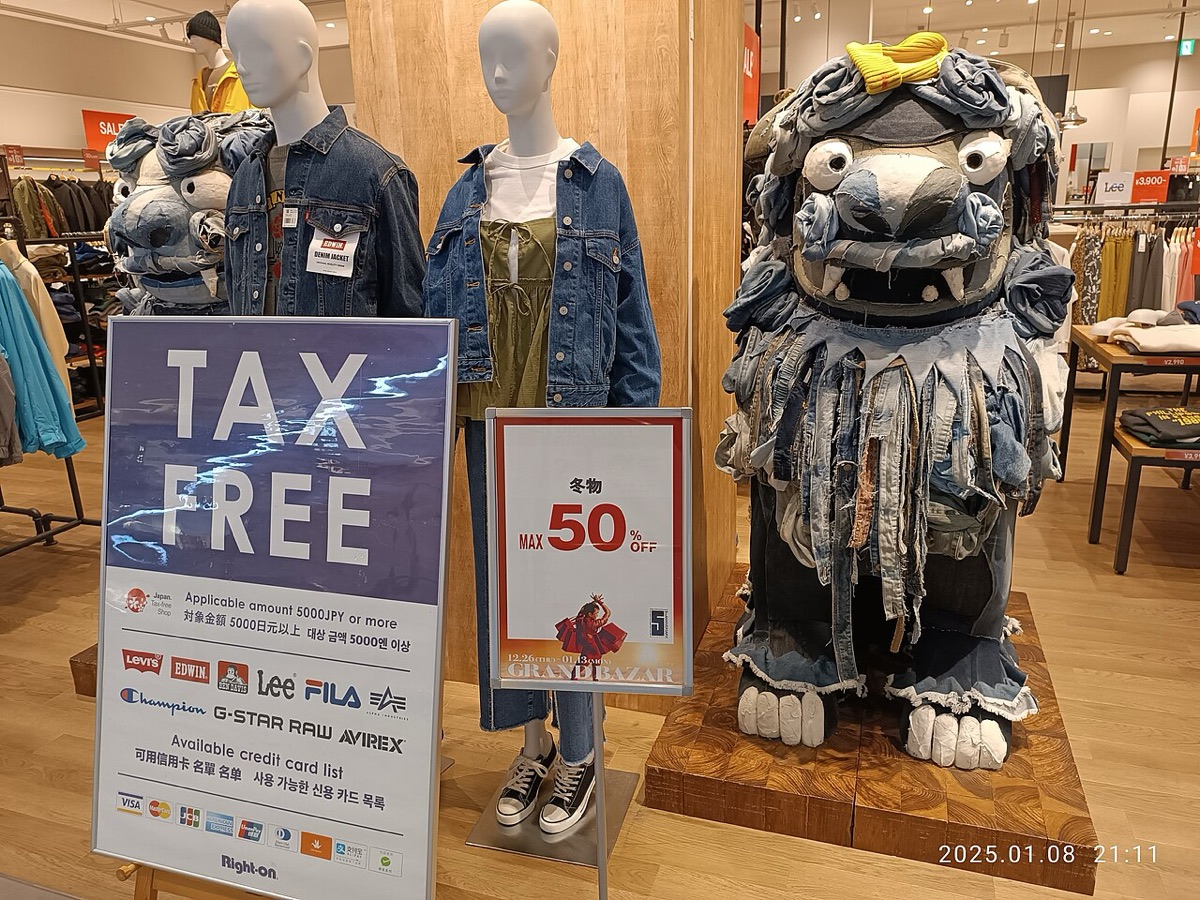
How to recognize a tax-free shop, and which shops may not offer it at first
The short answer: look for the "Japan. Tax-free Shop" sign, and ask before you pay whether the shop supports the new refund. The new system requires shops to send purchase records to the National Tax Agency system and to refund the tax themselves or through an agent after receiving the customs confirmation[3]. Shops need to prepare systems and refund channels, so in early November some shops may suspend or adjust their tax-free service.
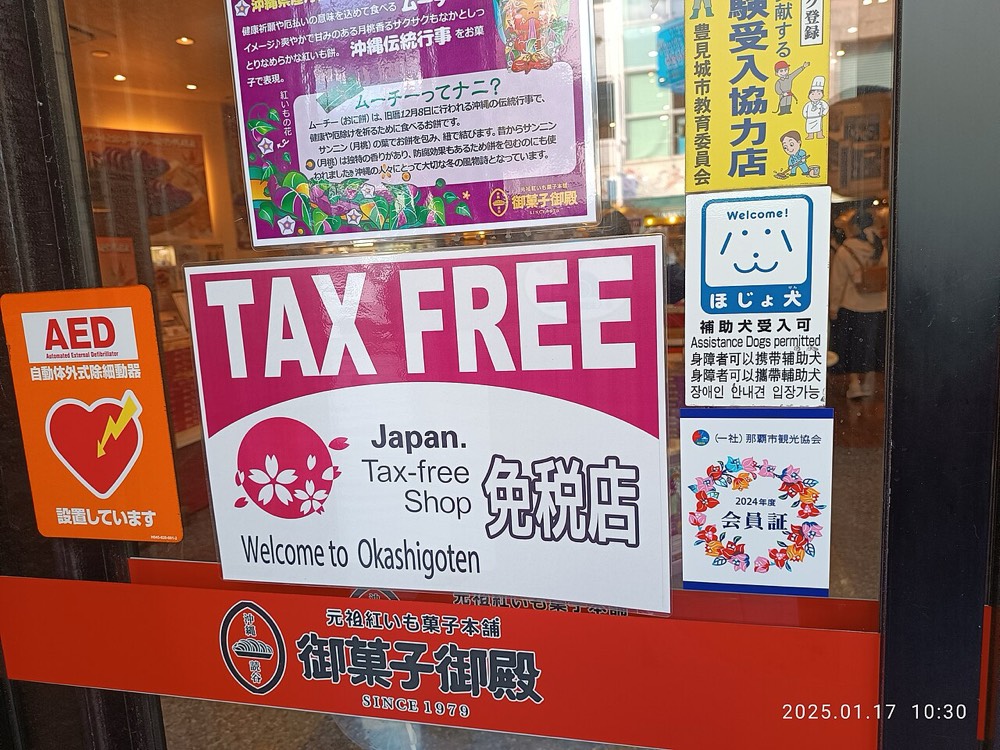
In practice, we suggest:
- Before paying, confirm that the shop still offers tax-free and how it refunds (credit card, app or cash).
- Photograph your receipts and any refund instructions the shop gives you.
- Buy in one go at the same store on the same day, which makes it easier to pass the 5,000 yen minimum.
- Department stores often have a central tax-free counter, and whether purchases across floors can be combined depends on the store, so go by the explanation on site.
How to prepare before you go
In the early days of the new system, airport queues and shop refund speeds are still settling in. The safest approach is to keep your passport on you, put your tax-free goods in one carry-on bag, arrive at the airport 3 hours early on departure day, and set up Visit Japan Web before you leave. For other documents, internet and apps, tick things off with the Japan trip checklist. If you buy a lot and worry about heavy luggage, see the Japan luggage delivery guide, but remember that tax-free goods themselves must be carried out of Japan by you. More pre-trip information is gathered in the travel preparation section.
FAQ
I bought tax-free goods at the end of October but leave Japan in November. What happens?
The new system is judged by the purchase date, not the departure date. Items rung up at a tax-free shop on or before October 31, 2026 still fall under the old system, where tax is waived at the register, and you just show your passport at departure immigration. Purchases made from November 1 onward are subject to pay-first, refund-later.
How long does the refund take to arrive under Japan's new tax-free system?
There is no official number of days. The Japan Tourism Agency says refunds are in principle processed after customs confirmation, and the actual timing depends on the shop or its refund agent. Credit card refunds can also be affected by your card issuer. Ask the clerk for an estimate when you shop and keep your receipt.
Will fees be deducted from my tax refund?
Japan's consumption tax law does not set the refund method or fees, so each tax-free shop or refund agent decides. Some shops refund in full and others may deduct a fee. When you register your refund method at checkout, confirm on the spot whether there is a fee and in which currency you will be refunded.
If I fly from a Japanese domestic airport and then connect to an international flight, where do I do the procedure?
The Japan Tourism Agency FAQ says that if you take a domestic flight first and then an international flight, you complete the procedure at the airport where you finally leave Japan. For example, if you fly from Sapporo to Tokyo and depart from there, scan your passport in the departure hall at the Tokyo airport, so do not check tax-free goods through to the connecting airport.
I used part of my drugstore purchases in Japan. Can I still get a refund on the rest?
Checks are done per receipt. If even one item on a receipt has been used or is not with you, none of the items on that receipt can be refunded. If something has been used, do not use the terminal yourself; go to the customs counter and explain to an officer. It is best to pay separately for things you plan to use in Japan.
Sources
- Japan Tourism Agency, Tax-free shop site: Travelers' Special Page (Refund Method): Start date of the new system, 5,000 yen minimum, terminal procedure, green/red light result
- Japan Tourism Agency: Frequently Asked Questions for Travelers (Refund Method): 90-day limit, airports where Visit Japan Web can be used, refund methods, transit rules
- National Tax Agency: Review of the tax-free system to the refund method: Explanation of the system change and entry to the Q&A
- National Tax Agency: Q&A on the tax-free system (Refund Method, overview): How the 90 days are counted, refund method not set by law, minimum judged on pre-tax amount
- Japan Tourism Agency: Changes to Tax-Free Goods (Refund Method): Changes to eligible goods (consumables cap and special packaging abolished, gold coins excluded)
- Ministry of Finance, National Tax Agency, METI and Japan Tourism Agency: Review of the tax-free system for foreign visitors (draft), January 2025: Background to the reform, identification information for items over 1 million yen before tax, abolition of separate shipping
- JNTO: Everything You Need to Know About Japan's New Tax-Free Shopping System: Summary of the process for travelers
- Taiwan Customs Administration, Ministry of Finance: Higher duty-free allowance for personal and household baggage and personal-use alcohol: Duty-free allowance on entering Taiwan
Fares, opening hours and event dates can change. Information checked on 2026.10.19; please confirm with official sources before you go.