Fukuoka Food Guide: Hakata Ramen, Motsunabe, Nakasu Yatai and Mentaiko
What to eat in Fukuoka: ordering Hakata ramen noodle firmness and kaedama, motsunabe and mizutaki hot pots, Nakasu yatai etiquette, and mentaiko history and souvenirs.
Quick answer
The must-eat list in Fukuoka is Hakata ramen (pork bone broth, thin noodles, with kaedama noodle refills), motsunabe loaded with chives and cabbage, chicken-broth mizutaki (drink the soup first, then eat the meat), and karashi mentaiko, first sold in Nakasu by Fukuya in 1949. Spending an evening at a yatai food stall in Nakasu, Tenjin or Nagahama (over 100 stalls in Fukuoka City) is the most local experience.
The key point of this Fukuoka food guide is simple: Fukuoka is one of the few places in Japan where a single city lets you eat all of its signature dishes, from Hakata ramen, motsunabe and mizutaki to mentaiko, and then head to a Nakasu yatai in the evening for a drink. This article explains how to eat each dish, the phrases for ordering, and yatai etiquette, so that on your first visit to Fukuoka you know what to eat, how to order, and where to go.
Fukuoka Must-Eat Food List at a Glance
The Fukuoka City official tourism site Yokanavi lists yatai, Hakata ramen, seafood, mizutaki, motsunabe, Hakata udon and yakitori as the representative foods[1]. Adding karashi mentaiko, which started in Fukuoka, gives the following table:
| Dish | Japanese | Features | Best time |
|---|---|---|---|
| Hakata ramen | 博多ラーメン | Cloudy pork bone broth, extra-thin noodles, kaedama noodle refills | Lunch, late-night meal |
| Motsunabe | もつ鍋 | Offal, chives and cabbage in a soy sauce or miso broth | Dinner |
| Mizutaki | 水炊き | White broth from chicken bones; drink the soup first, then eat the chicken, then zosui | Dinner |
| Karashi mentaiko | 辛子明太子 | Pollock roe cured in a chili seasoning liquid | Breakfast, souvenirs |
| Hakata udon | 博多うどん | Soft noodles in a bonito and kelp broth, served with burdock tempura | Brunch |
| Goma saba | ごまさば | Fresh raw mackerel dressed in sesame soy sauce | Izakaya |
| Yatai snacks | 屋台 | Ramen, oden, gyoza, yakitori, tempura | Evening |
How to Order Hakata Ramen: Noodle Firmness and Kaedama
Hakata ramen is characterized by a rich, cloudy pork bone broth with chewy extra-thin noodles[1]. Because thin noodles soften quickly, the bowl usually has a small amount of noodles, and ordering a "kaedama" (noodles only) after you finish is a unique Hakata custom. It is also popular late at night as a finish after drinking.
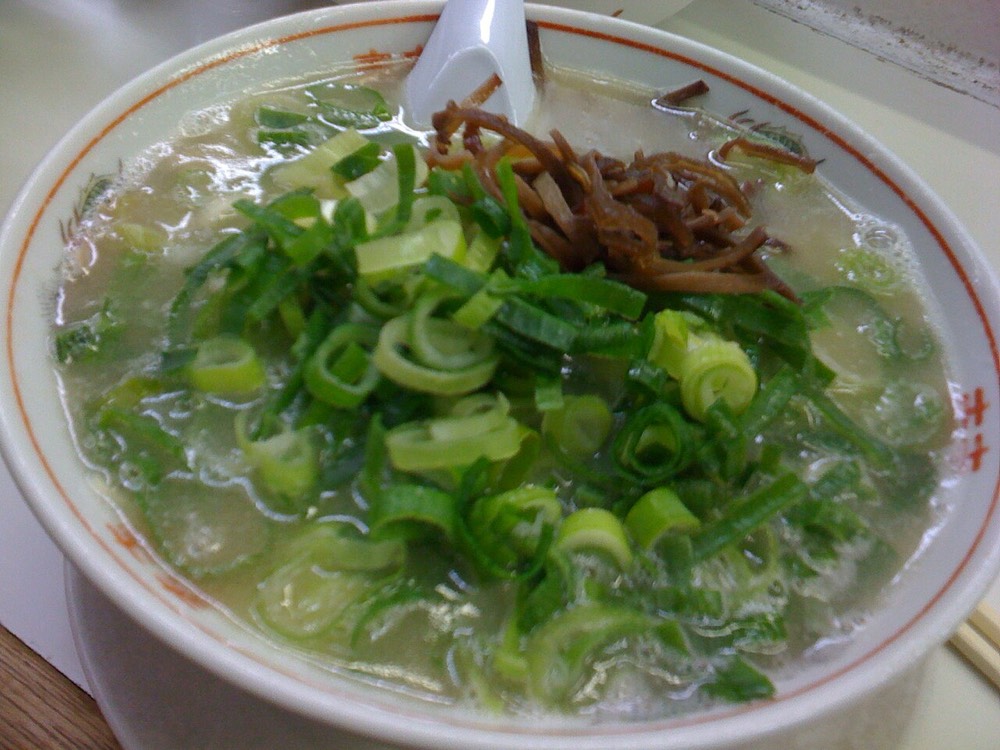
How to Say Noodle Firmness for Hakata Ramen
When you order, staff often ask how firm you want the noodles. The common terms listed by the Fukuoka City tourism site are[1]:
- Yawa (やわ): soft noodles
- Futsu (普通): regular
- Kata (かた): firm
- Bari-kata (バリかた): very firm
- Harigane (はりがね): firm as "wire"
On your first visit, start with "kata" or "futsu" and adjust to taste. If you want a kaedama, order it when the first bowl of noodles is almost finished so the broth does not go cold. You can freely add the pickled red ginger, spicy mustard greens (takana) and sesame on the table, and use the sauce to adjust the broth when it gets weak.
Fukuoka Motsunabe and Mizutaki: How to Eat the Two Big Hot Pots
Fukuoka Motsunabe (もつ鍋)
Motsunabe is a hot pot of offal (mostly beef small intestine) simmered with plenty of chives and cabbage in a soy sauce-based broth. The Fukuoka City tourism site explains that motsunabe is said to have started after the war, when coal miners cooked offal in aluminum pots to fill their stomachs, and it later became popular across Japan because it is generous, full of vegetables and cheap[1]. Soy sauce and miso are the two common broths, and at the end you can add champon noodles or rice to finish.
How to eat it:
- Wait until the chives are soft and the fat from the offal has melted into the broth before you start.
- Do not cook the offal too long, or it gets tough.
- At the end, order the finishing noodles or zosui and finish the broth.
Mizutaki (水炊き)
Mizutaki is a hot pot built on chicken broth. The Fukuoka City tourism site says it has a history of more than 100 years and is eaten all year round[1]. The standard way is to add a little salt to a bowl and drink the plain chicken broth first, then eat the chicken and cabbage, and finally add rice and cook it into zosui porridge. Compared with motsunabe, mizutaki is lighter, so it suits older family members or anyone who does not eat offal.
At most restaurants, both hot pots are ordered for two people or more, and popular places are best reserved ahead for dinner.
How to Enjoy Nakasu Yatai: A Fukuoka Yatai Guide
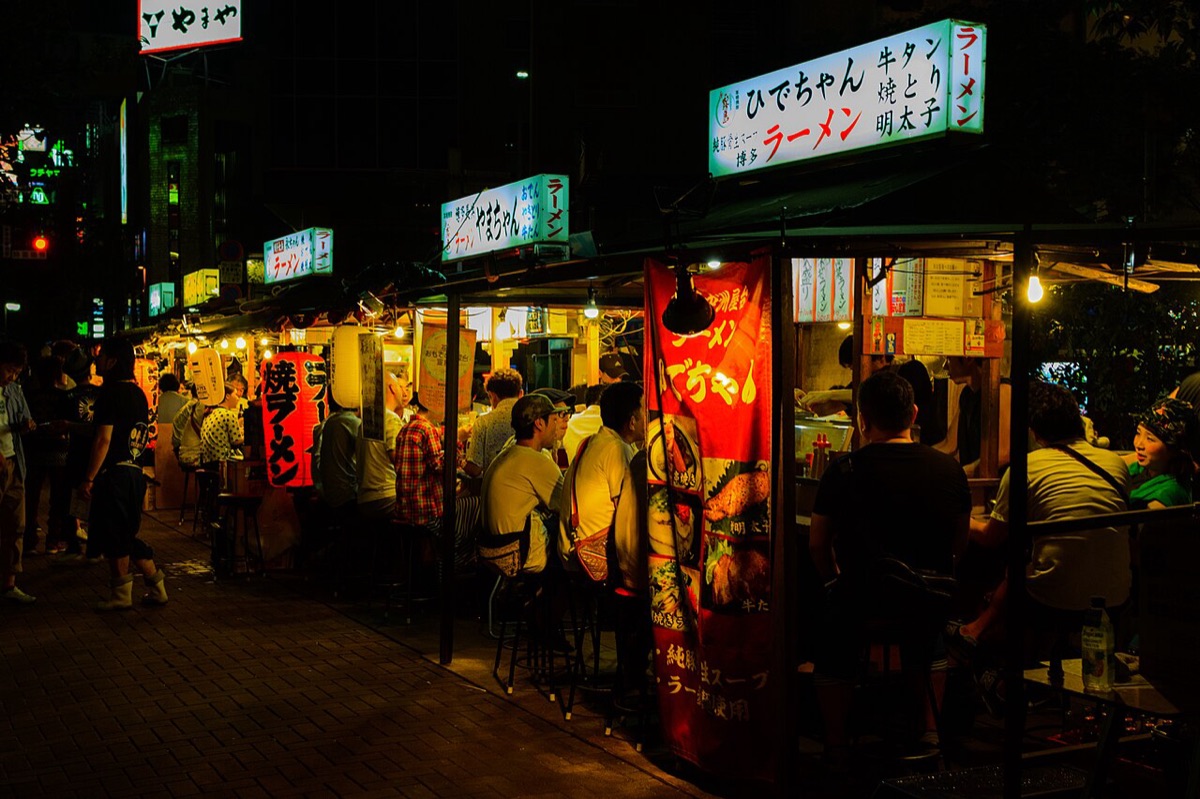
Yatai are the most representative sight of a Fukuoka night. The Fukuoka City tourism site calls Fukuoka a "city with more than 100 yatai," located mainly in Tenjin and Yakuin, Nakasu-Kawabata and the riverside, Ohori and Roppommatsu, and the Nagahama yatai area that came back in 2023[2].
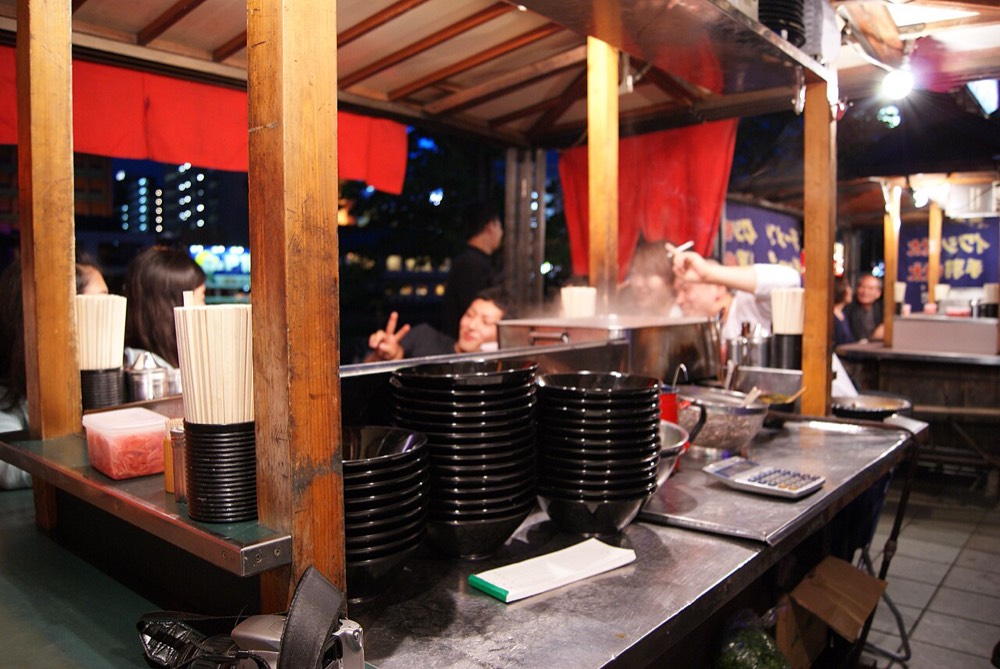
History and Current State of Fukuoka Yatai
According to the Fukuoka City history of yatai[3], yatai began operating along the streets around 1946, just after the war. At their peak in the 1960s and 1970s there were more than 400, and the number then declined year by year to about 150 in 2010. In 2013 Fukuoka City enacted Japan's first "Fukuoka City Basic Yatai Ordinance," and since 2016 it has let new operators join through open recruitment. The six stalls from the most recent (fifth) recruitment opened one after another from April 2025. In other words, many of today's yatai are newer stalls that went through a screening process, and the menus are more varied than before.
Choosing Between Nakasu, Tenjin and Nagahama Yatai
| Area | Atmosphere | Best for |
|---|---|---|
| Nakasu (along the Naka River) | Riverside night views, the most tourists | First-timers, photo takers |
| Tenjin and Yakuin | Many office workers, stalls spread out | Eating more like a local |
| Nagahama | Birthplace of Nagahama ramen, revived in 2023 | Ramen fans |
Yatai Etiquette and Things to Know
- Many stalls close in bad weather, and yatai have no toilets, so use one at a nearby shopping facility before you go[2].
- Seats are few: most yatai have only a single counter and a few seats, so go in groups of two or three and make room when you finish.
- Order at least one drink and a dish, and do not just occupy a seat and chat.
- Bring cash: payment methods vary by stall, and many are mostly cash only. If you cannot see prices, ask first.
- If you do not know which stall to try, use the "my YATAI quiz" on the Fukuoka City official LINE account "FUKUOKA GUIDE." Answer 12 questions and it recommends a suitable yatai[2].
For more Japanese dining manners, see what to know on your first trip to Japan.
Was Mentaiko Invented in Fukuoka? Origin and Souvenirs
Yes, the "karashi mentaiko" well known today was born in Fukuoka. The Fukuoka Prefecture tourism site explains that the custom of eating fish roe came from the Korean Peninsula, and the word "mentai" comes from the Korean word for pollock (myeongtae). After the war, Toshio Kawahara, founder of Fukuya, tried pollock roe in Busan, and after returning to Japan he adapted it to Japanese tastes and began selling it in Nakasu, Hakata, in 1949[4]. He did not patent it and instead taught the method to other makers, so Fukuoka now has more than 200 mentaiko manufacturers. When the Sanyo Shinkansen extended to Hakata in 1975, mentaiko became a nationally famous souvenir[4].
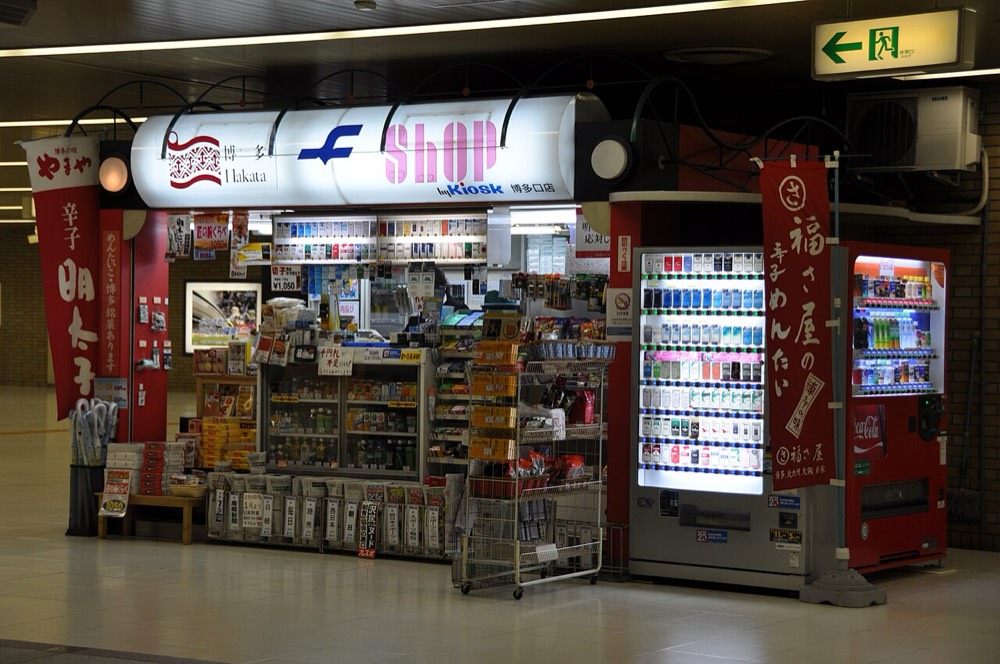
How to Choose Mentaiko
- Ippon-mono (一本物): a whole, intact roe sac. It looks beautiful and suits gifts.
- Kireko / bara-ko (切れ子/バラ子): broken pieces, lower in price and the best value for eating yourself or cooking.
- Tube-type mentaiko: squeeze it out and use it, good for mixing into pasta.
- Flavors vary a lot between makers, and the souvenir areas at Hakata Station and Fukuoka Airport often offer samples, so taste before you buy.
Shelf-Stable Mentaiko Souvenirs
Fresh mentaiko needs refrigeration and is awkward to carry on a long trip. The Fukuoka Prefecture tourism site also introduces shelf-stable options, such as mentaiko rice crackers (menbei), mentaiko mayonnaise and mentaiko furikake[4]. Mentai France (a baguette with mentaiko butter) is also said to have become popular in Fukuoka, and you often see it at bakeries in the city.
Hakata Udon, Yakitori and Seafood: Local Flavors Not to Miss
- Hakata udon: The noodles are soft and the broth is made from bonito and kelp. Locals often order burdock tempura udon with a kashiwa (chicken) rice ball. The Fukuoka City tourism site mentions that Jotenji temple has a stone monument recording the arrival of udon and soba[1].
- Yakitori: At Fukuoka yakitori restaurants, a plate of cabbage with sauce is often served as soon as you sit down, and in most places refills are free. Besides chicken, the menu also includes pork belly, beef and seafood skewers[1].
- Seafood: Fukuoka faces the Genkai Sea, so the fish is fresh and cheap, and goma saba (sesame mackerel) is a must-order at an izakaya.
How to Plan a Smooth Fukuoka Food Itinerary
- The evening you arrive: The subway from Fukuoka Airport to Hakata takes only about 5 minutes (260 yen). Drop off your bags and head straight to a Nakasu yatai.
- Day two: Hakata ramen at lunch, shopping in Tenjin in the afternoon, and motsunabe or mizutaki for dinner (reserve ahead).
- Before you leave: Buy mentaiko and shelf-stable souvenirs at Hakata Station or the airport.
- If you want to add a hot spring, you can take a sightseeing train from Hakata to Yufuin. See Yufuin and Beppu hot springs, 2 days 1 night. For transport passes that link Nagasaki and Kumamoto, see the Kyushu transport guide. For more on Kyushu, see the Kyushu travel overview.
FAQ
What is kaedama in Hakata ramen, and how do I order it?
Kaedama is an extra serving of noodles only, without more broth. Hakata ramen uses thin noodles that soften quickly, so the portion is small and you order more after finishing. When the noodles are almost gone, leave some broth and tell the staff "kaedama," or buy a kaedama ticket from the ticket machine. If the broth gets weak, you can adjust it with the sauce on the table.
What time do Fukuoka yatai open, and do they open when it rains?
Yatai generally open in the evening and run until late at night, but hours differ from stall to stall, and the Fukuoka City tourism site does not give unified opening hours. Many stalls close in bad weather, so check the yatai information on the Fukuoka City official LINE account "FUKUOKA GUIDE" or the tourism site first.
What is the difference between motsunabe and mizutaki?
Motsunabe is a hot pot of beef or pork offal with chives and cabbage in a soy sauce or miso broth, with a hearty flavor and a friendly price. Mizutaki is chicken simmered in a cloudy white broth made from chicken bones. You first drink the salted soup, then eat the chicken and vegetables, and finish with zosui rice porridge. It tastes lighter.
Can I bring mentaiko back to Taiwan?
This applies to travelers returning to Taiwan: mentaiko is a processed fish roe product, so check Taiwan's customs and quarantine rules on whether you may bring it in, and keep it cold. To be safe, buy shelf-stable options such as mentaiko rice crackers, mentaiko mayonnaise, or mentaiko furikake, which are easier to carry home.
What should I know about eating at a yatai for the first time?
Yatai have few seats, so go in groups of two or three and do not stay too long. There are no toilets, so use one nearby beforehand. Many stalls are mostly cash only, so bring small change. Order at least one drink and a dish or two, and do not just sit and chat.
Sources
- Yokanavi (Fukuoka City official city guide) Fukuoka gourmet: Introductions to Hakata ramen, mizutaki, motsunabe, Hakata udon and yakitori
- Yokanavi Fukuoka yatai: Number of yatai, areas, official LINE yatai quiz
- Fukuoka City | History of yatai: Yatai history, the 2013 basic yatai ordinance, open recruitment of yatai
- Crossroad Fukuoka (Fukuoka Prefecture Tourism Federation) mentaiko feature: Origin of mentaiko, how to choose it, and souvenirs
Fares, opening hours and event dates can change. Information checked on 2026.10.19; please confirm with official sources before you go.