Japan Etiquette for First-Time Visitors: Trains, Trash, Onsen and Dining Manners
Japan etiquette for first-timers: phone calls on trains, escalator sides, finding trash cans, tattoos at onsen and tipping, based on JNTO and official sources.
Quick answer
The five things first-time visitors to Japan most often get wrong: no phone calls on trains and keep your phone on silent; on escalators people customarily stand on the left in Tokyo and the right in Osaka, but Saitama Prefecture and Nagoya now have ordinances asking people to stand and not walk; public trash cans are scarce, so carry your trash with you; wash before entering an onsen, and tattoo rules vary by facility (a 2015 Japan Tourism Agency survey found about 56% of lodgings refused entry); and there is no tipping culture in Japan.
For a first trip to Japan, the worry is not getting lost but accidentally doing something that makes people frown. This guide sorts Japan travel etiquette into trains and transport, trash, onsen, dining, lodging, and sightseeing and photos, and backs each point with what official or Japanese tourism bodies say, such as whether you can talk on the phone on a train, which side to stand on an escalator, whether tattoos are allowed in onsen and whether to tip. Ten minutes of reading before you go will help you avoid the mistakes first-time visitors make most often.
Train and transport etiquette in Japan: the 6 things that draw the most looks
The short answer: put your phone on silent and do not talk on it on trains; queue on the platform and let people off first; give priority seats to those who need them.
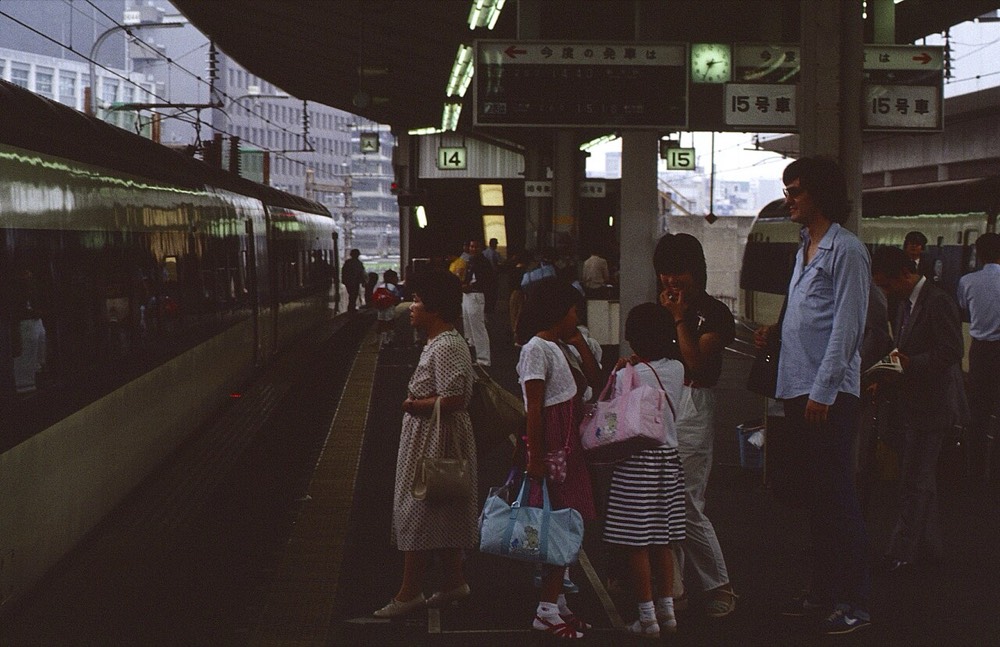
According to the Japan National Tourism Organization (JNTO), talking on the phone on trains and buses is considered rude however quietly you do it, and phones should be set to silent, while quiet conversation is fine[1]. Other basic rules on transport:
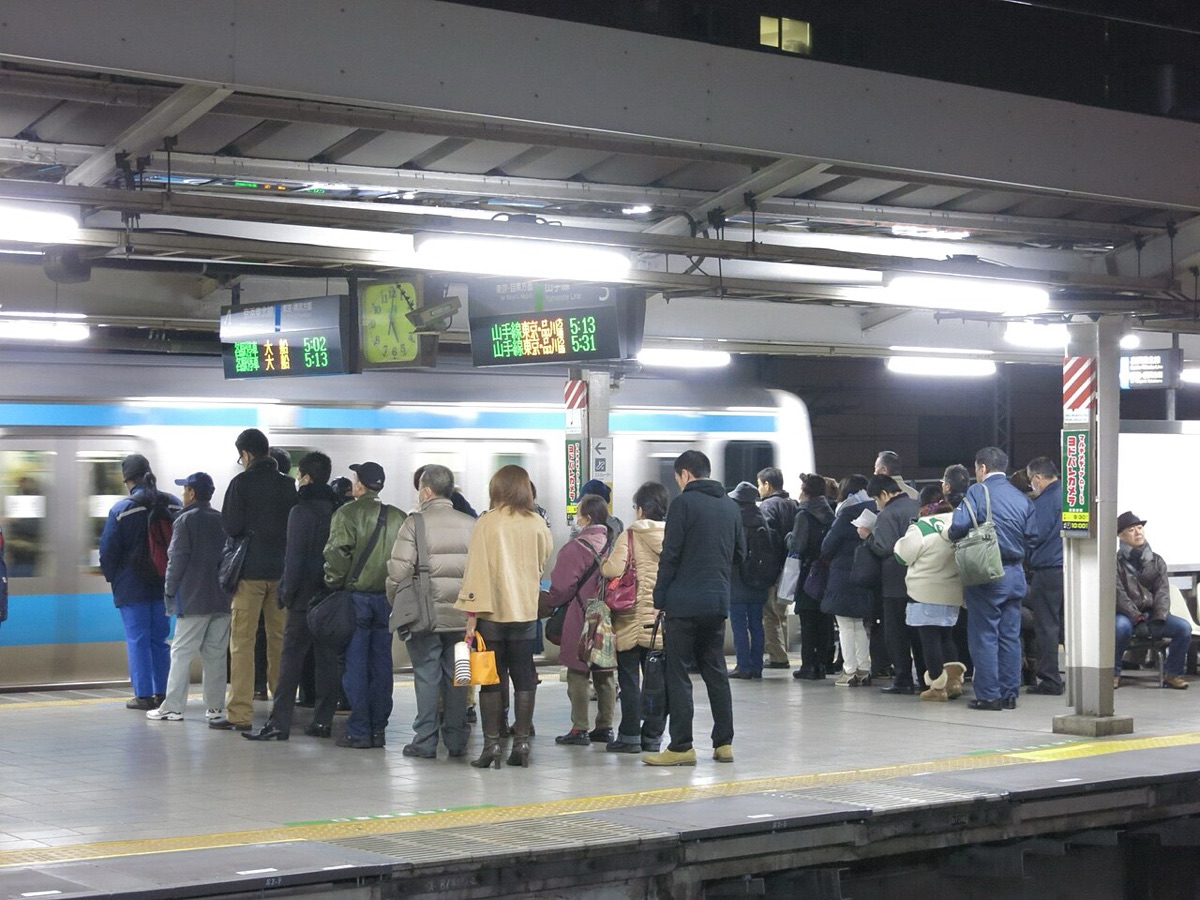
- Queue on the platform. Line up at the marks on the ground on either side of the doors, and wait for passengers to get off before boarding[1].
- Priority seats. Give them to older people, pregnant women, people with disabilities and others who need them[1].
- Take your backpack off or put it on the rack. Trains are packed at rush hour, and a big backpack worn on your back easily bumps into people.
- Women-only cars. Some lines have women-only cars during the morning rush, marked on the platform floor and on the car, so male travelers should be careful not to line up there.
- Eating on board. People generally do not eat on commuter trains, but eating a bento on the Shinkansen or on limited express trains is fine.
- Tapping through gates. Hold your transit IC card on the reader for about a second before moving on. For how to get a card, see the Suica guide for iPhone and Android.
Which side do you stand on an escalator in Japan?
The short answer: people customarily stand on the left in Tokyo and on the right in Osaka, but more and more places ask you to "stand and don't walk".
Standing left or right is just a local habit, not a rule. Railway operators have long urged people to stand firmly and not walk on escalators. Saitama Prefecture's escalator safety ordinance took effect on October 1, 2021, asking users to stand while riding, with no penalty[7], and Nagoya brought in a similar ordinance on October 1, 2023, asking people to stand on the step on either side without walking[6]. On your trip, the simplest approach is to stand behind the person in front and not rush on the escalator.
Trash and trash cans in Japan: why can't you find a bin?
The short answer: public trash cans are rare on Japanese streets, the principle is to take your own trash with you, and a small bag is the most practical thing to carry.
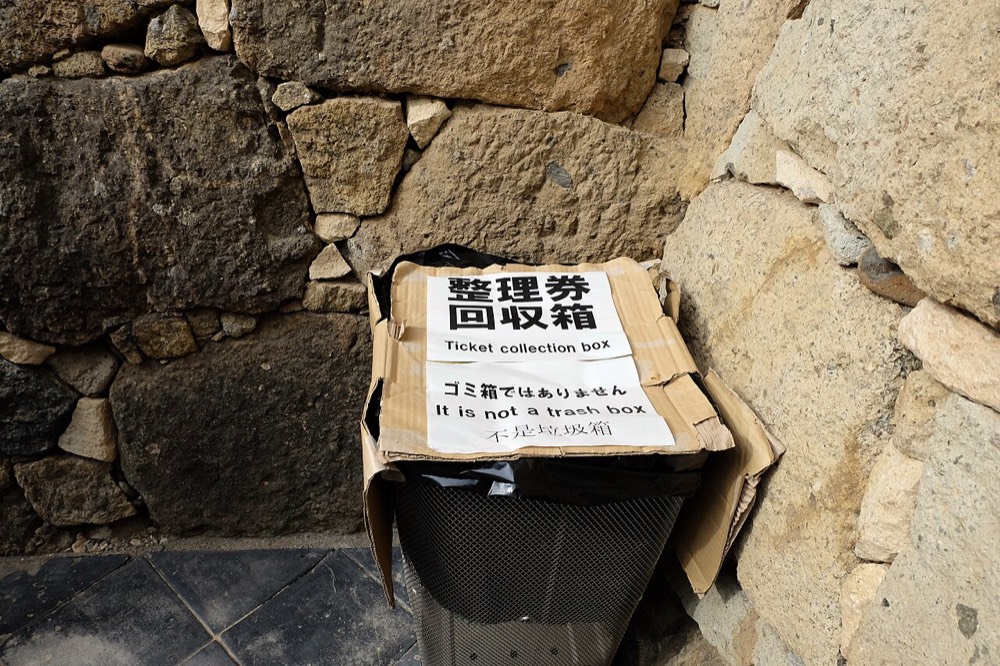
Tokyo's official tourism site GO TOKYO asks visitors to put trash in the sorted bins according to the signs, and if there is no bin nearby, to carry the trash until you find one[3]. In practice you can handle it like this:
| Type of trash | Common Japanese label | Where to throw it |
|---|---|---|
| General burnable trash (paper scraps, food wrappers) | 燃えるゴミ / 可燃ごみ | Hotel room, station bins |
| Plastic bottles | ペットボトル | Recycling box beside vending machines, stations |
| Aluminum cans, glass bottles | 缶・びん | Recycling box beside vending machines, stations |
| Non-burnable trash | 燃えないゴミ / 不燃ごみ | Follow the hotel or station signs |
The bins outside convenience stores are mainly for items bought in that store, so do not dump a whole day's trash in them. Separate the cap and label from plastic bottles, as many recycling boxes mark them separately.
Smoking: only in designated areas
JNTO explains that smoking areas in Japan are limited, and smoking while walking or dropping cigarette butts is prohibited and can bring a fine[1]. If you smoke, search your map app for "kitsuen-jo" (喫煙所) to find a designated area first.
Onsen etiquette in Japan: wash first, keep towels out of the water, and what about tattoos?
The short answer: always wash your body thoroughly before entering the bath and keep your towel out of the water; whether tattoos are allowed depends on each facility, so asking in advance is safest.
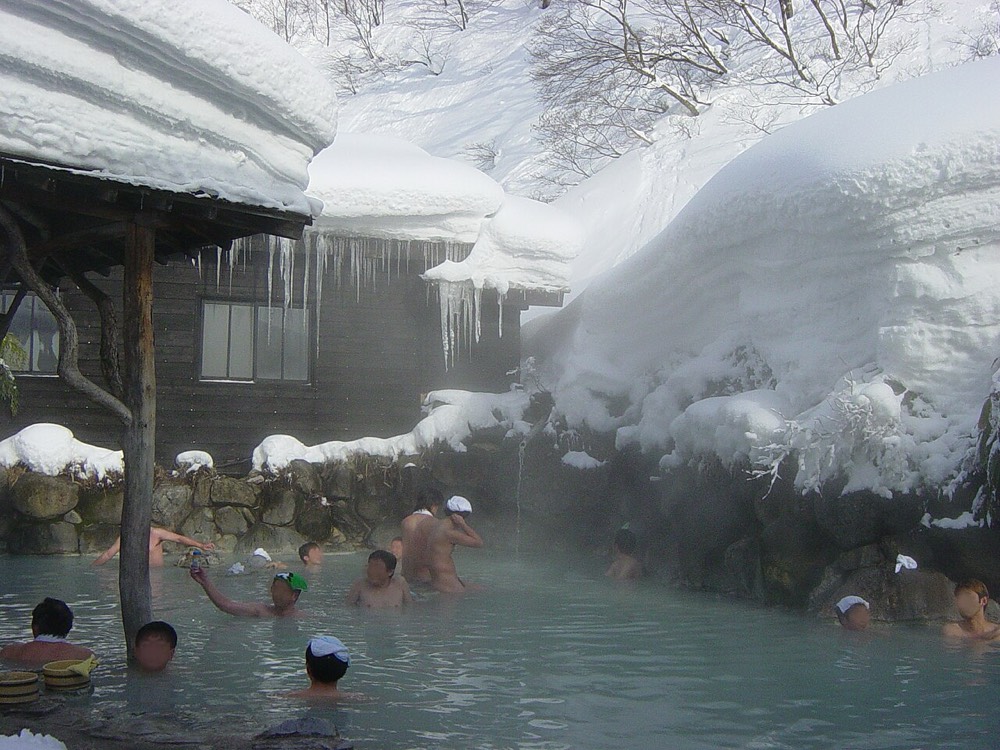
The basic onsen manners compiled by JNTO are as follows[1]:
- Most onsen are separated by gender, and you undress completely before entering the bathing area unless the facility requires swimwear or a bath garment (yuami-gi).
- Sit on the small stool at the washing area and wash thoroughly with soap, taking care not to splash others when rinsing.
- Keep your towel out of the bath; you can leave it at the edge or on your head.
- Tie up long hair so it does not touch the water.
- Onsen are for soaking, not swimming; the water can be very hot, so test it with your toes first and get out to rest after a while.
Tattoo rules at Japanese onsen
In a 2015 Japan Tourism Agency survey of inns and hotels across the country, of 581 facilities that responded, about 56% refused bathers with tattoos, about 13% allowed them with conditions, and about 31% had no restriction[4]. In March 2016 the agency compiled examples of how facilities cope, such as covering tattoos with patches, not specifically requiring it for palm-sized tattoos, guiding guests to quiet times, or recommending private baths (kashikiri-buro)[5].
Dining etiquette and tipping in Japan: do you tip?
The short answer: there is no tipping custom in Japan, so just pay the amount on the bill; a few basic habits at the table are enough.
JNTO states plainly that there is no custom of tipping in restaurants, bars, cafes, taxis or hotels in Japan; a thank-you gift may be accepted only in cases such as hiring a private guide or interpreter, and even then it is not required, and if you do give one, the custom is to put the money in an envelope[2]. Other dining notes:
- Before and after the meal: say "itadakimasu" (いただきます) before eating and "gochisosama deshita" (ごちそうさまでした) when finished[1].
- No doggy bags: restaurants in Japan generally do not let customers take leftovers away, so order only what you can finish[1].
- Slurping noodles is fine: the sound of slurping is widely accepted, though not required[1].
- Sushi: you can eat it with your hands or chopsticks; dip the fish side, not the rice, in soy sauce, and do not stir wasabi into the soy sauce dish. High-end sushi restaurants are more particular about this, while conveyor-belt sushi is far more relaxed[1].
- Chopsticks: do not stick chopsticks upright in rice or pass food from one pair of chopsticks to another, since both actions are linked to Japanese funeral customs.
- Appetizers at izakaya: many izakaya bring a small dish called "otoshi" (お通し) as soon as you sit down, and it is normally charged separately. This is standard practice, not a rip-off.
- Paying at the counter: at most restaurants you take the bill to the register near the door rather than paying at your seat.
Payment methods in Japan are becoming more varied. For how to prepare credit cards, transit IC cards and QR code payments, see the Japan payment guide.
Lodging, temple and photo etiquette
The short answer: take off your shoes at the entrance and use the special slippers in the toilet; ask before photographing people; do not walk into private lanes.
Ryokan and guesthouses
JNTO explains that at the entrance you take off your shoes, change into slippers and set your shoes neatly; you take off slippers before stepping on tatami; and the toilet usually has its own slippers, which you change out of when you leave[1]. Whether you can wear the yukata and slippers provided by a ryokan outside your room differs from inn to inn, so ask the front desk if you are not sure.
Photos and sightseeing
GO TOKYO advises asking permission before photographing people and not shooting where photography is prohibited[3]. In Kyoto's Gion area, because of tourists chasing geiko and maiko for photos, the local community has banned tourists from entering some private lanes since April 2024; Hanamikoji Street itself is a public road and can still be walked[8]. If you see a sign such as "private road, no thoroughfare" (私道につき通り抜け禁止), do not enter. For Kyoto sights and visiting hours, see Kyoto attractions.
If you are from Taiwan: Taiwan vs Japan habits that are easy to mix up
This table compares common habits in Taiwan with Japan, for readers coming from Taiwan:
| Situation | Common habit in Taiwan | What to watch for in Japan |
|---|---|---|
| Phone calls on the metro | Speaking quietly is usually fine | No phone calls on trains; phone on silent |
| Escalators | Stand on the right, walk on the left | Stand on the left in Tokyo and the right in Osaka; some places ask you to stand and not walk |
| Trash | Bins on the street | Few bins; take trash back to your hotel |
| Leftovers | Can be packed to go | Generally not allowed |
| Tipping | Mostly none; some restaurants add a service charge | No tipping |
| Eating while walking | Common at night markets | Usually eat at the shop front before moving on |
Pre-trip reminders: what to prepare before you go
- A small reusable trash bag and pocket wet wipes.
- Waterproof patches for a small tattoo.
- Shoes that are easy to take on and off, since temples, ryokan and some restaurants require you to remove them[1].
- Set your phone to silent as a habit, and pair that with the Tokyo transport guide to get used to transfers.
For the rest of your preparation, such as documents, internet and apps, go through the Japan trip checklist item by item.
FAQ
Can I use an onsen in Japan if I have a tattoo?
It depends on the facility. In a 2015 Japan Tourism Agency survey, about 56% of lodgings refused bathers with tattoos and about 31% had no restriction. Covering a small tattoo with a waterproof patch and asking in advance, or choosing a ryokan with a private bath (kashikiri-buro) or a bath in the room, is the approach least likely to get you turned away.
Which side should I stand on an escalator in Japan?
By custom people stand on the left in Tokyo, leaving the right side free, and on the right in Osaka. However, railway operators have long urged people to stand still and not walk, and Saitama Prefecture (2021) and Nagoya (2023) have passed ordinances asking people to stand. The safest approach is to follow the person in front of you and not walk.
Do I need to tip when eating in Japan?
No. The Japan National Tourism Organization says there is no tipping culture in restaurants, bars, taxis or hotels in Japan, and pushing money on staff can embarrass them. In a few cases, such as a private guide, a thank-you gift is possible, and the custom is to put the money in an envelope before handing it over.
What if I can't find a trash can in Japan?
Carry a small plastic bag and take your trash back to your hotel. The bins outside convenience stores are mainly for items bought in that store, and plastic bottles can go in the recycling bin beside a vending machine. Sort trash into burnable, plastic bottles, cans and so on.
Can I talk on the phone on a train in Japan?
It is best not to. The Japan National Tourism Organization notes that talking on the phone on trains and buses is considered rude, and phones should be set to silent (manner mode). Quiet conversation is fine. If you really must take a call, get off at the next stop or keep it brief in the space between cars.
Sources
- Japan National Tourism Organization (JNTO): Understanding and Mastering Japanese Manners and Etiquette: Taking off shoes, onsen, tattoos, dining, sushi, trains, smoking etiquette
- Japan National Tourism Organization (JNTO): Tipping in Japan: No tipping culture in Japan, kokorozuke
- GO TOKYO: Tips for Tokyo Sightseeing: Take your trash with you, ask before taking photos, queuing and noise
- Travel Voice: Japan Tourism Agency survey, about 30% of lodgings allow bathers with tattoos: 2015 survey: about 56% refuse, about 31% no restriction
- Travel Voice: Japan Tourism Agency compiles cases of accommodating foreign visitors with tattoos at baths: March 2016: covering with patches, private baths and other accommodations
- Nagoya City: Nagoya City Ordinance on Promoting Safe Use of Escalators: In force October 1, 2023, asks people to stand on the step and not walk
- Seijiyama: Saitama Prefecture rule requiring people to stand on escalators: Saitama Prefecture ordinance in force October 1, 2021
- Time Out Tokyo: Kyoto to limit tourist access in Gion geisha district: From April 2024, entry to some private lanes in Gion is banned
Fares, opening hours and event dates can change. Information checked on 2026.10.19; please confirm with official sources before you go.