Tokyo Food Guide 2026: Tsukiji Outer Market, Tsukishima Monjayaki, Ramen and Sushi
Tokyo food guide: Tsukiji Outer Market hours and rules, how to cook Tsukishima monjayaki, Tokyo ramen styles and ordering, sushi, and the 2026 Tokyo Ramen Festa dates.
Quick answer
Tokyo's food scene rests on four pillars: seafood at Tsukiji Outer Market in the morning (about 460 shops; go between 9:00 and 13:00, many shops close on Wednesdays, Sundays and holidays, and eating while walking is not allowed), monjayaki on Tsukishima Monja Street at night (over 80 specialty restaurants), ramen at Tokyo Ramen Street under Tokyo Station or around Shinjuku and Shimbashi, and the Tokyo Ramen Festa at Komazawa Park from October 30 to November 3, 2026, with meal tickets at 1,100 yen each.
A Tokyo food list that only names restaurants can easily leave you stuck in a queue or facing a closed door. This guide is organized by area and type of food instead: seafood at Tsukiji Outer Market in the morning, Tokyo's own monjayaki in Tsukishima at night, ramen any time of day, plus how to choose sushi, with opening hours and dining etiquette, so first-time visitors know where to go for each meal and how to eat.
Tokyo Food Overview: What to Eat at What Time
A single table gives you the rhythm of eating in Tokyo before you go into the details of each area.
| Food / place | Best time | Typical dishes | Things to note |
|---|---|---|---|
| Tsukiji Outer Market | 9:00 to 13:00 | Seafood rice bowls, tamagoyaki, oysters, tuna | Many shops closed Wed, Sun and holidays; no eating while walking |
| Toyosu Market | Early morning to midday | In-market sushi, seafood restaurants | Closed on market holidays |
| Tsukishima Monja Street | Lunch to dinner | Monjayaki, okonomiyaki | Popular shops have queues; reservations possible |
| Ramen | All day | Shoyu, shio, miso, tonkotsu | Mostly ordered at ticket machines |
| Sushi | All day | Conveyor-belt, standing and counter sushi | Upscale restaurants need reservations |
How to Eat at Tsukiji Outer Market: Hours, Closing Days and Rules
Tsukiji Outer Market is the first stop on any Tokyo food list. After the wholesale market moved to Toyosu in 2018, the outer market next door kept about 460 shops, from seafood rice bowls and sushi breakfasts to dried goods and kitchenware[1].
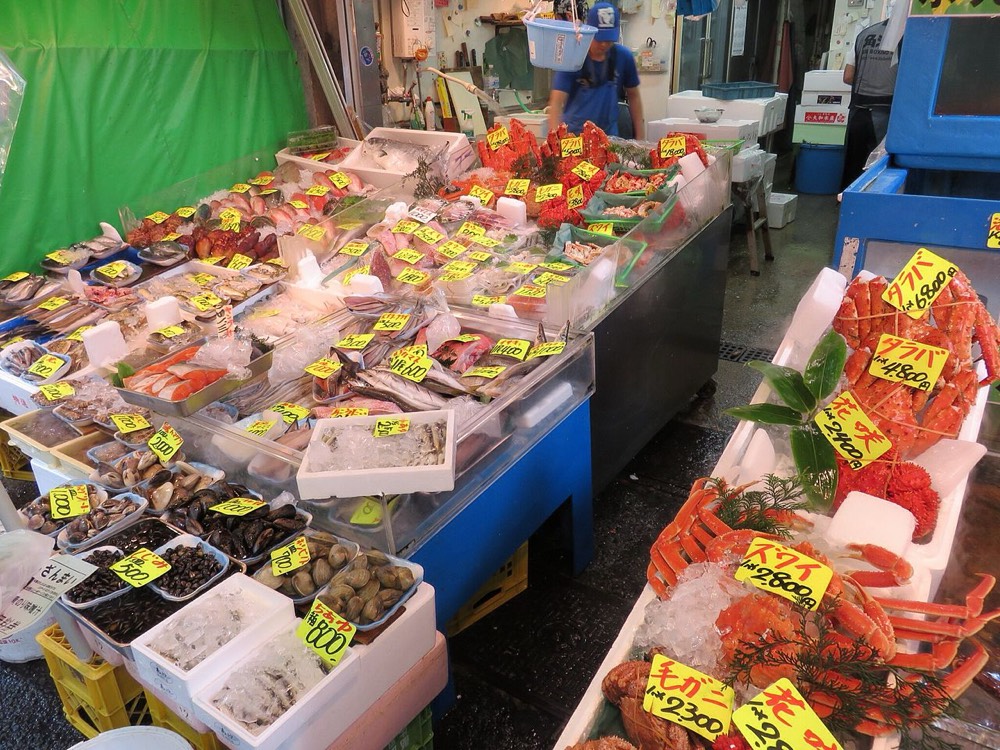
When to go? GO TOKYO recommends visiting between 9:00 and 13:00, when it is liveliest; most shops close before the evening, and Wednesdays, Sundays and national holidays are market holidays when many shops are closed[1]. The market's own site also reminds visitors that before 9:00, professional buyers have priority, so arriving later as a tourist keeps you out of their way[2].
Dining rules you must follow:
- No eating while walking. Finish your food inside the shop, in front of it or in designated areas[2].
- Do not touch the products. Handling fresh food lowers its value, so ask the staff if you need help[2].
- Ask before taking photos. Some shops post no-photography signs[2].
- Bring cash. Cashless payment is spreading, but quite a few shops still take cash only[1].
- Avoid moving in large groups. The lanes are narrow and the shops small, so split up when it is crowded[1].
What should you eat? Common outer-market foods include tamagoyaki skewers, seafood rice bowls, tuna bowls, grilled seafood and oysters. The 3rd floor of the Tsukiji Uogashi building inside the market has a food area that opens at 7:00 a.m.[1].
Toyosu Market: Tuna Auction Viewing and In-Market Sushi
If you want to see a real wholesale market, head to Toyosu Market, which opened in October 2018. General visitors can use the viewing walkways and eat at the restaurants inside; GO TOKYO lists 38 restaurants in the market, plus "Uogashi Yokocho", with about 70 shops[7].
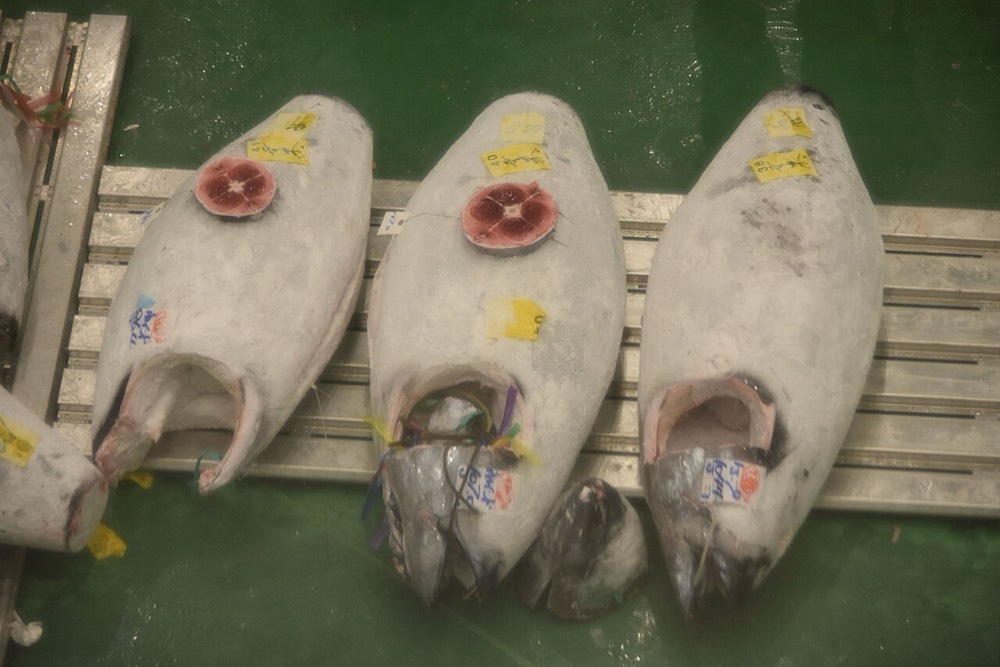
You can watch the tuna auction through glass from the viewing walkway; for a closer viewing platform, you must enter an advance lottery on the official site, with no on-site queue. The market cannot be entered on its holidays, so check Toyosu Market's official calendar before you go. teamLab Planets is next door and can be done the same morning; for sightseeing information, see Tokyo attractions.
Tsukishima Monja Street: How to Order and Cook Tokyo's Local Dish
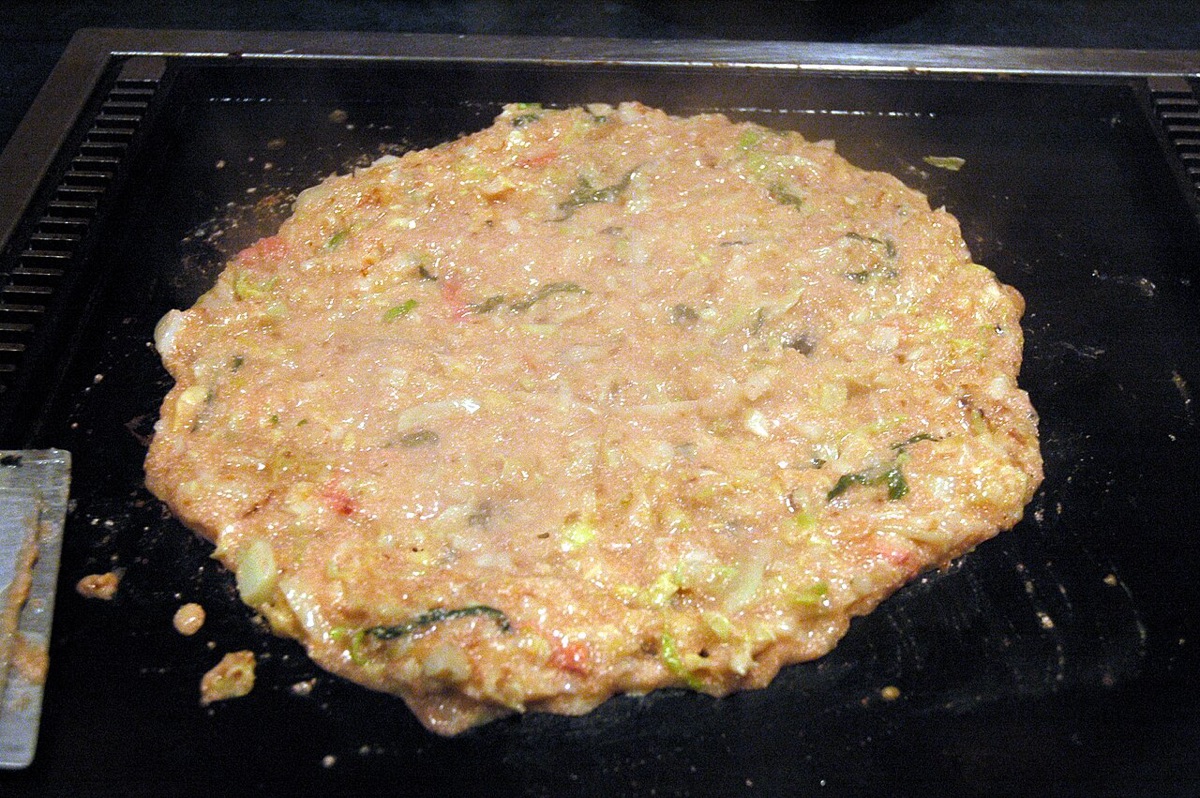
Monjayaki (もんじゃ焼き) is a signature downtown Tokyo dish, and Tsukishima is the recognized home of monja. GO TOKYO describes Tsukishima Monja Street as having more than 80 specialty restaurants[3], about 50 of which belong to the "Tsukishima Monja Promotion Association"[4]. Exit Tsukishima Station on the Tokyo Metro Yurakucho Line or the Toei Oedo Line and you are on the main street, Nishinakadori shopping street.
How do you cook it? Most restaurants will show you, but watching once first keeps you calmer. Following the method GO TOKYO describes[3]:
- The staff bring two bowls: one with the batter (flour and dashi stock), the other with cabbage and other ingredients.
- Oil the griddle and stir-fry the ingredients first.
- Once the ingredients are cooked, arrange them in a ring like a doughnut, leaving a hole in the middle.
- Pour the batter into the center and, when it thickens a little, mix it with the ingredients and spread it flat.
- Scrape up small bites straight from the griddle with a small spatula (はがし).
Common flavors include mentaiko mochi cheese, seafood and curry, and most shops also sell okonomiyaki so you can compare the two. GO TOKYO lists normal hours as about 11:00 to 20:00, varying by season[3]. Popular shops often have queues at dinner time, and the association's site offers reservations for member shops[4].
Tokyo Ramen: Broth Types, How to Order and Where to Eat
GO TOKYO counts more than 10,000 ramen shops in Tokyo[5]. With so many choices, it helps to start by learning the broths.
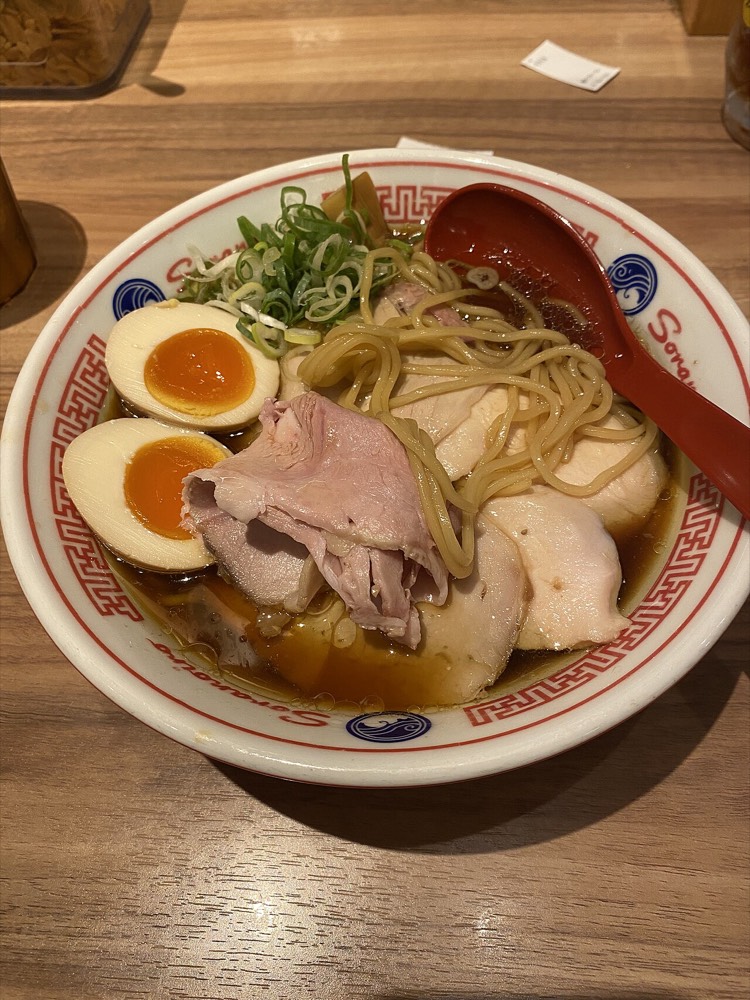
The Four Main Tokyo Ramen Broths
According to GO TOKYO's ramen guide, ramen broths fall mainly into four types: shio (salt), tonkotsu (pork bone), shoyu (soy sauce) and miso[5], with variations such as chicken paitan, seafood and shrimp broths. Tokyo's traditional signature is the light shoyu ramen, and tsukemen (つけ麺, dipping noodles), popular in recent years, is also worth trying.
How to Order Ramen
- Look for the ticket vending machine when you enter, insert money or pay, and press the item you want[5].
- Hand the ticket to the staff; some shops will ask how firm you want the noodles or how rich the broth.
- The table usually has vinegar, chili oil, crushed garlic and other seasonings to add yourself.
- Slurping noodles is fine; leave quickly after you finish so the next person in line can sit down[5].
Where to Eat Ramen
- Tokyo Ramen Street: in Tokyo Station Ichibangai, underground on the Yaesu side of Tokyo Station, with about 10 ramen shops. GO TOKYO lists the hours as 10:00 to 22:00 (varying by shop)[8].
- Around Shinjuku and Shimbashi: GO TOKYO notes that Shimbashi is packed with after-work ramen diners, and the side streets near Shinjuku Station also have many famous shops[5].
- Chains: Ichiran's partitioned seats and AFURI's yuzu shio broth are familiar choices for travelers[5].
How to Eat Sushi in Tokyo: Three Budget Options
Tokyo sushi ranges from cheap to top-end, and falls into three types by budget:
| Type | Features | Best for |
|---|---|---|
| Conveyor-belt sushi | Tablet ordering, clear prices, mostly no reservation needed | Tight budgets, families with kids |
| Standing sushi | Eat standing, order piece by piece, quick | Those who want a chef's hand-pressed sushi without spending much |
| Counter sushi (omakase) | The chef serves according to the day's catch | Those who want to experience Edo-style sushi; book early |
A sushi breakfast around Tsukiji Outer Market and Toyosu Market is also a classic choice. Upscale sushi restaurants mostly require reservations and often have cancellation fees, so read the terms before booking.
Before You Go: How to Plan Tokyo Meals Smoothly
- Tsukiji for breakfast, Tsukishima for dinner. Both are in Chuo City and close by subway, so you can combine them with Ginza and Toyosu on the same day.
- Avoid Wednesdays and Sundays at Tsukiji. Many shops are closed, so the chance of a wasted trip is high.
- Bring cash. Markets, old shops and some ramen shops still mostly take cash; for payment options, see the Japan payment guide.
- Follow dining etiquette. Queue properly, do not eat while walking and do not take photos without permission; more in Japan travel etiquette for first-time visitors.
- To fit the food into a full itinerary, see the 5-day, 4-night Tokyo itinerary.
FAQ
What time is best to visit Tsukiji Outer Market?
GO TOKYO recommends going between 9:00 and 13:00, when it is liveliest; most shops close before the evening. Before 9:00 is the time when professional buyers have priority, so visiting a little later as a tourist avoids getting in the way of shop operations.
Can I eat while walking in Tsukiji Outer Market?
No. The market asks visitors to eat inside shops, in front of the shop or in designated areas, because eating while walking blocks the narrow lanes. Finish your snack at the stall where you bought it and hand your trash back to that shop.
What is the difference between monjayaki and okonomiyaki?
Monjayaki batter has more dashi stock, so it cooks into a thin, sticky layer that you scrape off the griddle bit by bit with a small spatula. Okonomiyaki is a thick, hearty pancake. Many Tsukishima restaurants serve both, so you can compare them in one meal.
How do I order at a ramen shop in Tokyo?
Many ramen shops have a ticket vending machine at the entrance. Insert cash or pay, buy a ticket and hand it to the staff. Buttons are mostly in Japanese, so go by the photos and prices beside them, or simply ask the staff if you are unsure. Leaving quickly after you finish is basic courtesy.
When is the Tokyo Ramen Festa 2026?
GO TOKYO announces that Tokyo Ramen Festa 2026 runs from October 30 to November 3 at Komazawa Olympic Park in Setagaya. Entry is free, ramen meal tickets are 1,100 yen each (tax included), and food service starts at 11:00.
Sources
- GO TOKYO: Tsukiji Outer Market: Number of shops, recommended hours, closing days and dining rules
- Tsukiji Outer Market official site: Manners for Enjoying Tsukiji: Buyer priority before 9:00, no eating while walking and other rules
- GO TOKYO: Tsukishima Monja Street: Number of shops, how to cook monjayaki, opening hours
- Tsukishima Monja Promotion Association official site: Number of member shops and shop introductions
- GO TOKYO: Oodles of Noodles, a Guide to Eating Ramen in Tokyo: Number of ramen shops in Tokyo, the four broth types, ordering at ticket machines
- GO TOKYO: Tokyo Ramen Festa 2026: Dates, venue and meal ticket price
- GO TOKYO: Toyosu Market: Number of in-market restaurants and tuna auction viewing
- GO TOKYO: Tokyo Station Ichibangai: Number of shops and opening hours at Tokyo Ramen Street
Fares, opening hours and event dates can change. Information checked on 2026.10.19; please confirm with official sources before you go.