Where to Stay in Osaka: Pick by Airport Route and Day-Trip Direction, Then Choose Namba, Umeda, Shin-Osaka or Tennoji
Where to stay in Osaka depends on your Kansai Airport train and day trips to Kyoto, Nara or Kobe: travel times, who each area suits, booking mistakes, hotel tax.
Quick answer
Where to stay in Osaka comes down to your airport route and day-trip direction. Using Nankai and mainly eating and shopping? Stay in Namba-Shinsaibashi (Rapi:t to Kansai Airport in 34 minutes at the fastest). Heading to Kyoto and Kobe often? Stay in Umeda-Osaka Station (JR Special Rapid to Kyoto about 28 min, to Sannomiya about 21 min). Choose Shin-Osaka for the shinkansen, and Tennoji for Nara trips and a tighter budget (JR to Nara about 33 min). Osaka's accommodation tax is 200-500 yen per person per night from 5,000 yen.
Where to stay in Osaka is a different question from most cities, because many visitors are not only seeing Osaka: Kyoto, Nara and Kobe are all within an hour, and the trains to each one leave from different stations. On top of that, Kansai Airport has two rail lines, Nankai and JR, which arrive at opposite ends of the city, so the wrong area can mean an extra change every single day. Rather than touring each neighbourhood's sights, this guide filters areas with two questions, how you get in from the airport and which way your day trips go, then covers who each area suits and doesn't, the most common mistakes when booking a hotel in Osaka, and how the accommodation tax works.
The short answer: where to stay in Osaka by type of trip
Bottom line: most people only need to choose between Namba-Shinsaibashi and Umeda-Osaka Station; consider the other areas only for a specific need.
- First visit, mostly eating and shopping in Osaka itself: Namba-Shinsaibashi. Nankai runs direct from Kansai Airport, and Dotonbori is a walk away in the evening.
- Two or more day trips to Kyoto or Kobe: Umeda-Osaka Station. JR, Hankyu and Hanshin trains to Kyoto and Kobe all start here.
- Arriving or leaving by shinkansen, or staying only a night or two: Shin-Osaka.
- Going to Nara, on a tight budget, or taking kids to the zoo: Tennoji-Abeno.
- Noise-sensitive, combining business with leisure, or staying a week or more: Honmachi-Yodoyabashi.
- A trip built around Universal Studios Japan: around Universal City Station or Bentencho.
- Night owls who want late food and shops open after 11 p.m.: between Dotonbori and Shinsaibashi, as long as you accept weekend-night noise.
- Winter or rainy-season trips: Umeda's underground malls and the covered Shinsaibashi-suji arcade keep you dry, so both areas work well.
If you are still undecided, ask yourself one question: how many days of this trip leave Osaka? For 0-1 days choose Namba; for 2 or more choose Umeda. That rule fits most itineraries.
Using Osaka as a base for Kyoto, Nara and Kobe: which station for which direction?
Bottom line: fast trains to Kyoto and Kobe concentrate in Umeda, while Nara is quickest from Namba (Kintetsu) and Tennoji (JR), so your day-trip direction decides whether you should stay north or south.
Central Osaka splits into Kita in the north (Umeda and Osaka Station) and Minami in the south (Namba, Shinsaibashi, Dotonbori), linked by the Midosuji subway line; Umeda to Namba is just 4 stops on one train. The real gap is in trains leaving the city: JR, Hankyu and Hanshin services toward Kyoto and Kobe all start in Umeda, Kintetsu trains to Nara leave from Osaka-Namba, and the JR Yamatoji Line is fastest from Tennoji.
The table below uses the fastest weekday daytime times published by JR West[8], so you can match it to your plan.
| Base | To Kyoto | To Nara | To Kobe Sannomiya | To Kansai Airport |
|---|---|---|---|---|
| Umeda-Osaka Station | JR Special Rapid about 28 min; Hankyu to Kyoto-Kawaramachi about 43 min | Requires a change via the Osaka Loop Line, slower than from Tennoji | JR Special Rapid about 21 min; Hankyu about 27 min; Hanshin about 31 min | Limousine bus about 60 min[9]; JR HARUKA direct |
| Namba-Shinsaibashi | Take the Midosuji Line to Umeda first, then change | Kintetsu Rapid Express about 35 min (limited express about 33 min) | Through trains on the Hanshin Namba Line, no change | Nankai Rapi:t 34 min at the fastest[4] |
| Shin-Osaka | One stop on the Tokaido Shinkansen; JR Special Rapid also stops | Not on the way | JR Special Rapid direct | JR HARUKA about 50 min[7] |
| Tennoji | Change heading north | JR Yamatoji Rapid about 33 min | Change heading north | JR HARUKA about 31 min; Kansai Airport Rapid about 49 min |
| Yodoyabashi-Honmachi | Keihan from Yodoyabashi to the Sanjo area of Kyoto about 50 min | Midosuji Line to Namba, then Kintetsu | Midosuji Line to Umeda, then change | Midosuji Line to Namba, then Nankai |
A few things the table makes clear:
- Osaka Station is the fastest start for a Kyoto day trip, about 28 minutes by JR Special Rapid; Hankyu takes about 43 minutes but drops you right at Shijo-Kawaramachi in the centre, which is often handier for sightseeing[8].
- Namba or Tennoji is best for a Nara day trip. Kintetsu runs from Osaka-Namba straight to Kintetsu-Nara Station, a walk from Nara Park; JR arrives at JR Nara Station, a little farther from the park[8]. See the Nara day trip guide for details.
- Kobe is easy from anywhere: Umeda has three lines and Namba has through trains on the Hanshin Namba Line, so a Kobe day trip is no reason to change area.
- Yodoyabashi is an overlooked Kyoto start. Keihan trains leave from Yodoyabashi and stop near Fushimi Inari and Gion-Shijo, which suits anyone exploring Kyoto's east side.
If you are heading out of the city every day, your choice of rail pass matters more than your area, so first check whether the Kansai Area Pass pays off.
Kansai Airport: Nankai serves Namba, JR serves Tennoji and Shin-Osaka
Bottom line: Kansai Airport has two rail lines that reach opposite ends of Osaka, so factor your airport days into your choice of area and skip a luggage-dragging transfer.
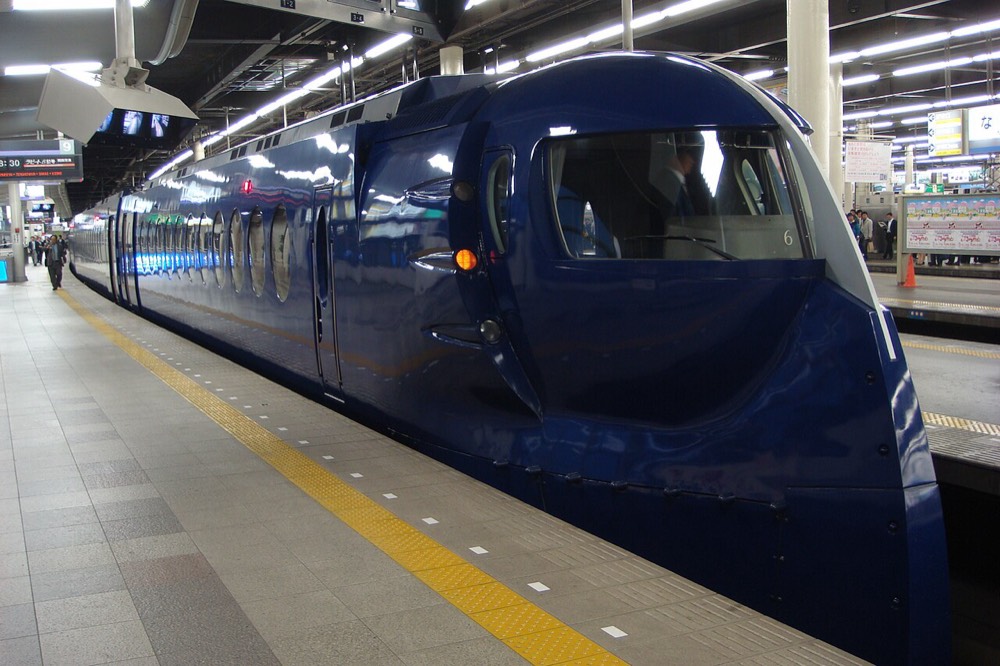
Nankai runs from Kansai Airport straight to Nankai Namba Station, with the Rapi:t limited express taking 34 minutes at the fastest[4]; since April 2026 the limited express charge is 700 yen, or 550 yen ticketless online[5]. If you don't want to pay the charge, the Airport Express also runs. JR West's HARUKA limited express heads north instead: according to the official timetable, it takes about 31 minutes to Tennoji, about 50 minutes to Shin-Osaka and about 78 minutes to Kyoto[7], and it also stops at Osaka Station. The discounted HARUKA One-way Ticket is only for foreign-passport holders entering as short-term visitors, and its price changed for tickets sold from November 1, 2026, so check JR West's site before buying[6].
| Area | Most direct airport link | Journey (approx.) | Change needed after arrival? |
|---|---|---|---|
| Namba-Shinsaibashi | Nankai Rapi:t / Airport Express | 34-45 min | Not if you stay by Nankai Namba Station; one subway stop or a walk to Shinsaibashi |
| Tennoji-Abeno | JR HARUKA / Kansai Airport Rapid | 31-49 min | No |
| Shin-Osaka | JR HARUKA | About 50 min | No |
| Umeda-Osaka Station | Limousine bus / JR HARUKA | Bus about 60 min | The bus stops outside Osaka Station; HARUKA uses the underground platforms at Osaka Station |
| Universal Studios area | Limousine bus | About 50 min to 1 hr 10 min[10] | No |
For fare comparisons, IC cards and late-night arrivals, see the full Kansai Airport to Osaka transport guide. The one point that matters for choosing a hotel: Nankai Namba, Kintetsu Osaka-Namba, the subway's Namba Station and JR Namba are four separate stations, and JR Namba sits off to the west, so when booking check "minutes from Nankai Namba Station" rather than just "Namba".
Fun next to Dotonbori, but noisy: how to pick a quiet room in Namba-Shinsaibashi
Bottom line: Namba-Shinsaibashi is the top pick for where to stay in Osaka, but the closer to Dotonbori, the louder it gets; light sleepers should move a street or two north or east.
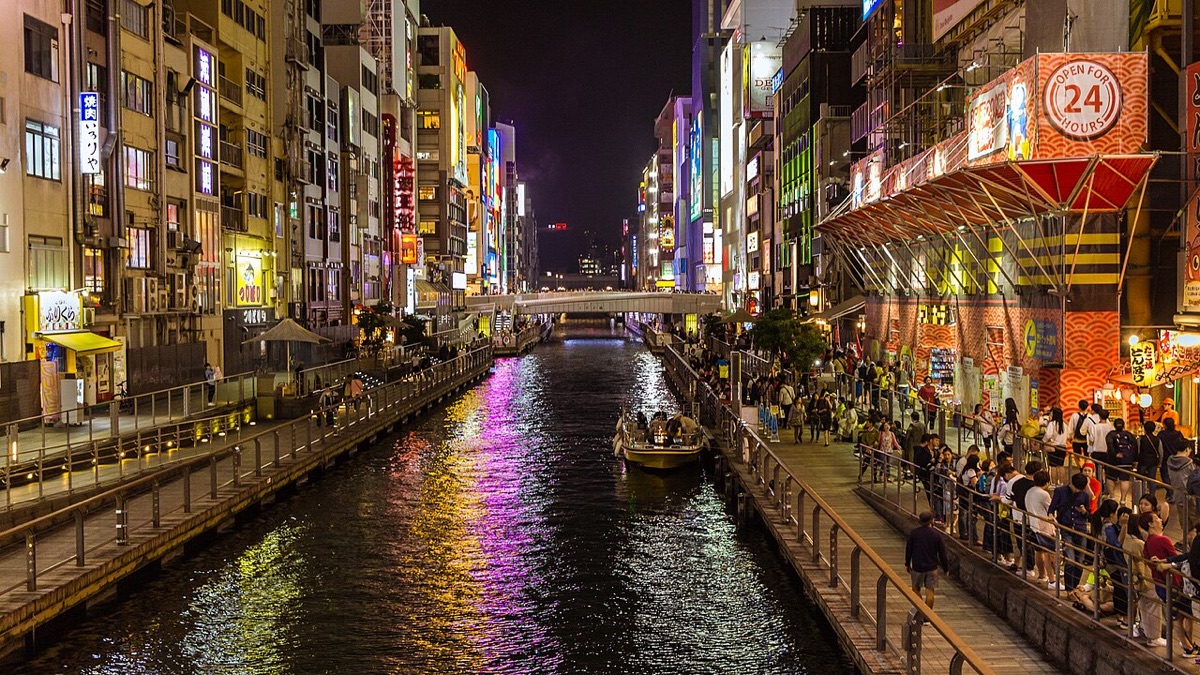
Namba is Osaka's liveliest district, with Dotonbori, the Shinsaibashi-suji arcade, Kuromon Market and the Nipponbashi electronics strip all within walking distance, and streets still busy with open restaurants after 10 p.m. Check the Osaka food guide for what to eat; Kuromon Market and Sennichimae are an easy morning walk.
Who it suits:
- First-timers who want Dotonbori every evening, with kushikatsu and takoyaki.
- Travellers using Nankai to and from Kansai Airport who want to step off the train into their hotel.
- Anyone with a Nara day trip planned on Kintetsu.
- Night owls who like a city where places stay open late.
Who it doesn't suit:
- Noise-sensitive travellers who need an early night. Crowds and shop music around Dotonbori and Ebisubashi continue late on weekends, hitting low-floor street-facing rooms hardest.
- People visiting Kyoto on several days, who must ride to Umeda and change every time.
- Anyone hauling big luggage who doesn't know the stations. Namba has many stations and complex underground passages, and taking the wrong exit is common.
How to find somewhere quieter: north of Shinsaibashi and around Nagahoribashi, about a 10-minute walk from Dotonbori, nights are noticeably calmer, and the Nipponbashi side to the east is also a little removed from the main street. Check whether rooms face the street, and use the booking notes to request a high floor away from the street.
Umeda and Shin-Osaka: stay north for Kyoto, Kobe and the shinkansen
Bottom line: stay in Umeda if you have many Kyoto or Kobe day trips or hold a JR pass; stay in Shin-Osaka if you arrive or leave by shinkansen for a night or two, but not for the whole trip.
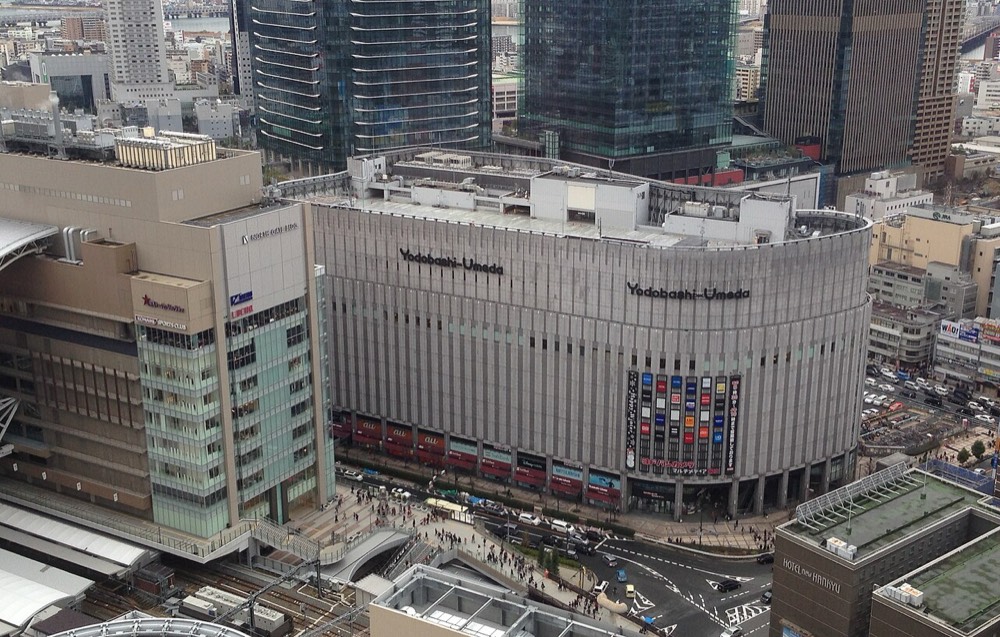
Umeda brings together JR Osaka Station, the Hankyu and Hanshin Osaka-Umeda stations, and three subway stations: Umeda, Higashi-Umeda and Nishi-Umeda. Department stores and underground malls connect to each other, so in rain, winter cold or summer heat you can make most moves indoors. The downsides: Umeda's underground is a maze that sends first-timers in circles, and hotels directly above or connected to Osaka Station are usually pricier.
Umeda suits: those with a day or more each in Kyoto and Kobe; JR pass holders; anyone taking a direct train from Osaka Station to Universal Studios Japan; rainy-day or winter travellers who prefer indoor routes.
Umeda doesn't suit: people who only want to eat and drink around Namba and Dotonbori, who would ride the subway there and back every night; travellers on a very tight budget.
Shin-Osaka is the stop for the Tokaido and Sanyo Shinkansen, one stop from Kyoto by shinkansen, and JR HARUKA also calls here. The area is mostly business hotels and quiet at night, but there are few places to eat outside the station. It works best at the start or end of a trip: the first night after arriving by shinkansen from Tokyo, Hiroshima or Kyushu, or the last night before an early shinkansen. Stay here for the whole trip and Namba is 7 stops away on the Midosuji Line, which adds up every day.
Tennoji, Honmachi and the bay area: budget, quiet and Universal Studios
Bottom line: none of these is the first pick for a first visit to Osaka, but each solves one need: saving money, peace and quiet, or Universal Studios.
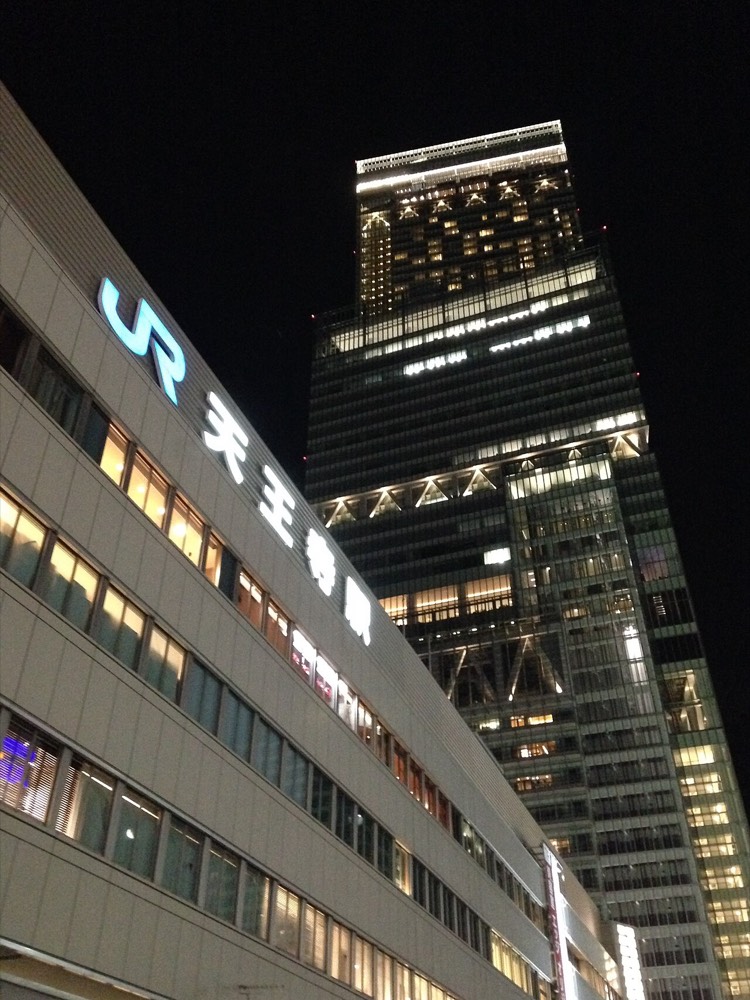
Tennoji-Abeno: JR trains to Kansai Airport and Nara both start here, Kintetsu Osaka-Abenobashi Station opposite runs to Yoshino, and Namba is 3 stops on the Midosuji Line. Next to the station are the Abeno Harukas department store and observatory and Tennoji Zoo, with Tsutenkaku and Shinsekai a walk away, which makes it handy with children; pair it with the Osaka attractions guide. Note that west of Tennoji, around Shin-Imamiya and Dobutsuen-mae, there are many very cheap lodgings with a more working-class feel and darker streets at night; first-timers and families should look east of Tennoji Station or around Abeno first.
Honmachi-Yodoyabashi: a business district between Umeda and Namba that is very quiet at night, with plenty of business and apartment hotels, suited to light sleepers and stays of a week or more. Yodoyabashi has Keihan trains to Kyoto, and Honmachi has the Chuo subway line to Osaka Castle and Osaka Port. The downside is that many nearby restaurants close at weekends and in the evening, so dinner usually means heading to Shinsaibashi or Umeda.
Universal City Station area and Bentencho: hotels by Universal City Station are a few minutes' walk from the park, you can rest in your room at midday, and there is a direct limousine bus from Kansai Airport[10]. For just one day at the park, Bentencho, where the JR Loop Line meets the Chuo subway line, gives more flexibility, with both Universal Studios and the Kaiyukan aquarium close by. For tickets and Express Passes, see the Universal Studios Japan guide.
6 common mistakes when booking a hotel in Osaka
Bottom line: most Osaka mistakes aren't about choosing the wrong area but misreading station names, underestimating noise, or forgetting the accommodation tax and cleaning fees.
- Booking on "Namba" or "Umeda" alone: each name covers several separate stations. JR Namba sits off to the west, and Nishi-Umeda or Higashi-Umeda are several minutes' walk from JR Osaka Station, so check the distance to the station you will actually use most.
- Staying in Shin-Osaka for the whole trip: chosen for price or shinkansen access, it means riding the subway to Namba for dinner and back every night.
- Staying on Dotonbori's main street when noise bothers you: soundproofing in nightlife-district hotels varies widely, so read reviews for mentions of noise and ask for a room away from the street.
- Spending several days in Kyoto while based in Namba: an extra change every day wears you down. For that kind of trip move your base to Umeda or spend a few nights in Kyoto; see where to stay in Kyoto.
- Booking an unregistered private rental: because of neighbourhood problems such as noise and rubbish, Osaka City stopped accepting new special-zone minpaku applications on May 29, 2026[11]. When booking an apartment stay or minpaku, check that the listing shows a Hotel Business Act licence, special-zone minpaku certification or a registered private-lodging number, and confirm the self check-in procedure.
- Assuming prepaid means nothing more to pay: accommodation tax and cleaning fees are often extra, and a booking-site prepayment may not include the tax, so you may have to pay it on site[1].
How is Osaka's accommodation tax calculated? 0-500 yen per person per night
Bottom line: since September 1, 2025, Osaka Prefecture's accommodation tax is tiered by the room rate per person per night, at 200-500 yen from 5,000 yen, paid to the property at check-in[1].
| Room rate per person per night (excl. meals and consumption tax) | Tax (per person per night) |
|---|---|
| Under 5,000 yen | No tax |
| 5,000 to under 15,000 yen | 200 yen |
| 15,000 to under 20,000 yen | 400 yen |
| 20,000 yen or more | 500 yen |
The tax applies to hotels, ryokan and simple lodgings, as well as special-zone minpaku and private rentals registered under the Private Lodging Business Act; the taxable rate includes bedding fees and a rental's cleaning and service fees, but excludes meals, consumption tax and voluntary tips[2]. Students and accompanying teachers on school trips are exempt[2].
The key word is "per person": with whole-room pricing, divide the room total by the number of guests, and on a plan with meals, first subtract the amount equivalent to the meals[3]. For example, two people in a 24,000-yen double room for one night (before tax, no meals) pay 12,000 yen each, which falls in the 200-yen band, so 400 yen in total for the night; if one person stays in the same room alone, it falls in the 24,000-yen band at 500 yen a night. If you also stay in Kyoto, the city's rates work differently; see Kyoto accommodation tax 2026.
Osaka plus Kyoto: should you switch hotels mid-trip?
Bottom line: if Kyoto gets only 1-2 days, staying in Umeda for the whole trip is simplest; if Kyoto gets 3 days or more, or you want temples early before the crowds, split it into "some nights in Osaka plus some in Kyoto".
Fast trains between Osaka and Kyoto run frequently, so day-tripping to Kyoto from Osaka is common, with the advantage of moving your luggage only once and having plenty of dinner options back in Osaka. But popular sights in Higashiyama and Arashiyama are far quieter in the morning, so if early-morning Kiyomizu-dera or Fushimi Inari is your top priority, staying in Kyoto saves the morning commute.
The smoother split is usually Kyoto first, then Osaka, with the last night in Namba or Tennoji so you can take Nankai or JR straight to Kansai Airport the next day. To switch hotels without dragging luggage, use a Japan luggage delivery service to send big bags straight to your next stay. For a 5-day trip, look at the 5-day Osaka itinerary first, then decide which nights go where.
FAQ
If I visit both Osaka and Kyoto, should I split my hotels?
If Kyoto gets only 1-2 days, staying in Umeda for the whole trip is enough: the JR Special Rapid reaches Kyoto in about 28 minutes and you never move your luggage. If you want early mornings at Kiyomizu-dera or Fushimi Inari before the crowds, or Kyoto gets 3 days or more, split off 1-2 nights in Kyoto.
I land at Kansai Airport late at night. Where should I stay?
Stay right next to the station served by the train you will take. On Nankai, pick a place a few minutes from Nankai Namba Station; on JR HARUKA, pick one beside Tennoji or Shin-Osaka Station. Late-night services are thinner, so check the last train before you fly and avoid hotels that need another subway change.
Is it noisy staying right next to Dotonbori?
Streets facing the Dotonbori canal and Ebisubashi stay busy with crowds and shop music late on weekend nights, so light sleepers may struggle. To stay in Namba but sleep well, look north of Shinsaibashi, around Nagahoribashi, or toward Nipponbashi a street or two off the main drag, and ask for a high, non-street-facing room.
Who do I pay the Osaka accommodation tax to, and do I still pay if I prepaid online?
You pay the tax to the property at check-in. If you prepaid through a booking site, that payment may not include the tax, so you may have to pay it on site; how this is handled depends on the property, so you can email them before arrival to check.
Is it worth staying next to Universal Studios Japan with kids?
If you want to queue for opening, rest in your room at midday, or have young children, staying near Universal City Station saves the most energy. If you are going for one day and spending the rest of the trip in the city, Umeda or Bentencho is a quick change away and offers more choice of rooms.
Sources
- Osaka Prefecture | For guests staying at accommodation in Osaka: Tax rates from September 1, 2025, how to pay, handling of booking-site prepayments
- Osaka Prefecture | Accommodation Tax (overview): Taxable facilities (including special-zone and registered private rentals), what the room charge covers, school-trip exemption
- Osaka Prefecture | Examples of the room charge: Plans with meals, whole-room pricing, how children are counted
- Nankai Electric Railway | Kansai-Airport Station Access Guide: Rapi:t from Kansai Airport to Namba in 34 minutes at the fastest
- Nankai Electric Railway | New limited express charges from April 1, 2026: Rapi:t limited express charge 700 yen, 550 yen ticketless online
- JR West | HARUKA One-way Ticket: Eligibility (foreign short-term visitors) and price change for tickets sold from November 1, 2026
- JR West | HARUKA timetable (English): Departure and arrival times from Kansai Airport to Tennoji, Shin-Osaka and Kyoto
- JR West | Fact Book 2026 (main Keihanshin routes compared with other railways): Distances, fares and fastest weekday daytime times for Osaka to Kyoto, Sannomiya, Nara and Kansai Airport
- Kansai Airport Transportation Enterprise | Osaka Station (Umeda) timetable and fares: Limousine bus to Umeda about 60 minutes
- Kansai Airport Transportation Enterprise | Nanko, Tempozan, Universal Studios Japan: USJ route about 50 minutes to 1 hour 10 minutes
- Osaka City | Public comment on amending the Hotel Business Act ordinance: New special-zone minpaku applications closed on May 29, 2026
Fares, opening hours and event dates can change. Information checked on 2026.11.02; please confirm with official sources before you go.