Kansai WIDE Area Pass: Price, Coverage, HARUKA and Amanohashidate Trips, and How to Reserve Seats
Kansai WIDE Area Pass: ¥12,000 for 5 days. Sanyo Shinkansen to Okayama, HARUKA, Kinosaki, Shirahama, Amanohashidate. How to buy, exchange, reserve seats.
Quick answer
The Kansai WIDE Area Pass is JR West's 5-day pass for foreign visitors entering Japan as temporary visitors. It costs ¥12,000 for adults and ¥6,000 for children and, for 5 consecutive days, covers the Sanyo Shinkansen between Shin-Osaka and Okayama (including Nozomi), the HARUKA airport express, limited expresses to Kinosaki Onsen and Shirahama, the Kyoto Tango Railway to Amanohashidate, and JR lines to Takamatsu, with unlimited reserved standard seats. A Shin-Osaka–Okayama round trip plus a Kinosaki Onsen round trip comes to about ¥23,500, nearly twice the pass price.
The Kansai WIDE Area Pass is JR West's 5-day pass for foreign visitors. With one pass you can ride the HARUKA from Kansai Airport into the city, take the Shinkansen to Okayama, or catch a limited express to Amanohashidate, Kinosaki Onsen or Shirahama. Using JR West's official information as of October 2026, this guide explains the Kansai WIDE Area Pass price, coverage, how to exchange it and reserve seats, how it differs from other JR West passes, and works through several 5-day plans with real fares to help you decide whether it's worth buying.
How much is the Kansai WIDE Area Pass? Price and validity
In short: ¥12,000 for adults (12 and over) and ¥6,000 for children (6–11), sold only as a pass valid for 5 consecutive days, from 0:00 on the start day to 24:00 on day 5 (Japan time)[1].
JR West's official Chinese name for it is 關西廣域鐵路周遊券[2]. The October 1, 2026 increase applied to the nationwide Japan Rail Pass (the 7-day ordinary pass is now ¥53,000)[4]; as of October 23, JR West's site still lists the Kansai WIDE Area Pass at ¥12,000[1]. For whether the nationwide pass is worth it, see Is the JR Pass worth it.
| Item | Details (checked October 2026) |
|---|---|
| Adult (12+) | ¥12,000[1] |
| Child (6–11) | ¥6,000[1] |
| Validity | 5 consecutive days; days cannot be skipped[1] |
| Children aged 1–5 | Each adult or child pass holder may bring 2 free; from the 3rd a child pass is needed[1] |
| Reserved seats | Unlimited reserved standard seats; from the 7th booking, use a ticket office[1] |
| Refunds | Unused passes refundable minus a 10% fee (minimum ¥220)[1] |
The price is set by purchase date, not by exchange or travel date[1]. If your ride on the last day runs past midnight, you're covered to your destination as long as you don't exit the station[1].
Kansai WIDE Area Pass coverage: where can you go?
In short: centered on Osaka and Kyoto, it reaches west to Okayama, Kurashiki and Takamatsu in Shikoku, north to Amanohashidate, Kinosaki Onsen and Tottori, south to Wakayama, Shirahama and Shingu, and east to Otsu, Maibara and Tsuruga[1].
According to the official route map, the main coverage is[1]:
- Shinkansen: Sanyo Shinkansen Shin-Osaka–Okayama, including Nozomi and Mizuho.
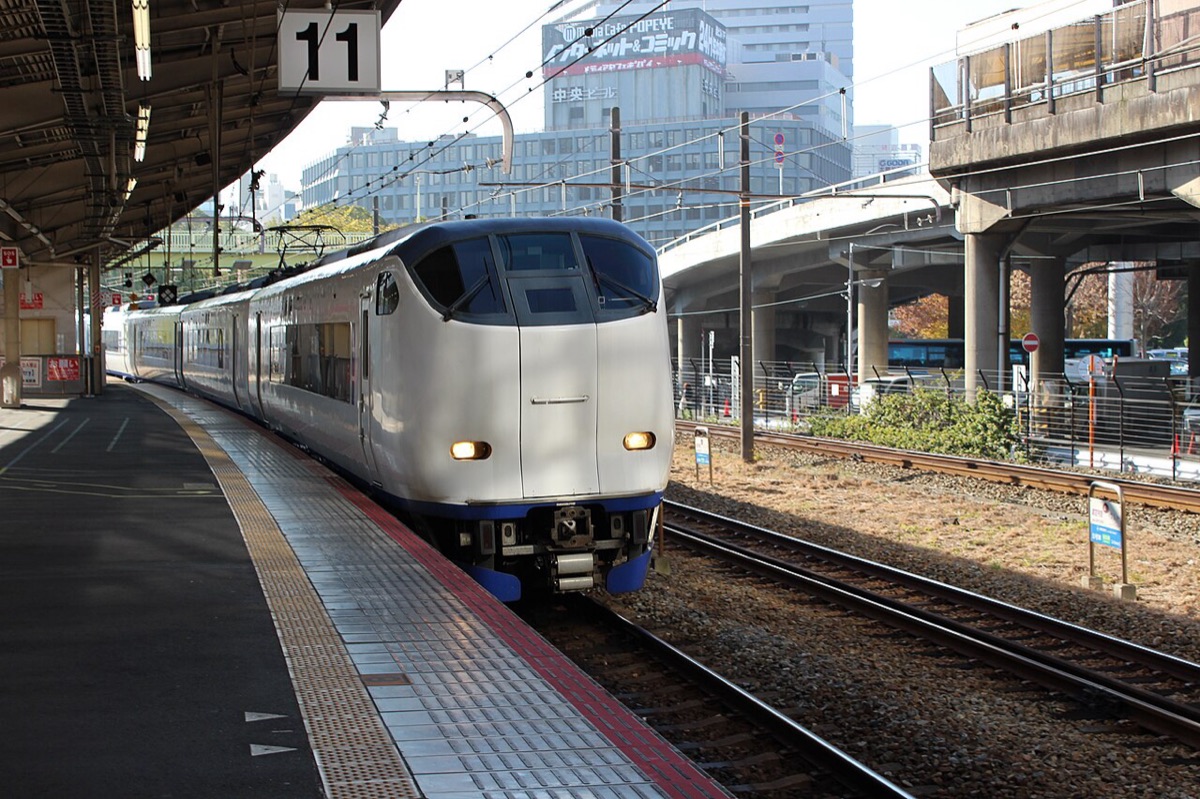
- Airport: the HARUKA Kansai Airport limited express and rapid trains on the Kansai Airport Line.
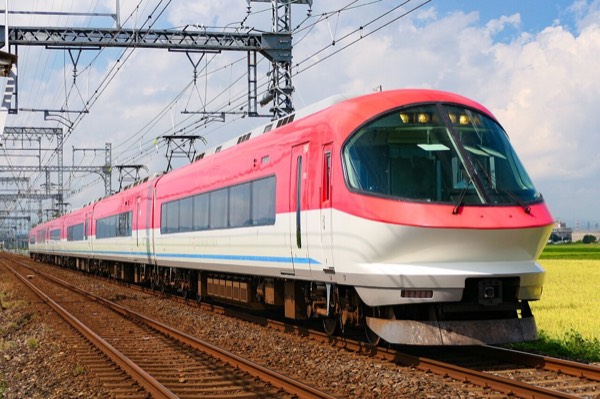
- Northern Kinki: limited express Konotori to Kinosaki Onsen and limited express Hashidate to Amanohashidate; Kyoto Tango Railway sections Fukuchiyama–Miyazu–Amanohashidate and Nishi-Maizuru–Toyooka.
- Tottori: the Chizu Express between Kamigori and Chizu, so the limited express Super Hakuto to Tottori is covered, with lines extending to the Kurayoshi area.
- Nanki (southern Kii): limited express Kuroshio to Shirahama, Kii-Katsuura and Shingu, plus the Wakayama Electric Railway (to Kishi Station).
- Okayama and Shikoku: Okayama, Kurashiki, and via the Uno and Seto-Ohashi lines to Takamatsu (the official page states JR Shikoku conventional lines are included).
- Buses: West JR Bus local routes within the area; expressway buses are not covered.
| Covered | Not covered (or extra charge) |
|---|---|
| Sanyo Shinkansen Shin-Osaka–Okayama, standard cars | Tokaido Shinkansen (including Kyoto–Shin-Osaka)[1] |
| Standard cars on limited expresses such as HARUKA, Kuroshio, Konotori, Super Hakuto | Sanyo Shinkansen west of Okayama, Kyushu Shinkansen[1] |
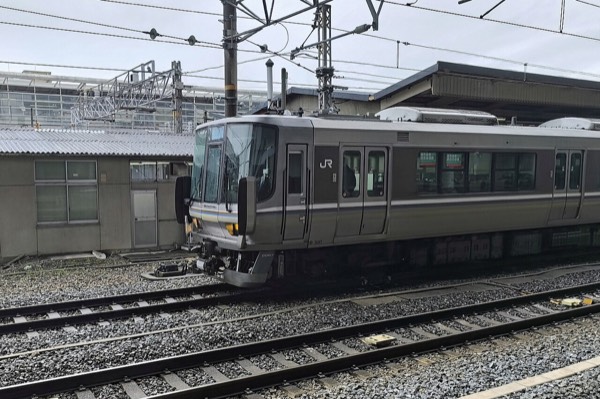
| Special Rapid, Rapid and Local trains on JR West and JR Shikoku lines in the area | Green Cars, sleepers and paid seats such as A-Seat[1] |
| Designated sections of Kyoto Tango Railway, Chizu Express and Wakayama Electric Railway | Expressway buses[1] |
| West JR Bus local routes in the area | Osaka Metro and private railways such as Hankyu, Keihan, Kintetsu and Nankai |
One point many people miss: Kyoto to Shin-Osaka is only one stop, but it's JR Central's Tokaido Shinkansen and not covered by this pass, so take the JR Kyoto Line Special Rapid instead. Subways and private railways within Osaka and Kyoto aren't included either; for getting around the city, see the Kyoto transport guide.
Using the Kansai WIDE Area Pass on the HARUKA: airport transfers
In short: both reserved and non-reserved standard seats on the HARUKA are covered, reserved seats must be booked first, and Kansai Airport to Kyoto takes about 1 hour 25 minutes one way[5].
Taking a weekday train in November 2026 as an example, Kansai Airport to Kyoto on the HARUKA takes about 1 hour 25 minutes and costs about ¥3,060 in fare plus non-reserved limited express fee (IC-priority fare)[5]. Activating the pass on arrival day means you "earn back" about ¥3,000 on day one; if your return also falls within the 5 days, riding the HARUKA back to the airport makes it even better value.
If your arrival day is light, you could instead use ICOCA or a single ticket into the city and save the 5 days for long-distance days. HARUKA Green Cars cost extra, and remember to reserve before riding in a reserved seat[1].
Getting to Amanohashidate and Kinosaki Onsen with the Kansai WIDE Area Pass
In short: from Kyoto the limited express Hashidate runs direct to Amanohashidate, and from Osaka the limited express Konotori runs direct to Kinosaki Onsen. Both are covered, and you can link the two via the Kyoto Tango Railway[1].
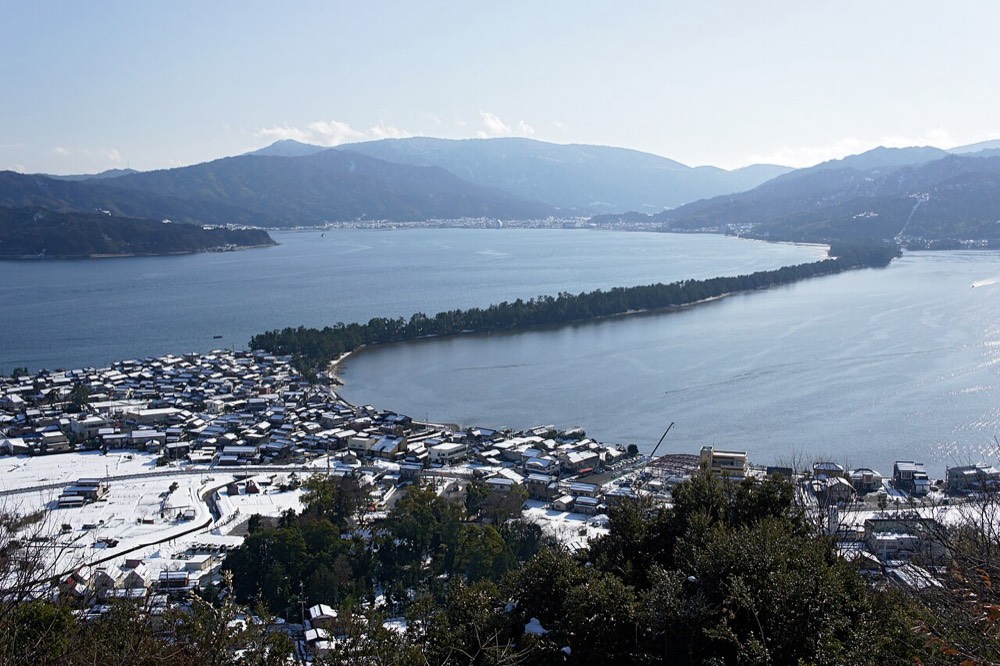
Taking a weekday in November 2026 as an example[5]:
- Kyoto → Amanohashidate: limited express Hashidate, about 2 hours 6 minutes, about ¥5,000 in fare plus reserved-seat fee; about ¥10,000 round trip.
- Osaka → Kinosaki Onsen: limited express Konotori, about 2 hours 42 minutes, about ¥6,140 in fare plus reserved-seat fee; about ¥12,280 round trip.
On the official route map, the Kyoto Tango Railway section Nishi-Maizuru–Amanohashidate–Toyooka is covered[1], so you can make a loop: Kyoto → overnight in Amanohashidate → Kyoto Tango Railway to Toyooka → JR to Kinosaki Onsen → Konotori back to Osaka. Note that Amanohashidate's cable car, chairlift, sightseeing boats and the bus to Nariaiji Temple all cost extra; the official site lists combo packages that include these for comparison[1].
Winter in Kinosaki Onsen is snow crab season; if you want to combine the trip with crab, see Japan snow crab season.
Okayama, Shirahama and Takamatsu with the Kansai WIDE Area Pass
In short: Shin-Osaka to Okayama by Shinkansen takes about 45 minutes and is the easiest leg for getting your money's worth; Shirahama and Takamatsu work well as a day trip or an overnight.
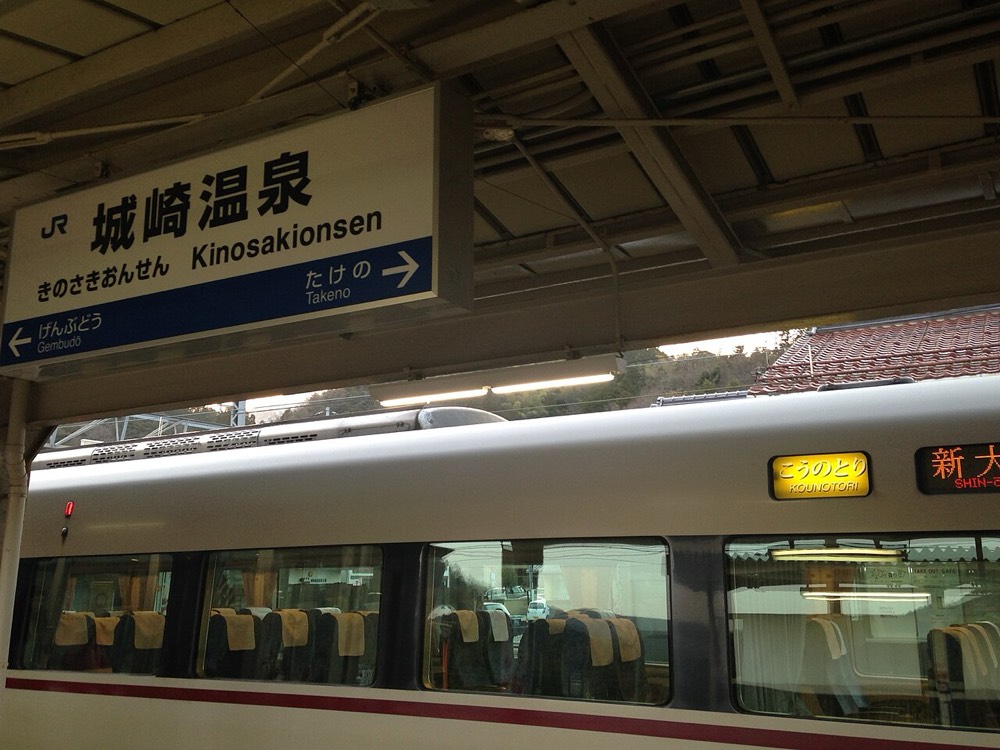
- Okayama: Shin-Osaka to Okayama on the Nozomi takes about 44 minutes and costs about ¥5,610 in fare plus non-reserved express fee[5]. Okayama Korakuen and the Kurashiki Bikan Historical Quarter are both reachable by JR; Kurashiki is a short conventional-line ride from Okayama.
- Shirahama: Shin-Osaka to Shirahama on the limited express Kuroshio takes about 2 hours 30 minutes and costs about ¥6,140 in fare plus reserved-seat fee[5]. Shirahama has beaches, onsen and Adventure World, and the official site lists a package that includes park admission[1].
- Takamatsu: from Okayama via the Seto-Ohashi Line to Takamatsu; the official page states JR Shikoku conventional lines are covered[1], so Kagawa in Shikoku makes an easy extension.
- Tottori: the limited express Super Hakuto runs via the Chizu Express to Tottori, for the Tottori Sand Dunes.
How to buy and exchange the Kansai WIDE Area Pass
In short: only holders of a passport issued by a foreign government who enter Japan with "Temporary Visitor" status can buy it. You can book on JR West's website or buy through overseas or Japanese travel agencies, and must show your original passport when collecting it[1].
Japanese nationals cannot use it even with foreign permanent residency, and each person may hold only one pass for the same period[1]. Three ways to buy[1]:
- JR-WEST Online Train Reservation: bookings open at 10:00 Japan time on the same date one month before travel; credit card only (virtual or numberless cards not accepted).
- Overseas travel agencies: you receive a voucher (MCO or E-TICKET) that must be exchanged in Japan, with your passport, within 3 months of issue.
- Japanese travel agencies: purchase from one month before the first day of use.
Collecting an online booking[1]:
- Have your reservation number, the 4-digit ID you set when booking, the credit card you paid with, and your passport.
- Collect at a ticket machine or ticket office at a major station such as Kansai Airport; see the official site for the list of locations.
- Ticket machines need a passport with an IC chip; otherwise use a ticket office.
After exchange you cannot change the start date, duration or pass type[1]. Validity is not extended for cancellations or delays[1].
How to reserve seats with the Kansai WIDE Area Pass
In short: reserved standard seats are unlimited and can be booked at reserved-seat ticket machines or ticket offices in stations, and online if you bought the pass on JR West's website; from the 7th booking you must use a ticket office[1].
Key points:
- Always reserve before boarding. Some limited expresses are all-reserved with no non-reserved cars (the official site lists them)[1].
- On the Sanyo Shinkansen, oversized baggage (total dimensions over 160 cm and up to 250 cm) requires booking a seat with an oversized baggage area[1].
- Reserved seats on the HARUKA, Kuroshio and Konotori often sell out in peak seasons, so book them all before you set off.
For how Shinkansen ticket machines and booking generally work, see the Shinkansen booking guide. If you'd rather not haul large bags yourself, see Japan luggage delivery.
Kansai WIDE Area Pass vs Kansai Area Pass vs JR Pass: which to choose?
In short: choose the Kansai WIDE Area Pass if you have 2 or more long-distance trips (Okayama, Amanohashidate, Kinosaki Onsen, Shirahama) within 5 days; if you're only moving around Osaka, Kyoto, Nara and Kobe, you don't need a JR pass.
| Ticket | Price (adult) | Best for |
|---|---|---|
| Kansai WIDE Area Pass | ¥12,000 / 5 consecutive days[1] | Trips to Okayama, Amanohashidate, Kinosaki Onsen, Shirahama, Takamatsu |
| Kansai Area Pass | Was ¥2,800–7,000 for 1–4 days; official page says sales ended 2026/9/30[3] | Existing holders can use it within validity |
| Nationwide Japan Rail Pass | 7-day ordinary ¥53,000 (from 2026/10/1)[4] | Same trip also covers Tokyo, Hiroshima or Kyushu |
| Single tickets + ICOCA | Pay as you go | Travel only within Kansai cities |
The old Kansai Area Pass covered only the HARUKA and JR conventional lines, not the Shinkansen, and allowed at most 2 HARUKA seat reservations[3]. The official page says sales have ended[3]; check JR West's announcements for any replacement ticket.
If your trip centers on sights within Osaka, the Osaka Amazing Pass may be more useful than a JR ticket.
Kansai WIDE Area Pass break-even: which 5-day plans pay off?
In short: ¥12,000 is roughly "two long-distance round trips". City travel plus an airport round trip does not pay off.
The figures below use IC-priority fares for weekday trains on November 18, 2026[5]; the Shinkansen and HARUKA use non-reserved prices, and the Kuroshio, Konotori and Hashidate use reserved-seat prices. Peak-season reserved fees are somewhat higher.
| 5-day plan | Total if bought separately (approx.) | Compared with the ¥12,000 pass |
|---|---|---|
| Kansai Airport→Kyoto + Kyoto⇄Amanohashidate + Osaka⇄Kinosaki Onsen | ¥25,340 | Save about ¥13,340 |
| Shin-Osaka⇄Okayama + Shin-Osaka⇄Shirahama | ¥23,500 | Save about ¥11,500 |
| Shin-Osaka⇄Okayama + Osaka⇄Kinosaki Onsen | ¥23,500 | Save about ¥11,500 |
| Kansai Airport→Kyoto + Shin-Osaka⇄Okayama | ¥14,280 | Save about ¥2,280 |
| Kansai Airport⇄Kyoto (HARUKA round trip) + city JR | About ¥7,000 | Not worth it, about ¥5,000 short |
A simple rule of thumb:
- Consider the pass only if 2 of the 5 days involve the Shinkansen or a long-distance limited express.
- With just one long trip plus airport transfers, single tickets and the pass are close; decide based on flexibility.
- If you're only moving between Osaka, Kyoto, Nara and Kobe, single tickets, ICOCA or private-railway passes are usually cheaper.
Example: a 5-day Northern Kinki + Okayama plan
- Day 1: Arrive at Kansai Airport, take the HARUKA to Kyoto.
- Day 2: Limited express Hashidate from Kyoto to Amanohashidate; stay overnight.
- Day 3: Kyoto Tango Railway to Toyooka, JR to Kinosaki Onsen for the public baths, then the Konotori back to Osaka.
- Day 4: Shinkansen from Shin-Osaka to Okayama, Kurashiki Bikan Historical Quarter in the afternoon, back to Osaka in the evening.
- Day 5: Osaka city, or the HARUKA back to the airport (must fall within the 5 days).
For a basic Osaka itinerary without a pass, see the Osaka 5-day itinerary.
Planning it smoothly: checklist before you buy
- Write down your long-distance trips within the 5 days, add up the single fares using the table above, and buy only if they exceed ¥12,000.
- The 5 consecutive days count by calendar date, so starting in the evening still uses a full day; work out whether to activate it on arrival day.
- Online bookings open at 10:00 Japan time one month before travel. Limited express reserved seats fill early in autumn-leaf season and holidays, so reserve as soon as you have the pass.
- Carry your original passport when collecting the pass and while riding, and show it when staff ask[1].
- The Shinkansen between Kyoto and Shin-Osaka isn't covered, nor are Osaka subways and private railways, so keep an ICOCA for city travel.
FAQ
How much is the Kansai WIDE Area Pass? Did the price go up in 2026?
JR West's official site (checked October 2026) lists ¥12,000 for adults and ¥6,000 for children aged 6–11, sold only as a 5-consecutive-day pass. The October 1, 2026 increase applied to the nationwide Japan Rail Pass; the Kansai WIDE Area Pass price on the official site has not changed. The price is set by purchase date, not exchange or travel date.
Can I ride the HARUKA with the Kansai WIDE Area Pass? Do I need a seat reservation?
Yes. Both reserved and non-reserved standard seats on the HARUKA Kansai Airport express are covered. Reserve before boarding; reservations are unlimited, but from the 7th one you must go to a station ticket office. Green Car (first class) needs a separate Green ticket and express ticket.
Can I use the Kansai WIDE Area Pass to get to Amanohashidate?
Yes. The official route map includes the Kyoto Tango Railway sections Fukuchiyama–Miyazu–Amanohashidate and Nishi-Maizuru–Toyooka, and the limited express Hashidate from Kyoto direct to Amanohashidate is covered. The local cable car, sightseeing boats and the bus to Nariaiji Temple are not.
Does the Kansai WIDE Area Pass cover the Shinkansen? What about Kyoto to Shin-Osaka?
Only the Sanyo Shinkansen between Shin-Osaka and Okayama, including standard cars on Nozomi and Mizuho. Kyoto–Shin-Osaka is the Tokaido Shinkansen and is not covered, so take the JR Special Rapid instead. West of Okayama to Hiroshima or Hakata needs a separate ticket.
Where do I exchange or pick up the Kansai WIDE Area Pass?
If you booked on JR West's website, bring the reservation number, the 4-digit ID you set, the card you paid with and your passport to a ticket machine or office at major stations such as Kansai Airport. Ticket machines need an IC-chip passport. Vouchers from overseas agencies must be exchanged within 3 months of issue, with your passport.
Can I still buy the Kansai Area Pass?
JR West's English Kansai Area Pass page states that sales ended on September 30, 2026; passes bought before then stay valid for their validity period. If you are only moving around Osaka, Kyoto, Nara and Kobe, compare single fares, ICOCA and private-railway passes directly.
Sources
- JR West | Kansai WIDE Area Pass: Price, validity, covered trains, seat reservations, eligibility, online booking and pickup, refund rules, route map
- JR West | Kansai WIDE Area Pass (Traditional Chinese): Official Chinese name and coverage description
- JR West | Kansai Area Pass: 1–4 day prices, HARUKA reserved seats limited to 2, end of sales on September 30, 2026
- JNTO | Price increases are coming to the nationwide Japan Rail Pass: Nationwide Japan Rail Pass price increase on October 1, 2026
- Yahoo! Transit (Japan): IC-priority fares and limited express fees for weekday trains on November 18, 2026 (searched October 23, 2026)
Fares, opening hours and event dates can change. Information checked on 2026.10.23; please confirm with official sources before you go.