Japan Snow Crab Season: Echizen and Matsuba Crab Open in November - Where to Go, Prices and How to Eat
Echizen and Matsuba crab season opens every November 6: male and female seasons, the yellow tag, prices, where to eat from Fukui to Kinosaki, and how to order.
Quick answer
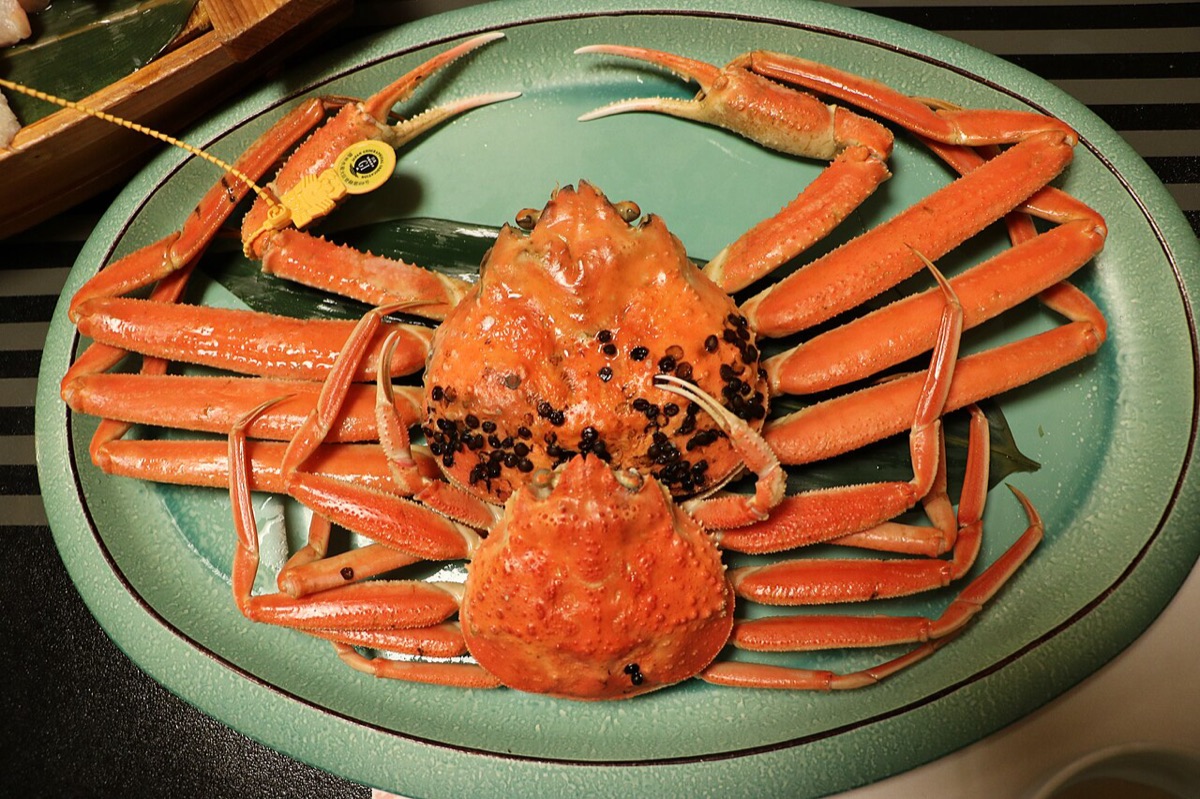
Echizen crab and Matsuba crab are both male zuwaigani (snow crab) from the Sea of Japan; the name depends on the prefecture where they are landed: Echizen in Fukui, Matsuba in Hyogo, Tottori and Kyoto. The season opens every November 6. Males can be caught until March 20, while females (called seiko-gani in Fukui) only run to December 31. Since 1997 Echizen crab has carried a yellow tag proving its origin, and a single crab fetches roughly 25,000-50,000 yen at market. The 2026 Mikuni Minato Crab Festival takes place on November 14-15.
Echizen crab and Matsuba crab are Japan's signature winter delicacy, and they are actually the same crab: male zuwaigani (snow crab) caught in the Sea of Japan, named differently depending on the prefecture where it is landed. The season opens every year on November 6, when ports from Fukui and Kyoto to Hyogo and Tottori spring to life, and it runs until the following March. This guide covers Japan's crab seasons for males and females, how the regional brands work, roughly what crab costs, where to eat it and how to order, plus how it differs from Hokkaido's hairy crab and king crab.
What are Echizen and Matsuba crab? One crab, several names
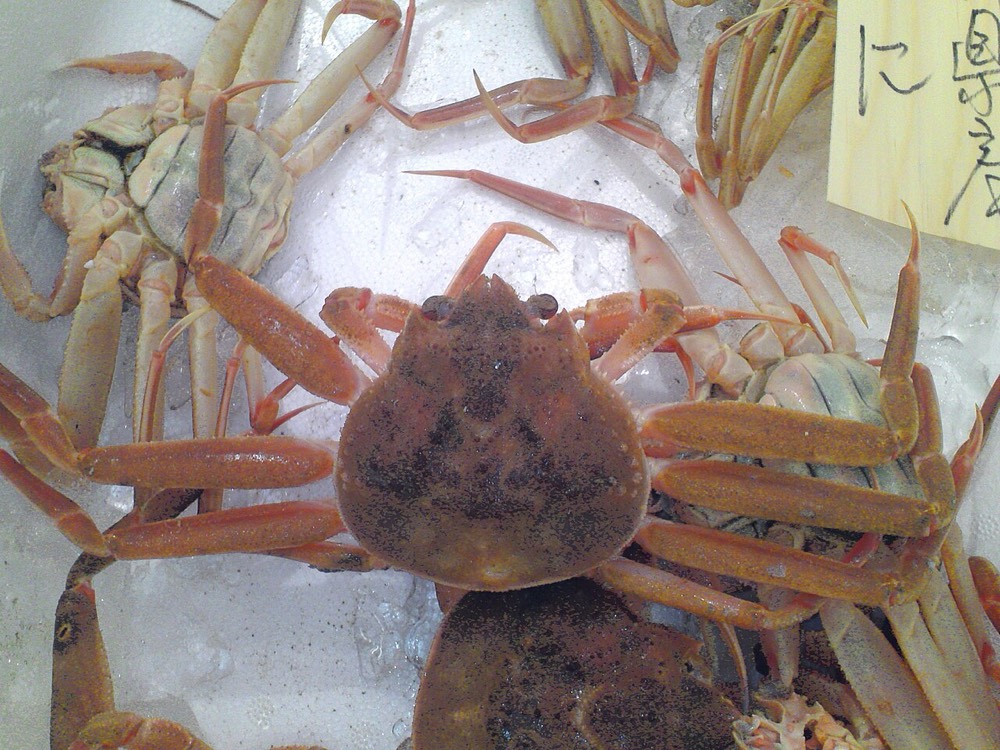
Echizen crab and Matsuba crab are both male zuwaigani (Chionoecetes opilio); the name depends on where the crab is landed[1]. Crab landed at Fukui ports is "Echizen-gani", in Hyogo, Tottori and Kyoto it is "Matsuba-gani", and in Ishikawa it is "Kano-gani". Ports add their own brands too, such as "Taiza-gani" from Tango in Kyoto and "Tsuiyama-gani" from Hyogo. Females are much smaller and have their own names: "seiko-gani" in Fukui, "kobako-gani" in Ishikawa, "oya-gani" in Tottori, and often "seko-gani" in Hyogo.
| Name | Type | Main areas | Notes |
|---|---|---|---|
| Echizen crab (Echizen-gani) | Male zuwaigani | Fukui (Mikuni Port, Echizen Coast, etc.) | Yellow origin tag; Japan's only crab presented to the Imperial Household |
| Matsuba crab (Matsuba-gani) | Male zuwaigani | Hyogo, Tottori, Kyoto | Each port has its own brand, such as Taiza and Tsuiyama crab |
| Kano crab (Kano-gani) | Male zuwaigani | Ishikawa | Common at Kanazawa's Omicho Market |
| Kobako / seiko / oya-gani | Female zuwaigani | All along the Sea of Japan | Small; prized for the inner roe (uchiko) and outer eggs (sotoko) |
| Soft-shell crab (mizu-gani) | Freshly molted male | Fukui and elsewhere | Soft shell, watery meat, cheaper |
| Hairy crab (kegani) | Different species | Hokkaido | Small with rich crab "miso" |
| King crab (tarabagani) | Related to hermit crabs, not a true crab | Hokkaido | Thick legs, often sold frozen or boiled |
Hokkaido's hairy crab and king crab are different species, and their seasons vary by fishing area. For Hokkaido crab in Sapporo, see our Sapporo food guide.
When is Echizen and Matsuba crab season? November 6 opening, different for males and females
In short: males from November 6 to March 20, females only from November 6 to the end of December. Fukui's tourism site lists Echizen crab (male) from November 6 to March 20, seiko-gani (female) from November 6 to December 31, and mizu-gani from February 19 to March 20[1]; Kyoto Prefecture's material likewise gives females until December 31 and males until March 20[5]. Tottori Prefecture describes Matsuba crab as a five-month treat from November to March[4].
| Period | What you can eat | Best for |
|---|---|---|
| Early to mid November | Freshly opened males and females, crab festivals | Joining the buzz and eating the first catch |
| Late November to December | Both males and females, last chance for females | Having male crab and roe on one trip |
| January to mid February | Males only; the coldest time, rough seas often stop fishing | Combining with hot springs and snow |
| Mid February to March 20 | Males plus cheaper soft-shell crab | Smaller budgets |
The female season is short because prefectures cut it back voluntarily to protect stocks. In winter the Sea of Japan is often too rough for boats to go out, and when fishing stops, supply drops and prices rise.
How to read the Echizen yellow tag and Matsuba crab brands
The simplest check is the tag on the leg. In 1997 Fukui became the first prefecture in Japan to put yellow tags on Echizen crab to distinguish it from crab from elsewhere, and Fukui is known as the birthplace of crab tagging[3]. Today's yellow tag carries the Geographical Indication (GI) mark and the fishing boat's name[1]. Other regions have since introduced their own tags in different colors and designs, so when buying, ask the shop which port the tag represents.
Some regions also have top-tier brands:
- Echizen crab "Kiwami": at least 1.3 kg, a shell width of at least 14.5 cm and claws at least 3 cm wide[1].
- Tottori Matsuba crab "Itsukiboshi": shell width of at least 13.5 cm, at least 1.2 kg, all legs intact, vivid color and well-filled meat; crabs meeting all five standards are picked by expert graders and make up less than 0.1% of the catch[4].
Top-brand crabs mostly appear at the first auctions or at high-end restaurants and inns; what travelers usually see at markets and restaurants are regular tagged crabs.
How much do Matsuba and Echizen crab cost?
Prices vary enormously with size, weight, whether the crab is tagged and the day's catch. Fukui's tourism site says a male Echizen crab fetches roughly 25,000-50,000 yen at market and prices are trending up, while the Kiwami grade can reach from hundreds of thousands to over a million yen. Female and soft-shell crab are cheaper than males[1].
- Female crab: much more affordable, served on rice bowls, in miso soup or whole, and a good option on a budget.
- Restaurant courses: full-crab courses built around a whole male are expensive and often need booking the day before; single dishes such as crab legs or crab rice bowls are easier on the wallet.
- Ryokan crab plans: inns around Kinosaki Onsen and the Echizen Coast offer winter crab stays, with rates varying greatly by crab grade and number of crabs.
If an "Echizen crab" or "Matsuba crab" looks suspiciously cheap, check for an origin tag, or whether it is frozen or from another region.
Where to eat Echizen and Matsuba crab: main areas and getting there
Fukui: Mikuni Port, the Echizen Coast and the Mikuni Minato Crab Festival
Fukui's Echizen crab is landed mainly at Mikuni Port (Sakai City) and along the Echizen Coast, with fishing grounds only one to two hours from port, which keeps it very fresh[1].
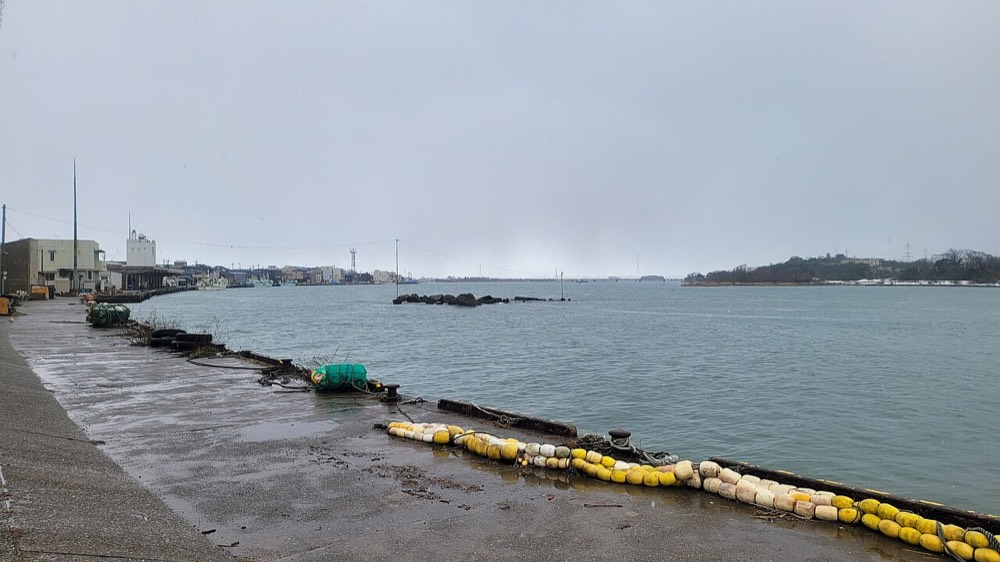
The Mikuni Minato Crab Festival 2026 takes place on Saturday November 14 and Sunday November 15, 6:00-15:00, in the south part of the Mikuni Sunset Beach parking lot (next to Tojinbo Mikuni Onsen Yuapoto). Local fish shops sell freshly opened-season Echizen crab at special prices, and there is miso soup made with a whole seiko-gani, limited to 2,500 servings over the two days. The nearest station is Mikuni-minato on the Echizen Railway, about a 7-minute walk, and organizers recommend public transport[2].
Since the Hokuriku Shinkansen reached Tsuruga in 2024, you can take the Thunderbird limited express from Osaka to Tsuruga and change to the shinkansen, reaching Fukui in about 1 hour 44 minutes at fastest[9]; Fukui is also a short shinkansen ride south from Kanazawa.
Hyogo: Matsuba crab at Kinosaki Onsen and Kasumi
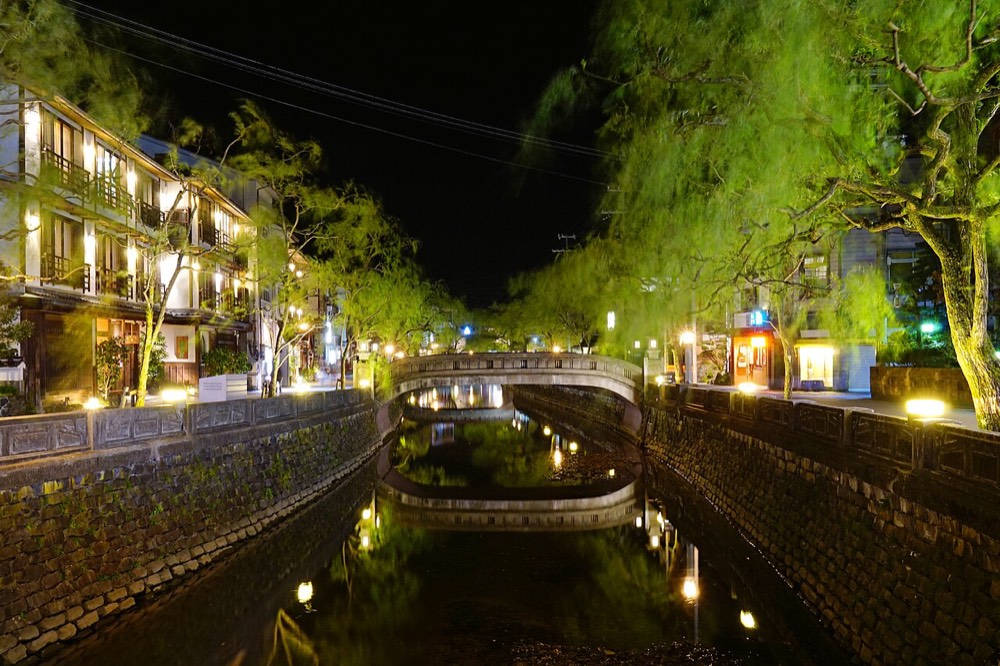
Kinosaki Onsen in northern Hyogo is the classic "crab plus hot spring" combination. Kinosaki calls its crab season "Kani Kingdom"; from November 2026 to March 2027, fish shops, restaurants and souvenir shops offer limited crab items, with crab meals for day visitors too[6]. Kinosaki Onsen Station is about 2 hours 40 minutes from Osaka on the Kounotori limited express, or 2 hours 20 minutes from Kyoto on the Kinosaki limited express[7]. Male crab landed at nearby Tsuiyama Port is sold under the "Tsuiyama-gani" brand.
Kyoto: Taiza crab in Tango
"Taiza-gani", landed at Taiza Fishing Port in Kyotango, Kyoto Prefecture, is scarce and famous, and is mostly eaten at local ryokan or restaurants. If you are starting from central Kyoto, plan your other meals with our Kyoto food guide and treat the Tango Peninsula as a separate overnight trip.
Tottori: Matsuba crab at Sakaiminato and Karo
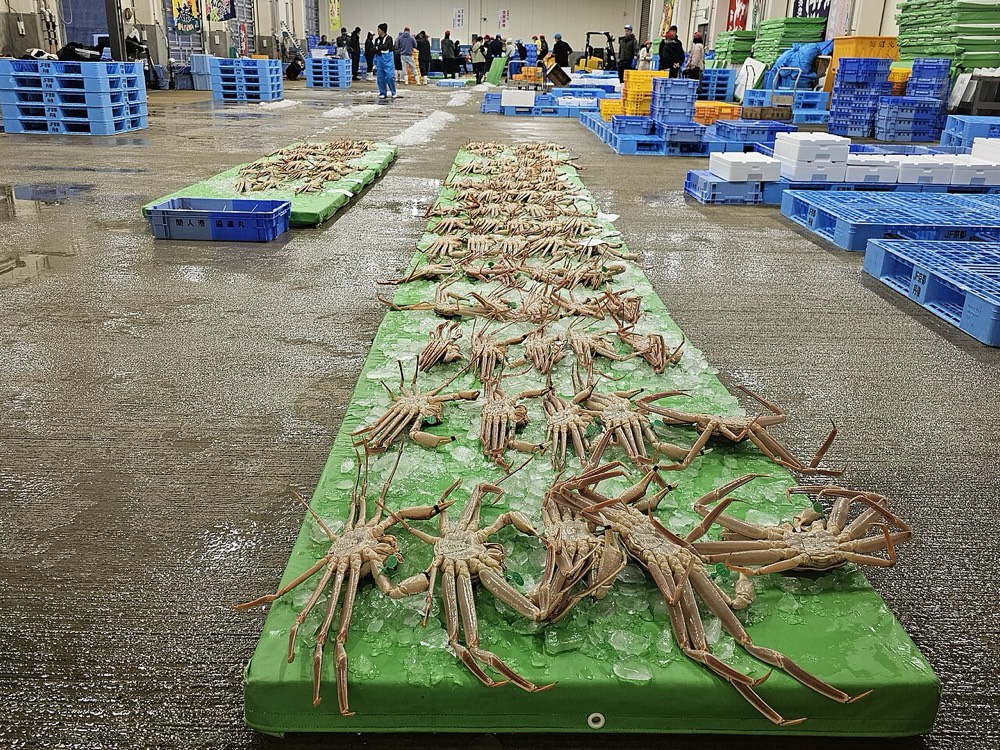
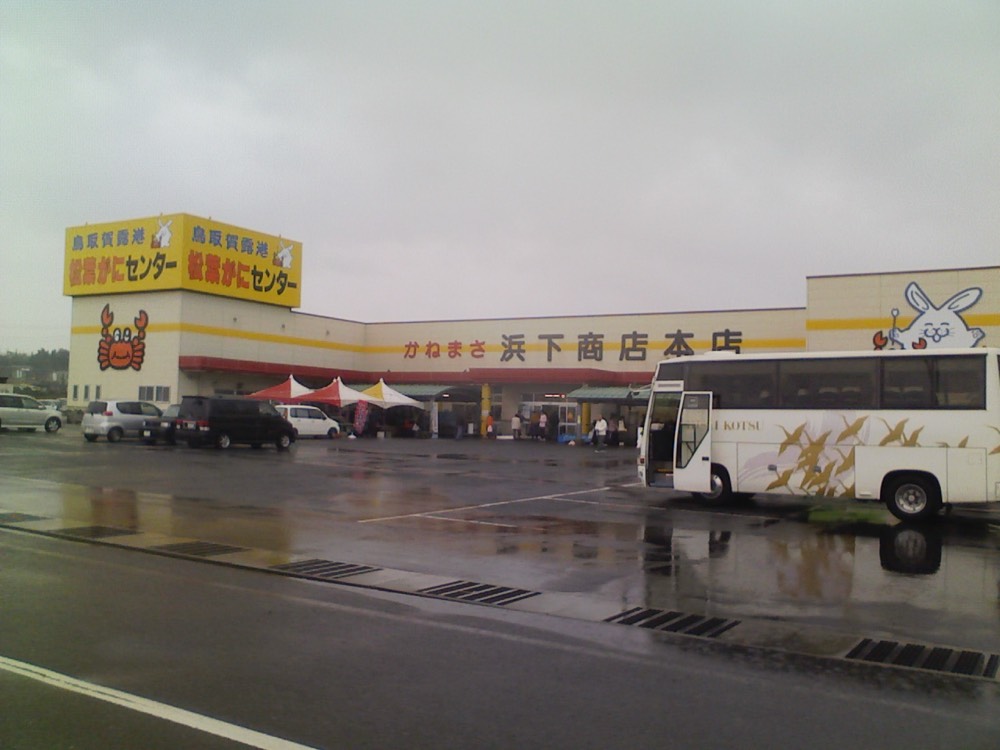
Tottori's Matsuba crab is landed mainly at Ajiro, Tottori (Karo), Tagoe and Sakaiminato[4]. Karoichi next to Tottori Port and the seafood markets around Sakaiminato sell freshly boiled crab in winter.
Ishikawa: Kano crab and kobako crab at Kanazawa's Omicho Market
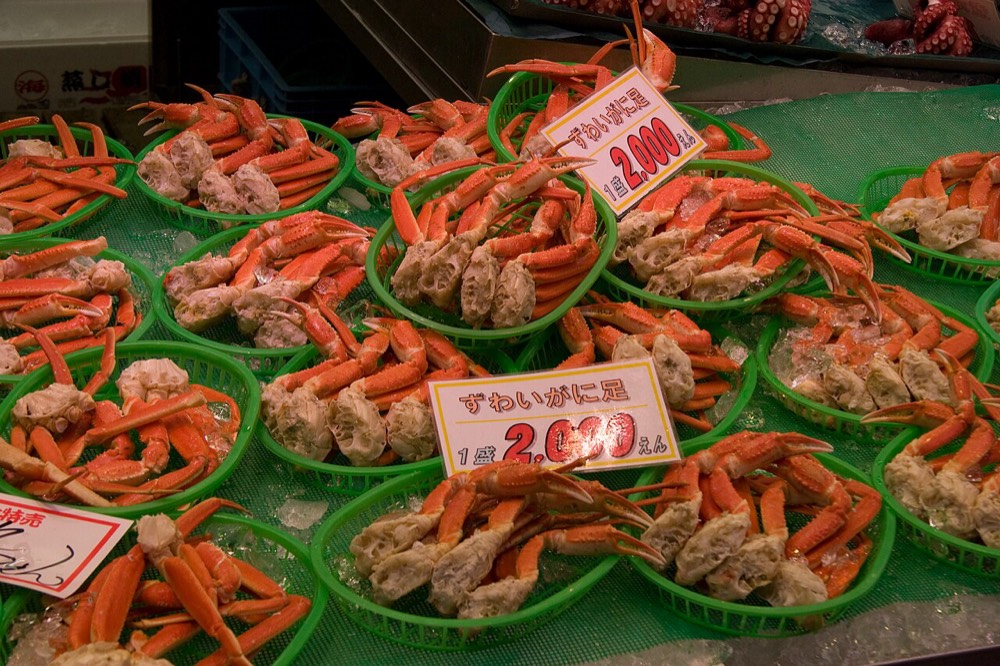
Kanazawa's Omicho Market, not far from Kanazawa Station, often has Kano crab, kobako crab and crab legs on display, a good fit if you would rather browse and snack at a market than travel to a fishing port.
| Area | Main brands | From Osaka / Kyoto | Best for |
|---|---|---|---|
| Fukui (Mikuni, Echizen) | Echizen crab, seiko-gani | Osaka to Tsuruga, shinkansen to Fukui, about 1h44m at fastest | Crab festival, port restaurants |
| Hyogo (Kinosaki Onsen) | Matsuba crab, Tsuiyama crab | About 2h40m from Osaka, 2h20m from Kyoto | Crab plus a hot spring stay |
| Kyoto (Tango) | Taiza crab | Requires transfers; stay overnight | Top-tier brand |
| Tottori | Matsuba crab, Itsukiboshi, oya-gani | Farther away; stay overnight | Markets, affordable female crab |
| Ishikawa (Kanazawa) | Kano crab, kobako crab | On the Hokuriku Shinkansen line | Browsing and eating at a market |
If you are starting from Osaka, you can swap one day of our 5-day Osaka itinerary for a night at Kinosaki Onsen, or continue on the Hokuriku Shinkansen to Fukui and Kanazawa.
How to eat Echizen and Matsuba crab: ordering and styles
The classic is boiled or steamed crab, which best brings out the meat's sweetness[8]. Other common styles:
- Crab sashimi: only possible with very fresh crab; the leg meat melts in your mouth.
- Grilled crab: charcoal-grilled in the shell, with the crab miso warmed inside and mixed with the meat.
- Crab shabu-shabu (kani-shabu): legs swished in broth and dipped in ponzu, finished as a rice porridge.
- Kora-zake: hot sake poured into the shell and drunk with the crab miso.
- Female crab dishes: seiko crab rice bowls and miso soup, for the texture of the inner roe and outer eggs.
Ordering tips:
- Full-crab courses often need booking the day before, and weekends and the November opening are especially hard to get.
- "Jika" (market price) on a menu means the price follows the day's market; ask about price and size before ordering.
- Most places will crack the crab for you; if you are unsure how to eat it, ask staff to show you.
- Eating crab takes time, so allow about two hours for a course.
Before you go: crab trip tips
- Aim for November and December: you can eat both males and females and catch the tail end of the autumn leaves. If you are going in November, read our Japan in November guide.
- Winter seas often stop fishing: when rough seas halt boats, supply drops and prices rise, so do not stake your whole plan on a single day.
- Check the origin tag: when buying a whole crab or souvenirs, look at the tag and origin label first.
- Shipping and bringing crab home: many markets can ship chilled crab within Japan, but most countries and regions restrict bringing in fresh seafood, so check your destination's quarantine rules before carrying any home.
- Book crab ryokan early: crab plans at Kinosaki Onsen and on the Echizen Coast fill up fast on weekends and at year end, so book as soon as your dates are set.
FAQ
What is the difference between Echizen crab and Matsuba crab?
They are the same species: male zuwaigani (snow crab) from the Sea of Japan. The difference is where they are landed. Crab landed at Fukui ports is Echizen crab; in Hyogo, Tottori and Kyoto it is Matsuba crab; in Ishikawa it is Kano crab. Ports add their own brands too, such as Taiza crab in Kyoto and Tsuiyama crab in Hyogo.
When is the best time to eat Echizen and Matsuba crab?
Male crab is available from the November 6 opening until March 20. Early November, right after the opening, is the liveliest time. Female crab (kobako, seiko or oya-gani) is only available in November and December, so go before year end if you want the roe. Some Echizen crab guides also say the meat fills out more after New Year.
How much does a Matsuba or Echizen crab cost?
Prices vary widely with size, weight and the day's market. Fukui's tourism site puts a male Echizen crab at roughly 25,000-50,000 yen at market and rising, while the top Kiwami grade can reach hundreds of thousands of yen. Female and soft-shell crab are much cheaper, and ryokan crab packages vary greatly by plan.
How can I tell if it is genuine Echizen crab?
Look for the yellow tag on the leg. In 1997 Fukui became the first prefecture in Japan to tag its crab, and the yellow tag now carries the Geographical Indication (GI) mark and the fishing boat's name. Only males landed at Fukui ports that meet the standard get one. Ask the shop or restaurant whether the crab is tagged.
What is the easiest way to go for crab from Osaka or Kyoto?
For Echizen crab, take the Thunderbird limited express from Osaka to Tsuruga and change to the Hokuriku Shinkansen for Fukui, about 1 hour 44 minutes at fastest. For Matsuba crab, head to Kinosaki Onsen in Hyogo: about 2 hours 40 minutes by the Kounotori limited express from Osaka, or 2 hours 20 minutes by the Kinosaki from Kyoto.
Sources
- Fukui Dot Com (Fukui Prefectural Tourism Federation): Echizen crab: Definition of Echizen crab, male/female/soft-shell seasons, Kiwami grade standards, market prices, ways to eat
- Fukui Dot Com: Mikuni Minato Crab Festival 2026: 2026 festival dates, hours, venue and contents
- Fukui Prefecture Agriculture, Forestry and Fisheries Dept.: Echizen crab season opening material: First yellow tag in Japan in 1997; birthplace of crab tagging
- Tottori Prefecture: Top-brand Matsuba crab: Five Itsukiboshi standards, grading ports, November-March season
- Kyoto Prefectural Marine Center research bulletin: Kyoto snow crab season: females to Dec 31, males to Mar 20
- Kinosaki Onsen Ryokan Association: Kani Kingdom: Crab season events, November 2026 to March 2027
- Kinosaki Onsen Ryokan Association: Access: Limited express travel times from Osaka and Kyoto
- JEEPE: Echizen crab explained: Purpose of the tag, GI registration, ways to eat
- Tabiris: Travel times after the Hokuriku Shinkansen extension to Tsuruga: Osaka to Fukui in 1 hour 44 minutes at fastest
Fares, opening hours and event dates can change. Information checked on 2026.10.21; please confirm with official sources before you go.