Hiroshima Oysters Guide: Season, Eating Oysters on Miyajima and in the City, Oyster Huts and the Oyster Festival
When are Hiroshima oysters best? The 2026–27 season, Miyajima grilled oyster prices, oyster boats vs huts, the oyster festival, raw-oyster labels and a sample day.
Quick answer
Hiroshima Prefecture is Japan's largest oyster producer: 17,051 tonnes (shucked) in 2024, or 65.3% of the national total. After mass die-offs the previous season, the 2026–27 harvest opened on November 2, about a month late; Hatsukaichi City says there has been no mass die-off this year and expects plumper oysters from late November. On Miyajima, Yakigaki no Hayashi charges ¥1,500 for two grilled oysters and ¥1,600 for oyster rice; in the city you can choose an oyster-boat restaurant or the Ujina oyster hut. The 2026 Miyajima Oyster Festival was cancelled due to poor oyster growth, and 2027 dates have not been announced.
If you want to eat Hiroshima oysters, three questions usually come up: when to go, whether to eat on Miyajima or in the city, and how an oyster hut differs from a restaurant. This guide covers the actual state of the 2026–27 season, how Miyajima Omotesando compares with central Hiroshima, the oyster festival dates, eating raw oysters safely, and a sample day with a budget, so you can decide straight away. Miyajima transport, the visitor tax and Itsukushima Shrine are covered in the Miyajima and Itsukushima Shrine guide; this page is only about eating.
Why Hiroshima oysters? Japan's top producer with over 60% of output
Hiroshima Prefecture is Japan's largest oyster-producing area. According to statistics compiled by the prefecture, Hiroshima produced 17,051 tonnes of oysters (shucked weight) in 2024, or 65.3% of the national total, with second-placed Okayama at just 12.5%[1]. The share has stayed above 60% in recent years, so oysters in Japanese supermarkets or izakaya are very likely to come from Hiroshima Bay.
Most Hiroshima oysters are raised hanging from rafts, and you can often see rows of floating rafts on the bay. The oysters you eat are usually two or three years old; the long-established Miyajima shop Yakigaki no Hayashi states that it uses three-year-old Jigozen oysters[7]. Unlike the raw-bar culture common in France or the US, Hiroshima's oyster culture leans towards cooked dishes: grilled, fried, cooked with rice, in miso hot pot — enough variety to eat all day without repeating.
After the 2025–26 die-off: this year's situation
From autumn 2025, farmed oysters died in large numbers across the Seto Inland Sea. Weathernews reported in December 2025 that a late-November Fisheries Agency survey found 60–90% mortality in central-eastern and southern Hiroshima Bay, against a normal 30–50%; likely causes included high summer sea temperatures and, with little rain, high salinity and a shortage of food[4]. Hiroshima's output that season was only about 60% of a normal year[2].
The 2026–27 harvest opened on November 2, 2026, about a month later than usual[2]. On November 6, Hatsukaichi City said there had been no mass die-off like last year, though mortality was slightly above normal, and full shipments would wait until late November when the oysters fill out[3]. Producers also admit they won't know until the oysters are pulled up[2]. There is no reliable public data showing a uniform price rise at the places visitors eat, but individual shops may limit quantities or change menus, so checking shop notices before you go is the practical approach.
Hiroshima oyster season: which month is best?
The short answer: you can eat them from late November, December to February is best, and raw options thin out from March.
| Period | Situation | Advice |
|---|---|---|
| October to mid-November | Harvest usually opens in October; delayed to November 2 in 2026; oysters are small | Fine to eat, but don't expect large ones |
| Late November to December | Producers expect better-filled oysters and full shipments[3] | Good, fewer crowds than New Year |
| January to February | Usually the plumpest; the Miyajima Oyster Festival is held in this period[14] | Most recommended, but also busiest |
| March | Cooked dishes still available; some shops serve raw oysters until end of March[8] | Go early if you want raw |
| April to early May | A few oyster huts stay open until early May[13] | End of season, far fewer choices |
Note that "Hiroshima oyster season" and "available all year" are different things. Shops on Miyajima's Omotesando often have oyster dishes even out of season, but for plump, in-season oysters in the shell you still need to go in winter.
Best ways to eat Hiroshima oysters: grill stalls, oyster boats, oyster huts
Use the table to pick a style, then read the details below.
| Style | Where | Price guide | Suits | Not ideal for |
|---|---|---|---|---|
| Miyajima Omotesando grilled oysters and set meals | Yakigaki no Hayashi, Kakiya | 2 grilled oysters ¥1,500; set meals about ¥2,900–4,400[6][8] | First-timers, Miyajima-focused days | Big appetites, people who hate queues |
| Miyajima street grill stalls | Storefronts along Omotesando | Varies; prices posted on site | Snacking on the go, short on time | Those who want a sit-down meal |
| City oyster-boat restaurant | Kakibune Kanawa (Motoyasu River) | Not listed on the official site; check booking pages | Proper set meals, pairing with Peace Park | Tight-budget backpackers |
| Oyster hut (grill your own) | Ujina area | No standard price published | Groups, eating a lot | Solo travellers, those who mind smoky clothes |
| Izakaya and all-you-can-eat oyster plans | Around Hiroshima Station and Nagarekawa | Varies by shop | Dinner with drinks | Those set on same-day-harvested oysters |
Miyajima Omotesando: Yakigaki no Hayashi and Kakiya
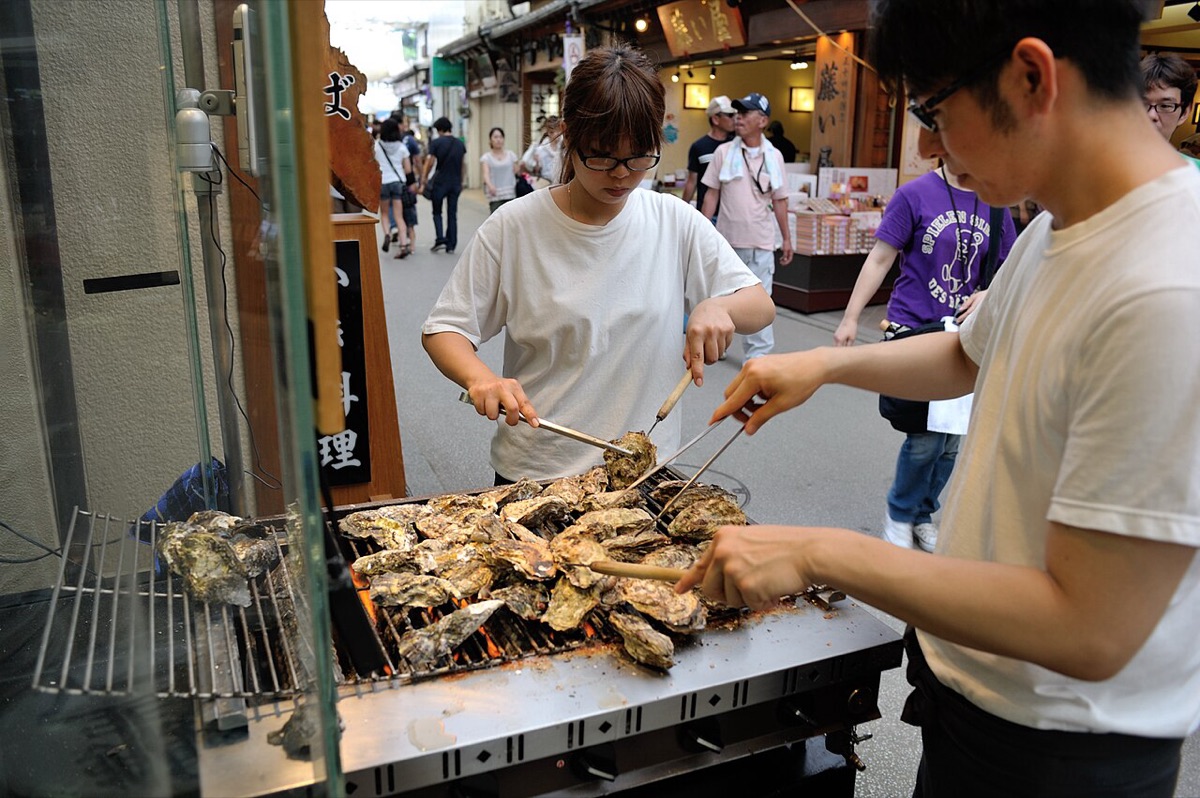
Miyajima's Omotesando shopping street is where Miyajima oysters are most concentrated. Yakigaki no Hayashi, founded in 1948, calls itself the birthplace of grilled oysters. It sits mid-way along the street, about 8 minutes on foot from Miyajima Pier, opens 10:30–17:00 (last order 16:30), closes on Wednesdays and takes no reservations[7].
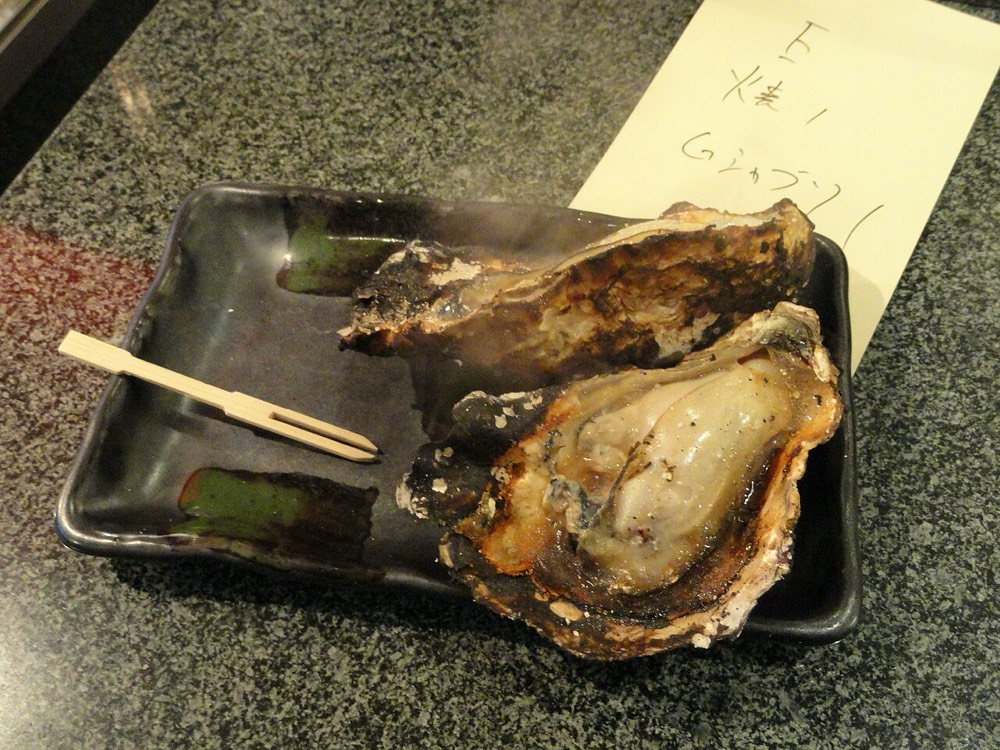
The official menu (tax included) lists two grilled oysters for ¥1,500, limited to 40–50 servings a day; raw oysters at ¥1,000 for two or ¥1,900 for four; premium fried oysters at ¥2,100; oyster rice (kakimeshi) at ¥1,600; and set meals from ¥3,000 to ¥4,400[6]. The shop says it is busiest from opening to lunchtime, and seats are easier to get after 2 pm[7].
Kakiya, another shop, serves only oyster dishes. Its official site lists the Kakiya set meal at ¥2,900, which includes grilled oysters, fried oysters, oyster rice, oysters in oil and oyster miso soup — good if you want to try several styles in one meal. Raw oysters are served only until the end of March[8]. Prices at both shops may change with the season; go by what is posted on site.
City oyster boats: kakibune on the Motoyasu River
An oyster boat (kakibune) is a restaurant on a boat moored on the river, a Hiroshima food tradition dating back to the Edo period. Kakibune Kanawa was founded in 1867[9], and its Wakyu boat is moored on the Motoyasu River beside Peace Memorial Park, about 5 minutes on foot from the Genbaku Dome-mae tram stop. Lunch is 11:00–14:00 and dinner 17:00–20:00, closed over the New Year holidays[9].
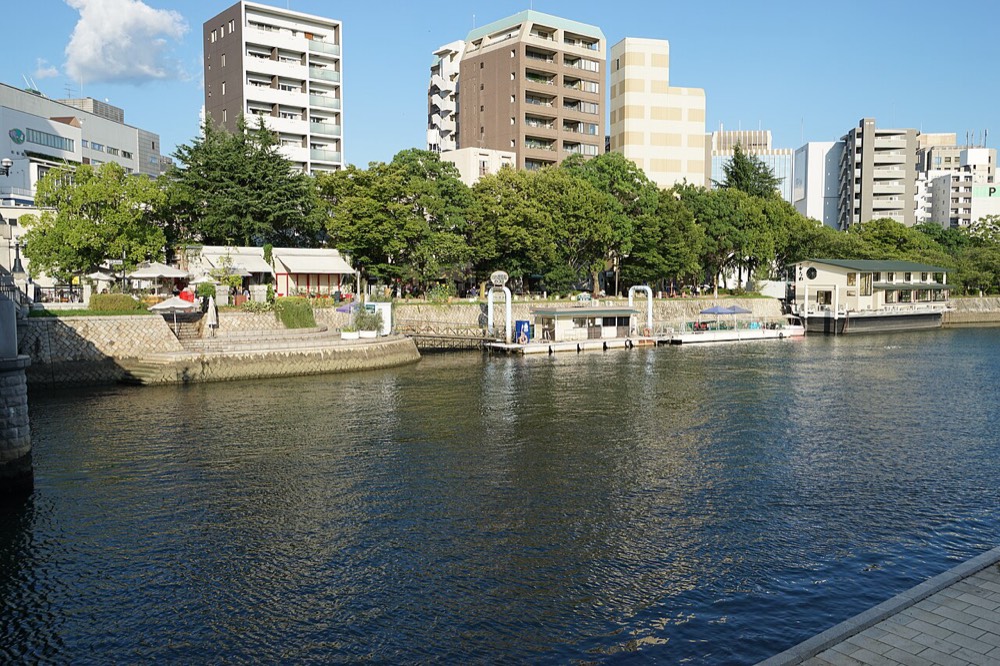
Its signatures are raw oysters and oyster dotenabe. The official page does not list course prices, so check the official site or booking platforms for current plans before reserving[9]. Walking over for lunch after Peace Memorial Park makes for an easy route.
Oyster huts: grill your own in Ujina
An oyster hut (kaki-goya) is a winter-only tent or simple shed with charcoal burners or grills on the tables, where you grill oysters in the shell yourself until they open. The one most often mentioned in central Hiroshima is Milky Tetsuo no Kaki-goya Ujina in the Ujina area. For 2026–27 it opened on October 10; it normally runs from mid-October to early May and becomes a BBQ venue in summer. Bookings open 30 days before your date and close at 19:00 the day before[13].
It does not publish a standard price on its official listing; the cost depends on how many oysters and sides you order, so check the booking page. For how oyster huts work, what to wear and how to grill, see the Itoshima oyster huts guide — the basic rules are the same.
All-you-can-eat oysters and izakaya in Hiroshima
Search for all-you-can-eat oysters in Hiroshima and you will find izakaya around Hiroshima Station and Nagarekawa offering all-you-can-eat grilled oysters or timed plans. Prices, time limits (90 minutes or 2 hours are common) and whether drinks are included all differ, and these plans are the first to be changed or suspended in a poor harvest. Decide once you see the current season's plan on a booking platform rather than relying on last year's prices.
Which Hiroshima oyster dishes should you try?
Besides grilled oysters, these are the dishes you are most likely to come across in Hiroshima:
- Oyster rice (kakimeshi): rice cooked in oyster broth and topped with oysters, common on Miyajima and in Hiroshima Station bento.
- Fried oysters (kaki furai): crisp outside and juicy inside, the most-ordered set meal.
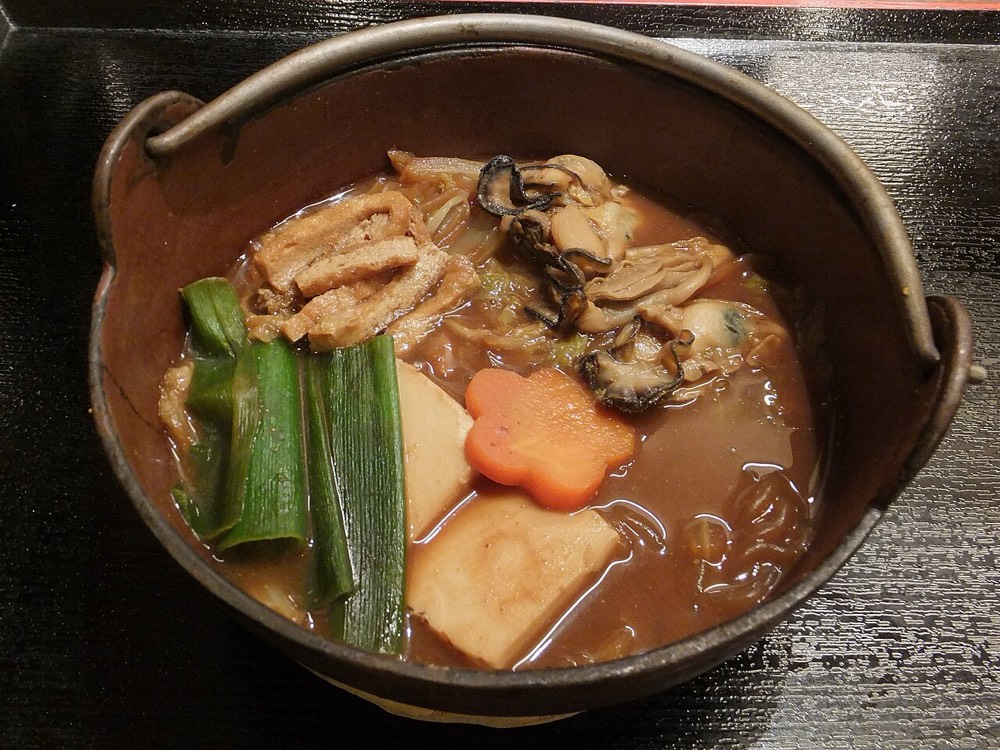
- Oyster dotenabe (kaki no dotenabe): a ring of miso is spread around the pot rim and melts into the broth as it cooks — Hiroshima's signature winter hot pot.
- Raw oysters: only those labelled for raw consumption; see the next sections for season and safety.
- Oyster Hiroshima-style okonomiyaki: Hiroshima-style okonomiyaki with oysters added, served by some shops in winter.
From November 1, 2026 to February 28, 2027, Hiroshima City runs the Setouchi Kaki Kaisen Shokudo campaign, in which 67 restaurants serve menus featuring oysters and other Hiroshima Bay seafood, with a stamp rally and prize draw[10]. If you don't know where to go, pick from the participating restaurants.
Miyajima Oyster Festival and other winter oyster events
The Miyajima Oyster Festival (Miyajima Kaki Matsuri) has in past years been held on the second Saturday and Sunday of February at the plaza in front of Miyajima Pier, with cheap steamed oysters, dotenabe and oyster okonomiyaki, plus direct sales and shipping of oysters[14]. However, the 42nd festival, planned for February 14–15, 2026, was cancelled; the Miyajima Tourist Association said poor oyster growth and other reasons made it hard to secure enough oysters[5].
As of November 13, 2026, neither whether the 2027 festival will be held nor its dates have been announced. Following the past pattern, the second weekend would be February 13–14, but this is only an estimate, not an official date — check the Miyajima Tourist Association. Separately, Hatsukaichi City planned an oyster promotion at Miyajimaguchi on November 14, 2026, offering about 2,500 free servings of fried oysters and other dishes[3]; it is a one-off event, so check local notices for details.
What to watch out for: raw vs cooking oysters
The key point: the difference between raw-use and cooking-use oysters is where they were harvested, not how fresh they are. Hiroshima Prefecture divides sea areas into three classes: designated areas, whose oysters can be shipped for raw consumption as is; conditionally designated areas, whose oysters can be eaten raw only after about 20 hours of artificial purification; and non-designated areas, whose oysters may only be shipped for cooking[11]. Raw-use oysters must show the sea area where they were harvested[11].
- When buying oysters at a supermarket or market, check whether the pack says "for raw consumption" (seishoku-yo) or "for cooking" (kanetsu-yo); cooking oysters must be cooked through.
- When grilling your own, cook until the shell opens and the juices boil, then wait a little longer. The Ministry of Health, Labour and Welfare recommends heating shellfish to 85–90°C at the centre for at least 90 seconds[12].
- Norovirus food poisoning rises from around November and peaks in December and January[12], overlapping the oyster season. Travellers with weak stomachs, who are pregnant, older or travelling with children are better off eating oysters cooked.
- If you want them raw, choose a specialist shop with clear labelling rather than a stall or a place where the source is unclear.
Sample day: Hiroshima city + Miyajima oyster lunch + dinner
Here is a sample plan for a December weekday. For transport details see the Miyajima and Itsukushima Shrine guide; if you are coming by shinkansen from another city, see the shinkansen booking guide.
| Time | Plan | Notes |
|---|---|---|
| 9:00 | Leave Hiroshima Station by JR for Miyajimaguchi | About 30 minutes |
| 9:45 | Ferry to the island, visit Itsukushima Shrine | Adjust order to the tides |
| 11:00 | Grilled oysters on Omotesando | Queue early after opening, or go after 14:00 |
| 14:30 | Browse the shopping street, buy momiji manju, return to the city | |
| 16:30 | Walk around Peace Memorial Park | Winter sunsets are early; dark around 17:00 |
| 18:00 | Dinner: oyster boat or Ujina oyster hut | Reservations recommended for both |
How much to budget
| Item | Amount (JPY) |
|---|---|
| JR Hiroshima–Miyajimaguchi return | 840 |
| Ferry return + Miyajima visitor tax | 500 |
| Lunch: 2 grilled oysters + oyster rice (Yakigaki no Hayashi) | 3,100 |
| Dinner: oyster boat or oyster hut | Depends on venue and order |
Transport is calculated from the fares in the Miyajima and Itsukushima Shrine guide (JR ¥420 one way, ferry ¥200 one way, and the ¥100 visitor tax charged only when going to the island), and lunch from Yakigaki no Hayashi's official menu[6]. Dinner can't be estimated accurately because no standard prices are published; check the booking page before you go. To keep costs down, have one set meal for lunch and fried oysters or dotenabe at an izakaya for dinner.
How to plan it smoothly
- For in-season oysters without the crush, a December weekday is the best balance; February oysters are plumpest, but first confirm whether the festival is on.
- Miyajima's grilled-oyster shops mostly close by early evening, so if you want a big oyster dinner, choose a city oyster boat or oyster hut.
- For a seafood-focused winter trip, pair this with the Japan crab season guide and add San'in snow crab to the same journey.
- Supply is still uncertain this year and limited dishes can sell out early, so the earlier you arrive, the more choice you have.
FAQ
What is the best month to eat Hiroshima oysters?
Hiroshima oysters are harvested from autumn to the following spring, and they are usually plumpest in January and February, which is why the Miyajima Oyster Festival is held in February. In 2026–27 the harvest opened on November 2 and producers expect better-filled oysters from late November, so December onwards is the safer bet.
Are Hiroshima oysters still affected by the mass die-off in 2026?
The 2025–26 season saw mass die-offs and output fell to about 60% of a normal year, and the 2026 Miyajima Oyster Festival was cancelled. When the 2026–27 harvest opened, Hatsukaichi City said there had been no mass die-off like last year, though mortality was slightly above normal. Supply and prices can change, so check shop notices before you go.
Is there all-you-can-eat oysters in Hiroshima?
Yes. Some izakaya and oyster huts offer all-you-can-eat grilled oysters or timed plans, but prices, time limits and whether drinks are included vary by shop, and plans are often changed or suspended when supply is short. Check the current season's plan on the shop's site or booking page and reserve ahead for weekends.
Is it safe to eat raw oysters in Hiroshima?
Only oysters labelled for raw consumption (seishoku-yo) should be eaten raw. The label means they come from sea areas designated by Hiroshima Prefecture or were purified for about 20 hours; it does not mean they are fresher. Oysters labelled for cooking must be cooked. November to February is norovirus season, so people with weak stomachs, pregnant travellers, older people and children are better off eating them cooked.
When is the Miyajima Oyster Festival in 2027?
As of November 13, 2026, no 2027 date has been announced. In past years it was held on the second Saturday and Sunday of February at the plaza in front of Miyajima Pier, with cheap oyster dishes and direct sales. The 2026 edition, planned for February 14–15, was cancelled due to poor oyster growth; check the Miyajima Tourist Association for 2027.
Sources
- Hiroshima Prefecture: oyster production statistics (reference data): Oyster output by prefecture; Hiroshima 17,051 t in 2024, 65.3% share
- Tokyo Shimbun (Kyodo): Hiroshima oyster harvest opens a month late: Harvest opened November 2, 2026; previous season output about 60% of normal
- Hiroshima Television (Infoseek News): Hatsukaichi oyster harvest: November 6, 2026 report: no mass die-off, full shipments from late November, Miyajimaguchi tasting event
- Weathernews: about 90% of harvested oysters dead?: December 2025 report on Seto Inland Sea die-off rates and likely causes
- Miyajima Tourist Association: Miyajima Oyster Festival: Cancellation notice for the 42nd festival (February 14–15, 2026)
- Yakigaki no Hayashi: menu: Prices (tax included) for grilled and raw oysters, oyster rice and set meals
- Yakigaki no Hayashi: shop information: Hours, closing day, seats, founded 1948
- Kakiya (KAKIYA) official website: Kakiya set meal price; raw oysters served until end of March
- Kakibune Kanawa Wakyu: Location, hours and access
- Hiroshima City: Setouchi Kaki Kaisen Shokudo: Food campaign with 67 restaurants, November 1, 2026 to February 28, 2027
- Hiroshima Prefecture: hygiene measures for Hiroshima oysters: Sea-area classes and labelling for raw vs cooking oysters
- Ministry of Health, Labour and Welfare: Norovirus Q&A: Heating guidance for bivalves and peak season
- Gurunavi: Milky Tetsuo no Kaki-goya Ujina: 2026–27 season opened October 10; operating period and booking
- Walkerplus: Miyajima Oyster Festival (2020): Past timing, venue and contents for reference
Fares, opening hours and event dates can change. Information checked on 2026.11.13; please confirm with official sources before you go.