Itoshima Oyster Huts 2026-27: Prices by Hut, a Budget for Two, Opening Dates and Bus Routes
Itoshima oyster huts 2026-27: oyster and scallop prices from 9 huts' official menus, a budget for two, opening dates and step-by-step bus and train routes.
Quick answer
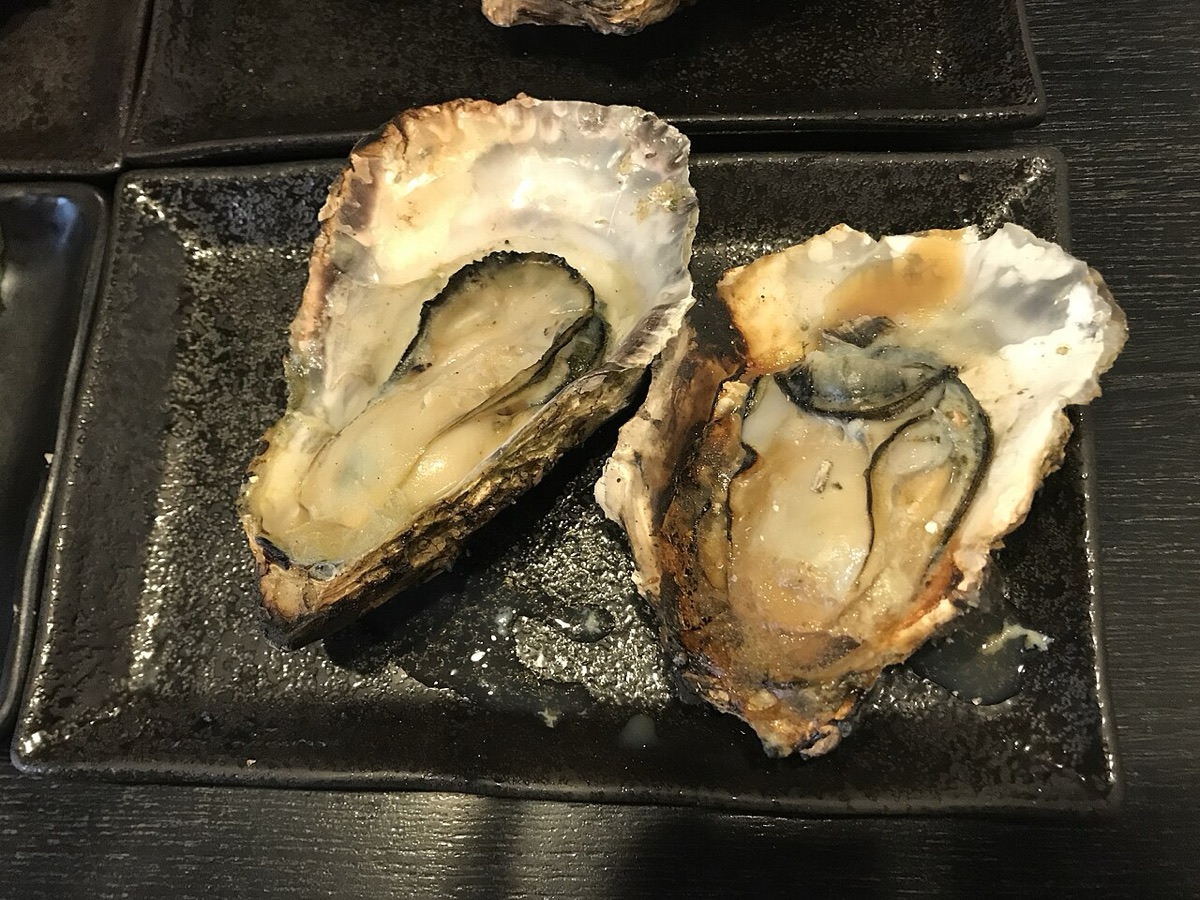
Itoshima's oyster huts (kaki goya) began opening in October for the 2026-27 season; official tourism sites give the season as roughly October to April, and most huts have not announced closing dates. Official menus price oysters at about 1,200–1,500 yen per kilo and scallops at about 260–680 yen each, plus a charcoal or gas fee of 300–550 yen per table. Two people spend about 5,000–6,500 yen. Without a car, take a bus from Chikuzen-Maebaru Station's North Exit to Kishi (about 21 minutes) or Funakoshi (about 31 minutes), or ride the Chikuhi Line to Fukuyoshi Station and walk 12 minutes.
Itoshima's oyster huts (kaki goya) are seasonal sheds that fishermen put up beside their harbors, where you grill freshly landed oysters yourself over charcoal or a gas burner. Rather than repeating a general introduction, this guide pulls together the actual prices on each hut's official site, a budget for two, this season's opening dates, and how long each leg takes from the station exit to the hut's door, so you know how much cash to bring and which bus to catch before you set out.
2026-27 season: when does each hut open?
In short: official tourism sites give the overall season as roughly October to the following April[1][6], and the 2026-27 huts have been opening one by one; most closing dates have not been announced, so treat every "planned" date below as subject to each hut's notices.
Fukuoka City's official tourism site, Crossroad Fukuoka, lists this season's opening dates and hours for each hut in its 2026-27 feature[1], and the Itoshima City Tourism Association has the same list[6]. Both warn that huts may close early or stop for the day when live oysters sell out or the weather turns bad[1][6].
| Port | Hut | 2026-27 opening date | Hours | Closed |
|---|---|---|---|---|
| Kishi | Noburin | October 1 | 10:00–16:00 | Fridays |
| Kishi | Fujimaru, Toyohisamaru | October 10 | Fujimaru 10:00–16:00 / Toyohisamaru 10:00–17:00 | Irregular |
| Kishi | Ebisu, Tokueimaru | October 17 | 10:00–16:00 / 10:00–17:00 | Irregular |
| Kishi | Nakamiyamaru, Nisshinmaru | October 24 | Nakamiyamaru: entry 10:00–15:00 weekdays, 9:00–16:00 weekends and holidays / Nisshinmaru 10:00–16:00 | Both Tuesdays |
| Kishi | Koueimaru | November 1 | 10:00–16:00 | Irregular |
| Kishi | Kyokusei | November 14 | 10:00–17:00 | Irregular |
| Kishi | Daieimaru, Daikokumaru | Open (the official site says open as of November 6) | 10:00–16:00 / 10:00–17:00 | Thursdays / Irregular |
| Funakoshi | Horyomaru, Kaki House Shoei, Hattoriya | October 3 | 10:00–17:00 / 9:00–17:00 / 10:00–16:00 | Irregular |
| Funakoshi | Maruhachi "Hikitsumaru", Ken-chan Kaki, Kaki House Mokkun | October 10 | 10:00–17:00 (Mokkun until 16:00) | Irregular |
| Funakoshi | Senryumaru | October 11 | 10:00–17:00 | Irregular |
| Kafuri | Sumiyoshimaru / Hirochan Kaki | October 10 / October 11 | 9:00–17:00 / 10:00–17:00 | Irregular |
| Fukae | Kaisen Nikomaru (weekends only) | November 1 | 9:00–17:00 | Irregular |
| Fukuyoshi | Kaki no Masuda Zenkomaru | October 28 | 9:00–17:00 (grilling from 10:00) | Irregular |
| Fukuyoshi | Kaki no Abe Hiryumaru | November 1 | 10:00–17:00 | Irregular |
| Fukuyoshi | Shineimaru Sasaki | Early November (planned) | 10:00–17:00 | Irregular |
Opening dates, hours and closing days follow the Crossroad Fukuoka feature[1]; Nakamiyamaru's separate weekday and weekend entry times follow its official site[7]. Only a few huts have given a planned closing date: Kaki no Masuda and Daikokumaru plan to stay open until the end of March 2027, Nakamiyamaru says until around mid-March, and Horyomaru at Funakoshi says until August 2027[1][7]. For the others, check their websites or social media before you go; for reference from past seasons, Senryumaru at Funakoshi stayed open until April 5, 2026 last season[12].
Itoshima oyster hut prices: hut-by-hut comparison
In short: most huts' official sites price oysters at 1,200–1,500 yen per kilo (or per serving), scallops at about 260–680 yen each and turban shells (sazae) at about 250–350 yen each, and most also charge a charcoal or gas fee of 300–550 yen per table or 220–300 yen per person.
The table below comes straight from each hut's official menu (checked November 20, 2026). "Tax incl." marks huts whose sites state that prices include tax; the others do not say, and none says which season the prices apply to, so use them as a budgeting guide.
| Hut (port) | Oysters | Scallop (hotate) | Turban shell (sazae) | Oyster rice | Charcoal / gas fee |
|---|---|---|---|---|---|
| Nakamiyamaru (Kishi, tax incl.) | 1 kg 1,500 | 260 each | 270 each | 400 | Charcoal 550 per table[7] |
| Fujimaru (Kishi) | 1 kg 1,200 / 500 g 600 | 350 each | 350 each | 450 per pack | À la carte: charcoal 550 per table[8] |
| Nisshinmaru (Kishi) | About 12 for 1,300 / about 6 for 650 | Scallop with butter 300 | 250 each | 400 | Not stated on site[9] |
| Noburin (Kishi) | Mainly sets (see below) | 380 | 380 | 450 | Not stated on menu[10] |
| Kaki House Shoei (Funakoshi) | One serving (1 kg) 1,300 | Medium 580 / large 680 | One serving 1,150 | 380 | Gas 300 per table[11] |
| Senryumaru (Funakoshi) | One serving 1,200 / half 600 | Small 400 / large 500 | One serving 1,200 / half 600 | 300 | 500 per table (charcoal, gloves and oyster knife included)[12] |
| Hirochan Kaki (Kafuri, tax incl.) | Medium (about 12) 1,500 / large 1,700 / extra-large 1,900 | 550 each | 350 each | 550 | Gas 220 per person (free for elementary-school age and under)[13] |
| Kaki no Masuda (Fukuyoshi) | 1 kg 1,300 | Live scallop from 650 | One serving 1,000 | 280 | Gas 300 for one person, 500 per table for two or more[14] |
| Kaki no Abe Hiryumaru (Fukuyoshi) | 1 kg 1,300 | Live 600 / frozen 300 | 300 each | 300 | Gas 220 per person (free for junior-high age and under)[15] |
(All prices in yen)
A few things to keep in mind when reading the table:
- "One serving" is not always 1 kg: Shoei says its serving is 1 kg[11], while Senryumaru, Nisshinmaru and Hirochan Kaki price by serving, count or size[9][12][13], so check the actual portion at the hut.
- Kaki no Masuda's prices are written two ways: the same menu page lists 1,300 yen per kilo, but another passage says grilling in the hut is 1,200 yen and 1,300 yen is the takeaway and delivery price[14]. Go by the price on site.
- Payment options vary widely: Kaki no Abe takes only cash plus d Barai, PayPay and Merpay, not credit cards[15]; Shoei accepts credit cards[11]. Other huts' sites are unclear, so bringing enough cash is safest.
Budget, mid-range and premium price table
Grouping the table above and other items by price makes budgeting easier (prices from each hut's official site[7][8][9][10][11][12][13][15]):
| Price range | Example items | Price (yen) |
|---|---|---|
| Budget (500 or less) | One turban shell (Nisshinmaru / Nakamiyamaru / Abe) | 250 / 270 / 300 |
| Budget | One scallop (Nakamiyamaru), frozen scallop (Abe) | 260 / 300 |
| Budget | Oyster rice (Senryumaru / Abe / Nakamiyamaru) | 300 / 300 / 400 |
| Budget | Half portion of oysters (Senryumaru half serving / Fujimaru 500 g / Nisshinmaru about 6) | 600 / 600 / 650 |
| Mid-range (500–1,500) | 1 kg or one serving of oysters (Fujimaru / Senryumaru / Shoei / Nakamiyamaru) | 1,200 / 1,200 / 1,300 / 1,500 |
| Mid-range | Live scallop (Hirochan Kaki / Shoei medium) | 550 / 580 |
| Mid-range | One kuruma prawn (Senryumaru medium / Shoei) | 400 / 550 |
| Mid-range | Medium serving of oysters (Hirochan Kaki, about 12) | 1,500 |
| Premium (1,500 and up) | Extra-large oysters (Hirochan Kaki "toku", about 8) | 1,900 |
| Premium | Set: Fujimaru "Ume" (500 g oysters, one each of turban shell, clam, scallop and prawn, oyster rice, oyster soup, charcoal included) | 2,000 |
| Premium | Set: Noburin "Choi Kaki Gozen" (500 g oysters, one each of turban shell, scallop and quahog, oyster rice) | 2,200 |
| Premium | Abalone (Fujimaru) | From 2,000 |
| Premium | Set: Fujimaru "Take" (2 kg oysters, 4 turban shells, 4 clams, 4 noble scallops, charcoal included) | 5,500 |
Budget for two: how much does a meal cost?
In short: two people eating their fill spend about 5,000–6,500 yen (about 2,600–3,200 yen each), or about 3,000 yen for a lighter meal. The estimates below use official menu prices and exclude drinks and transport.
| Plan | What two people order | Total for two (yen) | Per person, approx. |
|---|---|---|---|
| Light (Nakamiyamaru, tax incl.) | 1 kg oysters (1,500) + oyster rice ×2 (800) + charcoal per table (550) | 2,850 | 1,425 |
| Standard (Fujimaru) | 2 kg oysters (2,400) + scallops ×2 (700) + turban shells ×2 (700) + oyster rice ×2 (900) + charcoal per table (550) | 5,250 | 2,625 |
| Standard (Nakamiyamaru, tax incl.) | 2 kg oysters (3,000) + scallops ×2 (520) + turban shells ×2 (540) + oyster rice ×2 (800) + charcoal per table (550) | 5,410 | 2,705 |
| Set (Fujimaru) | "Take" set (5,500, charcoal included) + oyster rice ×2 (900) | 6,400 | 3,200 |
Prices from Nakamiyamaru's[7] and Fujimaru's[8] official sites. When budgeting, also allow for:
- Transport: Showa Bus from Chikuzen-Maebaru Station's North Exit has a flat fare of 200 yen on the October 2025 timetables[16][17], so 800 yen return for two. Train fares from Hakata or Tenjin to Chikuzen-Maebaru depend on your station; check with the Fukuoka City Subway or JR Kyushu fare search.
- Drinks: a draft beer is 550 yen at Kaki no Masuda, 600 yen at Kaki no Abe and 700 yen at Hirochan Kaki[13][14][15]; huts that allow BYO let you skip this.
- Check BYO rules first: Nakamiyamaru and Fujimaru allow packed meals and drinks but not on the grill[7][8], Shoei allows only drinks and seasonings[11], and Kaki no Masuda allows drinks, rice, vegetables and sausages but not meat or fish[14].
Which port: Kishi, Funakoshi, Kafuri, Fukae or Fukuyoshi
In short: to compare several huts, go to Kishi (12 huts) or Funakoshi (7); the port closest to the station is Kafuri; if you would rather walk from a train station than take a bus, choose Fukuyoshi.
| Area | Huts (2026-27) | Without a car | Walk from stop/station |
|---|---|---|---|
| Kishi Fishing Port | 12 (including 1 that sells only, no grilling) | Keya Line from Chikuzen-Maebaru North Exit to "Kishi" | About 4 minutes[6]; Nisshinmaru is closest to the bus stop[1] |
| Funakoshi Fishing Port | 7 | Funakoshi Line from Chikuzen-Maebaru North Exit to "Funakoshi" | About 6 minutes[6] |
| Kafuri Fishing Port | 2 | Keya Line from Chikuzen-Maebaru North Exit to "Kafuri" | About 3 minutes[6] |
| Fukae | 1 (weekends only) | JR Chikuhi Line, Chikuzen-Fukae Station | About 17 minutes[6] |
| Fukuyoshi Fishing Port | 3 | JR Chikuhi Line, Fukuyoshi Station | About 12 minutes[1][6] |
Hut counts follow the Crossroad Fukuoka feature[1]; Nokita Fishing Port also has huts that only sell oysters, with no grilling. Each Funakoshi hut has parking out front, but it is almost always full on weekends and holidays[1].
Step-by-step routes from central Fukuoka
In short: the basic car-free route is the subway Airport Line through onto the JR Chikuhi Line to Chikuzen-Maebaru Station → Showa Bus from the North Exit; for Fukuyoshi, stay on the Chikuhi Line to Fukuyoshi Station and walk. Buses run about every 1 to 1.5 hours, so decide on your return bus before you set out.
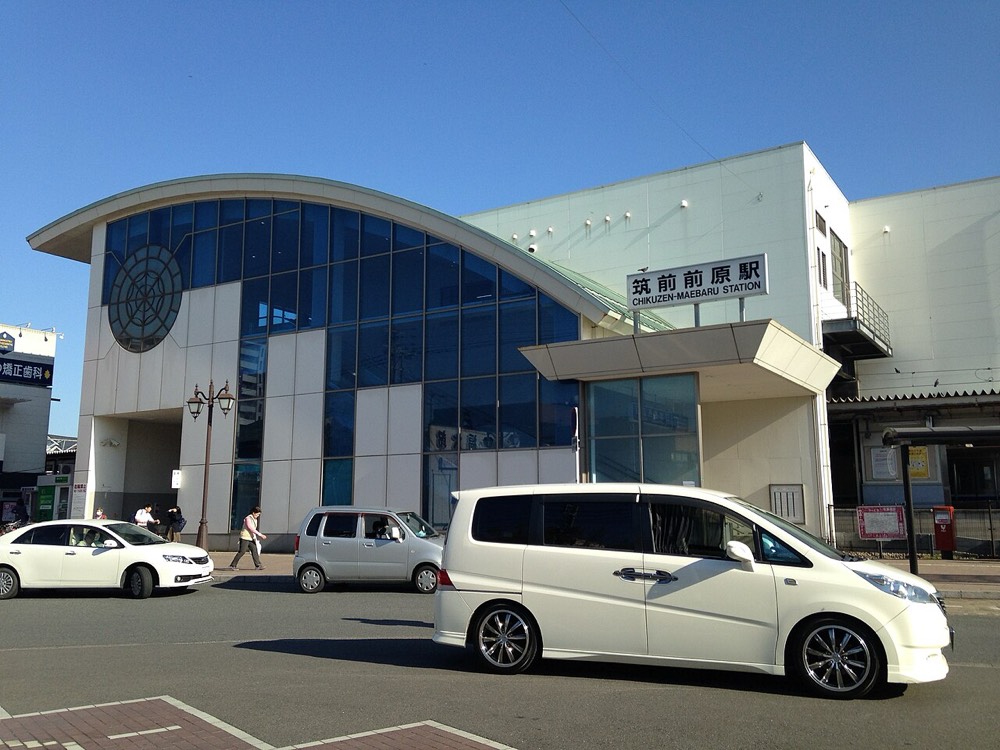
Route A: Chikuzen-Maebaru North Exit → Kafuri, Kishi (Keya Line)
- Hakata/Tenjin → Chikuzen-Maebaru Station: take the subway Airport Line toward Meinohama and Chikuzen-Maebaru. Some trains run straight through onto the JR Chikuhi Line at Meinohama with no change; on others, change at Meinohama. Journey times depend on the train, so check the Fukuoka City Subway or JR Kyushu timetable search before you go.
- Leave by the North Exit for the "Maebaru-eki Kitaguchi" bus stop: the Itoshima City Tourism Association says buses toward Kafuri, Funakoshi and Kishi all leave from the North Exit[6].
- Take Showa Bus Keya Line (route 26): on the timetable revised October 1, 2025, Maebaru-eki Kitaguchi to "Kafuri" takes about 9 minutes and to "Kishi" about 21 minutes[16].
- Walk from the stop: about 3 minutes from "Kafuri" to Kafuri Fishing Port and about 4 minutes from "Kishi" to Kishi Fishing Port[6].
| Keya Line | From Maebaru-eki Kitaguchi (toward Kishi) | From Kishi (back to Maebaru-eki Kitaguchi, about 23 minutes) |
|---|---|---|
| Weekdays | 9:40, 11:10, 12:50, 14:05, 15:05, 16:00 | 10:25, 12:10, 13:35, 14:45, 15:45, 16:45, 17:55, 19:00 |
| Weekends and holidays | 8:00, 9:40, 11:10, 12:50, 14:05, 15:05, 16:05 | 10:25, 11:55, 13:35, 14:50, 15:50, 16:50, 17:55, 19:00 |
Times are the mid-morning-to-evening departures from Showa Bus's Keya Line timetable (revised October 1, 2025)[16]; the holiday timetable applies over New Year. Timetables are revised, so check the latest version on Showa Bus's timetable page before you ride[19].
Route B: Chikuzen-Maebaru North Exit → Funakoshi (Funakoshi Line)
- Hakata/Tenjin → Chikuzen-Maebaru North Exit: same as steps 1 and 2 of Route A.
- Take Showa Bus Funakoshi Line (route 27): about 31 minutes from Maebaru-eki Kitaguchi to the "Funakoshi" terminus[17].
- Walk about 6 minutes to Funakoshi Fishing Port[6].
| Funakoshi Line | From Maebaru-eki Kitaguchi | From Funakoshi (back to Maebaru-eki Kitaguchi, about 32 minutes) |
|---|---|---|
| Weekdays | 9:35, 11:05, 13:20, 14:50 | 10:20, 11:50, 14:05, 15:35, 17:20, 18:40 |
| Weekends and holidays | 9:35, 11:05, 13:20, 14:50 | 10:20, 11:50, 14:05, 15:35, 17:20 |
Taken from Showa Bus's Funakoshi Line timetable (revised October 1, 2025)[17]. During the day the Funakoshi Line runs only every 1.5 to 2 hours, so a missed bus means a long wait. For more flexibility, take a taxi from Chikuzen-Maebaru's North Exit; the Itoshima City Tourism Association gives about 12 minutes to Kafuri and about 20 minutes to Funakoshi or Kishi[6].
Route C: JR Chikuhi Line → Fukuyoshi Station → walk to Fukuyoshi Fishing Port
Fukuyoshi is the only port in Itoshima where you can walk from a train station to the oyster huts without a bus, which suits people who want to drink and would rather not wait for buses.
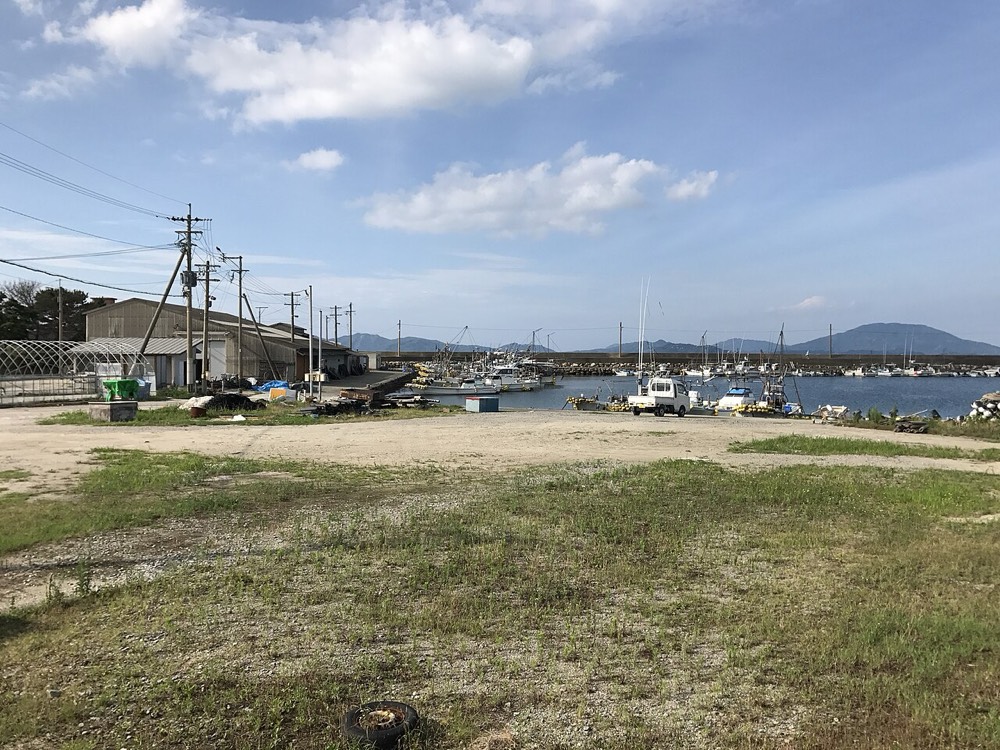
- Ride the Chikuhi Line toward Karatsu to Fukuyoshi Station: JR Kyushu announced that on weekends and holidays from November 7, 2026 to February 28, 2027, some rapid trains make extra stops at Fukuyoshi, so you can ride from stations such as Fukuoka Airport, Hakata and Tenjin without changing[18]. On weekdays or for other trains, check JR Kyushu's timetable search to see whether they stop at Fukuyoshi.
- Walk about 12 minutes to Fukuyoshi Fishing Port[1][6]. Kaki no Masuda Zenkomaru is described officially as the only hut you can walk to from the station, and Shineimaru Sasaki offers a free weekday pickup from Fukuyoshi Station[1]; ask the hut directly about pickup conditions.
- Weekday train perk: Kaki no Masuda's site says weekday visitors who come by train get a free drink and a frozen prawn[14]; check the hut's latest notices.
Driving: allow about 30 minutes from Maebaru IC on the Nishi-Kyushu Expressway to the ports[3], but roads around the harbors are congested every weekend, and the Funakoshi parking often fills up. Drivers must not drink, and officials recommend public transport if you plan to[1].
How to eat and hut etiquette for first-timers (short version)
The flow is roughly "queue or reserve → order and pay the charcoal or gas fee → grill it yourself → when the shell opens, check it is cooked through, then eat." Many huts lend jackets, gloves and oyster knives for free[2], and Fujimaru and Senryumaru say so on their sites[8][12].
- Reservations: Nakamiyamaru takes reservations by phone only[7], Shoei accepts same-day reservations until 11:00[11], Kaki no Masuda generally only takes weekend and holiday reservations for entry by 11:30[14], and Nisshinmaru recommends booking on both weekdays and weekends[9].
- What to wear: charcoal smoke clings to clothes and hair, so wear dark clothes you do not mind smelling of smoke and tie back long hair; harbors are windy, so bring an extra warm layer.
- Cook them through: Japan's Ministry of Health, Labour and Welfare notes that norovirus food poisoning often comes from raw or undercooked bivalves and recommends heating the center to 85–90°C for at least 90 seconds[5]. When the shell first opens the meat may still be half raw; wait until it plumps up and the edges curl. Pregnant people, children and older people should be especially careful to cook them fully.
For more Fukuoka food, see the Fukuoka food guide; if your trip continues to Honshu, compare the Hiroshima oyster guide.
Oyster hut + Meoto-iwa: planning a half day
In short: oysters at Kishi in the morning and the Meoto-iwa rocks at Sakurai Futamigaura in the afternoon is the smoothest combination.
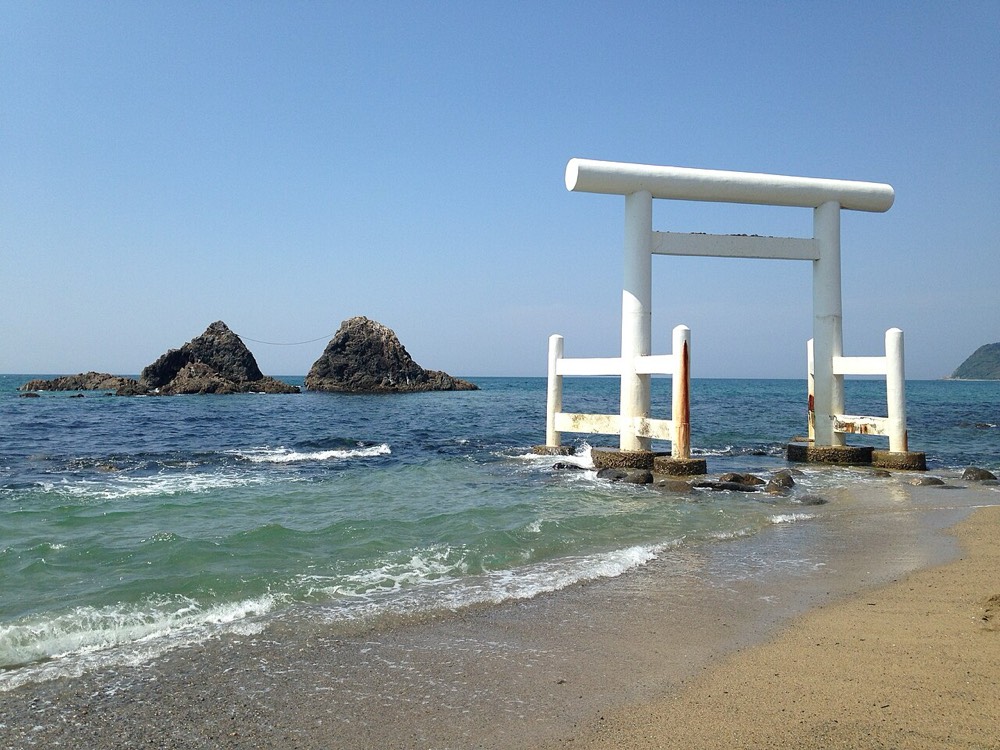
At Sakurai Futamigaura, two "wedded rocks" (Meoto-iwa) joined by a sacred rope stand in the sea, with a white torii gate on the beach in front of them[4]. Take Showa Bus's Nishinoura Line from JR Kyudai-Gakkentoshi Station, or the "West Coast Liner" from Hakata or Tenjin, and get off at "Futamigaura (Meoto-iwa-mae)"[4].
| Time (weekend example) | Plan |
|---|---|
| 9:40 | Keya Line from Maebaru-eki Kitaguchi |
| 10:01 | Get off at "Kishi" and walk about 4 minutes to Kishi Fishing Port[6][16] |
| 10:10–12:00 | Oyster hut lunch, avoiding the noon peak |
| After 12:00 | Taxi to Futamigaura for a seaside walk; return according to Futamigaura's bus times |
If you would rather skip the taxi, take the 11:55 or 13:35 Keya Line bus from Kishi back to Chikuzen-Maebaru after eating[16]. Buses at Futamigaura are infrequent, so check live times on the spot.
Before you go
- Check that your hut is open this season: a few, such as Shineimaru, are still "planned," and most closing dates have not been announced[1].
- Bring at least 3,000 yen in cash per person: some huts accept only cash or certain e-payment apps[15].
- Note your return bus: check the latest timetables for the last buses and daytime gaps on the Keya and Funakoshi Lines[19]; huts close early when live oysters sell out[2], so aim to arrive before noon.
- Where to stay: Hakata or Tenjin is most convenient for the subway to Chikuzen-Maebaru; see where to stay in Fukuoka. For getting here from other cities, see the Kyushu transport guide.
FAQ
When do the Itoshima oyster huts open for 2026-27, and how long do they stay open?
The earliest this season was Noburin at Kishi (October 1). Horyomaru and Kaki House Shoei at Funakoshi opened October 3, and at Fukuyoshi, Kaki no Masuda opened October 28 and Kaki no Abe Hiryumaru November 1. Official tourism sites give the overall season as roughly October to April, but most huts have not announced a closing date, so follow each hut's own notices.
How much do oysters cost per kilo at Itoshima oyster huts?
According to the huts' official sites (checked November 2026), Nakamiyamaru charges 1,500 yen per kilo (tax included), Fujimaru 1,200 yen, and Kaki House Shoei and Kaki no Abe 1,300 yen; Nisshinmaru sells a serving of about 12 oysters for 1,300 yen. Most huts add a charcoal or gas fee per table or per person. Prices on site take precedence.
How much should two people budget for an Itoshima oyster hut?
Using Fujimaru's official prices, two people ordering 2 kg of oysters, two scallops, two turban shells and two servings of oyster rice, plus the 550-yen charcoal fee per table, spend about 5,250 yen. Fujimaru's Take set (2 kg of oysters with turban shells, clams and more, charcoal included) plus oyster rice comes to about 6,400 yen. Drinks and transport are extra.
How do I get to the Itoshima oyster huts without a car?
From Hakata or Tenjin, take the Fukuoka City Subway Airport Line, which runs through onto the JR Chikuhi Line, to Chikuzen-Maebaru Station. From the North Exit, Showa Bus's Keya Line reaches Kafuri in about 9 minutes and Kishi in about 21; the Funakoshi Line reaches Funakoshi in about 31 minutes. The October 2025 timetable gives a flat fare of 200 yen. Alternatively, ride the Chikuhi Line to Fukuyoshi Station and walk about 12 minutes to Fukuyoshi Fishing Port.
Can I bring my own drinks or food to an Itoshima oyster hut?
Rules vary by hut. Nakamiyamaru and Fujimaru allow packed meals and drinks but not anything grilled on their grills; Kaki House Shoei allows only drinks and seasonings; Kaki no Masuda allows drinks, rice, vegetables and sausages but not meat or fish. Check your chosen hut's website before you go.
Can I eat the oysters raw at an oyster hut?
Oyster huts are meant for grilling, so cook the oysters through. Japan's Ministry of Health, Labour and Welfare notes that norovirus food poisoning often comes from raw or undercooked bivalves and recommends heating the center to 85–90°C for at least 90 seconds. Some huts separately sell oysters labeled for raw consumption; only eat those raw.
Sources
- Crossroad Fukuoka (Fukuoka City official tourism site): [2026-2027] Itoshima oyster huts feature: 2026-27 opening dates, hours and closing days by hut, number of huts per port, BYO rules, 12-minute walk from Fukuyoshi Station (checked November 20, 2026)
- Crossroad Fukuoka: Itoshima oyster huts (event information): Main season late October to late March; huts close early when oysters sell out
- Crossroad Fukuoka: Itoshima Oyster Road: Driving time from Maebaru IC; JF Itoshima contact
- Crossroad Fukuoka: Sakurai Futamigaura (Meoto-iwa): Meoto-iwa rocks, bus access and parking
- Ministry of Health, Labour and Welfare: Norovirus Q&A: Bivalves and norovirus; recommended heating conditions
- Itoshima City Tourism Association: Itoshima oyster huts: October to around April; bus line names, stops and walking times by port; taxi times (checked November 20, 2026)
- Nakamiyamaru official site: October 24, 2026 to around mid-March; closed Tuesdays; tax-included prices: oysters 1,500 yen/kg, charcoal 550 yen per table; BYO rules
- Fujimaru official site: Food: Oysters 1,200 yen/kg; scallop and turban shell 350 yen each; Matsu/Take/Ume sets (charcoal included); à la carte charcoal 550 yen per table
- Nisshinmaru official site: Menu: About 12 oysters 1,300 yen; turban shell 250 yen; oyster rice 400 yen
- Noburin official site: Menu: 2026 season opened October 1; Choi Kaki Gozen set 2,200 yen; scallop and turban shell 380 yen each
- Kaki House Shoei official site: Menu: Oysters one serving (1 kg) 1,300 yen; gas 300 yen per table; BYO limited to drinks and seasonings; same-day reservations until 11:00
- Senryumaru official site: Prices: Grilled oysters 1,200 yen per serving, 600 yen per half serving; 500 yen per table (charcoal, gloves and oyster knife); opened October 11, 2026
- Hirochan Kaki official site: Menu: Tax included: medium oysters (about 12) 1,500 yen; gas 220 yen per person
- Kaki no Masuda Zenkomaru official site: Menu: Oysters 1,300 yen/kg; gas 300 yen for one person, 500 yen per table for two or more; BYO rules
- Kaki no Abe Hiryumaru official site: Menu: Oysters 1,300 yen/kg; gas 220 yen per person; payment methods
- Showa Bus: Keya Line timetable (revised October 1, 2025): Weekday and weekend/holiday times from Maebaru Station North Exit to Kafuri and Kishi; flat fare 200 yen
- Showa Bus: Funakoshi Line timetable (revised October 1, 2025): Weekday and weekend/holiday times from Maebaru Station North Exit to Funakoshi; flat fare 200 yen
- JR Kyushu: Rapid trains make extra stops at Fukuyoshi on weekends and holidays during Itoshima oyster season (November 2, 2026): Some rapid trains stop at Fukuyoshi Station on weekends and holidays from November 7, 2026 to February 28, 2027
- Showa Bus: Route bus timetables: Latest timetables for Itoshima-area routes
Fares, opening hours and event dates can change. Information checked on 2026.11.20; please confirm with official sources before you go.