Nagoya Food Guide: How and Where to Eat Miso Katsu, Hitsumabushi, Tebasaki and Miso Nikomi Udon
Nagoya food guide: how to eat hitsumabushi, where to get miso katsu, tebasaki and miso nikomi udon, official menu prices, Nagoya Station food spots and a one-day route.
Quick answer
The Nagoya foods to prioritize are hitsumabushi (eel rice eaten three ways), miso katsu, tebasaki chicken wings and miso nikomi udon. According to official menus, hitsumabushi at Atsuta Horaiken's main store costs 4,950 yen, Yabaton's waraji tonkatsu set at the Yabacho main store 2,000 yen, five of Sekai no Yamachan's Maboroshi no Tebasaki 660 yen, and Yokoi's Mirakan ankake spaghetti 1,250 yen (checked November 2026). Short on time? Eat them all at the ESCA underground mall by the Shinkansen exit and Nagoya Umaimon-dori inside JR Nagoya Station.
What should you eat in Nagoya, and where is the most efficient place to eat it? The short answer: Nagoya's must-eat foods are hitsumabushi, miso katsu, tebasaki and miso nikomi udon, and you can eat all four around Nagoya Station. This Nagoya food guide covers nine "Nagoya meshi" dishes one by one: what each is, how to eat it and where the signature shops are, with prices taken from official menus, how to eat everything at Nagoya Station, when to go to avoid queues, and a one-day food route you can actually walk.
What is Nagoya food? What Nagoya meshi dishes have in common
The answer: Nagoya meshi are local dishes eaten widely at home and in restaurants in and around Nagoya, and they share rich soybean miso, sweet-salty sauces and generous portions[10].
Aichi Prefecture, where Nagoya sits, favors "mame miso" made mainly from soybeans, such as Hatcho miso. It is dark and intense, which is why miso katsu, miso nikomi udon and doteni are all deep brown. The other signature is the sweet-spicy sauce plus pepper combination, as on tebasaki. On first taste the food may seem salty and heavy; it is made to go with rice or beer.
If you only have a day or two, start with the Nagoya itinerary to decide where to stay, then use the list below to pick what to eat.
| Dish | Japanese | In one line | Signature shop |
|---|---|---|---|
| Eel rice three ways | ひつまぶし | Strips of grilled eel on rice, eaten four different ways | Atsuta Horaiken |
| Miso katsu | 味噌カツ | Pork cutlet with soybean-miso sauce | Yabaton |
| Tebasaki | 手羽先 | Fried chicken wings in sweet-spicy sauce, with pepper and sesame | Sekai no Yamachan, Furaibou |
| Miso nikomi udon | 味噌煮込みうどん | Firm noodles simmered in miso broth in a clay pot | Yamamotoya Sohonke, Yamamotoya Honten |
| Taiwan ramen | 台湾ラーメン | Spicy minced meat on chicken broth, invented in Nagoya | Misen |
| Tenmusu | 天むす | Small rice balls with tempura shrimp inside | Senju |
| Kishimen | きしめん | Flat udon about 1 mm thick | Standing noodle stands on Nagoya Station platforms |
| Ankake spaghetti | あんかけスパ | Thick spaghetti with a peppery, starchy sauce | Yokoi |
| Coffee-shop breakfast, ogura toast | モーニング、小倉トースト | Toast that comes with your drink; red bean paste with butter | Komeda's Coffee |
How to eat hitsumabushi: Atsuta Horaiken's four steps
The answer: split hitsumabushi into four portions and eat them plain, with condiments, as ochazuke, and finally in whichever style you liked best.
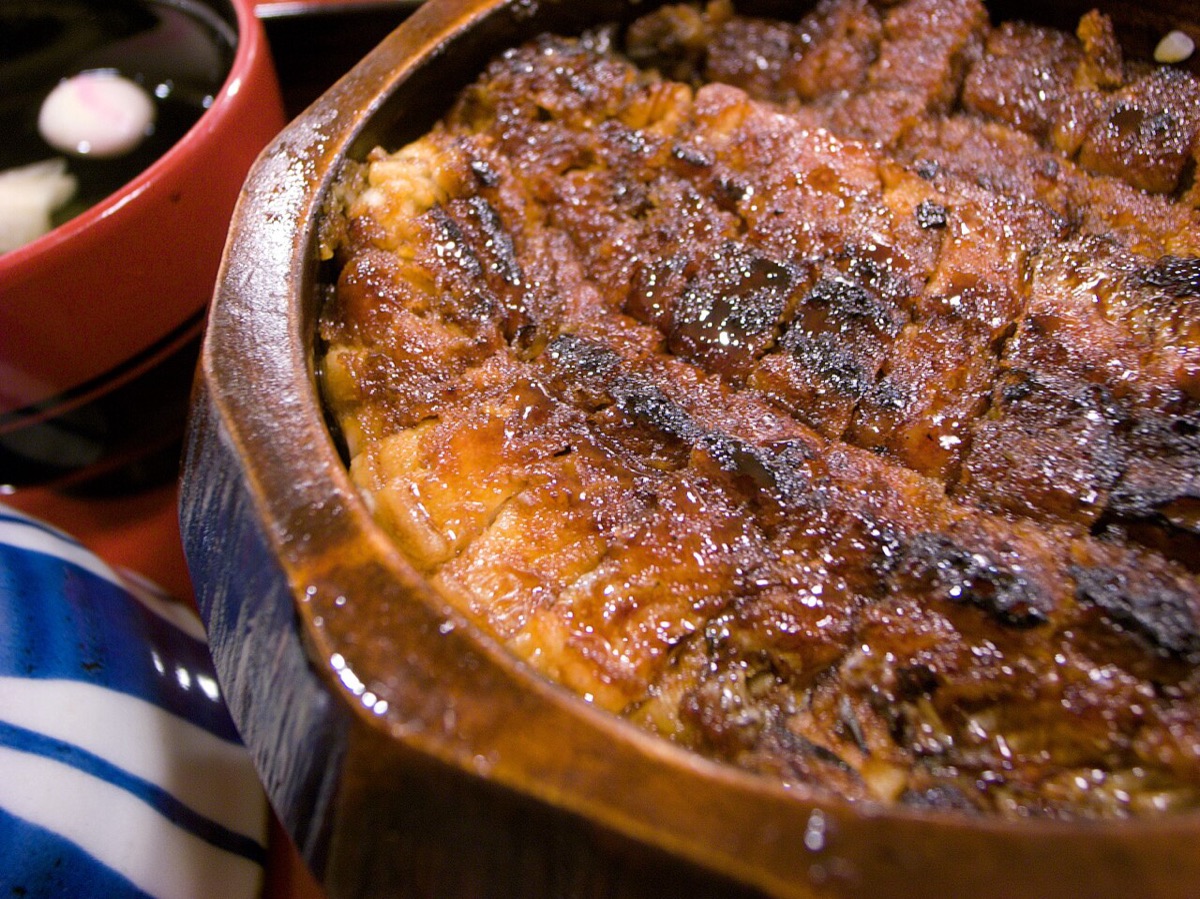
Hitsumabushi is grilled eel cut into thin strips over rice, served in a large wooden tub (ohitsu). According to Atsuta Horaiken, founded in Atsuta in 1873 (Meiji 6), the porcelain bowls it used for deliveries kept breaking, so it switched to wooden tubs holding several servings. Customers ate the eel and left the rice, so the restaurant chopped the eel and mixed it into the rice; "mabusu" (to mix) gave the dish its name[1].
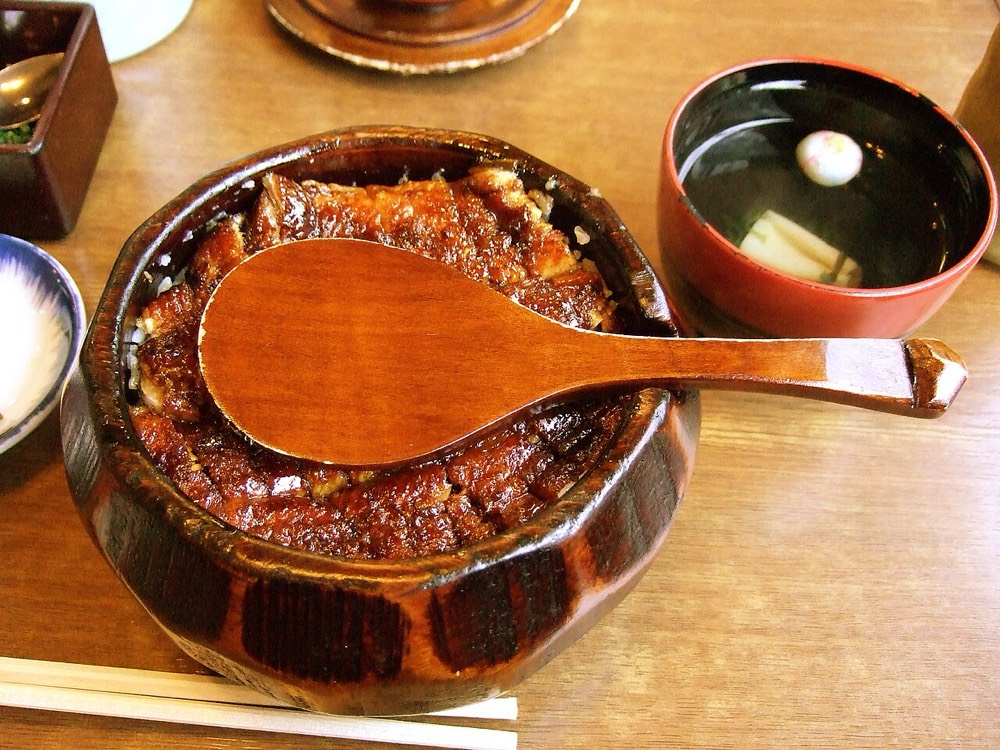
Steps:
- Draw a cross in the tub with the rice paddle to split the eel rice into four equal parts.
- First bowl: scoop it into the small bowl and eat it plain to taste the eel and sauce.
- Second bowl: add green onion, nori, wasabi and the other condiments.
- Third bowl: add condiments, then pour dashi over it as ochazuke.
- Fourth bowl: finish with your favorite of the three styles.
On price, the main store's menu lists hitsumabushi at 4,950 yen, and "ippan hitsumabushi", with 1.5 times the eel and rice, at 6,600 yen[2]. Of the four shops, the main store (Jinya), Jingu store and Matsuzakaya store offer dine-in; the Matsuzakaya basement shop is takeout only:
| Shop | Nearest station | Hours (last order) | Closed |
|---|---|---|---|
| Main store (Jinya) | 7 min walk from Atsuta-jingu-Temmacho Station, Meijo Line | Lunch 11:30–14:00, dinner 16:30–20:30 | Wednesdays, 2nd and 4th Thursdays |
| Jingu store | 3 min walk from Atsuta-jingu-Temmacho Station, Meijo Line | Lunch 11:30–14:30, dinner 16:30–20:30 | Tuesdays, 2nd and 4th Mondays |
| Matsuzakaya store (Matsuzakaya Nagoya South Building 10F) | 2 min walk from Yabacho Station, Meijo Line | Weekdays 11:00–14:30, 16:30–20:30; weekends and holidays 11:00–20:30 | Tuesdays |
Source: Atsuta Horaiken store information[3]; the shops open on national holidays and close on a substitute day instead. The official site only mentions phone reservations for kaiseki courses (3 days ahead), so plan regular hitsumabushi on a walk-in basis. Atsuta Jingu shrine is right next to the Jingu store, so you can pair a shrine visit with lunch in one morning.
Where to eat miso katsu: Yabaton prices and how to eat it
The answer: for your first miso katsu, Yabaton's signature "waraji tonkatsu" is the most straightforward choice, 2,000 yen as a set at the Yabacho main store.
Miso katsu is a pork cutlet topped with, or dipped in, a sauce based on Hatcho miso; some places serve the sauce on the side[10]. Yabaton was founded in 1947 (Showa 22). Its waraji tonkatsu is one large loin cutlet covering the plate, and you can ask for half miso sauce, half regular tonkatsu sauce[4].
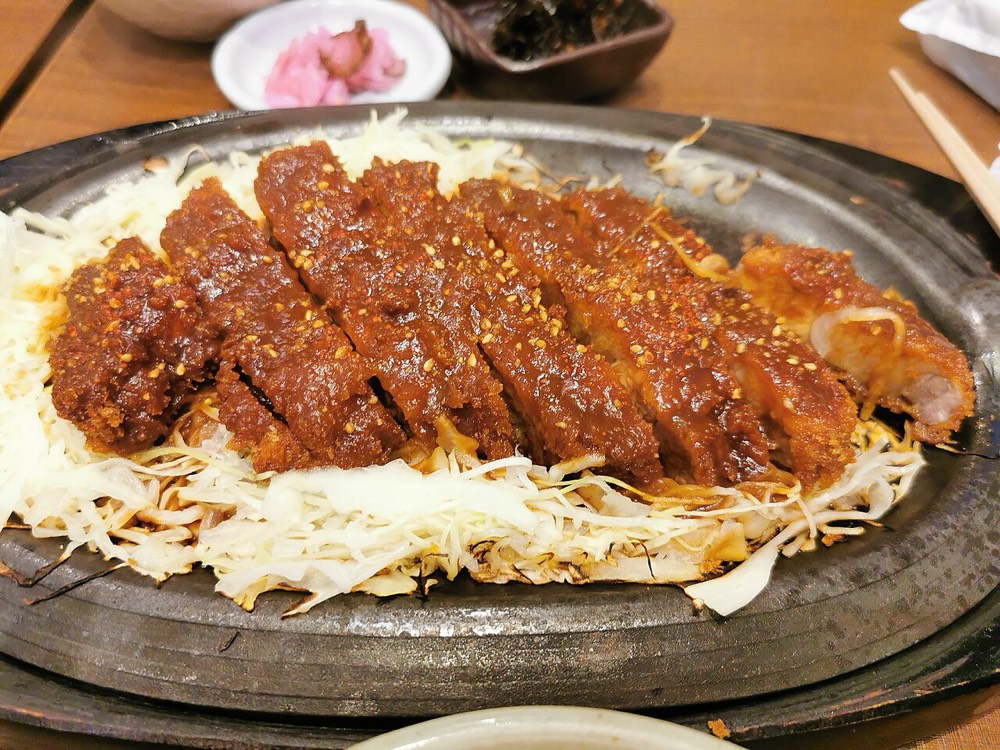
Prices on the Yabacho main store menu (checked November 2026)[4]:
| Item | Set meal | À la carte |
|---|---|---|
| Waraji tonkatsu | 2,000 yen | 1,570 yen |
| Teppan rib tonkatsu (miso on a hot plate, topped with green onion) | 2,100 yen | 1,670 yen |
| Kagoshima black pork waraji tonkatsu (limited) | 2,940 yen | 2,410 yen |
Sets include a small side dish, rice, miso soup and pickles, with regular or large rice. The shop suggests eating the first piece as is, then switching it up with sesame, mustard or ichimi chili powder.
- Yabacho main store: 3-6-18 Osu, Naka-ku, Nagoya; about 5 minutes on foot from Exit 4 of Yabacho Station (Meijo Line); 11:00–21:00; the official closing-day field reads "none"; reservations accepted[4].
- Nagoya Station ESCA store: in the ESCA underground mall at the Shinkansen exit of Nagoya Station; 11:00–22:00 (last order 21:30); closing days follow ESCA; reservations accepted[5].
- Other branches include the JR Nagoya Station store, the Nagoya Castle Kinshachi Yokocho store, and branches in Tokyo and Osaka; prices vary by branch.
Nagoya tebasaki: Sekai no Yamachan or Furaibou?
The answer: for a strong peppery kick to go with beer, go to Sekai no Yamachan; for the sweet-salty sauce version from the shop where "tebasaki karaage" began, go to Furaibou.
Tebasaki are the tip sections of chicken wings, deep-fried, brushed with sweet-spicy sauce and sprinkled with spices and sesame[10]. Furaibou's official site says tebasaki karaage was born at Furaibou in 1963, inspired by dipping fried chicken in sauce[7]. Sekai no Yamachan is known for its "Maboroshi no Tebasaki", with a sharper pepper hit.
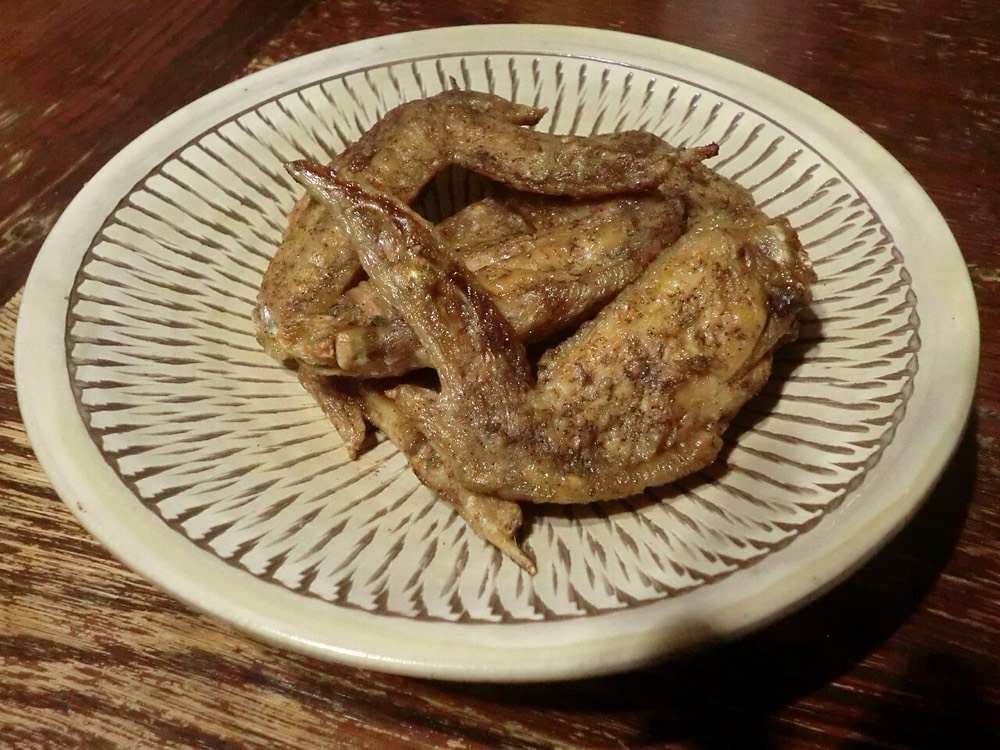
| Shop | Signature | Portion and price | Best for |
|---|---|---|---|
| Sekai no Yamachan | Maboroshi no Tebasaki | 5 pieces (1 serving) 660 yen; 10 pieces (2 servings) 1,320 yen | Pepper lovers, drinks and conversation |
| Furaibou | Original tebasaki karaage | Price not published on the official site; see the in-store menu | Trying the version from the shop where it began |
Sekai no Yamachan's prices are from its 2026 official menu; some branches, such as Chubu Centrair Airport and Asty Mikawa-Anjo, have different menus[6]. You can choose pepper strength from four levels, none, less, standard and more; ask for "sukuname" (less) if you are sensitive to heat. Eat them by hand, biting the meat off the bone at the wing tip, with no need for chopsticks.
Both are izakaya-style places that mainly open in the evening, with the most branches around Sakae and Nishiki and others near Nagoya Station. For branches and hours, see Sekai no Yamachan's site and Furaibou's store page.
Miso nikomi udon: Yamamotoya Sohonke vs Yamamotoya Honten
The answer: the noodles in miso nikomi udon are deliberately very firm; they are not undercooked, that is the point. And the two "Yamamotoya" shops are different businesses.
The dish is thick udon simmered in soybean-miso broth in a clay pot. The noodle dough is made with plain water and no salt, so it holds up to long cooking and stays chewy[10]. Common toppings are chicken, egg, fried tofu and green onion, and the clay-pot lid doubles as a small plate: lift noodles onto it to cool before eating.
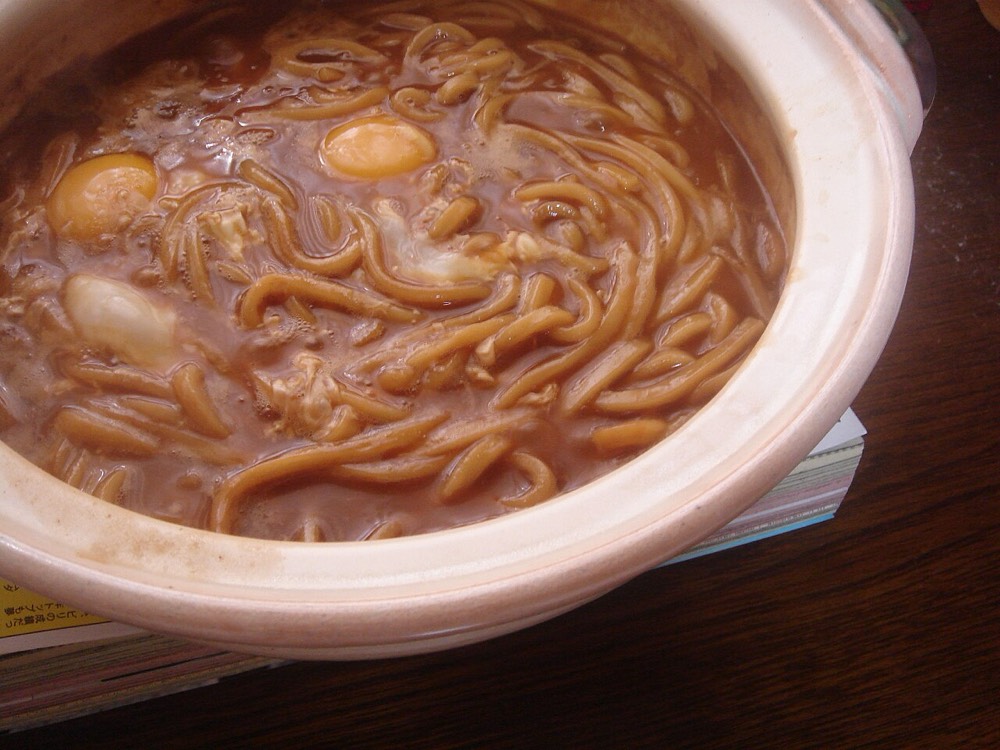
Yamamotoya Sohonke was founded in 1925 and has 4 shops in Nagoya[8]:
| Shop | Location | Hours (last order) | Closed |
|---|---|---|---|
| Honke | 3-12-19 Sakae, Naka-ku | Weekdays 11:00–15:30 (15:00), 17:00–21:00 (20:00); weekends and holidays 11:00–21:00 (20:00) | Tuesdays, Wednesdays |
| Matsuzakaya store | Matsuzakaya Nagoya Main Building 9F | 11:00–21:00 (20:00) | Follows Matsuzakaya |
| Towers store | JR Central Towers 13F | 11:00–23:00 (22:00) | Follows the building |
| Kinshachi Yokocho store | Nagoya Castle Kinshachi Yokocho, main gate area | 10:30–17:30 (17:00) | Follows Nagoya Castle |
Yamamotoya Honten is a separate business with branches in front of Nagoya Station, in Fushimi and elsewhere, and its broth and menu differ from Sohonke's. Neither official site lists prices on its web pages, so check the in-store menu. From Nagoya Station, the easiest option is Sohonke's Towers store, open until 23:00 for late arrivals.
Where is Taiwan ramen from? Misen Imaike Main Store
The answer: Taiwan ramen is not a Taiwanese dish but a spicy noodle invented in Nagoya, and Misen is the originator.
Nagoya City's official tourism site explains that Taiwan ramen was modeled on Taiwanese danzai noodles: a light chicken-broth soup topped with plenty of minced meat stir-fried with chili and garlic, plus chives and bean sprouts, and it is very spicy[10]. Misen calls itself the original Taiwan ramen shop, and the Imaike main store is where it began[11].
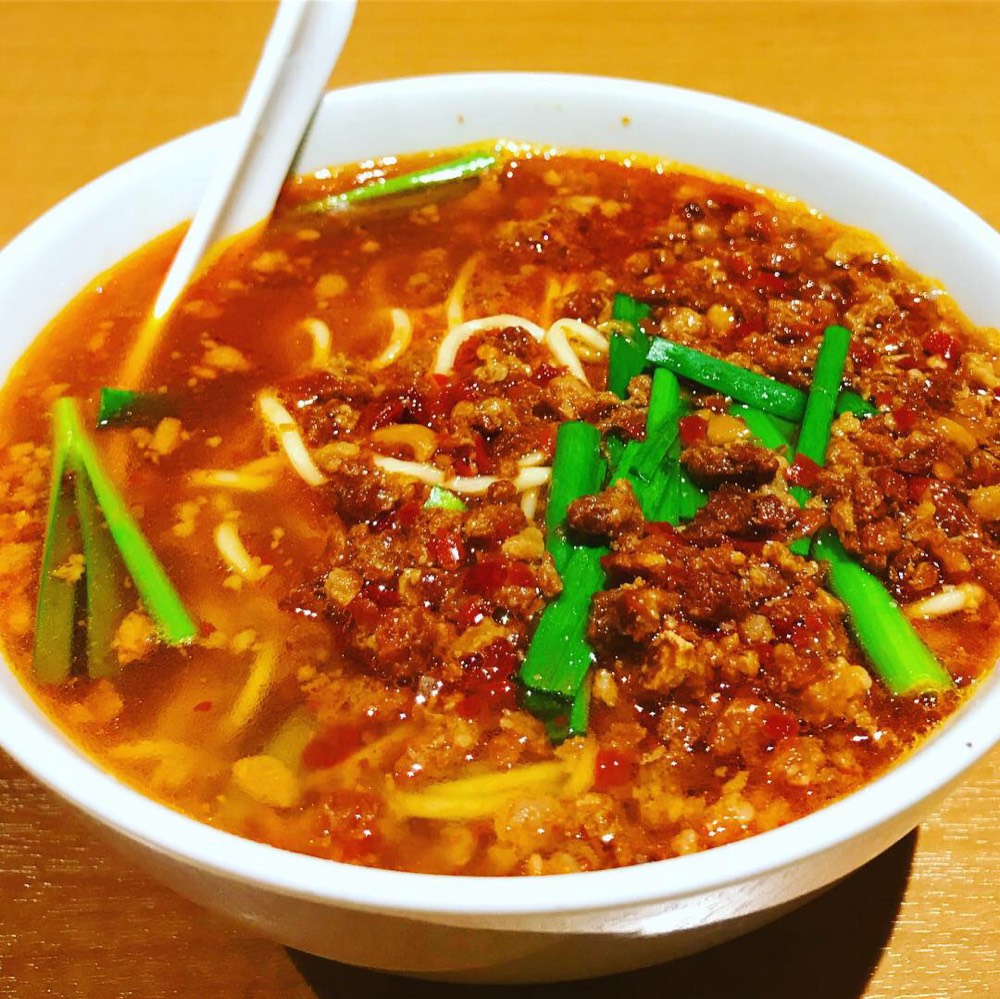
- Imaike main store: 1-12-10 Imaike, Chikusa-ku, Nagoya; about 1 minute from Exit 9 of Imaike Station (Higashiyama or Sakura-dori Line)[11]. The official site lists hours of 17:00 to 1:00 the next day (last order 0:30), closed December 31 and January 1[9].
- JR Nagoya Station store: inside JR Nagoya Station at Nagoya Umaimon-dori, Taikodori-guchi[16], if you do not want to go out to Imaike.
Misen's official site does not list in-store prices; check the menu at the shop. A bowl of Taiwan ramen is not large, so people often order it to finish a night of drinking or alongside other stir-fried dishes. If you are sensitive to spice, ask the staff whether they can make it milder.
Tenmusu, kishimen and ankake spaghetti: three easy-to-miss dishes
The answer: these three are small or inexpensive, perfect for filling gaps in your schedule, and all are available around Nagoya Station.
Tenmusu: small rice balls with tempura shrimp
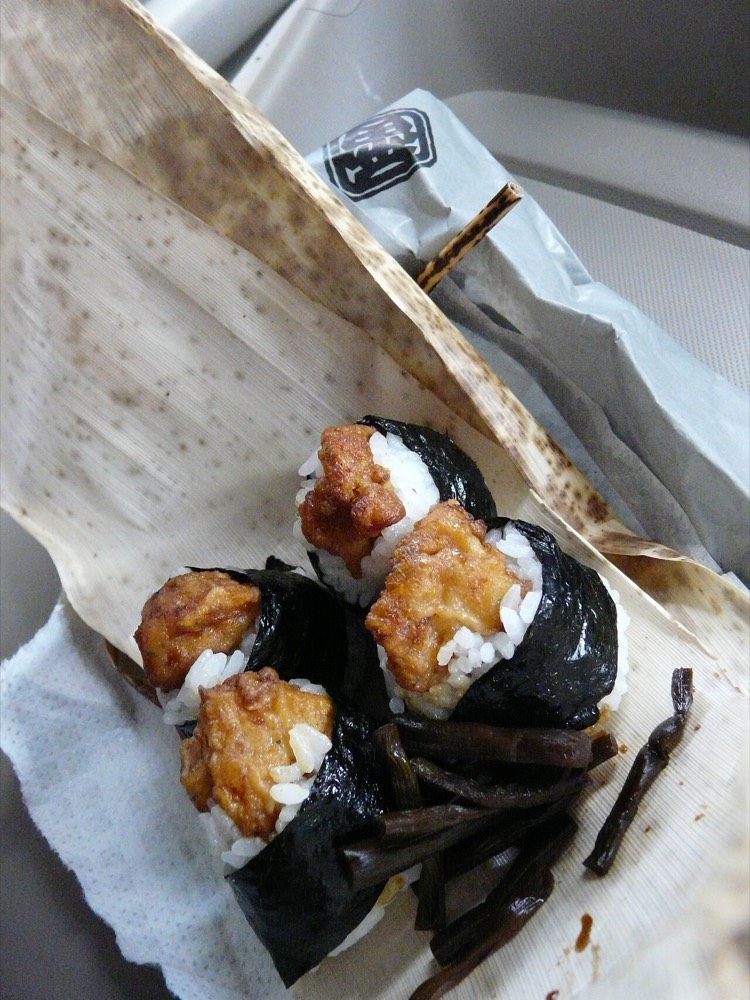
Tenmusu are small rice balls wrapped in nori with tempura shrimp inside, about half the size of a regular onigiri, often served with sweet-salty simmered butterbur stems (kyarabuki)[10]. They actually originated at "Senju" in Tsu, Mie Prefecture, and later spread to Nagoya, where there is also a "Senju" in Osu[12]. Buy them to eat on the Shinkansen, or as a snack while walking the Osu shopping arcade.
Kishimen: standing noodle bars on Nagoya Station platforms
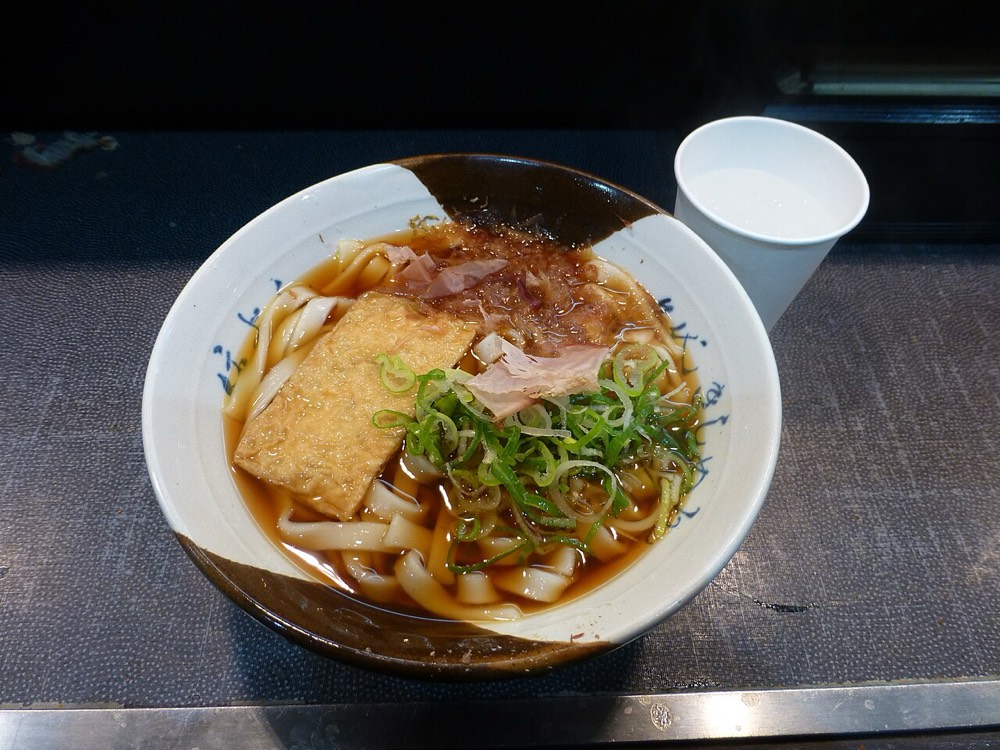
Kishimen are flat udon about 1 mm thick and 7–8 mm wide, in a broth made with tamari soy sauce and dried bonito, typically topped with fried tofu, kamaboko and greens, then a big handful of bonito flakes[10]. Nagoya Station has standing noodle bars on both the conventional-line and Shinkansen platforms: buy a ticket from the machine and your bowl arrives in minutes, ideal between trains. Umaimon-dori inside the station also has "Ekikama Kishimen"[16].
Ankake spaghetti: the original at Yokoi
Ankake spaghetti is spaghetti about 2.2 mm thick, boiled, then fried in lard and topped with a thick, strongly peppery sauce[10]. Yokoi, founded by Hiroshi Yokoi, is regarded as the originator. The most popular dish, "Mirakan", costs 1,250 yen, and "Milanese", on the menu since the early days, 1,200 yen[13].
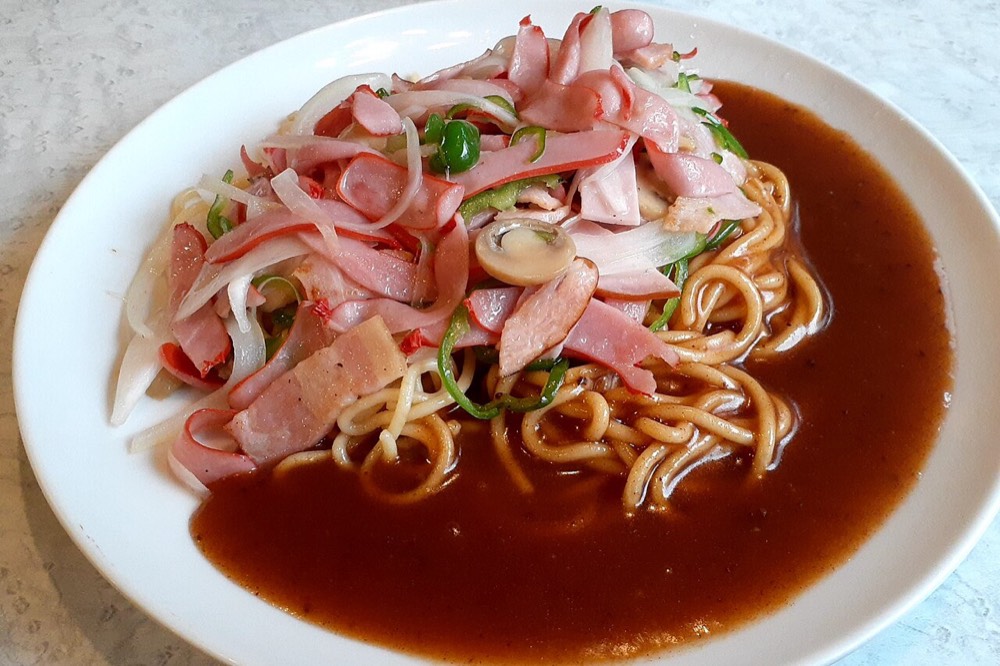
Yokoi has the Sumiyoshi main store (about 5 minutes from Exit 8 of Sakae subway station), the Nishiki store (about 2 minutes from Exit 1 of Sakae Station) and the KITTE Nagoya store connected directly to Nagoya Station. Hours differ by shop and change from time to time, so check the official notices before you go[13].
Nagoya coffee-shop breakfast: morning sets and ogura toast
The answer: walk into a Nagoya coffee shop before 11 a.m. and order a drink, and toast or a boiled egg usually comes with it. This is "morning", the cheapest Nagoya experience.
Nagoya City's tourism site explains that morning is a service offered by coffee shops mainly in the morning, where ordering a drink comes with free toast or a boiled egg, and that it is especially common in Aichi[10]. Ogura toast is buttered toast topped with sweet red bean paste, where the saltiness of the butter balances the sweetness[10].
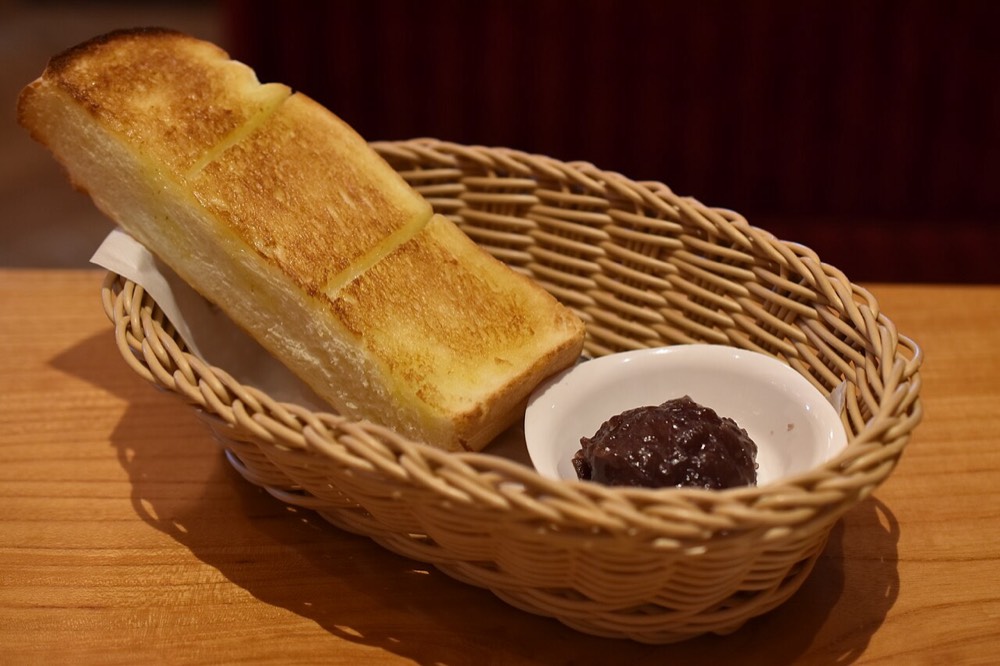
Take the chain Komeda's Coffee as an example: every day from opening until 11:00, ordering any drink gets you free toast or another bread, plus one of boiled egg, egg spread or red bean paste[14]. Pick the red bean paste and you have a simple ogura toast. Drink prices vary by shop.
Eating it all at Nagoya Station: ESCA and Nagoya Umaimon-dori
The answer: with only half a day or a train connection, eat at Nagoya Station. ESCA by the Shinkansen exit and Nagoya Umaimon-dori inside JR Nagoya Station together cover almost every Nagoya dish.
| Place | Location | Hours | What you can eat |
|---|---|---|---|
| ESCA underground mall | Underground at the Shinkansen (west) exit of Nagoya Station | Restaurants 10:00–22:30, cafés 7:00–22:30 (some shops differ) | Eel rice, miso nikomi and kishimen, miso katsu (Yabaton), tebasaki and Nagoya Cochin |
| Nagoya Umaimon-dori, Taikodori-guchi | Inside JR Nagoya Station, Taikodori exit side | Varies by shop | Misen, Yabaton JR Nagoya Station store, Maruya Honten (eel), Ekikama Kishimen, Spaghetti House Ciao (ankake spaghetti), Kitchen Nagoya (miso katsu) |
| JR Central Towers 13F | Directly above Nagoya Station | Varies by shop | Yamamotoya Sohonke Towers store (miso nikomi udon, until 23:00) |
Sources: ESCA official site[15], Nagoya Umaimon-dori floor map[16], Yamamotoya Sohonke[8]. ESCA is right underground as you leave the Shinkansen exit, the most convenient before or after a bullet train; for getting here from Tokyo or Osaka, see how to book the Shinkansen.
How to avoid queues: timing for Nagoya food
The answer: popular shops are busiest from 12:00 to 13:00 and 18:00 to 19:30. Arriving before opening or shifting an hour later usually cuts the wait dramatically.
- Eel: Atsuta Horaiken's Jingu and main stores open for lunch at 11:30; arriving 30 minutes early is safest. The two stores have different closing days, so check which one is open that day[3].
- Miso katsu: Yabaton's main store runs 11:00–21:00 without a break[4], so you can go in the quiet 14:30–17:00 window.
- Spread out across branches: if the main store line is too long, switch to another branch of the same brand; Yabaton and Yamamotoya Sohonke both have shops at Nagoya Station and Sakae.
- Avoid Japanese holidays: Golden Week, Obon and the New Year period bring the most visitors and longer waits at popular shops.
- Dinner and late night: tebasaki shops and Misen stay open late, so going after 20:00 usually makes it easier to get a seat.
Sample one-day Nagoya food route
The answer: four or five Nagoya dishes in one day is doable. The key is a coffee-shop morning, eel for lunch, miso katsu in the afternoon and tebasaki in the evening, with Taiwan ramen late at night if you still have room.
The route below starts from Nagoya Station and uses the subway, on a weekday when both the main and Jingu stores are open (Jingu store closes Tuesdays, main store Wednesdays):
| Time | Place | What to eat | Getting there |
|---|---|---|---|
| 8:30 | A coffee shop near Nagoya Station | Morning set (toast with your drink) | — |
| 10:45 | Atsuta Horaiken Jingu store | Queue before opening; hitsumabushi at 11:30 | Meijo Line to Atsuta-jingu-Temmacho Station, 3 min walk |
| 13:00 | Atsuta Jingu | Visit the shrine, walk it off | Walk |
| 14:30 | Yabaton Yabacho main store | Share one waraji tonkatsu set between two | Meijo Line Atsuta-jingu-Temmacho to Yabacho, about 5 min walk |
| 15:30 | Osu shopping arcade | Browse, buy tenmusu as a snack or tomorrow's breakfast | Walk |
| 18:30 | A tebasaki shop around Sakae | Tebasaki with beer | Walk or subway |
| 21:00 | Misen Imaike main store | Taiwan ramen to finish | Higashiyama Line Sakae to Imaike |
For budget, using the official prices confirmed above, one person eating hitsumabushi (4,950 yen), half a miso katsu set (about 1,000 yen) and 5 tebasaki (660 yen) spends about 6,610 yen; coffee-shop drinks, tenmusu, Taiwan ramen and drinks are extra and depend on each shop's menu. This route also pairs well with Ghibli Park tickets and access or an Ise Jingu visit, using Nagoya as the base the night before.
Who this suits, and who it doesn't
The answer: fans of bold flavors, meat and carbs will be happy; light eaters, people who don't eat pork, or those sensitive to spice should choose carefully.
- Good for: travelers who want to cover local specialties in 1–2 days; people passing through Nagoya by Shinkansen with only half a day (eat at ESCA and inside the station); anyone who likes izakaya and beer.
- Watch out: Nagoya food tends to be salty and sweet, and miso katsu followed by miso nikomi udon can feel heavy. Mix in lighter items like kishimen or tenmusu.
- Less suited: if you don't eat pork, swap miso katsu for chicken-based tebasaki or Nagoya Cochin; if you can't handle spice, ask for less heat with Taiwan ramen and Sekai no Yamachan's pepper.
- Tight budget: hitsumabushi is the most expensive Nagoya dish. On a tight budget, have it once and fill out the day with items under 1,000 yen such as morning sets, kishimen and tebasaki.
Before you go
- Prices and hours at popular shops change; check official sites again a week before you go, especially Atsuta Horaiken, whose stores close on different days.
- Yamamotoya Sohonke and Yamamotoya Honten, and Senju's Tsu shop and Osu shop, have similar names but are not the same; check the shop name carefully on maps.
- For eating across other Japanese cities, branch out from the Japan food topic page; if you are coming from Tokyo or Osaka, see the Tokyo to Osaka transport comparison. Nagoya sits between the two, a good place to stop for a night just to eat.
FAQ
What are the must-eat foods in Nagoya, and what should I pick with only one day?
With one day, prioritize hitsumabushi, miso katsu and tebasaki, placed at lunch, mid-afternoon and dinner. If you head out before 11 a.m., add a coffee-shop morning set; if you like spicy food, finish with Taiwan ramen at Misen as a late-night bowl.
How do you eat hitsumabushi?
Following Atsuta Horaiken's explanation: divide the eel rice in the tub into four. Eat the first bowl plain to taste the eel; add condiments such as green onion, nori and wasabi to the second; pour dashi over the third to make ochazuke; and finish the fourth bowl in whichever style you liked best.
Can I reserve hitsumabushi at Atsuta Horaiken?
The official site says phone reservations are only for kaiseki courses, made at least 3 days ahead, and may not be accepted over New Year, Obon or long holidays. For regular hitsumabushi, plan on queuing: arrive about 30 minutes before opening or avoid the 12:00–13:00 and dinner peaks.
Are Yamamotoya Sohonke and Yamamotoya Honten the same restaurant?
No. Both serve Nagoya's miso nikomi udon and the names are similar, but they are separate businesses with different menus and flavors. Yamamotoya Sohonke has 4 shops: the Honke in Sakae, Matsuzakaya, the Towers shop on the 13th floor of JR Central Towers, and Kinshachi Yokocho at Nagoya Castle. Check the shop name carefully when looking up hours.
Can I eat Nagoya food without leaving Nagoya Station?
Yes. The ESCA underground mall by the Shinkansen exit has miso katsu (including Yabaton), eel, tebasaki and kishimen restaurants. Nagoya Umaimon-dori's Taikodori-guchi area inside JR Nagoya Station has Misen, Yabaton, Maruya Honten (eel), Ekikama Kishimen and an ankake spaghetti shop. Yamamotoya Sohonke's Towers shop is on the 13th floor of JR Central Towers.
What is Nagoya's 'morning' breakfast, and does it cost extra?
'Morning' is a coffee-shop breakfast service around Nagoya: order a drink in the morning and toast or a boiled egg comes with it. At Komeda's Coffee, for example, ordering a drink from opening until 11:00 gets you free bread plus your choice of boiled egg, egg spread or sweet red bean paste; you pay only for the drink. Conditions vary by café.
Sources
- Atsuta Horaiken: History, origin of hitsumabushi and how to eat it: Founded 1873; origin and eating method of hitsumabushi
- Atsuta Horaiken: Main store menu: Hitsumabushi 4,950 yen, ippan hitsumabushi 6,600 yen (checked November 2026)
- Atsuta Horaiken: Store information: Addresses, nearest stations, hours and closing days
- Yabaton: Yabacho Main Store (store page and menu PDF): Founded 1947; address, hours, waraji tonkatsu and other prices (checked November 2026)
- Yabaton: Nagoya Station ESCA store: Hours and reservations
- Sekai no Yamachan: Grand menu: Maboroshi no Tebasaki, 5 pieces 660 yen incl. tax; some stores differ (checked November 2026)
- Tebasaki Karaage Furaibou official site: Tebasaki karaage created at Furaibou in 1963
- Yamamotoya Sohonke: Store list: Addresses, hours and closing days for 4 shops; founded 1925
- Misen official site: Imaike main store address and hours; originator of Taiwan ramen
- Nagoya Concierge (Nagoya City official tourism site): Nagoya meshi: Definitions and features of each Nagoya dish
- Nagoya Concierge: Misen Imaike Main Store: About 1 minute from Exit 9 of Imaike Station
- Walkerplus: Senju, the shop where tenmusu originated: Tenmusu originated in Tsu, Mie Prefecture
- Spaghetti House Yokoi official site: Originator of ankake spaghetti; Mirakan 1,250 yen and other in-store prices; shop list
- All About News: Komeda's Coffee morning guide: Komeda morning hours and choices
- ESCA Underground Mall official site: Location (Nagoya Station Shinkansen exit), restaurant and café hours, Nagoya food categories
- Nagoya Umaimon-dori (Nagoya Station floor map): Shop list for the Taikodori-guchi area
Fares, opening hours and event dates can change. Information checked on 2026.11.21; please confirm with official sources before you go.