Ise Jingu Guide: Geku and Naiku Order, Getting There from Nagoya and Osaka, Okage Yokocho and New Year Crowds
How to visit Ise Jingu: Geku-then-Naiku order, monthly hours, Kintetsu, Shimakaze and JR Rapid Mie from Nagoya and Osaka, the Ise Jingu pass, Okage Yokocho and goshuin.
Quick answer
By tradition, visit Ise Jingu's Outer Shrine (Geku, Toyouke Daijingu) before the Inner Shrine (Naiku, Kotai Jingu); the bus between them takes about 15 to 20 minutes. Hours are 5:00 to 17:00 in October to December, to 18:00 in January to April and September, and to 19:00 in May to August. From Nagoya, the Kintetsu limited express reaches Iseshi in about 80 minutes for 3,080 yen one way. From Nagoya or Osaka, the 3-day Ise Jingu Sanpai Kippu (6,800 yen from Tokai, 7,600 yen from Kansai) covers round-trip limited express seats and local buses, but must be bought by the day before.
Ise Jingu in Ise, Mie Prefecture, is officially called simply "Jingu." It centers on two shrines: the Outer Shrine (Geku), dedicated to Toyouke-no-Omikami, and the Inner Shrine (Naiku), dedicated to Amaterasu-Omikami. First-time visitors usually get stuck on four questions: which shrine to visit first, the best-value way to get there from Nagoya or Osaka, how to get between the two shrines, and whether New Year crowds are unmanageable. This guide covers the visiting order, monthly hours, a transport comparison, Okage Yokocho, Meoto Iwa and other nearby stops, goshuin rules, a day plan and a cost breakdown.
Should You Visit Ise Jingu's Geku or Naiku First, and Why?
Short answer: Geku first, then Naiku. The shrine's official FAQ describes this as a long-standing custom rather than a rule that bars you from visiting otherwise[2]. The order also works for transport: Geku is about a 5-minute walk from Kintetsu and JR Iseshi Station, while Naiku lies to the south on the Isuzu River, reached by bus. After Naiku you can eat and shop in Oharai-machi right outside the gate and leave from a nearby station without backtracking.
The two shrines take different amounts of time:
- Geku: about 10 minutes from the Hiyokebashi entrance bridge to the main sanctuary[2]; allow about 1 hour including the sub-shrines (Takanomiya, Tsuchinomiya, Kazenomiya).
- Naiku: about 20 minutes from Ujibashi Bridge to the main sanctuary[2]; allow at least 1.5 to 2 hours including Aramatsurinomiya and the walk back.
- The custom is to visit the main sanctuary first and the sub-shrines after it within each shrine.
Ise Jingu Visiting Hours by Month
Geku, Naiku and the sub-shrines share the same hours, set in three seasonal bands[1]:
| Months | Visiting hours | Tip |
|---|---|---|
| January, February, March, April, September | 5:00–18:00 | Reach Naiku by 16:00 at the latest |
| May, June, July, August | 5:00–19:00 | Quieter in the evening |
| October, November, December | 5:00–17:00 | Days are short; be at Naiku before 15:00 |
Hours change over New Year; check the shrine's latest news page[1]. Amulets, ofuda and goshuin are available from 6:00 to 18:00, or to 17:00 in October to December[3], an hour after the gates open, so early visitors should plan for that.
How to Get to Ise Jingu from Nagoya and Osaka
Short answer: from Nagoya, the Kintetsu limited express is fastest, while JR Rapid Mie or the Kintetsu express is cheaper. From Osaka or Kyoto, Kintetsu is essentially the only direct option, and if you will ride local buses, buy the Ise Jingu Sanpai Kippu in advance. Get off at Iseshi Station for Geku; on the way back, board at Isuzugawa or Ujiyamada Station near Naiku.
| From / service | Station | Time | One-way fare (adult) | Notes |
|---|---|---|---|---|
| Nagoya, Kintetsu limited express | Iseshi | About 80 min | 3,080 yen[9] | All seats reserved |
| Nagoya, Kintetsu express | Iseshi | About 100 min | 1,740 yen[9] | No surcharge, non-reserved |
| Nagoya, JR Rapid Mie | Iseshi | About 90 min | 2,040 yen[9] | Roughly one train per hour |
| Nagoya, Shimakaze | Iseshi / Ujiyamada | Departs 10:25 | 3,920 yen[6] | Normally not on Thursdays |
| Osaka-Namba, Kintetsu limited express | Iseshi / Ujiyamada | About 1 h 45 min | Check Kintetsu's fare search | All seats reserved |
| Osaka-Namba, Shimakaze | Iseshi / Ujiyamada | Departs 10:40 | 4,350 yen[6] | Normally not on Tuesdays |
Common mistakes:
- Kintetsu limited expresses require both a basic fare ticket and a limited express ticket; you cannot board with the basic ticket alone. Shimakaze adds a special car fee, already included in the totals above. Shimakaze from Kyoto to Iseshi costs 5,120 yen and normally does not run on Wednesdays[6].
- JR Rapid Mie runs over the third-sector Ise Railway, so Japan Rail Pass holders pay a 520 yen supplement on board[9]. Groups of two or more can use JR Central's Kaisoku Mie Tokudane 4-ride coupon: four rides between the Nagoya city area and Iseshi for 5,040 yen (1,260 yen per ride), valid for one month, non-reserved seats only[8].
- We could not confirm the regular Kintetsu limited express fare from Osaka-Namba to Ise on an official Kintetsu page at the time of writing. Use Kintetsu's official fare search rather than numbers from older guides.
- From Tokyo, most people take the shinkansen to Nagoya and change to Kintetsu. See our Tokyo to Osaka transport comparison for how to book the shinkansen.
Ise Jingu Sanpai Kippu vs Mawaryanse vs KINTETSU RAIL PASS
| Ticket | Price (adult) | Validity | What's included | Best for |
|---|---|---|---|---|
| Ise Jingu Sanpai Kippu | 6,800 yen from Tokai / 7,600 yen from Kansai | 3 days | Round-trip basic and limited express tickets, Matsusaka–Kashikojima free section, 2 free-section limited express vouchers, Mie Kotsu buses in the Ise, Futami and Asama area | 1 to 3 days focused on the shrines |
| Ise Jingu Sanpai Digital Kippu | 6,700 yen from Tokai / 7,500 yen from Kansai | 3 days | Similar to the paper version, used on a smartphone | Travelers who prefer mobile tickets |
| Mawaryanse | 12,100 yen | 4 days | Round-trip limited express, 4 free-section limited express rides, buses and ferries in Matsusaka, Ise, Toba and Shima, entry to 23 facilities | Adding Toba Aquarium or Shima Spain Village |
| KINTETSU RAIL PASS 5day | 4,900 yen; plus version 6,700 yen | 5 days | All Kintetsu lines including Ise-Shima and Nagoya; plus version adds buses | Foreign visitors combining Kansai and Ise |
Details are from Kintetsu's official pages[4][5][7]. The Ise Jingu Sanpai Kippu is sold year-round but only in advance: from one month before your start date, never on the day of travel, and you must choose your start date when buying[4]. Its buses cover the Geku–Naiku route, but the CAN Bus is covered only on the section from Isuzugawa-ekimae to Naiku-mae and Meoto Iwa East[4]. Shimakaze requires an extra special car fee.
Mawaryanse is currently valid for travel until December 29, 2026, with sales ending on December 26[5]; the 2027 version had not been announced at the time of writing. The 1day and 2day KINTETSU RAIL PASS do not cover Ise, so choose the 5day. Limited express tickets are extra; Kintetsu states that Shimakaze riders must pay both the limited express charge and the special car fee on top of the pass[6][7].
Buses Between Geku and Naiku, and the CAN Bus
Mie Kotsu's Geku–Naiku Line is the most direct link. The main stops run Geku-mae, Sarutahiko-jinja-mae, then Naiku-mae, and the ride takes about 15 to 20 minutes depending on traffic. Mie Kotsu has announced an average 5.7% fare increase on regular route buses from December 14, 2026, adding 10 to 180 yen depending on the section, with individual fares to be published separately[10]. This article therefore does not quote a fixed single fare; check the fare display on board or Mie Kotsu's website.
If you will ride the bus three or more times in a day (for example Iseshi Station to Geku to Naiku to Futami), consider the Ise Toba Michikusa Kippu. It currently costs 1,300 yen for 1 day and 1,900 yen for 2 days, rising to a planned 1,400 yen and 2,000 yen from December 14, 2026[10].
The CAN Bus (Ise Futami Toba loop bus) starts at Isuzugawa Station and stops at Naiku-mae, Futamiura Omotesando and Meoto Iwa East / Ise Sea Paradise on its way to Toba Aquarium and beyond. On weekdays the first bus leaves around 8:35 and buses run roughly hourly until about 16:25[11]. Use it to fit Naiku and Meoto Iwa into the same day.
How to Visit Ise Jingu Geku (Toyouke Daijingu)
The Outer Shrine's formal name is Toyouke Daijingu. It enshrines Toyouke-no-Omikami, the deity of food, clothing, shelter and industry. Walk straight up the approach from Iseshi Station; this is where your day starts.
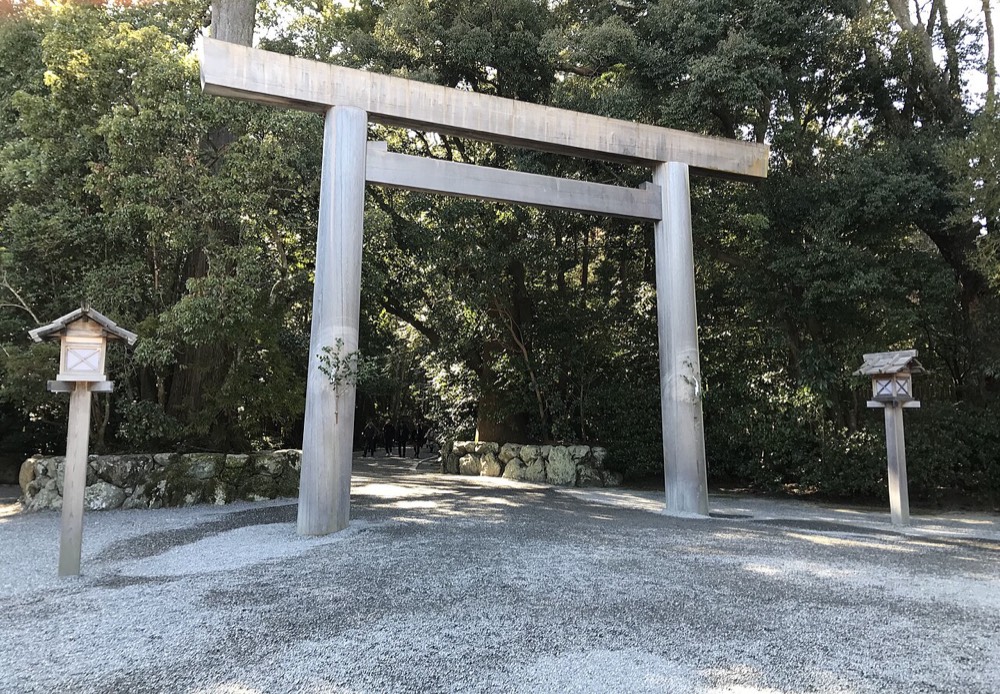
- Enter over the Hiyokebashi Bridge and purify your hands and mouth at the temizuya beside it.
- The Kaguraden on the right of the approach handles amulets, ofuda and goshuin[3]. Come back after praying so a queue does not hold you up.
- Walk about 10 minutes to the main sanctuary. Photography is not allowed in front of it, so put cameras and phones away outside the torii.
- Climb the stone steps opposite the main sanctuary to Takanomiya, then visit Tsuchinomiya and Kazenomiya.
- Return to the exit; buses to Naiku leave from right outside Geku.
Ise Jingu Naiku (Kotai Jingu) and Ujibashi Bridge
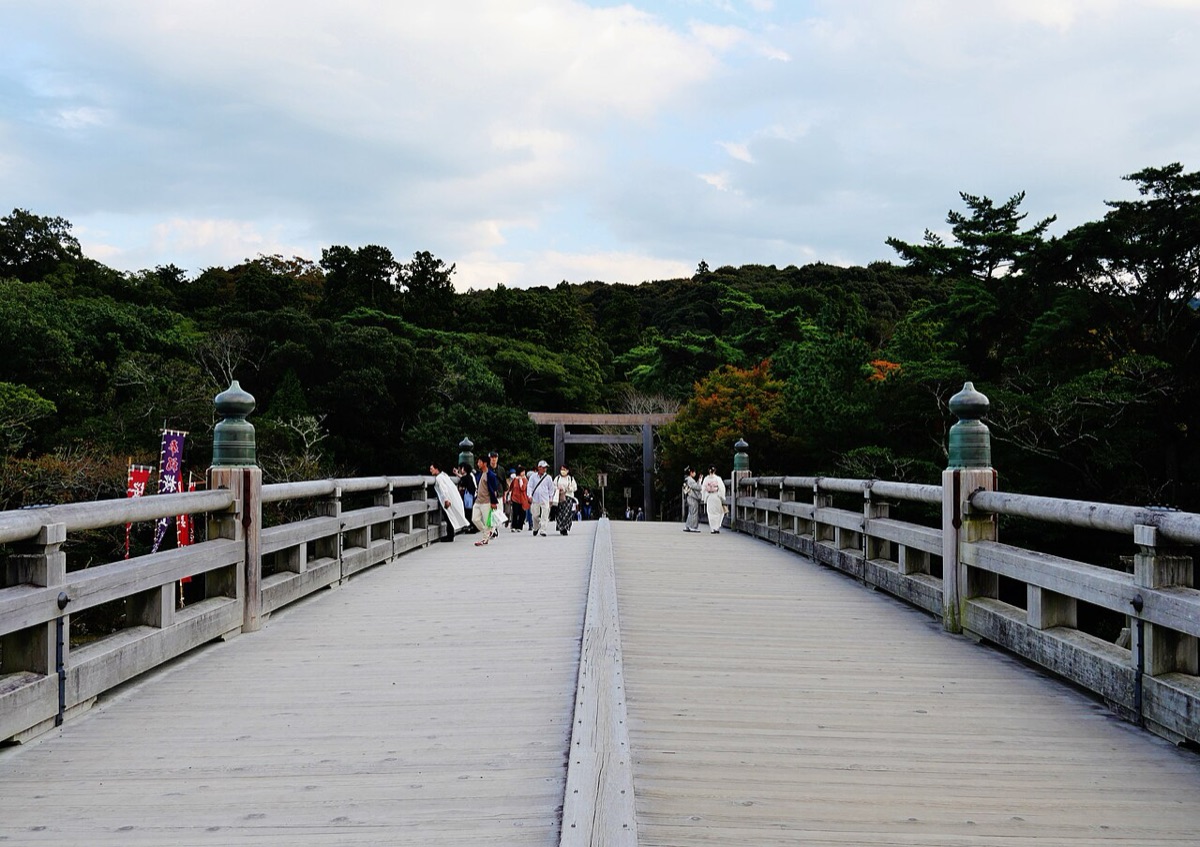
The Inner Shrine's formal name is Kotai Jingu. It enshrines Amaterasu-Omikami, ancestral deity of the imperial family, and is the heart of Ise Jingu. The entrance to Ise Jingu Naiku is Ujibashi Bridge over the Isuzu River. Beyond it, a gravel-covered approach leads through the sacred precinct, about a 20-minute walk to the main sanctuary[2].
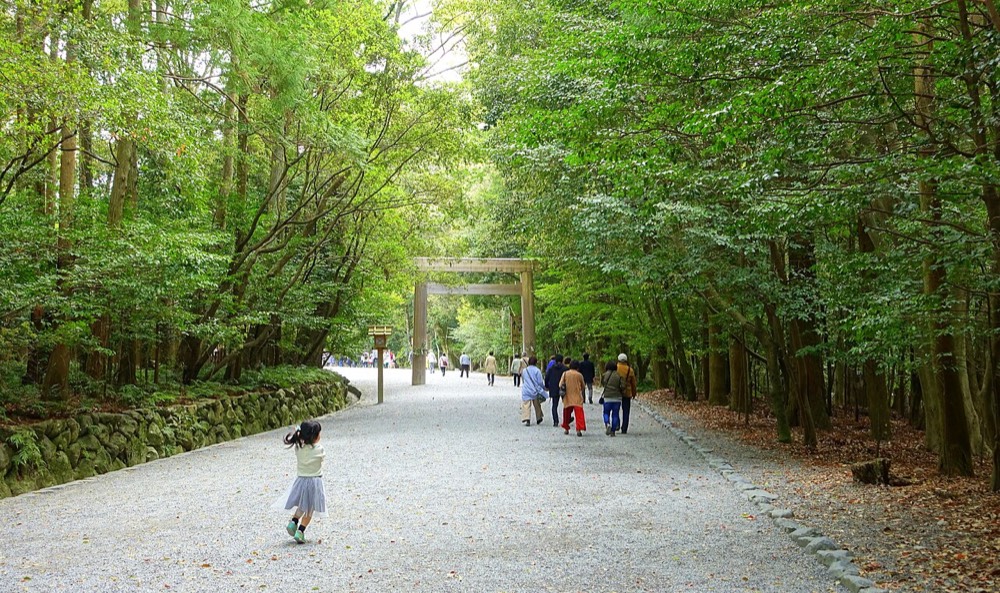
- Ujibashi sunrise: From late November to late January, the sun rises in line with the Ujibashi torii around 7:30 a.m., and near the winter solstice it rises straight through it[2]. In November or December, it is worth one early start.
- Isuzugawa Mitarashi: Steps on the right of the approach lead down to the river, where you can purify your hands in the Isuzu River, a ritual unique to Naiku.
- Main sanctuary: It sits at the top of stone steps, and you pray from below. Photography is not allowed from the steps upward; follow the signs on site.
- Aramatsurinomiya: Naiku's most important sub-shrine, on your way back from the main sanctuary.
Shrine photography rules: besides the no-photo areas, long tripod sessions in one spot, stepladders, drones, live streaming and commercial shooting are not allowed[2]. Pets may not enter the grounds but can be left at the guard stations at the entrances. Paid lockers at the Naiku entrance cost 500 yen (large), 400 yen (medium) and 300 yen (small)[2].
Shikinen Sengu: The 63rd Rebuilding in 2033, with Okihiki Events Under Way
Every 20 years, Ise Jingu rebuilds all its shrine buildings and transfers the deities, a ceremony called Shikinen Sengu. The next one, the 63rd, is in 2033 (Reiwa 15)[14]. The preparations have begun. In May and June 2026, the first Okihiki's overland procession (Okahiki) took place at Geku, and in July and August residents hauled timber up the Isuzu River to Naiku (Kawahiki)[14]. Kanko Mie says a second Okihiki is planned for 2027[14], but exact dates had not been announced at the time of writing. Watch for announcements from Ise City and the Mie tourism authorities.
Oharai-machi: The Old Street Outside Naiku
Oharai-machi is the shrine-town street running north from Ujibashi. Wooden shops line both sides, selling Ise udon, grilled fish cakes, Ise tea and souvenirs. Walk straight in from Ujibashi after visiting Naiku; no transport needed.
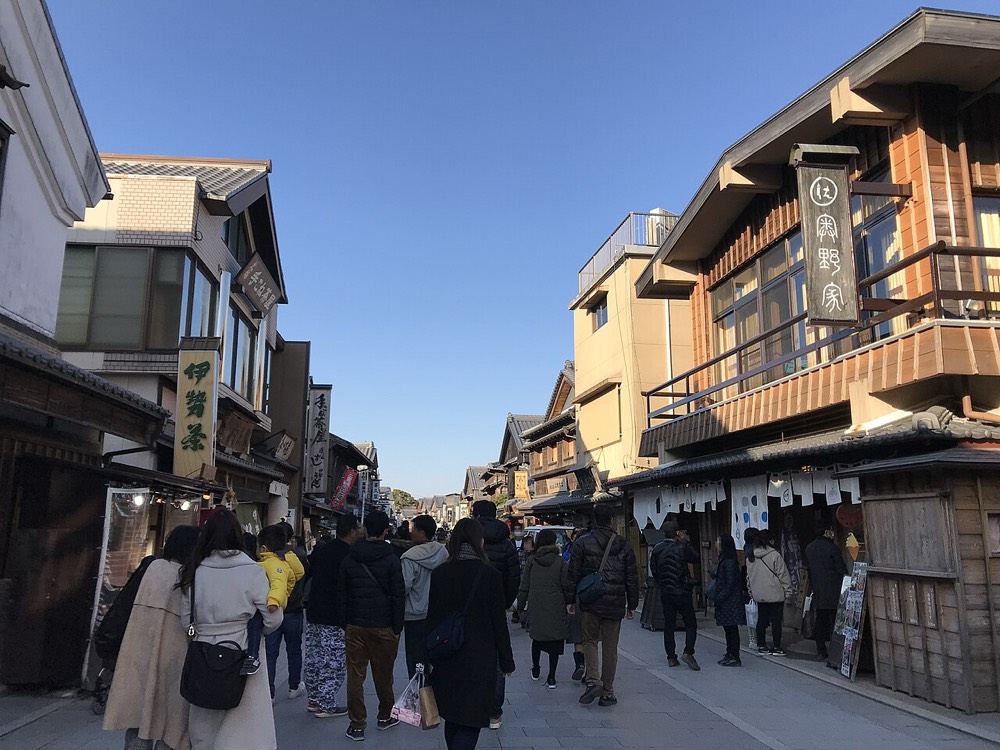
Most shops close by early evening, and weekends and holidays are busiest around midday. For quieter street photos, walk it in the morning after Naiku opens. Over New Year this street is inside the traffic-control zone, so it is pedestrian only.
Is Okage Yokocho Worth Visiting?
Okage Yokocho sits midway along Oharai-machi, about 5 minutes on foot from Ujibashi, marked by a large stone lantern at its entrance[17]. It opened in 1993 and recreates the townscape of the late Edo to early Meiji period, when the Ise pilgrimage was at its peak[17]. Its lanes hold eateries, sweet shops, craft stores and small exhibits, good for lunch and a tea break after Naiku.
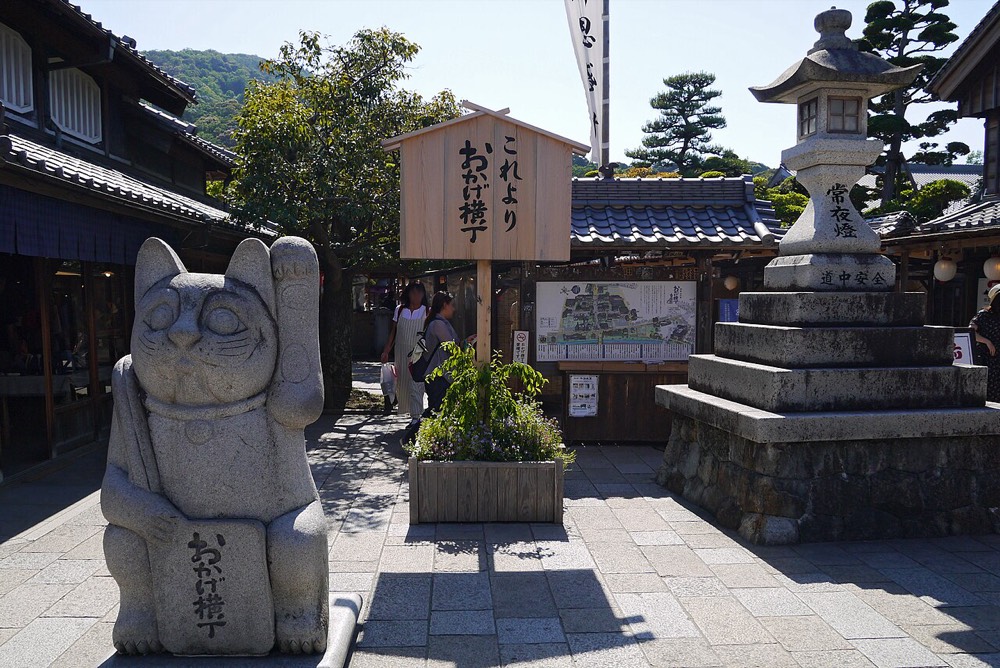
Hours vary by season and shop, and the official home page does not list a single time, so check the opening-hours page on the Okage Yokocho website before you go. In winter many shops start closing around 17:00; plan to eat before 15:00.
Sarutahiko Shrine: An Easy Stop Between Geku and Naiku
Sarutahiko Shrine enshrines Sarutahiko-no-Okami, revered as a deity who opens the way (michihiraki). Many people visit before a new job, a move or a journey. It sits on the Geku–Naiku bus line; get off at Sarutahiko-jinja-mae and you are there. The grounds are compact, so 20 to 30 minutes is enough.
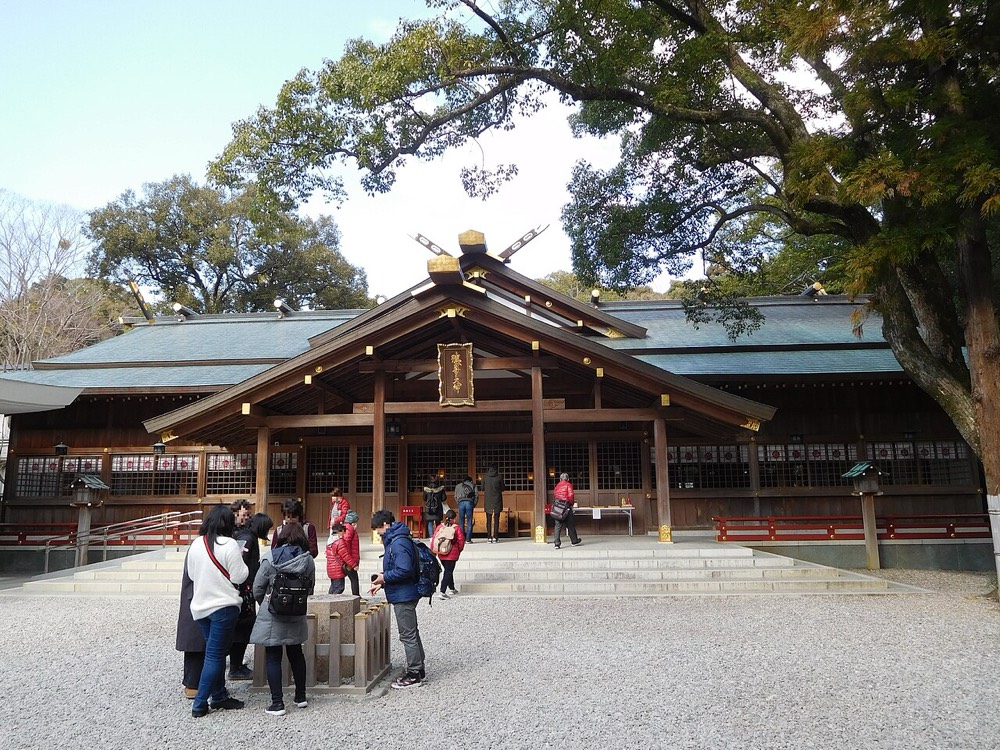
With time to spare, you can walk on from here to the north end of Oharai-machi and enter the old street on foot.
Is Meoto Iwa (Futami Okitama Shrine) Worth Adding?
Meoto Iwa is a pair of rocks in the sea in front of Futami Okitama Shrine, joined by a thick shimenawa rope and long revered as a sacred spot for worship from afar. From May to July, the sun rises between the two rocks, and in good conditions you can see Mt. Fuji in the distance[18]. It is about a 15-minute walk from JR Futaminoura Station, or take the CAN Bus to Meoto Iwa East.
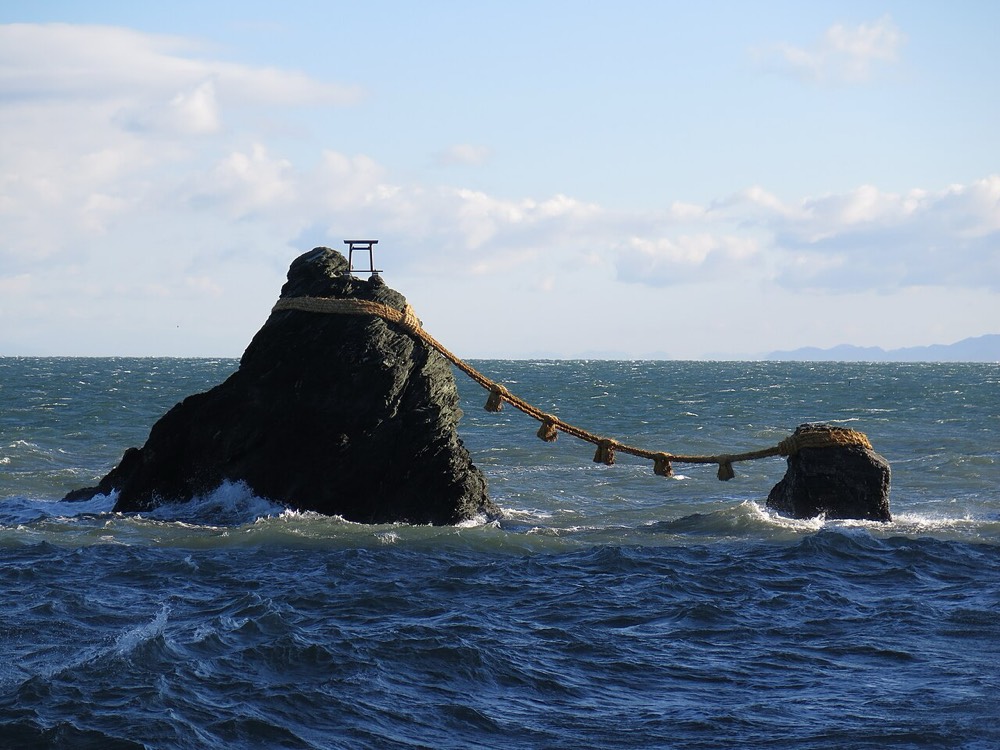
On a day trip, Meoto Iwa adds about 2 hours, which is hard to fit in winter when the shrines close early. Staying a night in Ise and catching the sunrise the next morning is much easier. For choosing where to stay, see our Japanese ryokan guide.
How to Get Ise Jingu Goshuin and Amulets
Ise Jingu goshuin are issued at the Kaguraden halls of Geku and Naiku, and at five sub-shrines: Tsukiyomi-no-miya, Yamatohime-no-miya, Tsukiyomi-no-miya (Geku), Takihara-no-miya and Izawa-no-miya, seven places in total[3].
- Hours: 6:00–18:00, or to 17:00 in October to December[3].
- Style: By tradition, Ise Jingu's goshuin is just a seal and the date, with no brush-written shrine name[3]. If yours looks plain, you did not get the wrong one.
- Fee: Not listed on the official site; bring coins and follow the sign at the counter.
- Amulets: Sold at the Kaguraden. Geku and Naiku amulets differ, so some visitors get one at each.
- Prayers: Accepted at both Kaguraden from 8:00 to 15:30, with no advance booking[2].
Ise Food: Akafuku Honten, Ise Udon and Tekone Sushi
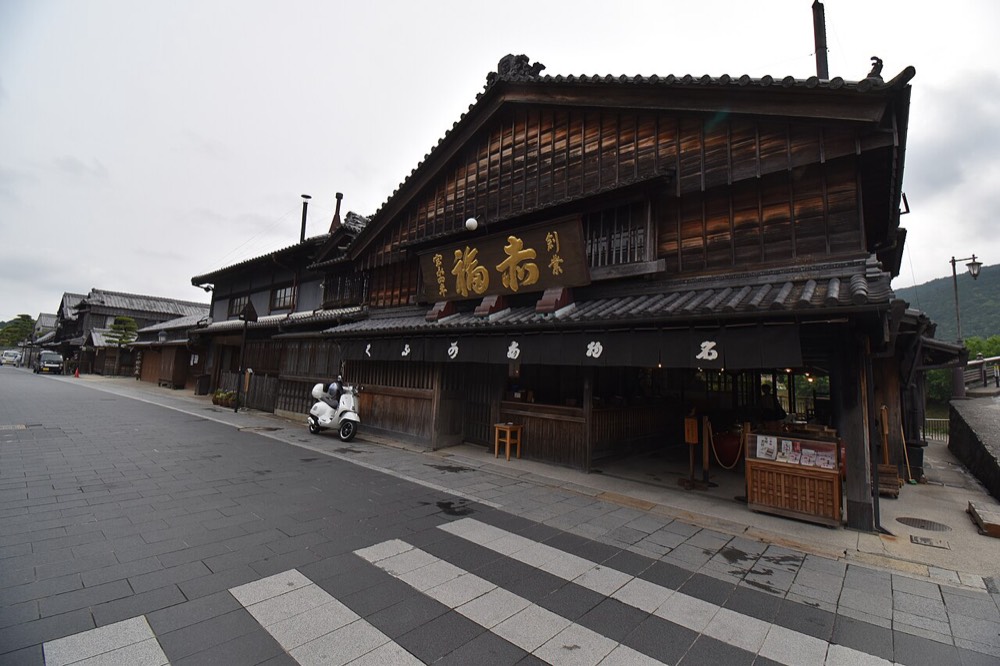
Short answer: visit Akafuku's main store at least once, and for a meal have Ise udon or tekone sushi, both easy to find around the Naiku gate.
| Food | What it is | Where | Price |
|---|---|---|---|
| Akafuku mochi | Rice cake topped with smooth red bean paste; the three ridges represent the flowing Isuzu River | Akafuku Honten (Oharai-machi, by the Isuzu River) | In-store "bon" set of 2 pieces with tea: 400 yen[15] |
| Ise udon | Very thick, very soft udon tossed in a dark, rich sauce | Many eateries in Oharai-machi and Okage Yokocho | Varies by shop |
| Tekone sushi | Soy-marinated raw fish such as bonito over vinegared rice, a Shima fishermen's dish | Eateries outside Naiku and around Iseshi Station | Varies by shop |
Akafuku Honten opens from 5:00 to 17:00, with changes in busy seasons[16]; a plate of akafuku before heading to Ujibashi is a ritual for many visitors. Ise udon and tekone sushi shops are plentiful, and prices and hours vary, so this article does not name specific shops; check the menus on the spot.
Ise Jingu Day Trip from Nagoya or Osaka: Sample Plan
This example assumes a weekday in November, with the shrine closing at 17:00. In summer, shift each step about an hour later.
From Nagoya (Kintetsu limited express)
| Time | Plan |
|---|---|
| 8:00 | Limited express from Kintetsu Nagoya |
| 9:20 | Arrive Iseshi; walk about 5 minutes to Geku |
| 9:30–10:40 | Geku main sanctuary, Takanomiya and other sub-shrines, goshuin at the Kaguraden |
| 10:50 | Bus from Geku-mae toward Naiku |
| 11:05–11:35 | Optional stop at Sarutahiko Shrine |
| 11:45–13:00 | Lunch in Oharai-machi and Okage Yokocho, dessert at Akafuku Honten |
| 13:00–15:00 | Cross Ujibashi to Naiku's main sanctuary and Aramatsurinomiya, Naiku goshuin |
| 15:00–16:00 | Souvenir shopping in Okage Yokocho |
| 16:20 | Bus or walk to Ujiyamada / Isuzugawa Station |
| Around 17:00 | Kintetsu limited express, back in Nagoya around 18:30 |
From Osaka (Kintetsu limited express from Osaka-Namba): Leave Osaka-Namba around 7:30 and reach Iseshi around 9:15. Follow the same plan, take a train back around 16:30, and you will be in Namba around 18:30. Shimakaze leaves Osaka-Namba at 10:40[6], which leaves less time on arrival, so either do just Geku and Naiku or stay a night in Ise. To fit Ise into a longer Kansai trip, take a day from our 5-day Osaka itinerary; from Nagoya, pair it with our Nagoya itinerary.
How Much Does an Ise Jingu Day Trip Cost?
Example: one adult, same-day round trip from Nagoya.
| Item | Bought separately | Ise Jingu Sanpai Kippu |
|---|---|---|
| Kintetsu limited express round trip (Nagoya–Iseshi) | 6,160 yen | Included |
| Local buses (1-day pass) | 1,400 yen (planned price from Dec 14) | Included |
| Transport subtotal | 7,560 yen | 6,800 yen |
| Akafuku Honten "bon" set | 400 yen | 400 yen |
| Goshuin (2), lunch, souvenirs | Personal choice, as posted on site | Personal choice, as posted on site |
So from Nagoya, if you will use buses, the Sanpai Kippu saves about 760 yen and adds two free-section limited express vouchers. If you will walk or ride only one bus, or decide to go on the day itself, you cannot buy the pass on the day and will need separate tickets. Budget travelers can take the Kintetsu express both ways (1,740 yen each way), keeping transport around 3,500 yen, at the cost of about 20 extra minutes each way.
Ise Jingu at New Year: What to Know About Hatsumode
Short answer: Ise Jingu New Year visits (hatsumode) peak from late on December 31 through January 3. Driving almost guarantees jams, and Kintetsu is the safest option. Below is what happened last season (2025 to 2026). No official 2026 to 2027 announcement had been found at the time of writing, so treat these as past-year reference:
- Visiting hours: Gates opened at 5:00 on December 31 and stayed open nonstop until 20:00 on January 5; January 6 was 5:00–20:00, and normal 5:00–18:00 hours returned on January 7[13].
- All-night trains: Kintetsu ran overnight trains toward Iseshi Station on New Year's Eve[13].
- Traffic controls: December 31 to January 5, plus weekends and holidays from January 10 to 25[12].
- Park and bus ride: On January 1 to 4 and January 11, 9:00–16:00, drivers parked at temporary lots outside town and took free shuttle buses to Naiku or Geku in about 15 to 25 minutes, with a 1,000 yen parking fee[12].
- If you want to see in the New Year at the shrine, book accommodation in Ise or Toba early. Check the shrine's latest news and the Rakuraku Ise Mode site for New Year hours[1][12].
For New Year customs across Japan and what is open on New Year's Day, see our Japan New Year guide; to compare crowds in Kyoto, see our Kyoto New Year countdown guide.
Who Is Ise Jingu For, and Who Should Skip It?
Good fit:
- Travelers who want to see Shinto's most important shrine and enjoy quiet forest approaches.
- Anyone already in Nagoya or Osaka who wants a day out of the big city; transport is simple and one ticket covers it.
- Goshuin collectors, with two main shrines and five sub-shrines to gather.
- November to January travelers willing to get up early for sunrise at Ujibashi.
Not a good fit:
- Those expecting ornate vermilion halls and lots of photo spots: the shrine buildings are plain unpainted wood, and photography is not allowed in front of the main sanctuaries.
- Shopping-focused travelers with only 2 to 3 days in Kansai or Nagoya, since the 1.5 to 2 hours each way eats into other plans.
- People with limited mobility or who struggle on gravel: Naiku plus Oharai-machi means a lot of walking.
- Anyone planning to drive during the first three days of January; you may spend longer in traffic than at the shrine.
Final Tips for a Smooth Visit
- Fix your date first, then buy the Ise Jingu Sanpai Kippu by the day before; it is not sold on the day.
- From October to December the shrine closes at 17:00, so cross Ujibashi by 15:00.
- Geku first, Naiku second, and collect goshuin at each shrine's Kaguraden.
- Put your camera away in front of the main sanctuaries and wear comfortable shoes for the gravel.
- After mid-December, bus fares and day passes will have changed, so check Mie Kotsu's latest notice; at New Year, check the shrine and Ise City traffic-control information first.
FAQ
Do I have to visit Geku before Naiku at Ise Jingu?
It is not a strict rule, but the shrine's official site says visiting Geku first and Naiku second is a long-standing custom, and most visitors follow it. It also makes sense logistically: Geku is about a 5-minute walk from Iseshi Station, and after Naiku you can leave from nearby Isuzugawa or Ujiyamada Station without backtracking.
Can I take photos at Ise Jingu?
You can photograph the approaches, Ujibashi Bridge and the torii gates, but photography is not allowed in front of the main sanctuaries (Goshogu) at Geku and Naiku; follow the signs on site. The shrine also bans long tripod sessions in one spot, stepladders, drones, live streaming and commercial shooting.
Where do I get a goshuin at Ise Jingu?
At the Kaguraden halls of both Geku and Naiku, and at five sub-shrines: Tsukiyomi-no-miya, Yamatohime-no-miya, Tsukiyomi-no-miya (Geku), Takihara-no-miya and Izawa-no-miya. Hours are 6:00 to 18:00, or to 17:00 in October to December. By tradition, Ise's goshuin is just a seal and the date with no brush calligraphy. The fee is not listed on the official site.
How crowded is Ise Jingu at New Year?
New Year's Eve night through January 3 is the busiest period, and roads around Naiku jam badly. Last season (2025 to 2026), the shrine stayed open nonstop from 5:00 on December 31 until 20:00 on January 5, with traffic controls and a park-and-bus-ride shuttle. Check the shrine and Ise City announcements for 2026 to 2027.
Can I do Ise Jingu as a day trip from Nagoya or Osaka?
Yes. The Kintetsu limited express takes about 80 minutes from Nagoya and roughly 1 hour 45 minutes from Osaka-Namba. Leave around 8:00 and you can see Geku, Naiku and Okage Yokocho before evening. From October to December the shrine closes at 17:00, so reach Naiku by 15:00. Stay a night if you also want Meoto Iwa or sunrise at Ujibashi.
Sources
- Ise Jingu: Visiting and Prayers: Monthly visiting hours and New Year changes
- Ise Jingu: FAQ: Geku-to-Naiku custom, walking times, photography rules, lockers, pets, Ujibashi sunrise
- Ise Jingu: Amulets and Ofuda: Goshuin locations, hours and style
- Kintetsu Railway: Ise Jingu Sanpai Kippu: Prices, validity, contents and advance-sale rules
- Kintetsu Railway: Mawaryanse: Price, 4-day validity, 23 facilities, 2026 sale period
- Kintetsu: Shimakaze: Shimakaze fares, non-operating days and departure times (from March 14, 2026)
- Kintetsu: KINTETSU RAIL PASS: Visitor pass prices and coverage
- JR Central: Kaisoku Mie Tokudane 4-ride coupon: Nagoya city area to Iseshi coupon price and validity
- japan-guide.com: Getting to Ise: Kintetsu limited express, express and JR Rapid Mie times and fares (updated May 2025)
- Mie Kotsu: Route bus fare revision: Fare increase from December 14, 2026 and new Ise Toba Michikusa Kippu prices
- Mie Kotsu: CAN Bus (Ise Futami Toba loop bus): Main stops and timetable
- Rakuraku Ise Mode: Year-end and New Year traffic guide (2025 to 2026): Last season's traffic control period and park-and-bus-ride dates and fee
- Travel Watch (December 26, 2025): 2025 to 2026 New Year visiting hours and Kintetsu all-night service
- Kanko Mie: Reiwa no Okihiki: 63rd Shikinen Sengu (2033) and the first and second Okihiki events
- Akafuku: Akafuku Mochi: Price of the bon set (2 pieces with tea)
- Kanko Mie: Akafuku Honten feature: Main store opening hours
- Okage Yokocho official site: Location, 1993 opening and concept
- Kanko Mie: Sunrise at Meoto Iwa: Sunrise season at Meoto Iwa
Fares, opening hours and event dates can change. Information checked on 2026.11.19; please confirm with official sources before you go.