Nagoya Itinerary: How to Plan Nagoya Castle, Osu, Atsuta Jingu, Nagoya Food and Transport
A 2-3 day Nagoya itinerary: Nagoya Castle's Honmaru Palace (main keep closed), Atsuta Jingu, Osu and Sakae, local food, day passes and airport access.
Quick answer
Plan 2 to 3 days for Nagoya: Day 1 for Nagoya Castle's Honmaru Palace, Sakae and Oasis 21; Day 2 for Atsuta Jingu, Osu and the Toyota Commemorative Museum; Day 3 for Ghibli Park, Inuyama or Nabana no Sato. Nagoya Castle's main keep is currently closed, but Honmaru Palace is open, and adult admission has been 1,000 yen since October 1, 2026. Get around by subway and city bus: the bus and subway one-day pass costs 870 yen, or 620 yen for the Donichi Eco Kippu on weekends, holidays and the 8th of each month.
The most common worries when planning a Nagoya itinerary are that the sights look spread out, it's unclear how many days to allow, and with Nagoya Castle's main keep closed, is it still worth going? This guide builds a 2 to 3 day plan that links Nagoya Castle's Honmaru Palace, Atsuta Jingu, Osu, Sakae and Oasis 21, and the Toyota museums into easy routes. It also covers what to eat in Nagoya, which transport day pass to buy, how to get in from Chubu Centrair Airport, and side trips to Ghibli Park, Inuyama, Nabana no Sato and Takayama.
How many days for a Nagoya itinerary? A 2 to 3 day overview
In short: 2 days is right for the city alone, and 3 days if you add an out-of-town theme (Ghibli Park, LEGOLAND or Inuyama). Most city sights sit along the Higashiyama and Meijo subway lines, so a day pass ties them together.
| Day | Morning | Afternoon | Evening |
|---|---|---|---|
| Day 1 | Nagoya Castle, Honmaru Palace | Lunch at Kinshachi Yokocho, then Sakae and Hisaya-odori Park | Night view from the "Spaceship-Aqua" roof of Oasis 21, tebasaki wings |
| Day 2 | Atsuta Jingu, hitsumabushi | Osu Kannon, Osu Shopping District | Miso katsu near Nagoya Station |
| Day 3 (pick one) | Ghibli Park / LEGOLAND / Inuyama Castle | Same | In autumn and winter, add the Nabana no Sato illumination |
| Rainy-day backup | Toyota Commemorative Museum of Industry and Technology | Nagoya Station underground malls and department stores | — |
Three planning rules:
- Do Nagoya Castle in the morning: entry to Honmaru Palace stops at 16:00[2], so an afternoon visit is rushed.
- Put Atsuta Jingu and Osu on the same day: both are on the Meijo subway line, with a hitsumabushi lunch in between.
- Book Ghibli Park first, then fix the dates: Ghibli Park requires reservations, so the day you get tickets decides the day you go[7].
If you are coming by shinkansen from Tokyo or Osaka, every Nozomi stops at Nagoya Station; see the shinkansen booking guide for how to book.
Is Nagoya Castle worth visiting? Main keep closure and Honmaru Palace
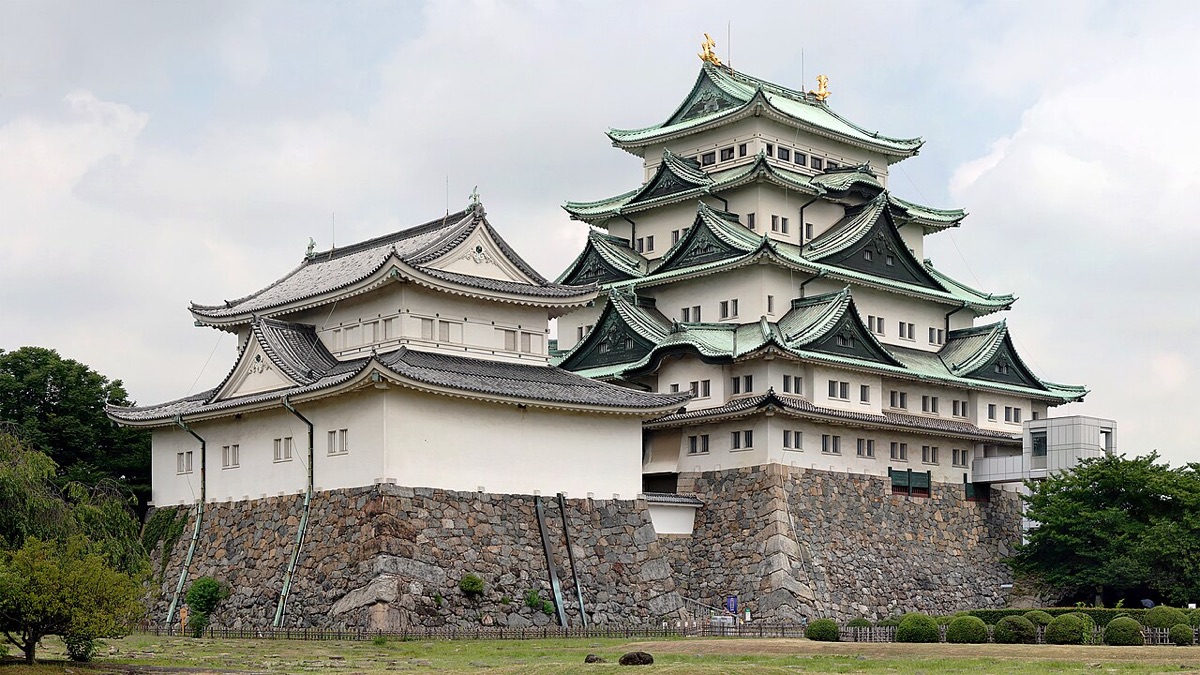
In short: yes, but know that you can't go inside the main keep right now. The official Nagoya Castle website says the keep is "currently closed"[3]. The city plans to replace the 1959 reinforced-concrete keep with a wooden reconstruction; the original completion target has long since slipped, and no reopening date has been announced. You can visit Honmaru Palace (restored in 2018), the Nishinomaru Treasure Hall and the castle grounds.
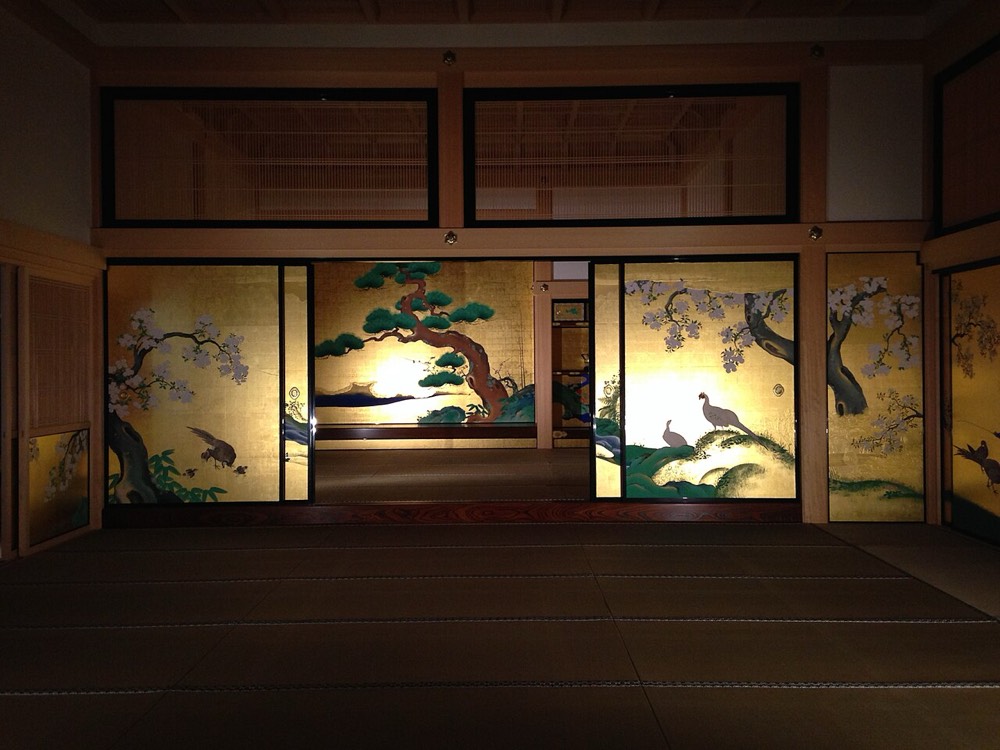
What to see at Nagoya Castle:
- Honmaru Palace: the Owari lords' palace, rebuilt from historical records. Gilded wall paintings and carved transoms are the highlights; don't miss the Jorakuden. Remove your shoes to go inside.
- The keep and its golden shachi: you can't climb it, but from the Honmaru area you can still photograph the main and small keeps and the golden shachi on the roof.
- Nishinomaru Treasure Hall: stores and displays cultural properties owned by Nagoya Castle[3].
- Kinshachi Yokocho: food streets outside both the main gate and the east gate, good for lunch.
| Item | Details |
|---|---|
| Adults | 1,000 yen, raised from October 1, 2026 |
| Nagoya residents 65+ | 300 yen (proof required) |
| Junior high students and younger | Free |
| Combined ticket with Tokugawa Garden | Adults 1,040 yen (cash only) |
| Hours | 9:00 to 16:30 (entry to Honmaru Palace and Nishinomaru Treasure Hall until 16:00) |
| Closed | December 29 to 31 and January 1 |
| Access | About 5 min on foot from Exit 7 of Nagoyajo Station (Meijo subway line) |
Prices are from the official admission page[1], hours and closures from the official visitor information page[2], and access from the official access page[4]. The ticket window accepts cash, credit cards, transit IC cards and various e-money apps, and web tickets are available too[1]. Note that the Meijo Line station formerly called "Shiyakusho" has been renamed "Nagoyajo", so older guides may still use the old name.
How to plan Atsuta Jingu and Osu: Day 2 in the city
In short: Atsuta Jingu is most peaceful in the morning. Have hitsumabushi nearby after your visit, then take the Meijo Line to Kamimaezu and wander the Osu shopping streets until evening.
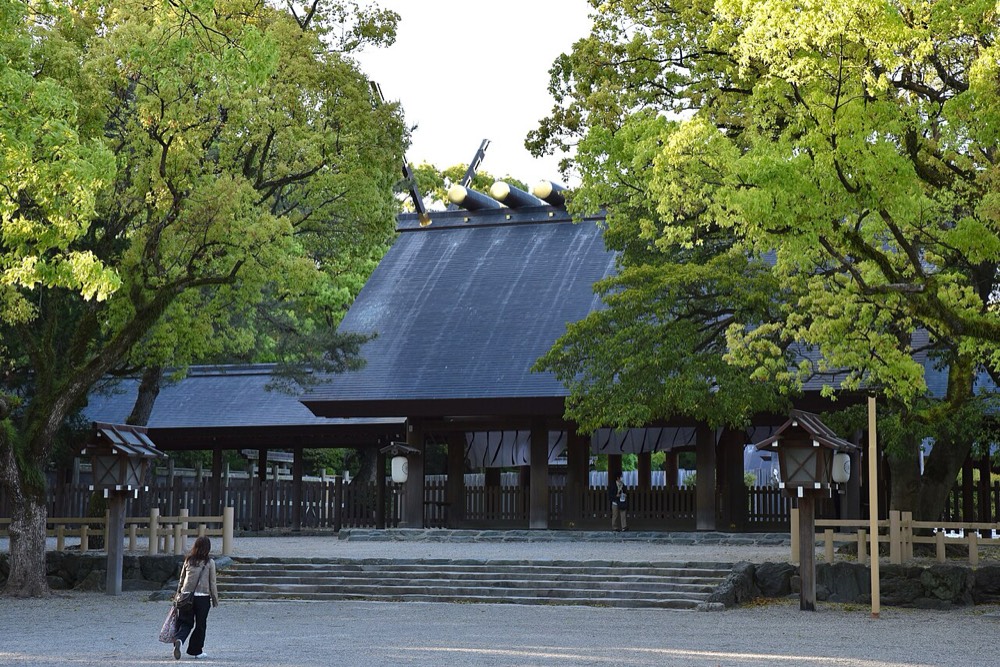
Atsuta Jingu
Atsuta Jingu enshrines the Kusanagi sword, one of the Three Sacred Treasures, and is Nagoya's most important shrine. Entry to the grounds is free. The nearest station is Jingu-mae on the Meitetsu line, or you can walk from Jingu-nishi or Temmacho on the Meijo subway line. The grounds have a Treasure Hall with swords and artifacts, and Kusanagi Hall, which specialises in swords. Walkerplus lists adult admission at 500 yen for each hall and 800 yen for a combined ticket[9]; special exhibitions cost extra, and you should check closed days on Atsuta Jingu's official site.
Miya Kishimen inside the grounds serves Nagoya's flat kishimen noodles, a handy brunch after your visit.
Osu Kannon and the Osu Shopping District
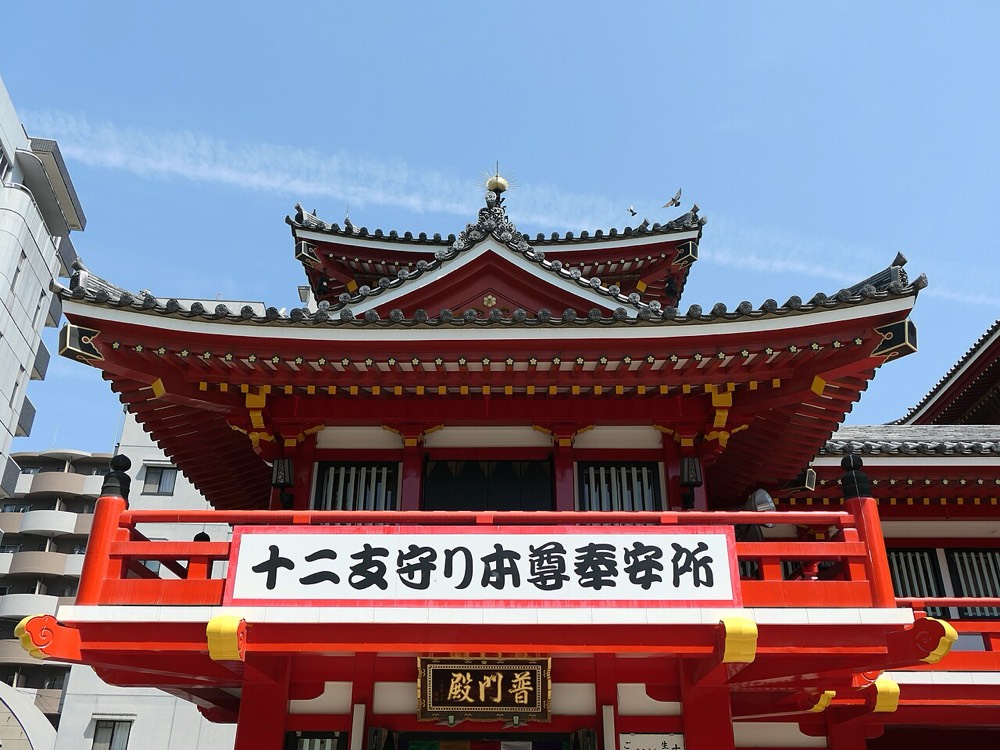
Osu Kannon stands next to Osu Kannon Station on the Tsurumai subway line, and its vermilion main hall is easy to spot. Right behind the temple is the Osu Shopping District, several covered arcades mixing old shops, secondhand clothing, anime and electronics stores, and street food from many countries. It is Nagoya's most down-to-earth neighbourhood. Fried chicken, croquettes, Taiwanese snacks and Brazilian food are all here, so leave a whole afternoon.
Day 2 afternoon alternative: the Toyota museum
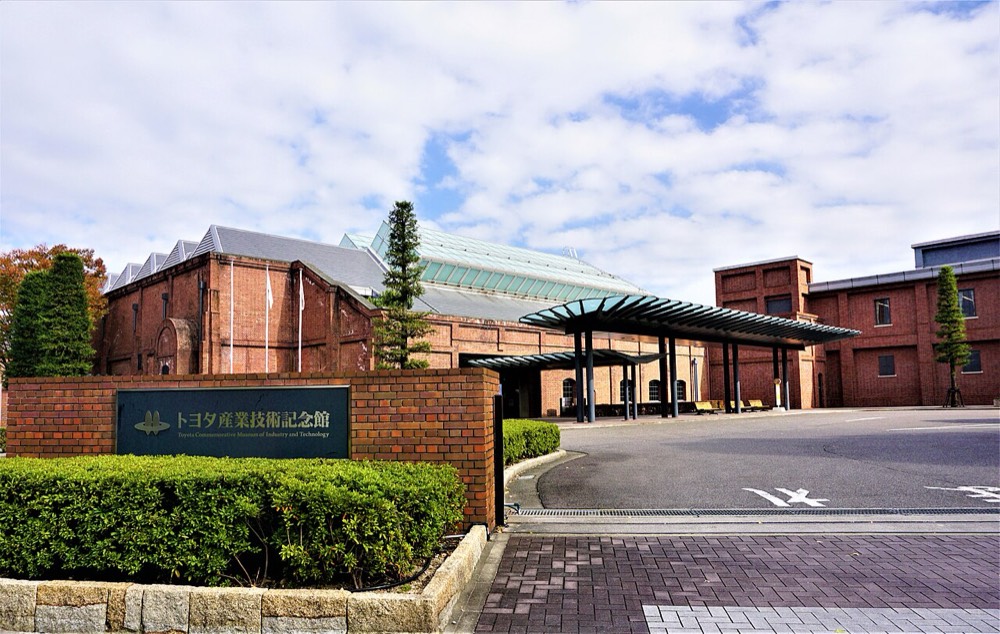
On a rainy day, or if you like industrial history, head to the Toyota Commemorative Museum of Industry and Technology, about 3 minutes on foot from Sako Station on the Meitetsu line. It traces the technology from looms to cars. It is open 9:30 to 17:00 (entry until 16:30), closed on Mondays (or the next day if Monday is a holiday), and adult admission is 1,000 yen[8]. The Toyota Kaikan and factory tours in Toyota City are farther away and need separate reservations, so save them for a half day if you are a car enthusiast.
What to eat in Nagoya: a "Nagoya meshi" checklist
In short: what "Nagoya meshi" dishes share is miso and sweet-savoury sauces. On a 2 to 3 day Nagoya trip, try at least hitsumabushi, miso katsu and tebasaki.
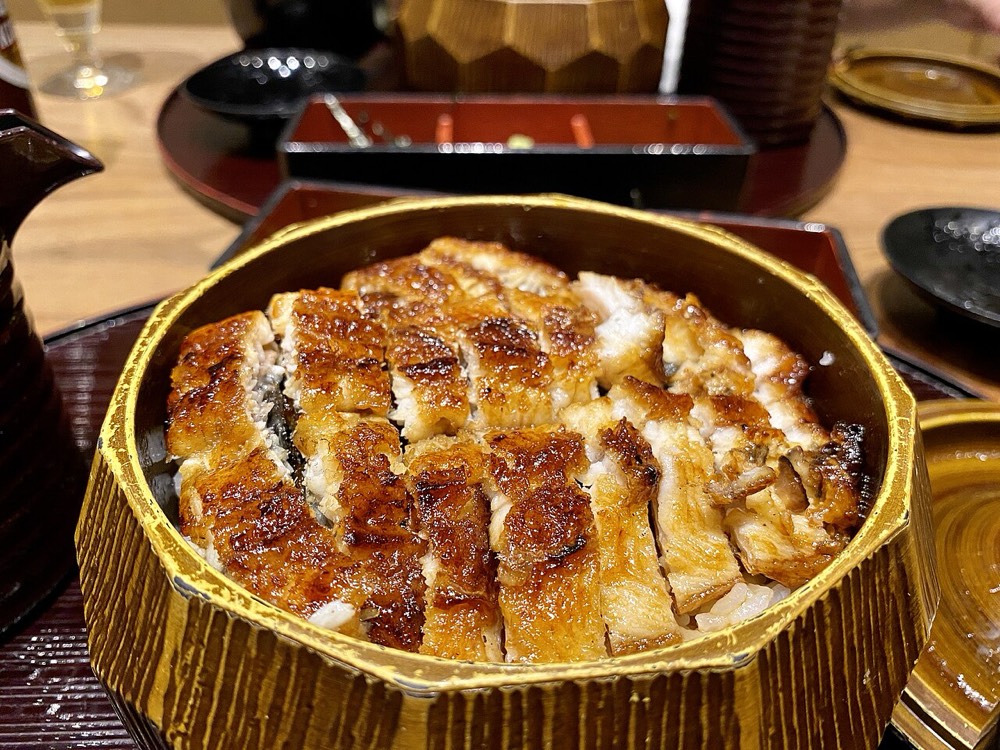
| Dish | What it is | Where to eat it easily |
|---|---|---|
| Hitsumabushi | Chopped grilled eel on rice, eaten three ways: plain, with condiments, and with dashi poured over | Around Atsuta Jingu (e.g. Atsuta Horaiken), department stores at Nagoya Station and Sakae |
| Miso katsu | Fried pork cutlet with a rich Hatcho miso sauce | Yabaton (main shop in Yabacho, near Osu) |
| Tebasaki | Fried chicken wings in a sweet-spicy glaze, best with beer | Chains such as Sekai no Yamachan and Furaibo |
| Kishimen | Flat wide noodles in a light broth | Inside Atsuta Jingu, standing noodle counters on Nagoya Station platforms |
| Miso nikomi udon | Firm udon simmered in red miso broth in a clay pot | Long-running shops around Nagoya Station and Sakae |
| Tenmusu | Small rice balls wrapped around fried shrimp | Souvenir areas at Nagoya Station |
| Morning service | Order coffee and get toast and a boiled egg | Coffee shops such as Komeda's Coffee |
Ordering tips:
- Popular eel restaurants have queues: well-known shops can mean an hour's wait at weekend lunchtime, so go on a weekday or before opening.
- Morning service usually ends before noon: most coffee shops serve it only in the morning, and the cut-off varies.
- Miso flavours are strong: if you're not used to them, choose miso katsu with the sauce on the side.
To compare Nagoya with another city suited to 2 to 3 days, see the Kanazawa itinerary; the two are often combined in one central Japan trip.
Getting around Nagoya: day passes, Me-guru and airport transport
In short: Nagoya runs on subway plus city bus. The best value is the 870-yen bus and subway one-day pass on weekdays and the 620-yen Donichi Eco Kippu on weekends[5].
Nagoya day passes compared
| Ticket | Adult | Child | Coverage and valid days |
|---|---|---|---|
| Bus and Subway One-Day Pass | 870 yen | 430 yen | City buses and subway, any day |
| Donichi Eco Kippu | 620 yen | 310 yen | City buses, subway and Me-guru; Saturdays, Sundays, public holidays and the 8th of each month only |
| Subway 24-Hour Pass | 760 yen | 380 yen | Subway only, 24 hours from first use |
| Bus One-Day Pass | 620 yen | 310 yen | City buses only |
| Me-guru 1DAY Ticket | 500 yen | 250 yen | Me-guru sightseeing bus only |
This table is based on Nagoya's official tourism site[5]. Single subway fares are 210 to 340 yen and city buses are a flat 210 yen[5], so a pass pays off at about three or four rides a day. Showing the one-day pass, 24-hour pass or Donichi Eco Kippu gets discounts at some attractions in the city[5].
Other things to know:
- Contactless credit cards: since September 3, 2026, you can tap a credit card to enter and exit at every Nagoya City subway station; use the same card both times[5].
- Transit IC cards: manaca, TOICA and nationally compatible cards such as Suica all work. Transferring between subway and city bus within 90 minutes takes 80 yen off the adult fare[5].
- Where the Donichi Eco Kippu doesn't work: the elevated section of the Yutorito Line, Meitetsu buses and the Aonami Line are excluded[5], so you pay separately for the Aonami Line to LEGOLAND.
The Me-guru sightseeing bus
The Nagoya Sightseeing Route Bus "Me-guru" loops around Nagoya's main sights, starting at Nagoya Station and passing the Toyota Commemorative Museum, Nagoya Castle, Tokugawa Garden and Sakae, among others. It runs Tuesday to Sunday and does not run on Mondays. The 1DAY ticket is sold on board, at the Oasis 21 i-Center and at Kanayama Tourist Information, and transport bureau day passes, manaca and TOICA are accepted too[5]. Buses are not very frequent and can fill up on holidays, so check the timetable on the official site.
From Chubu Centrair Airport to central Nagoya
The fastest way from Chubu Centrair International Airport to Nagoya Station is Meitetsu, about 28 to 35 minutes on the faster trains[6]. The Meitetsu μSKY limited express is all reserved seating, so you need a reserved-seat ticket (μ-ticket) on top of the fare; regular limited expresses have unreserved cars. Nagoya's tourism site lists the airport bus to Nagoya Station as currently suspended, and a taxi takes about 50 minutes and costs about 12,000 yen[6]. Meitetsu fares have changed in recent years and different sites quote different figures, so check Meitetsu's official site for current fares.
Where to go on Day 3: Ghibli Park, LEGOLAND, Inuyama and Nabana no Sato
In short: anime fans should pick Ghibli Park, families with children LEGOLAND, castle lovers Inuyama, and in autumn and winter evenings, add the Nabana no Sato illumination.
Ghibli Park
Ghibli Park is inside Expo 2005 Aichi Commemorative Park in Nagakute. From central Nagoya, take the Higashiyama subway line to Fujigaoka and change to the Linimo maglev to Ai-Chikyuhaku-Kinen-Koen Station. Advance reservations are required for all visitors. Tickets go on sale on set dates each month for one to two months ahead; for example, January 2027 tickets go on sale on November 10, 2026, at 14:00 Japan time[7].
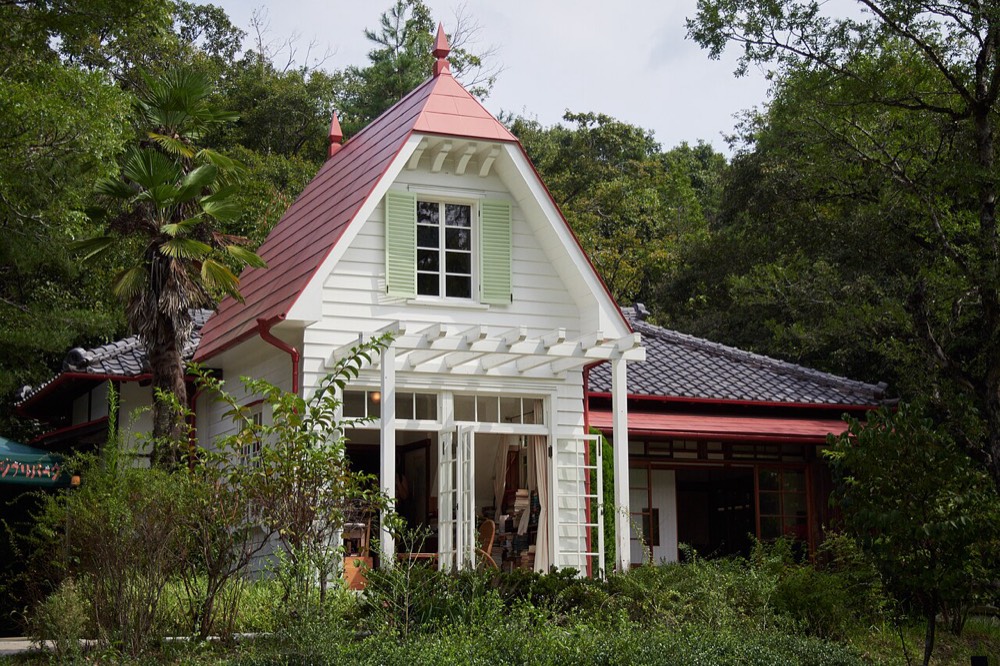
| Ticket | Areas | Weekday adult | Weekend/holiday adult | Ages 4 to 12 |
|---|---|---|---|---|
| O-Sanpo Day Pass Premium | All 5 areas | 7,300 yen | 7,800 yen | 3,650 / 3,900 yen |
| O-Sanpo Day Pass Standard | Ghibli's Grand Warehouse, Mononoke Village, Valley of Witches | 3,300 yen | 3,800 yen | 1,650 / 1,900 yen |
Prices are from the Ghibli Park official site[7]. Children aged 0 to 3 are free, and a service charge is added when tickets are issued. Overseas visitors can buy through the channels the official site lists, such as LAWSON TICKET and Klook; check the official calendar for closed days.
LEGOLAND Japan
LEGOLAND Japan is at Kinjo-futo in the Port of Nagoya. Take the Aonami Line from Nagoya Station to the last stop, Kinjo-futo. It suits children aged about 2 to 12, and the SCMAGLEV and Railway Park next door is a good add-on for train fans. Tickets use variable pricing, so check the official site.
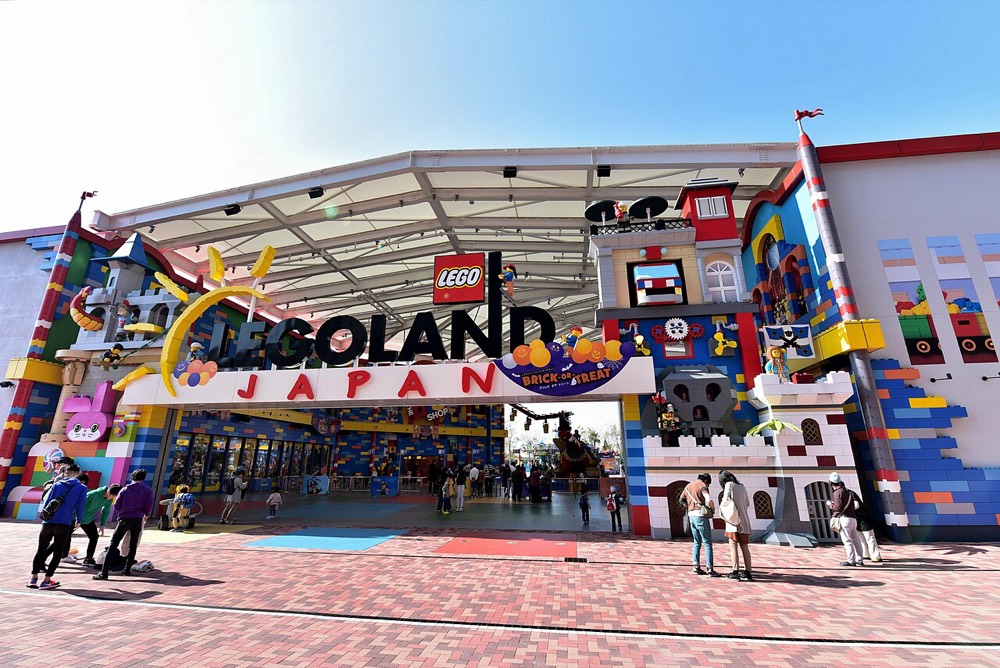
Inuyama Castle and its castle town
The Meitetsu Inuyama Line takes about 30 minutes from Meitetsu Nagoya Station to Inuyama. Inuyama Castle is one of Japan's 12 surviving original keeps and a National Treasure. From the top you can look out over the Kiso River, and the old castle-town street is great for snacking. Since you can't climb Nagoya Castle's keep for now, choose Inuyama if you want to climb an original wooden keep.
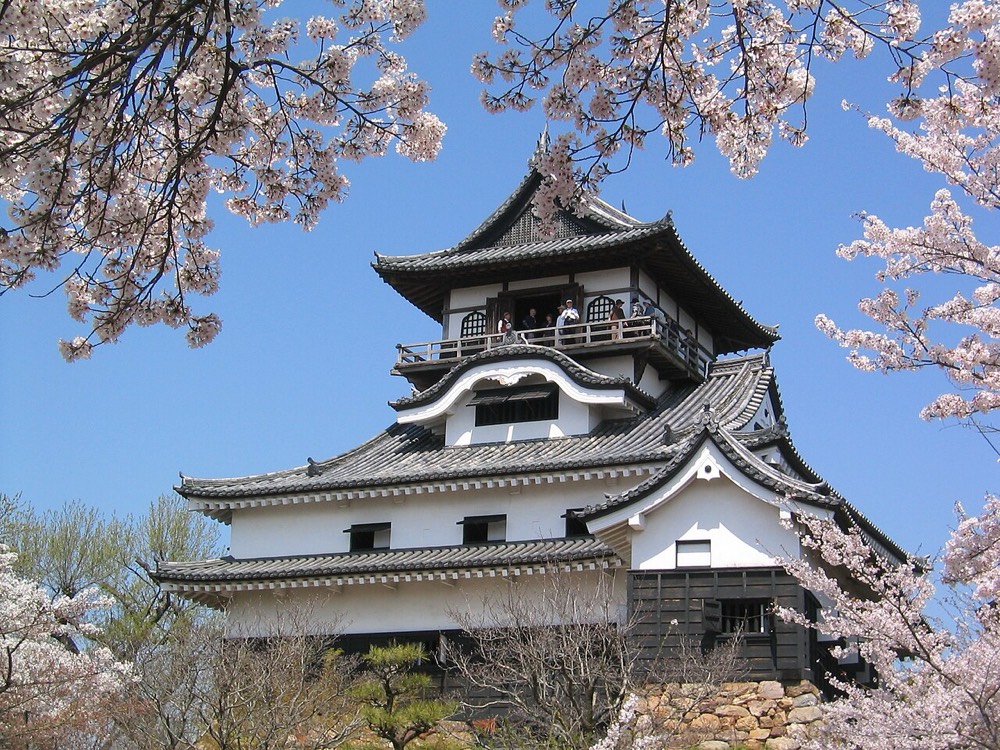
Nabana no Sato
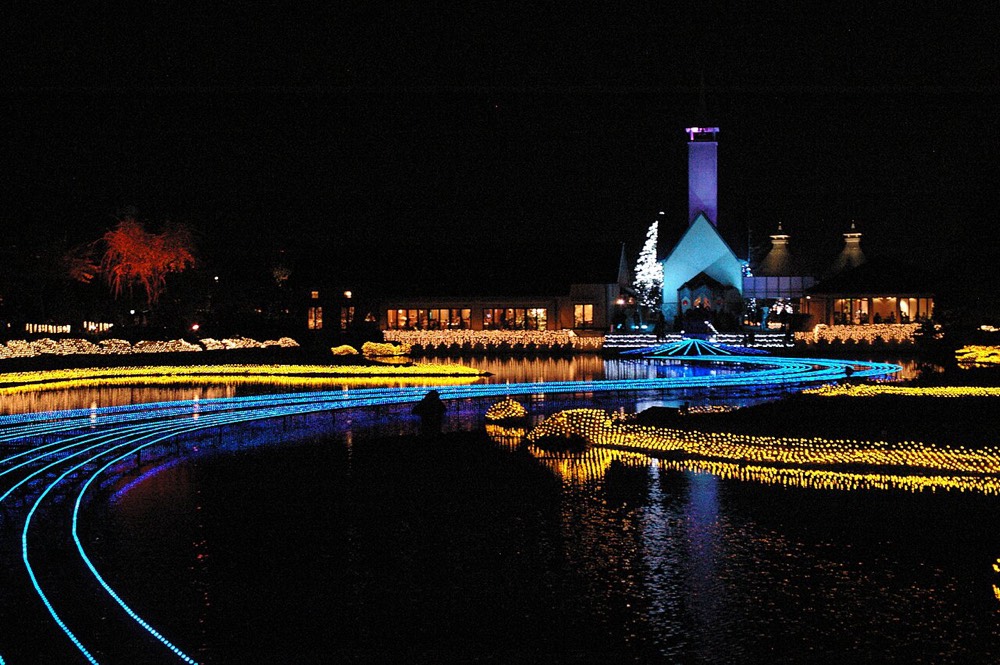
In Kuwana, Mie Prefecture, Nabana no Sato's huge autumn and winter illumination is one of the most famous night views in central Japan, and the bus from Nagoya Station is the easiest way there. 2026 dates, tickets and transport are covered in the Nabana no Sato illumination 2026 guide; it fits the evening of Day 1 or Day 3.
Heading north to Takayama and Shirakawa-go
If Nagoya is the start of a central Japan trip, take the JR Limited Express Hida from Nagoya Station to Takayama, about two and a half hours, then continue by bus to Shirakawa-go. For bus schedules and booking, see the Takayama and Shirakawa-go bus guide.
How to plan it: Nagoya trip tips
- Stay near Nagoya Station or Sakae: Nagoya Station is convenient for the shinkansen, Meitetsu, Kintetsu and the airport line; Sakae is closer to Osu, Oasis 21 and nightlife. For just two nights, Nagoya Station is the easiest.
- Use the Donichi Eco Kippu on weekends: on Saturdays, Sundays or the 8th of the month, 620 yen covers the subway and city buses all day.
- Visit Nagoya Castle in the morning; Mondays are fine: the castle only closes for the New Year holidays, but the Toyota Commemorative Museum closes on Mondays and Me-guru doesn't run, so plan Atsuta Jingu and Osu, which aren't affected, for a Monday.
- Buy Ghibli Park tickets first: you can't enter without one, so check the sale date, then adjust the rest of your days around the ticket you get.
- Allow time for food queues: popular hitsumabushi and miso katsu restaurants often have lines at mealtimes, so don't pack the schedule too tightly.
FAQ
How many days do I need in Nagoya?
Two days cover the city highlights: one for Nagoya Castle and Sakae, one for Atsuta Jingu and Osu. Make it three if you want Ghibli Park, LEGOLAND or Inuyama Castle. If you are heading on to Takayama, Shirakawa-go or Kanazawa, use Nagoya as your gateway and stay two nights before moving north.
Can I go inside Nagoya Castle's main keep now?
No. The official Nagoya Castle website says the main keep is currently closed. The city plans to rebuild it in wood, and no reopening date has been announced. Honmaru Palace, the Nishinomaru Treasure Hall and the grounds remain open, and you can still see the keep and its golden shachi from outside. Adult admission is 1,000 yen from October 1, 2026.
Which Nagoya day pass should I buy?
On weekdays, the Bus and Subway One-Day Pass costs 870 yen. On Saturdays, Sundays, public holidays and the 8th of each month, the Donichi Eco Kippu costs 620 yen and covers city buses, the subway and the Me-guru bus. For subway only, the Subway 24-Hour Pass is 760 yen. Three or more rides a day usually make a pass worthwhile, and showing it gets discounts at some attractions.
How do I get from Chubu Centrair Airport to central Nagoya?
The fastest way is the Meitetsu line to Meitetsu Nagoya Station, about 28 to 35 minutes on the faster trains. The μSKY (Mu-SKY) is all reserved seating, so you need a reserved-seat ticket on top of the fare. The airport bus to Nagoya Station is currently listed as suspended, and a taxi takes about 50 minutes and costs about 12,000 yen. Check Meitetsu's official site for current train fares.
What food should I try in Nagoya?
Signature 'Nagoya meshi' dishes include hitsumabushi (grilled eel over rice), miso katsu, tebasaki chicken wings, flat kishimen noodles, miso nikomi udon, tenmusu, and the coffee-shop 'morning service', where a drink comes with toast and a boiled egg. Around Atsuta Jingu and the Osu shopping streets you can try several in one go.
Sources
- Nagoya Castle Official Website: Admission Fees: Admission from October 1, 2026, combined ticket with Tokugawa Garden, payment methods
- Nagoya Castle Official Website: Visitor Information: Opening hours, last entry to Honmaru Palace, closed days
- Nagoya Castle Official Website: Visitor Guide: Main keep closed; Nishinomaru Treasure Hall
- Nagoya Castle Official Website: Access: Meijo Line Nagoyajo Station and city bus stops
- Nagoya City official tourism site 'Nagoya Concierge': Main ways to get around Nagoya: Day passes, Donichi Eco Kippu, Me-guru 1DAY ticket, subway and bus fares, contactless credit card boarding
- Nagoya City official tourism site 'Nagoya Concierge': Access from Chubu Centrair: Rail, bus and taxi times from the airport to Nagoya Station
- Ghibli Park Official Website: Tickets: O-Sanpo Day Pass prices and advance reservation
- Walkerplus: Toyota Commemorative Museum of Industry and Technology: Opening hours, closed days, admission
- Walkerplus: Atsuta Jingu Treasure Hall and Kusanagi Hall, admission: Treasure Hall and Kusanagi Hall admission
Fares, opening hours and event dates can change. Information checked on 2026.10.31; please confirm with official sources before you go.