Nara Day Trip: Feeding the Deer, Todai-ji's Great Buddha and How to Get There from Osaka and Kyoto
Nara day trip from Osaka Namba takes about 40 minutes by Kintetsu. Deer feeding rules, Todai-ji tickets and hours, a walking route and transport from Osaka or Kyoto.
Quick answer
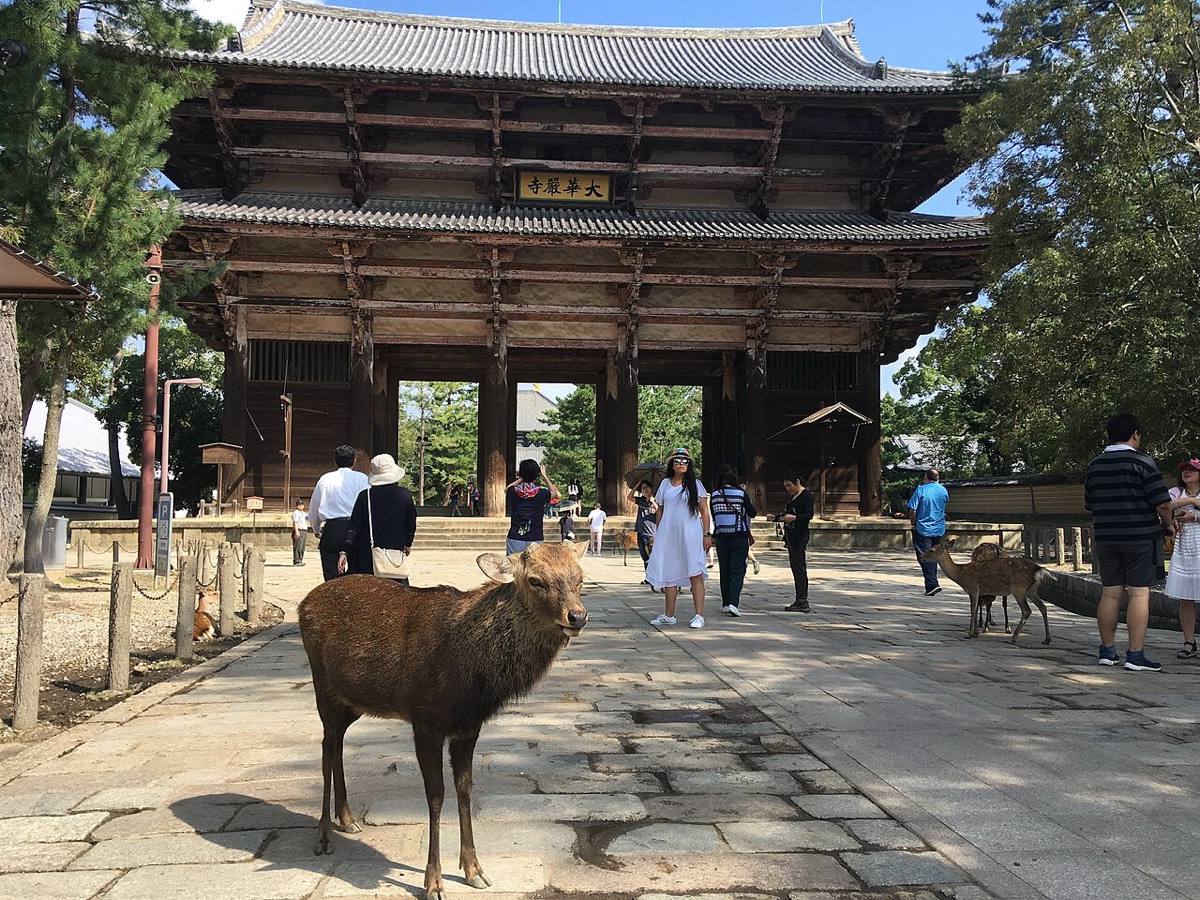
The smoothest Nara day trip is to take the Kintetsu line to Kintetsu Nara Station, then walk from Kofuku-ji to Nara Park (deer), Todai-ji's Great Buddha Hall and Kasuga Taisha, ending with a stroll in Naramachi, in about 6 to 8 hours. From Osaka Namba the Kintetsu Rapid Express takes about 40 minutes. The Great Buddha Hall costs ¥800 for adults, cash only, open 7:30 to 17:30 from April to October. Nara's deer are a national natural monument and may be fed only deer crackers.
A Nara day trip is one of the most popular half-day to full-day outings from Osaka or Kyoto: from Osaka Namba the Kintetsu line takes only about 40 minutes, and you can feed deer in Nara Park and visit the Great Buddha at Todai-ji. This guide covers Todai-ji tickets and hours as of October 2026, the rules for interacting with Nara's deer, how to get to Nara from Osaka and Kyoto, and a walking route without backtracking, so your first visit goes smoothly and safely.
How to Plan a Nara Day Trip: The Classic Route in One Table
In short: start from Kintetsu Nara Station and walk Kofuku-ji, Nara Park, Todai-ji, Kasuga Taisha and Naramachi in that order. It is all on foot with no backtracking, and takes about 6 to 8 hours.
| Time | Stop | Duration | Highlights |
|---|---|---|---|
| 9:00 | Leave Osaka Namba on Kintetsu | About 40 min | Direct Rapid Express |
| 9:45 | Kofuku-ji | 40 min | Five-story pagoda under repair; see the Chukon-do and National Treasure Museum |
| 10:30 | Nara Park (Noborioji, Ukigumo-en) | 45 min | Buy deer crackers, feed the deer, take photos |
| 11:15 | Todai-ji Nandaimon gate and Great Buddha Hall | 1 hr 15 min | One of the world's largest bronze Buddhas |
| 12:30 | Lunch (Todai-ji approach or Naramachi) | 1 hr | Kakinoha-zushi, kamameshi, kuzumochi |
| 13:45 | Nigatsu-do and Hokke-do (Sangatsu-do) | 45 min | Nigatsu-do's veranda overlooks Nara city |
| 14:45 | Kasuga Taisha | 1 hr | Vermilion shrine buildings and a stone-lantern approach |
| 16:00 | Stroll in Naramachi | 1 hr | Old merchant-house streets, cafes |
| 17:00 | Return from Kintetsu Nara | - | Back in Osaka for dinner |
In autumn (late October to November), Nara Park has fall foliage and the afternoon light is good, so you can shift your photo time at Kasuga Taisha and Nara Park later in the day. For nationwide timing, see Japan autumn leaves 2026.
How to Get to Nara from Osaka and Kyoto
In short: from either Osaka Namba or Kyoto, Kintetsu is the one we recommend, since the terminus Kintetsu Nara Station is only about a 5-minute walk from Nara Park. If you hold a JR Pass or stay near JR Osaka Station, JR works too.
| From | Route | Arrives | Time (approx.) | Notes |
|---|---|---|---|---|
| Osaka Namba | Kintetsu Nara Line Rapid Express | Kintetsu Nara | 40 min | Direct, most convenient |
| JR Osaka Station | JR Yamatoji Rapid (through service from the Osaka Loop Line) | JR Nara | 50 min | Farther from Todai-ji |
| Kyoto | Kintetsu Kyoto Line Express / Limited Express | Kintetsu Nara | About 45 min by Express | Limited Express needs a surcharge ticket |
| Kyoto | JR Nara Line Rapid | JR Nara | 45 min | Passes Uji and Inari |
In October 2026 we found the regular fare from Kintetsu Osaka Namba to Kintetsu Nara to be about ¥680 on a transfer-search site. Check the Kintetsu official site for actual fares and timetables[5]. For JR fares, use the JR-West website.
Nara Park Deer Feeding Rules: What to Know About Nara's Deer
In short: Nara's deer are a national natural monument and may be fed only "deer crackers" (shika-senbei). Do not hit or chase them, and do not let children approach alone.
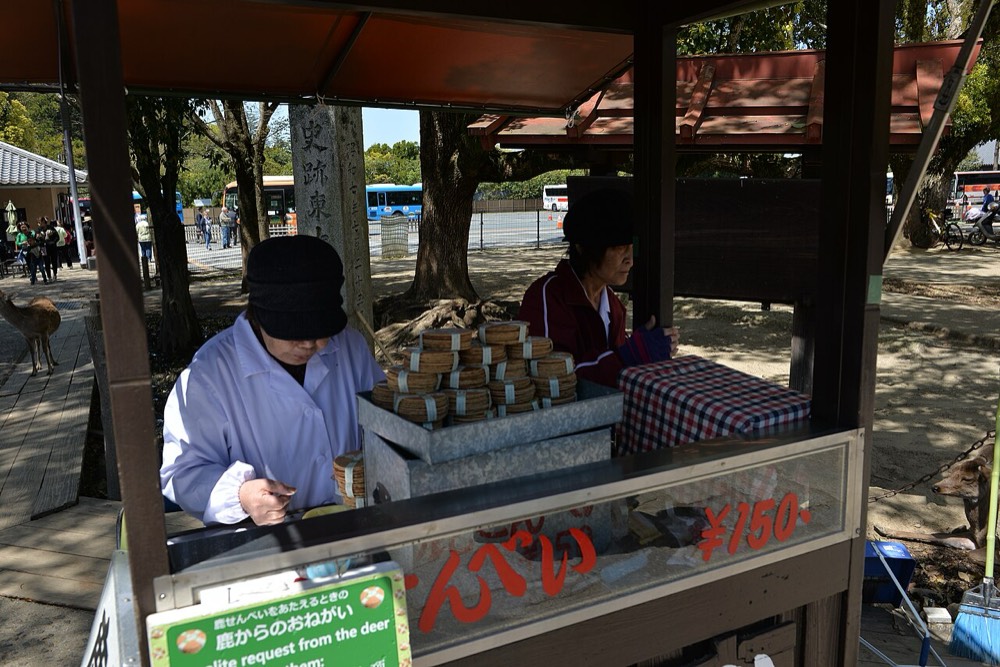
According to the Nara Prefecture's official explanation for Nara Park[2]:
- Feed only deer crackers: The deer normally eat grass, leaves and acorns, and human food makes them sick. Deer crackers are an exception allowed for cultural and conservation reasons, and part of the proceeds goes to protecting the deer.
- They are wild animals: They may charge, butt with their antlers, bite or kick, so do not touch them casually.
- Seasonal dangers: In spring, mothers who have just given birth may attack to protect their fawns. In autumn, stags are in the rut and more irritable. The Nara Deer Preservation Foundation also issued a notice in August 2026 about stags in the rut[3].
- Plastic bags, maps and flyers get eaten: Deer may swallow bags or paper in your hands, and some deer have died from eating trash. Nara Park has no trash cans, so take your trash with you.
How to Feed the Deer Properly
- Buy a pack of deer crackers at a stall, and walk a few steps away from the herd before opening it.
- Hand them out one at a time. Do not hold them high to tease the deer, or pretend to give and pull back.
- Some deer "bow" their heads, and you can bow back. It is Nara's famous bit of interaction.
- When you run out, show both open hands to the deer. They usually wander off.
- If you are surrounded by a herd, calmly step to the side. Do not run.
Todai-ji Tickets and Opening Hours: How to Visit the Great Buddha Hall
In short: the Great Buddha Hall costs ¥800 for adults, cash only, and is open 7:30 to 17:30 from April to October and 8:00 to 17:00 from November to March[1].
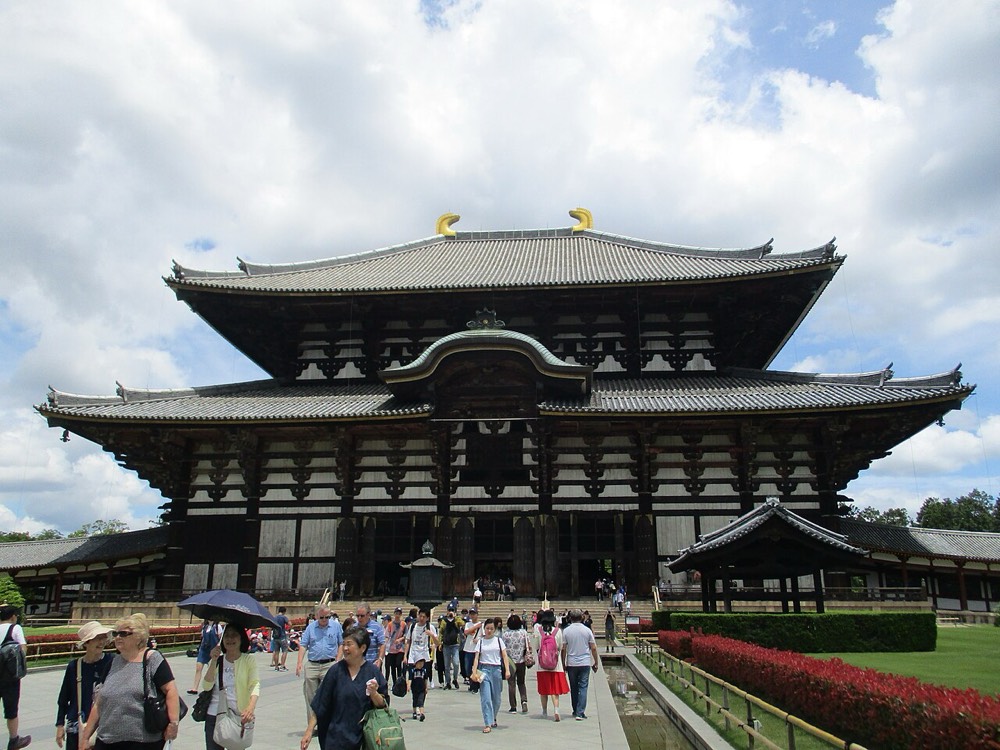
Todai-ji (東大寺) was built in the Nara period by the vow of Emperor Shomu, and the seated Vairocana Buddha enshrined in the Great Buddha Hall is what people call the "Great Buddha of Nara." The two Kongo Rikishi guardian statues at the Nandaimon gate are also a must-see.
| Facility | Hours (April to October) | Hours (November to March) | Adult | Elementary school |
|---|---|---|---|---|
| Great Buddha Hall | 7:30 to 17:30 | 8:00 to 17:00 | ¥800 | ¥400 |
| Hokke-do (Sangatsu-do) | 8:30 to 16:00 | 8:30 to 16:00 | ¥800 | ¥400 |
| Kaidan-in | 8:30 to 16:00 | 8:30 to 16:00 | ¥800 | ¥400 |
| Todai-ji Museum | 9:30 to 17:30 (last entry 17:00) | 9:30 to 17:00 (last entry 16:30) | ¥800 | ¥400 |
| Great Buddha Hall + Museum combo | - | - | ¥1,200 (junior high school and older) | ¥600 |
(Individual tickets for junior high and high school students are also ¥800. Information checked on the Todai-ji official site in October 2026[1].)
Visiting tips:
- Around 8 a.m. is the quietest. Tour groups mostly arrive after 10.
- One pillar inside the Great Buddha Hall has a hole at its base that people crawl through for good luck. Whether it is open depends on the notice posted on site.
- From the Great Buddha Hall, walk east up the slope to Nigatsu-do. Its veranda looks over Nara city and the roof of the Great Buddha Hall, the view is especially good in the late afternoon, and visiting is free.
What Else Is in Nara? Kofuku-ji, Kasuga Taisha and Naramachi
In short: besides Todai-ji, Kofuku-ji, Kasuga Taisha and Naramachi are all within walking distance, so choose according to your energy and time.
Kofuku-ji: Five-Story Pagoda Under Repair, So See the National Treasure Museum
Kofuku-ji (興福寺) is right next to Kintetsu Nara Station. Note that the five-story pagoda is undergoing major preservation repairs and is covered by a protective structure, so you cannot see the whole pagoda for now. Reports say the finial at the top is expected to be reinstalled in 2031[4]. In the meantime, spend your time at the National Treasure Museum, home of the Ashura statue, and at the reconstructed Chukon-do. For admission to each hall, check the Kofuku-ji official site.
Kasuga Taisha: Vermilion Buildings and Stone Lanterns
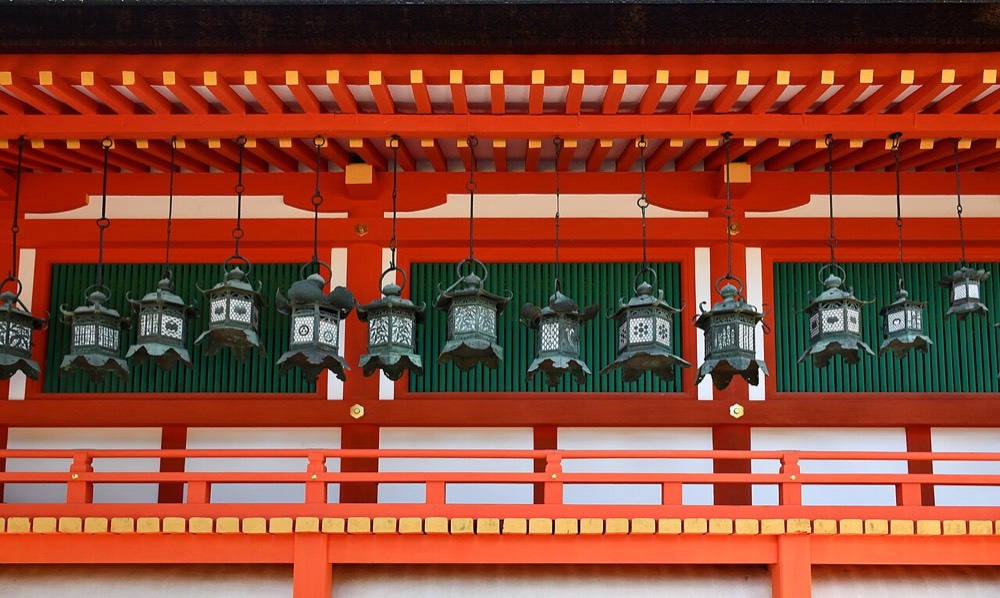
Kasuga Taisha (春日大社) is part of the World Heritage "Historic Monuments of Ancient Nara." Walk east from Nara Park along the approach lined with stone lanterns. The approach and parts of the grounds are free, but entering the special visiting area at the main hall costs extra; check the Kasuga Taisha notice for the amount.
Naramachi: An Old-Town Stroll to Finish
Naramachi (ならまち), south of Sarusawa Pond, preserves merchant-house architecture and has many cafes, Japanese sweets shops and gift stores, perfect for an afternoon stroll and a snack.
If You Have More Time
- Mt. Wakakusa: During its open period you can climb it for views over Nara city (there are seasonal opening dates and a fee, so check the Nara Prefecture notice).
- Uji: Take the JR Nara Line toward Kyoto and get off at Uji to turn the trip into a Nara and Uji day trip; see the Uji day trip.
What to Eat on a Nara Day Trip
In short: Nara's signature tastes are kakinoha-zushi, kuzumochi and Nara-zuke pickles, easy to find along the Todai-ji approach, in the Higashimuki shopping street near Kintetsu Nara Station and in Naramachi.
- Kakinoha-zushi: Vinegared rice with mackerel or salmon wrapped in persimmon leaves, good as a lunch or to eat on the train back.
- Kuzumochi and kuzukiri: Yoshino kudzu is a Nara specialty with a chewy texture.
- Kamameshi and chagayu: Traditional Nara home cooking that warms you up in autumn and winter.
Many spots in the park are not good for eating while walking, because deer will come to snatch food. Eat inside a shop or away from the herds.
Before You Go: How to Plan the Smoothest Nara Day Trip
- Bring cash: The Todai-ji official site states cash only, and small stalls often take only cash too.
- Wear comfortable shoes: The full route is about 6 to 8 km on foot, with slopes and gravel paths around Kasuga Taisha.
- Avoid weekend midday: After 10 a.m. on weekends crowds and tour groups peak, so an early start is the most comfortable.
- Fit it into your itinerary: Nara usually goes on day 3 or 4 of an Osaka trip. For a full 5-day plan see the 5-day Osaka itinerary, and when you return to Osaka in the evening, head to Dotonbori for Osaka food.
FAQ
How many hours does a Nara day trip take?
Seeing just the Nara Park area (Kofuku-ji, Todai-ji, Kasuga Taisha) takes about 5 to 6 hours, and about 7 to 8 hours with a Naramachi stroll and lunch. From Osaka, leaving before 9 a.m. and returning in the evening is the most relaxed plan. You can also continue to Kyoto or Uji in the afternoon.
Do Nara deer bite? What should I know before feeding them?
Nara's deer are wild animals and may butt, bite or kick. Feed them only deer crackers, do not tease them by holding crackers up, and show your empty hands when you run out. Mothers protect their fawns in spring and stags are more aggressive during the autumn rut, so do not let children approach alone.
Is JR or Kintetsu better from Osaka to Nara?
Kintetsu is recommended: from Osaka Namba it runs directly to Kintetsu Nara Station in about 40 minutes, and the station is right by Nara Park. JR from Osaka Station takes about 50 minutes on the Yamatoji Rapid to JR Nara Station, which is about a 20-minute walk farther from Todai-ji (or take a bus). If you have a JR Pass, JR is the better value.
How much is Todai-ji admission, and can I pay by card?
The Great Buddha Hall costs ¥800 for adults (university age and up) and junior high and high school students, and ¥400 for elementary school students. The combined ticket for the Great Buddha Hall and the Todai-ji Museum is ¥1,200 for adults. The official site states cash only, so bring small change.
Where can I buy deer crackers, and how much are they?
Stalls and sales points are all over Nara Park. Deer crackers (shika-senbei) are the only food allowed for feeding the deer, and part of the proceeds goes to protecting them. Prices are posted on site. One pack is enough, and do not open it in the middle of a herd, or you will be surrounded.
Sources
- Todai-ji: visiting hours and admission: Admission and hours for the Great Buddha Hall, Hokke-do, Kaidan-in and Todai-ji Museum (checked October 2026)
- Nara Prefecture, Nara Park: how to behave around the deer: Feeding rules, seasonal cautions, natural monument status
- Nara Deer Preservation Foundation: Deer protection and a notice about stags in the rut
- Kumamoto Nichinichi Shimbun (Kyodo News): Kofuku-ji five-story pagoda, public viewing of dismantled finial: Pagoda repairs; the finial is expected to be reinstalled in 2031
- Kintetsu Railway official site: Kintetsu Nara Line timetable and fare search
Fares, opening hours and event dates can change. Information checked on 2026.10.19; please confirm with official sources before you go.