Osaka Food Guide: Takoyaki, Kushikatsu, Okonomiyaki and Kuromon Market
What to eat in Osaka: Dotonbori takoyaki, Shinsekai kushikatsu and its no double-dipping rule, how to order okonomiyaki, and Kuromon, Tsuruhashi and Kizu markets.
Quick answer
Osaka's must-eat list is takoyaki, okonomiyaki (including modan-yaki), kushikatsu, pork buns and hako-zushi. Takoyaki and okonomiyaki are most concentrated in Dotonbori and Shinsaibashi. For kushikatsu go to Janjan Yokocho in Shinsekai and remember: no double-dipping in the sauce. For seafood, head to Kuromon Market (about 150 shops, right by Nippombashi Station) or Kizu Market (roughly 7:00-13:00).
Here is a complete guide to Osaka food. Osaka has long been called "the nation's kitchen" (天下の台所), and its "konamon" (flour-based dishes) and casual street food such as takoyaki, okonomiyaki and kushikatsu are the biggest reason many visitors come. This guide covers the must-eat list, how to order and eat each dish, the dining rules in Dotonbori and Shinsekai, and how to explore markets such as Kuromon, so you can plan an Osaka food route by area without missing out.
Osaka Must-Eat List: What to Eat and Where
In short: Osaka's food centers on three konamon staples, takoyaki, okonomiyaki and kushikatsu, plus local favorites such as pork buns, hako-zushi and udon.
| Food | Japanese | Notes | Recommended area |
|---|---|---|---|
| Takoyaki | たこ焼き | Crisp outside, soft inside, batter made with dashi | Dotonbori, Shinsaibashi |
| Okonomiyaki | お好み焼き | Cabbage and dashi batter, fluffy texture | Dotonbori, Namba, Umeda |
| Modan-yaki | モダン焼き | Okonomiyaki with fried noodles | Okonomiyaki specialty shops |
| Kushikatsu | 串カツ | Meat and vegetables breaded and deep-fried; no double-dipping in the sauce | Janjan Yokocho in Shinsekai |
| Pork buns | 豚まん | Adapted to Japanese tastes after the Meiji era | Namba, stations around Osaka |
| Hako-zushi | 箱寿司 | Traditional Osaka sushi pressed in a wooden mold | Old sushi shops, department store food halls |
| Udon | うどん | Kombu and bonito dashi, soft noodles | All over the city |
| Seafood | 海鮮 | Sashimi, grilled seafood, seafood bowls | Kuromon Market, Kizu Market |
The categories above follow the introduction to Osaka food on OSAKA-INFO, the Osaka tourism site[5].
How to Eat Takoyaki: A Dotonbori Guide
In short: takoyaki is Osaka's signature street snack, and Dotonbori and Shinsaibashi have the most specialty shops. Eat it hot with a toothpick, but watch your mouth.
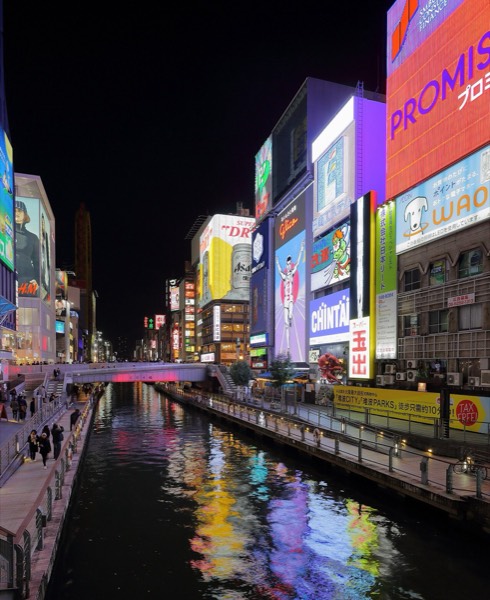
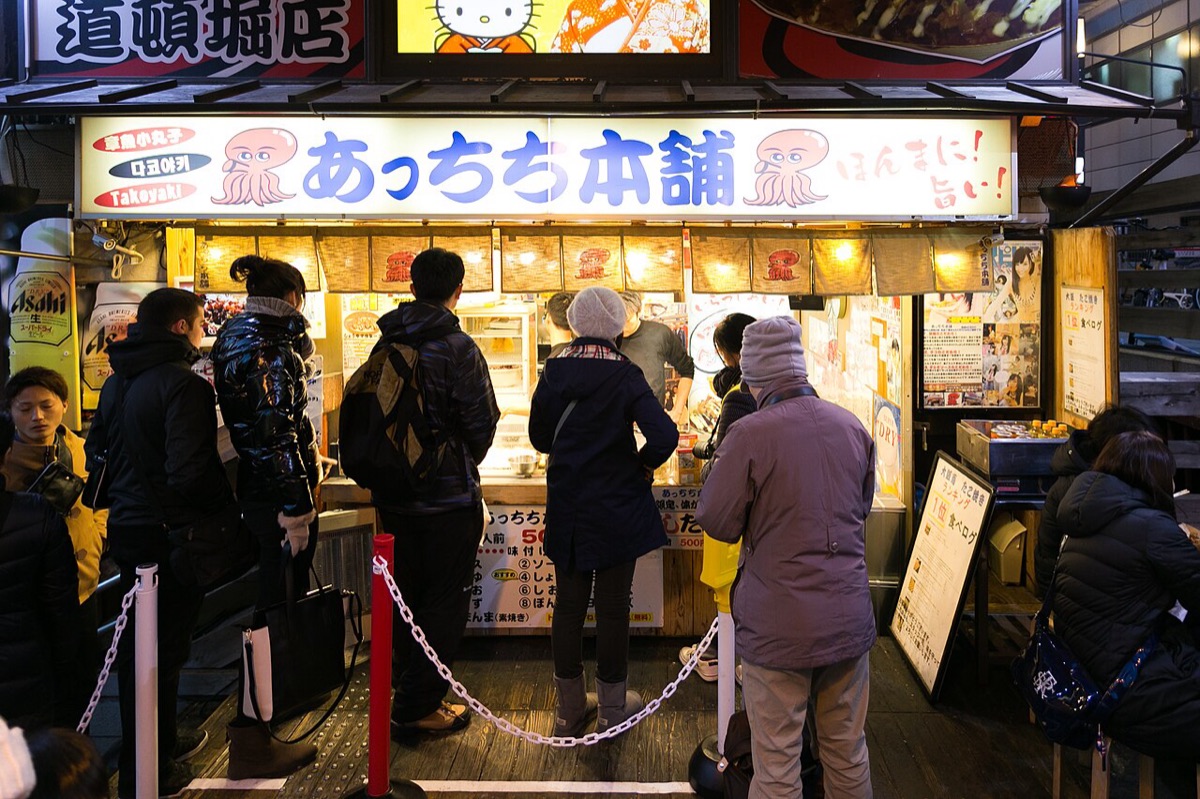
According to OSAKA-INFO, takoyaki's history is actually not that long. Shops in Osaka gradually increased from the Showa 30s (1955-1964), and its origins are generally traced to "chobo-yaki" and "radio-yaki" that were popular from the Taisho era to early Showa. Later, switching to a dashi batter and adding octopus made it a snack adults love too[1].
How to Order Takoyaki
- Choose the portion: Usually sold in units of 6, 8 or 10 pieces. On your first visit, order small portions and try several shops.
- Choose the flavor: The classic is sauce, mayonnaise, aonori and bonito flakes. Soy sauce, salt, and dashi dipping versions are also available.
- Eat in or take out: Many Dotonbori shops have standing areas. The box is very hot when taken out, so let it cool a bit.
- How to eat: The filling is extremely hot when freshly cooked, so poke it open with a toothpick to let the heat out first.
Famous takoyaki shops in Dotonbori often have long queues at dinner time, so have takoyaki as an afternoon snack to avoid the crowds.
How to Order Okonomiyaki, and How It Differs from Hiroshima-Style
In short: Osaka okonomiyaki is the "mixed" style, where all the ingredients are mixed together before grilling. The batter is made with dashi and often includes grated yam, giving a fluffy texture. For a version with noodles, order modan-yaki.
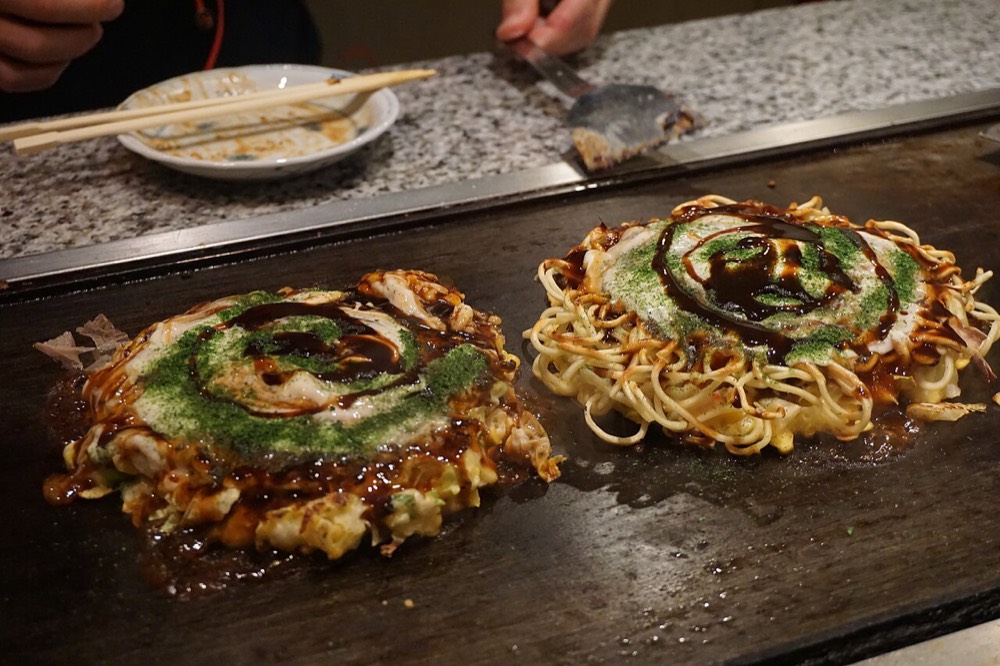
OSAKA-INFO explains that Osaka okonomiyaki batter is made with dashi, cabbage is essential, pork is the most popular, and other toppings are up to you; adding grated yam makes it lighter[3]. Modern okonomiyaki took shape after World War II and became popular across Japan after the 1970 Osaka Expo[3].
Ordering Tips
- Staff cook or you cook: At many specialty shops staff grill it on the teppan and bring it to you. Some shops let customers cook it themselves; if you are unsure, just ask the staff to do it.
- Eating with the small spatula: The small spatula (kote) on the table can be used to cut and eat it directly, or you can take a small plate and chopsticks.
- Toppings: Pork is the classic; seafood, cheese, mochi and kimchi are also common.
- Negiyaki (ねぎ焼き): A version made with plenty of green onion, with a lighter flavor, available at some specialty shops.
Okonomiyaki goes well with beer at dinner, and there are plenty of specialty shops in Dotonbori, Namba and Umeda.
Shinsekai Kushikatsu and the No Double-Dipping Rule
In short: for the best atmosphere, eat kushikatsu (串カツ) in Janjan Yokocho in Shinsekai. The most important rule is no double-dipping in the shared sauce.
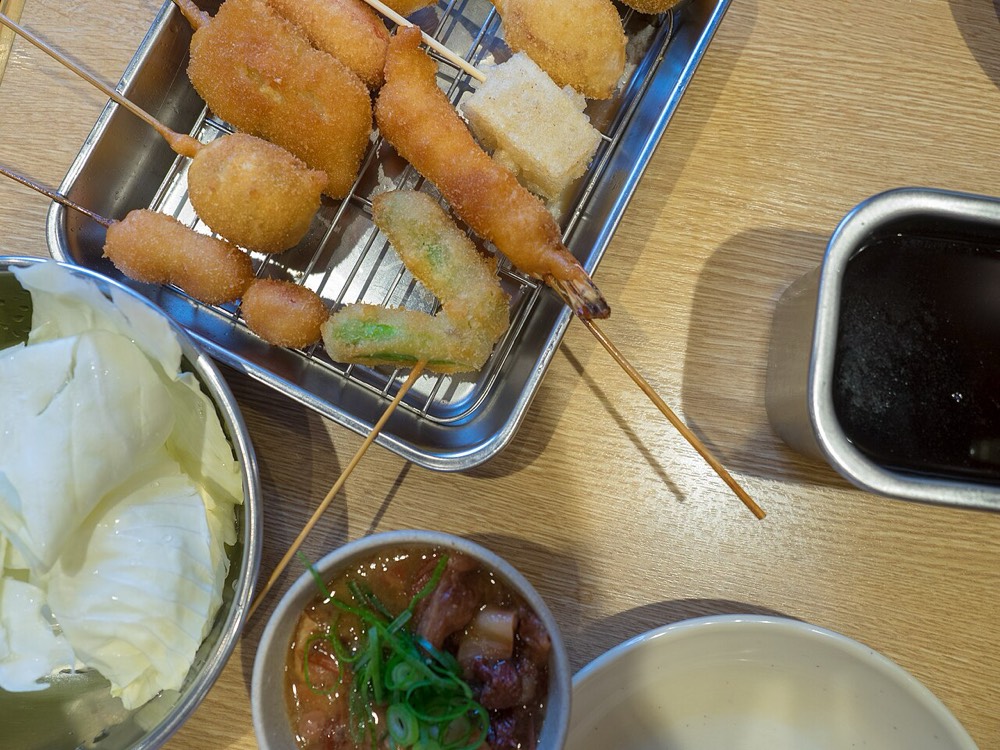
OSAKA-INFO explains that Shinsekai lies at the foot of Tsutenkaku and is a famous kushikatsu district, and some shops in Janjan Yokocho have operated since the postwar period[2]. Kushikatsu is meat and vegetables skewered, coated in batter and breadcrumbs, and deep-fried[5].
How to Eat Kushikatsu
- Pick up a freshly fried skewer and dip it once in the shared sauce container.
- After you have taken a bite, do not dip it again. This is the rule known as "nidozuke kinshi" (二度漬け禁止).
- If you need more sauce, scoop it with a cabbage leaf and pour it over the skewer. The cabbage is free at many shops and you can ask for more[2].
- Put finished sticks in the container on the table; the bill is counted by the number of sticks.
Recommended orders: pork, beef, shrimp, lotus root, shiitake, quail eggs and pickled red ginger. Kushikatsu goes best with beer or a highball. After dinner you can go straight up Tsutenkaku; for sightseeing information, see the Osaka attractions guide.
How to Eat at Kuromon Market: A Guide to Osaka's Markets
In short: for seafood, go to Kuromon Market. It is right next to Nippombashi subway station, with about 150 shops in an arcade roughly 580 meters long[4], and the widest choice is from morning to noon.
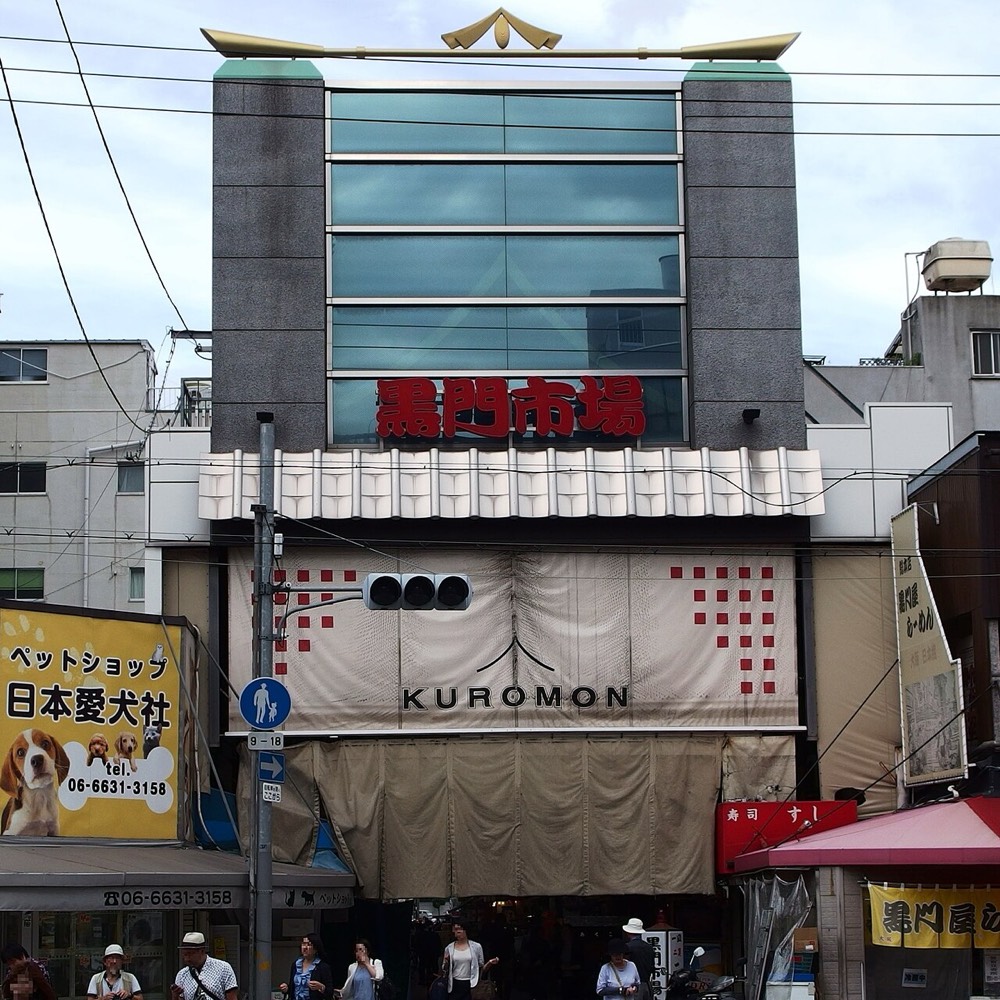
Kuromon Market
Kuromon Market (黒門市場) has operated since the late Edo period, and its name is said to come from the black gate of a nearby temple. It was originally a market supplying ingredients to cooks[4]. Today the favorites among visitors are seafood bowls, sashimi, grilled scallops and other grilled seafood, and seasonal fruit.
- Access: Right by Nippombashi Station on the Osaka Metro Sennichimae and Sakaisuji lines[4]; it is also within walking distance of Dotonbori.
- Opening hours: These differ by shop. Most open during the day and close one by one before evening.
- Note: Prices at the market are geared to tourists, so check the price tag (per 100 grams or per portion) before ordering to avoid a shock at the register.
Tsuruhashi and Kizu Market
- Tsuruhashi: Around Tsuruhashi Station there is a market and shopping district spanning three wards with about 800 shops, famous for yakiniku and Korean food, and well suited to a yakiniku dinner[4].
- Osaka Kizu Wholesale Market: A wholesale market with more than 300 years of history, where some canteens are open to the public and serve market breakfasts. It runs roughly 7:00-13:00, and is closed on Sundays, public holidays and some Wednesdays. On the 2nd and last Saturday of each month there is also the "Kizu Morning Market" from 9:00 to 12:00[4]. It is about a 3-minute walk from Exit 1 of Daikokucho Station on the Midosuji or Yotsubashi subway line.
Planning an Osaka Food Route by Area
In short: fit food into your sightseeing route, with markets in the morning, snacks in the afternoon, and konamon and kushikatsu at night.
| Time | Area | What to eat |
|---|---|---|
| Morning | Kizu Market or Kuromon Market | Market breakfast, seafood bowls, fruit |
| Midday | Shinsaibashi, Namba | Udon, pork buns, sushi |
| Afternoon | Dotonbori | Takoyaki as a snack |
| Evening (pick one) | Dotonbori, Umeda | Okonomiyaki and modan-yaki with beer |
| Evening (pick one) | Shinsekai | Kushikatsu and the Tsutenkaku night view |
| Late night | Tsuruhashi or Namba | Yakiniku, ramen |
On the first night in Osaka you are usually staying in Namba or Shinsaibashi, which is perfect for walking straight to Dotonbori for takoyaki and okonomiyaki. To plan food together with sights and transport, see the Osaka 5-day, 4-night itinerary. If you are spending a day in Kyoto, also see the Kyoto food guide.
Before You Go: Eating in Osaka
- Cash and cards: Large restaurants and chains mostly accept cards or mobile payment, but small stalls and old shops may still be cash only. See the Japan payment guide for payment methods.
- Eating on the move: Many Dotonbori takoyaki shops have standing areas, so try to finish in front of the shop and give your trash to the shop rather than walking while you eat. For etiquette, see Japan travel etiquette for first-timers.
- Queue culture: When queuing at popular shops, follow the shop's instructions and do not hold places or cut in line.
- Adjust your meal times: Dinner in Japan is mostly between 18:00 and 20:00, so eating around 17:00 makes queues at popular places easier.
FAQ
What are the must-try foods in Osaka?
On a first trip, the must-eat list is takoyaki, okonomiyaki and kushikatsu, plus pork buns, hako-zushi and udon. Takoyaki and okonomiyaki are easiest to find around Dotonbori, kushikatsu is in Shinsekai, and seafood is at Kuromon Market or Kizu Market. Two or three nights is enough to work through the list.
What does "no double-dipping" mean for kushikatsu?
Most Osaka kushikatsu restaurants have a shared sauce container on the table, so a skewer you have bitten into must not go back in for a second dip. If you need more sauce, use the cabbage leaves provided to scoop it over the skewer; the cabbage is usually refillable for free.
What time should I go to Kuromon Market?
Opening hours differ by shop. Most open during the day and close one by one before evening, so go between morning and noon for the widest choice. The market is right by Nippombashi subway station, so you can fit it before or after Dotonbori and eat your way through as brunch.
How is Osaka okonomiyaki different from Hiroshima okonomiyaki?
Osaka okonomiyaki mixes batter, cabbage and toppings together before grilling, and the batter often includes grated yam, giving a fluffy texture. Hiroshima-style is built in layers, usually with noodles in between. Osaka also has modan-yaki, which adds fried noodles, if you want a version with noodles.
Are there queues for Osaka food, and how do I avoid them?
Popular takoyaki stalls and old kushikatsu shops in Dotonbori often have queues at dinner time. Avoid them by eating dinner before 17:00, or having takoyaki as an afternoon snack on a weekday. For Kuromon Market, go in the morning to avoid the midday tour groups.
Sources
- OSAKA-INFO: Takoyaki: Origins and how to eat takoyaki
- OSAKA-INFO: Complete guide to Osaka kushikatsu: Shinsekai kushikatsu and the no double-dipping rule
- OSAKA-INFO: Complete guide to Osaka okonomiyaki: Characteristics of Osaka okonomiyaki, modan-yaki and history
- OSAKA-INFO: Morning markets in summer, three markets to taste Osaka food culture: Kuromon Market, Tsuruhashi Market, Kizu Market
- OSAKA-INFO: 10 popular dishes from Osaka, the nation's kitchen: Hako-zushi, pork buns, omurice and other Osaka foods
Fares, opening hours and event dates can change. Information checked on 2026.10.19; please confirm with official sources before you go.