Kyushu in Winter: December–February Temperatures, Snow, Onsen and How to Plan Your Trip
Planning Kyushu in winter? Compare Fukuoka, Kagoshima, Aso and Yufuin temperatures, see where it snows, what drivers need, plus events, onsen and 3 itineraries.
Quick answer
Kyushu's lowlands are mild in winter (December–February): Japan Meteorological Agency normals put January's average at 6.9°C in Fukuoka and 8.7°C in Kagoshima, and snow rarely settles in the cities. Snow and ice belong to the mountains — Aso and Yufuin average only about 2°C in January with lows around -2 to -3°C, so drivers need winter tyres. Highlights include the Fukuoka Christmas Market (to Dec 25), Huis Ten Bosch illuminations (to Feb 25, 2027), Dazaifu's Onisube fire rite on January 7, the Nagasaki Lantern Festival (expected Feb 5–21, 2027), Itoshima oyster huts and Amaou strawberries.
Two misconceptions come up again and again about Kyushu in winter: that the island is in the south so winter must be warm, and that winter means guaranteed snow. In reality, Fukuoka and Kagoshima average about 7–9°C in January and rarely see settled snow, while onsen areas in the mountains such as Aso and Yufuin average only about 2°C in January, where snow and ice are normal. This guide uses Japan Meteorological Agency data to compare December–February temperatures, explains where it snows and what drivers need, then lists winter events, seasonal food and three itineraries you can follow as they are.
Kyushu winter weather: December–February temperatures compared
The bottom line: prepare for two kinds of winter in Kyushu, the lowlands and the mountains, which differ by roughly 5°C. The table shows JMA 1991–2020 normals in °C, as "mean / mean maximum / mean minimum"[1][2][3][4].
| Location (station) | December | January | February |
|---|---|---|---|
| Fukuoka city | 9.1 / 12.6 / 5.8 | 6.9 / 10.2 / 3.9 | 7.8 / 11.6 / 4.4 |
| Kagoshima city | 10.9 / 15.3 / 6.9 | 8.7 / 13.1 / 4.9 | 9.9 / 14.6 / 5.8 |
| Aso city (Aso-Otohime, 487 m) | 3.8 / 9.5 / -1.4 | 2.0 / 7.1 / -2.7 | 3.4 / 8.9 / -1.8 |
| Yufu city (Yufuin, 435 m) | 4.1 / 9.7 / -0.8 | 2.3 / 7.3 / -2.2 | 3.4 / 9.0 / -1.6 |
What the numbers tell you:
- January is the coldest month; February is only slightly warmer, and things warm up clearly in March.
- Kagoshima averages about 2°C warmer than Fukuoka every month, with daytime highs often reaching 13–15°C, making it the mildest city in Kyushu in winter.
- Average lows in Aso and Yufuin are below freezing, which is what creates the morning mist on Lake Kinrin and the frost on Kusasenri. The area around Aso's crater (Kusasenri is about 1,100 m) is colder again than Aso city.
- Fukuoka gets about 70 mm of precipitation per month from December to February[1], far less than in summer, but northern Kyushu is often overcast in winter and sees fewer clear days than Kagoshima or Miyazaki.
Does it snow in Kyushu? Where snow settles
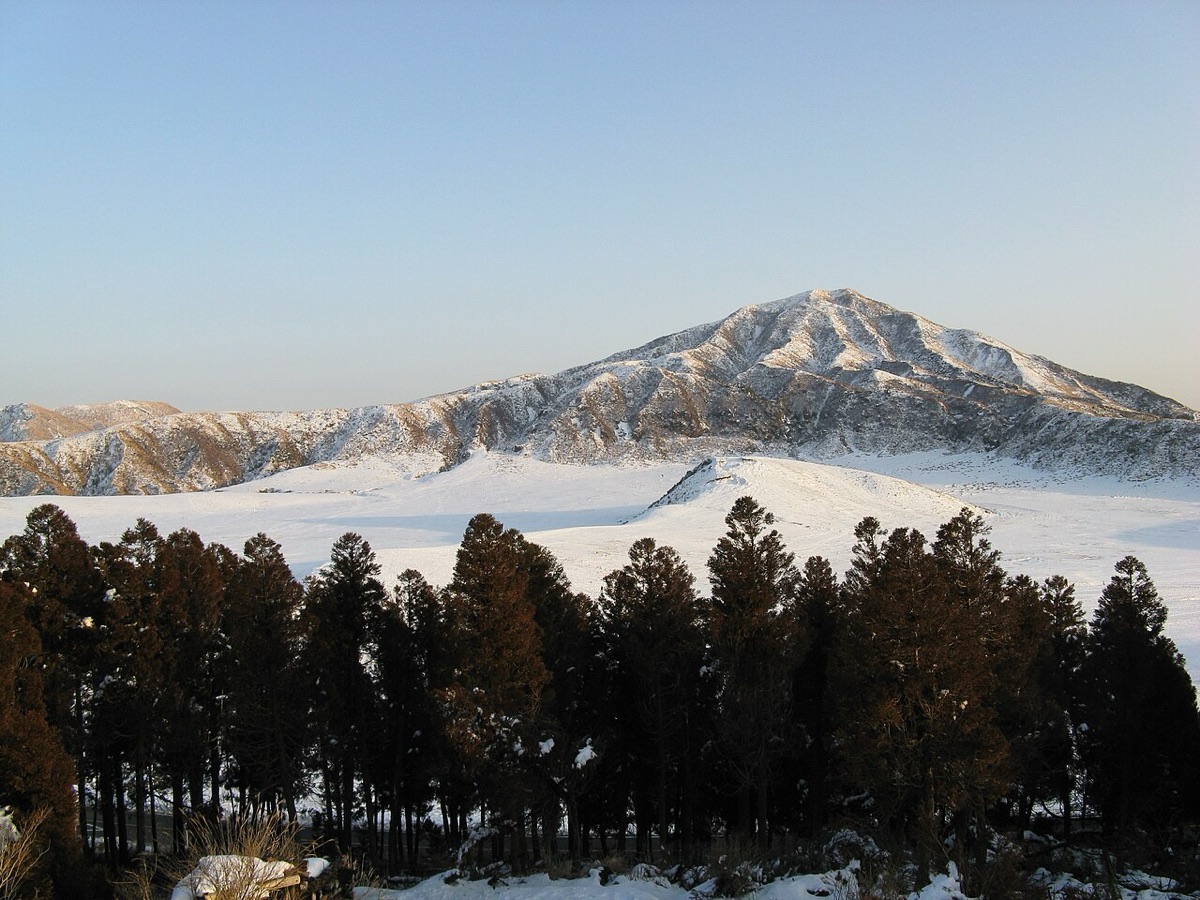
Yes, but mainly in the mountains. Fukuoka's normal annual snowfall is only about 2 cm; there are around 9 days with some snowfall in January, but it usually melts on contact[1]. Kagoshima is similar[2]. Settled snow in the cities usually comes only during a strong cold snap, so it is not something to build a trip around.
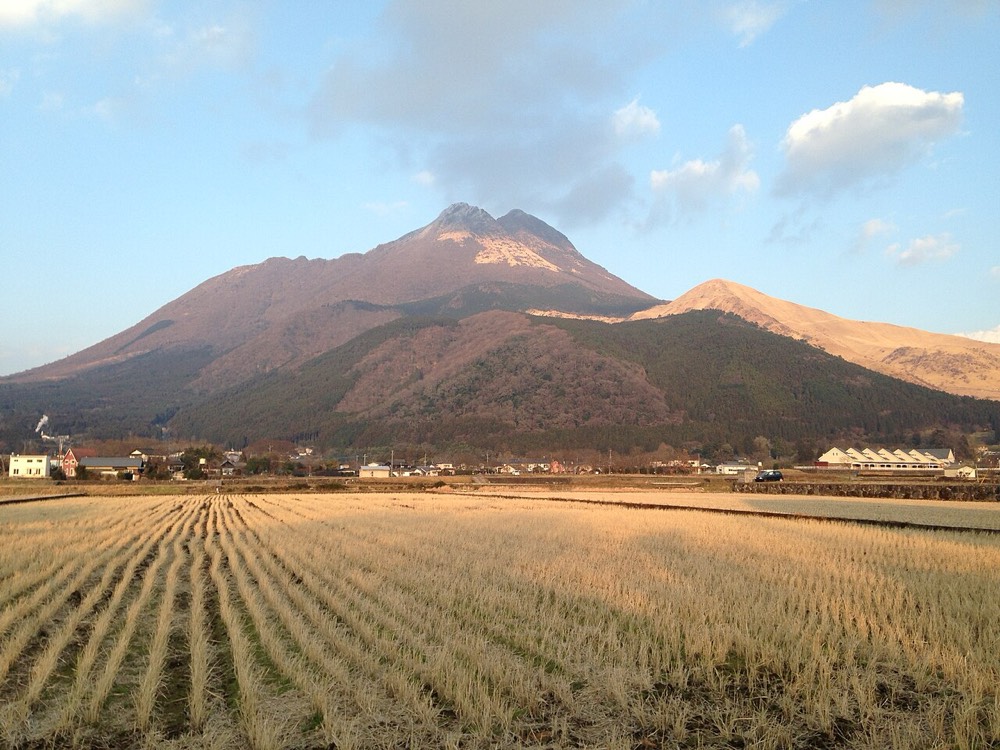
Where you are most likely to see snow:
| Area | Winter conditions | What it means for travellers |
|---|---|---|
| Aso (Kusasenri, Daikanbo) | High and windy; snow and icy roads are common in January–February | Snowy grasslands are beautiful, but mountain roads need winter tyres; Nakadake crater remained at volcanic alert level 2 as of November 13, 2026, so the crater cannot be visited[15] |
| Kuju (Kuju Highlands, Kokonoe Yume Grand Suspension Bridge area) | A plateau connected to Aso that also often has snow | Take special care on the Yamanami Highway (Kyushu Odan Road) between Yufuin and Aso |
| Yufuin | Basin below freezing in mornings and evenings; may get a thin layer after snowfall | Walking in town is fine, but roads can be icy early in the morning |
| Kurokawa Onsen | Mountain area at about 700 m, often snowy from December to March | Snow makes the outdoor baths magical, but driving in and out needs the most care |
| Takachiho | Valley terrain, cold mornings, possible ice | Getting there by bus is safer |
Snow conditions vary greatly by year; some winters the mountains see only a few light dustings. If seeing snow is the main goal of your trip, Kyushu cannot guarantee it — the Japan winter clothing guide covers snow-country options in Tohoku and Hokkaido.
Driving in Kyushu in winter: winter tyres, chains and road closures
The bottom line: if your route touches mountain areas such as Aso, Kuju, Kurokawa or Yufuin, you must rent a car with winter tyres (studless tyres, スタッドレスタイヤ). If you cannot get one, do not drive into the mountains.
Most Kyushu rental cars do not come with winter tyres as standard
Take Nippon Rent-A-Car as an example: winter tyres are standard on all cars only in regions such as Hokkaido, Tohoku, Nagano/Niigata and Hokuriku, and Kyushu is not among them. Its website lists Aso/Kuju as snowfall areas where you should request winter tyres, and cars with them are limited and may be unavailable[5]. The same page states that chains are not rented anywhere in Japan, so you must bring your own if needed[5]. Rules differ between rental companies, so check each point when you book:
- Tick the "studless tyres" (スタッドレスタイヤ) option when booking and make sure the pick-up branch offers it.
- Read the confirmation email to check that winter tyres are confirmed; if it says "requested", wait for the branch to reply.
- When collecting the car, check that the tyre sidewalls say "STUDLESS".
- Check the forecast the night before; if heavy snow is forecast, switch to a lowland route or public transport.
Driving on normal tyres on snowy roads is an offence
In a notice issued during a February 2025 cold wave, the MLIT Kyushu Regional Development Bureau and NEXCO West Japan reminded drivers that using normal tyres on winter roads is punishable, and listed sections likely to close due to heavy snow, including the Kyushu Expressway between Yatsushiro JCT and Ebino IC, the Kyushu Expressway around Kagoshima, and the Higashi-Kyushu Expressway in northern Fukuoka Prefecture[7]. In other words, it is not only mountain roads: even the expressway between Kumamoto and Kagoshima can close during a cold snap.
Some mountain roads in Japan also have "chain regulations" (チェーン規制), during which cars must fit chains even if they already have winter tyres. None of the sections currently designated by MLIT are in Kyushu[6], but roads can still close temporarily in heavy snow, so check conditions before setting out on NEXCO West Japan's "i-Highway" or the Japan Road Traffic Information Center (JARTIC).
Kyushu winter attractions and events: December–February calendar
The bottom line: December is all about Christmas illuminations, January brings New Year shrine visits and snowy onsen, and February hosts big annual events such as the Nagasaki Lantern Festival. Items marked "previous years" have not yet been announced for 2026–27 by the organisers as of November, so check again before you go.
| Event | Location | 2026–27 dates | Status |
|---|---|---|---|
| Fukuoka Christmas Market | JR Hakata Station plaza and other venues | Hakata Station venue Nov 7–Dec 25 | Announced |
| Huis Ten Bosch winter illumination "The Starlight Million" | Sasebo, Nagasaki | Nov 6, 2026–Feb 25, 2027[8] | Announced |
| Takachiho Yokagura (all-night kagura in homes) | Takachiho, Miyazaki | Mid-November to early February in previous years | Previous years |
| Kurokawa Onsen "Yuakari" bamboo lanterns | Minamioguni, Kumamoto | Dec 20–Mar 31 in 2025–26, sunset to 22:00[11] | Previous years |
| Hatsumode (Dazaifu Tenmangu, Hakozakigu, etc.) | Fukuoka | From Jan 1; see the Fukuoka New Year guide | Partly announced |
| Usokae and Onisube rites | Dazaifu Tenmangu | Every January 7; Onisube fire lit around 21:00[9] | Fixed date |
| Professional baseball spring camps | Miyazaki city | In 2026 both SoftBank and the Giants started on Feb 1[14] | Previous years |
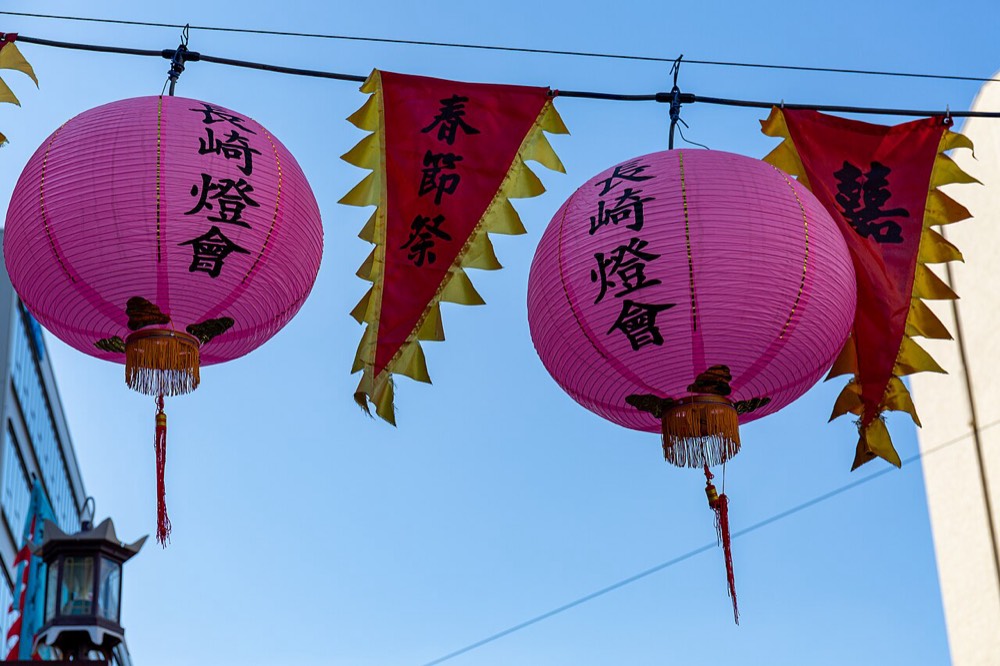
| Nagasaki Lantern Festival | Around Nagasaki Shinchi Chinatown | Expected Feb 5–21, 2027 | Based on usual pattern |
| Yanagawa Hina Festival "Sagemon Meguri" | Yanagawa, Fukuoka | Feb 11–Apr 3 in 2026[10] | Previous years |
Timing tips: visit in mid-December to combine the Fukuoka Christmas Market with the Huis Ten Bosch illuminations; in early February the Nagasaki Lantern Festival, the Huis Ten Bosch illuminations and the Yanagawa Hina Festival briefly overlap, and with Miyazaki's spring camps on top this is the busiest stretch of winter events. Year-end fireworks and New Year visits draw the biggest crowds, so book accommodation early.
Choosing a Kyushu onsen in winter: access and atmosphere compared
The bottom line: without a car choose Yufuin or Beppu; for snow with a bus ride choose Kurokawa; if you dislike the cold, head to Ibusuki and Kirishima in southern Kyushu.
| Onsen area | Winter highlights | Getting there without a car | Further reading |
|---|---|---|---|
| Yufuin | Morning mist on Lake Kinrin, snow on Mount Yufu | About 2 h 10 min by limited express from Hakata | Yufuin & Beppu 2-day onsen trip |
| Beppu | The steam of the Hells looks even more dramatic in cold air | Bus from Yufuin, or limited express from Hakata | Beppu Hells tour |
| Kurokawa | Outdoor baths in the snow, Yuakari bamboo lanterns | About 3 h by reservation-only bus from Fukuoka or Kumamoto | Kurokawa Onsen guide |
| Ibusuki | Sand baths; Kagoshima itself is warmer | About 51 min by limited express from Kagoshima-Chuo | Ibusuki sand bath guide |
| Kirishima | Mountain onsen village, close to Kagoshima Airport | Bus from Kagoshima Airport | Kirishima Onsen guide |
Notes for outdoor baths in winter: when rain or snow lowers the water temperature, some ryokan suspend day-visitor bathing, and paths from indoor to outdoor baths can be icy, so take care in slippers. Shinmoedake in Kirishima and Sakurajima in Kagoshima are active volcanoes; check the latest volcanic alert level before you go.
Kyushu winter food: oyster huts, strawberries and fugu
Winter is the best season for Kyushu's seafood and fruit; the three below are available only around winter or are at their best then.
| Food | Season | Where to eat | Tips |
|---|---|---|---|
| Oyster huts (grill your own oysters) | About October to the following April[12] | Itoshima, Fukuoka Prefecture | Prices, access and hut comparison in the Itoshima oyster huts guide |
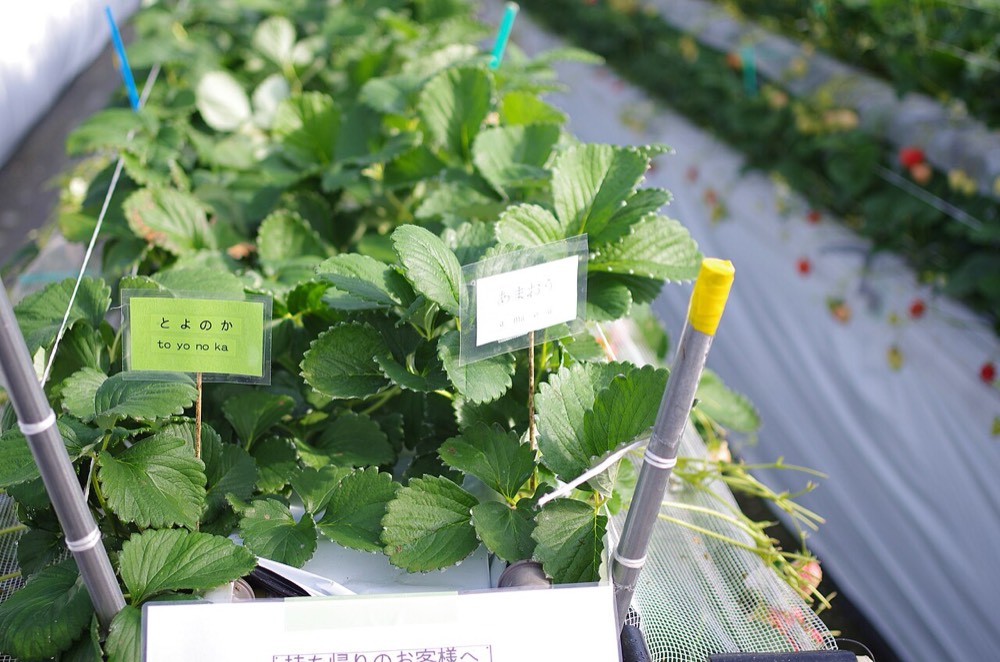
| Amaou strawberries | Greenhouse strawberries start shipping around December[13] | Supermarkets, department stores and strawberry farms in Fukuoka | Picking seasons vary by farm; check each farm's notices |
| Fugu (pufferfish) | Winter is peak season | Shimonoseki, Yamaguchi Prefecture (across the Kanmon Strait from Mojiko) | Shimonoseki is not in Kyushu but sits just across the water from Kitakyushu; pair it with Mojiko Retro |
At oyster huts wear a jacket you don't mind smelling of smoke; many huts lend jackets and gloves for free. Raw oysters and undercooked shellfish carry a norovirus risk, so grill them thoroughly. Amaou sweets and souvenirs are sold at Hakata Station, so you don't have to visit a farm.
Kyushu winter itineraries: 3 ways to plan
All three assume early winter sunsets (it gets dark around 17:30 in Fukuoka in January), so outdoor sights are scheduled during daylight.
Route A: 5 days, 4 nights without a car (Fukuoka + Yufuin + Beppu)
Best for first-timers travelling in December or February.
| Day | Plan | Stay |
|---|---|---|
| Day 1 | Arrive at Fukuoka Airport, afternoon in Tenjin, evening at the Hakata Station Christmas Market (December) or yatai stalls | Hakata |
| Day 2 | Morning Chikuhi Line to Itoshima, lunch at an oyster hut, afternoon at the Wedded Rocks, back to Fukuoka in the evening | Hakata |
| Day 3 | Morning limited express to Yufuin (about 2 h 10 min), afternoon on Yunotsubo street | Ryokan in Yufuin |
| Day 4 | Lake Kinrin morning mist around 7:00, bus to Beppu for the Hells in the morning, limited express back to Hakata in the evening | Hakata |
| Day 5 | Morning at Dazaifu Tenmangu, afternoon to Fukuoka Airport (to see the evening Onisube on January 7, stay one more night) | – |
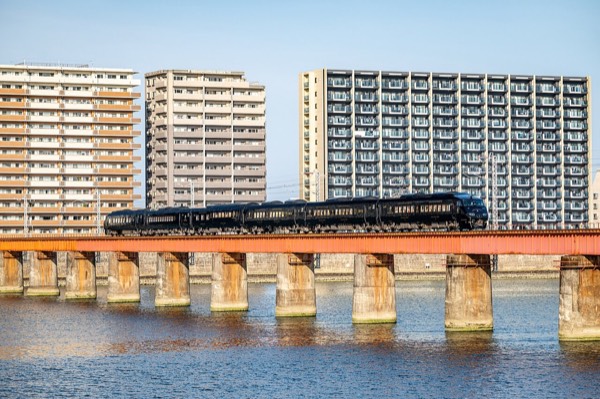
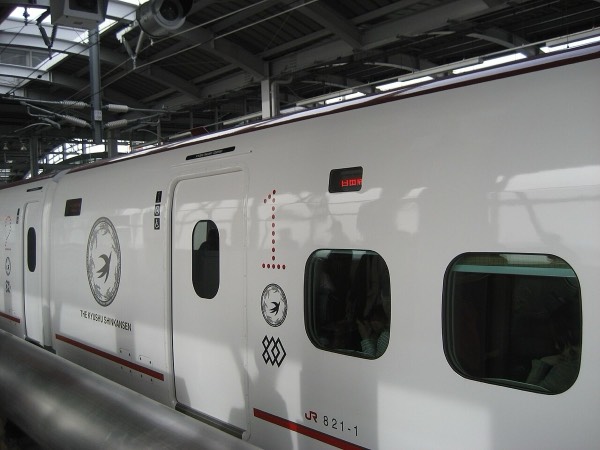
For fares and which rail pass to choose, see the Kyushu transport guide; on long travel days, riding one of the Kyushu sightseeing trains can become part of the trip.
Route B: 4 days, 3 nights escaping the cold in southern Kyushu (Kagoshima + Ibusuki + Sakurajima)
Best for those who dislike the cold; Kagoshima often reaches 13–15°C in the daytime in winter.
- Day 1: Arrive in Kagoshima, Sengan-en in the afternoon, Kurobuta pork in Tenmonkan in the evening.
- Day 2: Morning ferry (about 15 minutes) to Sakurajima, back to the city in the afternoon. See the Kagoshima & Sakurajima guide.
- Day 3: Limited express "Ibusuki no Tamatebako" to Ibusuki (about 51 minutes), sand bath, then stay at Ibusuki Onsen.
- Day 4: Return to Kagoshima-Chuo and take the Kyushu Shinkansen north to Fukuoka, or fly out of Kagoshima Airport.
Route C: 3 days, 2 nights in Aso and Kurokawa Onsen (drive only with winter tyres)
Best for those who want snowy onsen scenery in January–February and have confirmed a car with winter tyres.
- Day 1: Pick up the car at Kumamoto Airport, drive via Daikanbo (views of the Five Peaks of Aso in clear weather), reach Kurokawa Onsen in the afternoon, use the Nyuto Tegata pass for 2–3 baths, and see Yuakari in the evening.
- Day 2: Kusasenri in the morning, avoiding icy early hours by going up after 10:00; in the afternoon take the Yamanami Highway to Yufuin, arriving before sunset.
- Day 3: Lake Kinrin early in the morning, leave before noon to return the car in Fukuoka.
What to wear in Kyushu in winter
The bottom line: layer up in the lowlands, and add one more warm layer in the mountains.
- Fukuoka, Nagasaki and Kagoshima cities: long-sleeved top + sweater or fleece + windproof coat. Heating on trains and indoors is strong, so keep inner layers thin and easy to remove.
- Aso, Yufuin and Kurokawa: add thermal underwear, a down jacket, gloves and a beanie; early-morning mist or snow viewing can feel below 0°C.
- Shoes: ordinary sneakers with non-slip soles are enough — no snow boots needed — but waterproof shoes are much more comfortable for photos in the snow at Aso.
- Onsen ryokan: most provide a yukata and haori jacket, but walking between outdoor baths is still cold, so pack a pair of warm socks.
For a full packing list and temperature comparisons across Japan, see the Japan winter clothing guide.
Who is Kyushu in winter for, and who should skip it?
Good for:
- People who want onsen without Hokkaido's harsh cold. Kyushu's mountains feel properly wintry while the lowlands remain easy for sightseeing.
- Festival lovers: Christmas markets, illuminations, New Year shrine visits and the Nagasaki Lantern Festival are all packed into these three months.
- Seafood and fruit fans: oyster huts and Amaou strawberries are the stars of winter.
- Travellers without a car: trains or buses connect Fukuoka, Yufuin, Beppu, Nagasaki and Kagoshima directly.
Less suitable for:
- People who must see deep snow or want to ski: snowfall in Kyushu is unreliable and ski areas are small, so Hokkaido or Tohoku is a better choice.
- People who want to drive around all of Kyushu without dealing with winter tyres: mountain roads are risky in winter, which will force a much smaller route.
- Trips focused on beaches or snorkelling: the sea is too cold in winter, so save these for summer.
Before you go
- Mountain weather changes quickly; check the JMA forecast the day before. When heavy snow is forecast, trains and buses may also be cancelled or delayed.
- From New Year's Eve to around January 3 and during the Nagasaki Lantern Festival, hotels in Fukuoka and Nagasaki and onsen ryokan fill up fast, so book 1–2 months ahead.
- Sunset comes early in winter; travel by train after dark where possible and avoid mountain roads at night.
- For event dates marked "previous years", check the organiser's official website again a month before you go. To compare winter with other seasons, see the Kyushu autumn leaves guide and the Kyushu regional overview.
FAQ
How cold is Kyushu in winter compared with Taipei or Hong Kong?
Noticeably colder. Fukuoka averages 6.9°C in January with an average low of 3.9°C, and Kagoshima averages 8.7°C. The mountains are colder still: Aso and Yufuin average about 2°C in January and often drop below freezing at night. A sweater and a coat are enough for city sightseeing; add thermal layers, gloves and a hat for mountain onsen towns.
Does it snow in Kyushu? Will I see snow in Fukuoka city?
Yes, but mostly in the mountains. Fukuoka's normal annual snowfall is only about 2 cm, and a light covering usually appears only during cold snaps. For snowy scenery head to Aso, Kuju, Yufuin or Kurokawa Onsen, roughly 400–1,000 m and higher. Mid-January to early February gives the best odds, but snow varies a lot from year to year and is never guaranteed.
Do I need winter tyres to rent a car in Kyushu in winter?
Not if you stick to the cities and coastal lowlands of Fukuoka, Nagasaki and Kagoshima. You do if your route includes Aso, Kuju, Kurokawa or the roads around Yufuin. Most Kyushu rental companies do not fit winter tyres as standard; you must request them when booking, supply is limited, and some branches have none. If you cannot get them, take buses or trains instead.
Where should I go in Kyushu in winter?
It depends on what you want. For a festive mood, pick December's Fukuoka Christmas Market and the Huis Ten Bosch illuminations. For onsen with a chance of snow, go to Yufuin or Kurokawa in January–February. If you dislike the cold, head south to Kagoshima and the Ibusuki sand baths. February adds the Nagasaki Lantern Festival. First-timers without a car will find Fukuoka, Yufuin and Beppu the easiest combination.
Which is better for Kyushu: December, January or February?
December has Christmas markets and illuminations and less snow in the mountains, so transport is most reliable. January is the coldest month with the best chance of snow, but New Year crowds are heavy. February is just as cold but brings the Nagasaki Lantern Festival, the Yanagawa doll festival and professional baseball spring camps in Miyazaki. Choose December for milder weather plus events, mid-January to early February for snow.
Sources
- Japan Meteorological Agency: Fukuoka climate normals (1991–2020): December–February mean, maximum and minimum temperatures and snowfall
- Japan Meteorological Agency: Kagoshima climate normals (1991–2020): December–February temperatures
- Japan Meteorological Agency: Aso-Otohime (AMeDAS) climate normals (1991–2020): December–February temperatures in Aso city
- Japan Meteorological Agency: Yufuin (AMeDAS) climate normals (1991–2020): December–February temperatures in Yufuin
- Nippon Rent-A-Car: Studless tires: Regions with standard winter tyres, Aso/Kuju listed as snowfall areas, chains not rented
- Ministry of Land, Infrastructure, Transport and Tourism: Chain regulations: Definition and designated sections of chain regulations
- MLIT Kyushu Regional Development Bureau & NEXCO West Japan Kyushu: Sections likely to close due to heavy snow (Feb 4, 2025): Examples of snow closures on Kyushu expressways; normal tyres on snowy roads are an offence
- Huis Ten Bosch: Illumination: Dates of the winter illumination The Starlight Million
- Crossroad Fukuoka (official Fukuoka City tourism site): Onisube: Usokae and Onisube at Dazaifu Tenmangu every January 7
- Crossroad Fukuoka: Yanagawa Hina Festival – Sagemon Meguri: 2026 festival dates
- Kurokawa Onsen Ryokan Association: Yuakari 2025–26 press release (via ReseMom / PR TIMES): Bamboo lantern lighting dates and hours
- Crossroad Fukuoka: Itoshima oyster huts 2026–2027: Oyster hut season
- Kitakyushu City: Strawberries: Strawberry shipping season
- SoftBank News: Fukuoka SoftBank Hawks spring camp in Miyazaki (February 2026): 2026 spring camp location and dates
- Japan Meteorological Agency: Mt. Aso volcanic activity commentary No. 32 (Nov 13, 2026): Nakadake volcanic alert level
Fares, opening hours and event dates can change. Information checked on 2026.11.26; please confirm with official sources before you go.