Fushimi Sake District, Kyoto: Gekkeikan Okura Sake Museum, Kizakura, Tastings and a Jikkokubune Half-Day Route
A half-day Fushimi sake district route from Chushojima: Gekkeikan Okura Sake Museum (¥600 with 3 tastings), the Jikkokubune boat, brewery lunches and costs.
Quick answer
Kyoto's Fushimi sake district is in Fushimi Ward, about a 5-minute walk from Keihan Chushojima Station to the Gekkeikan Okura Sake Museum (9:30–16:30, ¥600 for ages 20+, including 3 tastings and a small gift). The Jikkokubune boat runs until December 6 in 2026; the round trip takes about 50 minutes and costs ¥1,900 for adults. For lunch, choose Kizakura Sakaba (closed Tuesdays) or Torisei Honten (closed Mondays); Fushimi Yumehyakushu offers tastings of Fushimi sake (closed Mondays). Avoid Mondays and Tuesdays. Museum, boat and lunch start at about ¥3,500.
The Fushimi sake district (Fushimi sakagura) is Kyoto's best half day for strolling and sipping: the Gekkeikan Okura Sake Museum is a 5-minute walk from Keihan Chushojima Station, ¥600 gets you 3 tastings, the Jikkokubune boat pier is right next door, and brewery-run restaurants serve lunch. This guide lays out a walking route from Chushojima to Fushimi-Momoyama, with hours, closed days, a cost breakdown and how to bring sake home.
Fushimi has long been known for its underground spring water, and its old name was written "Fushimizu" (hidden water). More than ten breweries still cluster along the Uji River canal and Otesuji street, and 18 breweries took part in the 2026 Fushimi Sake Fes[7]. Late autumn to early spring is brewing season, so winter is your best chance to taste freshly pressed new sake (shiboritate). Each brewery releases it at a different time, so check notices in the shops.
How to plan a half-day Fushimi sake route (with timetable)
Bottom line: avoid Mondays and Tuesdays, start from Chushojima at 10:00, and you can finish the main breweries, the boat ride and lunch by 15:00. Yumehyakushu and Torisei Honten close on Mondays and Kizakura closes on Tuesdays, so Wednesday to Friday is the least affected.
| Time | Plan | Stay | Notes |
|---|---|---|---|
| 10:00 | Exit Keihan Chushojima Station | – | Walk north about 5 minutes |
| 10:05–11:00 | Gekkeikan Okura Sake Museum | About 50 min | Opens 9:30, includes 3 tastings |
| 11:00–11:50 | Jikkokubune (pier behind the museum) | About 50 min round trip | 2026 season runs to December 6 |
| 12:00–13:00 | Lunch: Kizakura Sakaba or Torisei Honten | About 1 hour | Different closing days |
| 13:10–13:50 | Tasting at Fushimi Yumehyakushu | About 40 min | 10:30–17:00, closed Mondays |
| 14:00–14:30 | Teradaya exterior and surroundings | About 30 min | Last admission inside 15:40 |
| 14:30–15:00 | Kizakura Shop, Otesuji shopping street | Free | Finish at Fushimi-Momoyama Station |
If the boat is suspended after December 7, swap those 50 minutes for a walk along the Uji River canal, or put Fushimi Inari in the morning (see the combination plan below).
How to get to the Fushimi sake district: Chushojima, Fushimi-Momoyama, Kintetsu and JR
The sake district sits between Chushojima and Fushimi-Momoyama stations on the Keihan Main Line, and the Keihan line is the easiest way in from central Kyoto or Osaka. Walking times listed on the Gekkeikan Okura Sake Museum website[1]:
| Station | Line | To Gekkeikan Okura Sake Museum |
|---|---|---|
| Chushojima | Keihan Main Line (limited express stops), Keihan Uji Line | About 5 min walk |
| Fushimi-Momoyama | Keihan Main Line | About 10 min walk |
| Momoyamagoryo-mae | Kintetsu Kyoto Line | About 10 min walk |
| Momoyama | JR Nara Line | About 18 min walk |
- From the Gion-Shijo or Sanjo area: take the Keihan Main Line toward Osaka and get off at Chushojima.
- From Kyoto Station: take the Kintetsu Kyoto Line to Momoyamagoryo-mae and walk west along the Otesuji shopping street.
- From Yodoyabashi or Kyobashi in Osaka: the Keihan limited express goes straight to Chushojima with no transfer; see the Osaka to Kyoto transport comparison.
For day passes and how each line works in the city, see the Kyoto transport guide. Chushojima is also the start of the Keihan Uji Line, so heading on to Uji in the afternoon is easy; see the Uji day trip guide.
Comparing Fushimi breweries and tasting spots you can visit
Bottom line: on a first visit, the Gekkeikan Okura Sake Museum plus one tasting bar plus one brewery-run restaurant is enough to taste several styles of Fushimi sake. The places below take walk-in visitors (checked November 2026):
| Place | Cost | What you can drink or see | Hours | Closed |
|---|---|---|---|---|
| Gekkeikan Okura Sake Museum | ¥600 for ages 20+ | Brewing tool displays, 3 tastings, small gift | 9:30–16:30 (last entry 16:00) | Aug 13–16, Dec 28–Jan 4, temporary closures |
| Kizakura Memorial Hall | Free | Kappa exhibits, brewing dioramas | 10:00–16:00 | Tuesdays (Wednesday if Tuesday is a holiday), Dec 31–Jan 1 |
| Kizakura Shop | Pay per purchase | Limited sake and craft beer, sold by the glass too | 10:00–20:00 | Same as above |
| Kizakura Sakaba | Lunch averages about ¥1,000 | Kizakura sake and beer brewed on site with food | Lunch from 11:30 (11:00 on weekends and holidays) | Tuesdays (Wednesday if Tuesday is a holiday), Dec 31–Jan 1 |
| Fushimi Yumehyakushu | Tasting set price on site | Sake from Fushimi breweries, sets of 3 | 10:30–17:00 | Mondays (open on holidays) |
| Torisei Honten | Pay per order | Brewery-run, chicken dishes with Shinsei genshu | 11:00–22:00 | Mondays (open on holidays) |
Gekkeikan Okura Sake Museum: see how sake is made, then taste 3
The Gekkeikan Okura Sake Museum is the natural first stop. It occupies one of Gekkeikan's old brewery buildings and displays traditional brewing tools and sake vessels. According to the official site, admission is ¥600 for ages 20+, ¥100 for ages 13–19 and free for 12 and under; visitors 13+ receive a small gift, and those 20+ can choose 3 tastings from about 10 seasonal sakes[1].
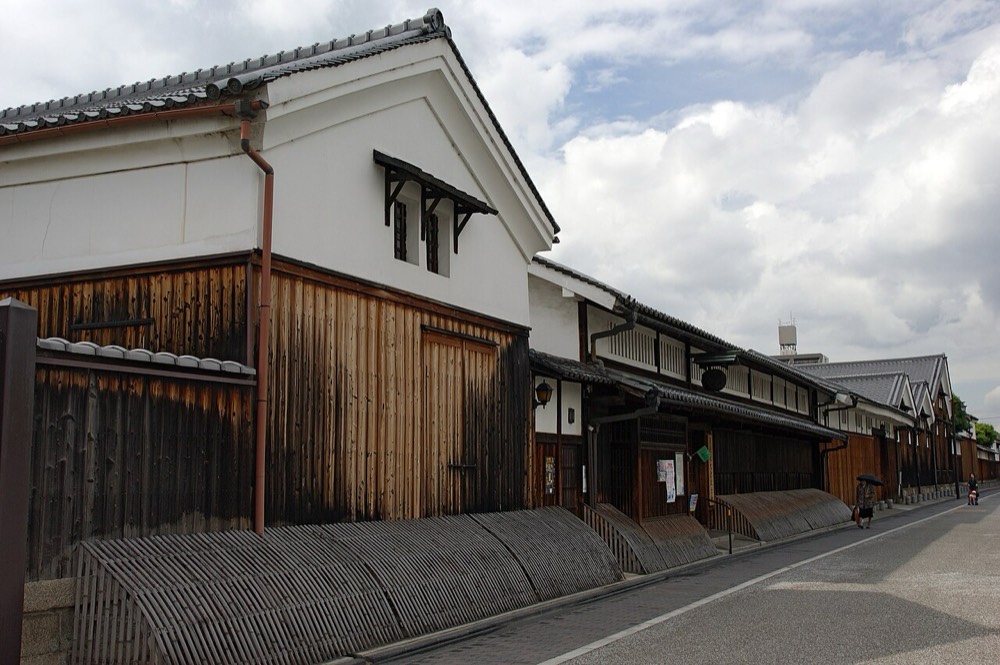
The museum reopened after a renovation on February 29, 2024: the entrance now has a reception counter and rest area, the tasting corner moved and grew to about 1.5 times its former size, and the brand shop was refreshed with museum-only sake and goods made with Kyoto brands[2]. If you want more than 3 tastings, you can buy extra coins at the tasting corner.
Two things to note:
- Cashless only: from July 1, 2026, admission, shop purchases and extra tasting coins are payable only by credit card or QR code[2].
- No tastings for drivers, anyone under 20, or pregnant or breastfeeding visitors[1].
The museum occasionally closes or shortens hours at short notice (for example, it closed for several days in mid-November 2026), so check the official notices before you go.
Kizakura Kappa Country: free exhibits and a brewery restaurant
Kizakura's facilities sit between Chushojima and Fushimi-Momoyama stations, about a 7-minute walk from either, and include the Kizakura Memorial Hall, Kizakura Shop and Kizakura Sakaba. The Memorial Hall is free and covers the history of the kappa (water sprite) character from Kizakura's ads, original artwork, brewing models and old tools[5].
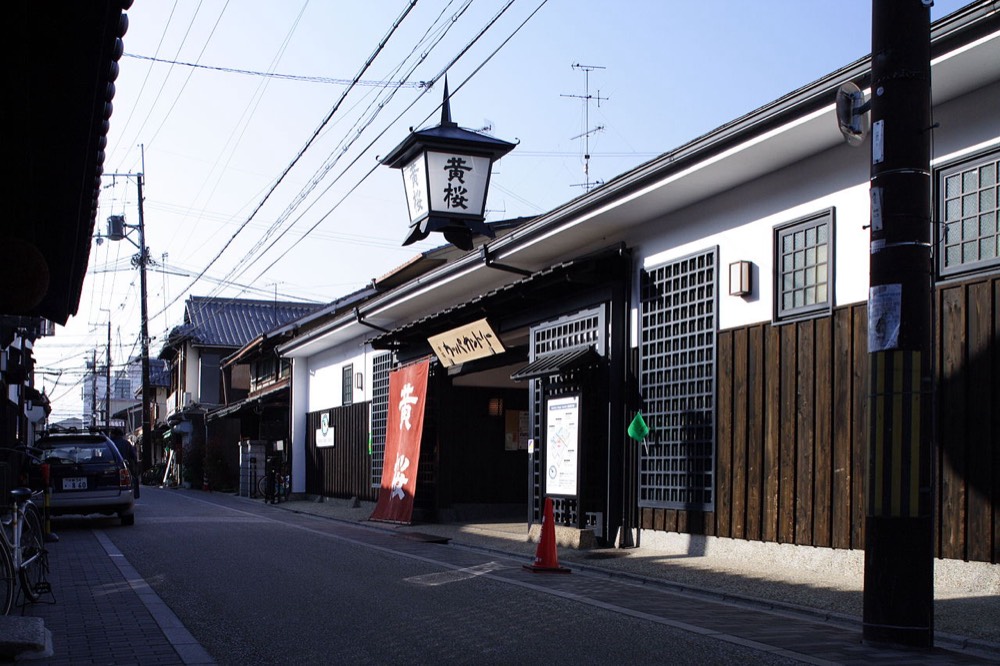
Kizakura Sakaba is a good lunch stop. The official site lists weekday lunch 11:30–14:30 (last order 14:00), lunch from 11:00 on weekends and holidays, dinner 17:00–21:30, and average spend of about ¥1,000 at lunch and ¥3,000 at dinner[4]. Besides sake, it serves craft beer brewed in Kyoto, which is handy for companions who don't drink sake. Kizakura Shop is open until 20:00, sells sake you can't buy elsewhere and also sells by the glass[6]. All three close on Tuesdays (Wednesday if Tuesday is a holiday).
Fushimi Yumehyakushu: taste several Fushimi breweries at once
For comparing breweries side by side, Fushimi Yumehyakushu is the most efficient stop. It is Gekkeikan's former head office, a Taisho-era building completed in 1919 and restored in 1993 with much of its original material, including the roof tiles; today it is a café and souvenir shop[10]. The café serves a tasting set of 3 sakes chosen by theme[10], and travel media report that 17 Fushimi brands can be tasted on weekdays[9].
It is open 10:30–17:00 and closed Mondays (open on holidays). It is next to the Gekkeikan Okura Sake Museum, about a 6-minute walk from Chushojima Station[9]. We could not find a reliable official price for the tasting set, so check the menu on site.
Torisei Honten: chicken dishes in a converted brewery
Torisei Honten is a chicken restaurant run directly by Yamamoto Honke, the brewery behind the Shinsei brand. The building is a converted sake brewery, and the signature is yakitori in a slightly sweet sauce paired with genshu (undiluted sake) straight from the brewery; kamameshi (rice cooked in a pot) is also popular[11].
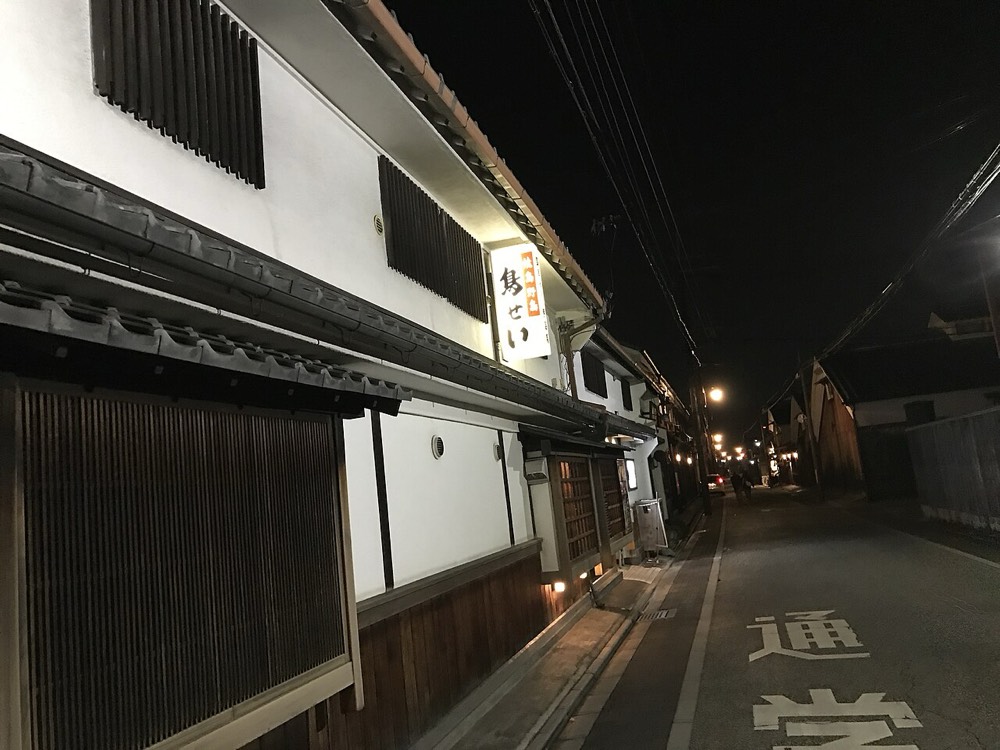
It is open 11:00–22:00 and closed Mondays (open on holidays), about a 5-minute walk from Fushimi-Momoyama Station[11]; groups must reserve in advance. Menu prices change, so check the notices in the restaurant.
Teradaya: a late-Edo historic site next to the breweries
Teradaya is the boat inn where Sakamoto Ryoma was attacked in 1866. It stands by the Uji River canal, a few minutes' walk from the Gekkeikan Okura Sake Museum. The current building was rebuilt later and is open as an inn and exhibition space.
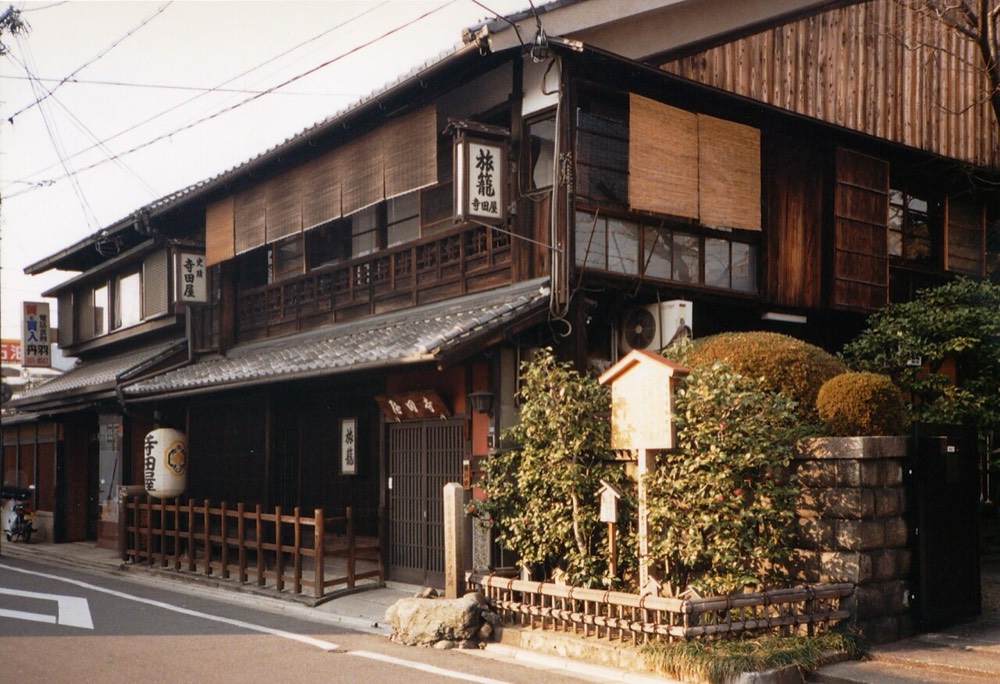
Japanese travel media list visiting hours of 10:00–16:00 (last admission 15:40), closed January 1–3 and on some Mondays; published admission fees vary between sources, so check the notice on site. If you're mainly here for sake, a look at the exterior is enough.
Is the Fushimi Jikkokubune boat worth it? 2026 season and fares
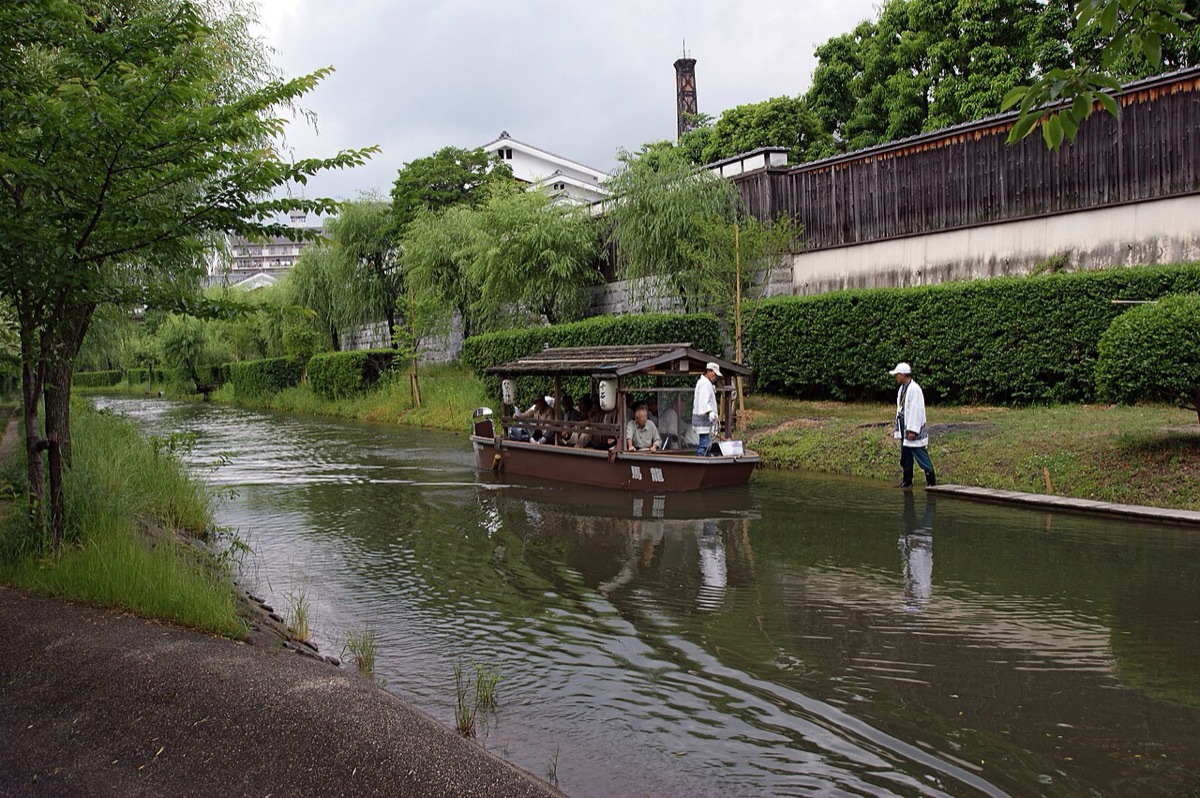
Bottom line: it's worth it if you want to see the white brewery walls reflected in the canal, but it is suspended from December 7 until next spring. The Jikkokubune recreates an Edo-period cargo boat. It departs from the pier behind the Gekkeikan Okura Sake Museum, stops at the Misu Lock so you can visit the small museum there, then returns; the round trip takes about 50 minutes.
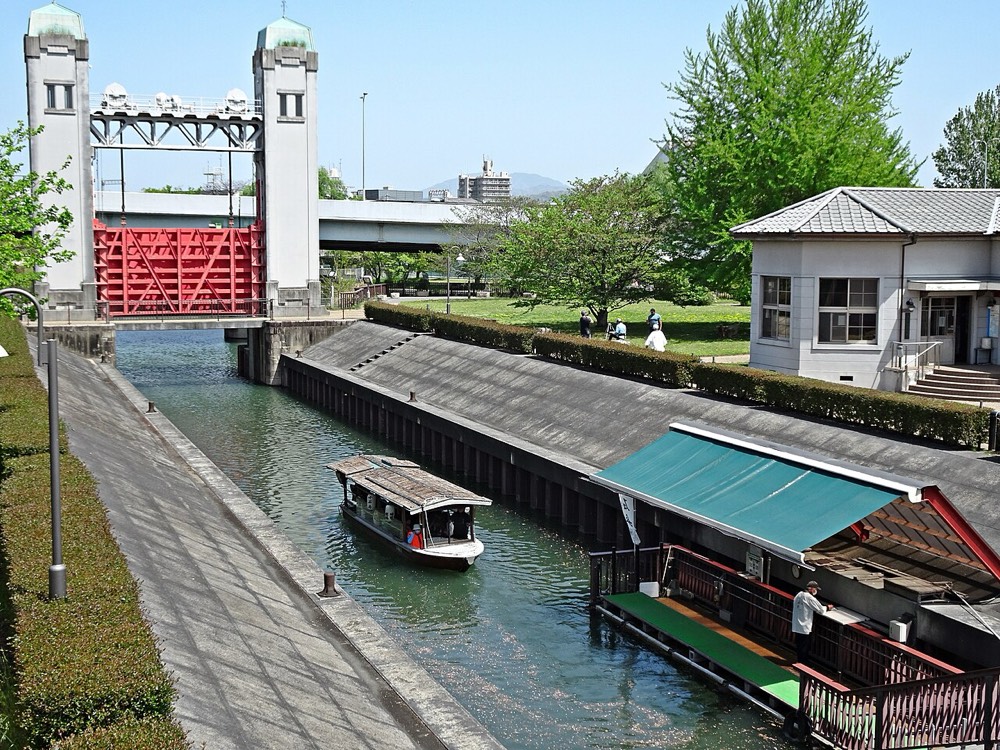
According to the Fushimi Tourism Association's 2026 notice[3]:
- Season: March 20 to December 6, 2026.
- Days off: Mondays (runs on holidays; runs on Mondays in April, May, October and November), and suspended from mid to late August.
- Times: from 10:00; from November 25 to December 6 the last departure is 15:40.
- Fares: adults (junior high school and older) ¥1,900, children (elementary school) ¥900.
- Booking: online via the Fushimi Tourism Association website; book early in cherry blossom and autumn leaf season.
The 2027 dates have not been announced; the 2026 season began on March 20, which you can use as a reference. In winter, walk the willow-lined path along the Uji River canal instead, where you can still see the backs of the breweries.
How much does a half day in the Fushimi sake district cost?
Bottom line: for one adult, excluding shopping and transport, the museum plus lunch starts at about ¥1,600; adding the boat brings it to about ¥3,500, and a few more drinks can take it to about ¥6,000. Here is the timetable route costed out:
| Item | Budget | Full |
|---|---|---|
| Gekkeikan Okura Sake Museum (3 tastings included) | ¥600 | ¥600 |
| Jikkokubune | Skip | ¥1,900 |
| Lunch (Kizakura Sakaba average) | About ¥1,000 | About ¥1,000 plus drinks |
| Fushimi Yumehyakushu tasting | Price on site | Price on site |
| Teradaya admission | Exterior only | Price on site |
| Transport (to and from central Kyoto) | Depends on route | Depends on route |
Adding sake or beer at lunch and extra tastings pushes you toward the top of the range. The Gekkeikan Okura Sake Museum is cashless only, while some small shops may take only cash, so carry both.
What sake events are held in Fushimi? Open-brewery days and the sake festival
Bottom line: winter to early spring is brewing season, open-brewery days (kurabiraki) cluster in spring and autumn, and all of the 2026 events have ended. Use the following as a reference for next year:
- Fushimi Sake Fes: held on March 14, 2026 at Gekkeikan's Fushimi Showa-gura, organized by the Fushimi Sake Brewers' Association. Eighteen breweries poured sake, and 12 of them held open-brewery events the same day. The ¥2,000 fee included 4 pours (about 55–60 ml each), across 5 sessions; advance booking was required and entry was limited to ages 20+[7]. The 2027 date has not been announced; the 2026 event was in March, which you can use as a reference.
- Fushimi Sake Kairo: an autumn open-brewery day held on October 24, 2026, with 13 breweries open at 11 locations and free entry[8]. It has ended; watch for next autumn's official announcement.
These events are crowded and often sell out, so book as soon as dates are announced.
How to combine the Fushimi sake district and Fushimi Inari in one day
Bottom line: Fushimi Inari in the morning, then the sake district from lunchtime, is the smoothest order. Both are on the Keihan Main Line; from Fushimi-Inari Station, a local train south reaches Fushimi-Momoyama or Chushojima in a few stops.
- Arrive at Fushimi Inari Taisha around 8:00 and walk the Senbon Torii before the crowds (routes and hiking times in the Fushimi Inari Taisha guide).
- Board a Keihan train south from Fushimi-Inari Station before 11:30.
- Get off at Fushimi-Momoyama for Torisei Honten, or at Chushojima for Kizakura Sakaba.
- Spend the afternoon at the Gekkeikan Okura Sake Museum and Fushimi Yumehyakushu, entering the museum before 16:00.
This way you hike in the morning and drink in the afternoon, rather than climbing Mt. Inari after a few cups. For fitting Fushimi into a longer trip, see the Kyoto 3-day itinerary.
How to bring Fushimi sake home: checked bags, carry-on and tax refunds
Bottom line: put full bottles of sake in checked baggage, and carry on only small bottles or sake bought airside after security.
- Checked baggage: most sake is around 15% alcohol, below 24%. Japan's aviation dangerous-goods rules set a 5-liter per-person limit only for drinks over 24% and up to 70% alcohol[12], so sake is outside that limit, but your airline's baggage weight limits still apply. Wrap bottles in clothes or buy the shop's protective box to avoid breakage soaking your bag.
- Carry-on: international security screening limits liquids, so full bottles bought in the city can't go through. If you connect, the second security check applies too.
- Tax refunds: since November 2026, Japan uses a new system where you pay the tax-inclusive price and get the tax back on departure, for purchases of ¥5,000 or more (before tax) at one store on one day; see Japan's new tax-free refund system. Ask whether a brewery shop is a tax-free store before paying.
- Arrival at home: duty-free alcohol allowances differ by country, so check your own customs rules and declare anything over the limit.
If you'd rather not carry full bottles, small bottles or sake-lees sweets make good gifts; for other Kyoto specialties see Kyoto souvenirs.
Who is the Fushimi sake district for, and who should skip it?
Good for:
- Sake lovers who want to compare several breweries in one go: Gekkeikan plus Yumehyakushu alone covers several kinds.
- Travelers who want to escape central Kyoto's crowds: Fushimi sees far fewer visitors than Kiyomizu-dera or Arashiyama.
- Winter visitors: it's brewing season, much of the route is indoors, and the cold matters less; for other winter ideas see the Kyoto winter travel guide.
Not ideal for:
- People who don't drink and have no interest in sake: beyond the boat and Teradaya, there's less sightseeing.
- Families hoping their under-20s can join the tastings: tastings are for ages 20+ only, though children 12 and under enter the museum free and can still see the exhibits.
- Monday or Tuesday visitors: you'll lose Yumehyakushu and Torisei Honten (Mondays) or Kizakura (Tuesdays).
Before you go
- The legal drinking age in Japan is 20. Tasting cups are small, but three or four stops add up; drink a sip of water with each cup (called "yawaragi-mizu" in Japanese), and don't start on an empty stomach.
- Drivers can't take part in tastings, so come by train.
- The Gekkeikan Okura Sake Museum is cashless only, while payment at Yumehyakushu and older shops varies, so carry some cash.
- For more ways to eat around the city, see the Kyoto food guide.
FAQ
Do I need to book to visit the Fushimi sake breweries?
You can walk into the Gekkeikan Okura Sake Museum and buy a ticket on the spot; since its 2024 renovation, the official site also lets you reserve an entry slot. The Jikkokubune boat is booked online through the Fushimi Tourism Association, so book early in cherry blossom and autumn leaf season. Kizakura Sakaba and Torisei Honten generally take walk-ins; only groups need to reserve.
How much is the Gekkeikan Okura Sake Museum and what does it include?
¥600 for ages 20 and over, ¥100 for ages 13–19 and free for 12 and under. Visitors 13+ get a small gift, and those 20+ can choose 3 tastings from about 10 seasonal sakes. No tastings for drivers, pregnant or breastfeeding visitors. From July 2026 the museum accepts only credit cards and QR-code payments, not cash.
Does the Fushimi Jikkokubune boat run in winter?
No. The 2026 season runs from March 20 to December 6, and the boat is suspended from December 7 until the following spring. From November 25 to December 6, the last departure moves up to 15:40. The 2027 start date has not been announced; the 2026 season began on March 20.
Can I visit the Fushimi sake district and Fushimi Inari on the same day?
Yes. Both are on the Keihan Main Line; from Fushimi-Inari Station, a local train south reaches Fushimi-Momoyama or Chushojima in a few stops. Visit Fushimi Inari early in the morning to beat the crowds, move to Fushimi for lunch, explore the breweries in the afternoon, then take the Keihan limited express back to central Kyoto or Osaka from Chushojima.
Can I take sake bought in Fushimi on a plane?
Most sake is under 24% alcohol, so it is not covered by Japan's 5-liter dangerous-goods limit and can go in checked baggage; pack it well and watch your bag weight. International security liquid limits mean a full bottle cannot go through screening in your carry-on. Check your own country's customs allowance for alcohol.
Sources
- Gekkeikan Okura Sake Museum: Access and visitor information: Hours, closed days, admission, tastings and nearest stations (checked November 2026)
- Gekkeikan Okura Sake Museum: News: February 29, 2024 renovation, cashless from July 2026, online booking
- Fushimi Tourism Association: Jikkokubune and Sanjikkokubune (this year's operation): 2026 season, days off and fares
- Kizakura: Kizakura Kappa Country, Kizakura Sakaba: Hours, closed days, access and average spend
- Kizakura: Kizakura Memorial Hall: Hours, free admission and exhibits
- Kizakura: Kizakura Shop: Hours, limited sake and by-the-glass sales
- Kyoto City Official Travel Guide: Fushimi Sake Fes 2026: Held March 14, 2026; fee, sessions and participating breweries
- Kyoto City Official Travel Guide: Fushimi Sake Kairo 2026: Autumn open-brewery day on October 24, 2026 (ended)
- Rurubu&more: Fushimi Yumehyakushu: Hours, closed days and access
- Japan Tourism Agency multilingual commentary database: Fushimi Yumehyakushu: Building history and tasting set
- Rurubu&more: Torisei Honten: Hours, closed days and converted brewery building
- MLIT: Notice on standards for air transport of explosives, etc., Appended Table 18: 5-liter per-person limit for drinks over 24% and up to 70% alcohol (applied from April 24, 2026)
Fares, opening hours and event dates can change. Information checked on 2026.11.20; please confirm with official sources before you go.