Japan in February 2027: Where to Go by Travel Goal, Weather and Snow Odds by City, Festival Calendar, Early Cherry Blossoms, Plum Blossoms and Holiday Crowds
Where to go in Japan in February 2027: snow, warmth, early sakura or plum blossoms compared, with JMA weather normals, festival dates, holidays and Lunar New Year crowds.
Quick answer
February in Japan is when snow scenery, winter festivals and the first spring blossoms overlap. Japan Meteorological Agency normals put February's mean temperature at -2.7°C in Sapporo, 6.1°C in Tokyo, 5.4°C in Kyoto and 17.5°C in Naha. February 2027 highlights: Sapporo Snow Festival February 4-11, Otaru Snow Light Path planned for February 6-13, Nagasaki Lantern Festival expected February 5-21, and Kobe Luminarie until February 7. Kawazu cherry blossoms usually run early February to early March, and Kitano Tenmangu's Baikasai is on February 25. Japan's holidays are February 11 (Thu) and 23 (Tue), and Lunar New Year is February 6.
The hard part of a trip to Japan in February is not finding things to see but choosing among too many, spread far apart: Hokkaido has its deepest snow of the year, Okinawa's kanhizakura cherry trees are in bloom, Kawazu-zakura on the Izu Peninsula and plum blossoms across Honshu are opening, and there are snow festivals, lantern festivals and illuminations. Instead of a day-by-day rundown of the month, this guide first helps you decide which region fits your travel goal, then uses Japan Meteorological Agency normals to show how cold each city is and how likely snow is, and finally lays out February 2027's events, holidays and Lunar New Year crowds on one calendar so you can pick the best week to go.
Japan in February: decide your goal first — snow, warmth, early cherry blossoms or plum blossoms?
Bottom line: in February, pick one theme and focus on one or two regions. The Sapporo Snow Festival and Okinawa's cherry blossoms fall in the same month, but the two places differ by about 20°C, with completely different luggage, transport and budgets. Squeezing both into one trip usually means doing neither well.
| Travel goal | Recommended area | Best time in February | Good for | Not ideal for |
|---|---|---|---|---|
| Snow, snow festivals, skiing | Sapporo, Otaru, Niseko, Furano | February 4-13 (Snow Festival and Snow Light Path) | First-timers who want real snow country and enjoy night illuminations | People who dislike cold, have limited mobility or a tight budget (Snow Festival week has the highest hotel prices) |
| Drift ice, snow monsters and other natural sights | Abashiri, Shiretoko, Zao | Mid to late February | People willing to keep 1-2 spare days for the scenery | People with only 3 days who can't accept "might not see it" |
| Escaping the cold, traveling with older relatives or kids | Okinawa main island | Early to mid-February (kanhizakura in the south) | People who dislike cold, want to pack light or plan to drive | People who want to swim (the sea is cool and most beaches are closed) |
| Early cherry blossoms | Kawazu and Atami in Izu | Usually mid to late February | People based in Tokyo who want to see pink blossoms early | People expecting Somei Yoshino blossoms like Kyoto and Tokyo (late March) |
| Plum blossoms, shrines and temples | Kitano Tenmangu in Kyoto, Kairakuen in Mito, Atami Baien | Late February | People who like shrines, kimono strolls and fewer crowds | People wanting dense, colorful seas of flowers (plum blossoms are sparser and prized for their scent) |
| Lantern festivals, city illuminations | Nagasaki, Kobe | February 5-7, when both overlap | People who want a Lunar New Year atmosphere in Kyushu or Kansai | People who only want natural scenery |
If you still can't decide, two questions narrow it down. One: can you handle temperatures below zero all day? If not, rule out Hokkaido and Tohoku. Two: does your departure fall between February 4 and 11? If so, Hokkaido is at its most spectacular but also its busiest; to save money, consider Kyushu or Izu instead.
Japan February weather and snow odds: normals for 9 cities
Bottom line: February is as cold as January, with Honshu lowlands averaging about 5-8°C; real snow cover is found in Hokkaido, Tohoku and on the Sea of Japan side, while Tokyo and Osaka average only a few centimeters of snowfall for the whole month. Late February brings occasional warmer days, but the gap between day and night remains large.
The table below uses Japan Meteorological Agency February normals for 1991-2020 (Sapporo[1], Sendai[2], Tokyo[3], Kanazawa[4], Kyoto[5], Osaka[6], Fukuoka[7], Nagasaki[8], Naha[9]). "Total snowfall" is the sum of new snow over the month, and "snow days" are days when snowfall (including flurries) was observed, which does not mean snow stayed on the ground:
| City | Mean temp | Mean high | Mean low | Monthly precipitation | Total snowfall | Snow days |
|---|---|---|---|---|---|---|
| Sapporo | -2.7°C | 0.4°C | -6.2°C | 91.9 mm | 116 cm | 25.3 days |
| Sendai | 2.4°C | 6.5°C | -1.1°C | 33.9 mm | 18 cm | 20.1 days |
| Kanazawa | 4.2°C | 7.8°C | 1.0°C | 162.6 mm | 53 cm | 19.9 days |
| Tokyo | 6.1°C | 10.9°C | 2.1°C | 56.5 mm | 4 cm | 3.5 days |
| Kyoto | 5.4°C | 10.0°C | 1.6°C | 65.1 mm | 7 cm | 14.2 days |
| Osaka | 6.6°C | 10.5°C | 3.2°C | 60.5 mm | 1 cm | 5.5 days |
| Fukuoka | 7.8°C | 11.6°C | 4.4°C | 69.8 mm | 1 cm | 5.9 days |
| Nagasaki | 8.1°C | 12.0°C | 4.5°C | 84.0 mm | 0 cm | 5.0 days |
| Naha | 17.5°C | 20.2°C | 15.1°C | 114.5 mm | — | 0 days |
A few planning takeaways from this table:
- It snows in Sapporo almost every day of the month, with a normal maximum snow depth of about 95 cm. Icy sidewalks are the norm, so shoes matter more than your coat.
- Kanazawa's mean temperature is less than 2°C lower than Tokyo's, but it gets nearly three times the rain and snow. Bring waterproof shoes and a folding umbrella for Hokuriku; sunny days are few.
- Kyoto has "frequent flurries, little accumulation": snow falls on about 14 days, but total new snow for the month is only about 7 cm. A snowy Kinkaku-ji can only be planned at the last minute from the previous night's forecast; see the Kyoto winter guide.
- Sendai and the Pacific side of Tohoku are dry and cold: little precipitation, but average lows below zero. For Zao or Ginzan Onsen, bring gear rated for snow country.
- Naha is the warmest but actually gets more rain, and the frequent north wind makes it feel cooler than 17°C.
February 2027 festival and event calendar: what's confirmed and what's based on past years
Bottom line: February 2027's big events are concentrated in early February, and February 5-7 are the three days when the most events overlap. From mid-month the focus shifts to natural sights (drift ice, snow monsters) and early spring blossoms. For transport, times and hotels, see the dedicated guides linked below; this section only covers dates and status.
| Event | Location | 2027 dates | Status |
|---|---|---|---|
| Kobe Luminarie | Kobe, Hyogo | January 29 - February 7 | Announced by Kobe City[15] |
| Setsubun | Shrines and temples nationwide | February 3 (Wed) | Risshun falls on February 4 per the NAOJ calendar summary[17] |
| Sapporo Snow Festival | Sapporo, Hokkaido | February 4 - 11 | Officially announced[13] |
| Nagasaki Lantern Festival | Nagasaki City | February 5 - 21 | Calculated from the "17 days from the first Friday of February" pattern; follow the official announcement[16] |
| Otaru Snow Light Path | Otaru, Hokkaido | February 6 - 13 | Listed as planned on Hokkaido's tourism site[14] |
| Atami-zakura Itokawa Cherry Blossom Festival | Atami, Shizuoka | January 9 - February 7 | Planned by the tourism association, details pending[21] |
| Atami Baien Plum Festival | Atami, Shizuoka | January 9 - March 7 | Planned by the tourism association[20] |
| Kawazu Cherry Blossom Festival | Kawazu, Shizuoka | Not announced | Based on past years: February 7 - March 8 in 2026[18] |
| Mito Plum Festival | Kairakuen and Kodokan, Ibaraki | Not announced | Based on past years: February 11 - March 22 in 2026[23] |
| Kitano Tenmangu Baikasai | Kyoto | February 25 (Thu) | Held every year on the anniversary of Sugawara no Michizane's death[22] |
A sentence or two on each:
- Sapporo Snow Festival: the Odori, Susukino and Tsudome sites run at the same time with free admission, and the last day, February 11, is a Japanese holiday. For venues, illumination hours and where to stay, see the Sapporo Snow Festival 2027 guide.
- Otaru Snow Light Path: it overlaps the Snow Festival from February 6 to 11, and the classic plan is Sapporo by day and Otaru in the evening. The organizer's announcement and lighting hours are in Otaru Snow Light Path 2027.
- Kobe Luminarie: in recent years it has moved from December to late January through early February, with a paid area in Meriken Park (advance tickets 500 yen on weekdays). Prices and venues are in Kobe Luminarie 2027.
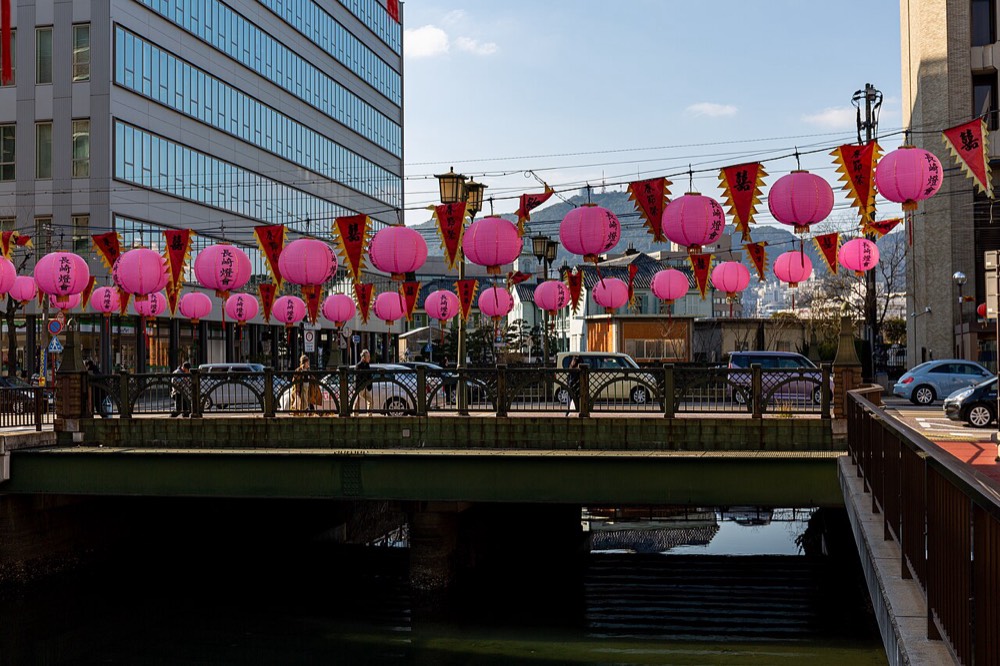
- Nagasaki Lantern Festival: the festival itself celebrates Lunar New Year, and in 2027 Lunar New Year's Eve is February 5, matching the opening day. Times for the Emperor's Parade and Mazu Procession are in Nagasaki Lantern Festival 2027.
Mid to late February nature: drift ice and snow monsters
Once the festivals end, mid to late February is actually the best time for northern natural scenery. Normals from the Abashiri Local Meteorological Office show drift ice reaching the Abashiri coast around February 4 on average[25], and the odds are highest from mid-February to early March; icebreakers and ice forecasts are covered in Abashiri drift ice 2027. Zao Ropeway describes February as the snow monsters' "peak"[24], and how to get there from Yamagata or Sendai is in Zao snow monsters 2027. Both depend on the weather, so keep a spare day.
Japan February cherry blossoms: where to see Kawazu-zakura, Atami-zakura and Okinawa's kanhizakura
Bottom line: the cherry blossoms you can see in February are all early varieties, pinker than Somei Yoshino. From January to early February, look for Okinawa's kanhizakura and Atami-zakura; from mid-February, Kawazu-zakura takes center stage. Regular cherry blossoms in Tokyo and Kyoto wait until late March.
| Variety | Main spots | Usual bloom period | How to get there from major cities |
|---|---|---|---|
| Kanhizakura | Mount Yaedake in Motobu, Nago, Nakijin Castle, around Naha in Okinawa | North mid-January to early February, south around early to mid-February | Drive north from Naha, or take a bus toward Motobu |
| Atami-zakura | Itokawa Promenade, Atami | January to mid-February | About 20 minutes' walk from JR Atami Station[21] |
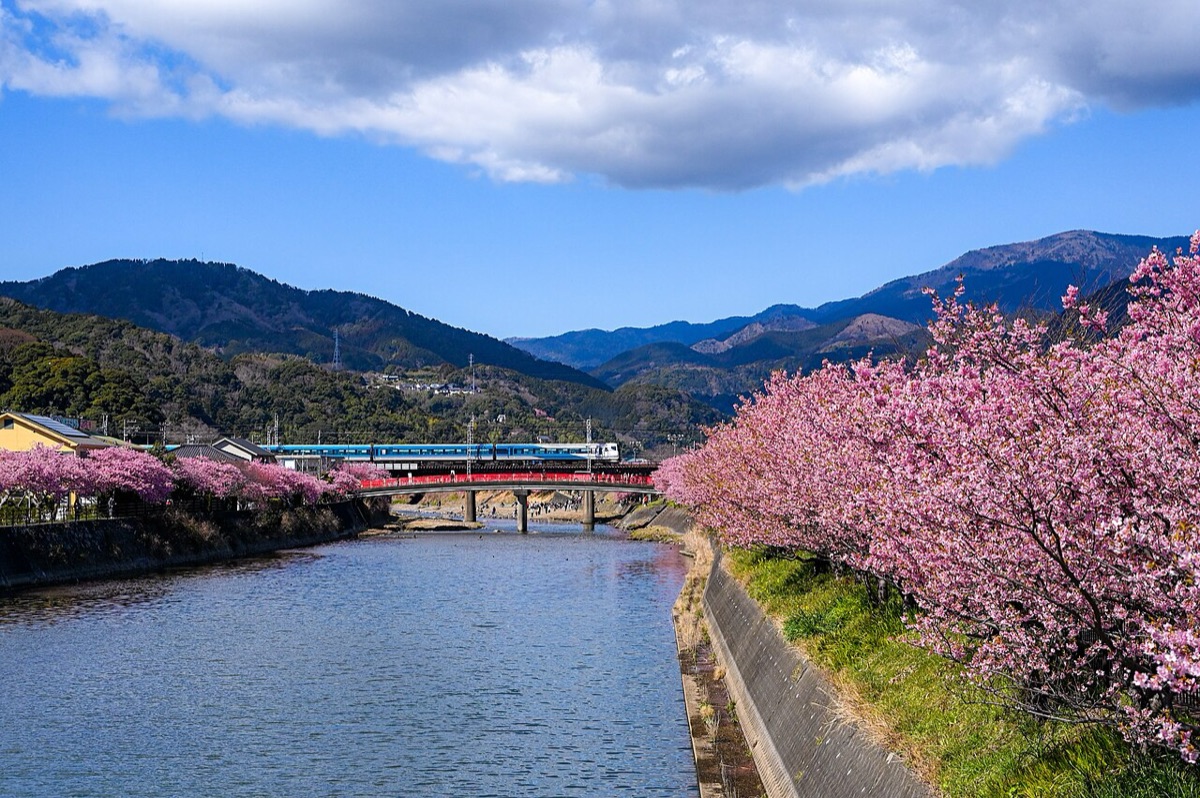
| Kawazu-zakura | Along the Kawazu River, Izu | Early February to early March, full bloom mostly mid to late February | About 2 hr 40 min from Tokyo Station to Kawazu Station by the Odoriko limited express[19] |
Kawazu-zakura: the easiest February cherry blossoms from Tokyo
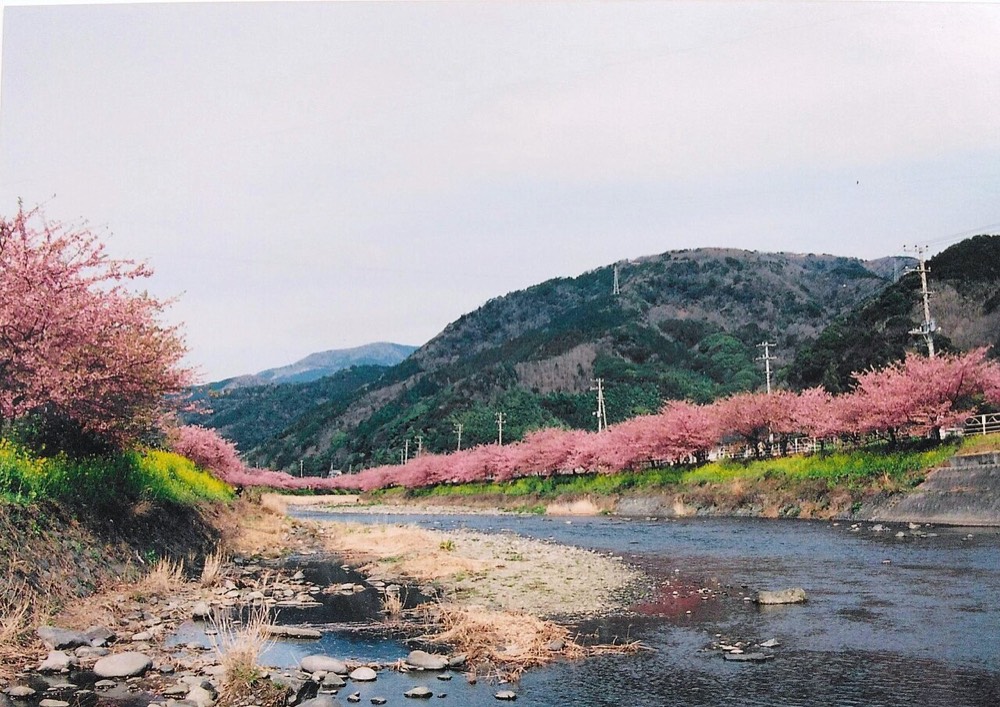
Kawazu-zakura is an early-blooming variety discovered in Kawazu town, which has about 8,000 of the trees; they reach full bloom about 10 days after starting to open[19]. The 36th Kawazu Cherry Blossom Festival in 2026 ran from February 7 to March 8, free to visit, with night illumination from 18:00 to 21:00[18]; the 2027 dates had not been announced as of early November 2026. Bloom timing varies a lot from year to year, earlier in warm winters and later in cold ones, so check the bloom status on the Kawazu Cherry Blossom Festival committee's website a week before you go.
How to do it as a day trip from Tokyo:
- Transport: the Odoriko limited express runs directly from Tokyo Station to Kawazu Station in about 2 hours 40 minutes; you can also take the shinkansen to Atami and change to the JR Ito Line and Izu Kyuko Line[19]. Trains fill up on blossom weekends, so book early through JR East's online reservation system or station ticket machines.
- Route: from Kawazu Station, walk upstream along the river with cherry trees on both banks. Weekend crowds and food stalls concentrate on the stretch near the station, and it gets quieter as you head upstream.
- Time: allow at least 3 hours for walking and photos. To see the night illumination you need to stay overnight in Izu, as there are few trains back to Tokyo after the lights go off.
Atami-zakura and Okinawa's kanhizakura
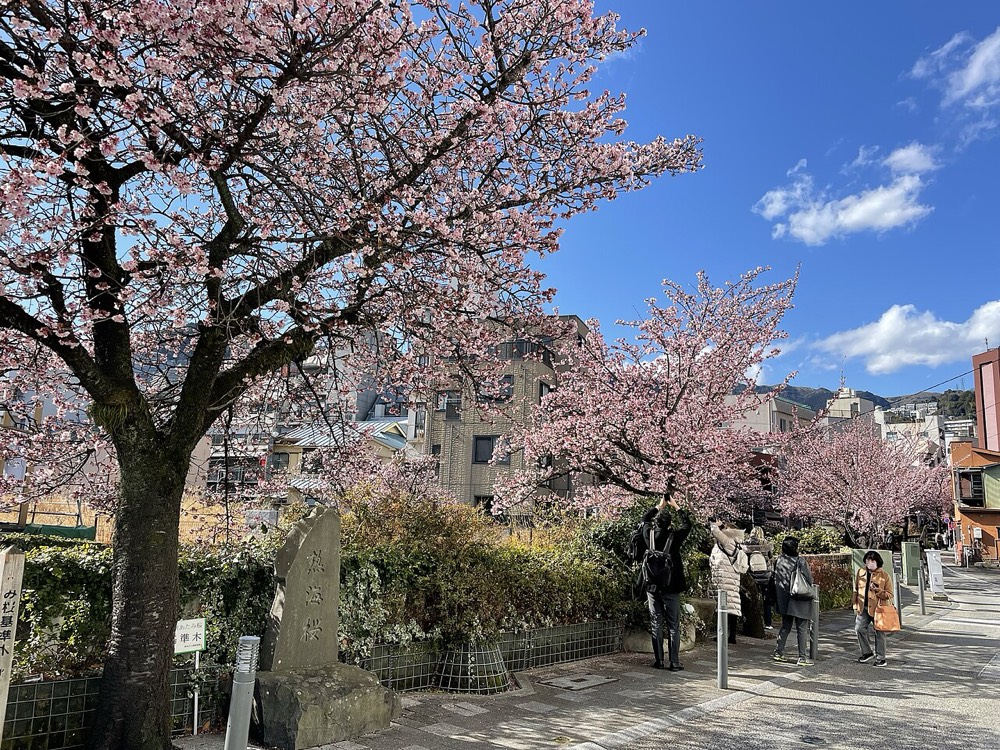
Atami-zakura has early and late buds on the same branch, so its blooming season can last over a month; the 2027 Itokawa festival is planned for January 9 to February 7[21], so going before early February is the safer bet. For the Itokawa Promenade night illumination and how to fit it into a day trip, see the Atami day trip guide. Okinawa's kanhizakura blooms from north to south: the 2026 Motobu Yaedake Cherry Blossom Festival ran January 17 to February 1[26], so if you go in February, trees in the south are more likely to be in bloom. Forecasts and festivals are in Okinawa cherry blossoms 2027.
Japan February plum blossoms: Kitano Tenmangu, Kairakuen or Atami Baien?
Bottom line: late February is prime time for plum blossoms on Honshu. In Kyoto choose Kitano Tenmangu; near Tokyo choose Kairakuen in Mito or Atami Baien. Plum blossoms are sparser than cherry blossoms, but their scent is noticeable and crowds are smaller, making them a good match for strolls around shrines and temples.
| Spot | Plum trees | 2027 event | Cost | How to fit it in |
|---|---|---|---|---|
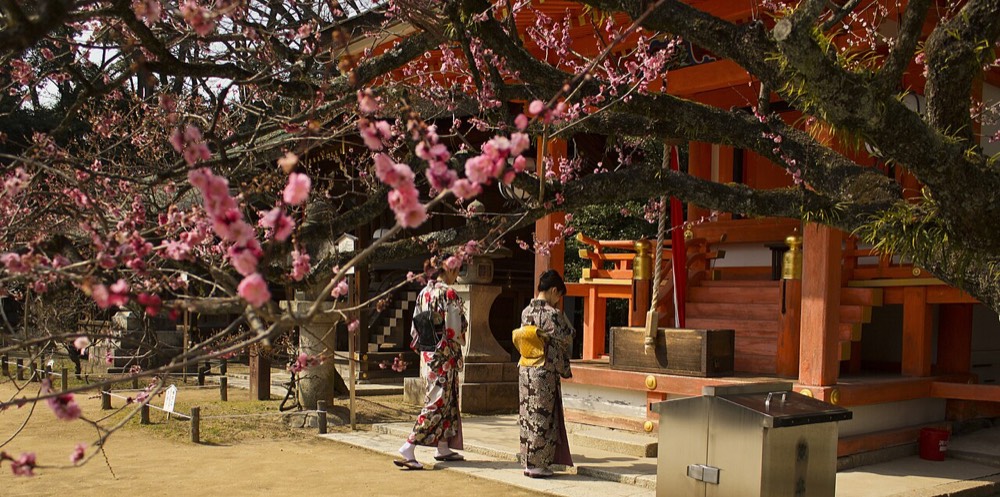
| Kitano Tenmangu (Kyoto) | About 1,500 trees of 50 varieties[22] | Baikasai on February 25 (Thu), open-air tea ceremony with Kamishichiken geiko and maiko, 10:00-15:00 | Shrine free; tea ticket 3,000 yen (past-year price); separate fee for the plum garden, per official announcement | Half a day within a Kyoto itinerary, combined with Kinkaku-ji |
| Kairakuen (Mito, Ibaraki) | About 3,000 trees of about 100 varieties | Mito Plum Festival not announced; February 11 - March 22 in 2026[23] | Main garden 320 yen for adults | Day trip from Tokyo; about 20 minutes by bus from Mito Station |
| Atami Baien (Shizuoka) | 469 trees of 60 varieties | Plum festival planned for January 9 - March 7[20] | 300 yen general admission in 2026, free from February 25 | Combine with Atami-zakura and hot springs on a day trip |
Two things to keep in mind for plum viewing: first, early and late varieties bloom about a month apart, so you can see blossoms from mid-February to early March, but the moment of "full bloom" changes every year. Second, Baikasai-day crowds at Kitano Tenmangu concentrate in the morning; for quieter photos, choose a weekday in late February.
February 11, February 23 and Lunar New Year: which weeks of February 2027 are most crowded?
Bottom line: the busiest stretch of February 2027 is February 4-11, when Lunar New Year holidays overlap the Sapporo Snow Festival. Japan's own two holidays fall midweek, so they have less impact than a three-day weekend. February 15-21 is the easiest week of the month for booking hotels.
According to the Cabinet Office, Japan's February 2027 holidays are National Foundation Day on Thursday, February 11, and the Emperor's Birthday on Tuesday, February 23[10]. Neither connects to a weekend, so Japanese travelers must take February 12 (Fri) or February 22 (Mon) off to make a four-day break, which spreads domestic travel more than a three-day weekend would. The full holiday list is in Japan public holidays 2027.
Lunar New Year (February 6, 2027) has the bigger impact. For travelers from Taiwan, the Lunar New Year holiday runs 7 days from February 4 to 10[11]; Hong Kong's Lunar New Year holidays are February 6-9[12]; mainland China's 2027 holiday schedule had not been officially announced as of early November 2026. Demand for flights to Japan and for Hokkaido hotels rises during this period, which also affects travelers from other places.
| Week | Main events and holidays | Crowds and prices | Advice |
|---|---|---|---|
| February 1-7 | Last week of Kobe Luminarie, Setsubun 2/3, Snow Festival opens 2/4, Nagasaki Lantern Festival opens 2/5, Lunar New Year 2/6 | Rising in Hokkaido and Nagasaki, busiest on the weekend | Good for seeing the most events, but book hotels earliest |
| February 8-14 | Snow Festival until 2/11, Otaru Snow Light Path until 2/13, Japanese holiday 2/11 | First half still in the Lunar New Year holiday; Hokkaido most expensive | To avoid crowds, plan Hokkaido for after 2/12 to catch the Snow Light Path |
| February 15-21 | Nagasaki Lantern Festival until 2/21, peak season for drift ice and snow monsters | Quietest week of the month | City hotels easiest to book; good for drift ice, Zao and Kyushu |
| February 22-28 | Japanese holiday 2/23, Kitano Baikasai 2/25, usual Kawazu-zakura full-bloom period | Weekends busy in Izu and at Kyoto plum spots | Good for early cherry and plum blossoms; weekday departures are more relaxed |
February sample itineraries: 4 days for the Sapporo Snow Festival, and an early-blossom day trip from Tokyo
These two examples only set out the general plan; check JR and operator timetables for actual departures.
Example 1: Sapporo Snow Festival + Otaru, 4 days 3 nights (February 8-11, 2027)
These four days catch both the Snow Festival and the Otaru Snow Light Path while avoiding the February 6-7 weekend peak.
| Date | Daytime | Evening to night |
|---|---|---|
| February 8 (Mon) | Arrive at New Chitose Airport, take the JR Rapid Airport to Sapporo, drop bags at the hotel | Odori site night illumination (until 22:00 in past years), dinner of soup curry or Genghis Khan lamb barbecue |
| February 9 (Tue) | Morning at the Tsudome site (snow slides, family-friendly), afternoon break around Susukino | Susukino ice sculpture illumination, late-night ramen |
| February 10 (Wed) | Take JR to Otaru before noon, stroll the Otaru Canal and Sakaimachi-dori | Snow Light Path illumination (17:00-21:00 in past years), back to Sapporo for the night |
| February 11 (Thu, holiday) | Another walk through the Odori site in the morning, or a soak at Jozankei | Last day of the Snow Festival, fly home |
This plan has you outdoors for about 3-5 hours a day, so make sure to warm up indoors in between. For shoes, gloves and layering in Hokkaido's winter, see what to wear in Hokkaido in winter.
Example 2: From Tokyo, Atami Baien + Kawazu-zakura day trip (mid to late February)
| Time | Plan |
|---|---|
| Morning | Shinkansen from Tokyo to Atami, start at Atami Baien (in past years open 8:30, closing 16:00[20]), then visit Kinomiya Shrine on the way |
| Midday | Seafood bowl near Atami Station, then the JR Ito Line and Izu Kyuko Line to Kawazu |
| Afternoon | Kawazu-zakura along the Kawazu River; allow 2-3 hours |
| Early evening | Odoriko back to Tokyo; to see the night illumination, stay instead at an Izu hot spring such as Ito or Atagawa |
The plum garden goes first because it closes at 4 p.m., while the Kawazu-zakura can still be enjoyed in the early evening. If the Kawazu-zakura hasn't opened yet, switch the day to Atami Baien plus hot springs.
Japan February packing list: three versions by destination
Bottom line: February isn't solved by "one more jacket"; the north, Honshu and Okinawa need very different things, so decide your destination before you pack.
| Item | Hokkaido, Tohoku, Hokuriku | Tokyo, Kyoto, Osaka, Kyushu | Okinawa |
|---|---|---|---|
| Outerwear | Waterproof, windproof down jacket | Long, warm coat | Light windproof jacket or fleece |
| Inner layers | Thermal top and leggings plus a sweater, easy to remove indoors | Thermal layer plus sweater | Long-sleeve T-shirts, a thin knit |
| Shoes | Waterproof snow boots with non-slip soles, or buy slip-on ice cleats | Comfortable closed shoes; waterproof for Hokuriku | Sneakers are fine; sandals for the beach |
| Accessories | Beanie, touchscreen gloves, scarf, lots of heat packs | Scarf, gloves, heat packs for evening illuminations | Umbrella, sunscreen |
| Other | Phone batteries drain fast in the cold; carry a power bank in an inside pocket | Indoor heating is dry; bring lip balm and lotion | For driving, prepare an International Driving Permit or the equivalent document |
Before you go: the most common February planning mistakes
- Mixing up January and February events: the Sapporo Snow Festival, Otaru Snow Light Path and Nagasaki Lantern Festival are in February, but the Shirakawa-go illumination and Wakakusa Yamayaki are in January, and Kobe Luminarie spans late January into early February.
- Expecting Kyoto cherry blossoms in February: February has only early varieties; in Kyoto, it's plum blossoms you'll see.
- Booking Hokkaido too late: in 2027, with the Snow Festival overlapping Lunar New Year, confirm Sapporo and Otaru accommodation for February 4-11 as early as possible. If it's sold out, consider Jozankei or other hot spring areas near Sapporo, or other cities along the JR lines.
- Leaving no spare days: drift ice, snow monsters and Kawazu-zakura all depend on the weather and the bloom, so build flexibility into both ends of your trip.
- Underestimating Setsubun and Baikasai crowds: on the day of Setsubun at Yoshida Shrine in Kyoto (around February 3) and Kitano Tenmangu's Baikasai (February 25), traffic is heavy, so go by train or on foot.
FAQ
How cold is Japan in February, and what should I wear?
According to Japan Meteorological Agency normals, Tokyo averages a February high of 10.9°C and a low of 2.1°C, and Kyoto's low is 1.6°C, so bring a warm coat, thermal layers, a scarf and gloves. Sapporo's average high is only 0.4°C, so you need a waterproof down jacket and non-slip snow boots; Naha averages 17.5°C, where long sleeves plus a windproof jacket are enough.
Can you see cherry blossoms in Japan in February?
Yes, but not the Somei Yoshino trees typical of Tokyo and Kyoto. February brings early-blooming varieties: Okinawa's kanhizakura (the north from mid-January, the south around early to mid-February), Atami-zakura in Shizuoka (January to mid-February) and Kawazu-zakura (usually early February to early March, peaking mostly in mid to late February). Exact 2027 dates depend on local announcements.
Does it snow in Tokyo or Osaka in February?
Rarely. JMA normals show total February snowfall of about 4 cm in Tokyo and about 1 cm in Osaka, and most years see only occasional flurries. Kyoto has more days with falling snow in February, but total new snowfall averages only about 7 cm. For guaranteed snow scenery, go to Hokkaido, Tohoku or Hokuriku on the Sea of Japan side.
Are there long weekends in Japan in February 2027? Will it be crowded?
Japan's February 2027 holidays are National Foundation Day on Thursday, February 11, and the Emperor's Birthday on Tuesday, February 23. Neither creates a three-day weekend; people need a day off to make four days. Lunar New Year matters more: Taiwan's holiday runs February 4-10 and Hong Kong's February 6-9, right during the Sapporo Snow Festival, so Hokkaido flights and hotels are tightest then.
What festivals and events are there in Japan in February?
Confirmed or planned for 2027: Sapporo Snow Festival February 4-11, Otaru Snow Light Path February 6-13, Nagasaki Lantern Festival February 5-21, Kobe Luminarie January 29 to February 7, and Setsubun on February 3. Based on past years: the Kawazu Cherry Blossom Festival, the Atami Baien Plum Festival, the Mito Plum Festival, and Kitano Tenmangu's Baikasai every February 25.
Should I choose Hokkaido or Okinawa in February?
Choose Hokkaido for the Snow Festival, powder snow and drift ice, if you can handle sub-zero days and higher hotel prices. Choose Okinawa if you dislike cold or are traveling with older relatives or children: it averages 17.5°C in February with kanhizakura and whale watching, though the sea is still too cool for most beaches to open. If you want something in between, consider early cherry blossoms plus plum blossoms on Honshu.
Sources
- Japan Meteorological Agency: Sapporo normals (1991-2020): February temperature, precipitation, total snowfall, maximum snow depth and snow days
- Japan Meteorological Agency: Sendai normals (1991-2020): February temperature, precipitation and snowfall
- Japan Meteorological Agency: Tokyo normals (1991-2020): February temperature, precipitation and snowfall
- Japan Meteorological Agency: Kanazawa normals (1991-2020): February temperature, precipitation and snowfall
- Japan Meteorological Agency: Kyoto normals (1991-2020): February temperature, precipitation, total snowfall 7 cm, 14.2 snow days
- Japan Meteorological Agency: Osaka normals (1991-2020): February temperature, precipitation and snowfall
- Japan Meteorological Agency: Fukuoka normals (1991-2020): February temperature, precipitation and snowfall
- Japan Meteorological Agency: Nagasaki normals (1991-2020): February temperature, precipitation and snowfall
- Japan Meteorological Agency: Naha normals (1991-2020): February temperature and precipitation
- Cabinet Office: About national holidays: 2027 National Foundation Day February 11, Emperor's Birthday February 23
- Honichi Lab: Taiwan announces 2027 holidays, longest is a 7-day Lunar New Year break: Taiwan's 2027 Lunar New Year holiday February 4-10
- Honichi Lab: Hong Kong announces 2027 holidays: Hong Kong's 2027 Lunar New Year holidays February 6-9
- Sapporo Snow Festival official: Outline of the 2027 (77th) Sapporo Snow Festival: February 4-11, 2027
- HOKKAIDO LOVE!: Otaru Snow Light Path: Planned 2027 dates
- Kobe City press release: 32nd Kobe Luminarie: January 29 to February 7, 2027, paid-area ticket prices
- Nagasaki City official tourism site: Nagasaki Lantern Festival: Official event page; 2027 dates of February 5-21 follow the usual pattern
- National Astronomical Observatory of Japan: 2027 (Reiwa 9) calendar summary: Risshun on February 4, 2027 (Setsubun is the day before, February 3)
- rurubu&more: Kawazu Cherry Blossom Festival: February 7 to March 8, 2026, free, night illumination 18:00-21:00
- JR East media: Famous Kawazu-zakura spots: About 8,000 trees in Kawazu, about 2 hr 40 min from Tokyo Station by the Odoriko limited express, full bloom about 10 days after opening
- Atami City Tourism Association: Atami Baien Plum Festival: Planned January 9 to March 7, 2027; 2026 admission and hours
- Atami City Tourism Association: Atami-zakura Itokawa Cherry Blossom Festival: Planned January 9 to February 7, 2027; blooming period, illumination hours
- rurubu&more: Kitano Tenmangu Baikasai: Every February 25, open-air tea 10:00-15:00, tea ticket 3,000 yen, about 1,500 trees of 50 varieties
- rurubu&more: 130th Mito Plum Festival: February 11 to March 22, 2026, Kairakuen admission, access
- Zao Ropeway: Snow monsters and illumination: Growth stages of the snow monsters by month; February is the peak
- Abashiri Local Meteorological Office: Abashiri and Monbetsu sea ice report: Normal date for drift ice reaching the Abashiri coast: February 4
- rurubu&more: 48th Motobu Yaedake Cherry Blossom Festival: January 17 to February 1, 2026, Ryukyu kanhizakura
Fares, opening hours and event dates can change. Information checked on 2026.11.08; please confirm with official sources before you go.