Japan in January 2027: Weather and What to Wear, Hatsumode and Lucky Bags, the Coming of Age Day Weekend, Winter Festivals and Snow Illuminations
Japan in January 2027: weather by city, what to wear, New Year closures, the Coming of Age Day weekend, Toka Ebisu, Wakakusa Yamayaki, Shirakawa-go and ice festivals.
Quick answer
January is Japan's coldest month and the peak for snow scenery, winter festivals and skiing. Japan Meteorological Agency normals put January's mean temperature at 5.4°C in Tokyo, 4.8°C in Kyoto, 6.2°C in Osaka, -3.2°C in Sapporo and 17.3°C in Naha. January 2027's public holidays are New Year's Day and Coming of Age Day on January 11; Imamiya Ebisu's Toka Ebisu runs January 9-11, the New Year Grand Sumo Tournament January 10-24, and Shirakawa-go lights up on January 11, 17, 24 and 31. The Otaru Snow Light Path and Sapporo Snow Festival are both in February.
The theme of Japan in January is "New Year, snow and winter festivals": the month opens with hatsumode shrine visits and lucky bags, Hokkaido and the Sea of Japan side settle into deep-winter snow, fire and ice festivals follow one after another, and it is the best time of year for powder skiing. This guide covers January 2027: weather normals and what to wear by city, New Year closures and long weekends, festivals such as Toka Ebisu and Wakakusa Yamayaki, where to see snow, and illuminations and ice festivals. It also flags which events are actually in February so you do not schedule them wrongly, and helps you decide between early, mid and late January.
What is the weather like in Japan in January? Average temperatures and what to wear by city
In short: January is Japan's coldest month. Lowland Honshu and Kyushu average about 5-7°C, Hokkaido stays below freezing all day, and Okinawa is still around 17°C. The Pacific side has many clear, dry days, while the Sea of Japan side gets heavy snow.
The table uses the Japan Meteorological Agency's 1991-2020 January normals[1]; see [2], [3] and [4] for Sapporo, Naha and Kyoto:
| City | Mean | Average high | Average low | Monthly precipitation | What to wear |
|---|---|---|---|---|---|
| Sapporo | -3.2°C | -0.4°C | -6.4°C | 108.4 mm | Waterproof down jacket, hat and gloves, non-slip snow boots |
| Tokyo | 5.4°C | 9.8°C | 1.2°C | 59.7 mm | Warm coat plus sweater, scarf and gloves |
| Kyoto | 4.8°C | 9.1°C | 1.5°C | 53.3 mm | Heavy coat plus thermal layer; dress warmer for early-morning temple visits |
| Osaka | 6.2°C | 9.7°C | 3.0°C | 47.0 mm | Warm coat plus sweater |
| Fukuoka | 6.9°C | 10.2°C | 3.9°C | 74.4 mm | Warm coat, plus a scarf when the sea wind is strong |
| Naha | 17.3°C | 19.8°C | 14.9°C | 101.6 mm | Long sleeves plus a windproof jacket |
Practical tips for what to wear in Japan in January:
- Add one more layer than in December: Tokyo's average January low is just 1.2°C, 2-3 degrees colder than December; choose a long, windproof coat.
- Big indoor-outdoor temperature gap: trains, department stores and restaurants are well heated, so wear a thermal layer and thin sweater under your coat and take the coat off indoors.
- Fight the dryness: the Pacific side has little rain and low humidity in January, so lip balm, moisturizer and sheet masks are useful.
- Non-slip shoes in snow country: roads in Hokkaido and Tohoku often ice over, so your soles need a non-slip tread; see Hokkaido winter clothing for details.
- Bring extra heat packs for fire festivals and light-ups: at Wakakusa Yamayaki or the Shirakawa-go illumination you stand outside at night for an hour or two, and your feet and hands get cold fastest.
The January 2027 calendar: hatsumode, New Year closures and long weekends
In short: January 2027 has two three-day weekends: January 1-3, when New Year's Day joins the weekend, and January 9-11 for Coming of Age Day[5]. Both are busy with domestic travelers; from mid-January to early February things are relatively quiet.
| Date (2027) | Day | Highlights |
|---|---|---|
| January 1 | Fri | New Year's Day (public holiday), peak hatsumode crowds, many shops closed |
| January 2-3 | Sat-Sun | Hatsumode continues; department store New Year sales and lucky bags begin |
| January 4 | Mon | Bank counters and government offices reopen[7] |
| January 5 | Tue | Last day of all-reserved Nozomi on the Tokaido Shinkansen[6] |
| January 9-11 | Sat-Mon | Coming of Age Day three-day weekend; Toka Ebisu at Imamiya Ebisu in Osaka |
| January 10-24 | Sun-Sun | New Year Grand Sumo Tournament (Ryogoku Kokugikan) |
| January 11 | Mon | Coming of Age Day (public holiday); first night of the Shirakawa-go light-up |
| January 15 | Fri | Koshogatsu (Little New Year); Nozawa Onsen Dosojin Festival |
| January 23 | Sat | Wakakusa Yamayaki (based on previous years: the fourth Saturday of January) |
| January 30 | Sat | Lake Shikotsu Ice Festival opens |
Early January: what to know about hatsumode, lucky bags and New Year closures
In short: January 1-3 is peak time for hatsumode and lucky bags, but also when many shops, sights and government offices close; if you want to shop and eat normally while avoiding crowds, things are easier from January 4. Bank counters reopen on Monday, January 4, 2027[7], and Nozomi trains on the Tokaido Shinkansen stay all reserved seating until January 5[6], so reserve seats for the return rush.
For which shops close at New Year, how to pray at hatsumode and popular shrines, see our Japan New Year guide; lucky bag sale dates, online lotteries and how to queue in person are covered in Japan lucky bags 2027.
Coming of Age Day 2027 is January 11: what to know about the three-day weekend
In short: Coming of Age Day 2027 is Monday, January 11, making January 9-11 a three-day weekend[5]. You will see new adults in furisode and kimono at shrines and halls around the country, and lodging at popular destinations is tighter than usual.
Coming of Age Day falls on the second Monday of January and celebrates young people who have reached adulthood. Around this weekend, towns and cities hold coming-of-age ceremonies, and new adults in colorful furisode often visit shrines and temples for prayers and photos, a very Japanese winter scene. Ask before taking photos and do not block walkways.
The long weekend also overlaps with several events: Toka Ebisu at Imamiya Ebisu in Osaka (January 9-11), the opening of the New Year Grand Sumo Tournament (January 10) and the first night of the Shirakawa-go light-up (January 11). The Toshiya archery event (Omato Taikai) at Sanjusangendo in Kyoto is usually held in mid-January, and new adults drawing bows in kimono are a major highlight[12]; for the 2027 date, follow Sanjusangendo's announcement.
January festivals and events in Japan: Toka Ebisu, Wakakusa Yamayaki, the Dosojin Festival and sumo
In short: January festivals are mostly about New Year blessings; the signature ones are Toka Ebisu in Osaka, Wakakusa Yamayaki in Nara and the fire festival at Nozawa Onsen in Nagano. Indoors, you can watch the New Year Grand Sumo Tournament in Tokyo.
| Date (2027) | Event | Place | Notes |
|---|---|---|---|
| January 9-11 | Imamiya Ebisu Toka Ebisu | Naniwa Ward, Osaka | Same dates every year |
| January 10-24 | New Year Grand Sumo Tournament | Ryogoku Kokugikan, Tokyo | Tickets on sale December 5, 2026 |
| Mid-January | Sanjusangendo Toshiya | Higashiyama Ward, Kyoto | Based on previous years; check the official notice for 2027 |
| Around January 15 | Nozawa Onsen Dosojin Festival | Nozawa Onsen Village, Nagano | Ticketed entry |
| January 23 | Wakakusa Yamayaki | Nara City | Based on previous years: the fourth Saturday of January |
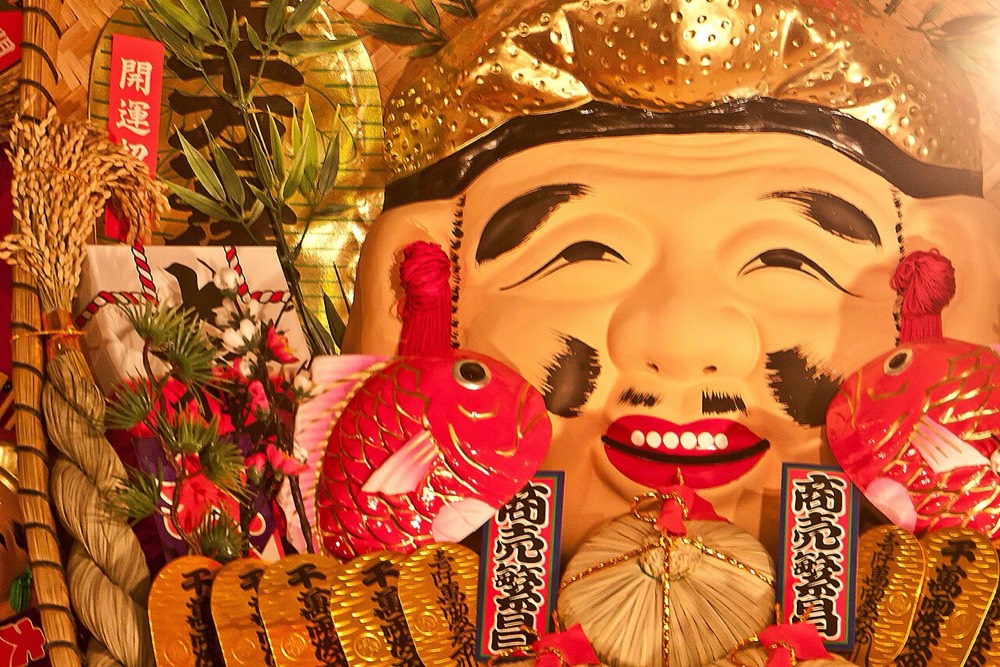
Imamiya Ebisu Shrine Toka Ebisu
Known to Osakans as "Ebessan", it runs every year with Yoi-Ebisu on January 9, Hon-Ebisu on the 10th and Nokori-fuku on the 11th: three days of prayers for business prosperity[8]. After praying, you can receive "fukuzasa", bamboo branches hung with lucky charms, from the fukumusume shrine maidens, and on the 10th there is the lively Hoekago procession. The nearest station is Imamiya-Ebisu on the Nankai Koya Line, or walk about 8 minutes from Daikokucho Station on the subway. Toka Ebisu falls on the three-day weekend, so expect big crowds.
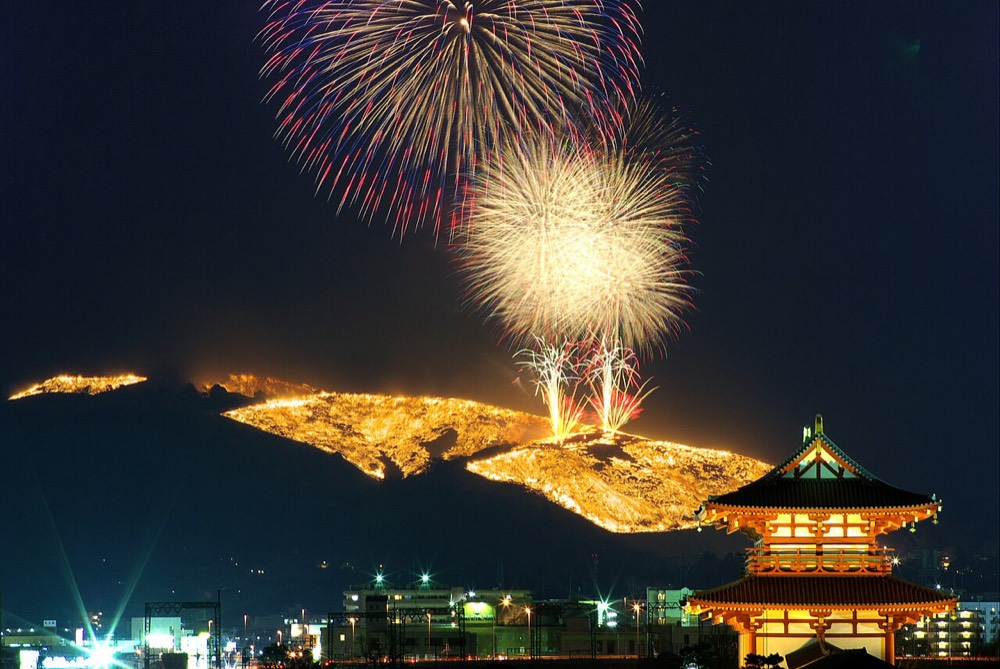
Wakakusa Yamayaki, Nara
Nara Prefecture's website says Wakakusa Yamayaki is held every year on the fourth Saturday of January: fireworks go up first, then fire brigade members with torches set the dead grass on the hillside alight all at once[9]. Following that pattern, 2027 should be Saturday, January 23, and the official site already has a 2027 page, but follow the announcement for the official schedule. The whole burning hillside is visible from around Nara Park and the Heijo Palace site; combine it with a Nara day trip and stay in Nara into the evening before returning to Osaka or Kyoto.
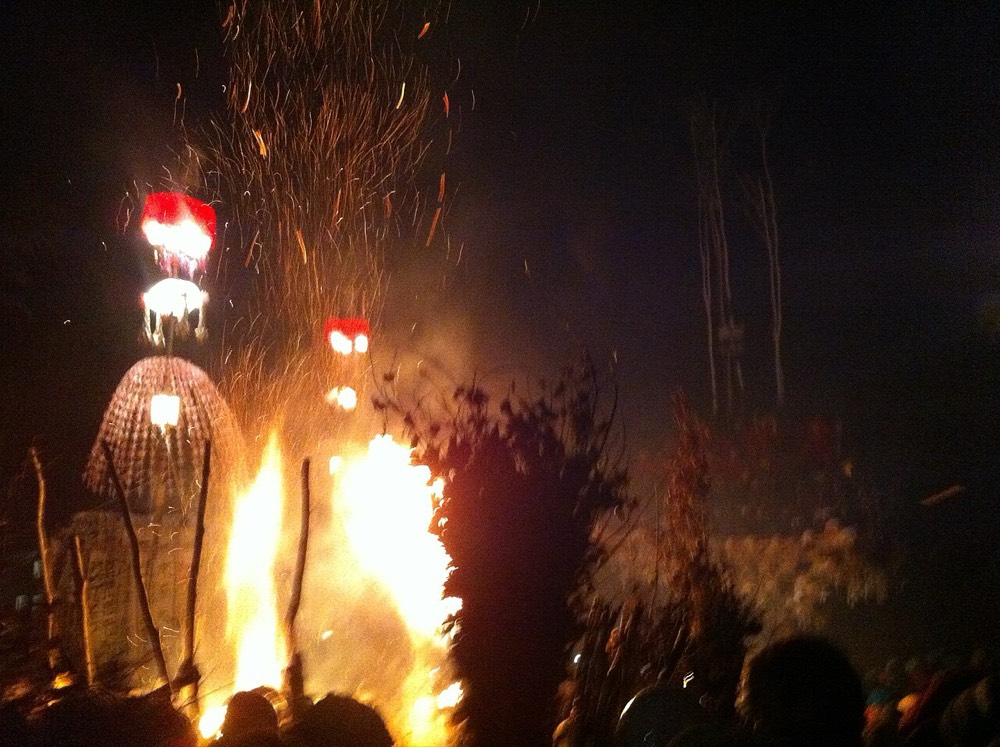
Nozawa Onsen Dosojin Festival
A fire festival held in Nozawa Onsen Village, Nagano, on Koshogatsu (January 15): village men defend a tall wooden shrine structure against those attacking it with torches, and it is designated an Important Intangible Folk Cultural Property of Japan. According to the Nozawa Onsen Tourism Association, the 2026 festival ran January 13-15 with the climax on the night of the 15th; tickets to the site are issued only to villagers and guests staying in the village, so to watch you must stay a night there and ask your lodging, and bringing drinks and flying drones are prohibited[10]. Nozawa Onsen is also a ski resort, so it suits a "skiing plus fire festival" trip.
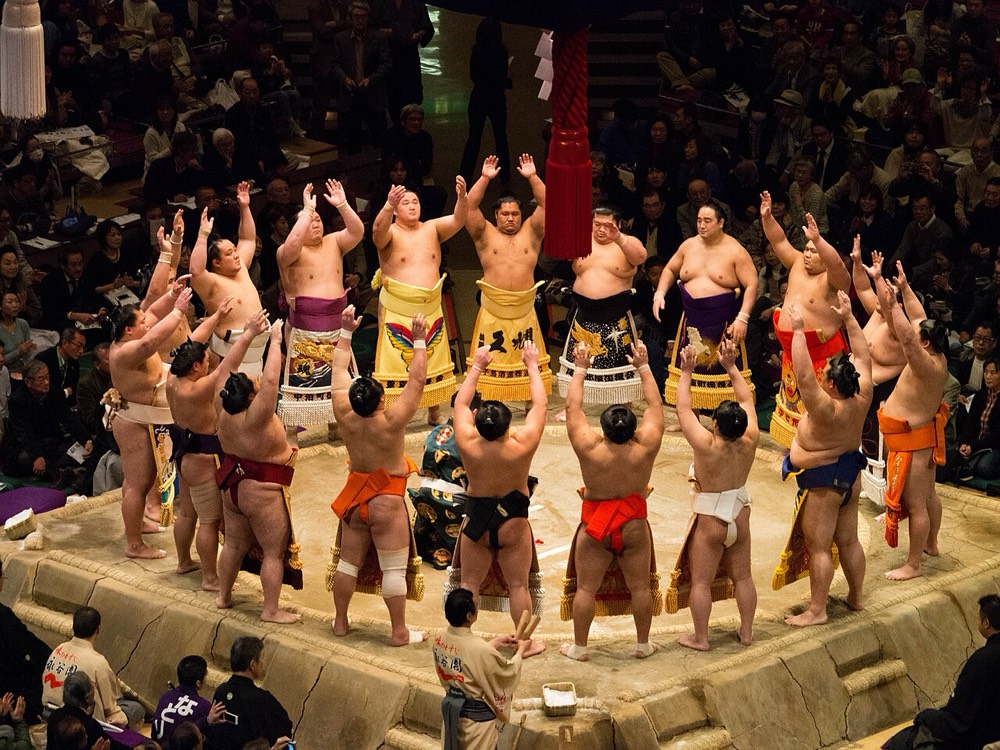
New Year Grand Sumo Tournament
The Japan Sumo Association has announced that the 2027 January tournament will be held at Ryogoku Kokugikan in Tokyo, opening Sunday, January 10 and ending Sunday, January 24, with tickets on sale December 5, 2026[11]. Seats for popular days sell out quickly, so if you want to go, buy on the day sales open.
Where does it snow in Japan in January? Snow scenery, illuminations and ice festivals
In short: to see snow in January, head to Hokkaido, Tohoku and Hokuriku on the Sea of Japan side. Tokyo and Osaka on the Pacific side are mostly clear in January; Kyoto occasionally gets snow, but you cannot predict it.
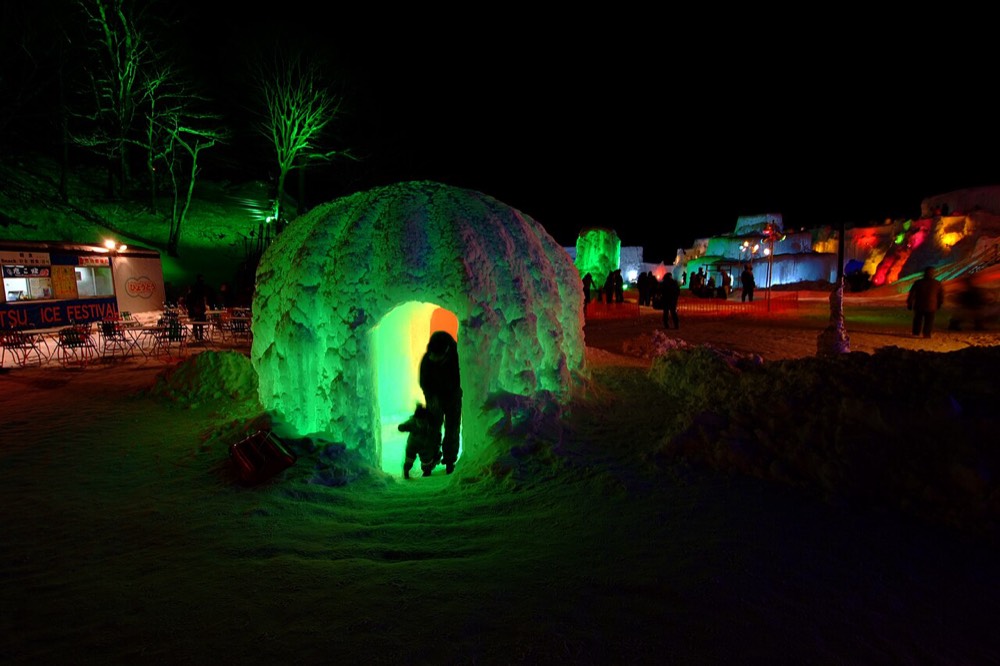
A few snow illuminations and ice festivals are especially worth planning around in January:
| Place | January 2027 event | Notes |
|---|---|---|
| Shirakawa-go (Gifu) | Light-up: January 11, 17, 24 and 31 | Reservation only; no same-day tickets |
| Ginzan Onsen (Yamagata) | Gas lamps in the snow at night | Winter restrictions for day visitors; shuttle transfer required |
| Zao Onsen (Yamagata) | Juhyo (frost-covered trees) light-up | Based on previous years: selected days from late December to late February |
| Lake Shikotsu (Chitose, Hokkaido) | Lake Shikotsu Ice Festival | January 30 to February 23, 2027 |
| Sounkyo Onsen (Hokkaido) | Sounkyo Onsen Ice Waterfall Festival | Based on previous years: January 24 to March 8 in 2026 |
- Shirakawa-go light-up: the Shirakawa-go Tourist Association has announced the 41st light-up in 2027 for four nights, January 11, 17, 24 and 31, all by advance reservation[13]. Ways to attend, observation deck rules and the lodging lottery schedule are in Shirakawa-go light-up 2027.
- Ginzan Onsen: the Ginzan Onsen Association plans to continue winter traffic restrictions from December 2026 to early March 2027, with day visitors transferring to a shuttle at Taisho Roman-kan[19]; reservations and prices are covered in our Ginzan Onsen winter guide.
- Zao juhyo light-up: firs encased by wind-blown snow and ice form "juhyo", which look magical under night lights. In the 2025-26 season it ran on selected days from December 27, 2025 to February 22, 2026, 17:00-21:00, reached by the Zao Ropeway[15]; the 2026-27 season has not been announced, so this is based on previous years.
- Lake Shikotsu Ice Festival: ice sculptures and ice domes made by spraying and freezing lake water, planned for January 30 to February 23, 2027, lit up 16:30-20:00; admission is 1,000 yen on weekdays and 3,000 yen on weekends and holidays, free for elementary school age and under[14]. It is relatively easy to reach from New Chitose Airport, so you can fit it in before your flight home.
Skiing in January: the best season for powder
In short: mid-January to February is when ski areas in Hokkaido and Tohoku are coldest and powder is most reliable, with almost all runs open; it is the time advanced skiers most want to go.
Sapporo's average January high is only -0.4°C[2], and the mountains are colder still; that dry snow is why Hokkaido powder is so popular. The New Year and Coming of Age Day weekends are the busiest and most expensive times at ski resorts, and weekdays after Coming of Age Day are easier to book. Lift tickets, transport and how to choose between Niseko, Rusutsu, Furano and others are covered in Hokkaido skiing 2026-27; you could also consider Nozawa Onsen in Nagano and catch the Dosojin Festival around January 15.
If you don't ski, the winter penguin walk at Asahiyama Zoo and snowy views from onsen ryokan are also popular in Hokkaido in January; see our Asahiyama Zoo winter guide.
Escaping the cold? Cherry blossoms and whale watching in Okinawa in January
In short: if you dislike the cold, Okinawa averages 17.3°C in January with no snow[3], and you can see Japan's earliest cherry blossoms.
Okinawa's cherry blossoms are deep-pink Ryukyu kanhizakura, which start blooming in mid-to-late January. The 48th Yaedake Cherry Blossom Festival in Motobu in the north ran from January 17 to February 1, 2026 at Yaedake Sakura no Mori Park, with free admission[16]; the 2027 dates have not been announced, so this is based on previous years. January is also whale watching season around the Kerama Islands; see our Okinawa whale watching guide, and what to wear and do in Okinawa in winter is in Okinawa winter travel.
Is January low season? Winter deals and shopping
In short: New Year's Day through the Coming of Age Day weekend is peak season; weekdays from after that weekend to early February see lower domestic demand, so city hotels and some onsen ryokan are easier to book, though prices vary by place.
Mid-to-late January suits city trips with "fewer people, easier bookings", such as temples, shrines and museums in Tokyo, Osaka and Kyoto. There are exceptions, though: Hokkaido ski areas, Shirakawa-go illumination nights and the run-up to the Sapporo Snow Festival are peak times for lodging. For winter lodging plans and limited-time passes from transport companies, follow each official website's current announcements.
For shopping, January is the winter sale season at department stores and malls, with winter discounts following the lucky bags. Since November 1, 2026, tax-free shopping in Japan works by paying the tax first and getting it back after a customs check at departure; see Japan's new tax refund system 2026 for the process. The departure tax collected with your ticket when leaving Japan has also risen to 3,000 yen; see Japan departure tax 2026.
Early, mid or late January? Planning tips
In short: early January is for New Year atmosphere, mid-January for festivals and sumo with crowds starting to thin, and late January is peak time for snow scenery, ice festivals and powder.
| Period | Recommended destinations | Why |
|---|---|---|
| January 1-5 | Tokyo, Kyoto, Osaka | Hatsumode, lucky bags and New Year mood, but some shops closed and transport crowded |
| January 9-11 | Osaka, Shirakawa-go, Tokyo | Toka Ebisu, first night of the Shirakawa-go light-up, sumo opening; busy long weekend |
| Mid-January | Kyoto, Nagano, Hokkaido | Toshiya, Dosojin Festival; lodging easier after the long weekend |
| Late January | Nara, Hokkaido, Yamagata, Okinawa | Wakakusa Yamayaki, ice festivals and juhyo, peak powder, Okinawa's kanhizakura |
Tips when planning:
- Leave slack for transport in snow country: heavy snow can delay or cancel flights and trains in Hokkaido, Tohoku and Hokuriku, so keep half a day spare in your itinerary.
- Fire festivals and light-ups are mostly at night: Wakakusa Yamayaki, the Shirakawa-go light-up and ice festivals are evening events, so confirm your return transport and lodging in advance.
- If departing from Taiwan: January has no Taiwanese national long weekends, but if Lunar New Year falls in late January or February, fares around it rise; travelers from elsewhere should check their own local holidays.
- Two kinds of winter in one trip: for example, festivals in Osaka and Nara in the first half and snow in Hokkaido in the second; pack two sets of clothing for different levels of cold.
FAQ
How cold is Japan in January, and what should I wear?
January is Japan's coldest month. Tokyo averages a high of about 9.8°C and a low of about 1.2°C, and Kyoto's average low is about 1.5°C, so you need a warm coat, sweater, scarf and gloves. Sapporo's average high is -0.4°C and low -6.4°C, below freezing all day, so wear a waterproof down jacket and non-slip snow boots; in Naha, Okinawa, the average is 17.3°C and long sleeves plus a windproof jacket are enough.
Where can I see snow in Japan in January? Does it snow in Tokyo or Kyoto?
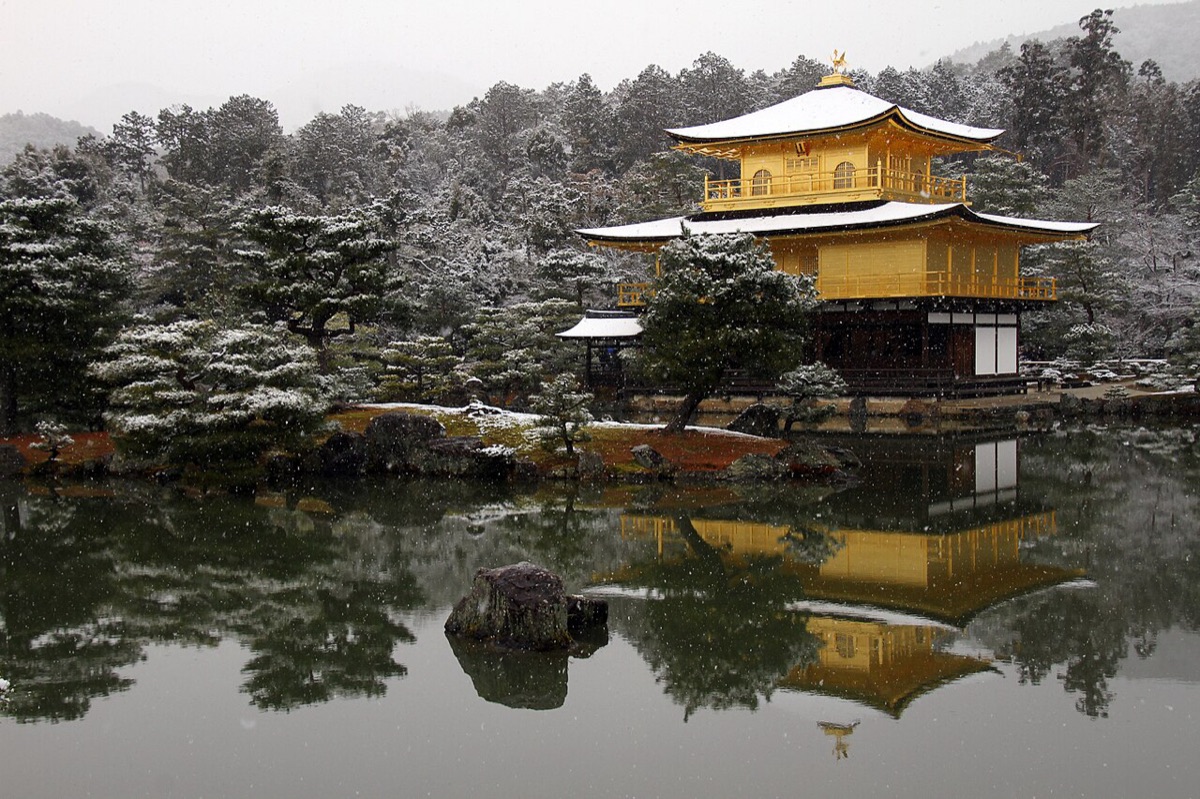
Reliable snow is found in Hokkaido, Tohoku and Hokuriku on the Sea of Japan side, such as Sapporo, Shirakawa-go, Ginzan Onsen and Zao. Lowland Tokyo and Osaka are mostly clear and dry in January, with only occasional snow; Kyoto is colder than Osaka and sometimes gets snow in January and February that turns Kinkaku-ji white, but you cannot plan on it. To be sure of snow, go north.
What long weekends are there in Japan in January 2027?
January 2027's public holidays are New Year's Day on Friday, January 1, and Coming of Age Day on Monday, January 11. New Year's Day plus the weekend makes January 1-3 a three-day weekend, and Coming of Age Day makes January 9-11 another. Domestic travel is busy in both, so book popular onsen and illumination events early.
What festivals are there in Japan in January?
Highlights include Toka Ebisu at Imamiya Ebisu Shrine in Osaka (every year January 9-11), Wakakusa Yamayaki in Nara (every year on the fourth Saturday of January, which works out to January 23 in 2027), the Dosojin Fire Festival at Nozawa Onsen in Nagano (around January 15) and the Toshiya archery event at Sanjusangendo in Kyoto (usually mid-January). The New Year Grand Sumo Tournament at Ryogoku Kokugikan in Tokyo runs January 10-24, 2027.
Are the Sapporo Snow Festival and the Otaru Snow Light Path in January?
No, both are in February. The official dates of the 2027 Sapporo Snow Festival are February 4-11; the Otaru Snow Light Path usually runs for about a week in early February, it was February 7-14 in 2026, and the 2027 dates have not been announced. In January in Hokkaido you can see ice festivals instead, such as the Lake Shikotsu Ice Festival (from January 30, 2027) and the Sounkyo Ice Waterfall Festival.
Are flights and hotels cheaper in Japan in January?
New Year's Day through early January is peak season and the most expensive. Weekdays from after the Coming of Age Day weekend to early February see lower domestic demand, and city hotels are usually easier to book. But Hokkaido ski areas, Shirakawa-go illumination nights and the run-up to the Sapporo Snow Festival are peak times, so prices vary by place; check actual booking pages.
Sources
- weather.time-j.net: Tokyo temperature and precipitation (JMA 1991-2020 normals): Tokyo January mean, high, low and precipitation; Osaka and Fukuoka from the same station series
- weather.time-j.net: Sapporo temperature and precipitation (JMA normals): Sapporo January temperatures and precipitation
- weather.time-j.net: Naha temperature and precipitation (JMA normals): Naha January temperatures and precipitation
- Japan Meteorological Agency: Kyoto normals (1991-2020): Kyoto January mean 4.8°C, high 9.1°C, low 1.5°C
- Cabinet Office: About national holidays: 2027 New Year's Day January 1, Coming of Age Day January 11
- JR Central: Nozomi all-reserved-seat periods: Nozomi all reserved from December 25, 2026 to January 5, 2027
- Best Calendar: 2026-2027 year-end and New Year closures for banks, post offices and city offices: Bank counters reopen January 4
- OSAKA-INFO: Imamiya Ebisu Shrine Toka Ebisu: Every year January 9-11, Yoi-Ebisu, Hon-Ebisu and Nokori-fuku, fukuzasa and fukumusume, access
- Nara Prefecture: Wakakusa Yamayaki: Held every year on the fourth Saturday of January, fireworks followed by simultaneous ignition; 2027 official website launched
- Nozawa Onsen Tourism Association: Nozawa Onsen Dosojin Festival: January 15 fire festival, 2026 schedule January 13-15, ticketed entry and spectator rules
- Japan Sumo Association: Tournament schedule: 2027 January tournament at Ryogoku Kokugikan, January 10-24, tickets on sale December 5, 2026
- GLT JAPAN: Sanjusangendo: Toshiya usually held in mid-January with new adults taking part
- Shirakawa-go Tourist Association: 41st (2027) Shirakawa-go Light-up: January 11, 17, 24 and 31, 2027, reservation only
- Best Calendar: Chitose-Lake Shikotsu Ice Festival 2027: January 30 to February 23, 2027, light-up 16:30-20:00, admission
- Rurubu & more: Juhyo (frost-covered trees) light-up, Zao Onsen: 2025-26 season light-up period, hours and ropeway fares
- Rurubu & more: 48th Motobu Yaedake Cherry Blossom Festival: January 17 to February 1, 2026, Ryukyu kanhizakura, free
- Rurubu & more: 28th Otaru Snow Light Path: February 7-14, 2026, 17:00-21:00
- Sapporo Snow Festival official: 2027 Sapporo Snow Festival outline: February 4-11, 2027
- Ginzan Onsen Association: 2026-2027 winter traffic information: Planned traffic restrictions for day visitors from December 2026 to early March 2027
Fares, opening hours and event dates can change. Information checked on 2026.10.24; please confirm with official sources before you go.