Okinawa in Winter: December to February Weather, What to Wear, Sights and Seasonal Events
Okinawa in winter: Naha averages 17–19°C from December to February, north winds feel cooler and swimming is limited, but whales, cherry blossoms and lights are in season.
Quick answer
Based on JMA normals, Naha averages 19.0°C in December, 17.3°C in January and 17.5°C in February. It never snows, but strong north winds make it feel cooler, so pack a windproof jacket. The sea is about 21°C in February and most beaches open for swimming in March. Winter highlights: whale watching (Jan–Mar), kanhizakura cherry blossoms from mid-January, the Southeast Botanical Gardens illumination, Shuri Castle's main hall reopening on November 23, and the NAHA Marathon on December 6.
The questions people ask most about Okinawa in winter are: Is it cold? Can I swim? What is there to do? In short, Naha averages about 17–19°C from December to February. It never snows, but frequent north winds make it feel cooler than the numbers suggest. The sea is already chilly and most beaches are closed for swimming, yet winter is exactly the season for whale watching, Japan's earliest cherry blossoms, illuminations and a visit to Shuri Castle. This guide covers Okinawa's winter weather and temperatures, what to wear, what the sea is really like, and the sights and events worth planning around in December, January and February.
Okinawa winter weather: how cold is it from December to February?
Bottom line: Okinawa's winter is cool, not cold. According to Japan Meteorological Agency normals for 1991–2020, Naha's coldest month, January, averages 17.3°C with an average low of 14.9°C; December and February both sit between 17 and 19°C[1].
| Month (Naha) | Mean temp | Mean high | Mean low | Mean rainfall |
|---|---|---|---|---|
| December | 19.0°C | 21.5°C | 16.8°C | 110.0 mm |
| January | 17.3°C | 19.8°C | 14.9°C | 101.6 mm |
| February | 17.5°C | 20.2°C | 15.1°C | 114.5 mm |
| March (reference) | 19.1°C | 21.9°C | 16.7°C | 142.8 mm |
The numbers look mild, but three things make it feel colder:
- North winds: The winter monsoon blows from the north, and Okinawa's official tourism site warns that it can make winter feel colder than the actual temperature, so a coat or sweater is sometimes needed[2]. It is most noticeable on the coast, on bridges such as the Kouri Bridge and in the northern hills.
- Cloudy days: Winter has fewer sunny days than summer, and the moment the sun goes behind a cloud it feels several degrees cooler.
- The late-January cold snap: Locals call this cold spell "Muchi-bisa" (鬼餅寒), and the official tourism site Okinawa Story lists it as the coldest time of year[3].
Winter rainfall averages about 100–115 mm a month, much less than the May–June rainy season or the summer typhoon season[1]. Typhoons are almost unheard of in winter, so plans are less likely to be disrupted, but on days with a strong northeast monsoon, high-speed boats to outer islands such as the Keramas may still be cancelled.
If you are travelling in November, it is still warmer and the beach swimming season has only just ended, so conditions differ from December onward; see our Okinawa in November guide instead.
What to wear in Okinawa in winter
Bottom line: Layering "T-shirt or light long sleeves + long-sleeve top + windproof jacket" is the safest approach. You do not need a down jacket, gloves or a scarf.
| Month | Daytime | Mornings, evenings and the coast | Also pack |
|---|---|---|---|
| December | Long sleeves; short sleeves on sunny days | Light jacket | Windproof jacket, sunglasses |
| January | Long sleeves + knit | Windproof jacket | Hat, light fleece |
| February | Long sleeves; short sleeves on warm days | Light jacket | Sunscreen |
Okinawa Story recommends a wind-resistant jacket for January and notes that the coast and higher ground feel especially cold[3]. Other practical tips:
- UV is still strong: Plenty of people get sunburned on sunny winter days, so do not skip a hat and sunscreen.
- Hotels may not be well heated: Many Okinawa hotels have air conditioning geared to cooling, so bring something warm for the room at night.
- Shoes: There is no snow, so ordinary sneakers are fine; for whale watching or island trips, choose shoes that can get wet.
- Travelers from colder places: If you are coming from Hokkaido, Korea or a northern city, Okinawa's winter will feel like spring and a T-shirt plus jacket will be comfortable; travelers from Taiwan, Hong Kong or Southeast Asia should pack an extra warm mid-layer.
Can you swim in Okinawa in winter? Sea temperatures and beach season
Bottom line: You can enjoy the sea from the shore, but it is not great for swimming. Okinawa's official tourism site lists the lowest average sea temperature as about 21°C in February, and most resort beaches open for swimming in March[2].
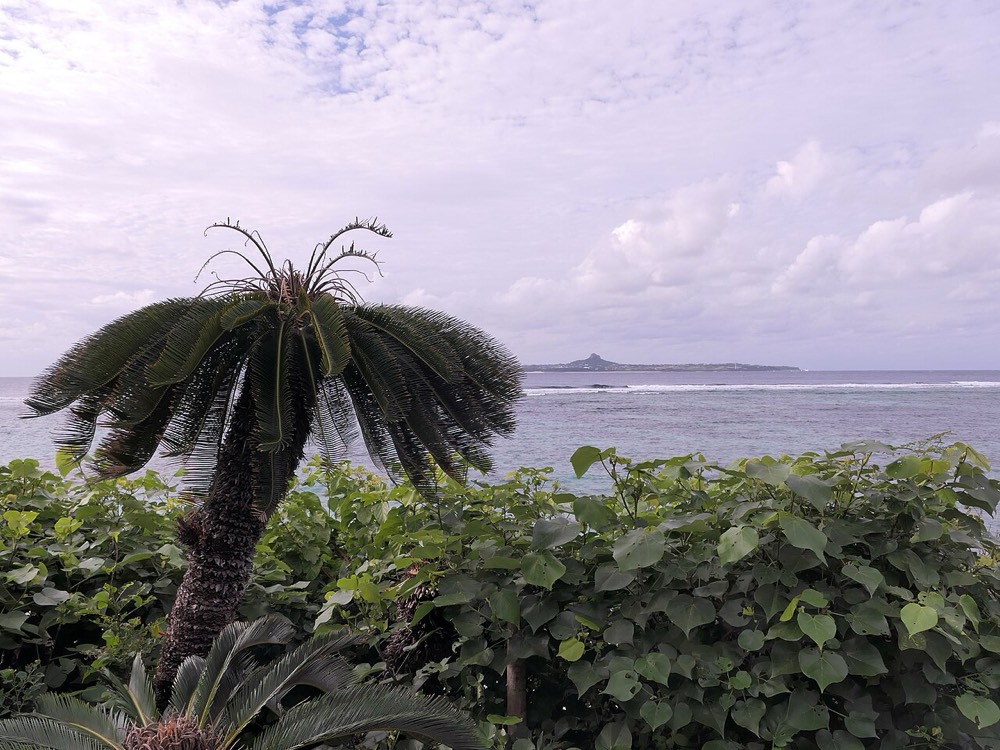
At 21°C most people start shivering after a short dip, and the north wind makes it even colder once you are out of the water. Typical winter beach conditions: no lifeguards, no jellyfish nets and showers shut. To enjoy the ocean anyway, try these instead:
- Whale watching and glass-bottom boats: See marine life without getting in the water.
- Diving: Some dive shops operate in winter and have guests dive in wetsuits; ask the shop directly whether tours run and what gear is included.
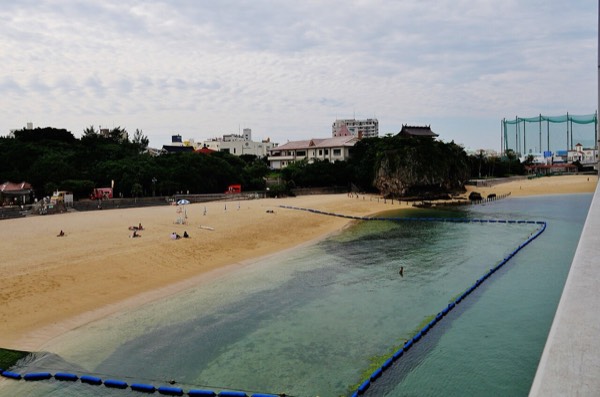
- Beach walks and photos: The low winter sun still brings out blue water, and Emerald Beach at Ocean Expo Park in the north and the Onna coastline are good for a stroll.
If swimming is your main goal, plan for April or later; in winter, build your trip around the seasonal events below.
Okinawa winter sights and events: what is special from December to February?
Bottom line: The three most seasonal experiences are whale watching, kanhizakura cherry blossoms and illuminations, plus Shuri Castle's main hall reopening in November 2026 and the NAHA Marathon in early December.
| Event | When | 2026–27 status |
|---|---|---|
| NAHA Marathon | Around the first Sunday of December | 40th race on December 6, 2026; entries closed |
| Shuri Castle main hall | All year | Open from noon on November 23, 2026; main hall requires booking |
| Southeast Botanical Gardens illumination | Late October to late May | October 24, 2026 to May 23, 2027 |
| Humpback whale watching | January to March | Zamami season opens January 8, 2027; end date not yet announced (2026 ran to March 25) |
| Motobu Yaedake Cherry Blossom Festival | Mid/late January to early February | 2027 not yet announced; 2026 was January 17 to February 1 (past-year reference) |
| Japanese pro baseball spring camps | February | Camp schedules are announced by each team |
Whale watching: humpbacks from January to March
Each winter humpback whales return to the Kerama Islands west of Naha to breed and raise calves. The Zamami Whale Watching Association has announced that its 2027 season opens on January 8[12]; the end date has not been announced yet. The 2026 season ran from January 8 to March 25[11], which gives a rough idea of when it ends. The high-speed boat from Naha to Zamami takes about 50 minutes; for boat times, prices and seasickness tips, see the Okinawa whale watching guide.
Japan's earliest cherry blossoms: kanhizakura on Mount Yae
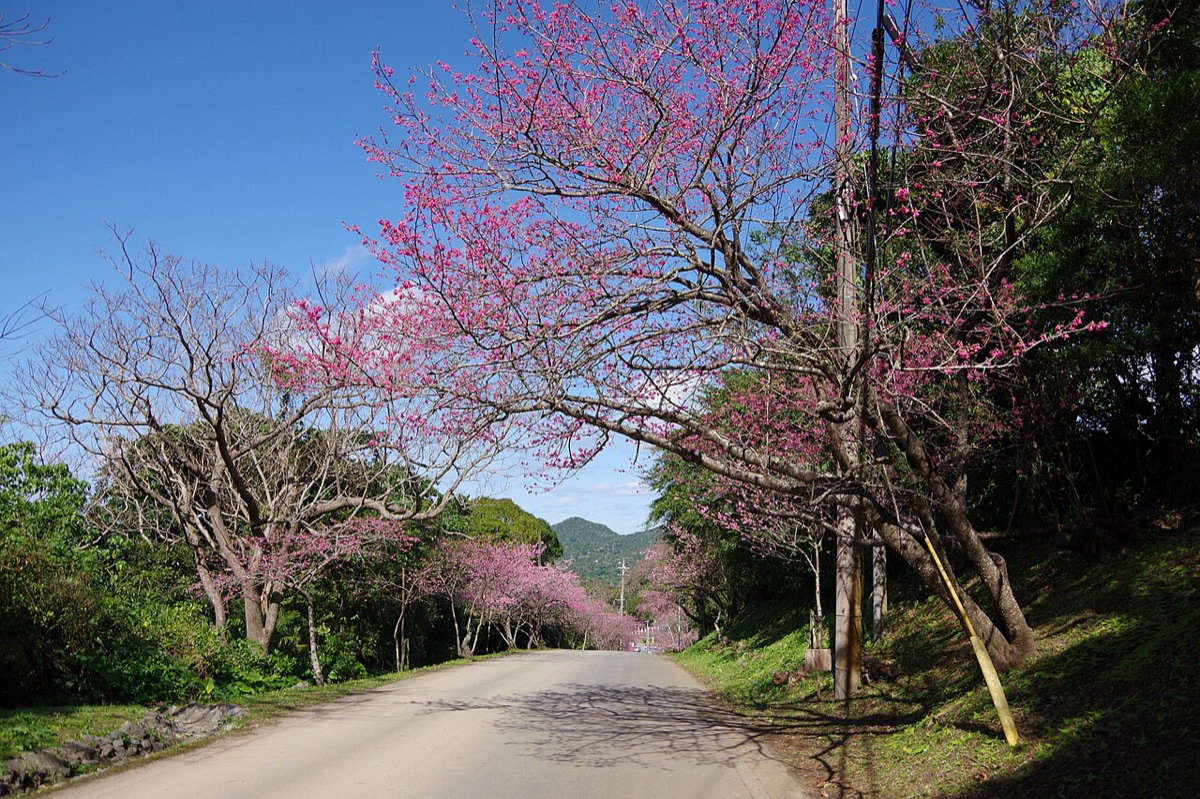
Okinawa's cherry blossoms are the deep pink kanhizakura (Ryukyu kanhizakura), which start blooming around mid-January and are known as Japan's earliest. The 48th Motobu Yaedake Cherry Blossom Festival in Motobu, northern Okinawa, ran from January 17 to February 1, 2026 at Yaedake Sakura no Mori Park, with free admission and parking[9]. Dates for the 49th festival in 2027 have not been announced; the above is past-year reference. Cherry blossom festivals are also held around the same time at Nakijin Castle ruins and in Nago[3].
Mount Yae is about a two-hour drive from Naha and awkward to reach by public transport, so it is usually paired with Churaumi Aquarium on the same day.
Southeast Botanical Gardens illumination: the top winter-evening family outing
The Southeast Botanical Gardens in Okinawa City holds the "Okinawa Nangoku Illumination" every autumn and winter. The 2026–2027 edition runs until May 23, 2027, so it is on all winter[7].
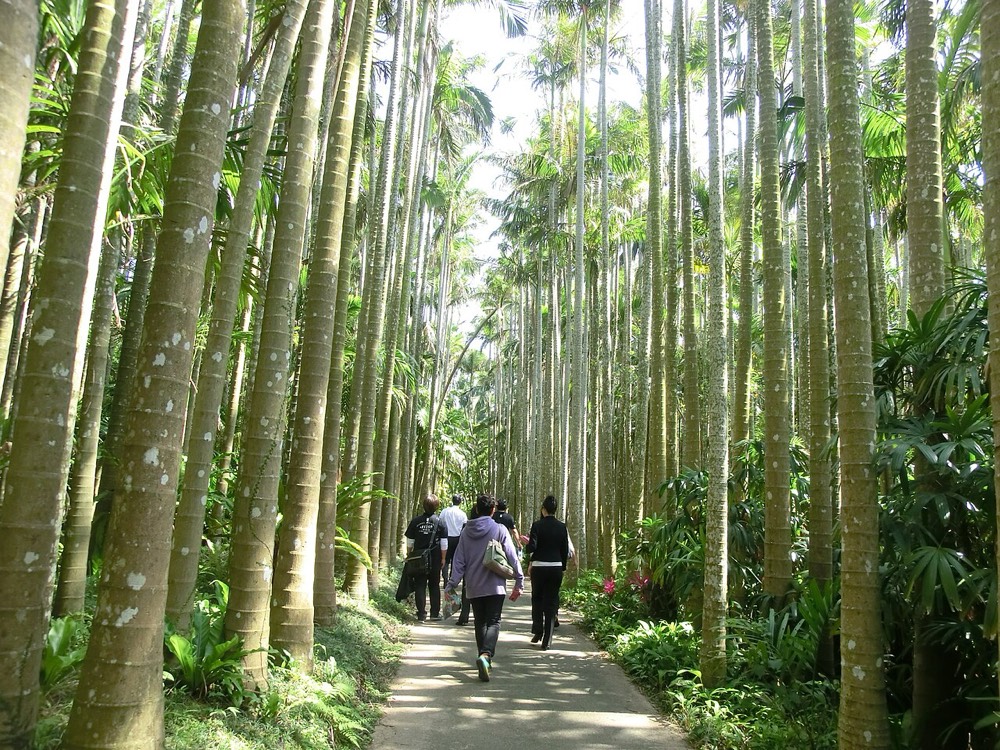
Tickets and hours during the illumination period (checked October 2026)[6]:
| Ticket | Hours | Adult (15+) | Child (4–14) |
|---|---|---|---|
| Day | 9:30–17:00 | ¥2,000 | ¥800 |
| Night | 17:00–22:00 | ¥2,500 | ¥900 |
| 1DAY | 9:30–22:00 | ¥2,850 | ¥1,200 |
Children 3 and under are free; the official site notes prices may change without notice, so check it for last-entry times. The gardens are in Okinawa City in the central part of the main island, and public transport back late in the evening is limited; if you are not driving, consider a tour that includes transfers.
Shuri Castle: main hall reopens on November 23, 2026
Shuri Castle's main hall, destroyed by fire in 2019, reopens after reconstruction on November 23, 2026[10], so a winter trip is a good chance to see inside. Entering the main hall requires a timed reservation, and adult admission is ¥1,000. Paid-area hours from December to March are shorter than in summer, so go in early in the afternoon. For booking, prices and access, see the Shuri Castle 2026 reopening guide.
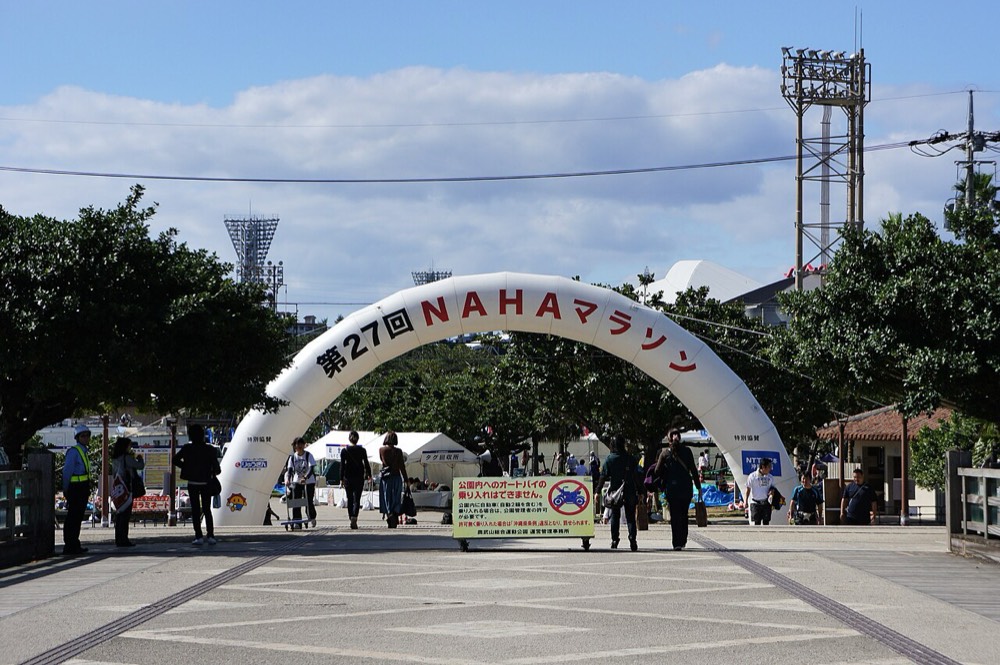
NAHA Marathon: road closures in Naha on December 6
The NAHA Marathon website shows the 40th race taking place on Sunday, December 6, 2026; entries closed in July, with no waiting list or transfers[8]. Even if you are not running, note that there will be wide road closures in central Naha and the south on race day, and roads to the airport may require detours; the official site publishes closure and airport-detour information. If you are flying or driving that day, allow plenty of extra time.
Okinawa in winter with kids: fun even when it rains or feels cold
Bottom line: With children, build the trip around Churaumi Aquarium and add illuminations, cherry blossoms or a short whale-watching tour; it is not hot outside and lines are lighter than in the summer holidays.
Okinawa Churaumi Aquarium is normally open 8:30–18:30 (last entry 17:30). The official site says no closures are planned through March 31, 2027 and that it stays open over New Year, though typhoons or other events can cause temporary closures[4]. General admission is ¥2,180 for adults, ¥1,440 for high school students and ¥710 for elementary and junior high students, and free for children under 6[5].
Family planning tips:
- Do outdoor activities around midday: It is warmest and the light is best; move indoors once the north wind picks up in the late afternoon.
- Judge whale watching by your kids: If they get seasick easily, choose a shorter tour from Zamami Island or try spotting whales with binoculars from land.
- Do not overload the driving: Naha to the north takes about two hours, so cover one area per day and leave time to rest before returning to the hotel.
- Where to stay: Winter is the off-season, so resort hotels are usually cheaper than in summer, except over New Year and public holidays.
For more ideas, see Okinawa attractions.
How to plan an Okinawa winter trip: transport and New Year notes
Bottom line: The smoothest winter plan is two nights in Naha and one or two nights in central or northern Okinawa, driving or taking buses depending on your activities.
| Day | Suggested route |
|---|---|
| Day 1 | Arrive in Naha; Kokusai-dori and Shuri Castle (book the main hall) |
| Day 2 | Boat to Zamami for whale watching (Jan–Mar), or southern sights |
| Day 3 | Head north to Motobu: Mount Yae cherry blossoms (Jan–Feb) and Churaumi Aquarium |
| Day 4 | Central Okinawa: Kouri Island or a coastal walk; Southeast Botanical Gardens illumination in the evening |
| Day 5 | Back to Naha for shopping, return the car and head to the airport |
Getting around:
- Driving: The northern cherry blossoms and the illumination are poorly served by public transport, so a car is the most efficient option. Travelers from Taiwan holding a Taiwanese license need a Japanese translation; visitors from elsewhere should check whether they need an International Driving Permit or a translation. See the Okinawa driving guide.
- No car: Use the monorail for central Naha and Shuri Castle, highway buses for Churaumi Aquarium, and boats from Tomari Port for whale watching; routes and passes are in the Okinawa without a car guide.
New Year (late December to early January) notes:
- Flights and hotels cost more: This is peak domestic travel season in Japan, so book early.
- Changed opening hours: Some restaurants, shops and public facilities close around January 1, so check each venue's notices before you go; Churaumi Aquarium stays open over New Year[4].
- New Year events: Shuri Castle Park has held its "Shinshun no Utage" New Year event from January 1 to 3 in past years, with appearances by a king and queen and New Year calligraphy in 2026[3]; check Shuri Castle Park's announcements for whether and how it runs in 2027.
Before you go
- Check the forecast a week before departure, and push island boat trips and beach plans back on days with strong north winds.
- Zamami whale watching opens January 8, 2027; once the end date and the 2027 Yaedake cherry blossom festival dates are announced, follow the official sites; sections marked as past-year reference are only for rough timing.
- Popular Shuri Castle main hall slots sell out first, so book as soon as your dates are fixed.
- On December 6, NAHA Marathon day, add an extra hour to any travel around your flight.
- For more seasonal ideas and sample Okinawa itineraries, start from the Okinawa travel overview.
FAQ
Is Okinawa cold in winter? What should I wear in December?
By the standards of Taiwan, Hong Kong or Southeast Asia it is cool rather than cold. Naha averages 19.0°C in December with an average low of 16.8°C. Long sleeves are enough on sunny days, but north winds on the coast and in the northern hills make evenings chilly. Bring long-sleeve tops and a light windproof jacket, plus a knit or fleece in January.
Can you swim in Okinawa in winter?
Most people find it too cold. Okinawa's official tourism site puts the average sea temperature at about 21°C in February, and most resort beaches open for swimming only in March, so winter beaches usually have no lifeguards or jellyfish nets. Consider indoor pools or boat activities instead; divers go in with wetsuits.
What can kids do in Okinawa in winter?
Winter is comfortable for family trips because it is not hot outdoors. Churaumi Aquarium is open all year, including New Year; the Southeast Botanical Gardens has evening illuminations with cheaper child tickets; and January to March brings humpback whales, though kids prone to seasickness are better off on the shorter tours from Zamami. Use the aquarium and indoor sights as rainy-day backups.
Is December or January better for Okinawa?
December is warmer (19.0°C average) and good for walking and outdoor plans, but most whale-watching boats have not started yet. January is the coldest month but lets you see both cherry blossoms and humpback whales. If you can choose only one window, mid-January to early February packs in the most winter events; keep a spare day for bad weather.
Does it rain in Okinawa in winter?
Yes, but usually not heavily. Naha's normal rainfall from December to February is about 100–115 mm a month, far less than the rainy season or typhoon season, with overcast skies and brief showers being typical. Typhoons are rare in winter, making it a fairly stable season, although strong northeast monsoon winds can cancel boats to the outer islands.
Sources
- Japan Meteorological Agency: Naha climate normals (1991–2020): December to March mean, high and low temperatures and rainfall
- Visit Okinawa Japan: When to Visit—Okinawa's Climate & Seasons: Winter north winds, clothing, sea temperatures and beach season
- Okinawa Story: January in Okinawa—temperatures, clothing and events: January clothing, the Muchi cold spell, Shuri Castle New Year event and northern cherry festivals
- Okinawa Churaumi Aquarium: Opening hours and closures: Opening hours and New Year operation
- Okinawa Churaumi Aquarium: Admission: General ticket prices
- Southeast Botanical Gardens: Facility information: Day, night and 1DAY ticket prices and hours
- Southeast Botanical Gardens: Okinawa Nangoku Illumination 2026-2027: Illumination dates
- NAHA Marathon official site: 40th race date and entry status
- Rurubu&more: 48th Motobu Yaedake Cherry Blossom Festival: 2026 festival dates, venue and access
- Shuri Castle Park official site: Main hall reopening and opening hours
- Zamami Whale Watching Association: 2026 whale-watching season dates
- Zamami Whale Watching Association (note): 2027 whale-watching season: 2027 season opens January 8 (announced November 10, 2026)
Fares, opening hours and event dates can change. Information checked on 2026.11.13; please confirm with official sources before you go.