Abashiri Drift Ice 2027: Aurora Icebreaker Season, Ice Forecasts, Access, and Monbetsu vs Shiretoko
Plan Abashiri drift ice in 2027: typical ice season, Aurora icebreaker fares and departures, Monbetsu Garinko-go from Jan 15, Shiretoko ice walks, trains and clothing.
Quick answer
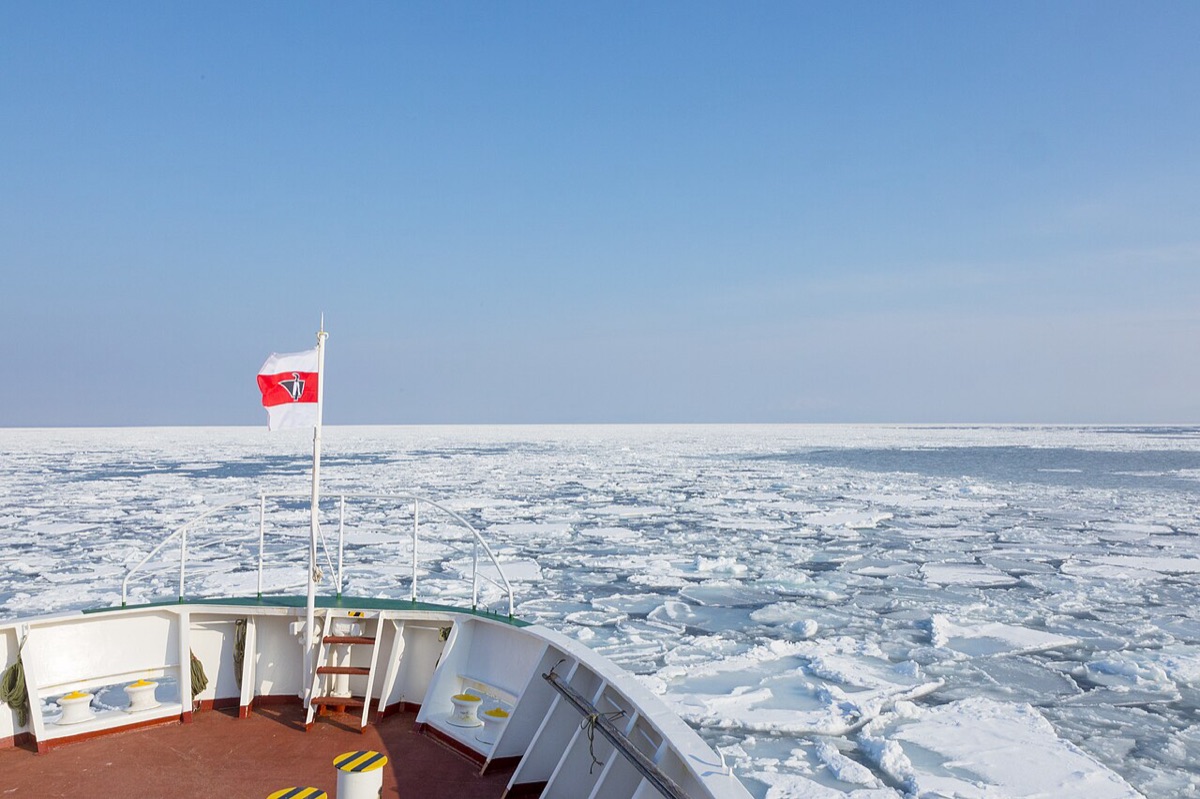
Drift ice usually appears off Abashiri from late January to March, and the safest window is mid-February to early March. The Abashiri Local Meteorological Office's normals are a first sighting on January 22 and first shore arrival on February 4 (1991–2020 average). The Aurora icebreaker's site currently lists a January 20–March 31 season, with the large ship at 7,000 yen for adults for about one hour (2027 details not yet announced, so treat as past-season reference). Monbetsu's Garinko-go sails daily from January 15 to March 31, 2027.
Abashiri drift ice is one of Hokkaido's hardest winter sights to predict, and one of the most worth a dedicated trip: sea ice drifting down from the northern Sea of Okhotsk turns the water white from late January to March. This guide helps you plan a 2027 drift ice trip to Abashiri, covering the ice season and past first-sighting and shore-arrival dates, how to choose between the Abashiri Aurora icebreaker, Monbetsu's Garinko-go and a Shiretoko ice walk, plus getting there from Sapporo, the drift ice festival and what to wear.
When is drift ice season in Abashiri? Mid-February to early March is safest
Bottom line: drift ice usually appears off Abashiri in late January, reaches the shore in early February, and is most likely to be seen from mid-February to early March, thinning out after mid-March.
According to the Abashiri Local Meteorological Office, the 1991–2020 normals are a first drift ice sighting on January 22 and first shore arrival on February 4[4]. The two terms mean different things:
- First sighting (ryuhyo shonichi): the first day drift ice that has floated in from beyond view can be seen from land. At this stage it is often just a white line far out at sea.
- First shore arrival (ryuhyo setsugan shonichi): the first day the ice presses against the coast, the coastal channel closes and boats can no longer pass. After this you can see an ice field straight from the shore.
| Year | First sighting | First shore arrival | Versus normal |
|---|---|---|---|
| Normal (1991–2020 average) | January 22 | February 4 | — |
| 2025 | February 15 | February 17 | Arrival 13 days late |
| 2026 | January 22 | February 1 | Arrival 3 days early |
2025 was the latest in recent memory, with the first sighting on February 15, 24 days later than normal[4]; 2026 returned to the usual rhythm, with ice appearing on January 22 and reaching shore on February 1[5]. The gap is large, so if you go before the end of January, the risk of seeing no ice is clearly higher.
Where can I check the drift ice forecast?
In the week before you leave, check these daily to see how far the ice is from shore:
- 1st Regional Coast Guard Headquarters Sea Ice Information Center: each winter it publishes sea ice bulletins and ice charts; in the 2025–26 season it ran from December 19, 2025 to April 22, 2026[6]. The charts show how far the ice edge is from Abashiri, Monbetsu and Shiretoko.
- Announcements from Abashiri City and local tourism bodies: the 2026 first sighting and shore arrival were announced by Abashiri City and others[5], and their social accounts post updates in real time.
- Icebreaker websites: Aurora and Garinko-go post daily sailing conditions during the season, including when there is no ice.
Remember that wind moves the ice: north and northeast winds push it ashore, and a south wind can send it back out to sea by the next day. Seeing it today does not guarantee it will be there tomorrow.
Abashiri Aurora icebreaker: fares, departures and booking (past-season reference)
Bottom line: the Aurora is the easiest Abashiri icebreaker to fit into a trip. It leaves from the Michi-no-Eki Ryuhyo Kaido Abashiri roadside station in central Abashiri, the large ship's cruise takes about one hour, and the site currently lists 7,000 yen for adults.
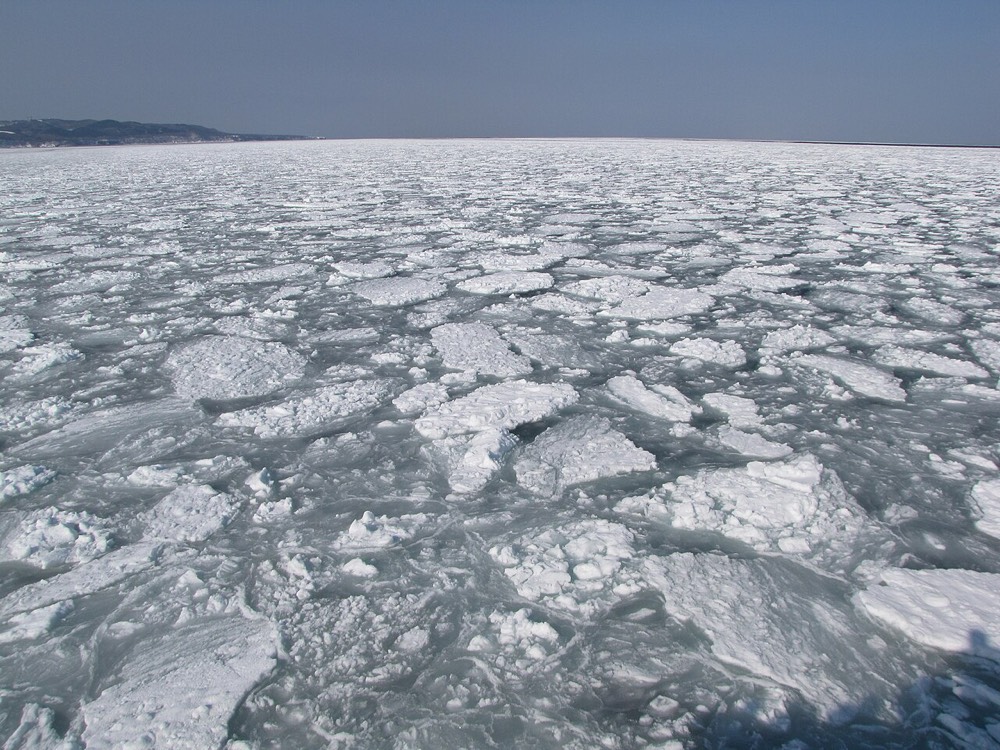
Below is what the official fares and timetable page currently lists[1]. The page shows no year and the 2027 season has not been separately announced, so treat it as past-season reference and check again before you go:
| Item | Large ship Aurora | Small ship Aurora 3 |
|---|---|---|
| Operating period | January 20–March 31 | Sails when there is ice (extra sailings in March) |
| Cruise length | About 1 hour | About 2 hours |
| Adults (junior high and up) | 7,000 yen | 9,800 yen |
| Elementary school children | 3,500 yen | 4,900 yen |
| If there is no ice | Sightseeing cruise toward Cape Notoro instead | Does not sail |
The large ship runs four or five times a day, for example 9:30, 11:00, 12:30, 14:00 and 15:30 in February, with fewer sailings in late January and late March; extra early-morning and late-afternoon sailings take bookings on the site or by phone only once they are confirmed[1]. Infants ride free, and special seats cost an extra 500 yen, first come first served on board on the day.
The site says online booking starts on November 1, and the phone number is 0152-43-6000 (9:00–18:00); the operator asks guests to book only their first-choice sailing and not hold multiple slots[2]. Every passenger must fill in a passenger list, which you can download and complete in advance, and you need to check in about 20 minutes before departure[1].
Monbetsu Garinko-go icebreaker: sailing from January 15, 2027
Bottom line: Monbetsu's Garinko-go (Garinko-go III IMERU) has announced its 2027 season as daily sailings from Friday, January 15 to Wednesday, March 31, and online booking opened on October 9, 2026[3].
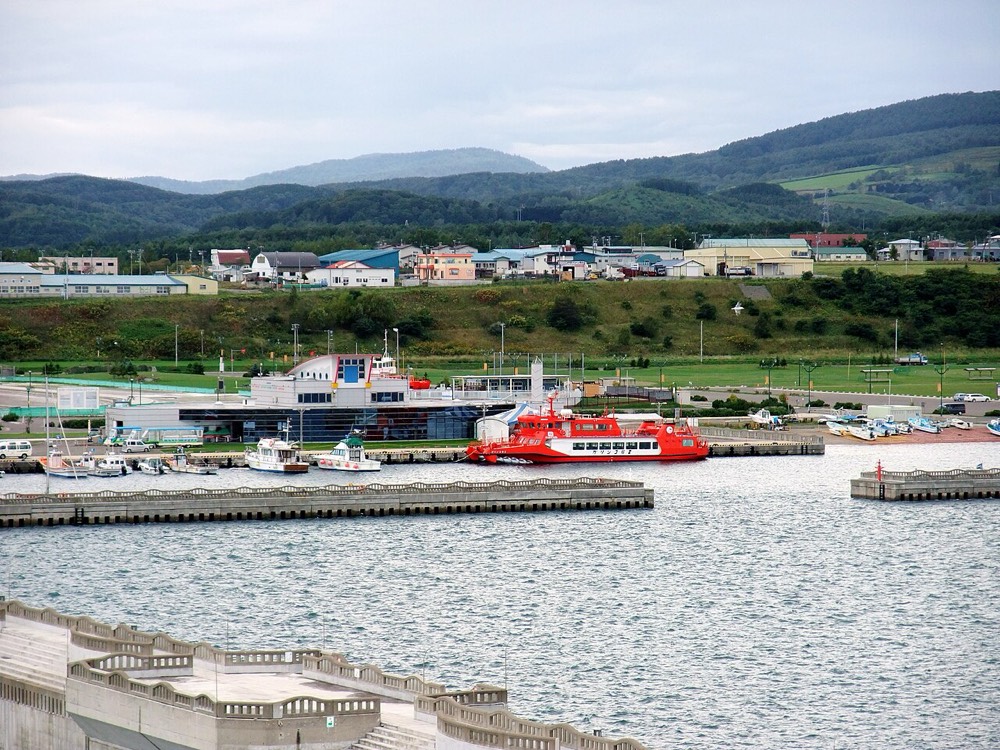
Garinko-go's signature is the pair of huge Archimedes screws at the bow that drill through the ice, unlike Abashiri's Aurora, which crushes ice with its weight. It sails from Monbetsu's Marine Exchange Center, the ticket counter checks passengers in from one hour to 30 minutes before departure, and a passenger list is also required[3].
The 2027 fares and timetable are posted as images on the official site, so check there directly. For reference, the 2026 season charged adults 5,000 yen in January and March and 6,000 yen in February, and elementary school children 2,500 yen in January and March and 3,000 yen in February, for a cruise of about one hour[13].
Note the cancellation rules: 10% from 14 to 8 days before, 30% from 7 to 2 days, 50% the day before and 100% on the day; cancelling yourself because there is no drift ice still incurs the fee[3]. If seeing ice matters most to you, book later or schedule your trip after mid-February.
Abashiri, Monbetsu or Shiretoko?
| Comparison | Abashiri Aurora | Monbetsu Garinko-go | Shiretoko Utoro ice walk |
|---|---|---|---|
| Experience | Large ship crushing drift ice | Screw drills breaking ice | Walk and float on ice in a dry suit |
| Season | January 20–March 31 (past-season reference) | January 15–March 31, 2027 | About late January to March |
| Access | Buses from JR Abashiri Station and Memanbetsu Airport | No JR; about 10 minutes by car from Monbetsu Airport | Bus from JR Shiretoko-Shari Station |
| Best for | First-timers and travelers without a car | Those after the ice-breaking spectacle, flying or driving | Those who want to stand on the ice |
Shiretoko drift ice walk: always go with a guide
Bottom line: the drift ice walk in Utoro, Shiretoko is one of the few legal and safe ways to stand on drift ice, with a season of roughly late January to March depending on nature[9].
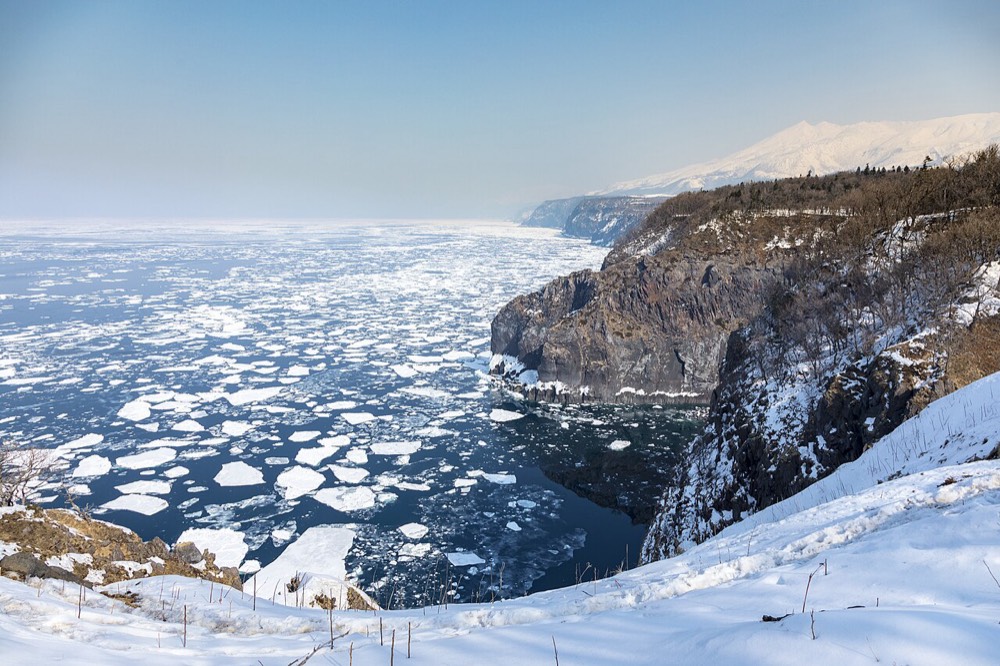
Participants wear full-body dry suits and, led by a guide, walk onto the ice floes and even float in the water between them. The Shiretoko Shari Tourism Association specifically warns that walking onto drift ice in ordinary clothes without a guide is "very dangerous"[9]. Prices, meeting times and age limits differ by operator; the association's website lists operators that run tours, so confirm and book with them directly.
Reaching Utoro means a bus transfer from JR Shiretoko-Shari Station, with few winter buses and unreliable roads, so stay a night in Utoro rather than cramming it into the same day as an Abashiri icebreaker cruise.
Ryuhyo Monogatari train and the Abashiri Drift Ice Festival: fitting them into 2027
Bottom line: the Ryuhyo Monogatari is a winter sightseeing train on the JR Senmo Line between Abashiri and Shiretoko-Shari and still ran in 2026; the 2027 Abashiri Drift Ice Festival is planned for February 6–7, with official details not yet announced.
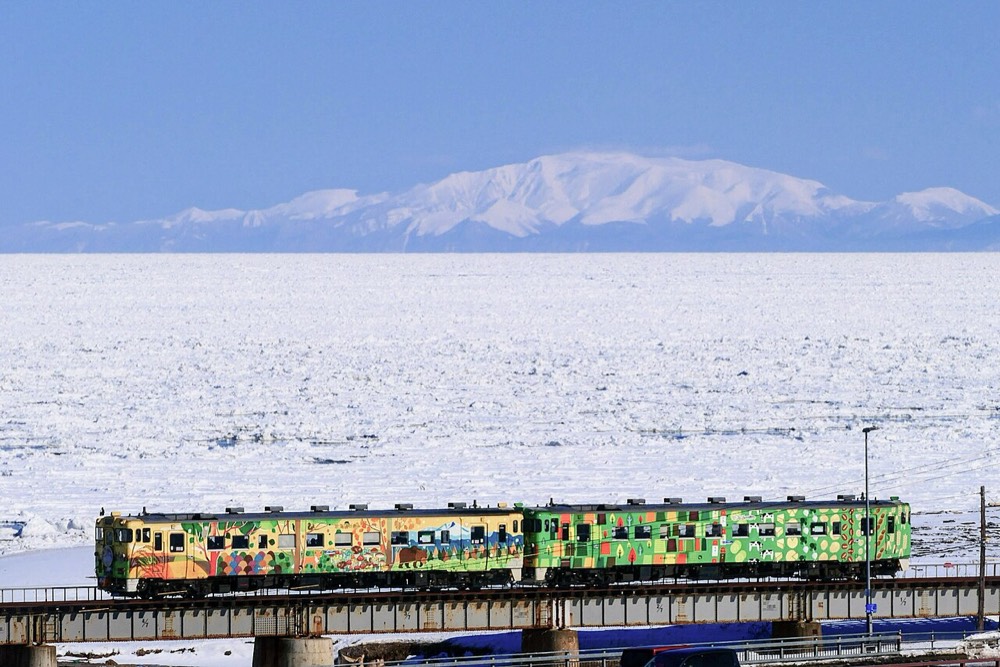
Ryuhyo Monogatari train (past-season reference)
In 2026 the Ryuhyo Monogatari ran daily from January 31 to March 1, plus March 7 and 8, with two round trips a day departing Abashiri at 9:50 and 13:04, about 50 minutes each way[10]. A one-way ticket from Abashiri to Shiretoko-Shari is 1,040 yen for adults, plus 840 yen for a reserved seat[10]. The train slows down between Kitahama and Hama-Koshimizu so you can view the Sea of Okhotsk from the window. JR Hokkaido has not yet announced whether or when it will run in 2027, so watch its website and eki-net.
Abashiri Okhotsk Drift Ice Festival
The 2026 Abashiri Okhotsk Drift Ice Festival was held February 7–8 at a special venue on the Abashiri commercial port pier, with snow and ice sculptures, night illumination, an ice slide and local food stalls[7]. For 2027, a travel agency feature lists Saturday February 6 to Sunday February 7 as "planned", and the Monbetsu Drift Ice Festival as February 11–14[8]; both are subject to the organizers' official announcements.
If you also want the Sapporo Snow Festival 2027, see the festival in Sapporo first, then head north to Abashiri by limited express; early to mid-February lines up nicely with the peak of the ice.
How do I get from Sapporo to Abashiri? JR, flights and buses
Bottom line: if you have time, take the JR Limited Express Okhotsk, about 5 hours 20 minutes to 5 and a half hours; if time is short, fly to Memanbetsu Airport and take a bus of about 35 minutes.
| Option | Travel time | Cost and notes |
|---|---|---|
| JR Limited Express Okhotsk (Sapporo–Abashiri) | About 5 h 20 min–5 h 30 min | Two round trips a day; may be cancelled or delayed by heavy snow |
| Flight (Sapporo → Memanbetsu Airport) | Depends on the flight; saves most of a day versus JR | Weather cancellations possible in winter; fares vary by airline |
| Memanbetsu Airport → Abashiri Bus Terminal | About 35 minutes | 1,050 yen; stops at the icebreaker terminal[11] |
The airport bus is run by Abashiri Bus, and its first stop on the Abashiri side is the icebreaker terminal at the roadside station, so you can walk straight to the Aurora[11]. If you plan to move on to Monbetsu or Shiretoko, winter roads and bus services are sparse, so build in extra time.
You can enjoy the drift ice without a car, as buses link the sights in Abashiri; for more winter transport tips, see getting around Hokkaido without a car. If you travel by JR, consider a night in Asahikawa on the way for the Asahiyama Zoo winter penguin walk.
What should I wear to see drift ice? Abashiri's February average low is -9.6°C
Bottom line: Abashiri averages -5.4°C in February with an average low of -9.6°C, and on an icebreaker deck it feels several degrees colder, so pack one level warmer than you would for Sapporo[12].
| Month | Mean | Average high | Average low |
|---|---|---|---|
| January | -5.1°C | -2.2°C | -8.9°C |
| February | -5.4°C | -2.0°C | -9.6°C |
| March | -1.3°C | 2.3°C | -4.9°C |
Suggested layers:
- Base layer: thermal top and bottoms, doubled if you feel the cold.
- Mid layer: fleece or wool, plus fleece-lined trousers.
- Outer layer: a long, windproof and waterproof down coat with a hood that covers your ears.
- Accessories: a knit hat, scarf or neck gaiter, waterproof gloves (add thin touchscreen gloves for photos) and heat packs.
- Footwear: non-slip snow boots. Harborsides and decks ice over, and ordinary sneakers slip easily.
- Other: sunglasses. On sunny days the glare off the ice is strong.
For detailed layering and boot advice, see Hokkaido winter clothing.
Before you go: the smoothest way to plan Abashiri drift ice in 2027
- Aim for mid-February to early March and stay two or three nights in or around Abashiri, so you can pick a day when the ice is ashore.
- Watch for the Aurora's booking opening on November 1; Garinko-go is already taking bookings, but its cancellation rules are strict, so read them first.
- Check the sea ice bulletin daily in the week before you leave to see where the ice edge is, then decide whether to ride in Abashiri or Monbetsu first.
- The 2027 dates for the drift ice festival and the Ryuhyo Monogatari are still planned or unannounced; follow official announcements.
- Heavy snow can stop JR trains and flights, so avoid returning on your international departure day; head back to Sapporo or near the airport the night before.
FAQ
When is the best time to see drift ice in Abashiri?
On average, drift ice first appears off Abashiri around January 22 and reaches the shore around February 4, so mid-February to early March gives the best odds. Years vary a lot: in 2025 the first sighting was February 15, the latest since records began in 1946, while in 2026 ice appeared on January 22 and reached shore on February 1. Plan two or three days in February for flexibility.
Do I need to book the Aurora icebreaker, and how much is it?
Booking is recommended, especially on February weekends and during the drift ice festival. The site says online booking opens on November 1, and you can also call 0152-43-6000 (9:00–18:00). Current listed fares are 7,000 yen for adults and 3,500 yen for elementary school children on the large ship, and 9,800 yen for adults on the small Aurora 3. Check the site for 2027 prices.
Do the icebreakers still sail if there is no drift ice?
In Abashiri, the large Aurora ship switches to a sightseeing cruise toward Cape Notoro when there is no ice, while the small Aurora 3 does not sail; low passenger numbers or bad weather can also cancel sailings. Monbetsu's Garinko-go rules state that cancelling yourself because there is no drift ice still incurs cancellation fees, so read them before booking.
What is the difference between the Abashiri and Monbetsu icebreakers?
Abashiri's Aurora is a large sightseeing ship that crushes ice with its weight. The cruise takes about one hour and leaves from a roadside station in central Abashiri that is easy to reach by train or bus. Monbetsu's Garinko-go drills through ice with two giant screws at the bow, which looks more dramatic, but Monbetsu has no JR line, so you need a flight, bus or car.
How do I get from Sapporo to Abashiri for the drift ice?
Take the JR Limited Express Okhotsk, which runs twice a day and takes about 5 hours 20 minutes to 5 and a half hours. If you are short on time, fly to Memanbetsu Airport and take the connecting bus, about 35 minutes and 1,050 yen to Abashiri Bus Terminal, which also stops at the icebreaker terminal. Snow can cancel trains and flights, so leave slack.
Can I walk on the drift ice by myself?
No. Officials repeatedly warn that walking onto drift ice in ordinary clothes without a guide is very dangerous: the ice moves and breaks, and falling into the sea is hard to recover from. If you want to walk on the ice, join a guided drift ice walk in places such as Utoro in Shiretoko, where you wear a dry suit.
Sources
- Abashiri Drift Ice Sightseeing Icebreaker Aurora: Fares and timetable: Operating period, fares for the large and small ships, monthly departures and cruise length
- Abashiri Drift Ice Sightseeing Icebreaker Aurora: Reservations: Online booking opens November 1; phone booking
- Okhotsk Garinko Tower: Garinko-go: 2027 season daily January 15 to March 31, booking opened October 9, cancellation rules
- Abashiri Local Meteorological Office: Abashiri and Monbetsu sea ice report No. 2 (February 17, 2025): Normals for first sighting and shore arrival, 2025 record and definitions
- Weathernews: Drift ice reaches shore at Abashiri (February 2026): 2026 first sighting January 22, shore arrival February 1
- 1st Regional Coast Guard Headquarters Sea Ice Information Center: Sea ice bulletins, ice charts and seasonal service period
- Visit Hokkaido: Abashiri Okhotsk Drift Ice Festival: 2026 festival dates, venue and contents
- Hankyu Travel: Hokkaido drift ice tours 2027 feature: 2027 Abashiri festival February 6–7 (planned) and Monbetsu festival dates
- Shiretoko Shari Tourism Association: Shiretoko drift ice: Shiretoko drift ice season and ice walk safety warning
- Gutabi Hokkaido: Ryuhyo Monogatari train: 2026 operating days, times and fares
- Hokkaido Airports: Memanbetsu Airport access: Airport bus travel time and fare
- Japan Meteorological Agency: Abashiri climate normals (1991–2020): January–March mean, high and low temperatures
- Gutabi Hokkaido: Garinko-go III IMERU: 2026 season fares by month and cruise length
Fares, opening hours and event dates can change. Information checked on 2026.10.25; please confirm with official sources before you go.