Kushiro Red-Crowned Cranes and the SL Fuyu-no-Shitsugen: Winter Crane Spots, Times, Train Booking and Eastern Hokkaido Access
When to see Kushiro's red-crowned cranes: Akan, Tsurumidai and Otowa Bridge compared by time, cost and bus access, plus SL Fuyu-no-Shitsugen 2027 dates and booking.
Quick answer
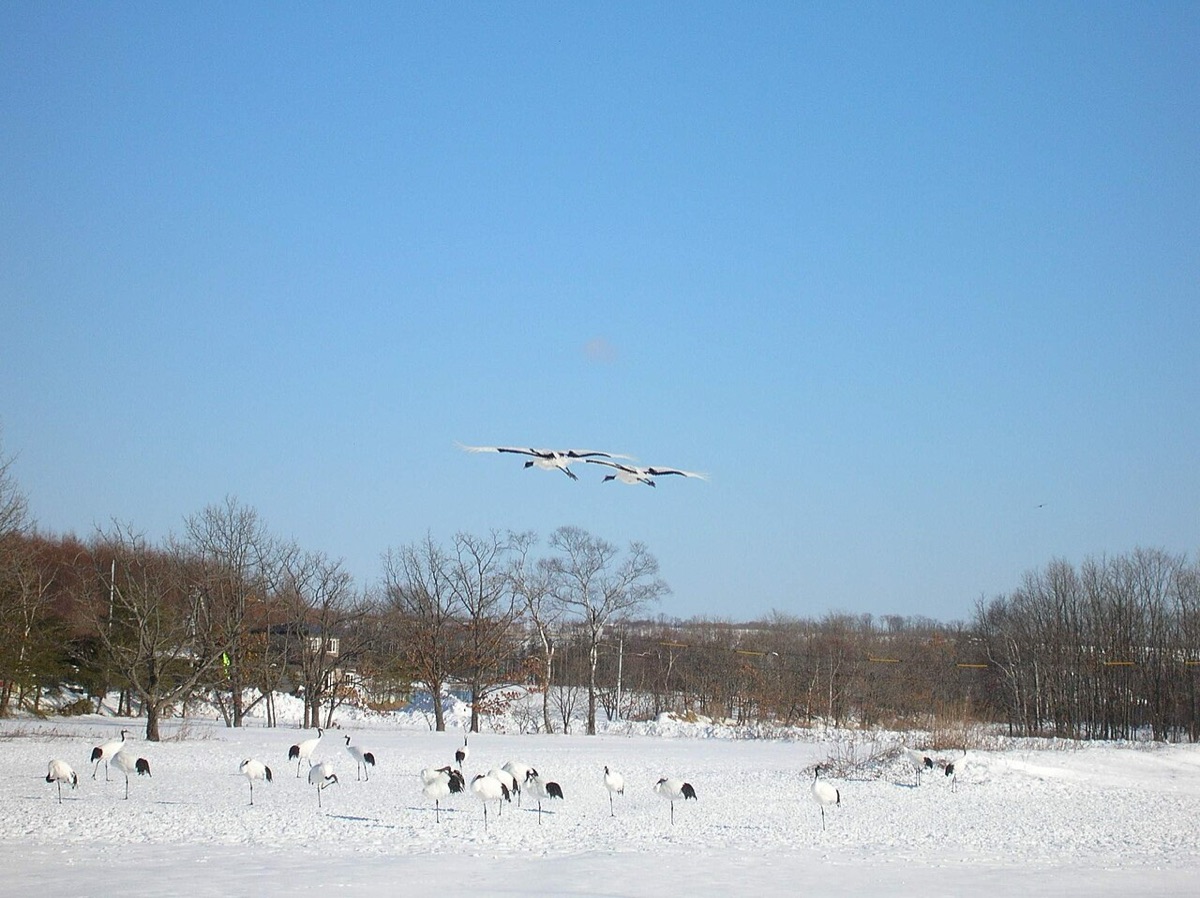
Wild red-crowned cranes gather at feeding grounds outside Kushiro every winter. The Akan International Crane Center says feeding for 2026–27 starts in December, and cranes are reliably seen until about mid-March. Without a car, Akan Bus takes you to Akan (Tancho-no-Sato stop) for 1,480 yen one way and to Tsurumidai in Tsurui for 1,020 yen; dawn at Otowa Bridge needs a car or tour. The SL Fuyu-no-Shitsugen runs on set days from January 16 to March 14, 2027, leaving Kushiro 11:05 and reaching Shibecha 12:35, for 3,060 yen one way including the reserved seat; tickets go on sale one month before.
Kushiro's red-crowned cranes are at their best in winter: from December to early March, wild cranes leave the scattered corners of the marsh and gather at feeding grounds in Akan and Tsurui Village, foraging on the snow and dancing to court. This guide compares five crane spots by best time of day, cost and how to get there without a car, covers the 2027 dates, timetable and booking of the SL Fuyu-no-Shitsugen, and ends with a two-day plan and cost breakdown so you can decide between renting a car, taking local buses or joining a sightseeing bus.
First, a point many older guides get wrong: the 2 p.m. fish feeding at the Akan International Crane Center has ended. The official site says it stopped in December 2016 over bird flu concerns, with no plan to bring it back; corn is now scattered around 8 a.m., with an afternoon top-up depending on conditions[4]. Turn up at 14:00 following an old guide and you may find only a few stragglers.
Kushiro red-crowned crane season: which months?
In short, December to early March for wild flocks; the rest of the year you will mostly see captive cranes. The red-crowned crane (tancho) does not migrate and lives around the Kushiro Marsh year-round, but in spring and summer it spreads deep into the marsh to nest and raise chicks, out of sight for most visitors. Once rivers freeze and food runs short, the cranes concentrate at artificial feeding grounds.
| Period | Wild cranes | Where to go |
|---|---|---|
| November | Starting to move to feeding grounds, numbers still low | Natural Park, or try your luck |
| December–February | Feeding season, largest flocks, snowy backdrop | Akan, Tsurumidai, Ito Sanctuary, Otowa Bridge |
| Early March | Still at feeding grounds, more courtship dancing | Same, but some feeding ends mid-March |
| Late March–October | Dispersed for nesting, rarely seen in the wild | Kushiro City Red-Crowned Crane Natural Park (year-round) |
The Akan International Crane Center says feeding for 2026–27 starts in December; last season (2025–26) it ran until March 12[4]. Actual start and end dates shift with snow and temperature, so check the center's social media before you go.
Population numbers are worth knowing too. A wintering survey announced by Hokkaido on March 18, 2026 counted 1,864 wild cranes, about the same as the record set the year before. That same month the Ministry of the Environment moved the species from Endangered to Near Threatened, though state feeding will continue for now according to the report[12]. Feeding volumes are adjusted every year, so crane numbers vary by year and by day; the "300 cranes in one frame" photos online show a good day, not a guarantee.
Where to see red-crowned cranes in Kushiro: five spots compared
The five spots fall into three types: daytime feeding grounds (Akan, Tsurumidai, Ito Sanctuary), a dawn river roost (Otowa Bridge) and a year-round park with captive birds. Bus times and fares below come from Akan Bus timetables and fare tables checked in November 2026[7]; winter schedules can change, so confirm before you ride.
| Spot | Best time | Cost | Without a car | Verdict |
|---|---|---|---|---|
| Akan International Crane Center Grus + Tancho Observation Center (Akan) | Daytime (observation center from 8:30) | Admission 480 yen | Akan Line to "Tancho-no-Sato", about 1 hr 10 min, 1,480 yen | Indoor exhibits, cranes close by, easiest without a car |
| Tsurumidai (Tsurui) | Morning and afternoon feeding | Free | Tsurui Line to "Tsurumidai", about 56 min, 1,020 yen | Roadside viewing area, the oldest private feeding site |
| Tsurui-Ito Tancho Sanctuary (Tsurui) | Daytime (9:00–16:00) | Free | Tsurui Line to "Yakuba-mae", then about 10 min walk | Run by the Wild Bird Society of Japan, closed Tue and Wed |
| Otowa Bridge (Setsuri River, Tsurui) | Around sunrise | Free | No bus; car, taxi or tour | Mist, frost and cranes, the classic photo scene |
| Kushiro City Red-Crowned Crane Natural Park (Tsurugaoka) | Year-round, 9:00–16:00 in winter | Admission 480 yen | Akan Line to "Tsuru Koen", 920 yen | Captive cranes, the only sure sighting in summer |
Akan International Crane Center Grus: the best pick without a car
The Akan International Crane Center (Akan Kokusai Tsuru Center Grus) is Kushiro City's crane exhibition hall, and the feeding ground is at the Tancho Observation Center next door. According to the Kushiro Tourism & Convention Association, the main building is open 9:00–17:00, with admission of 480 yen for adults and 250 yen for elementary and junior high students; the observation center opens only in winter, 8:30–16:30 (closing at 16:00 from November to January), is closed April to October, and closes over the New Year holidays[5]. On a good day close to 300 cranes gather at the feeding ground[5].
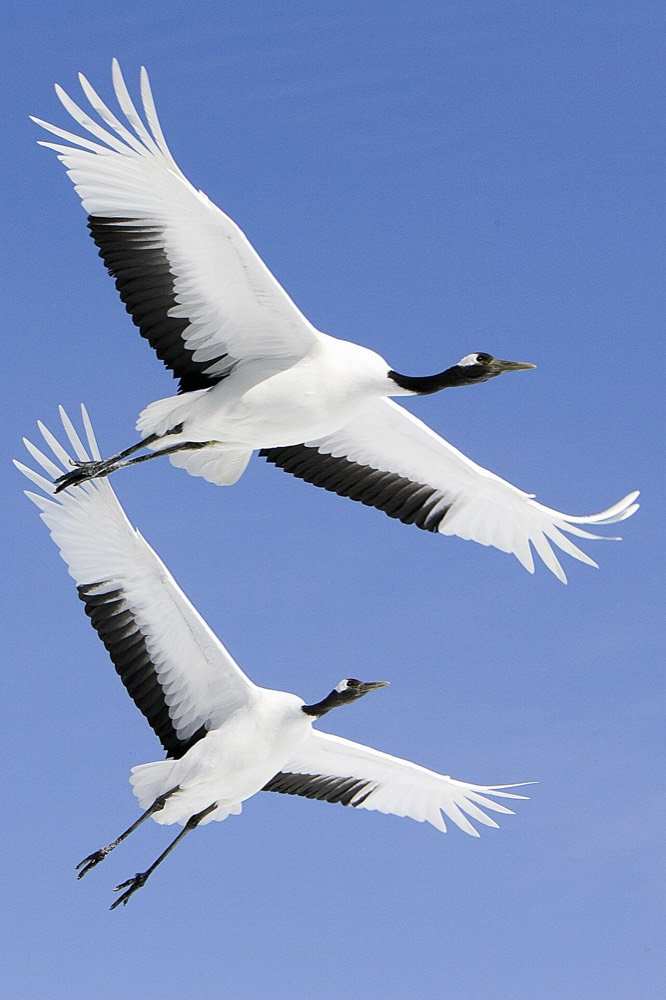
As mentioned, feeding is corn at around 8 a.m.[4]. Bus travelers cannot get there that early, but cranes usually do not leave right after eating, so there is still a fair chance of seeing many around midday, although numbers vary a lot by day. On the Akan Line timetable checked in November 2026, the 10:10 departure from Kushiro Station arrives at "Tancho-no-Sato" at 11:22, and the return leaves the same stop at 13:23, reaching Kushiro Airport at 14:05 and Kushiro Station at 14:55[7]. That gives you about two hours, which fits neatly into the day you fly out.
Tsurumidai and the Ito Tancho Sanctuary: Tsurui Village's two feeding grounds
Tsurumidai is a roadside viewing area on Hokkaido Prefectural Road 53 in Tsurui. Feeding began here in the 1960s with teachers and pupils of a nearby elementary school; viewing is free, there is free parking, and the "Tsurumidai" bus stop on the Tsurui Line is a one-minute walk away[9]. tenki.jp lists feeding in the morning and around 14:30[9], but such times change from year to year, so follow the notices on site.
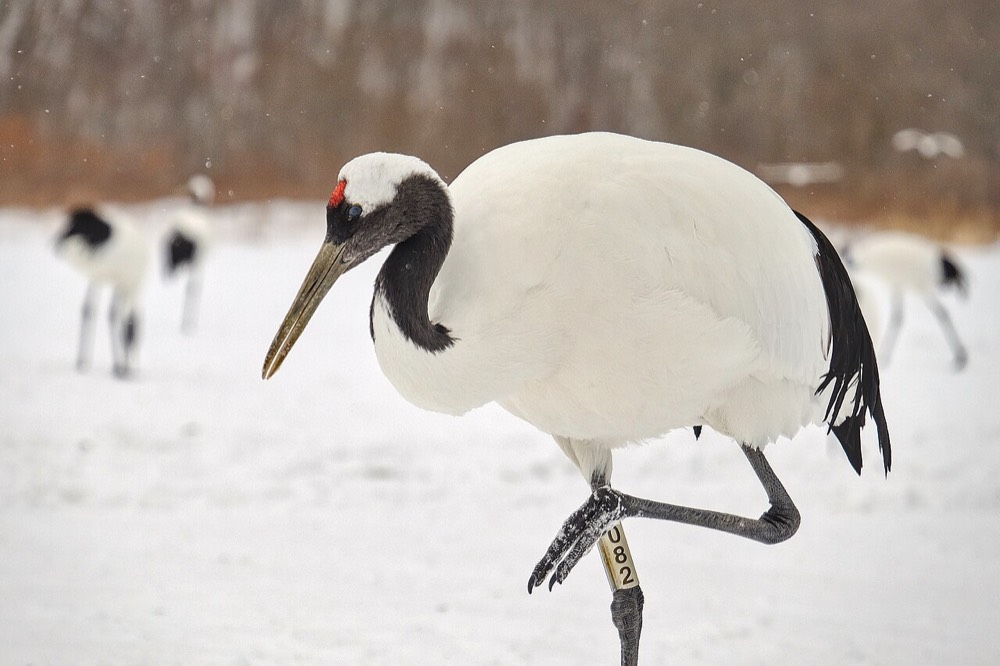
The Tsurui-Ito Tancho Sanctuary is managed by the Wild Bird Society of Japan. Its nature center is open from October 1 to March 30, 9:00–16:00, with free admission; it is closed every Tuesday and Wednesday and the first Thursday of each month (open if that Thursday is a holiday), and also December 26 to January 1[8]. From Kushiro Station, take the Tsurui Line toward "Green Park Tsurui" for about 60 minutes, get off at "Yakuba-mae" and walk about 10 minutes[8]. Avoid Tuesdays and Wednesdays when planning.
Tsurui Line departures from Kushiro Station are at about 8:45 (10 minutes later on weekends and holidays), 10:25, 13:15, 14:35 and 16:35, reaching Tsurumidai in about 56 minutes; return buses leave Tsurumidai at about 8:29, 10:34, 12:09, 14:49 and 16:17. Fares from Kushiro Station are 690 yen to the Marsh Observatory, 1,020 yen to Tsurumidai and 1,280 yen to the terminus at Green Park Tsurui[7].
Otowa Bridge: the dawn river roost
Otowa Bridge is a small bridge over the Setsuri River, and the shallows downstream are the cranes' winter roost. Before dawn the flock stands in the river resting; after sunrise the birds wake up and gradually fly off to the feeding grounds.
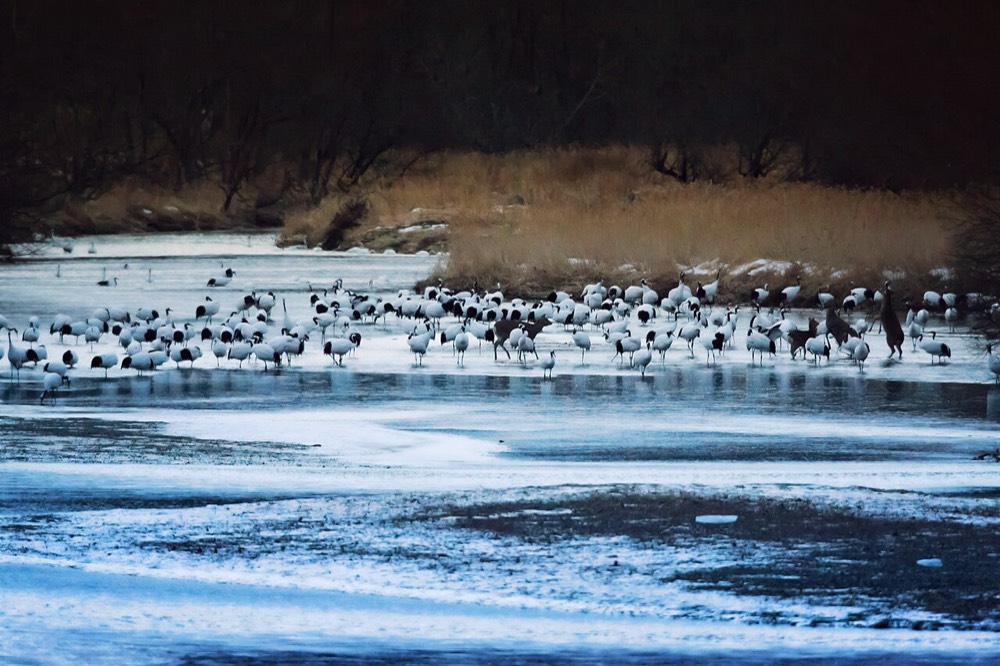
Photographers chase calm, clear mornings below minus 10°C, when steam fog (kearashi) rises off the river and bankside branches turn white with hoarfrost. No buses run at that hour, so you need to drive, hire a taxi or join an early tour from Kushiro. The bridge sidewalk is narrow: keep yourself and your tripod out of the roadway, and expect parking to fill quickly on winter weekend mornings.
Kushiro City Red-Crowned Crane Natural Park: cranes all year
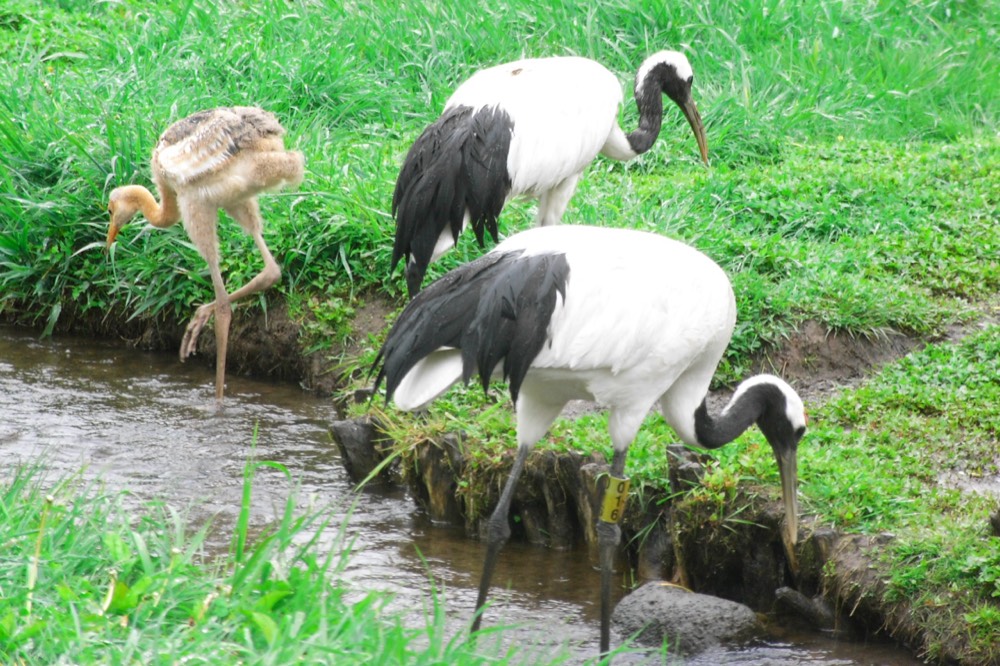
This is a facility for keeping and breeding cranes, with pairs housed in separate enclosures along a path of about 500 meters. In winter (October 15 to April 9) it is open 9:00–16:00, closed December 31 to January 3, with admission of 480 yen for adults and 110 yen for elementary and junior high students[10]. It is about 10 minutes by car from Kushiro Airport, or about 60 minutes by Akan Bus from Kushiro Station to "Tsuru Koen"[10]. These are captive birds, so it suits summer visitors or anyone short on time; in winter, when wild flocks are around, put the three feeding grounds first.
SL Fuyu-no-Shitsugen 2027: operating days, timetable and booking
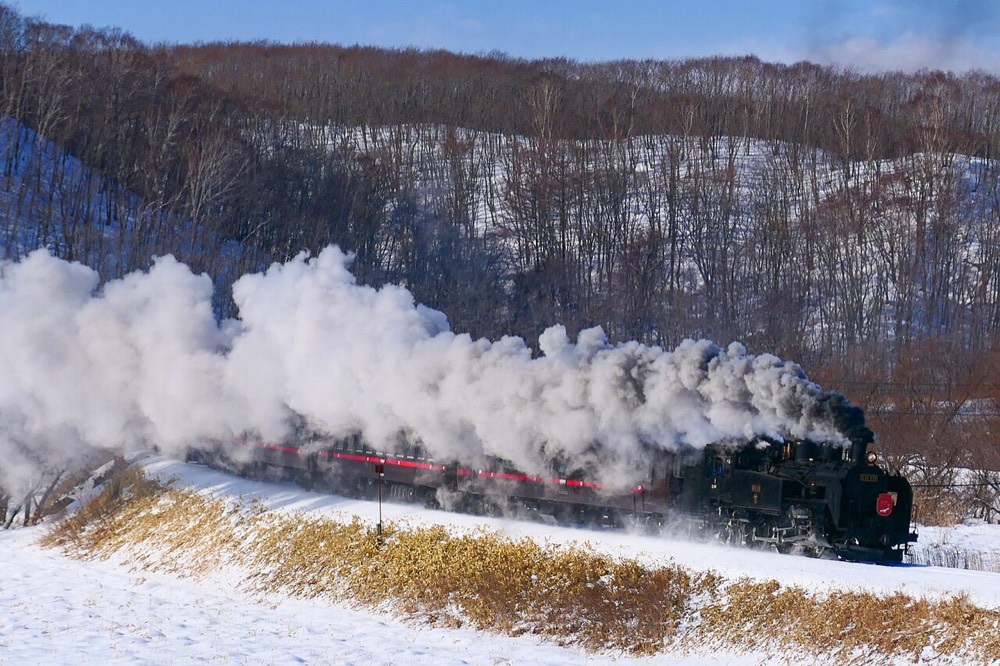
The SL Fuyu-no-Shitsugen ("Winter Wetland") is a JR Hokkaido sightseeing train that runs on the Senmo Line in winter, all seats reserved, from Kushiro along the Kushiro Marsh to Shibecha. JR Hokkaido's official site currently (as of October 2026) lists these 2027 operating days[1]:
| Item | Details |
|---|---|
| January | 16, 17, 22–24, 29–31 |
| February | 5–7, 11–14, 19–21, 23, 26–28 |
| March | 6, 7, 13, 14 |
| Outbound | Dep. Kushiro 11:05 → arr. Shibecha 12:35 |
| Return | Dep. Shibecha 14:00 → arr. Kushiro 15:42 |
| Stops | Higashi-Kushiro, Kushiro-Shitsugen, Toro, Kayanuma |
| Fare | Kushiro–Shibecha 3,060 yen one way (1,380 fare + 1,680 reserved seat) |
The timetable and stops come from JR Hokkaido's winter sightseeing train notice[2]. Nearly all operating days are weekends and holidays, so weekday travelers should check dates first. The official site also notes that the fare stays the same if the locomotive is changed[1]; in the past the train has at times been pulled by a diesel locomotive, so if riding behind steam matters to you, watch the announcements.
How to book: four steps
- Tickets go on sale one month before travel at JR ticket offices (Midori-no-Madoguchi) nationwide or on JR East's Ekinet[1]. Late January and February weekends are popular, so book on the first day of sale.
- If you use Ekinet, you can book just a ticketless reserved seat for conventional lines with no need to collect anything, but you still need a separate fare ticket. JR recommends buying the fare ticket on Ekinet as well and collecting a paper ticket from a reserved seat ticket machine[1].
- Hokkaido Rail Pass holders: the pass covers the fare, but JR Hokkaido states you must buy a separate reserved seat ticket for the SL Fuyu-no-Shitsugen, and sightseeing trains cannot be reserved through the pass's online seat booking, so go to a station ticket office[3].
- Arrive early on the day: JR warns that ticket counters and machines at Kushiro and Shibecha get crowded before departure, and IC cards cannot be used at the stations along the way[1].
You get about 1 hour 25 minutes in Shibecha, enough for lunch near the station before taking the same train back. Photographers should note that JR explicitly asks people not to enter tracks, level crossings or private land and not to park illegally[1].
Eastern Hokkaido in winter: getting to Kushiro from Sapporo or the airport
From Sapporo, the JR Limited Express Ozora takes about 4 hours; a reserved seat costs 10,320 yen one way (as of October 2026)[13]. A round trip tops 20,000 yen, so if you are doing other long rides, consider the Hokkaido Rail Pass. You can also fly direct to Tancho Kushiro Airport from Tokyo and elsewhere; the Akan Line from the airport to Kushiro Station costs 950 yen and takes about 45–50 minutes[7].
If you would rather not juggle connections, Akan Bus runs the "White Pirika" sightseeing bus daily from January 9 to March 31, 2027. It leaves Kushiro Station bus terminal at 8:30 and stops first at Tsurumidai (20 minutes), then Sunayu on Lake Kussharo, Mt. Io, and Lake Mashu's first observation deck, arriving at Akanko Onsen at 15:15 for 60 minutes of free time, Kushiro Airport at 17:20 and Kushiro Station at 18:00[6]. Adults pay 8,000 yen for the Kushiro round trip, 7,500 yen to get off at the airport or 7,000 yen to get off at Lake Akan, lunch included, and the official site has an English booking page[6]. Twenty minutes at Tsurumidai is short for serious watching or photography, but it lets you combine cranes and the three lakes of eastern Hokkaido in one day.
What to watch for if you drive
Eastern Hokkaido roads are often icy in winter, and "black ice" at dawn and after dark looks like dry pavement but is extremely slippery; wild sika deer also dart into the road. The dawn trip to Otowa Bridge falls at the coldest, darkest time of day, so if you lack snow-driving experience, take a taxi or a tour instead. Driving in Japan requires an International Driving Permit or an official Japanese translation of your licence, depending on where your licence was issued, so check the rule that applies to you; for getting around Hokkaido by public transport, see Hokkaido without a car.
What else to see in the Kushiro Marsh in winter
Beyond the cranes, the winter Kushiro Marsh is worth seeing in its own right: reed beds buried in snow, white mist rising from unfrozen stretches of the Kushiro River, and on clear days a landscape of blue and white.
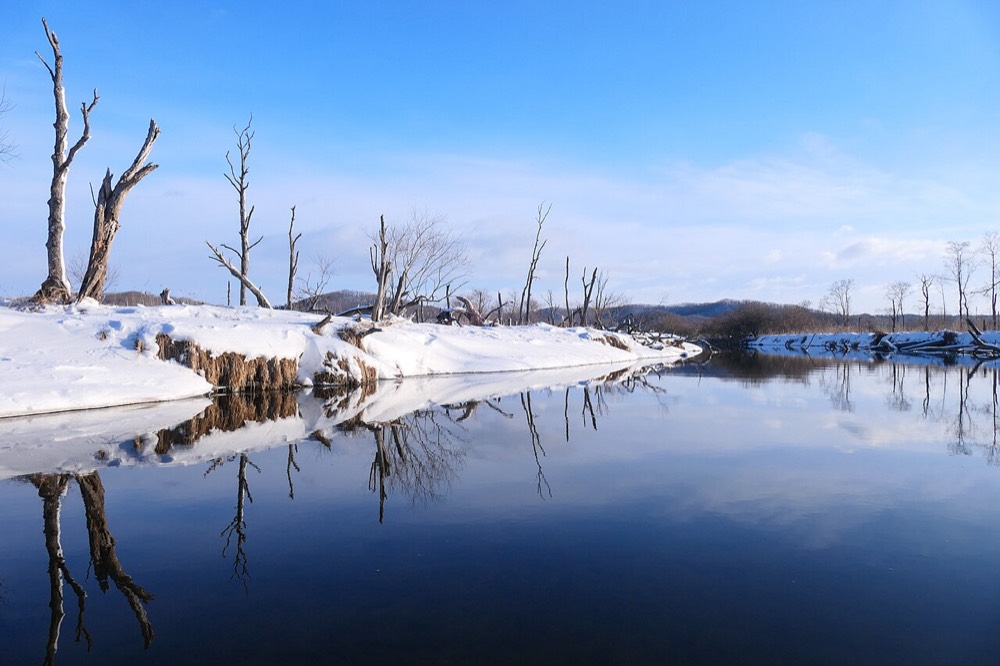
- Hosooka Observation Deck: about 10 minutes on foot from JR Kushiro-Shitsugen Station, overlooking the Kushiro River winding through the marsh and famous for sunsets; the Hosooka Visitors Lounge next to it is open 10:00–16:00 from October to March and closed over New Year[14]. The SL Fuyu-no-Shitsugen stops at Kushiro-Shitsugen Station, but regular trains are infrequent, so check your return train first.
- Kushiro City Marsh Observatory: on the Tsurui Line (about 40 minutes from Kushiro Station, 690 yen), and easy to combine with Tsurumidai on the same bus trip[7].
With more time, head north from Kushiro to the Abashiri drift ice; February is the month when both cranes and drift ice are around. Besides the White Pirika, Akan Bus also runs the "Kushiro Shiretoko" bus in February from Kushiro via Lake Akan and Mashu to Abashiri and Utoro[6].
Two-day Kushiro crane itinerary and costs (no car)
This example assumes a Saturday and Sunday when the SL runs, staying near Kushiro Station the night before. Bus times are from timetables checked in November 2026[7]; confirm before you go.
| Time | Day 1: SL + city | Time | Day 2: Akan cranes, then fly out |
|---|---|---|---|
| 9:00 | Breakfast in town, head to Kushiro Station | 10:10 | Akan Line from Kushiro Station |
| 10:30 | Collect tickets and line up (counters get busy) | 11:22 | Get off at "Tancho-no-Sato", visit Grus |
| 11:05 | SL Fuyu-no-Shitsugen departs | 11:30 | About 1.5 hours with the cranes at the observation center |
| 12:35 | Arrive Shibecha, lunch near the station | 13:23 | Board the Akan Line |
| 14:00 | Board the return train | 14:05 | Get off at Kushiro Airport for an afternoon flight |
| 15:42 | Back in Kushiro, dinner in town (robatayaki) | — | If not flying, back at Kushiro Station 14:55 |
To fit in Tsurumidai, swap Day 2 for the White Pirika (from January 9) or add a half day: take the 8:45 Tsurui Line bus (8:55 on weekends) and return from Tsurumidai at 10:34. By local bus, you can realistically do only one crane spot per day, because the Akan and Tsurui lines head in different directions and run infrequently.
| Item | Cost (yen) |
|---|---|
| Kushiro Airport → Kushiro Station (on arrival) | 950 |
| SL Fuyu-no-Shitsugen Kushiro–Shibecha round trip (fare + reserved seat) | 6,120 |
| Kushiro Station → Tancho-no-Sato (Akan Line) | 1,480 |
| Akan International Crane Center admission | 480 |
| Tancho-no-Sato → Kushiro Airport (730 yen for the same section in the opposite direction; pay what the onboard display shows) | 730 |
| Total (excluding lodging and meals) | 9,760 |
If you take the White Pirika instead, Day 2 transport plus lunch is 8,000 yen for the Kushiro round trip or 7,500 yen getting off at the airport. It costs more than local buses but adds Lake Mashu and Lake Akan.
What to wear for crane watching, plus photo and viewing etiquette
Japan Meteorological Agency normals for Kushiro give an average daily minimum of minus 9.8°C in January and minus 9.4°C in February[11]; inland Tsurui is usually colder than the city at dawn, and standing still for an hour at Otowa Bridge or a feeding ground feels far colder than the numbers suggest. The essentials are thick-soled non-slip snow boots, a hat that covers your ears, thin gloves you can operate a camera with under mittens, and spare camera batteries (cold drains them fast). For full layering advice, see what to wear in Hokkaido in winter; for December weather and planning, see Hokkaido in December.
The Ito Sanctuary's posted rules are the most specific[8], and they apply at the other feeding grounds too:
- Watch only from designated areas; do not walk into fields or cross fences, or the whole flock will take off.
- No flash: cranes startled by flashes have flown up and crashed into trees.
- Do not feed the cranes, and take all your rubbish with you.
- At Otowa Bridge, stay on the sidewalk and do not park illegally.
Who this trip suits, and who it doesn't
Good fit:
- Wildlife lovers and photographers willing to get up early or stand still for a shot.
- Anyone already in Hokkaido between January and March who wants two days in the east, away from the Sapporo crowds.
- Travelers hoping to see cranes and drift ice on the same trip (February).
Not a good fit:
- Those who can only travel April to October: no wild flocks, only the Natural Park.
- Car-free travelers with just one day: buses only cover one spot, so the White Pirika is a better bet.
- Anyone who dislikes the cold or does not want to spend long outdoors at minus 10°C, or who prefers indoor sightseeing; in that case the SL Fuyu-no-Shitsugen plus the indoor exhibits at the Akan International Crane Center is the easier combination.
Before you go
Three things to do before departure: check that your dates fall on an SL Fuyu-no-Shitsugen operating day and book exactly one month ahead; check the Akan International Crane Center's social media to see whether feeding has started and how many cranes are coming; and save your return bus times on your phone, because missing a bus in rural eastern Hokkaido often means waiting two or three hours for the next one.
FAQ
Which months are best for seeing red-crowned cranes in Kushiro?
For wild flocks, December to early March is the safest window. Cranes gather at the Akan and Tsurui feeding grounds, numbers are high and there is snow in the background. The Akan International Crane Center says 2026–27 feeding starts in December; last season it ended on March 12. From April the cranes disperse to nest, and only the captive birds at the Natural Park are easy to see.
Is there still a 2 p.m. fish feeding at the Akan crane center?
No. Many older guides mention a 2 p.m. fish feeding, but the official site says it stopped in December 2016 over bird flu concerns and there is no plan to resume it. Today corn is scattered around 8 a.m., with an afternoon top-up depending on conditions, and times can change on the day. Cranes usually stay around the feeding ground during the day, but numbers vary.
How do I book the SL Fuyu-no-Shitsugen, and does the Hokkaido Rail Pass cover it?
All seats are reserved. Tickets go on sale one month before travel at JR ticket offices (Midori-no-Madoguchi) or on Ekinet; Kushiro–Shibecha is a 1,380 yen fare plus a 1,680 yen reserved seat ticket. Hokkaido Rail Pass holders can ride, but JR Hokkaido states they must buy a separate reserved seat ticket, and sightseeing trains cannot be reserved online with the pass, so go to a station ticket office.
Can I see the cranes without a car?
Yes. The Akan Bus Tsurui Line reaches Tsurumidai from Kushiro Station in about 56 minutes for 1,020 yen; the Akan Line reaches Tancho-no-Sato (Akan International Crane Center) in about 1 hour 10 minutes for 1,480 yen. Buses are infrequent, so you can realistically do one crane spot per day. To see Tsurumidai plus Lake Mashu and Lake Akan in a day, take the White Pirika sightseeing bus, daily from January 9, 2027.
What time should I go to Otowa Bridge, and what should I watch out for?
Arrive before sunrise to watch the cranes wake up and take off from their roost in the Setsuri River. The best mornings are calm, clear and below minus 10°C, when mist rises off the river and trees are coated in frost. No buses run at that hour, so drive, take a taxi or join an early tour. Stay on the bridge sidewalk and never set up a tripod in the roadway.
Sources
- JR Hokkaido: SL Fuyu-no-Shitsugen operating information: 2027 operating days, Kushiro–Shibecha fare, sale one month ahead, where to buy and photography rules (as of October 2026)
- JR Hokkaido: Winter sightseeing train notice (Simplified Chinese PDF): SL Fuyu-no-Shitsugen timetable and stops
- JR Hokkaido: Hokkaido Rail Pass (official Chinese page): Separate reserved seat ticket required for the SL; sightseeing trains cannot be reserved online
- Akan International Crane Center Grus official website: 2026–27 feeding starts in December, corn around 8 a.m., 2 p.m. fish feeding discontinued
- Kushiro Tourism & Convention Association: Akan International Crane Center Grus: Opening hours, admission and winter hours of the observation center
- Akan Bus: White Pirika: Runs January 9 to March 31, 2027; route and fares
- Akan Bus: Route buses (Akan Line and Tsurui Line timetables and fare tables): Departures and fares Kushiro Station–Tancho-no-Sato and Tsurumidai (checked November 2026)
- Wild Bird Society of Japan, Tsurui-Ito Tancho Sanctuary: visitor information: Nature center opening days, free admission, viewing rules and access
- tenki.jp: Tsurumidai: Feeding times, free viewing, bus stop and parking
- Kushiro City Red-Crowned Crane Natural Park: Winter hours, closing days, admission and access
- Japan Meteorological Agency: Kushiro climate normals (1991–2020): Average daily minimum temperatures, January–March
- Hokkaido Shimbun: Outlook for crane conservation (March 18, 2026): Downgraded to Near Threatened, state feeding continues for now, 1,864 wild cranes counted
- Limited Express Ozora fare table (jr-group.jp): Sapporo–Kushiro reserved seat 10,320 yen (as of October 2026)
- Visit Hokkaido: Hosooka Observation Deck: About 10 minutes on foot from JR Kushiro-Shitsugen Station; visitor lounge winter hours
Fares, opening hours and event dates can change. Information checked on 2026.11.06; please confirm with official sources before you go.