Zao Snow Monsters 2027: Best Months, Ropeway and Night Light-up, Getting There from Sendai and Yamagata, and What to Wear
When are Zao's snow monsters best? Peak months, Zao Ropeway fares and hours, past light-up dates, the night snow cat tour, buses from Yamagata and Sendai, Zao Onsen.
Quick answer
Zao's snow monsters start growing in January, peak in February and break down after temperatures rise in March, so late January to late February is best. On the Yamagata side, the Zao Ropeway to Jizo Sancho Station (1,661 m) costs 4,400 yen round trip for adults; the lower line runs 8:30–17:00 and the last ride up to the summit leaves at 16:00. The 2026–27 night light-up dates are not yet announced; for reference, the 2025–26 season ran on selected days from December 27, 2025 to February 22, 2026, 17:00–21:00. The Yamako bus from Yamagata Station takes about 40 minutes and costs 1,200 yen.
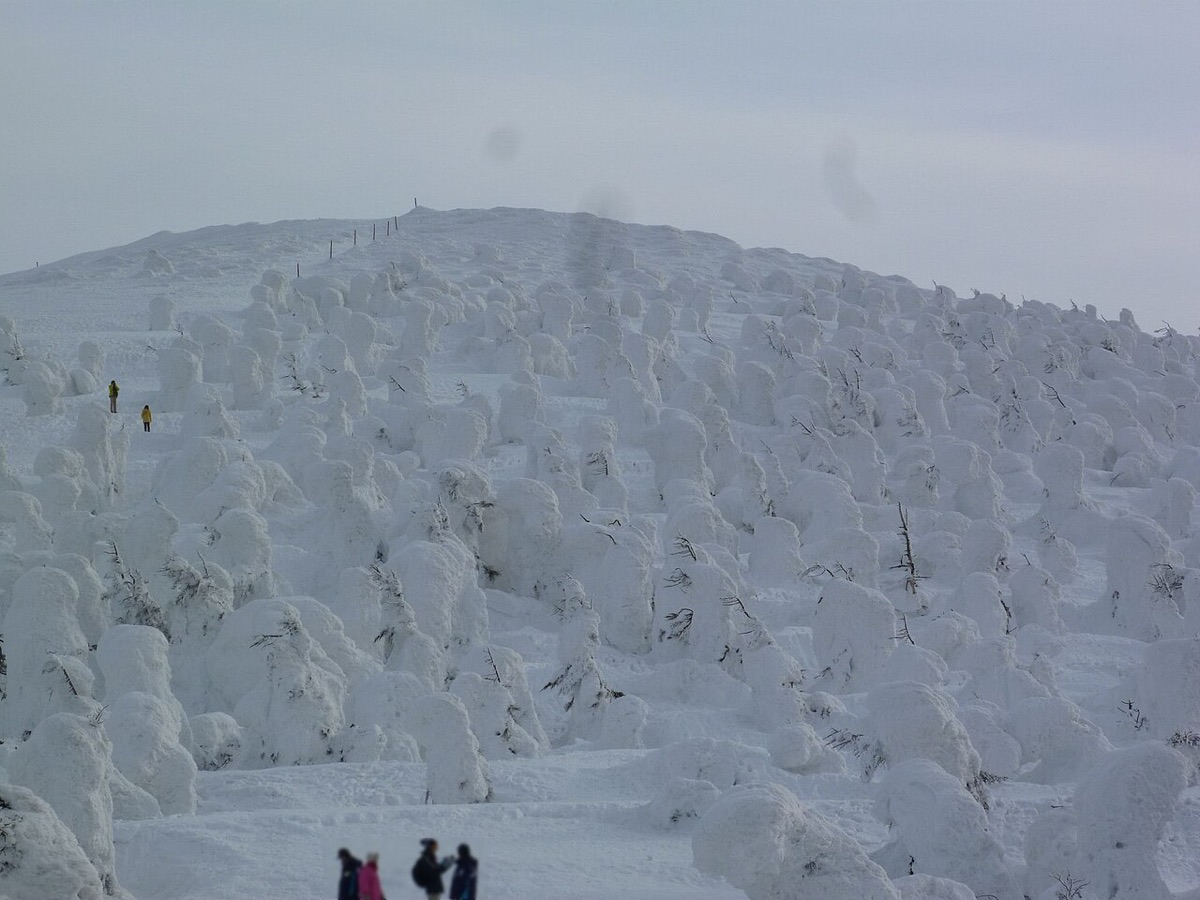
The Zao snow monsters are one of Tohoku's most famous winter sights: on the Zao mountain range on the border of Yamagata and Miyagi, whole forests of conifers are wrapped in ice and snow into "snow monsters". This guide covers the best months for Zao's snow monsters, fares and hours for the Zao Ropeway on the Yamagata side, past dates for the night light-up, how to get there from Yamagata Station and Sendai, and how to stay warm on a summit that sits well below freezing, so you can plan a smooth Zao trip in winter 2027.
When are the Zao snow monsters at their best? February is the peak
Bottom line: Zao's snow monsters start growing in January, are most impressive in February, and begin to thin and collapse in March, so late January to late February is the best time to go.
Zao's snow monsters (juhyo) are not just snow piled on trees but a special weather phenomenon. According to the Zao Ropeway[2], northwest monsoon winds from Siberia pick up moisture over the Sea of Japan, and the clouds are full of "supercooled" droplets that stay liquid below 0°C. When they hit the subalpine Maries' fir (Aomori todomatsu), they freeze instantly, trap snowflakes layer after layer, harden, and eventually grow into giant ice and snow monsters.
| Period | Stage | What the trees look like |
|---|---|---|
| November–December | Early | Firs start to be coated with ice and snow and still look like trees |
| January | Growth | "Shrimp tail" ice grows on the windward side and snow builds up |
| February | Peak | Icing and snow build-up are strongest; large, rounded monsters form |
| March | Decline and collapse | Rising temperatures thin them, and rain can bring them down at once |
The table is based on the Zao Ropeway's description of how snow monsters form[2]. You can see them over the New Year too, but they are smaller; if you can go only once, February is the best time for complete snow monsters. For weather and events across Japan in January, see the Japan January travel guide.
How does the Zao Ropeway work? Fares, hours and route
Bottom line: to see the snow monsters, ride to Jizo Sancho Station (1,661 m), 4,400 yen round trip for adults, via two ropeway lines from the base station that take about 17 minutes in total.
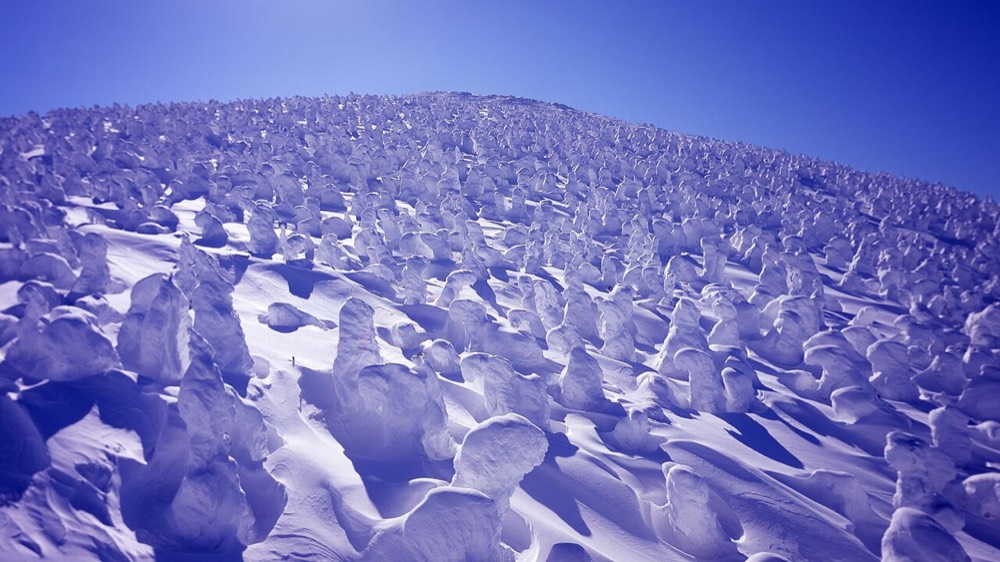
The Zao Ropeway has two sections: the lower line from Zao Sanroku Station to Juhyo Kogen Station takes about 7 minutes, and from Juhyo Kogen Station the upper line runs to Jizo Sancho Station in about 10 minutes[1]. The upper line uses a "Funitel", a twin-cable gondola common at European ski areas, which the operator says sways less in strong wind and has no step between the cabin and platform[1].
| Destination | Adult one way | Adult round trip | Child one way | Child round trip |
|---|---|---|---|---|
| Jizo Sancho Station (1,661 m) | 2,200 yen | 4,400 yen | 1,100 yen | 2,200 yen |
| Juhyo Kogen Station (1,331 m) | 1,200 yen | 2,200 yen | 600 yen | 1,100 yen |
Adults are junior high students and older, children are elementary school students, and preschoolers are counted separately[1]. Hours:
- Lower line: 8:30–17:00 (subject to change)
- Upper line: 8:45–16:45 (subject to change)
- Last ride up: with a round trip to Jizo Sancho Station, the last departure from the base is 16:00[1].
- Extra runs operate when busy, and service may stop in bad weather[1].
Pets are not allowed on the ropeway in winter, except assistance dogs[1]. If you drive, there are about 160 parking spaces near the base station, free on weekdays and 1,000 yen for regular cars over the New Year, weekends and holidays[4]; winter mountain roads are snowy and icy, so take the bus if you are not used to driving on snow.
Zao snow monster light-up 2027: dates not yet announced (past-season reference)
Bottom line: as of late October 2026, the Zao Ropeway has not announced the 2026–27 light-up dates. For reference, the 2025–26 season ran on selected days between December 27, 2025 and February 22, 2026, from 17:00 to 21:00[4].
The Zao Ropeway posted announcement pages for the light-up and the night snow cat tour on October 4, 2026, but dates and times are not yet listed. Here is how the 2025–26 season was scheduled, to give you a rough idea:
| Item | 2025–26 season (past-season reference) |
|---|---|
| Dates | 12/27–1/4, 1/9–11, 1/16–18, 1/23–25, 1/30–2/2, 2/6–9, 2/13–22 |
| Lighting hours | 17:00–21:00 |
| Ropeway fare | 4,400 yen for adults, 2,200 yen for children |
| Lights | 37 lamps at the summit station and along the line, including mercury, sodium and red, blue and green colored lights |
The dates, hours and fares above come from Rurubu's light-up listing[4]. They cluster around the New Year, weekends and long weekends, plus consecutive days from mid-February, so most weekday nights have no light-up; always check the official calendar before you plan.
The operator warns that it drops below -10°C on the mountain during the light-up, so dress fully for the cold; skis and snowboards cannot be taken up at night[2].
Juhyo Illusion Corridor: a heated snow cat to see the monsters at night
Besides viewing from the ropeway, the Zao Ropeway runs the "Juhyo Illusion Corridor" tour: a new heated snow cat, the Night Cruiser, leaves Juhyo Kogen Station, drives up to above tower No. 4 of the upper line and turns back, taking you close to the lit snow monsters[3].
- Operating times: 17:00–20:00, four departures a day (17:00, 18:00, 19:00 and 20:00).
- Duration: about 75 minutes in total, including about 30 minutes on the snow cat.
- It does not go to Jizo Sancho Station.
- Booking: online only, opening seven days before the date of use, generally at 14:00; no phone bookings[3].
- The tour is cancelled if the snow monsters collapse due to weather.
The 2026 snow cat price and dates are not yet posted as text on the official site, so check the official page directly.
Getting to the Zao snow monsters from Yamagata Station, Sendai and Tokyo
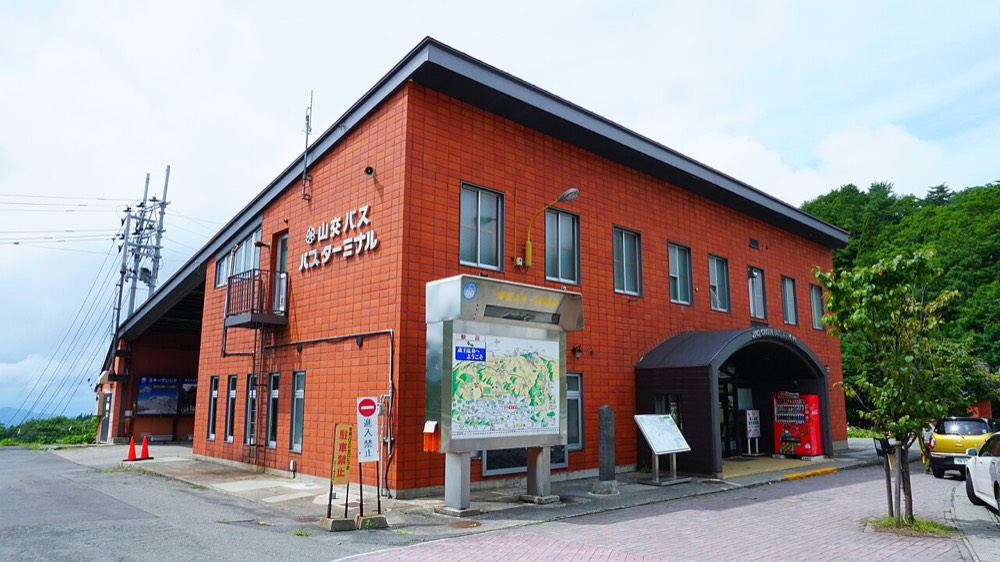
Bottom line: the usual route is to JR Yamagata Station, then the Yamako bus to Zao Onsen Bus Terminal, about 40 minutes and 1,200 yen; from Sendai there is a reservation-only direct bus in winter.
| From | Option | Time | Cost |
|---|---|---|---|
| JR Yamagata Station | Yamako Bus Yamagata–Zao line | About 37–45 minutes | 1,200 yen one way for adults, no round-trip discount[5] |
| Sendai Station East Exit | Yamako Bus Sendai–Zao line (winter, all reserved) | 8:00 departure arrives around 9:25 | 2,500 yen one way for adults[6] |
| Tokyo Station | Yamagata Shinkansen Tsubasa to Yamagata Station | About 2 h 26 min (varies by train) | Per JR East fares[9] |
About 13 buses a day run from Yamagata Station to Zao Onsen, with the first at 6:50 and the last at 18:55 from bus stop No. 1 at Yamagata Station; the last bus from Zao Onsen to Yamagata Station is 19:50[5]. The buses end at Zao Onsen Bus Terminal, about a 10-minute walk from the ropeway base station[4].
The Sendai–Zao line runs in winter only, leaving Sendai Station East Exit at 8:00 and 9:00, with an extra 10:00 bus on weekends and holidays (January 10–March 1); return buses leave at 15:30 and 16:30, plus 17:30 on weekends and holidays[6]. Check Yamako Bus's website for the actual 2026–27 operating period.
From Tokyo, the Yamagata Shinkansen Tsubasa takes about 2 hours 26 minutes to Yamagata as a standard guide[9]; for booking tips, see the Shinkansen booking guide. If you want to visit other parts of Tohoku on the same trip, compare whether the JR Pass is worth it, or look at JR East's regional passes instead.
Can you see snow monsters on the Miyagi side?
Yes. On the Miyagi side of the Zao range, Miyagi Zao Sumikawa Snow Park offers snow cat trips to the snow monster fields in winter (roughly mid-December to early March)[8]. No ropeway is involved, as the snow cat drives straight into the monster area, which suits older travelers or anyone who does not want to walk around a summit. There is a reservation-only shuttle from JR Sendai Station taking about 120 minutes[8]; check the resort's website for prices and each year's dates.
Zao Onsen: a strongly acidic sulfur bath after the snow monsters
Bottom line: Zao Onsen is the hot spring town around the ropeway base station, known for its strongly acidic sulfur water; it is best to stay a night here, seeing the monsters by day and the light-up by night, then going up again the next morning.
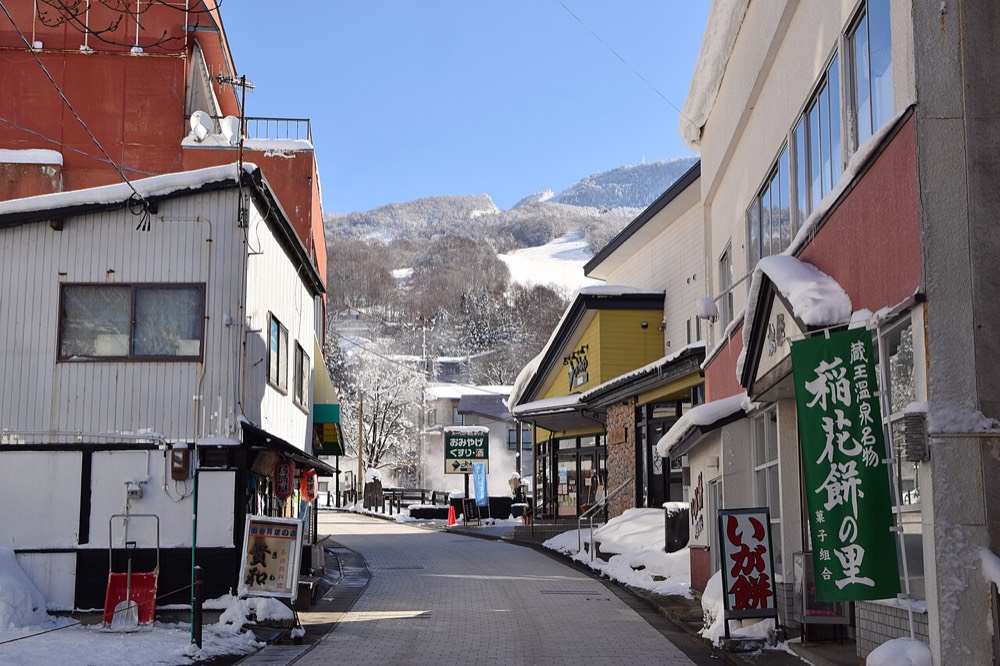
According to Rurubu, Zao Onsen's water is an acidic sulfur-bearing aluminum sulfate and chloride spring, with source temperatures of about 45–66°C, about 47 sources and a flow of about 5,700 liters per minute, and it is not for drinking[7]. The town has three public baths and a large outdoor bath that can hold about 200 people at once[7]; check the Zao Onsen Tourism Association website for its season and hours[10].
Tips for strongly acidic baths:
- Silver rings and necklaces tarnish easily, so take them off before bathing.
- If you have sensitive skin, rinse with fresh water afterward.
- Acidic springs are strong, so do not soak too long, and drink plenty of water afterward.
To compare Yamagata's other famous winter hot spring, see the Ginzan Onsen winter guide; both start from Yamagata Prefecture and fit into the same trip.
What should I wear for the Zao snow monsters? The summit is often below -10°C
Bottom line: in January and February the Zao summit averages about -10 to -15°C with average winds of 10–15 m/s and few clear days, essentially a world of blizzards, so wear ski-grade cold-weather gear[2].
The Zao Ropeway describes the winter summit as having winds mostly from the northwest to west in January and February, with very few clear days[2]. In wind like this, it feels much colder than the thermometer says. Suggested layers:
- Base layer: thermal top and bottoms, or quick-dry ski base layers.
- Mid layer: fleece or a down vest, plus fleece-lined trousers.
- Outer layer: a windproof, waterproof ski jacket and snow pants. An ordinary city down coat will not keep out the wind and snow.
- Accessories: a hat that covers your ears, a neck gaiter or face mask, waterproof gloves, and goggles or sunglasses.
- Footwear: waterproof, non-slip snow boots. The area around the summit station is snowfield, and sneakers will soak through.
- Other: heat packs, and a power bank, since phone and camera batteries drain fast in the cold.
The layering principle is the same as in Hokkaido, so see Hokkaido winter clothing, but the Zao summit is windier, so choose ski-grade outerwear.
Before you go: the smoothest way to plan the Zao snow monsters in 2027
- Aim for late January to late February; February is when the snow monsters are biggest.
- Stay one or two nights in Zao Onsen so that if strong winds stop the ropeway, you have another chance the next day.
- For the light-up, wait for the official 2026–27 dates; in past seasons it was mostly on weekends, long weekends and after mid-February, not necessarily on weekdays.
- The Juhyo Illusion Corridor snow cat opens online booking seven days before each date, and popular days fill quickly.
- The last ride up is at 16:00, so arriving in the afternoon is tight; go up in the morning if you can.
- Check the ropeway's operating status and live camera before setting out to confirm summit conditions.
FAQ
What is the best month to see the Zao snow monsters?
The Zao Ropeway describes four stages: ice starts coating the trees in November–December, January is the growth stage, February is the peak when icing and snow build-up are strongest, and in March the monsters thin out and can collapse after a single rain. For large, complete snow monsters, aim for late January to late February.
How much is the Zao Ropeway, and which station should I ride to?
For the snow monsters, buy a ticket to Jizo Sancho Station (1,661 m): 4,400 yen round trip for adults and 2,200 yen for children. A round trip only to the mid-point Juhyo Kogen Station is 2,200 yen for adults. Junior high students and older pay adult fares. The lower line runs 8:30–17:00 and the upper line 8:45–16:45; the last ride up on a summit round trip leaves the base at 16:00.
When is the Zao snow monster light-up in 2027?
As of late October 2026, the Zao Ropeway has not announced the 2026–27 light-up dates or hours. For reference, the 2025–26 season ran on selected days from December 27, 2025 to February 22, 2026, from 17:00 to 21:00, with the ropeway at 4,400 yen for adults. Follow the ropeway's website once dates are released.
How do I get to the Zao snow monsters from Sendai?
In winter, Yamako Bus runs a Sendai–Zao line from Sendai Station East Exit directly to Zao Onsen. All seats are reserved, it costs 2,500 yen one way for adults, and the 8:00 departure arrives around 9:25. You can also take JR or a highway bus to Yamagata Station and change to the local bus to Zao Onsen. Another option is Sumikawa Snow Park on the Miyagi side, with a reservation-only shuttle from Sendai Station.
Does the ropeway stop in bad weather?
Yes. The operator states it may suspend service due to weather. At the summit in January and February, average wind speeds are 10–15 m/s and average temperatures -10 to -15°C, with few clear days, so in strong winds and blizzards the ropeway may run only to the mid-point station or stop entirely. Stay at least one night in Zao Onsen so you have a second chance, and check the ropeway's live operating status before you go.
Sources
- Zao Ropeway: Fares and hours: Fares by section, hours, last ride up, travel times and suspension notes
- Zao Ropeway: Snow monsters and light-up: How snow monsters form, monthly growth stages, winter summit weather, light-up overview
- Zao Ropeway: Juhyo Illusion Corridor tour: Night snow cat route, operating times, duration and booking
- Rurubu&more: Juhyo light-up: 2025–26 light-up dates, hours, ropeway fare, parking and access
- Yamako Bus: Yamagata–Zao line timetable: Fare, frequency and first and last buses from Yamagata Station to Zao Onsen
- Yamako Bus: Sendai–Zao line (winter): Winter reservation-only direct bus from Sendai Station East Exit to Zao Onsen
- Rurubu&more: Zao Onsen: Spring type, number of sources, public baths and the large outdoor bath
- Walkerplus: Miyagi Zao Sumikawa Snow Park: Miyagi-side snow cat season and Sendai Station shuttle
- JR East: Yamagata Shinkansen Tsubasa: Tokyo–Yamagata travel time
- Zao Onsen Tourism Association: Access: Bus and airport shared taxi information
Fares, opening hours and event dates can change. Information checked on 2026.10.25; please confirm with official sources before you go.