Sanjusangendo Guide: Tickets, Opening Hours, the 1,001 Kannon, January Toshiya Archery and Nearby Routes
Sanjusangendo costs 600 yen and opens 9:00–16:00 in winter. How to see the 1,001 Kannon, the no-photo rule, charms, access from Kyoto Station and the January Toshiya.
Quick answer
Sanjusangendo (Rengeo-in Hondo) costs 600 yen for adults, 400 yen for junior high and high school students and 300 yen for elementary pupils. It opens 9:00–16:00 from Nov 16 to Mar 31 and 8:30–17:00 from Apr 1 to Nov 15, with entry ending 30 minutes before closing. Photography is banned inside the hall; allow 40–60 minutes. The 2026 Toshiya (Omato Taikai) was held on Jan 18 with free admission; third-party sources list Jan 17 (Sun) for 2027, but the temple has not announced it yet (checked November 2026).
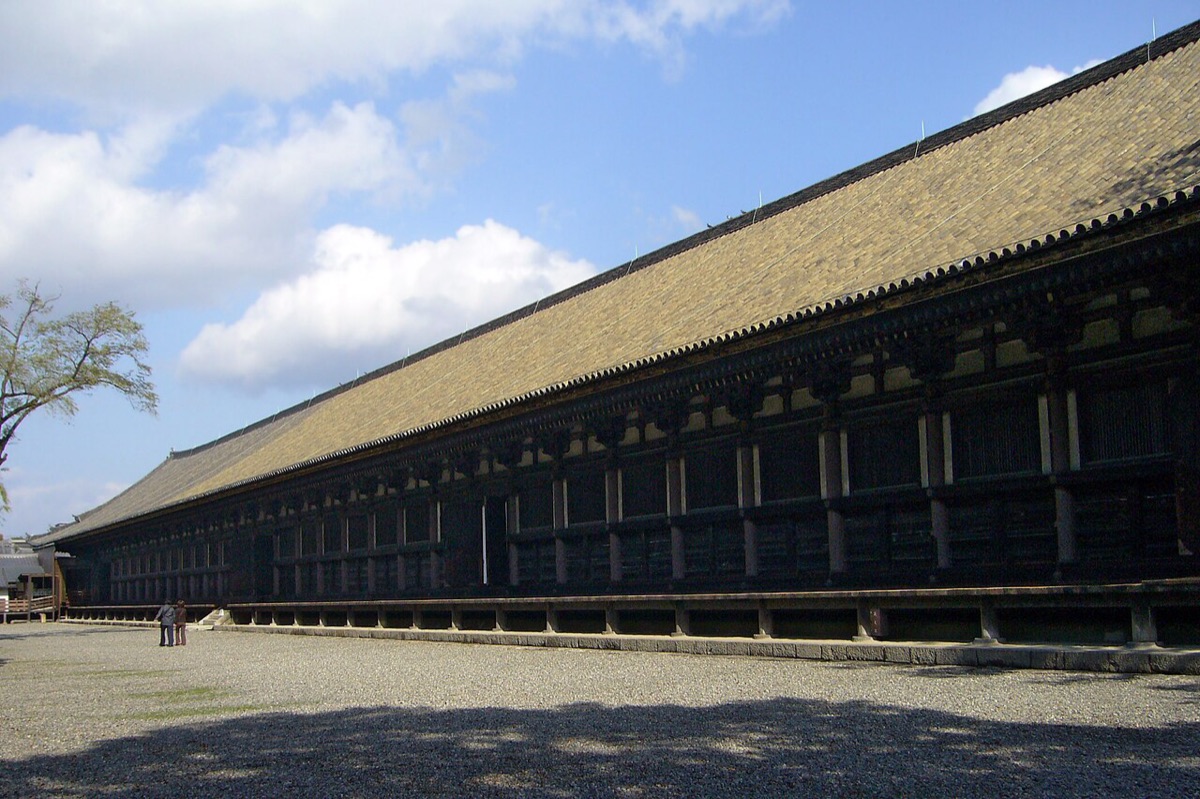
Sanjusangendo (三十三間堂, officially "Rengeo-in Hondo") is a Tendai temple in Kyoto's Higashiyama Shichijo area, famous for a wooden main hall about 120 meters long lined with more than a thousand golden Thousand-armed Kannon statues. This guide covers Sanjusangendo tickets, the different summer and winter opening hours, how to pace yourself inside, the dates of the January Omato Taikai (Toshiya archery) and Yanagi no Okaji ritual, access from Kyoto Station and nearby routes, so you can decide which day to go and how long to stay.
Sanjusangendo Tickets and Opening Hours (Winter 2026)
In short: adults pay 600 yen; winter hours (Nov 16–Mar 31) are 9:00–16:00 and summer hours (Apr 1–Nov 15) are 8:30–17:00, and the temple is open essentially year-round[1][2]. The temple announced revised hours from April 2026; some older sources list an 8:00 summer opening, but 8:30 is now correct.
| Ticket | Individual | Group of 25+ |
|---|---|---|
| General (adult) | 600 yen | 550 yen |
| Junior high and high school students | 400 yen | 350 yen |
| Elementary school students | 300 yen | 250 yen |
| Period | Opens | Closes | Last entry |
|---|---|---|---|
| April 1 – November 15 | 8:30 | 17:00 | 16:30 |
| November 16 – March 31 | 9:00 | 16:00 | 15:30 |
Visitors showing a disability certificate pay half price, as does one companion[2]. A few days each year are free for everyone, most commonly the January Omato Taikai and the March 3 Shunto-e[3][5], but those days are so crowded that they are a poor choice if you want to look at the statues in peace.
How much does a visit cost?
For one adult starting from Kyoto Station: a city bus fare of 230 yen (November 2026 fare) each way plus 600 yen admission comes to 1,060 yen. If you walk there and take the Keihan line onward, the train fare depends on your destination. For bus and subway fares and the progress of the planned 2027 resident-priority fares, see the Kyoto transport guide.
How to See the 1,001 Kannon: Route and Highlights Inside the Hall
The hall works one way: you remove your shoes at the north entrance, walk the roughly 120-meter corridor from north to south, and exit at the south end. Give it about 40 minutes and move from the big picture to the details, or you will only remember "lots of golden statues."
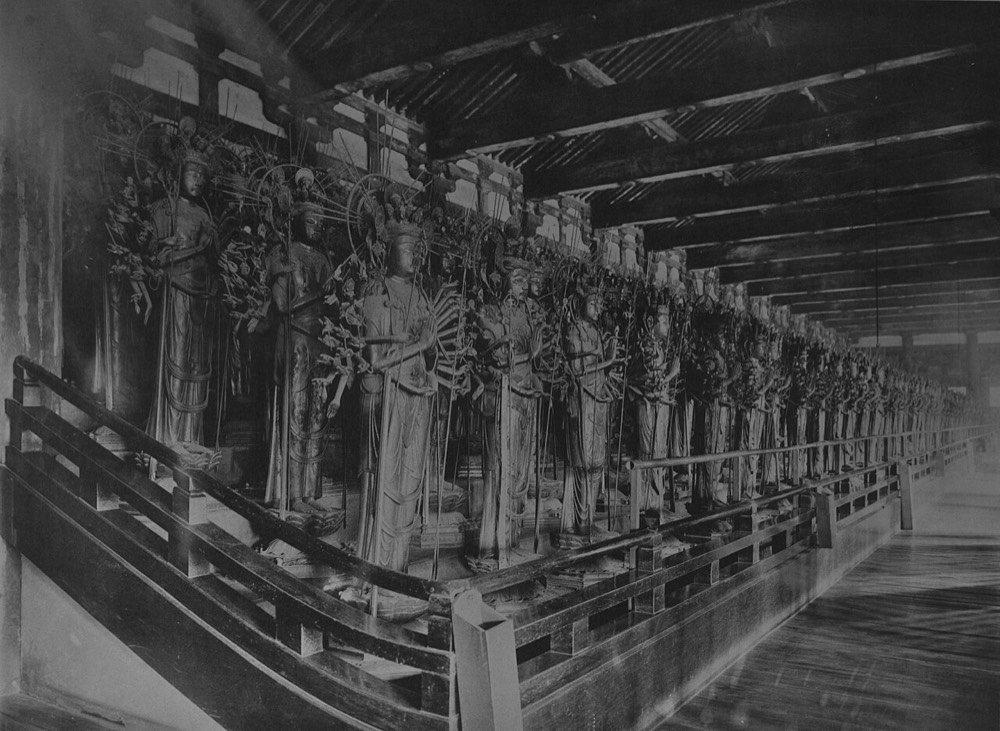
The central seated Kannon and the thousand standing figures
At the center of the hall is a large seated Thousand-armed Kannon (the Chuson), believed to have been completed around 1255 under the Kamakura-period sculptor Tankei, carved from joined cypress blocks and finished in lacquer and gold leaf[8]. On either side stand 500 life-size Thousand-armed Kannon, arranged in tiers; together with the Chuson they number more than a thousand. Sanjusangendo was founded in 1164 at the wish of retired Emperor Go-Shirakawa, burned in 1249 and was rebuilt in 1266; some of the standing figures survive from the original temple and the rest were made during the rebuilding[8]. The thousand standing Kannon were designated a National Treasure in 2018.
Three things to do while you look:
- Stand at one end of the corridor and look down its length to feel the perspective of the endless rows, something photos cannot capture.
- Pause in front of the Chuson and compare its size and expression with the standing figures.
- Look for "the one that resembles someone you know." Popular lore says one of the thousand Kannon will look like a person you long to see, a small pleasure many Japanese visitors enjoy.
Fujin, Raijin and the Twenty-Eight Attendants
The row of 30 statues in front of the thousand Kannon consists of the Twenty-Eight Attendants plus the Wind God (Fujin) and Thunder God (Raijin), all regarded as followers of the Thousand-armed Kannon and protectors of Buddhism[7]. Fujin and Raijin stand at the two ends: Fujin kneels on a cloud-shaped pedestal with a bag of wind over his shoulders, and Raijin is ringed by drums[7]. The composition of Tawaraya Sotatsu's famous Wind God and Thunder God screens is often said to have been inspired by these statues, so art lovers should look closely.
Each of the Twenty-Eight Attendants has a different pose, weapon and expression, carved in the realistic Kamakura style that contrasts sharply with the gentle Heian-style Kannon behind them[7]. Missha Kongo and Naraen Kengo, next to Fujin and Raijin, are the most muscular, and they belong to the same family of guardians as the Nio statues at temple gates. The temple suggests crouching a little and looking up at the statues' crystal eyes to feel their full intensity.
No photos inside: where can you shoot?
Photography and video are completely banned inside the main hall, phones included, and staff will remind you. You can photograph outside:
- Outside the west veranda: the best angle for showing how long the hall is, and the spot where Toshiya archery takes place.
- The east garden and pond: the front of the hall with the garden.
- The Nandaimon gate and Taiko wall: a gate and earthen wall from Toyotomi Hideyoshi's era on the south side of the grounds.
Sanjusangendo Toshiya "Omato Taikai" and Yanagi no Okaji (January)
In short: the Omato Taikai is held on a Sunday in mid-January, the temple is free all day, and the Yanagi no Okaji ritual takes place inside the hall on the same day. In 2026 it fell on January 18 (Sun)[3]; for 2027, the official date has not been announced, and the following is based on previous years.
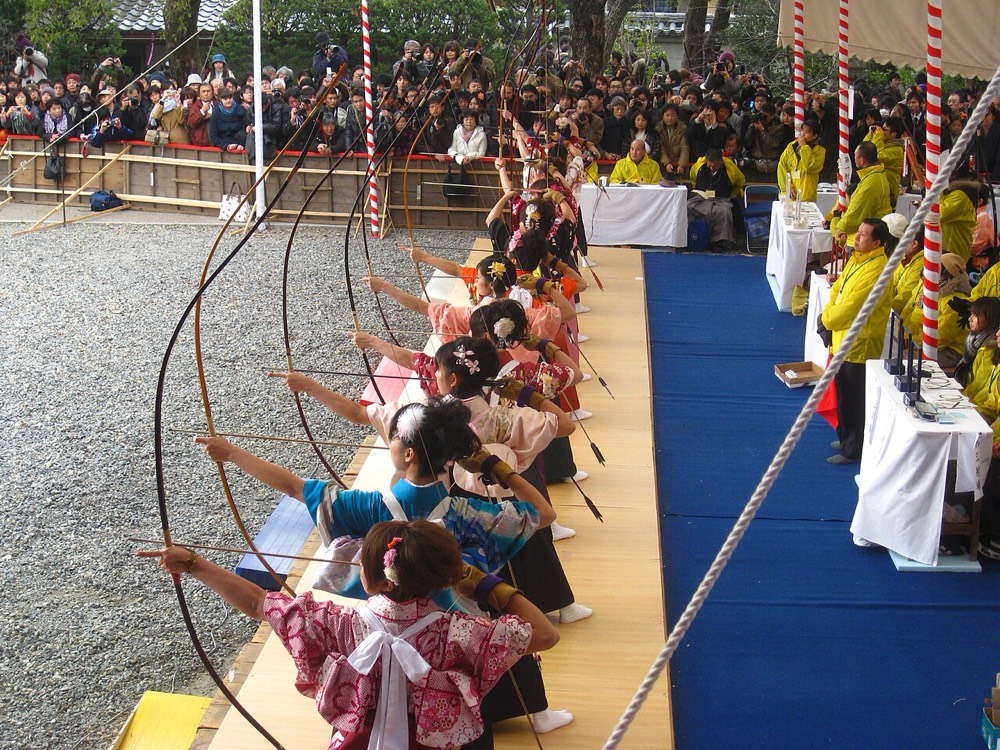
| Item | 2026 (held) | 2027 (expected) |
|---|---|---|
| Date | January 18 (Sun) | Third-party sources say January 17 (Sun); not announced by the temple |
| Opening hours | 9:00–15:30 (per Kyoto City Official Travel Guide) | Per temple announcement |
| Admission | Free | Free in past years; per temple announcement |
| Same-day event | Yanagi no Okaji | Held the same day in past years |
| Parking | Closed | Closed in past years |
What is Toshiya, and what do you see today?
"Toshiya" was originally an Edo-period contest held under the eaves of the hall's west side, shooting arrows from south to north over about 120 meters to see how many could pass through in a day and a night. The most famous record belongs to Wasa Daihachiro of the Kishu domain in 1686, who shot 13,053 arrows and sent 8,133 through, still regarded as the all-time best.
Today's "Sanjusangendo Omato National Tournament" is a later format: in a range beside the west veranda, archers shoot at a target about 1 meter across from 60 meters away; 2026 was the 76th tournament. Competitors include kyudo archers who have just come of age, and women drawing bows in furisode and hakama are the scene most often seen in news photos.
How to watch
- No seating: spectators walk along a one-way route and see only part of the action without stopping for long.
- No entry before 9:00: the opening ceremony and demonstration shots finish before the gates open, so arriving early only means queuing outside.
- Don't drive: the temple car park is closed that day; buses and the Keihan line are easiest.
- Leave luggage elsewhere: crowds make suitcases impractical, so use lockers at Kyoto Station.
Yanagi no Okaji: a water-sprinkling rite for headache relief
Yanagi no Okaji is one of Sanjusangendo's most important rites: monks use a willow branch, regarded as a sacred tree, to sprinkle holy water blessed before Kannon onto worshippers' heads, praying for good health; it has long been said to be especially effective against headaches[4][10]. The rite takes place inside the hall, so you remove your shoes and queue; in 2026 it ran from 9:00 to 15:30[4]. This is why Sanjusangendo is known as a temple for headache relief.
Is There a Night Visit at Sanjusangendo? Other Special Openings
There is no regular night visit. The temple held its first special night viewing on November 22–24, 2025, from 17:00 to 19:00 with a 2,000-yen ticket; visitors watched the lit interior through the opened screens from the east garden and heard monks' chanting, but could not enter the hall[6][9]. As of November 23, 2026, the official website had no night-visit announcement, so whether it returns depends on the temple[1].
If you want an evening in Higashiyama, plan Kiyomizu-dera's or Kodaiji's seasonal night viewings instead and keep Sanjusangendo for the daytime.
Besides the January Omato Taikai, another date worth noting is the March 3 "Shunto-e": held on a day of repeated threes, it offers free admission, flower offerings and an exhibition by the Ikenobo school of ikebana, and a women-only peach charm[5]. Whether it is held again on March 3, 2027 is subject to the temple's announcement.
Sanjusangendo Charms (Omamori) and Goshuin
Thanks to the Yanagi no Okaji tradition, charms linked to headache prevention are the specialty here, and goshuin stamps are also available. Items and prices change from time to time and the official site does not list them, so check the notices on site. Limited-edition goshuin have been offered on special occasions such as the 2025 night viewing, but not on ordinary days.
How to Get to Sanjusangendo from Kyoto Station: Options Compared
The simplest way is city bus route 206 or 208 from Kyoto Station to the "Hakubutsukan Sanjusangendo-mae" stop, right outside the temple, in about 10 minutes; by Keihan train, get off at Shichijo Station and walk about 7 minutes[2][4].
| Option | Route | Time | Cost | Best for |
|---|---|---|---|---|
| City bus | Route 206 or 208 from Kyoto Station, get off at Hakubutsukan Sanjusangendo-mae | About 10 min | 230 yen | First-timers who want to walk less |
| Keihan train | Shichijo Station Exit 2, then east along Shichijo-dori | About 7 min walk | Depends on origin | Coming from Gion-Shijo or Fushimi Inari |
| Walk | East from Kyoto Station's central exit along Shichijo-dori | About 15–20 min | Free | Good weather, saving fares |
Note that route 100 currently does not stop at Hakubutsukan Sanjusangendo-mae, so don't board the wrong bus. Route 206 also passes Gojozaka and Kiyomizu-michi near Kiyomizu-dera, which is handy for the next stop, but it often gets stuck in traffic in peak season. Coming from Fushimi Inari, the Keihan line from Fushimi-Inari Station to Shichijo is easiest; see the access section of the Fushimi Inari Taisha guide.
How Long to Stay, and Combining Kyoto National Museum, Chishakuin and Kiyomizu-dera
Sanjusangendo itself takes 40–60 minutes, making it a good starting point for a half day or full day in Higashiyama. Three nearby spots are within walking distance and can be combined to suit your interests.
Kyoto National Museum
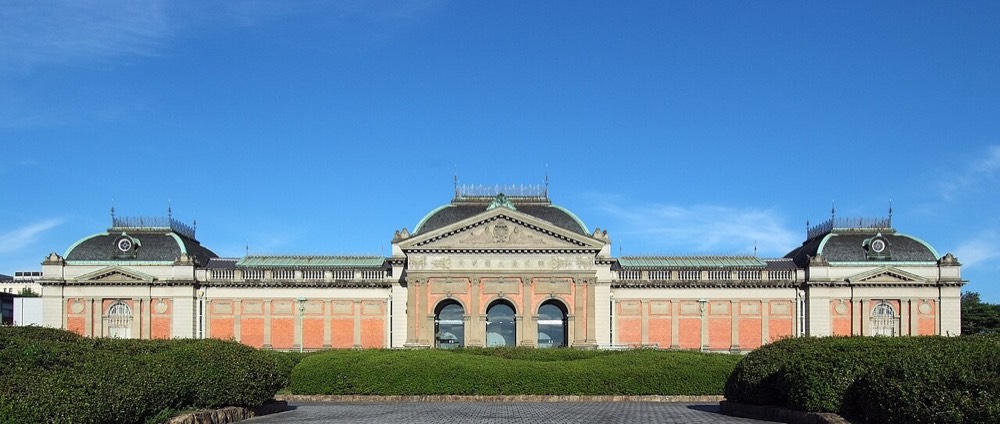
Just north across Shichijo-dori, a 2–3 minute walk. Its red-brick Meiji Kyoto Kotokan is a landmark Western-style building of the Meiji era, while exhibitions are held mainly in the Heisei Chishinkan; both regular and special exhibitions often feature Buddhist sculpture and paintings from Kyoto's temples and shrines, which hits differently after seeing the thousand Kannon. It is usually closed on Mondays and between exhibitions; check the official site for hours and prices.
Chishakuin
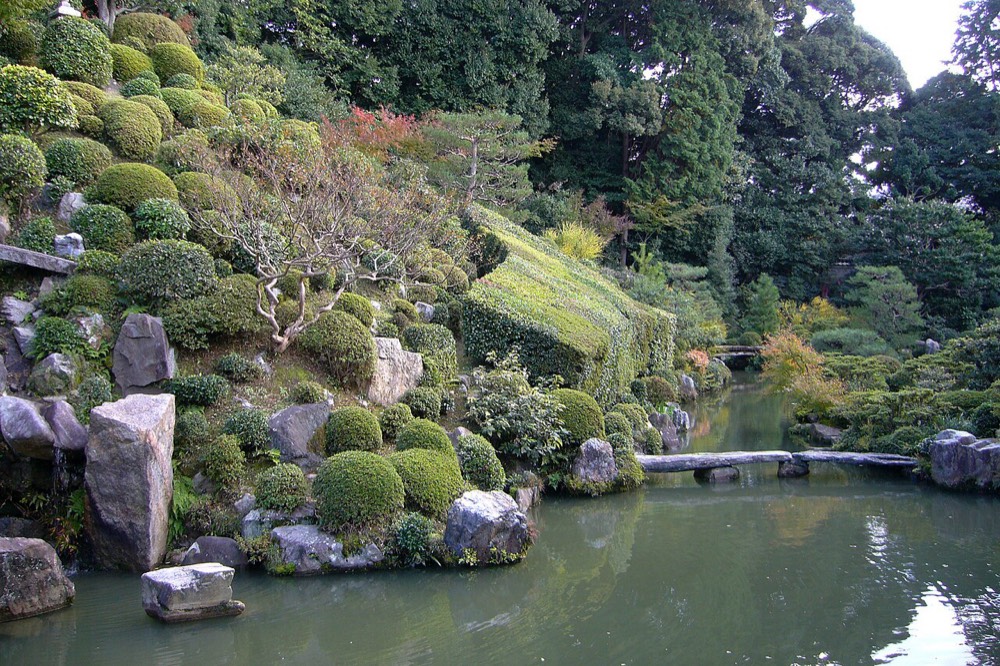
Walk east along Shichijo-dori to where it meets Higashioji-dori, about 8–10 minutes. The head temple of the Chisan school of Shingon Buddhism, its treasure hall holds the National Treasure screen paintings "Maple" and "Cherry Blossoms" by Hasegawa Tohaku's workshop, and its scenic garden of artificial hills and a pond is far less crowded than Higashiyama's main sights, ideal for a quiet sit. Check the official site for hours and fees.
Kiyomizu-dera and Higashiyama
From Sanjusangendo you can take route 206 to Gojozaka or Kiyomizu-michi and walk uphill, or walk north from Chishakuin along Higashioji-dori for about 20–25 minutes. For tickets, the Kiyomizu stage and how to walk Ninenzaka and Sannenzaka, see the Kiyomizu-dera guide.
Half-day and full-day sample itineraries (winter hours)
| Time | Half day (morning) | Full day |
|---|---|---|
| 9:00 | Enter Sanjusangendo at opening | Enter Sanjusangendo at opening |
| 10:00 | Walk to Kyoto National Museum | Walk to Chishakuin for the screen paintings and garden |
| 11:30 | Lunch around Shichijo-dori, finish | Route 206 to Gojozaka, lunch nearby |
| 13:00 | — | Kiyomizu-dera, Ninenzaka, Sannenzaka |
| 15:30 | — | Yasaka Shrine, Gion |
| 17:00 | — | Dinner in Gion or back to your hotel |
The full-day version runs south to north through Higashiyama, ending in Gion-Shijo with easy Keihan or bus connections. To fit Sanjusangendo into a full trip, see the 3-day Kyoto itinerary; winter special openings and illuminations are covered in the Kyoto winter travel guide.
Who Is Sanjusangendo For, and Who Should Skip It?
Good for:
- First-time Kyoto visitors who want a sight found nowhere else: the impact of a thousand Kannon in rows is unmatched.
- Fans of Buddhist statues, Japanese art or history: Fujin, Raijin and the Twenty-Eight Attendants are masterpieces of Kamakura sculpture.
- Travelers short on time: it is close to Kyoto Station and takes about 40 minutes, perfect for an arrival or departure day.
- Travelers with older family members: the hall is flat with no slopes, though you must remove your shoes.
Less suitable for:
- People who must take photos: nothing can be photographed inside, only the exterior and garden.
- Those who only want gardens or autumn leaves: Sanjusangendo is about the statues and its garden is small; for foliage, head to Tofukuji or Eikando.
- Crowd-averse visitors who pick the Omato Taikai or Shunto-e: free days are the busiest, so see the statues on another day.
Before You Go
- The wooden floors are cold in winter and you must remove your shoes, so thick socks or easy slip-on shoes make a big difference.
- For a quieter visit, go on a weekday at 9:00 opening or around 15:00, avoiding the tour groups after 10:00.
- Watching the archery and looking at the statues are best done on separate days; if you can only pick one, first-timers should choose an ordinary weekday.
- For the January 2027 date and any return of the night visit, check the notices on the official Sanjusangendo website a week before you go.
FAQ
How much is a Sanjusangendo ticket, and can I pay by card?
Individual admission is 600 yen for adults, 400 yen for junior high and high school students and 300 yen for elementary pupils; groups of 25 or more save 50 yen each. Holders of a disability certificate and one companion pay half. The temple does not publish its payment options, so bringing cash is the safe choice.
Can you take photos inside Sanjusangendo?
No. Photography and video are banned inside the main hall, including phones, so the Kannon, Fujin and Raijin and the Twenty-Eight Attendants cannot be photographed. Outside the hall you can freely shoot the building from the east garden, the Nandaimon gate and along the west veranda. Postcards and catalogs are sold at the counter.
Is there a night visit at Sanjusangendo?
Not normally. The temple held its first special night viewing on November 22–24, 2025, from 17:00 to 19:00 for 2,000 yen, viewed from the east garden without entering the hall. As of late November 2026 the temple had announced nothing for 2026, so it is not a fixed annual event.
When is the Sanjusangendo Toshiya in 2027?
The Omato Taikai is usually held on the Sunday closest to January 15. Third-party sources give January 17 (Sun), 2027, but as of November 2026 the temple had not yet announced its opening arrangements for the day. Check the official website before you go.
How long should I spend at Sanjusangendo?
On ordinary days you rarely queue to enter. The main hall takes about 40 minutes, or about an hour with the garden, the Nandaimon gate and the Taiko wall. On free-admission days such as the Omato Taikai and Shunto-e, the hall moves in one direction and crowds are heavy, so add an hour or more.
What charms (omamori) does Sanjusangendo offer?
Because of the Yanagi no Okaji ritual, Sanjusangendo has long been associated with relief from headaches, and charms linked to headache prevention are its specialty; goshuin stamps are also available. Items and prices change, so check the notices on site. A women-only peach charm is offered at the March 3 Shunto-e.
Sources
- Rengeo-in Sanjusangendo official website: Opening hours, admission, annual events and latest notices
- Walkerplus | Sanjusangendo fees and hours: Admission, seasonal hours and access (as of April 2026)
- Kyoto City Official Travel Guide | Omato Taikai (Sanjusangendo): Date of the January 18, 2026 Omato Taikai and free admission
- Kyoto City Official Travel Guide | Yanagi no Okaji (Sanjusangendo): 2026 Yanagi no Okaji hours and access
- Kyoto City Official Travel Guide | Shunto-e (Sanjusangendo): March 3 Shunto-e and free admission
- Kyoto City Official Travel Guide | Sanjusangendo night viewing: Record of the 2025 night viewing
- Japan Tourism Agency multilingual commentary | Fujin, Raijin and the Twenty-Eight Attendants: Arrangement and period of the attendant statues
- Japan Tourism Agency multilingual commentary | Seated and standing Thousand-armed Kannon: Origins of the central statue and the standing figures
- Kyoto Picnic | Special night viewing at Sanjusangendo: Hours, price and format of the 2025 night viewing
- Japan Tourism Agency multilingual commentary | Sanjusangendo annual observances: Yanagi no Okaji, Toshiya and other annual events
Fares, opening hours and event dates can change. Information checked on 2026.11.23; please confirm with official sources before you go.