Best Onsen in Tokyo: Day-Trip Hot Springs and Big Spa Complexes Compared, with Prices, Access, Tattoo Rules and How to Choose
Best onsen in Tokyo: prices, late-night fees, access, spring water and tattoo rules at Manyo Club Toyosu, Spa LaQua, Niwa no Yu, Sayanoyudokoro and more.
Quick answer
You can soak in a hot spring inside Tokyo without staying overnight. For late nights, pick Manyo Club Toyosu (adults 3,850 yen with yukata and towels, plus 150 yen bathing tax) or Spa LaQua by Tokyo Dome (mostly 3,500 yen on weekdays). For real spring water on a budget, the sento Hisamatsuyu and Kamata Onsen cost 600 yen and Sayanoyudokoro 970 yen on weekdays. After hiking Mt. Takao, Gokurakuyu next to the station is 1,100 yen on weekdays. Spa LaQua, Niwa no Yu and Gokurakuyu refuse all tattoos. (Checked November 2026.)
Finding the best onsen in Tokyo is less about which one is "top" and more about what you want: a spa complex you can stay in until midnight, a natural hot spring sento for 600 yen, or a mountain-foot bath after a hike. This guide uses official information to compare seven day-use hot springs within Tokyo that need no overnight stay, covering prices (weekday, weekend and late-night surcharges), access, whether the water is natural spring water, tattoo rules and who each suits, plus a sample "onsen + sightseeing" schedule. If you want to warm up in Tokyo this winter, you will know where to go by the end.
Best Onsen in Tokyo Compared: 7 Day-Use Hot Springs at a Glance
The short answer: with a bigger budget and a long night ahead, choose Manyo Club or Spa LaQua; for cheap real spring water, choose a sento or Sayanoyudokoro; if you have tattoos, check the last column first.
| Facility | Adult admission | Late night / evening | Access | Water source | Tattoos | Best for |
|---|---|---|---|---|---|---|
| Manyo Club Toyosu | 3,850 yen (same every day, plus 150 yen bathing tax) | +3,000 yen after 3:00 a.m. | Shijo-mae Station (Yurikamome), linked by a 2F deck | Hakone and Yugawara spring water by tanker | OK if covered by up to 2 designated stickers | Staying late after Toyosu, families with kids |
| Spa LaQua (Tokyo Dome City) | 3,500-4,700 yen (by date) | Discount after 19:00; +2,500 yen for 1:00-6:00 | Korakuen, Kasuga or Suidobashi stations | Natural spring from 1,700 m | Not allowed | Adults after Tokyo Dome who want a stylish space |
| Toshimaen Niwa no Yu | Weekdays 2,600 / weekends 3,300 yen | From 1,800 yen after 18:00 | 2-3 min walk from Toshimaen Station (Seibu, Oedo lines) | Natural spring from about 1,445 m | Not allowed (stickers included) | Adults wanting a quiet garden view |
| Maenohara Onsen Sayanoyudokoro | Weekdays 970 / weekends 1,300 yen | Open until 24:00 | About 8 min walk from Shimura-sakaue Station (Toei Mita Line) | Free-flowing natural spring | OK if covered by up to 2 designated stickers | A cheap soak in an old-house-style bath |
| Hisamatsuyu | 600 yen (Tokyo sento standard fee) | Until 23:00, closed Tuesdays | 5 min walk from Sakuradai Station (Seibu Ikebukuro Line) | Natural spring from 1,500 m | Not stated on official site, ask first | A local sento with real spring water |
| Kamata Onsen (black-water sento) | 600 yen (Tokyo sento standard fee) | Until 0:00, open daily | About 10 min walk from JR Kamata Station | Black-water hot spring | Not stated on official site, ask first | Travelers staying near Haneda or Kamata who want unusual water |
| Keio Takaosan Onsen Gokurakuyu | Weekdays 1,100 / weekends 1,300 yen | Until 22:30 | Next to Keio Takaosanguchi Station | Natural spring from about 1,000 m | Not allowed (stickers included) | Hikers coming down Mt. Takao |
Prices in the table come from each facility's official site[1][4][11][13]; sento prices follow Tokyo's standard bath fee from August 2026[7]. Because Sayanoyudokoro's website is under maintenance, its figures come from Japanese travel media[9][10].
Tokyo Day-Trip Onsen One by One: Prices, Access and Highlights
Each place has a very different character. They are introduced in this order: large spa complexes, mid-sized hot spring facilities, sento, then the suburban mountain foot.
Manyo Club Toyosu: Tokyo Bay Views and Soaking Until Late
Manyo Club Toyosu (東京豊洲 万葉倶楽部) sits in Toyosu Senkyaku Banrai next to Toyosu Market and is open 24 hours. The "Marutoku Set" admission is 3,850 yen for adults (junior high and older) and includes a yukata, bath towel and face towel; adults also pay a 150 yen bathing tax[1]. Admission covers 10:00 to 3:00 a.m.; if you are still inside after 3:00, adults pay an extra 3,000 yen, and the main baths are closed for cleaning from 3:00 to 5:00[1].
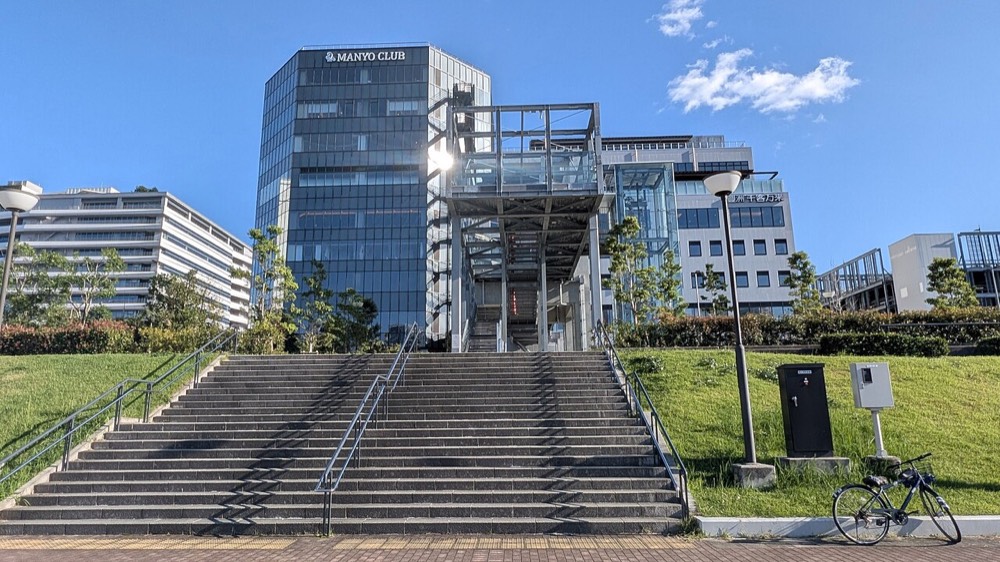
Note that the water does not spring up on site; it is trucked in from the Hakone and Yugawara sources[3]. The highlights are the open-air bath overlooking Tokyo Bay and a rooftop footbath garden with views over Toyosu. There are family baths with natural hot spring water at 4,500 yen per hour, with no advance booking[1], worth considering if you want a private bath in Tokyo. Shijo-mae Station on the Yurikamome line connects directly via a second-floor deck[1]. Elementary school children pay 2,000 yen and ages 3 to preschool 1,400 yen; high school students cannot enter without a guardian.
Spa LaQua: An Urban Hot Spring Beside Tokyo Dome
Spa LaQua (東京ドーム天然温泉 スパ ラクーア) is in the LaQua building at Tokyo Dome City and opens from 11:00 until 9:00 the next morning. Prices come in four tiers, 3,500, 3,800, 4,400 and 4,700 yen for adults, set by the official price calendar; in November 2026 most weekdays are 3,500 yen and weekends 4,400 yen[4]. Entry after 19:00 gets a night rate, while staying inside between 1:00 and 6:00 a.m. adds 2,500 yen[4].
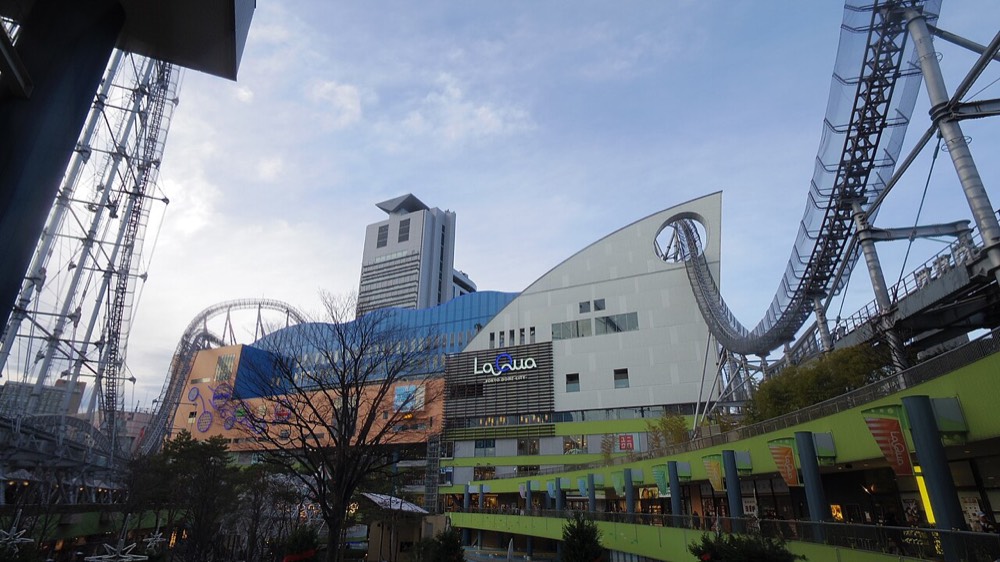
The water is sodium chloride strong saline spring water from 1,700 m underground, with an open-air bath and several other pools. Admission includes bath towel, face towel and loungewear; the Healing Baden bedrock-bath area costs 1,100 yen extra and is off-limits to under-18s[4]. Mind the age rules: children aged 0-5 cannot enter, and ages 6-17 need a guardian and may stay only until 18:00[5]. Tattoos (including stickers and body paint) are refused outright[5], so skip this one if you have any.
Toshimaen Niwa no Yu: Bathing with a Japanese Garden View, Ages 13 and Up
Niwa no Yu (バーデと天然温泉 豊島園 庭の湯) is beside Toshimaen Station on the Seibu and Oedo lines and opens 10:00-23:00 (last entry 22:00). Adults pay 2,600 yen on weekdays, 3,300 yen on weekends and holidays and 3,400 yen on special days; the night rate after 18:00 is 1,800 yen on weekdays and 2,400 yen on weekends and holidays[11]. Prices include consumption tax, bathing tax and towel and loungewear rental[11].
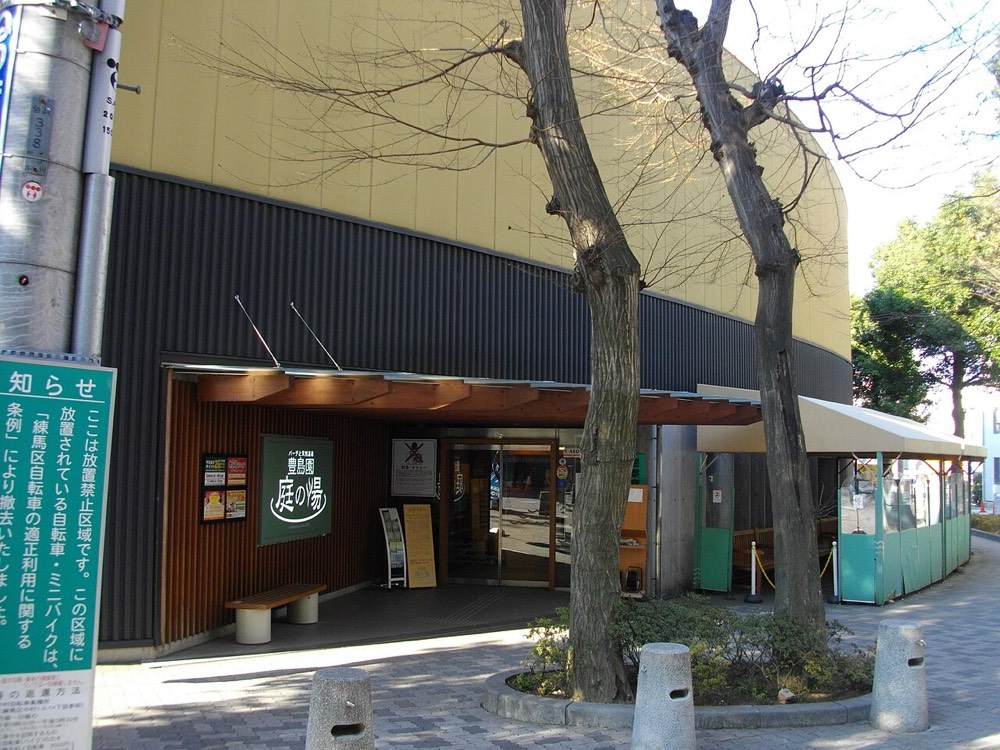
Its draws are the Japanese garden visible from the baths and the swimsuit-only "Bade zone" (German for hot spring bathing); bring your own swimsuit, as overly revealing styles are refused[12]. Only guests aged 13 and over are admitted, and the mood is quiet and adult. Tattoos (including stickers) are not allowed[12]. It is about 14 minutes direct from Ikebukuro on the Seibu line, and the Harry Potter studio tour is right nearby, so you can pair them on the same day.
Maenohara Onsen Sayanoyudokoro: An Old-House-Style Hot Spring for About 1,000 Yen
Sayanoyudokoro (前野原温泉 さやの湯処) in Itabashi Ward opens 9:00-24:00 (last entry 23:00). Adults pay 970 yen on weekdays and 1,300 yen on weekends and holidays; elementary school children and younger pay 600 yen on weekdays and 900 yen on holidays[10]. A towel set (bath towel plus face towel) costs 380 yen and loungewear another 380 yen[9].
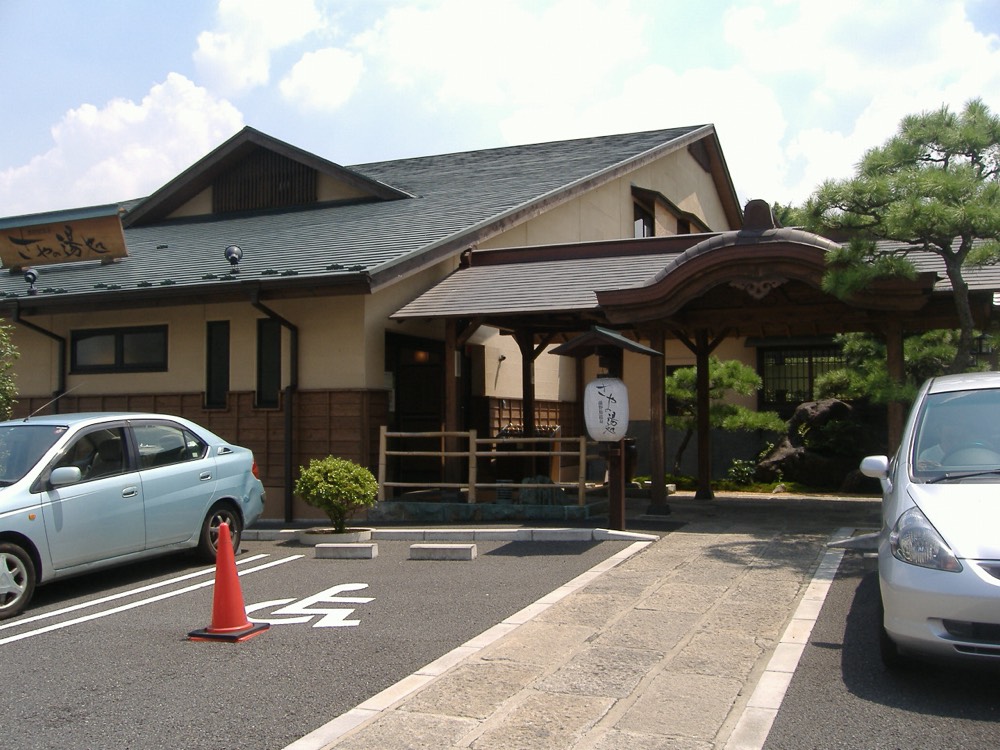
The water is iodine-containing sodium chloride strong saline spring, free-flowing, with an iron taste and strong saltiness[10]. The building is in Japanese old-house style, and at roughly one third the price of the big spa complexes it is excellent value. Tattoos that can be fully covered with up to two of the facility's designated stickers are allowed[9]. It is about an 8-minute walk from Shimura-sakaue Station on the Toei Mita Line[9]. The official site was under maintenance in November 2026, so go by the prices posted on site.
Hisamatsuyu: A Modern Sento with Real Spring Water for 600 Yen
Hisamatsuyu (天然温泉 久松湯) is a sento in Sakuradai, Nerima Ward. Since its 2014 rebuild it draws sodium chloride strong saline spring water from 1,500 m underground. It opens 11:00-23:00 (last entry 22:30), closes on Tuesdays and is a 5-minute walk from Sakuradai Station on the Seibu Ikebukuro Line[6]. As an ordinary sento it charges Tokyo's standard bath fee, 600 yen for adults (12 and over) from August 1, 2026[7].
There is an open-air bath and a carbonated spring bath, and the bathroom has a projection-mapping light show, though it does not run when the cold fogs the glass[6], so you may miss it in winter. Whether the sauna costs extra, and towel prices, follow the notices on site; bringing your own towel is cheapest. The official site does not state a tattoo rule, so call or ask at the front desk first if you have tattoos.
Kamata's Black-Water Sento (Kamata Onsen): A Dark Hot Spring Unique to Tokyo
Kuroyu, or black water, is a dark brown hot spring common in southern Tokyo around Ota Ward. Kamata Onsen (蒲田温泉) is a classic example, with a black-water bath, electric bath, cold plunge and sauna, open 10:00-0:00 every day and about a 10-minute walk from JR Kamata Station[8]. The GO TOKYO page still lists 550 yen, but Tokyo sento moved to a standard 600 yen adult fee from August 2026[7]; go by the price on site.
Kamata is close to Haneda Airport, making it a good fit if you are staying around Kamata or Shinagawa or want a soak the night before flying home. This is a neighborhood sento for locals, with no loungewear or rest area: bring your own towel and toiletries, bathe and go.
Keio Takaosan Onsen Gokurakuyu: Right by the Station After Mt. Takao
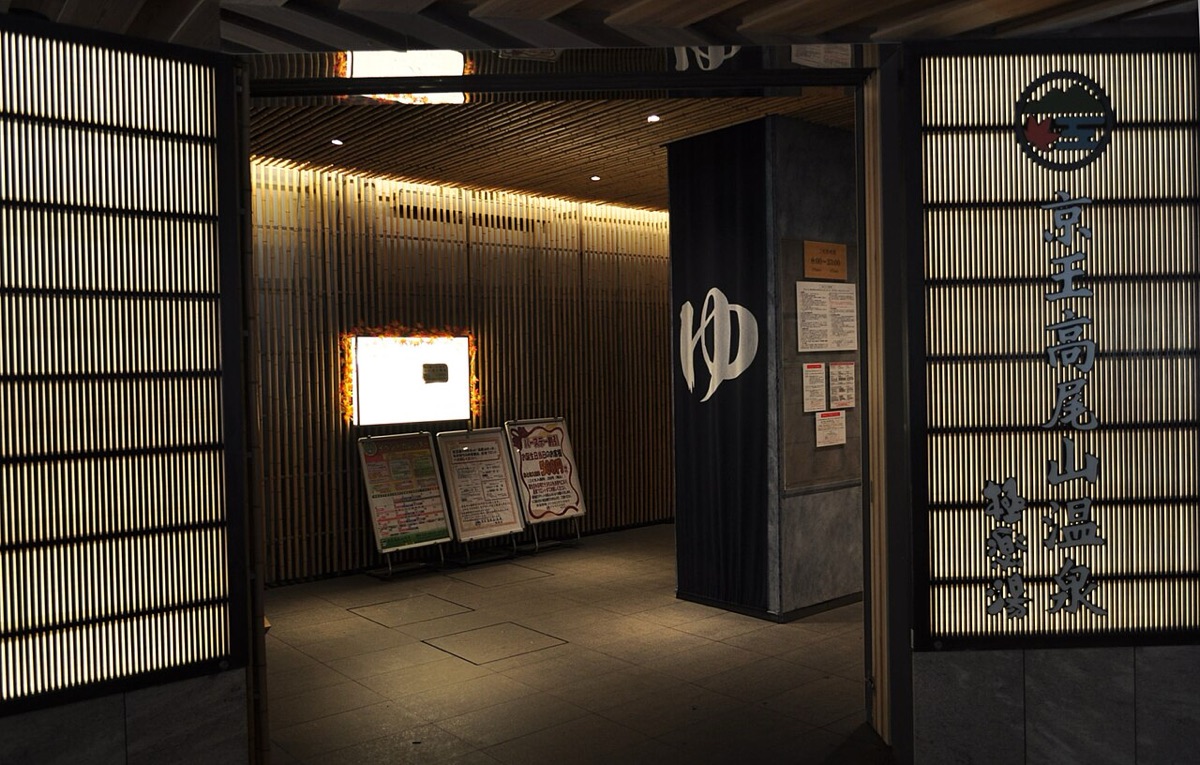
Gokurakuyu (京王高尾山温泉 / 極楽湯) stands beside Takaosanguchi Station on the Keio line and opens 8:00-22:30 (last entry 21:45) every day. Adults (junior high and older) pay 1,100 yen on weekdays and 1,300 yen on weekends, holidays and peak periods (New Year, Golden Week, the autumn foliage season and so on); children from age 4 through elementary school pay 550/650 yen[13]. The water comes from about 1,000 m underground, with open-air rock baths in warm and hot versions.
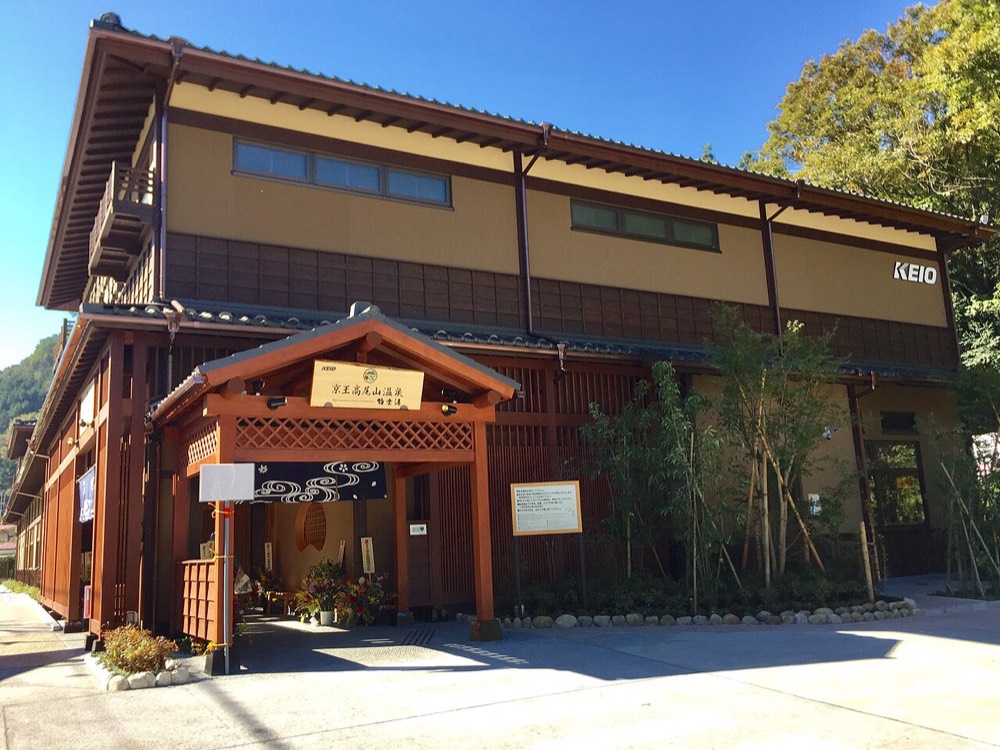
Bring your own towels; paid rentals are available[13]. Tattoos of any size are refused, even when covered with stickers[14]. On autumn-foliage weekends the post-hike hours get very crowded, so come down early or go on a weekday for a relaxed soak. For hiking routes and access, see the Mt. Takao day trip.
How Much Does a Tokyo Onsen Cost? Admission, Towels and Surcharges
The short answer: big spa complexes start around 2,600-4,000 yen per person, while a sento is 600 yen plus your own towel. The table below assumes one adult, a weekday, bathing only.
| Facility | Admission | Towels / loungewear | Other required | Total | Common extras |
|---|---|---|---|---|---|
| Manyo Club | 3,850 yen | Included (with yukata) | Bathing tax 150 yen | 4,000 yen | +3,000 after 3:00 a.m.; family bath 4,500 per hour |
| Spa LaQua | 3,500 yen | Included | — | 3,500 yen | Healing Baden +1,100; +2,500 for 1:00-6:00 |
| Niwa no Yu | 2,600 yen | Included | Bathing tax included | 2,600 yen | Bedrock bath +600 on weekdays |
| Sayanoyudokoro | 970 yen | Towel set 380, loungewear 380 | — | 1,350-1,730 yen | Private bath extra |
| Gokurakuyu | 1,100 yen | Bring your own or paid rental | — | From 1,100 yen | — |
| Hisamatsuyu, Kamata Onsen | 600 yen | Bring your own or buy on site | — | From 600 yen | Sauna fee varies by venue |
Entering Manyo Club before 10:00 costs an extra 400 yen per hour[1]; at Spa LaQua, a 4,700 yen special day plus the bedrock bath reaches 5,800 yen. To save money, both Spa LaQua and Niwa no Yu have evening discounts, so going after sightseeing is the best deal.
Where Can You Bathe with Tattoos? Tokyo Onsen Tattoo Rules
The short answer: there are few options among these seven for large tattoos; with small ones, consider Manyo Club or Sayanoyudokoro and use their designated stickers.
- Designated stickers allowed: Manyo Club requires tattoos to fit under up to two of its designated stickers (max 11 x 20 cm); you must declare them before entering and keep them covered throughout your stay[2]. Sayanoyudokoro likewise accepts tattoos fully covered by up to two designated stickers[9].
- Not allowed at all: Spa LaQua refuses even tattoo stickers and body paint[5]; Niwa no Yu bans tattoos including stickers[12]; Gokurakuyu states clearly that size does not matter and stickers are not accepted[14].
- Ordinary sento: Hisamatsuyu and Kamata Onsen do not state a rule on their sites. Ordinary sento and spa complexes follow different rules (see Japan onsen tattoo rules); the safest approach is to ask first.
If your tattoos are too large but you still want a hot spring, consider a ryokan with private baths or rooms with their own open-air bath; see how to choose a ryokan in Japan.
How to Choose a Tokyo Onsen: Who It Suits and Who It Doesn't
The short answer: first decide how long you want to stay and how much to spend, then check whether it fits your route.
- Soaking until late without rushing for the last train: Manyo Club or Spa LaQua. Not ideal if you want proper sleep; lounge recliners are not beds.
- Families with young children: Manyo Club has child prices from age 3. Spa LaQua refuses ages 0-5 and Niwa no Yu admits only 13 and over, so those two are not suitable.
- Tight budget, bathing only: Hisamatsuyu and Kamata Onsen at 600 yen, Sayanoyudokoro at about 1,000 yen. Not ideal if you want to eat inside and lounge all afternoon.
- Quiet with a garden view: Niwa no Yu. Not for those with tattoos or traveling with children.
- Unusual spring water: the black water around Kamata, or the iodine and iron-tasting water at Sayanoyudokoro.
- After a hike: Gokurakuyu. Not ideal on weekend evenings if you dislike queues.
Sample Schedules: Tokyo Onsen + Sightseeing
The short answer: an onsen works best at the end of the day or as a mid-day break. The two examples below use Toyosu and Mt. Takao.
Example 1: Toyosu Market Brunch + Manyo Club (Weekday)
| Time | Plan | Notes |
|---|---|---|
| 07:00 | Arrive at Toyosu Market and look around from the visitor gallery | Closed on market holidays; check the calendar first |
| 08:30 | Sushi or seafood bowl at a restaurant inside the market | Popular shops have queues |
| 10:00 | Enter Manyo Club, soak and visit the rooftop footbath | Entering before 10:00 costs extra |
| 13:00 | Lunch inside, nap in the lounge | Admission covers you until 3:00 a.m. |
| 15:30 | Leave and take the Yurikamome to Odaiba or Shimbashi | Odaiba night views in the evening |
For market hours, holidays and where the sushi shops are, see the Toyosu Market guide.
Example 2: Mt. Takao Hike + Gokurakuyu (Weekday)
| Time | Plan | Notes |
|---|---|---|
| 08:00 | Keio line from Shinjuku to Takaosanguchi | About 50 minutes to 1 hour |
| 09:15 | Cable car or walk up | Colder at the top in winter; bring a jacket |
| 12:00 | Lunch at the summit, look for Mt. Fuji | Better chances on clear winter days |
| 14:30 | Hike down and bathe at Gokurakuyu | Remember your towel |
| 16:30 | Keio line back to Shinjuku | Have dinner back in the city |
First Time at a Tokyo Onsen: 5 Steps
The short answer: spa complexes and sento follow almost the same steps; only the payment differs.
- Take off your shoes at the entrance: put them in a shoe locker and keep the key.
- Pay or get a wristband at the front desk: spa complexes usually give a wristband or key that records purchases inside, settled when you leave; at a sento you pay at the counter or ticket machine first.
- Change in the locker room: spa complexes provide loungewear and towels; at a sento, bring your own towel.
- Wash before you soak: sit at the washing area and clean yourself thoroughly, keep your towel out of the bath and tie up long hair. Photos are banned in locker rooms and baths.
- Dry off before returning to the locker room: towel yourself dry at the bathroom exit so you do not drip on the floor, then drink water in the lounge.
In winter, going straight from the cold outdoors into hot water strains the body. Rinse with warm water first and do not bathe after drinking alcohol; these are basic safety rules.
Want a Hot Spring Town? Hakone and Kusatsu
If you want hot spring town streets and a night at a ryokan, facilities inside Tokyo cannot compare with the nearby areas. Hakone works as a same-day trip from Shinjuku (see the Hakone day trip); Kusatsu, with its Yubatake and strong sulfur water, is farther away and best with an overnight stay (see the Kusatsu Onsen guide).
Before You Go
- Check the official calendar: Spa LaQua prices change by date, Hisamatsuyu closes on Tuesdays, and facilities sometimes close temporarily for maintenance.
- Plan around the last train: Manyo Club and Spa LaQua let you stay late, but late-night surcharges are not cheap: 3,000 yen at Manyo Club and 2,500 yen at Spa LaQua, more than 70% of the admission price.
- Bring your own toiletries to sento: towel, shampoo and body wash; buying them on site costs more, and some sento take cash only.
- Check tattoo rules first: even within Tokyo, rules range from a total ban to stickers allowed, so confirm before you go rather than being turned away at the door.
FAQ
Are there real natural hot springs in central Tokyo?
Yes. Deep below Tokyo lie saline hot spring layers: Spa LaQua draws water from 1,700 m, Hisamatsuyu from about 1,500 m and Niwa no Yu from about 1,445 m, while Sayanoyudokoro runs free-flowing spring water. Sento around Kamata are known for dark 'kuroyu' black water. Manyo Club Toyosu is different: its water is trucked in from the Hakone and Yugawara sources.
Which Tokyo onsen can I stay at late at night or overnight?
Manyo Club Toyosu is open 24 hours; admission covers you until 3:00 a.m., after which adults pay an extra 3,000 yen, and the main baths close for cleaning from 3:00 to 5:00. Spa LaQua is open until 9:00 the next morning, with a 2,500 yen surcharge if you are inside between 1:00 and 6:00. Both have lounges, but they are not hotels, and reclining chairs are not always restful.
Can I use a Tokyo onsen with tattoos?
It depends on the facility. Spa LaQua, Niwa no Yu and Keio Takaosan Onsen Gokurakuyu refuse tattoos even if covered with stickers. Manyo Club Toyosu admits guests whose tattoos fit under up to two of its designated cover stickers (max 11 x 20 cm), and you must tell the front desk first; Sayanoyudokoro also allows tattoos fully covered by up to two designated stickers. Most ordinary sento do not refuse, but ask first.
Are there private baths I can rent in Tokyo?
Manyo Club Toyosu has family baths with natural hot spring water at 4,500 yen per hour. They cannot be booked in advance, admission is charged separately, and you sign up on site. Sayanoyudokoro also has private baths that can be reserved; see the reservation page on its website for details and prices.
Do I need to bring my own towel to a Tokyo onsen?
Usually not at the big spa complexes: admission at Manyo Club, Spa LaQua and Niwa no Yu includes bath towels, face towels and loungewear. At Sayanoyudokoro a towel set costs an extra 380 yen; at Takaosan Onsen Gokurakuyu bring your own, though paid rentals are available. At ordinary sento, bringing your own towel and toiletries is cheapest.
Sources
- Manyo Club Toyosu: Prices and Hours (official): Admission set price, late-night fee, bathing tax, cleaning hours, family baths
- Manyo Club Toyosu: Admission for Guests with Tattoos (official): Designated sticker size and number
- Manyo Club Toyosu: Hot Spring (official): Hakone and Yugawara spring water delivered by tanker truck; rooftop footbath garden
- Spa LaQua: Hours and Prices (official): Price tiers, night discount, late-night surcharge, Healing Baden fee
- Spa LaQua: First-Time Visitors (official): Towels and loungewear included, age limits, tattoo rule
- Hisamatsuyu (official): Hours, closing day, spring type, access
- Nerima City: Public Bath Fees Are Changing: Tokyo sento adult fee of 600 yen from August 1, 2026
- GO TOKYO: Kamata Onsen: Black water, hours, access
- GLTJP: Maenohara Onsen Sayano Yudokoro: Sayanoyudokoro prices, towel rental, tattoo rule, access
- Walkerplus: Maenohara Onsen Sayanoyudokoro hot spring data: Hours, prices, spring type (data as of June 2026)
- Toshimaen Niwa no Yu: Prices and Hours (official): Weekday, weekend, special-day and night prices; ages 13 and up
- Toshimaen Niwa no Yu: Rules of Use (official): Tattoo rule; swimsuits required in the Bade zone
- Keio Takaosan Onsen / Gokurakuyu: Hours and Access (official): Prices, hours, bring your own towel
- Keio Takaosan Onsen / Gokurakuyu: FAQ (official): No tattoos of any size, stickers not accepted
Fares, opening hours and event dates can change. Information checked on 2026.11.23; please confirm with official sources before you go.