Kusatsu Onsen Guide: Yubatake, the Yumomi Show, Free Public Baths, Access from Tokyo and Where to Stay
Kusatsu Onsen guide: limited express and highway bus from Tokyo, Netsunoyu yumomi show times, free bath etiquette, Sainokawara, where to stay and winter tips.
Quick answer
Kusatsu Onsen in Gunma Prefecture is built around the Yubatake hot-spring field in the middle of town. From Tokyo, take the JR limited express Kusatsu-Shima from Ueno to Naganohara-Kusatsuguchi (about 2 hours 20 to 40 minutes), then a JR bus for about 25 minutes; or ride the Joshu Yumeguri highway bus direct from Busta Shinjuku or Tokyo Station in about 4 hours. Netsunoyu next to Yubatake holds yumomi shows daily for 700 yen for adults. First-timers should stay within walking distance of Yubatake for easy evening strolls.
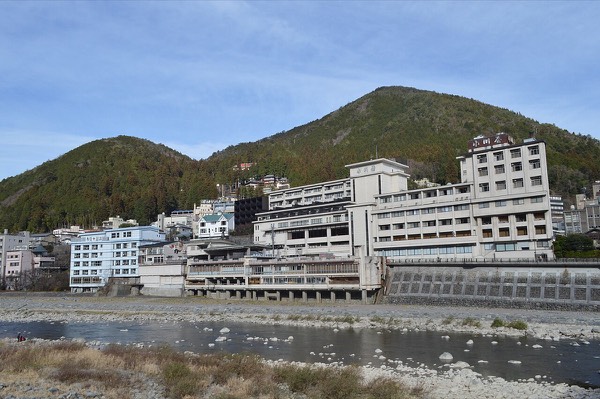
Kusatsu Onsen sits on a plateau about 1,200 m above sea level in northwestern Gunma Prefecture. It is one of Japan's most famous hot-spring towns, and the steaming Yubatake in the middle of town is practically its logo. This guide covers what you need to know for a first visit to Kusatsu Onsen: getting there from Tokyo, seeing Yubatake and the yumomi show, etiquette at the free public baths, paid options such as Sainokawara and Otakinoyu, choosing an area to stay in, and winter snow, skiing and illuminations.
Where is Kusatsu Onsen? Yubatake is the heart of town
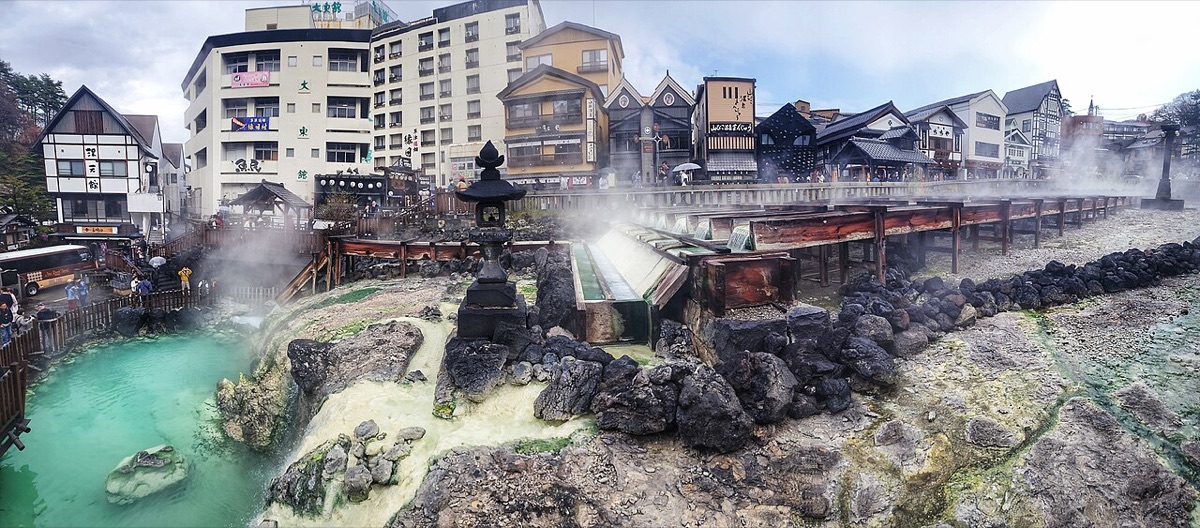
Kusatsu's landmark is Yubatake: spring water rises from the ground, flows through rows of wooden channels called yutoi to cool down while depositing yellow-white "yu-no-hana" mineral flakes, and finally pours as a waterfall into an emerald pool below. Inns, souvenir shops and manju shops surround it. By day it billows with steam, and once lit at night it takes on a different mood. You can stroll around it at any hour.
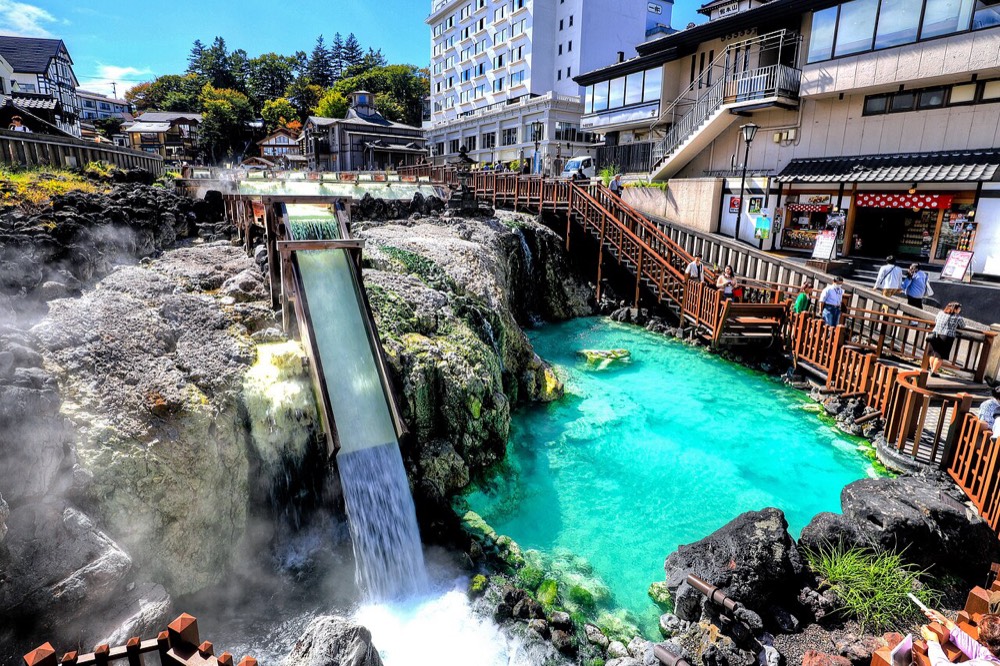
Kusatsu's water is strongly acidic and has strong antibacterial properties, and an old saying claims it cures every illness except lovesickness. Because it is so acidic, take off silver and other metal jewelry before bathing, and people with sensitive skin may want to rinse with fresh water afterward.
Within a few minutes' walk of Yubatake you will find:
- Netsunoyu: on the west side of Yubatake, home of the yumomi show (details below).
- Shirahata Source: a small hut beside Yubatake and Kusatsu's only source of milky white water, with the free Shirahata-no-yu bath next to it.
- Kosenji Temple: up the stone steps behind the Shirahata Source, with a view over Yubatake.
- Sainokawara-dori: the shopping street from Yubatake to Sainokawara Park, good for snacking on onsen manju as you walk.
When is the yumomi show at Netsunoyu, and how much is it?
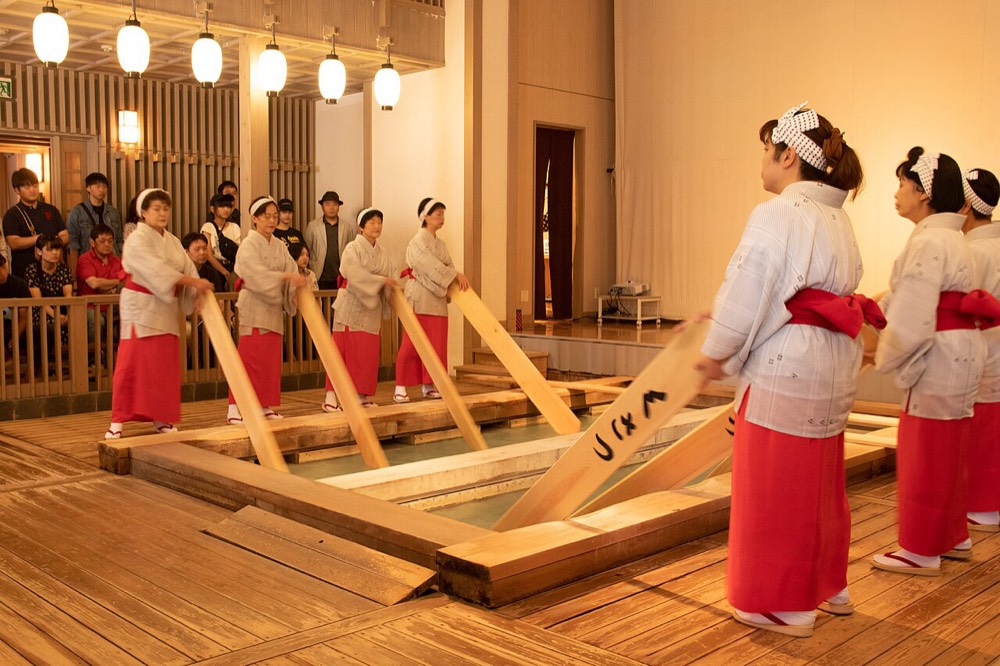
"Yumomi" is the traditional method of stirring hot water with long wooden boards to cool it down; Kusatsu's springs are very hot, and this is how they are cooled without adding cold water. Netsunoyu, beside Yubatake, holds a daily "yumomi and dance" performance in which performers in traditional dress sing the Kusatsu-bushi folk song as they stir the water[2].
| Item | Details |
|---|---|
| Regular shows | 9:30, 10:00, 10:30 in the morning; 15:30, 16:00, 16:30 in the afternoon |
| Extra shows | 11:00-11:30, 15:00-15:30 |
| Night show | 20:00-20:30 |
| Admission | Adults 700 yen, elementary school children 350 yen (tax included) |
| Ticket sales | Regular shows: from 30 minutes before each show; extra shows: from 10:30 and 14:30; night show: from 19:30 |
| Yumomi experience | 11:30-12:50, 300 yen for elementary school age and up |
This is what the official page listed in November 2026[2]; the actual schedule may vary by date, so check again before you go. Popular shows on peak-season weekends fill up quickly, so line up at the ticket window early.
How to use Kusatsu's free public baths: learn the etiquette first
Kusatsu has several public baths run by residents, and Shirahata-no-yu, Chiyo-no-yu and Jizo-no-yu are often listed as free baths that visitors can use[7]. Remember, though, that these are everyday baths for locals and visitors are borrowing them, so etiquette matters even more than at paid onsen:
- Rinse before getting in: use water from beside the bath; there are no showers or shampoo.
- Keep your towel out of the water: put it on your head or at the edge.
- The water is very hot: Kusatsu's public baths are often hotter than typical onsen. Ease in from your hands and feet, and do not add cold water on your own.
- Soak briefly, stay quiet, no photos: the baths are small, so give up your spot after a few minutes.
- Leave valuables behind: there are no lockable lockers; bring only a towel and a change of clothes.
- Mind cleaning times: each bath has fixed cleaning hours that vary, so check the notice on site.
If you have tattoos, note that many onsen facilities in Japan restrict them, and rules vary by facility, so read the notice at the entrance before going in.
Sainokawara Open-Air Bath and Otakinoyu: choosing a paid bath
For a more comfortable soak with proper changing rooms and washing facilities, try one of the large paid baths:
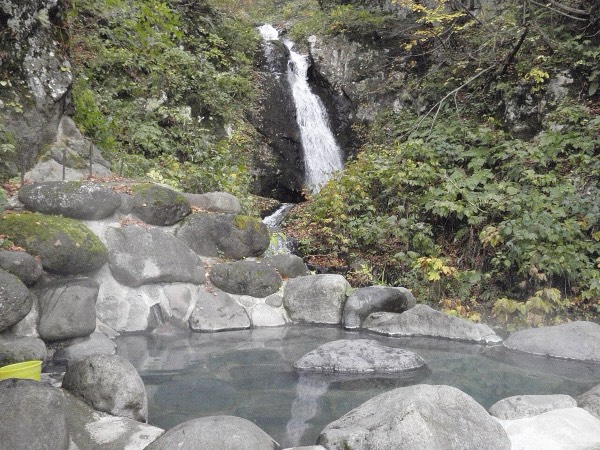
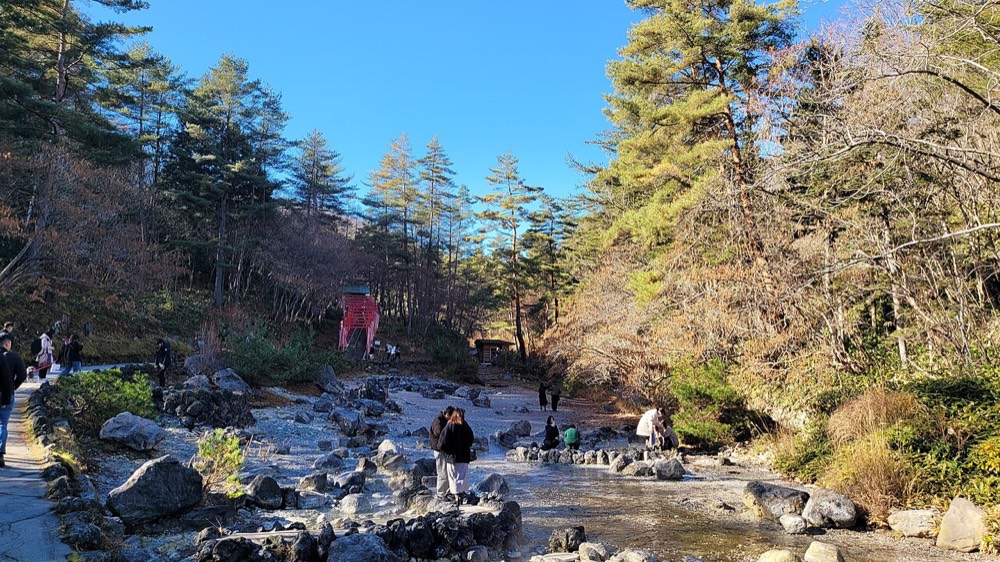
- Sainokawara Park and Open-Air Bath: about a 10-plus-minute walk from Yubatake along Sainokawara-dori. Hot water springs up all over this valley, staining the rocks yellow-green, and in winter the whole area steams. At the far end of the park, the Sainokawara Open-Air Bath is a spacious outdoor pool surrounded by forest, where you can watch the snow as you soak in winter. The tourism association posted a notice about changed opening hours in May 2026[1], so check its website for current prices and hours.
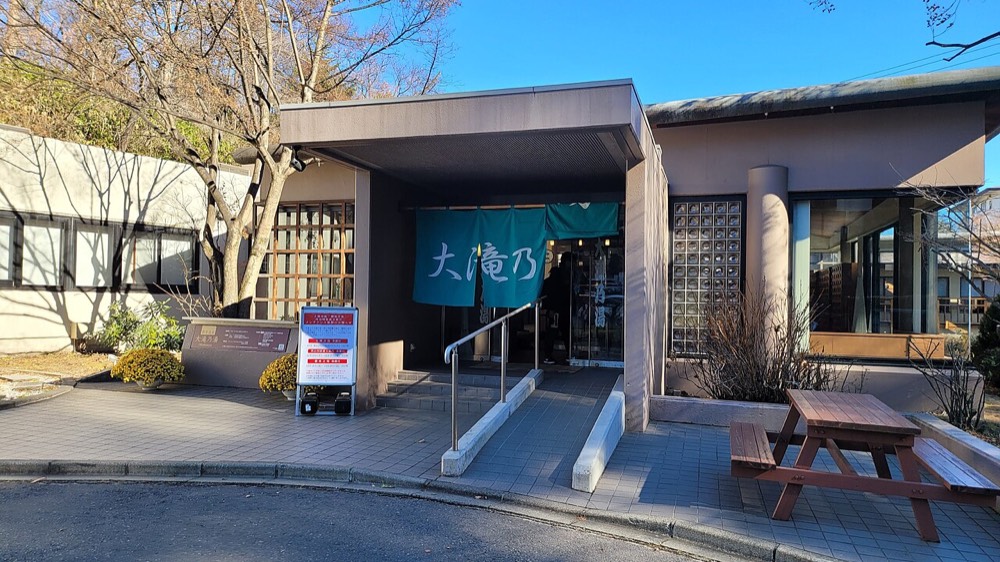
- Otakinoyu: a large indoor bath south of Yubatake, best known for its "awase-yu": several small pools at different temperatures that you soak in from coolest to hottest, ideal for trying Kusatsu's traditional way of bathing. There are also outdoor baths and a rest area, which are especially handy on rainy or very cold days. Check the official notices for fees and hours.
All of these are within walking distance in town, so you can visit two or three in a day. But Kusatsu's water is harsh on the body, and too many soaks can wear you out, so drink water in between.
How do I get from Tokyo to Kusatsu Onsen? Express train vs. bus
The short answer: take the JR limited express plus a bus for speed, or the highway bus to save money and avoid transfers. No railway reaches Kusatsu Onsen itself, so the last leg is always by bus.
| Option | Route | Travel time | Best for |
|---|---|---|---|
| JR limited express + JR bus | Ueno → Limited Express Kusatsu-Shima → Naganohara-Kusatsuguchi → JR bus → Kusatsu Onsen Bus Terminal | About 2 h 20-40 min by express + about 25 min by bus | Travelers who want a comfortable seat or hold a relevant JR East pass |
| Highway bus | Busta Shinjuku (Shinjuku Station) or Tokyo Station → Joshu Yumeguri → Kusatsu Onsen Bus Terminal | About 4 hours | Travelers who want no transfers or are on a budget |
| Shinkansen + bus | Tokyo → Hokuriku Shinkansen → Karuizawa Station → local bus → Kusatsu Onsen | Depends on connections | Travelers combining the trip with Karuizawa |
The Kusatsu-Shima limited express departs from Ueno; for example, train No. 3 leaves Ueno at 12:10 and arrives at Naganohara-Kusatsuguchi at 14:34[3]. Some services run only on weekends or in peak seasons, so check the JR East timetable before you travel. JR buses wait in front of Naganohara-Kusatsuguchi Station for the roughly 25-minute ride to Kusatsu Onsen Bus Terminal.
The Joshu Yumeguri highway bus runs daily from Busta Shinjuku and Tokyo Station to Ikaho Onsen and Kusatsu Onsen, with tickets sold online via Kosoku Bus Net; JR Bus Kanto also offers the "Kusatsu WEB Shuyu-ken", which combines a round-trip ticket with a pass for Kusatsu Onsen facilities[4]. The tourism association's website also lists a Tokyu Bus route from Shibuya[1]. Bus fares vary by date, so confirm when booking.
For getting to Ueno, Busta Shinjuku or Tokyo Station from central Tokyo, see our Tokyo transport guide. If you drive, the tourism association reminds visitors that winter tires or chains are required in winter[1]; if you are not used to snow driving, public transport is the better choice.
Where to stay in Kusatsu Onsen: three areas compared
Accommodation in Kusatsu falls roughly into three areas, and the right one depends on how you plan to spend your time:
| Area | Characteristics | Best for |
|---|---|---|
| Around Yubatake | Walk to Netsunoyu, the public baths and shopping streets, and stroll to see Yubatake at night; many long-established ryokan, pricier and hard to book in peak season | First-timers who want to try several baths |
| Around Sainokawara | About a 10-plus-minute walk from Yubatake, quieter, close to the Sainokawara Open-Air Bath | Travelers who want to avoid crowds and value quiet |
| Near the ski area (Tenguyama area) | Close to the slopes, mostly hotels, guesthouses and resorts; reach Yubatake by bus or car | Winter visitors focused on skiing |
Ryokan or hotel? Traditional ryokan usually include dinner and breakfast, with a kaiseki-style dinner, tatami rooms and futon, and often their own hot-spring source. Hotels are more flexible, letting you stay without meals and eat in town in the evening. To understand check-in, how to wear a yukata and meal times, read our Japan ryokan guide first.
Kusatsu is a large onsen town and you can enjoy it on a day trip, but Yubatake at night and the public baths in the quiet early morning are only possible if you stay overnight. Winter weekends and holidays fill up early, so book as soon as your dates are fixed.
What to do in Kusatsu Onsen in winter: snow, skiing and Yubatake illuminations
Kusatsu gets plenty of snow in winter, and Yubatake steaming in the snow is at its most atmospheric, which is why many people come specifically in winter.
Skiing: Kusatsu Onsen Ski Resort (formerly Kusatsu Kokusai Ski Resort) is right next to town, and its website lists more than ten runs and areas, from beginner slopes to an advanced run with a maximum gradient of 28 degrees[6]. Early-bird online lift tickets for the 2026-27 season are already on sale; check the ski resort's website for the opening date and prices[6]. Bathing before skiing and soaking again after a day on the slopes is the classic Kusatsu winter routine.
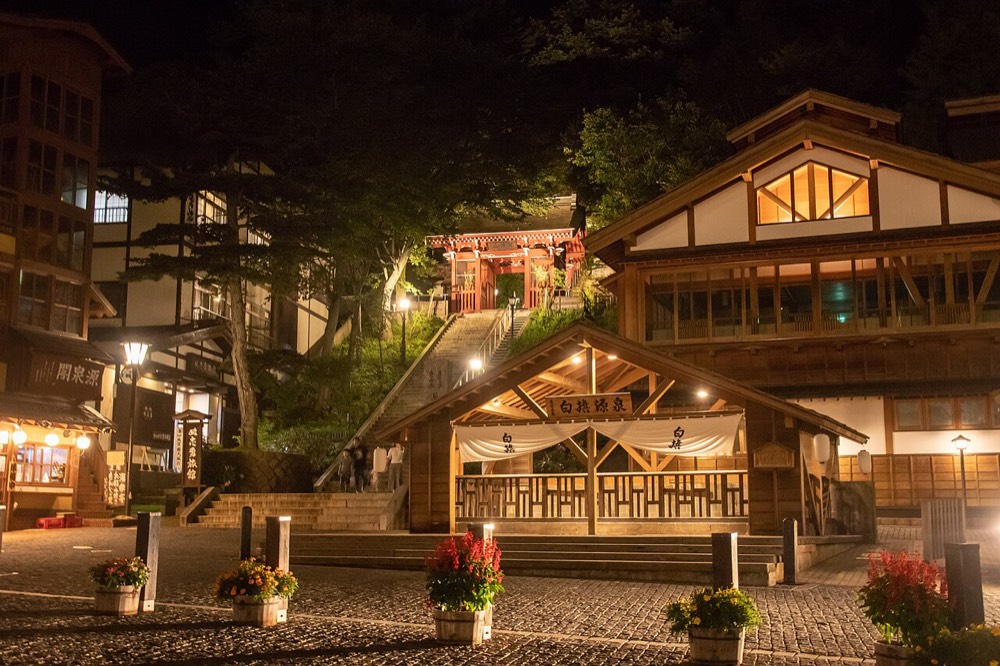
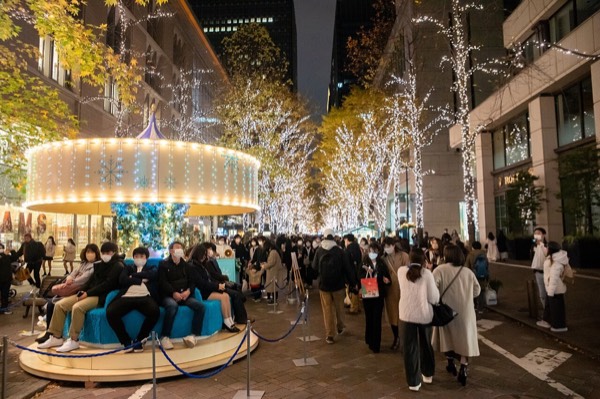
Yubatake Tree & Illumination: the 2026-27 event has not yet been officially announced, so the following is for reference from past years. In winter 2025-26 it ran from November 22, 2025 to February 23, 2026, lit daily from 17:00 to 23:00 around the Yuji Plaza area of Yubatake[5]. If it returns this year, it will likely run from late November to February, so check the tourism association's notices before you go.
Winter tips:
- Kusatsu is high up and often below freezing in winter. Wear non-slip shoes, as stone paths and steps get icy.
- The town is hilly and moving with a large suitcase is awkward; ask your inn whether it offers pick-up from the bus terminal (it depends on the inn).
- For another snow-country onsen, compare Kusatsu with our Ginzan Onsen winter guide for a separate trip. The two feel completely different: Kusatsu is lively with lots of facilities, while Ginzan is small and famous for its night views.
The smoothest plan: a one-night Kusatsu Onsen itinerary
- Day 1: Leave Tokyo in the morning and arrive around midday. After lunch, explore Yubatake and Kosenji Temple and catch an afternoon yumomi show. In the late afternoon, walk to Sainokawara Park and soak in the open-air bath. Have dinner at your inn, then stroll out to see Yubatake at night (with the illuminations if you are there in winter).
- Day 2: Early in the morning, while it is quiet, try a public bath such as Shirahata-no-yu (with good etiquette). In the morning, try awase-yu at Otakinoyu, or ski for half a day in winter. Head back to Tokyo by bus or limited express in the afternoon.
If you can only make a day trip, take the highway bus or an early express, focus on Yubatake, Netsunoyu and one paid bath, book your return in advance, and in winter allow extra time for traffic and snow delays.
FAQ
What is the fastest way from Tokyo to Kusatsu Onsen?
Most people take the JR limited express Kusatsu-Shima from Ueno to Naganohara-Kusatsuguchi, about 2 hours 20 to 40 minutes, then a JR bus of about 25 minutes to Kusatsu Onsen Bus Terminal. To avoid transfers, take the Joshu Yumeguri highway bus from Busta Shinjuku or Tokyo Station, about 4 hours and usually cheaper than the express.
Do I need to book the yumomi show at Netsunoyu? How much is it?
Regular shows need no reservation; tickets go on sale 30 minutes before each show and cost 700 yen for adults and 350 yen for elementary school children. The official page currently lists shows at 9:30, 10:00, 10:30, 15:30, 16:00 and 16:30, plus extra shows and a 20:00 night show. Check the schedule on the day.
Can tourists use Kusatsu's free public baths?
Some of them, yes. Shirahata-no-yu by Yubatake and Jizo-no-yu are often listed as open to visitors. These are everyday baths for residents, with no lockers or showers, and the water is usually very hot. Rinse off first, keep your soak short, stay quiet and do not take photos.
Should I stay near Yubatake or near the ski area?
For a first visit focused on bathing and strolling, stay within walking distance of Yubatake so you can see it lit up at night. For something quieter, look around Sainokawara Park. If skiing is the main goal in winter, choose a hotel or guesthouse near the slopes so you can ski straight from the door in the morning.
Will Yubatake be lit up in winter 2026-27?
As of November 1, 2026, the 2026-27 Yubatake tree and illumination had not been officially announced. For reference, the 2025-26 event ran from November 22, 2025 to February 23, 2026, lit daily from 17:00 to 23:00. Check the Kusatsu Onsen Tourism Association before you go.
Sources
- Kusatsu Onsen Tourism Association official site (Yu Love Kusatsu): Access, highway bus routes, winter tire reminder, facility notices
- Netsunoyu official page: Yumomi and dance show times, prices, ticket sales, yumomi experience
- JR East timetable: Limited Express Kusatsu-Shima: Stops and travel time between Ueno and Naganohara-Kusatsuguchi
- JR Bus Kanto Naganohara Branch: Joshu Yumeguri highway bus service and booking; Kusatsu WEB Shuyu-ken
- Walkerplus: Yubatake Tree & Illumination (2025-26): 2025-26 dates, lighting hours and location
- Kusatsu Onsen Ski Resort official site (winter): 2026-27 early-bird online lift ticket sales notice; course list
- Rakuten Travel: Basics of Kusatsu Onsen public bath hopping: Free public baths open to visitors and bathing etiquette
Fares, opening hours and event dates can change. Information checked on 2026.11.01; please confirm with official sources before you go.