Gero Onsen Guide: Where to Stay, Getting There from Nagoya and Takayama, a Shirakawa-go Side Trip and the Winter Fireworks
Gero Onsen guide: where to stay, the Limited Express Hida from Nagoya (about 1.5 hours, ¥4,700), a Shirakawa-go day trip and the winter fireworks.
Quick answer
Gero Onsen is in Gifu Prefecture, about 1 hour 30 minutes from Nagoya on the JR Limited Express Hida (¥4,700 with a reserved seat) and about 45 minutes from Takayama. You can stay on the station side (closest to the trains), in the Yunoshima onsen town across the river (best for strolling) or on the hillside (views, but you rely on shuttles). Staying in Gero, you can still do Shirakawa-go as a day trip: the 10:15 train to Takayama, the 11:50 bus to Shirakawa-go and the 15:15 bus back. The winter fireworks ran every Saturday from January 10 to March 28, 2026, at 20:30 for about 10 minutes, free. The 2027 dates have not been officially announced.
Gero Onsen (下呂温泉) sits on the Hida River in central Gifu Prefecture. It is about 1 hour 30 minutes from Nagoya on the JR Limited Express Hida, and it lies right on the rail line to Takayama and Shirakawa-go, so it slots neatly into the middle of a central Japan trip. This guide helps you decide three things: whether to stay in the onsen town, on the station side or on the hillside; how to get there from Nagoya or Takayama and what it costs; and how to combine a stay in Gero with Takayama and Shirakawa-go using real departures, with the winter fireworks on Saturday night.
What is Gero Onsen like? Three things to know first
In short: Gero Onsen is easy to reach, has a compact onsen town and works well as a stopover for Takayama and Shirakawa-go. The water is an alkaline simple spring that feels silky, which is why it is called a "beauty bath."
- Reputation: The Edo-period Confucian scholar Hayashi Razan ranked Gero alongside Arima and Kusatsu as one of Japan's three famous hot springs. To compare the other two, see the Arima Onsen day trip and the Kusatsu Onsen guide.
- Size: The onsen town spans both banks of the Hida River with about 70 places to stay. The station, the onsen town and Onsen-ji Temple are all within walking distance.
- Location: It sits between Nagoya and Takayama, and every Limited Express Hida stops at Gero Station.
One thing to watch: the Gero Onsen Tourism Association warns that IC cards such as TOICA cannot be used to enter or exit at Gero Station, so buy a ticket for the whole trip before leaving Nagoya[2]. Many travelers are used to tapping in with Suica or ICOCA and only find out at Gero that they cannot get through the gate.
Where to stay in Gero Onsen: three areas compared
In short: on a first visit by train with big luggage, choose the station side or the onsen town. If you want quiet and views and do not mind a shuttle, choose the hillside.
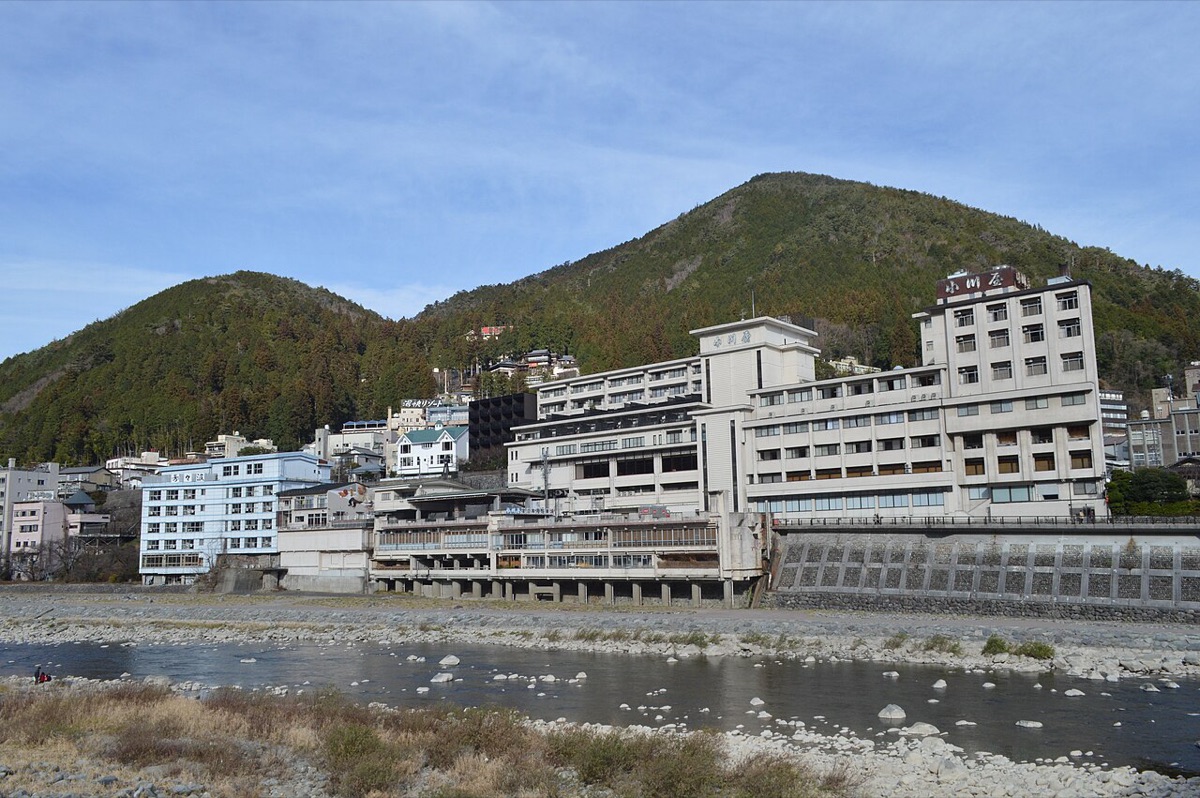
Gero's lodging falls into three areas. The west bank of the Hida River is the Kota area where the station is. Cross Gero Ohashi Bridge to the east bank and you reach Yunoshima, the main onsen town. Climb further up the mountain and you are on the hillside. The real inns below are examples of each area, not recommendations or rankings:
| Area | Example | To Gero Station | Pros | Watch out for | Best for |
|---|---|---|---|---|---|
| Station side (Kota) | Suimeikan | About 3 minutes on foot | Right off the train, easy with luggage, near a convenience store | You need to cross the bridge to reach Onsen-ji or Shirasagi-no-yu | Train travelers, older relatives, early starts to Takayama |
| Onsen town (Yunoshima) | Ogawaya | About 8 minutes on foot | Public bath, foot baths and Onsen-ji nearby, easy evening walks | High weekend rates in peak season, book early | First-timers, strolling in a yukata |
| Hillside | Yunoshimakan | About 5 minutes by car | Wide views, quiet surroundings, distinctive buildings | Steep walk, so you usually rely on the inn's shuttle or a taxi | Special occasions, those who value views and atmosphere |
For example, Yunoshimakan was founded in 1931, and its entrance building, covered corridor and three-story wooden guest wing were registered as national tangible cultural properties in 2010. It stands on the highest slope in Gero Onsen[12]. Ogawaya is in Yunoshima on the east bank of the Hida River, about an 8-minute walk from the station. Suimeikan is on the west bank next to the station, about 3 minutes on foot.
Inn types and how to think about price
Most lodging in Gero is hot spring inns with dinner and breakfast included. Prices vary widely by room and date, and Saturdays, holidays and the autumn-leaf season are the most expensive. The same inn can cost much more on a Saturday than on a weekday, so compare a few dates before booking. Roughly:
- Large onsen hotels: Big communal baths, buffet or banquet dinners, full facilities. Popular with families and groups, with a wide price range.
- Traditional Japanese inns: Meals served in your room or a private dining room, attentive service, few rooms. Book popular dates early.
- Budget onsen hotel chains: For example the Oedo Onsen Monogatari group. Buffets and simple check-in, good for tight budgets or travelers with children.
If it is your first stay at a hot spring inn, read how to choose a Japanese ryokan for check-in times, dinner slots, yukata and bathing etiquette. If you have tattoos, rules differ by inn; consider a room with a private bath, or read the guide to tattoos at Japanese onsen.
Bathing without staying: Shirasagi-no-yu and foot baths
On a day trip, the easiest option is Shirasagi-no-yu, the public bath in the onsen town: open 10:00–20:45 (last entry 20:00), closed on Wednesdays (Friday instead when Wednesday is a public holiday), ¥470 for adults and ¥180 for elementary school children[10].
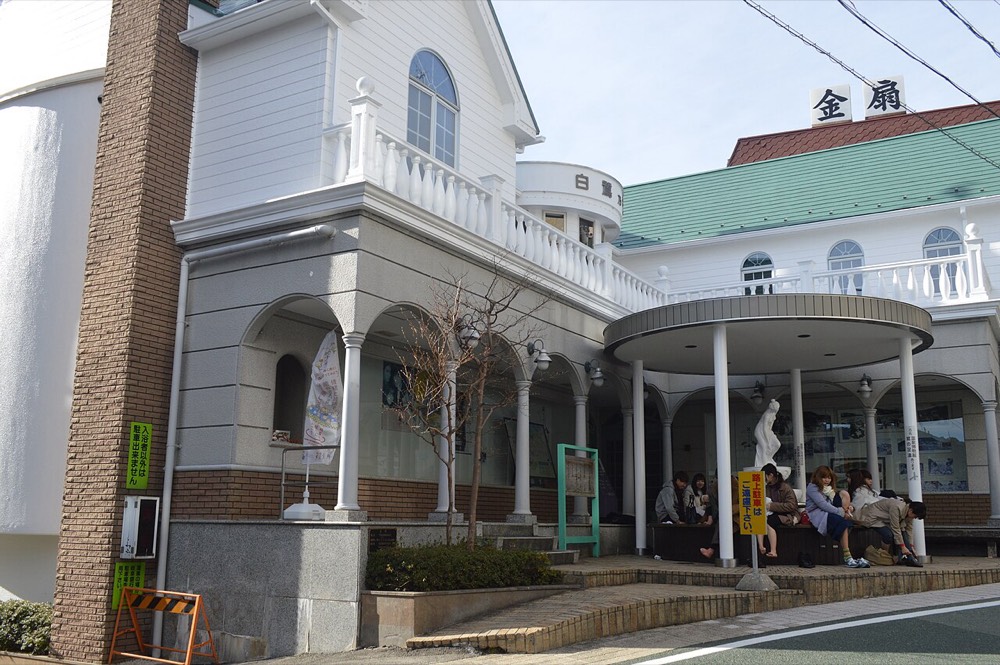
Right in front of Shirasagi-no-yu is the free Venus foot bath, and others such as the Sagi, Miyabi and Tanokami foot baths are dotted around town, so you can stop for a foot soak as you walk. To use inn baths, buy the Yumeguri Tegata pass and choose three participating inns. The price, validity and each inn's bathing hours change, so check the Gero Onsen Tourism Association and bring your own towel.
Getting to Gero Onsen from Nagoya and Takayama, and what it costs
In short: the Limited Express Hida from Nagoya is fastest, ¥4,700 one way with a reserved seat and about 1 hour 30 minutes. From Takayama it takes about 45 minutes and costs ¥2,280 with a reserved seat.
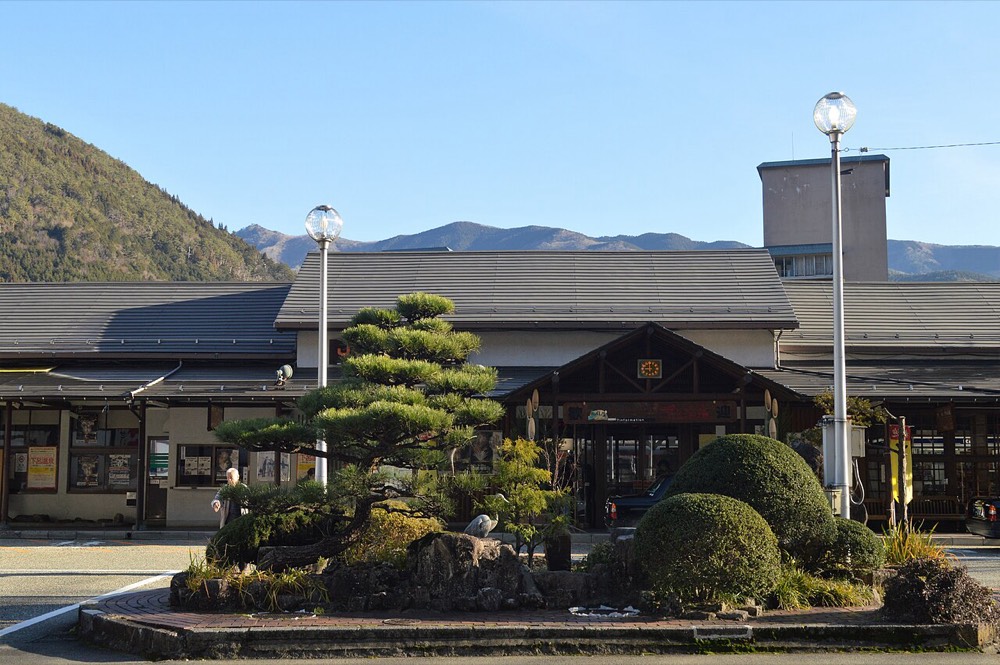
These are JR Central's adult one-way totals (fare plus limited express charge, regular season)[3]. Reserved seats are ¥200 cheaper in the off-peak season, ¥200 more in peak season and ¥400 more in the busiest season; unreserved seats cost the same all year:
| Section | Unreserved | Reserved | Green Car | Travel time (example) |
|---|---|---|---|---|
| Nagoya → Gero | ¥4,170 | ¥4,700 | ¥6,970 | About 1 hr 31 min |
| Gero → Takayama | See official site | ¥2,280 | See official site | About 43 min |
| Nagoya → Takayama | ¥5,610 | ¥6,140 | ¥8,410 | About 2 hr 15 min |
Travel times are based on the Limited Express Hida 3: it leaves Nagoya at 8:43 (platform 11), Gifu at 9:03, arrives at Gero at 10:14 and at Takayama at 10:58[4]. The reserved-seat total from Gero to Takayama is a ¥990 fare plus a ¥1,290 reserved limited express charge. On local trains you only pay the fare, but local trains are infrequent, so check the timetable when planning.
How to buy tickets, step by step
- At a JR ticket office or reserved-seat ticket machine in Nagoya Station, buy a Nagoya → Gero fare ticket plus a limited express ticket (reserved or unreserved). You need both; a fare ticket alone does not let you ride a limited express.
- Enter through the JR ticket gates at Nagoya Station. The Hida 3, for example, leaves from platform 11[4]; for other trains check your ticket and the station displays.
- After leaving Gero Station, walk straight from the station front and cross Gero Ohashi Bridge to reach the onsen town. If your inn runs a shuttle, staff will meet you in front of the station.
- From December 25 to January 5, the Hida runs with all seats reserved[4], and the same applies during other JR peak periods such as Golden Week and Obon, so book a seat in advance.
From Osaka or Kyoto, one Hida a day runs through to Osaka (the Hida 16 leaving Takayama at 15:34 couples with the Hida 36 bound for Osaka)[5]. At other times, change at Nagoya or Gifu.
Discount tickets and the direct bus
- Hida Area Free Ticket: Sold by JR Central. It covers a round trip by limited express between your starting point (such as Nagoya) and the Hida area, plus unlimited rides between Hida-Kanayama and Hida-Furukawa for 3 days, and there is a version that includes a round-trip Nohi Bus ticket to Shirakawa-go. It cannot be used April 27–May 6, August 10–19 or December 28–January 6[14]. Prices depend on starting point and version, so check the official site before buying.
- Gero Onsen direct bus: Run by the Gero Onsen Ryokan Cooperative. It leaves Nagoya Station's Taiko-dori side at 14:00 and arrives in Gero around 16:30; the return leaves Gero at 10:30. From December 2026 to March 2027 it costs ¥3,800 one way or ¥5,000 round trip, must be booked at least 2 days ahead and is only for guests staying at member inns[7].
- Travelers with foreign passports: Consider passes such as the Takayama-Hokuriku Area Tourist Pass; see the Takayama to Shirakawa-go bus guide for a comparison.
How to plan Gero → Takayama → Shirakawa-go: two real routes
In short: staying in Gero, you can do a Shirakawa-go round trip in one day with about 2 hours 20 minutes there. If you want more time in Takayama's old town, make it a one-way trip with one night in Gero and one in Takayama.
There is no regular direct bus from Gero to Shirakawa-go, so you take the train to Takayama and then a Nohi Bus. From December 1, 2026, the adult one-way fare from the Takayama Nohi Bus Center to Shirakawa-go is ¥2,900, and the ride takes about 50 minutes[6].
Route A: stay in Gero, day trip to Shirakawa-go
| Time | Plan |
|---|---|
| 10:15 | Take the Limited Express Hida 3 from Gero Station (arrives 10:14, departs 10:15) |
| 10:58 | Arrive at Takayama Station and walk to the Takayama Nohi Bus Center next door |
| 11:50 | Nohi Bus to Shirakawa-go (arrives Ogimachi 12:57)[6] |
| 12:57–15:15 | Walk the gassho-zukuri village, climb to the viewpoint, have lunch |
| 15:15 | Nohi Bus from Shirakawa-go, arriving in Takayama at 16:05 |
| 16:33 | Limited Express Hida 18 from Takayama toward Nagoya[5] |
| Around 17:15 | Back in Gero for a soak and dinner; on Saturdays, the 20:30 fireworks |
Transport cost (adult, reserved seats): Gero⇔Takayama ¥2,280 × 2 plus Takayama⇔Shirakawa-go ¥2,900 × 2, for a total of ¥10,360.
The return is where you have flexibility. Buses from Shirakawa-go to Takayama leave in the afternoon at 13:15, 13:30, 14:00, 14:45, 15:15, 15:45, 16:15 and more, and about 10 Limited Express Hida trains a day run from Takayama toward Gero, the last being the Hida 20 at 18:48[5]. To go earlier, there is also a Hokuriku Railroad bus from Takayama at 11:20 (arriving 12:10). Check on the Hassha Orai Net booking site whether each service needs a reservation.
Route B: Nagoya → Gero → Takayama → Shirakawa-go → Kanazawa
This suits travelers arriving in Nagoya and leaving from Kanazawa, with no backtracking:
- Day 1: Take the Limited Express Hida 3 from Nagoya at 8:43 and arrive in Gero at 10:14. Leave your bags, visit Onsen-ji Temple and the Gassho Village, then check in for an evening soak.
- Day 2: Stroll Gero in the morning, take the Limited Express Hida to Takayama (about 45 minutes), explore the old town in the afternoon and stay in Takayama.
- Day 3: Take the 8:50 Nohi Bus from Takayama, arriving in Shirakawa-go at 9:40[6]. After exploring, take a bus on to Kanazawa or Toyama.
Buses from Shirakawa-go to Kanazawa and Toyama and luggage storage are covered in the Takayama to Shirakawa-go bus guide. If you want to see the village lit up at night in winter, note the reservation system described in Shirakawa-go Light-Up 2027.
Gero Onsen winter fireworks: dates, time and where to watch
In short: in 2026 the Hanabi Monogatari fireworks ran every Saturday from January 10 to March 28 at 20:30, about 10 minutes each, 12 shows in total, free to watch[1].
- Location: The Hida River bank downstream of Gero Ohashi Bridge, about a 3-minute walk from Gero Station[13].
- Themes: Each month has its own theme: January is Coming-of-Age Day and the cold season, February is Valentine's Day and exam-success wishes, and March is Girls' Day, White Day and graduation send-offs[1].
- Weather: The show goes ahead in rain but is cancelled or postponed in storms or when the Hida River is high[1][13].
- Where to watch: The riverbank is the busiest spot. Some inns let you watch from your room or bath, so ask when booking.
If you want to watch on a Saturday night, Saturday rooms are usually the most expensive and the first to sell out. If your winter plans are flexible, stay on a weekday and come on Saturday as a day trip, or book your Saturday room a month or two ahead.
Exploring the onsen town: Funsenchi, Onsen-ji Temple and the Gassho Village
In short: you can cover the highlights in half a day, for example Funsenchi → Shirasagi-no-yu and the foot baths → Onsen-ji Temple, then a bus or walk to the Gassho Village.
Gero Onsen Funsenchi
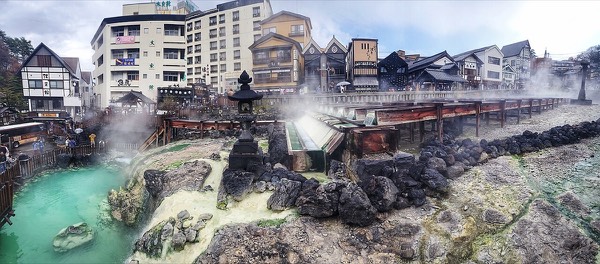
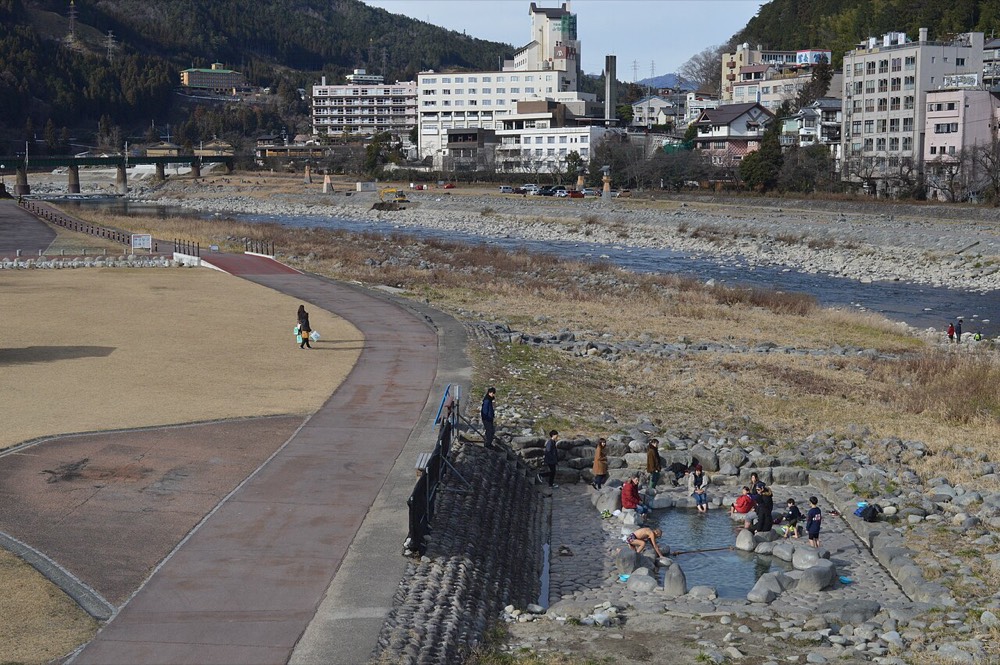
Funsenchi is an open-air spring pool on the bank of the Hida River and used to be Gero's best-known photo spot. According to the tourism association, bathing has been prohibited since December 1, 2021; you can now only look at the spring, free of charge[11]. Older articles online saying you can bathe there in a swimsuit are out of date.
Onsen-ji Temple
Onsen-ji Temple is on the hillside behind the onsen town, at the top of 173 stone steps, and enshrines Yakushi Nyorai, the Buddha of healing[9]. Its name comes from a white heron legend: in 1265 the hot spring is said to have stopped flowing, villagers followed a heron that flew to the Hida River every day and found a new spring, and under the pine tree where the heron landed they found a statue of Yakushi Nyorai, so they founded the temple to commemorate it.
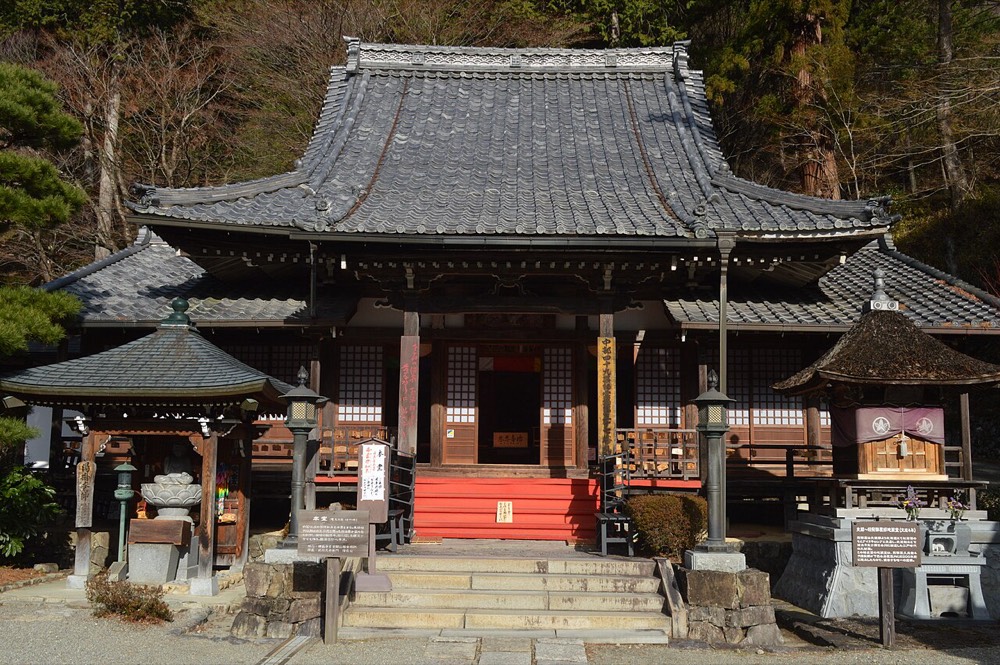
From the grounds you can look out over the whole onsen town. Every November there is an autumn-leaf event lasting several weeks, with evening illuminations and access to areas that are normally closed[9]. Exact dates are announced each year, so check the temple or the tourism association.
Gero Onsen Gassho Village
Gero Onsen Gassho Village is an open-air museum of gassho-zukuri farmhouses relocated from Shirakawa-go and elsewhere, with a folk museum, the Enku Museum of Buddhist statues by the monk Enku, and hands-on painting, pottery and paper-making workshops. It is open 8:30–17:00 every day of the year, and admission is ¥800 for adults and ¥400 for elementary and junior high school students[8].
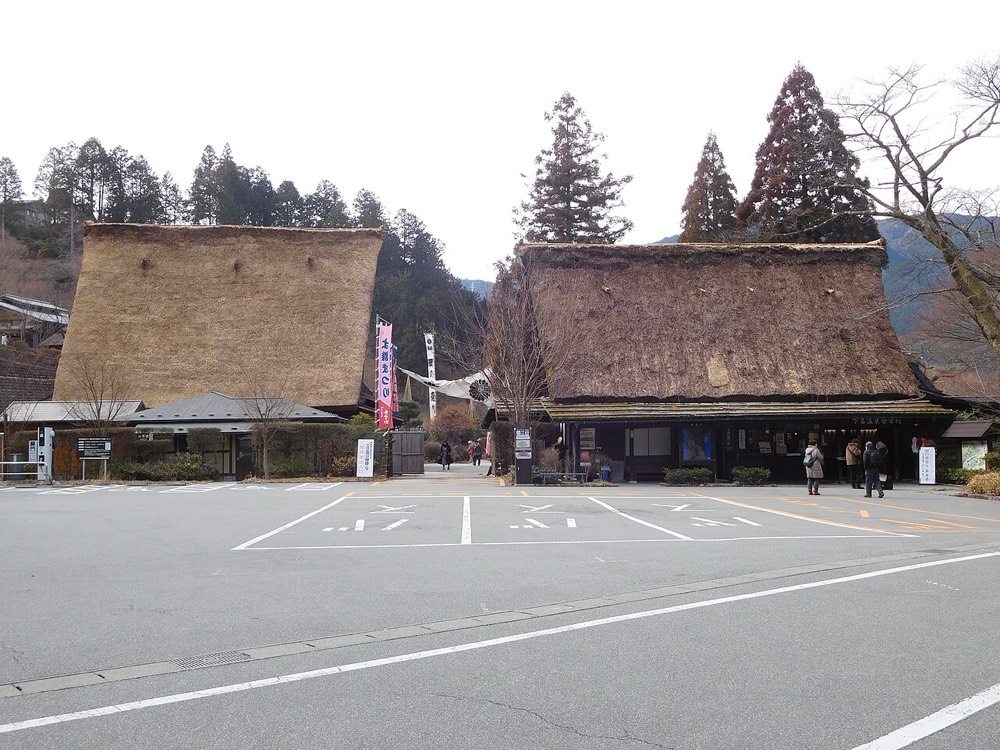
It is about a 20-minute walk from Gero Station, or about 6 minutes on the Nohi Bus Gassho-mura line[8]. Compared with Shirakawa-go it is much smaller and is a preserved display village where no one lives. If you cannot fit Shirakawa-go in, or are worried about winter bus delays, it makes a good alternative. If you have time and want to see a living village, Shirakawa-go is still the better choice. In winter 2026, the Gassho Village held evening illuminations on certain dates from late January to mid-February (separate charge); check the official site for whether it will be held in 2027.
Who is Gero Onsen for, and who is it not for?
In short: if you are heading from Nagoya to Takayama or Shirakawa-go and want a night at a hot spring inn, Gero is about the most convenient choice on the way.
Good for:
- Travelers going in or out via Nagoya on the way to Takayama or Shirakawa-go who want a night at a hot spring inn en route.
- Travelers without a car who want to walk from the train to the onsen town.
- Winter visitors who want to combine hot springs, fireworks and gassho village illuminations.
- Families traveling with older relatives or children who want a simple itinerary.
Not ideal for:
- Travelers looking for a secluded mountain hot spring with a single inn: Gero is a large onsen town with many hotel buildings and a livelier feel.
- Travelers with only a day or two in Nagoya and no plans for the Hida area: the round trip by train is about 3 hours, and if you only want a soak there are other options around Nagoya. For ideas, see the Nagoya itinerary.
- Travelers who want to tap an IC card the whole way: you need a separate ticket for Gero Station, so take extra care when changing trains.
Making it work: pre-trip tips for Gero Onsen
- Book Saturday first: Saturdays have both the fireworks and the highest rates and sell out first. Settle where you will stay on Saturday, then plan the other nights.
- Buy a ticket for the whole trip: IC cards do not work at Gero Station, so buy a fare ticket plus limited express ticket to Gero when leaving Nagoya[2].
- All seats reserved over New Year: From December 25 to January 5 the Hida runs with all seats reserved and no unreserved cars, so book early.
- Return early from Shirakawa-go: Winter buses can be badly delayed, so do not leave only 20 minutes to catch your train back to Gero.
- Day trips with only the public bath: Shirasagi-no-yu is closed on Wednesdays, so on a Wednesday use the foot baths or the Yumeguri Tegata instead.
- Confirm your inn's shuttle: If you stay on the hillside, check shuttle times and pickup points in advance; miss the last one and you will need a taxi.
FAQ
Is one night in Gero Onsen enough?
If you only want to soak, walk the onsen town and see Onsen-ji Temple, one night is enough. If you also want Takayama's old town and Shirakawa-go, plan two nights: either one night in Gero and one in Takayama, or two nights in Gero with a Shirakawa-go day trip in between. Check in on a Saturday and you can also catch the winter fireworks.
Can I use Suica, ICOCA or other IC cards at Gero Station?
According to the Gero Onsen Tourism Association, IC cards such as TOICA cannot be used to enter or exit at Gero Station. When leaving from Nagoya or Gifu, buy a ticket and limited express ticket all the way to Gero instead of tapping in, or you will have trouble getting out.
Is there a direct bus from Gero to Shirakawa-go?
There is no regular direct route. The usual way is the Limited Express Hida from Gero to Takayama (about 45 minutes), then the Shirakawa-go bus from the Takayama Nohi Bus Center next to the station (about 50 minutes). From December 1, 2026, the Takayama to Shirakawa-go adult one-way fare is ¥2,900.
When are the Gero Onsen fireworks in 2027?
As of November 2026, the 2027 schedule has not been officially announced. In 2026 the fireworks ran every Saturday from January 10 to March 28 at 20:30 for about 10 minutes, 12 shows in total, free to watch. Some information sites list Saturdays from January 9 to March 27, 2027; check the tourism association before you go.
Can I bathe in Gero Onsen without staying overnight?
Yes. The public bath Shirasagi-no-yu in the onsen town costs ¥470 for adults and is closed on Wednesdays, and there are several free foot baths around town. To use inn baths, buy the Yumeguri Tegata pass, which covers three participating inns; check the tourism association for the current price and validity.
Sources
- Gifu Travel Guide | Winter Gero Onsen Hanabi Monogatari: 2026 fireworks dates, time, location, free admission, cancellation rules
- Gero Onsen Tourism Association: Notice that IC cards cannot be used at Gero Station, visitor information
- JR Central | Limited Express Hida fares for major sections: Fares and limited express charges between Nagoya, Gero and Takayama, as of October 2026
- JR Odekake Net | Limited Express Hida 3 timetable: Departure and arrival times at Nagoya, Gifu, Gero and Takayama
- JR Central | Takayama Station timetable (for Gero and Gifu): Limited Express Hida departures from Takayama toward Gero (March 2026 edition)
- Nohi Bus | Takayama–Shirakawa-go timetable and fares: Times and fares from December 1, 2026, winter delay notice
- Gero Onsen Ryokan Cooperative | Gero Onsen direct bus: Times, fares and eligibility for the Nagoya round-trip direct bus
- Gifu Travel Guide | Gero Onsen Gassho Village: Admission, opening hours, access
- Japan Tourism Agency multilingual commentary database | Onsen-ji Temple: 173 stone steps, white heron legend, November autumn-leaf event
- Gero Onsen Tourism Association | Shirasagi-no-yu: Opening hours, closing day, bathing fee
- Gero Onsen Tourism Association | Funsenchi: Bathing prohibited since December 2021
- Gifu Travel Guide | Yunoshimakan: Founding year, registered tangible cultural property, location and access
- Gero Onsen Hanabi Monogatari: Viewing area, held in rain, postponed in storms or high water
- JR Central | Hida Area Free Ticket: Free section, validity, blackout periods, bus option
Fares, opening hours and event dates can change. Information checked on 2026.11.25; please confirm with official sources before you go.