Kawagoe Day Trip: Getting There from Ikebukuro and Shinjuku, Koedo's Kurazukuri Street, Hikawa Shrine and Which Pass to Buy
Kawagoe day trip guide: Tobu, Seibu and JR routes from Ikebukuro, Shinjuku and Shibuya compared, which Kawagoe pass is worth it, loop buses and a timed itinerary.
Quick answer
The easiest Kawagoe day trip is the Tobu Tojo Line from Ikebukuro to Kawagoe Station: about 30 minutes by express, ¥490 one way. From Seibu-Shinjuku, the Koedo limited express reaches Hon-Kawagoe in as little as 44 minutes for ¥1,200 including the limited express ticket; the JR Saikyo Line from Shinjuku takes about 50 minutes and costs ¥810. If you plan to use the sightseeing bus, Tobu's Koedo Kawagoe Coupon costs ¥1,110 from Ikebukuro, covers the round trip plus a one-day loop bus pass, and anyone can buy it. Kitain's chrysanthemum festival runs 1–23 November, autumn colour peaks late November to early December, and the loop bus does not run 31 Dec–3 Jan.
A Kawagoe day trip is one of the best-value outings from Tokyo: in under half an hour from Ikebukuro you can be walking down a street of black clay-walled warehouses left from the Edo period. This guide compares the three ways to get to Kawagoe (Tobu, Seibu and JR) by time and fare, sorts out who can buy which pass and when it pays off, and adds a timed itinerary plus the opening hours and non-operating days to watch for from November into winter.
How to get to Kawagoe: Ikebukuro, Shinjuku and Shibuya compared
The short answer: if you are staying in Ikebukuro or on the west side of the Yamanote Line, the Tobu Tojo Line to Kawagoe Station is both fastest and cheapest; if you are in Shinjuku and want to get off right next to the old street, take the Seibu Shinjuku Line to Hon-Kawagoe. Kawagoe has three main stations that are quite far apart, so work out which one you want first:
- Kawagoe Station (shared by the Tobu Tojo Line and JR Kawagoe Line): the transport hub where sightseeing buses start, but more than 20 minutes on foot from Kurazukuri Street.
- Kawagoeshi Station (Tobu Tojo Line): one stop beyond Kawagoe Station and closer to the old street; it is about an 8-minute walk to Hon-Kawagoe[13].
- Hon-Kawagoe Station (Seibu Shinjuku Line): the closest of the three to Kurazukuri Street and the Toki no Kane bell tower.
Based on the Koedo Kawagoe Tourist Association's access information[1] and reporting after JR East and Seibu raised fares in March 2026[7], the main routes are:
| From | Route | Get off at | Journey time | One-way fare |
|---|---|---|---|---|
| Ikebukuro | Tobu Tojo Line Kawagoe Limited Express or Express | Kawagoe / Kawagoeshi | From 26 min; about 30 min by express | ¥490 (IC ¥481)[13] |
| Seibu-Shinjuku, Takadanobaba | Seibu Shinjuku Line limited express Koedo | Hon-Kawagoe | From 44 min | Fare ¥600 + limited express ¥600 = ¥1,200[6] |
| Seibu-Shinjuku | Seibu Shinjuku Line express (no surcharge) | Hon-Kawagoe | Somewhat longer than the limited express, depending on the train | ¥600 (IC ¥592) |
| Shinjuku | JR Saikyo Line rapid (through to the Kawagoe Line) | Kawagoe | About 50 min | ¥810 (IC ¥803) |
| Shibuya, Shinjuku-sanchome | Tokyo Metro Fukutoshin Line through to the Tobu Tojo Line | Kawagoe | About 45 min from Shibuya | Depends on your starting station; check a route app before you go |
Common traps when choosing:
- The Kawagoe Limited Express and Express need no extra fee. On the Tobu Tojo Line only reserved-seat trains such as the evening TJ Liner cost extra, so there is no need to hunt for a limited express in the daytime.
- Buy the limited express ticket for Seibu's Koedo in advance. You can use Seibu's Smooz website, a station counter or designated ticket machines; Seibu notes that boarding without one bought beforehand costs ¥200 more[6].
- Since the March 2026 increase, JR is the most expensive and slowest option[7]. Unless you are already on a JR line or holding a JR pass, there is little reason to route via JR. If you are thinking of using a JR pass for Kawagoe, read how the JR Tokyo Wide Pass works and when it pays off first; a simple Kawagoe round trip never comes close.
- The Tokyo Subway Ticket only covers the Fukutoshin Line as far as Wakoshi. Beyond Wakoshi you are on the Tobu Tojo Line and must pay the extra fare. See Tokyo Subway Ticket 2026 prices and coverage.
If you are still getting to grips with Tokyo's railways and IC cards, start with the Tokyo transport guide.
Which Kawagoe pass to buy: four Tobu and Seibu tickets compared
In one sentence: wherever you are from, Tobu's Koedo Kawagoe Coupon is usually the best deal. It is not restricted to overseas visitors, and for ¥1,110 from Ikebukuro it includes the round trip plus a one-day pass for the sightseeing loop bus[2]. The passes for overseas visitors are not always cheaper, so compare before you buy.
| Ticket | Operator | Who can buy | Adult price | What's included | Where to buy |
|---|---|---|---|---|---|
| Koedo Kawagoe Coupon (小江戸川越クーポン) | Tobu | Anyone | ¥1,110 from Ikebukuro | Round trip to Kawagoe/Kawagoeshi + unlimited Kawagoe–Kawagoeshi rides + one day of unlimited Tobu loop bus (all routes) and designated Tobu route buses + shop discounts | Tojo Line station counters or ticket machines (not sold at Kawagoe or Kawagoeshi) |
| KAWAGOE DISCOUNT PASS Premium | Tobu | Overseas visitors (show passport) | ¥1,200 (from 1 April 2026) | Ikebukuro round trip + Tobu buses in a set zone + shop and Tobu Department Store Ikebukuro discounts | Tobu Travel Service Center Ikebukuro, Tojo Line Ikebukuro station counter and others |
| SEIBU KAWAGOE PASS | Seibu | Non-Japanese visitors (show passport or residence card) | ¥1,000; ¥1,500 with a Koedo loop bus day ticket | One round trip between Seibu-Shinjuku, Takadanobaba or Ikebukuro and Hon-Kawagoe | Limited express ticket offices at Seibu-Shinjuku, Takadanobaba and Ikebukuro and others; digital version via EMot and Klook |
| Koedo-Kawagoe Free Coupon (小江戸・川越フリークーポン) | Seibu | Anyone | ¥1,560 from Seibu-Shinjuku or Takadanobaba; ¥1,500 from Ikebukuro | Round trip to Hon-Kawagoe + one day of unlimited Koedo Junkai Bus (Eagle Bus) + shop discounts | Seibu station counters or ticket machines (some stations excluded); digital version also available |
How to judge whether it pays off:
- Tobu coupon: an Ikebukuro–Kawagoe round trip is ¥980 and the loop bus day pass ¥500, ¥1,480 in total; the coupon is ¥1,110, saving ¥370. Even with just one bus ride (¥220–230) it beats paying separately[2][8].
- KAWAGOE DISCOUNT PASS: Tobu announced on 27 March 2026 that the old standard version stopped selling on 31 March, and from April only the Premium version is sold, at ¥1,200 for adults and ¥600 for children, with no limited express ticket included[3]. Some of Tobu's foreign-language pages still show the old ¥710 version; go by the notice. It costs ¥90 more than the domestic coupon, and the difference buys some extra shop discounts and a Tobu Department Store Ikebukuro coupon, so it comes down to whether you want those.
- SEIBU KAWAGOE PASS: the regular Seibu-Shinjuku–Hon-Kawagoe round trip is ¥1,200 and this pass ¥1,000, saving ¥200; for the Koedo limited express you still need a separate limited express ticket[4].
- Seibu Free Coupon: ¥1,560 from Seibu-Shinjuku, which works out to the round trip plus an Eagle Bus Koedo loop bus day ticket (¥600 for adults as announced in December 2025[14]) discounted by about ¥240[5].
Getting around Kawagoe: the two sightseeing loop buses
Kawagoe's sights are strung out north to south: Kawagoe Station in the south, then heading north Kitain, Honmaru Goten, Kurazukuri Street and Toki no Kane, Kashiya Yokocho and Hikawa Shrine. Walking the whole lot takes well over an hour, so most visitors take a bus for at least one leg. Two companies run sightseeing buses, and your coupon only works on its own company's bus, which is the most common mix-up.
| Koedo Meisho Meguri Bus (小江戸名所めぐりバス) | Koedo Junkai Bus (小江戸巡回バス) | |
|---|---|---|
| Operator | Tobu Bus | Eagle Bus |
| Single fare | ¥220–230, IC cards accepted[8] | ¥220[14] |
| Day pass | ¥500 (includes designated Tobu route bus sections)[9] | ¥600[14] |
| Where to board | Kawagoe Station East Exit, stop 3 | Kawagoe Station West Exit (per Hikawa Shrine's website)[12] |
| Matching coupon | Tobu Koedo Kawagoe Coupon | Seibu Koedo-Kawagoe Free Coupon |
| Not running | 31 Dec–3 Jan, Kawagoe Festival | New Year period; partly suspended during major events |
Pay attention to the Tobu loop bus frequency[8]: on weekdays there are only 8 departures from Kawagoe Station East Exit (10:00–15:40, roughly 50 to 70 minutes apart), while weekends and holidays have 14 (9:20–16:20, about every 25–30 minutes). Main stops include Kitain-mae, Hakubutsukan-mae (next to Honmaru Goten), Kawagoe Hikawa Jinja, Fudanotsuji, Ichibangai, Nakacho and Kawagoeshi Station. This timetable is marked as valid from 1 April 2025, so check Tobu Bus's website again before you go.
On a weekday, take the bus out, walk in between and catch your train home from Hon-Kawagoe or Kawagoeshi, so you are not tied to the bus schedule. The paper day pass is sold only for same-day use; you can buy it at the tourist information centre inside the Tobu Tojo Line ticket gates at Kawagoe Station[9].
Another option is Tobu's regular route buses: to go straight to Hikawa Shrine, take a Tobu bus bound for Saitama Idai, Ageo Station West Exit and similar from stop 7 at Kawagoe Station or stop 5 at Hon-Kawagoe Station and get off at Kawagoe Hikawa Jinja, right at the shrine[12].
Kawagoe day trip itinerary: a timed Koedo Kawagoe route
This version starts from Ikebukuro and works on weekdays too. It runs south to north and ends at Hon-Kawagoe or Kawagoeshi Station in the north, so you never backtrack.
| Time | Plan | Notes |
|---|---|---|
| 09:20 | Tobu Tojo Line express or Kawagoe Limited Express from Ikebukuro | Buy the Koedo Kawagoe Coupon from a machine at Ikebukuro first |
| 09:50 | Arrive at Kawagoe Station, head to the East Exit bus stop | First weekday loop bus leaves at 10:00 |
| 10:10–11:10 | Kitain and the Gohyaku Rakan statues | Admission ¥400, covering the guest hall, study hall and Gohyaku Rakan[10] |
| 11:20–12:00 | Kawagoe Castle Honmaru Goten | Walk from Kitain, or take the bus to Hakubutsukan-mae |
| 12:00–13:00 | Grilled eel (unagi) lunch | Kawagoe's long-established eel restaurants often have queues at weekend lunchtimes; go early or late |
| 13:10–13:50 | Kawagoe Hikawa Shrine | Bus to the Kawagoe Hikawa Jinja stop |
| 14:00–14:40 | Kashiya Yokocho | About a 10-plus-minute walk from the shrine |
| 14:45–15:10 | Toki no Kane | The bell rings at 15:00, so you'll hear it |
| 15:10–16:30 | Shopping on Kurazukuri Street (Ichibangai), sweet potato treats | Many shops start closing in the late afternoon |
| 16:30– | Back to Tokyo from Hon-Kawagoe (Seibu) or Kawagoeshi (Tobu) | With the Tobu coupon, walk to Kawagoeshi Station |
What to know about each stop:
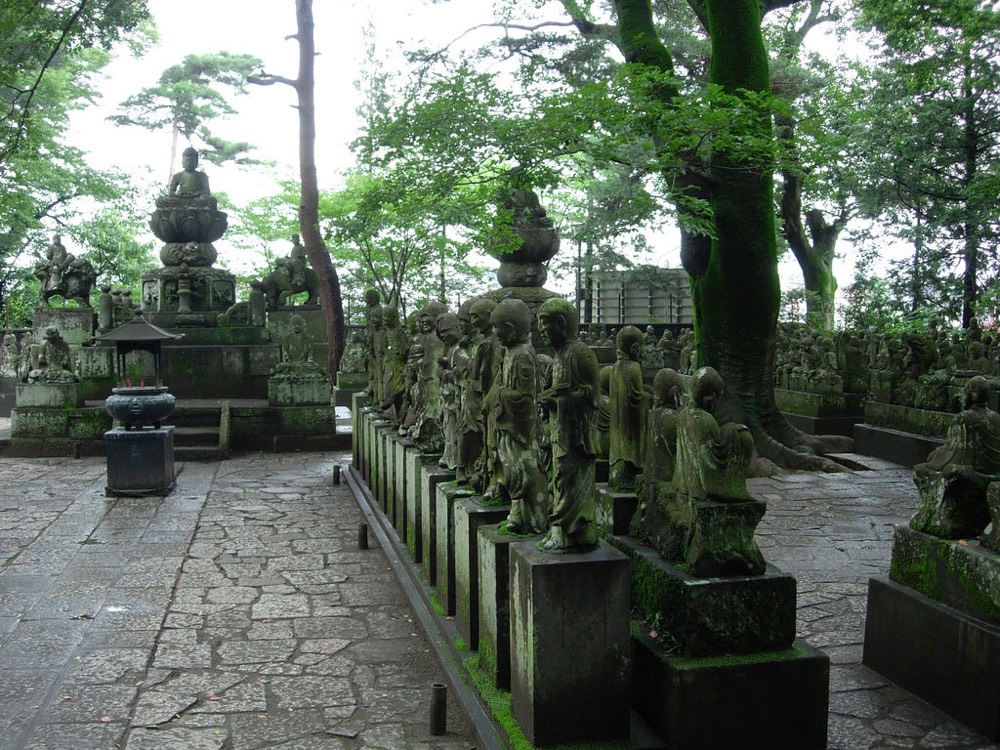
- Kitain: an old Tendai Buddhist temple whose guest hall and study hall are said to have been moved here from Edo Castle; the Gohyaku Rakan has 538 stone figures, each with a different expression. Admission is ¥400 for adults and ¥200 for elementary and junior high school students[10]. The Sanmon gate is under restoration until around September 2027, with access restricted during the work, so follow the signs on site[15].
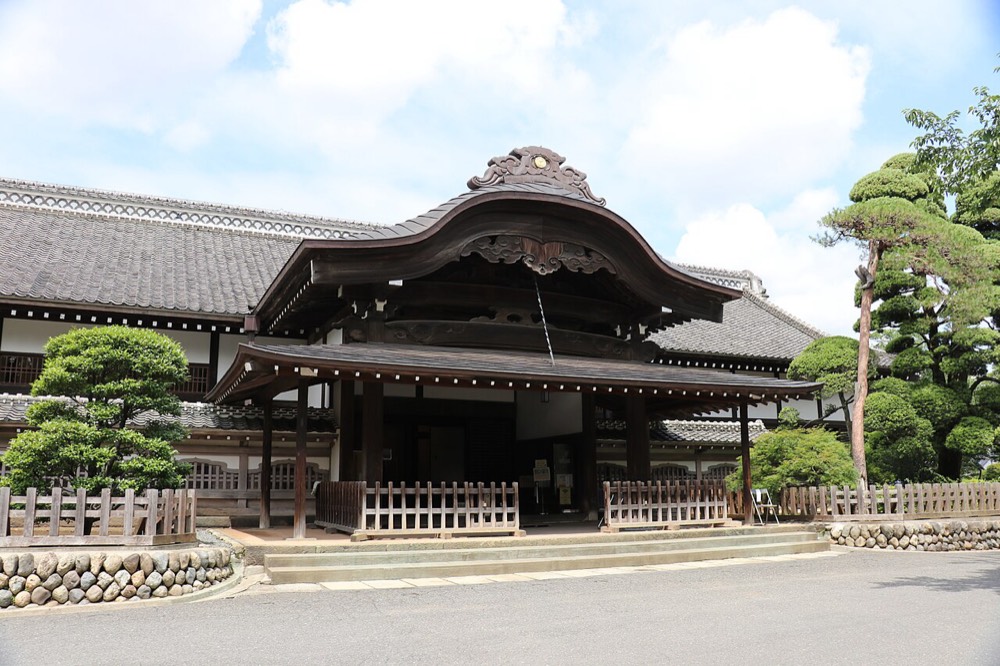
- Kawagoe Castle Honmaru Goten: the surviving palace building of Kawagoe Castle, where you can see the entrance hall and the great hall. Tourism listings give general admission as ¥100 and Monday as the closing day; check Kawagoe City's website for exact hours and closures.
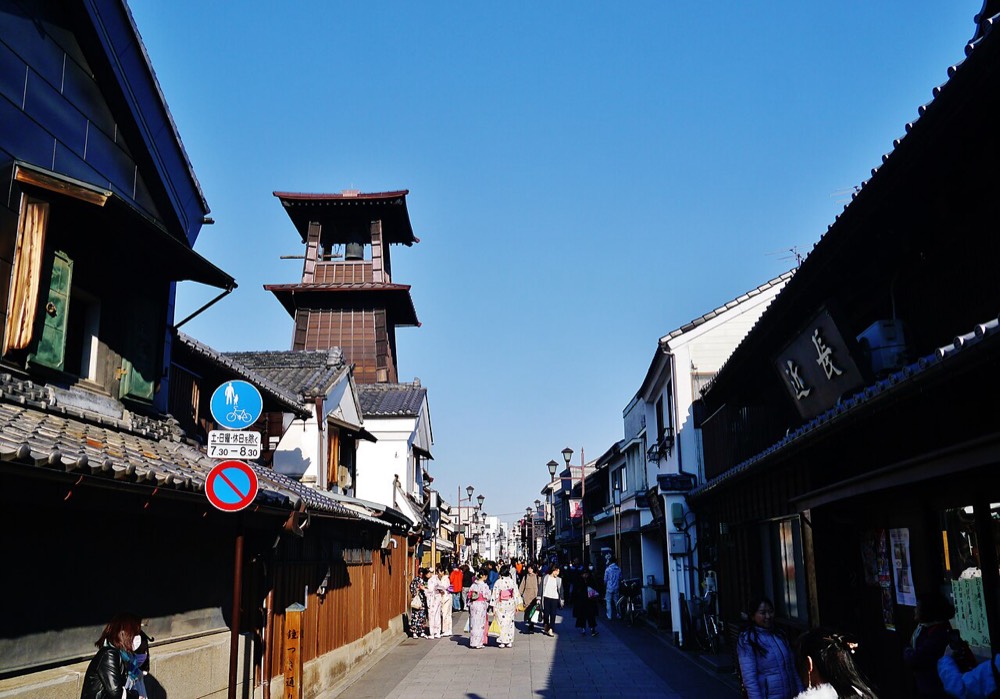
- Toki no Kane: the wooden bell tower next to Kurazukuri Street and the symbol of Koedo Kawagoe. It currently rings automatically at 6:00, 12:00, 15:00 and 18:00 each day (times taken from tourism listings), and the area around it gets very crowded.
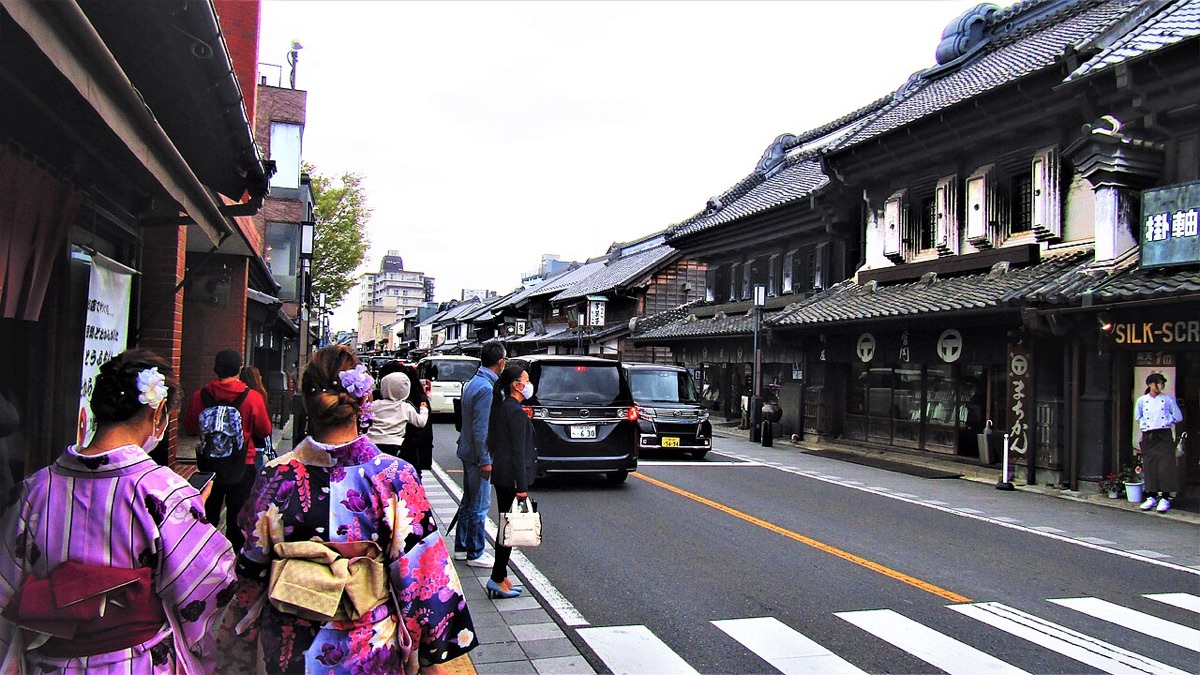
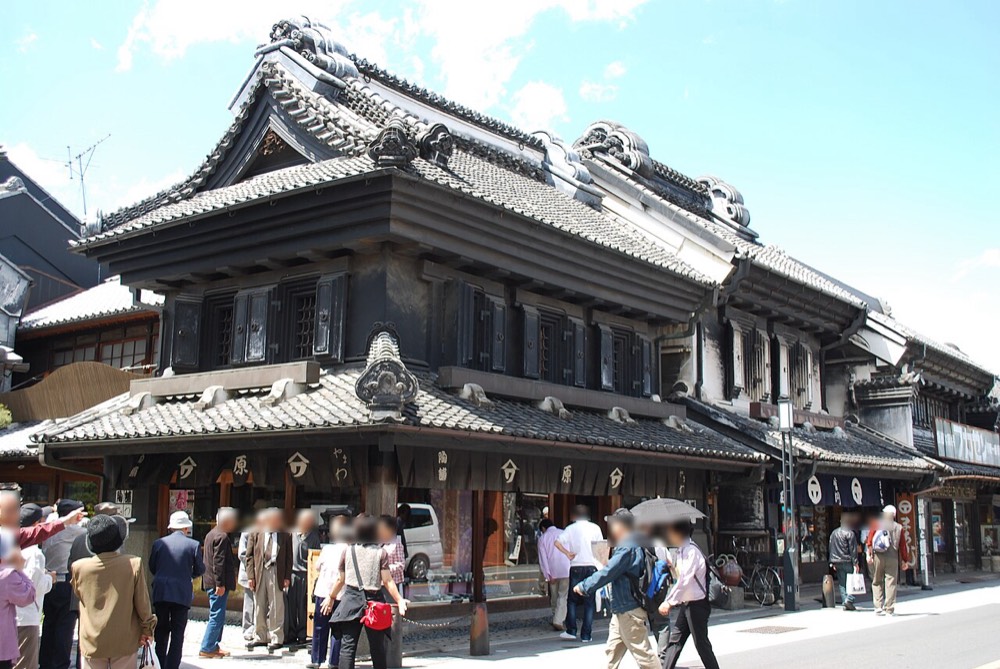
- Kurazukuri Street (Ichibangai): lined with fire-resistant clay-walled merchant houses, mostly souvenir, wagashi and pickle shops on the ground floor. The road carries quite a lot of traffic and the sidewalks are narrow, so watch for cars when taking photos.
- Kashiya Yokocho: a short alley crammed with old-fashioned sweet shops; long fu-gashi wheat-gluten sticks, candy and rice crackers are the classics.
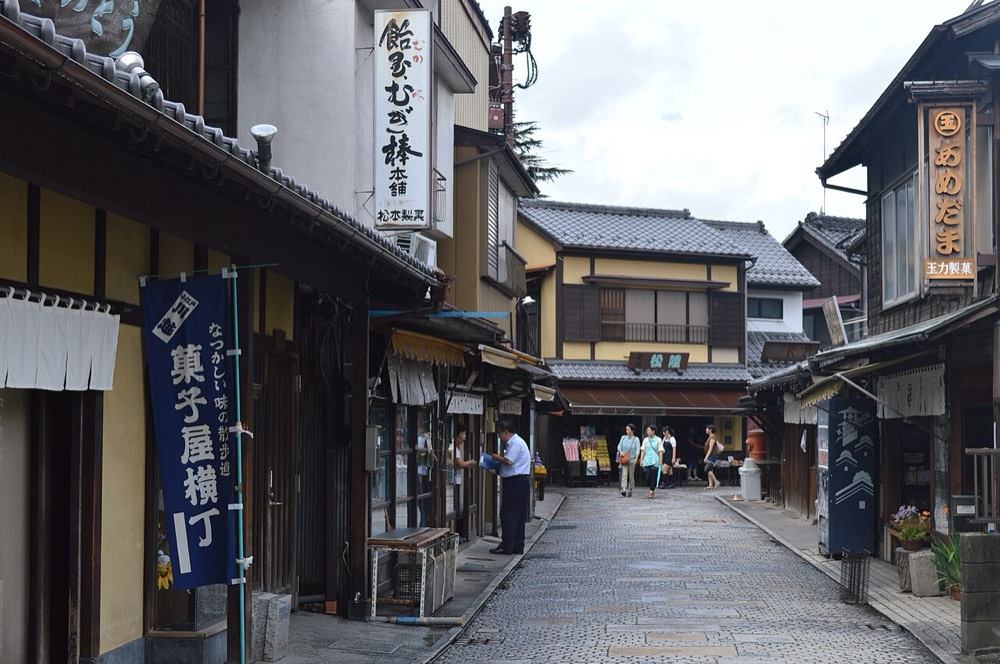
- What to eat: Kawagoe is known for eel on rice and sweet potatoes (Kawagoe imo), and the old street is full of sweet potato desserts, sweet potato ice cream and chip stalls. The long-established eel restaurants are pricey, so check the menu prices before you go in.
To fit Kawagoe into a wider Tokyo trip, see how to plan a 5-day Tokyo itinerary; it slots in most easily on the days you're based in Ikebukuro or Shinjuku.
Kawagoe from November into winter: autumn leaves, chrysanthemums and opening hours
November is one of the nicest times to visit Kawagoe: the weather is cool, there are chrysanthemums and autumn leaves, and with the October Kawagoe Festival over, crowds are far smaller than at festival time.
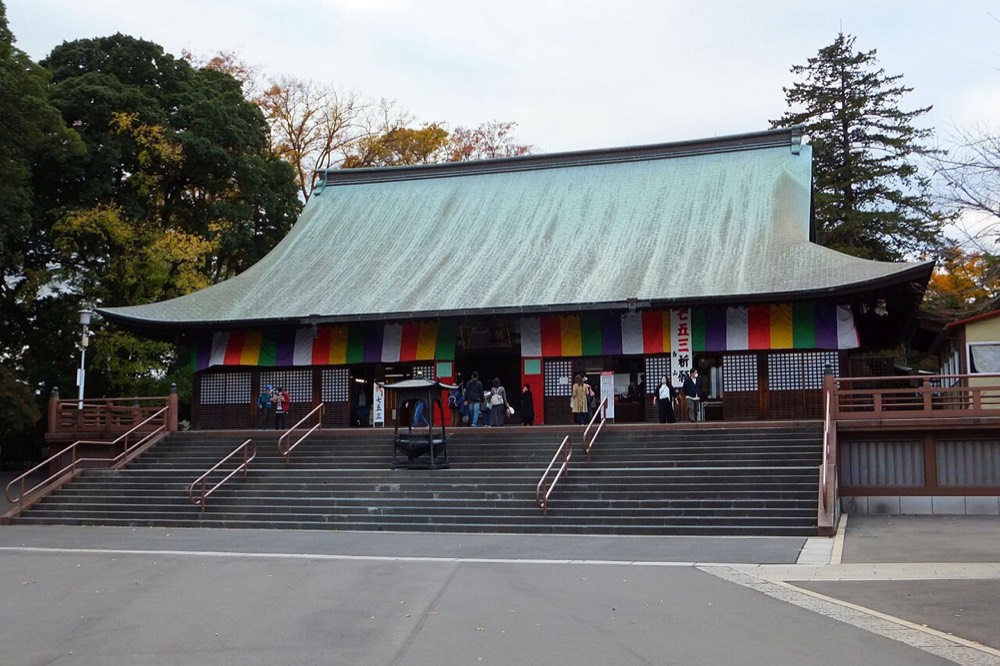
- Koedo Kawagoe Chrysanthemum Festival (1–23 November): in a special area within Kitain's grounds, free, 9:00–16:00, until 15:00 on 23 November[11]. It is running as of this writing (7 November).
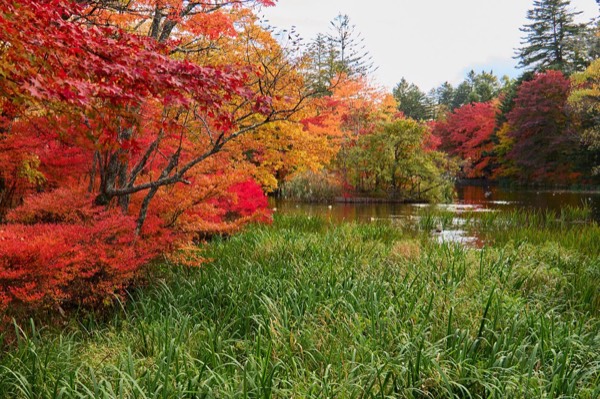
- Kitain autumn leaves: Kitain's website says the best period is late November to early December[11], a little later than central Tokyo. For more autumn colour around Tokyo, pair it with Tokyo autumn leaves 2026.
- Shichi-Go-San season: October and November are when Japanese families take 3-, 5- and 7-year-olds to shrines and temples, so at weekends Hikawa Shrine and Kitain are full of families in kimono and busier than usual. Please keep out of the way of prayer ceremonies when taking photos.
- Winter opening hours: from 24 November to the end of February Kitain is open 9:00–16:00 on weekdays and 9:00–16:20 on Sundays and holidays, with admission ending 30 minutes before closing[10]. In December it gets dark around 16:30, so plan the day early.
- New Year period: Kitain is closed to visitors 25 Dec–8 Jan (New Year prayers and goma fire rituals still go ahead, but it is extremely crowded)[10]; Tobu's loop bus does not run 31 Dec–3 Jan and the Tobu coupon can't be used then[9][2]. Kitain holds its Hatsu-Daishi daruma market each year in early January; check Kitain's website for the 2027 details.
- Kawagoe Festival (finished): the 2026 Kawagoe Festival took place on 17 and 18 October. It is a large float festival held around the third weekend of October each year; if you want to see it, wait for the official 2027 dates. This is past-year reference only.
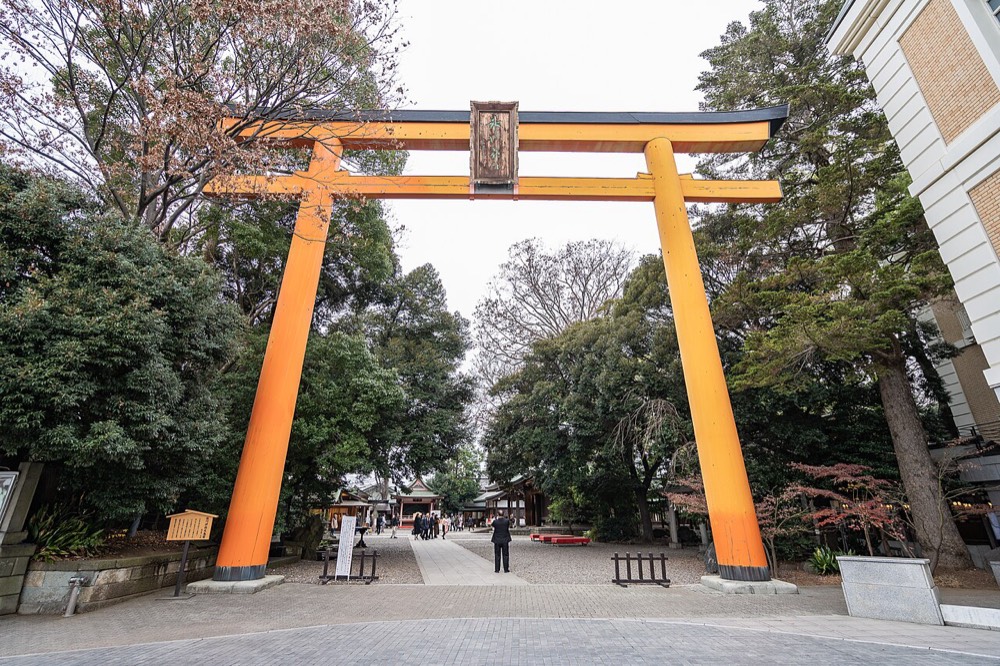
Kawagoe Hikawa Shrine has no big winter event like its summer Enmusubi Furin wind-chime festival (27 June–6 September in 2026)[12], but the ema tunnel and matchmaking charms are there all year. According to a shrine legend, taking home a pebble from the grounds and treasuring it brings a good match; the Enmusubi-dama charm is made from pebbles picked up by shrine maidens and wrapped in hemp netting. For quantities and how they are handed out, go by the notices at the shrine.
Who is a Kawagoe day trip for, and who should skip it?
Good for:
- First- or second-time visitors to Tokyo who want a taste of the Edo period without going far. It is half an hour from Ikebukuro, closer than Nikko or Kamakura.
- People staying around Ikebukuro or Shinjuku who want an easy half-day. You can see the main sights in the morning and be back in Tokyo in the afternoon.
- Anyone who likes street snacks, old shopping streets and souvenirs. Kashiya Yokocho and the sweet potato treats are easy wins.
- People who dislike the cold or don't want to go up a mountain in winter. Kawagoe is a flat town, far less weather-dependent than Nikko or Mt Takao.
Not ideal for:
- People looking for nature or dramatic scenery. Kawagoe is mostly townscape and temples; go on a Nikko day trip instead.
- Travellers who've had their fill of old streets and temples. If you've already been to Kyoto, Takayama or Kurashiki, Kawagoe will feel less fresh; for the sea plus temples, a Kamakura day trip offers more variety.
- People who can only arrive at midday on a weekend. Ichibangai and Kashiya Yokocho are packed at weekend lunchtimes, and the experience suffers badly.
Beating the crowds and final tips
Kawagoe is busiest on weekends and holidays from 11:00 to 15:00, with Kurazukuri Street and the Toki no Kane area the most crowded. Some practical moves:
- Go on a weekday if you can. But weekday loop buses are infrequent, so plan to walk some stretches.
- If it has to be a weekend, arrive before 9:30. See the old street and Kashiya Yokocho first, then head south to Kitain, against the flow of most visitors, who walk south to north.
- Eat eel early or late. Walk in at 11:00 opening, or wait until after 13:30.
- Buy coupons at your departure station. The Tobu coupon is not sold at Kawagoe or Kawagoeshi, and the Seibu coupon is not sold at Hon-Kawagoe[2][5], so it is too late once you arrive.
- You don't have to return from the station you arrived at. With the Tobu coupon, board at Kawagoeshi or Kawagoe; with Seibu's, use Hon-Kawagoe, the nearest station walking from the north end of the old street.
Most Kawagoe shops close by early evening, and winter days are short, so the real sightseeing window is roughly 10:00 to 16:30. Put the key sights around midday, leave the afternoon for the old street and snacks, and head back to Tokyo while it is still light. That is the smoothest way to do a Kawagoe day trip.
FAQ
How long does it take to get from Tokyo to Kawagoe, and what's the cheapest route?
The Tobu Tojo Line from Ikebukuro to Kawagoe Station takes about 30 minutes by express and costs ¥490 one way, the best combination of time and price. From Shinjuku, the JR Saikyo Line rapid takes about 50 minutes for ¥810; the Seibu Shinjuku Line Koedo limited express reaches Hon-Kawagoe in as little as 44 minutes but needs a ¥600 limited express ticket on top. From Shibuya, Fukutoshin Line trains run through onto the Tojo Line and take about 45 minutes.
Can I still buy the KAWAGOE DISCOUNT PASS? How is it different from the Koedo Kawagoe Coupon?
Tobu announced that the original KAWAGOE DISCOUNT PASS was discontinued on 31 March 2026; from 1 April only the Premium version is sold, at ¥1,200 for adults, for overseas visitors with a passport. The domestic Koedo Kawagoe Coupon costs ¥1,110 from Ikebukuro, anyone can buy it from Tojo Line ticket machines, and it includes a one-day loop bus pass, so for transport alone it is actually cheaper.
Do I need a bus day pass in Kawagoe?
It depends how much you want to walk. Kawagoe Station is over 20 minutes on foot from Kurazukuri Street, and Kitain and Hikawa Shrine sit at opposite ends of the old town, so if you want to see everything a day pass usually pays off: Tobu's loop bus costs ¥220–230 per ride and its day pass ¥500, so three rides already cover it. Weekday buses run only about hourly; if you only plan to see the old street and Kashiya Yokocho, walking plus single IC card rides is enough.
Is Kawagoe worth visiting in November or winter?
Yes, and it is a little less crowded than in peak spring and autumn. Kitain holds a free chrysanthemum festival from 1 to 23 November, and the temple says its autumn colour is best from late November to early December. From 24 November Kitain switches to winter hours (closing at 16:00 on weekdays) and it is closed to visitors 25 Dec–8 Jan; Tobu's loop bus does not run 31 Dec–3 Jan and the coupon can't be used then.
Can I do wedding photos or props photography at Kawagoe Hikawa Shrine?
No. The shrine's website states that couples who did not marry there may not do wedding or pre-wedding photo shoots in the grounds, and tripods, large strobes, reflectors, replica swords and soap bubbles are banned; you also may not photograph shrine maidens or other worshippers without permission. Visiting in kimono is fine, but commercial shoots need prior permission.
Sources
- Koedo Kawagoe Tourist Association: Access: Journey times from Ikebukuro, Shinjuku and Shibuya
- Tobu Railway: Koedo Kawagoe Coupon: Prices by station, bus free zone, blackout days
- TOBU JAPAN TRIP TICKETS: KAWAGOE DISCOUNT PASS notice: 27 March 2026 notice: standard pass discontinued, Premium price revised
- Seibu Railway: SEIBU KAWAGOE PASS: Prices for overseas visitors, sales points and conditions
- Seibu Railway: Koedo-Kawagoe Free Coupon: Contents, sales stations and the price table as of 14 March 2026
- Seibu Railway: Red Arrow limited express: Limited express ticket price, Seibu-Shinjuku/Takadanobaba to Hon-Kawagoe
- Norimono News: Kawagoe routes compared after JR East's fare revision (2 March 2026): Kawagoe fares before and after the JR and Seibu increases
- Tobu Bus: Koedo Meisho Meguri Bus: Single fares, weekday/weekend departures, stops
- Tobu Bus: Koedo Kawagoe one-day bus pass: Day pass price, where to buy, non-operating days
- Kitain Temple: Visiting: Admission, seasonal hours, closed days
- Kitain Temple: Koedo Kawagoe Chrysanthemum Festival / autumn leaves: Festival dates and autumn colour period
- Kawagoe Hikawa Shrine: Access and visiting guide: Bus stops and photography rules in the grounds
- ekitan: Ikebukuro to Hon-Kawagoe fares and times: Tobu Tojo Line fares, Ikebukuro to Kawagoe/Kawagoeshi
- Eagle Bus / RYDE: Koedo Junkai Bus one-day ticket (December 2025 press release): Koedo loop bus single fare and day pass price
- Kitain Temple: Sanmon gate restoration notice (updated June 2026): Gate restoration scheduled to run until around September 2027
Fares, opening hours and event dates can change. Information checked on 2026.11.07; please confirm with official sources before you go.