Kamakura Day Trip: Enoden Route, Tsurugaoka Hachimangu, the Great Buddha and Enoshima
Kamakura day trip guide: getting there from Tokyo, Shinjuku and Yokohama, Enoden Noriorikun pass vs Odakyu Enoshima-Kamakura Freepass, temple fees and crossing etiquette.
Quick answer
The smoothest Kamakura day trip: take the JR Yokosuka Line about 1 hour from Tokyo to Kamakura Station, spend the morning on Komachi-dori and at Tsurugaoka Hachimangu (open 6:00–20:00), ride the Enoden 4 minutes to Hase at midday for Hase-dera (¥400 for adults) and the Great Buddha at Kotoku-in (¥300), then follow the coast in the afternoon to Kamakura-Kokomae and Enoshima. The Enoden day pass, Noriorikun, costs ¥800 for adults; from Shinjuku, Odakyu's Enoshima-Kamakura Freepass costs ¥1,640 for adults.
A Kamakura day trip is one of the most popular excursions from Tokyo: walk Tsurugaoka Hachimangu and Komachi-dori in the morning, see Hase-dera and the Great Buddha at midday, then ride the Enoden along the coast to Enoshima in the afternoon, linking the old capital, its temples and the Shonan seaside in a single day. This guide covers getting to Kamakura from Tokyo, Shinjuku and Yokohama, choosing between the Enoden day pass and Odakyu's freepass, admission fees and hours at the main sights, photo etiquette at the Kamakura-Kokomae crossing, and timing tips for autumn and winter.
Getting to Kamakura: From Tokyo, Shinjuku and Yokohama
In short: From Tokyo Station, Shinagawa and Yokohama, the JR Yokosuka Line runs direct to Kamakura Station. The Kamakura City Tourist Association says the trip takes about 1 hour from Tokyo and about 30 minutes from Yokohama[1]. From Shinjuku you can choose the JR Shonan-Shinjuku Line or the Odakyu Line.
| From | Suggested route | Arrive at |
|---|---|---|
| Tokyo, Shimbashi, Shinagawa | JR Yokosuka Line, direct | Kamakura Station (about 1 hour)[1] |
| Yokohama | JR Yokosuka Line, direct | Kamakura Station (about 30 minutes)[1] |
| Shinjuku, Shibuya | JR Shonan-Shinjuku Line (some trains require a change to the Yokosuka Line at Ofuna) | Kamakura Station |
| Shinjuku | Odakyu Line to Fujisawa then the Enoden, or the Odakyu Enoshima Line to Katase-Enoshima | Enoshima area |
The JR route suits a "Kamakura first, then Enoshima" order: arrive at Kamakura Station, see the town, then ride the Enoden west. Kita-Kamakura is the stop before Kamakura; get off there first if you want to see Engaku-ji. JR East revised its fares on March 14, 2026, so fares in older sources may no longer apply; check the actual amount on JR East's official site or a route-planning app. IC cards such as Suica and PASMO work on both JR and the Enoden. For how to use Tokyo transit cards, see the Tokyo transport guide.
The Odakyu route suits an "Enoshima first, then Kamakura" order, or travellers staying around Shinjuku who want a freepass. The Romancecar limited express requires a separate limited express ticket.
Enoden Day Pass Noriorikun vs the Odakyu Freepass: Which to Choose?
In short: If you take JR to Kamakura, buy the Enoden day pass Noriorikun (¥800 for adults). If you start from Shinjuku on Odakyu, buy the Enoshima-Kamakura Freepass (¥1,640 for adults from Shinjuku)[2][4].
The Enoshima Electric Railway (Enoden) is a small, tram-like line linking Kamakura and Fujisawa, with 15 stations; Kamakura to Fujisawa takes about 37 minutes[3]. The two passes compare as follows:
| Item | Enoden day pass Noriorikun | Odakyu Enoshima-Kamakura Freepass |
|---|---|---|
| Price | ¥800 adults, ¥400 children[2] | From Shinjuku ¥1,640 adults, ¥430 children; from Machida ¥1,180 adults[4] |
| Coverage | Unlimited rides on the whole Enoden line for a day[2] | One Odakyu round trip from your departure station to Fujisawa, plus unlimited rides for a day on Odakyu between Fujisawa and Katase-Enoshima and on the whole Enoden line[4] |
| Validity | Day of issue only[2] | 1 day[4] |
| Where to buy | Ticket machines at all Enoden stations, EMot (smartphones only)[2] | Odakyu station ticket machines and windows, EMot; can be bought up to one month ahead, but ticket machines sell same-day passes only[4] |
| Extras | Offers at about 53 shops and facilities along the line[2] | Offers at partner facilities around Enoshima and Kamakura |
Is the day pass worth it? Using the standard fares on the Enoden website for a typical route[3]:
- Kamakura → Hase: ¥200
- Hase → Kamakura-Kokomae: ¥220
- Kamakura-Kokomae → Enoshima: ¥200
- Enoshima → Fujisawa: ¥220
That totals ¥840, already more than the ¥800 pass. If you finish by riding back from Enoshima to Kamakura (¥260) or add an extra stop, four or more rides make it worth buying. If you only go Kamakura to Hase and back, just tap an IC card.
Planning Kamakura Sightseeing: Tsurugaoka Hachimangu, Komachi-dori, Hase-dera and the Great Buddha
In short: Tsurugaoka Hachimangu is about a 10-minute walk from the east exit of Kamakura Station[5], while Hase-dera and the Great Buddha are both near Enoden Hase Station, about 5 and 7 minutes' walk respectively[6][8].
| Sight | Hours | Fee (adults) | Nearest station |
|---|---|---|---|
| Tsurugaoka Hachimangu | 6:00–20:00 all year[5] | Free to visit the grounds | About 10 min walk from JR Kamakura Station east exit[5] |
| Hase-dera | Entry 8:00–16:30, closes 17:00 (longer April–June)[6] | ¥400, elementary students ¥200[6] | About 5 min walk from Enoden Hase Station[6] |
| Kotoku-in (Great Buddha) | Oct–Mar 8:00–17:00, Apr–Sep 8:00–17:30[8] | ¥300; junior high, high school and elementary students ¥150[8] | About 7 min walk from Enoden Hase Station[8] |
| Engaku-ji | 8:30–16:30 (until 16:00 Dec–Feb)[9] | ¥500, elementary and junior high students ¥200[9] | About 1 min walk from JR Kita-Kamakura Station[9] |
Tsurugaoka Hachimangu and Komachi-dori
Tsurugaoka Hachimangu is the symbol of Kamakura. From the east exit of Kamakura Station, walk north along the shopping street Komachi-dori and it joins the shrine's approach. The grounds are open 6:00 to 20:00 all year[5]; go before 9:00 for the fewest people and a quiet climb up the great stone stairs to the main shrine.
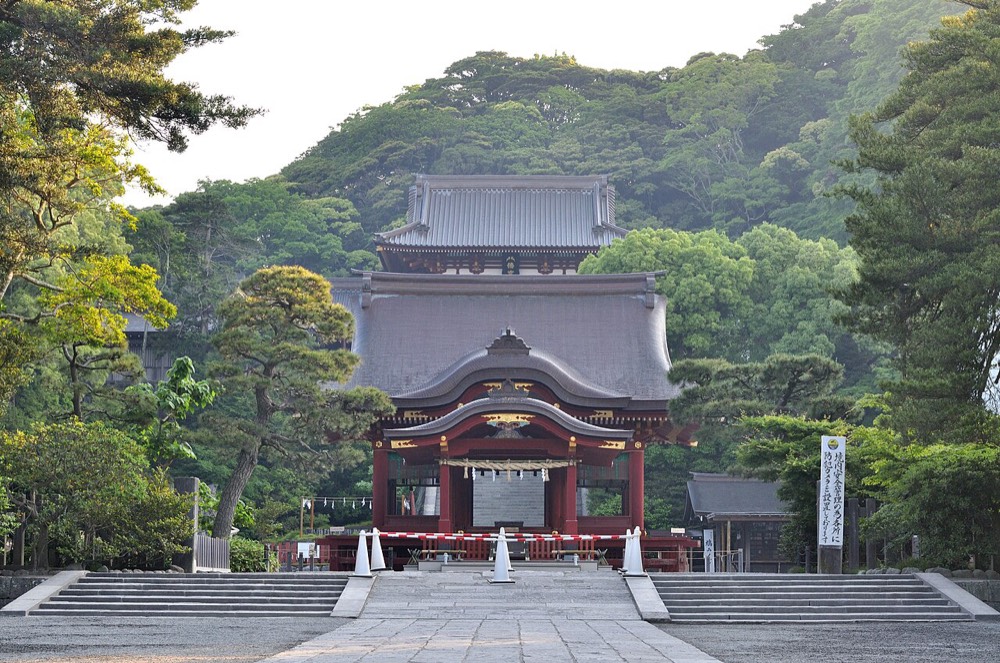
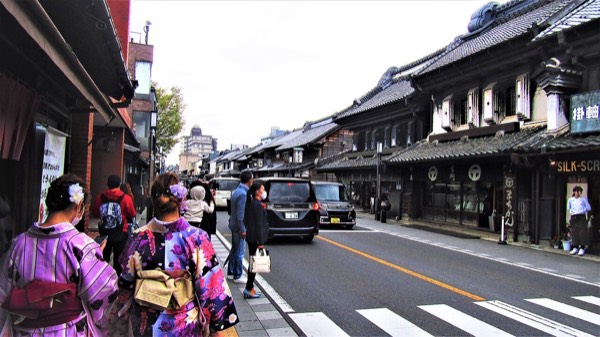
Komachi-dori is lined with snacks, gift shops and restaurants, and gets very crowded at weekend lunchtimes. Kamakura City's public manners ordinance asks people not to eat while walking in narrow or crowded places, to avoid soiling others' clothes[10]. If you buy a snack, finish it at the shop front or in the shop's eating area before moving on.
Hase-dera
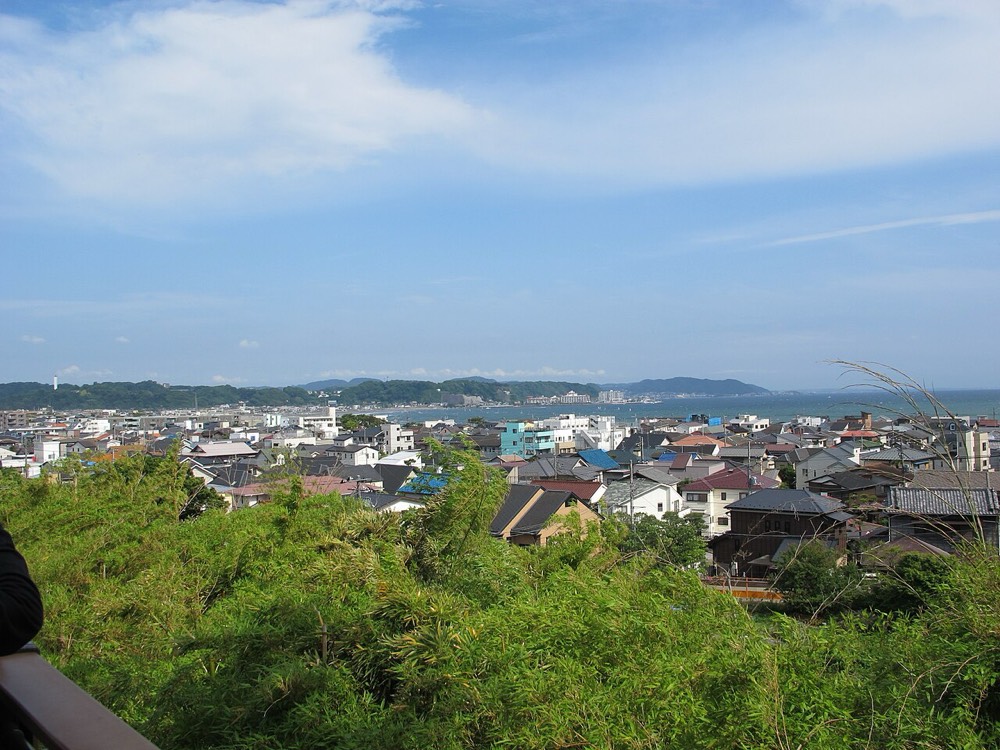
Hase-dera is built on a hillside, and the view opens up the higher you climb; the lookout looks over Yuigahama beach and the town of Kamakura. Adult admission is ¥400, and regular entry is 8:00 to 16:30[6].
The Great Buddha at Kotoku-in
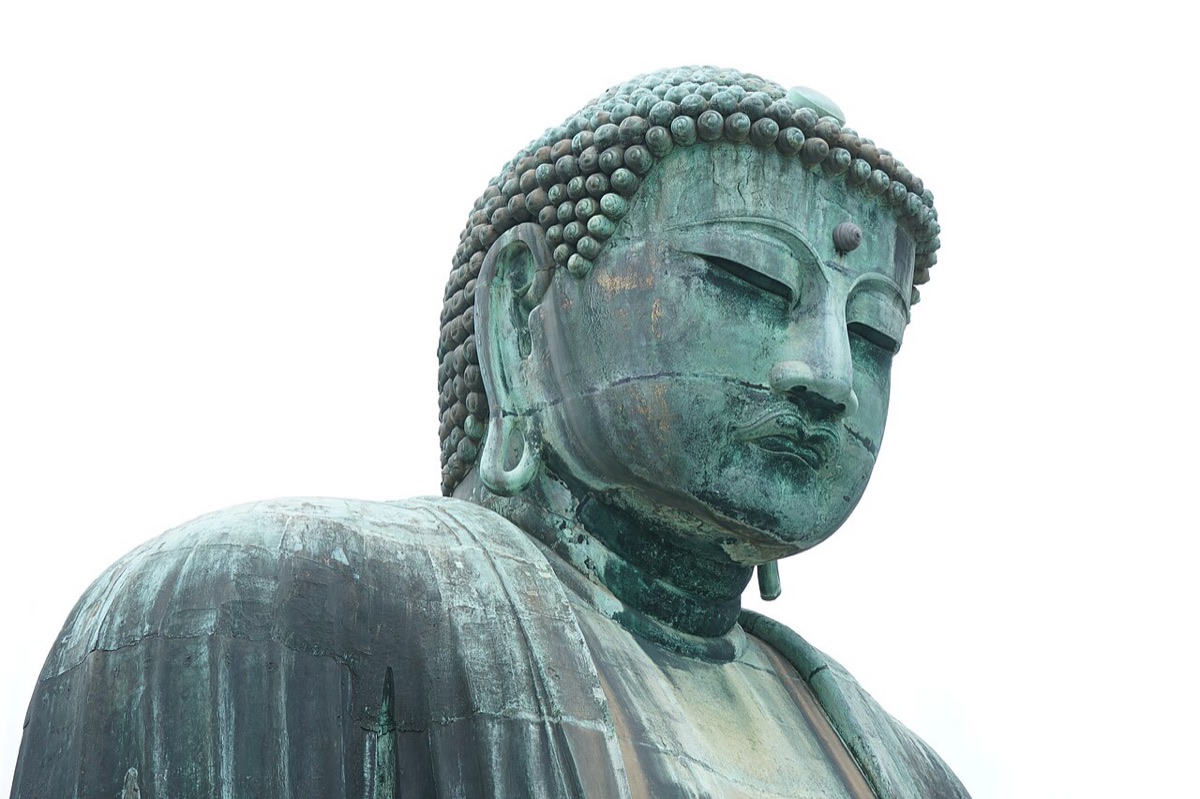
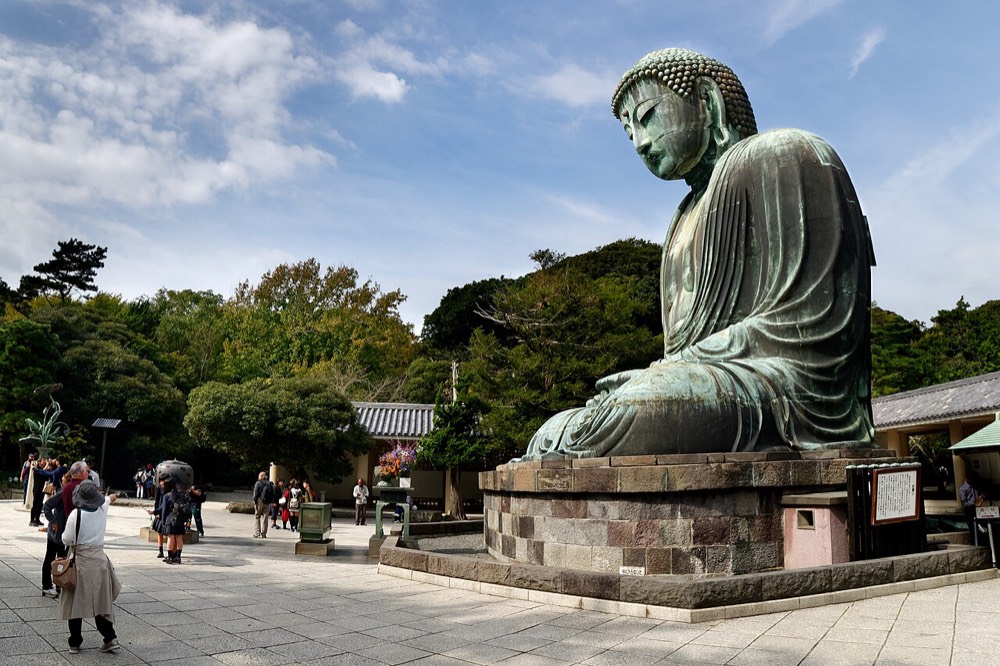
The Great Buddha of Kamakura is the principal image of Kotoku-in, formally the National Treasure "bronze seated Amida Nyorai"[8]. It sits in the open air on the grounds and is Kamakura's most classic photo. No reservation is needed and general admission is ¥300; for another ¥50 you can go inside the statue and see the seams of the bronze casting. Interior viewing is 8:00–16:30 all year[8]. Kotoku-in asks visitors not to use selfie sticks inside the statue, and drones may not be flown on the grounds without permission[8].
Kamakura Day Trip Itinerary: What Is the Smoothest Route?
In short: The recommended route runs east to west: Kamakura Station → Tsurugaoka Hachimangu → Enoden to Hase → Kamakura-Kokomae → Enoshima, following the Enoden toward the sea and ending with sunset on Enoshima.
| Time | Plan | Transport |
|---|---|---|
| 8:30 | Arrive at JR Kamakura Station, buy the Enoden day pass | JR Yokosuka Line |
| 8:45–10:30 | Tsurugaoka Hachimangu, Komachi-dori | Walk |
| 10:45–12:30 | Hase-dera, lunch | Enoden Kamakura → Hase (about 4 min)[3] |
| 12:45–13:30 | Great Buddha at Kotoku-in | About 7 min walk |
| 14:00–14:30 | Kamakura-Kokomae crossing, Shichirigahama coast | Enoden Hase → Kamakura-Kokomae (about 14 min)[3] |
| 14:45–17:30 | Walk around Enoshima, watch the sunset | Enoden Kamakura-Kokomae → Enoshima (about 4 min)[3] |
| 18:00 | Back to Tokyo from Fujisawa or Katase-Enoshima | Enoden / Odakyu |
Adding Engaku-ji: Get off at Kita-Kamakura first; Engaku-ji is right by the station and opens at 8:30[9]. Then ride one stop to Kamakura and continue the plan above, though you will have less time on Enoshima.
Starting from Shinjuku on Odakyu: You can reverse the route, seeing Enoshima first from Katase-Enoshima, then riding the Enoden east to Kamakura-Kokomae, Hase and Kamakura, and finally taking JR back from Kamakura, though you will not use the freepass's Odakyu return leg. Alternatively, ride the Enoden from Kamakura back to Fujisawa and change to Odakyu.
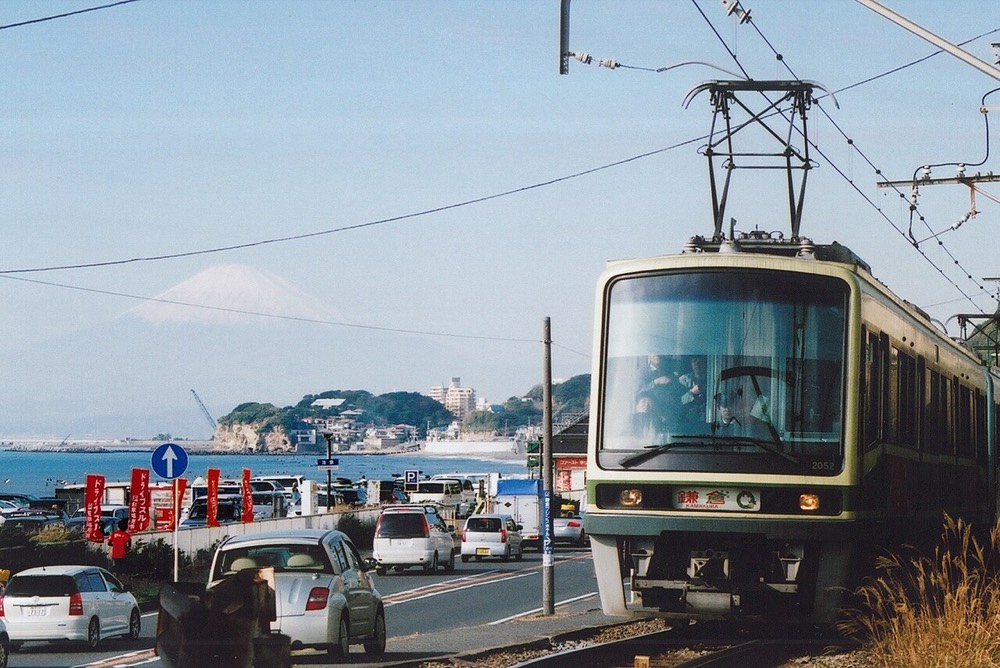
Between Kamakura-Kokomae and Shichirigahama the Enoden runs along the coast, and on clear days you can see Enoshima and Mt. Fuji in the distance, so sit on the sea side. To fit Kamakura into a longer Tokyo trip, see the Tokyo 5-day itinerary. Yokohama is also on the JR Yokosuka Line, so you can pair this with a Yokohama day trip over two days.
The Kamakura-Kokomae Crossing: Photo Etiquette and Local Rules
In short: The crossing beside Kamakura-Kokomae Station is a popular photo spot, but it is an ordinary road next to a residential area. Kamakura City's ordinance asks people not to stop on the roadway to take photos and not to shoot from dangerous spots near the tracks[10].
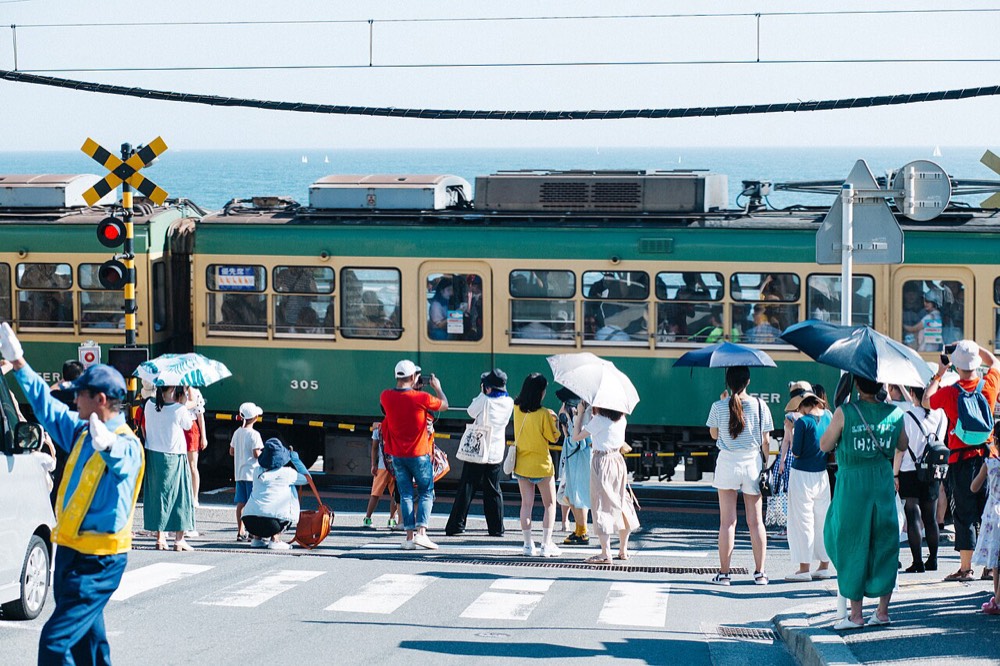
The crossing became famous as an anime location, and visitors from Japan and abroad wait here to photograph the Enoden passing. As crowds grew, the roadway was often filled with people taking photos and residents' access was affected. Kamakura City's "Ordinance on Improving Manners in Public Places" lists the following among the nuisance behaviours it asks people to avoid[10]:
- Taking photos in a way that stops on the roadway and blocks traffic
- Taking photos in dangerous places such as near the tracks
- Eating while walking in narrow or crowded places
The ordinance mainly asks for cooperation[10], but the safety issues on site are real. According to the Kanagawa Shimbun, from 2025 Kamakura City set up a photo area in a park near the crossing and assigned staff to guide visitors[11]. When you are there:
- Stay on the sidewalk or in the designated area; do not step into the roadway or onto the crossing for a better shot.
- Follow the guidance staff, and take turns when it is crowded.
- Do not enter Kamakura High School, homes or parking lots; the school grounds are not a tourist site.
- Do not linger; once you have your photo, move on to the Shichirigahama coast or the next station.
- Avoid weekend midday; weekday mornings are quieter.
Kamakura Day Trip in Winter and Autumn: Leaves, Crowds and Tips
In short: Kamakura's leaves turn later than central Tokyo's. Hase-dera has set its 2026 autumn night special viewing and leaf illumination for November 21 to December 6, a useful guide to the peak foliage period[7].
Hase-dera's official site says the 2026 autumn night special viewing starts at sunset, with the gate closing at 19:00 and the grounds at 19:30; it costs ¥400 for adults and ¥200 for elementary students. It goes ahead in rain but may be cancelled in severe weather, may be extended depending on the leaves, and tripods cannot be used on the paths[7]. The Sanmon gate area of Engaku-ji is also a well-known foliage spot in Kita-Kamakura, but from December to February it closes earlier at 16:00[9], so go early in winter.
Tips for autumn and winter in Kamakura:
- Early sunsets: In December it gets dark in Kamakura at around 16:30, and last entry at Hase-dera, Kotoku-in and Engaku-ji is earlier than in summer, so put sights in the morning.
- Strong sea winds: Enoshima and Shichirigahama are windy in winter, so a hat and gloves matter more than in central Tokyo.
- Better chances of seeing Mt. Fuji in winter: When the air is dry, you may see Mt. Fuji from the Enoden windows and from Enoshima.
- Crowds: On autumn foliage weekends and during New Year shrine visits, Tsurugaoka Hachimangu and the area around Kamakura Station are very crowded, and you may have to queue to enter Enoden stations. Going on a weekday is much easier.
To compare foliage times and spots in central Tokyo, see Tokyo autumn leaves 2026.
Before You Go: How to Plan the Smoothest Kamakura Day Trip
- Start early: Arrive at Kamakura Station before 8:30 to see Tsurugaoka Hachimangu and Hase-dera before the crowds.
- Decide your direction first: If you take JR, go from Kamakura toward Enoshima and buy the Enoden day pass; if you take Odakyu, go from Enoshima toward Kamakura and buy the freepass.
- Check fares on official sites: The Enoden day pass is ¥800 for adults and the Odakyu freepass ¥1,640 from Shinjuku[2][4]; JR fares were revised in March 2026, so look them up separately.
- Carry some cash: Some temples and small shops may not take cards, so have coins ready for admission such as ¥400 at Hase-dera and ¥300 at the Great Buddha[6][8].
- Respect local manners: Do not eat while walking on Komachi-dori, and do not stand in the roadway at Kamakura-Kokomae[10].
FAQ
Should I buy the Enoden day pass for a Kamakura day trip?
It depends on how many rides you take. The Enoden day pass, Noriorikun, is ¥800 for adults and ¥400 for children. With single fares of ¥200 Kamakura–Hase, ¥220 Hase–Kamakura-Kokomae, ¥200 Kamakura-Kokomae–Enoshima and ¥220 Enoshima–Fujisawa, the total is ¥840, so four or more rides make it worthwhile, plus you get discounts along the line.
How long does it take to get from Tokyo to Kamakura?
The Kamakura City Tourist Association says about 1 hour from Tokyo and about 30 minutes from Yokohama. From Tokyo, Shinagawa and Yokohama, the JR Yokosuka Line runs direct to Kamakura Station; from Shinjuku and Shibuya, take the JR Shonan-Shinjuku Line, changing at Ofuna on some trains. From Shinjuku you can also take Odakyu to Fujisawa or Katase-Enoshima and switch to the Enoden.
What is the difference between the Odakyu Enoshima-Kamakura Freepass and the Enoden day pass?
Odakyu's Enoshima-Kamakura Freepass includes one Odakyu round trip from your departure station to Fujisawa, plus unlimited rides for a day on Odakyu between Fujisawa and Katase-Enoshima and on the whole Enoden line; from Shinjuku it is ¥1,640 for adults. The Enoden day pass covers only the Enoden, so it suits people who take JR to Kamakura.
How much does it cost to see the Great Buddha of Kamakura, and can I go inside?
Kotoku-in charges ¥300 for general admission and ¥150 for junior high, high school and elementary school students; preschoolers are free and no reservation is needed. Entering the Buddha's interior costs an extra ¥50 and is open all year 8:00–16:30, with entry ending 10 minutes before. It is about a 7-minute walk from Enoden Hase Station.
Can I take photos at the Kamakura-Kokomae railway crossing?
Yes, from safe spots such as the sidewalk, but Kamakura City's public manners ordinance clearly asks visitors not to stop on the roadway to take photos and not to shoot in dangerous places near the tracks. The crossing is next to homes and a school, so do not enter Kamakura High School, and follow on-site staff to the designated photo area.
Is Kamakura worth visiting in winter, and when are the autumn leaves?
Kamakura's leaves turn later than central Tokyo's. Hase-dera has set its 2026 autumn night special viewing and leaf illumination for November 21 to December 6, which roughly marks the foliage season. Winter brings fewer visitors and, on clear days, views of Mt. Fuji from the coast, but from December to February Engaku-ji closes earlier at 16:00, so start your day earlier.
Sources
- Kamakura official tourist guide (Kamakura City Tourist Association) | Access: Travel times from Tokyo and Yokohama to Kamakura (checked October 2026)
- Enoshima Electric Railway | 1-day pass Noriorikun: Price, where to buy, digital ticket, validity, perks along the line
- Enoshima Electric Railway | Fares and commuter passes: Single fares and travel times between stations
- Odakyu Electric Railway | Enoshima-Kamakura Freepass prices and sales points: Prices by departure station, validity, where to buy
- Tsurugaoka Hachimangu official site: Gate opening and closing times, access
- Hase-dera (Kamakura) official | Visitor information and access: Entry hours, admission fees, walking time from Hase Station
- Hase-dera (Kamakura) official | Autumn night special viewing and leaf illumination (2026): 2026 night viewing dates, closing times, fees, tripod rule
- Kotoku-in (Great Buddha of Kamakura) official site: Hours, admission fees, interior viewing, walking time from Hase Station
- Engaku-ji official site: Hours, admission fees, walking time from Kita-Kamakura Station
- Kamakura City | Ordinance on improving manners in public places: Behaviours to avoid, such as stopping on the roadway to take photos, shooting near the tracks, and eating while walking in crowded places
- Kanagawa Shimbun (Kanaloco) | City trials a photo area at the Kamakura-Kokomae crossing: Kamakura City's 2025 photo area and visitor guidance staff near the crossing
Fares, opening hours and event dates can change. Information checked on 2026.10.24; please confirm with official sources before you go.