Tokyo Subway Ticket 2026: New 24/48/72-Hour Prices After the Fare Rise, Coverage and Where to Buy
Tokyo Subway Ticket 2026 prices from March 14: 24h 1,000 yen, 48h 1,500 yen, 72h 2,000 yen. Coverage, who can buy, QR tickets and how many rides break even.
Quick answer
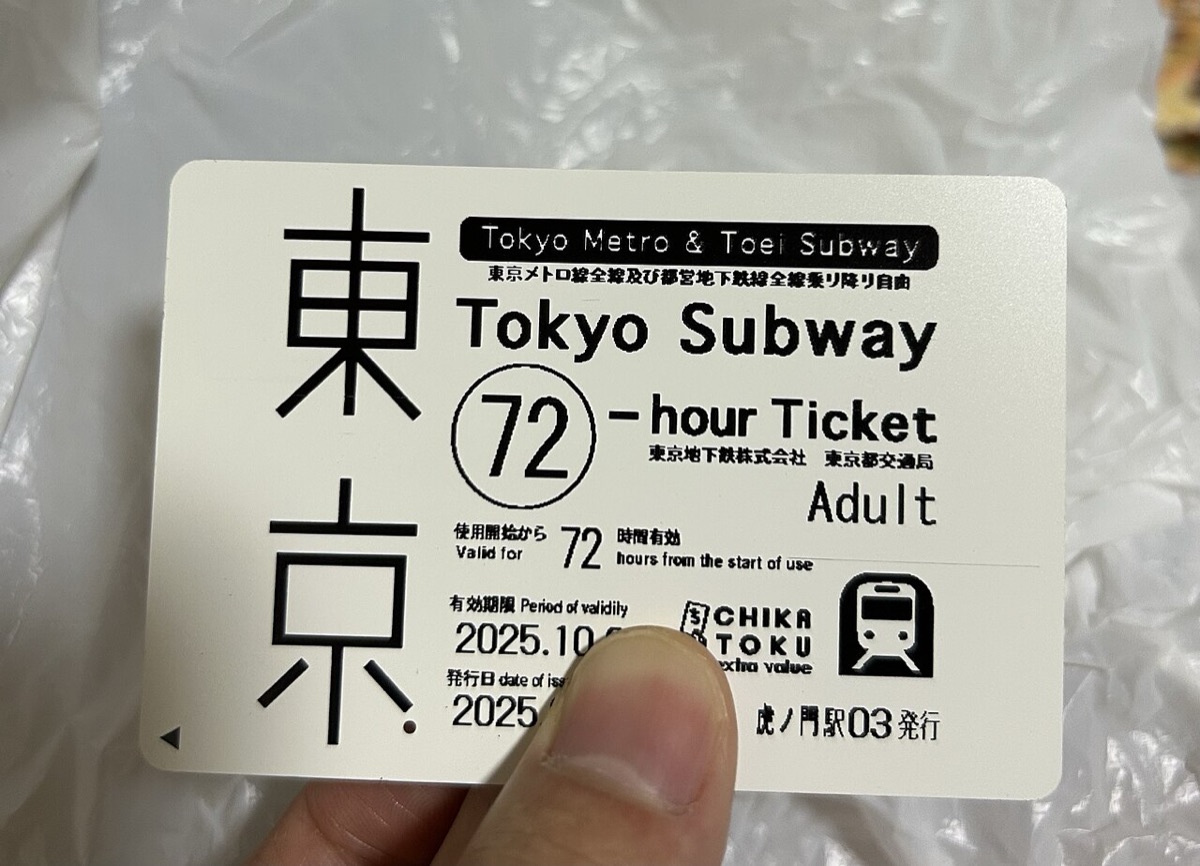
The Tokyo Subway Ticket gives unlimited rides on Tokyo Metro's 9 lines and the 4 Toei Subway lines for 24, 48 or 72 hours from your first entry. Prices rose on March 14, 2026: the 24-hour ticket is 1,000 yen for adults, the 48-hour 1,500 yen and the 72-hour 2,000 yen, with children half price. It is for overseas visitors and Japanese residents from outside Tokyo and the seven surrounding prefectures, with a passport or ID shown at purchase. Since March 25, 2026 it can also be used as a QR code on your phone. JR and airport railways are not included.
The Tokyo Subway Ticket is the subway pass most often recommended for independent trips to Tokyo, but prices went up in March 2026, so the old "72 hours for just 1,500 yen" line is out of date. This guide covers the latest Tokyo Subway Ticket prices for 2026: 1,000 yen for 24 hours, 1,500 yen for 48 hours and 2,000 yen for 72 hours, plus which lines it covers, who can buy it, where to buy it and how the phone QR code works, and then works out how many rides you need for a Tokyo day pass to pay off.
How much is the Tokyo Subway Ticket in 2026?
The short answer: from March 14, 2026, all three Tokyo Subway Tickets went up in price, and children pay half the adult fare. Tokyo Metro and the Tokyo Metropolitan Bureau of Transportation announced the change jointly on January 30, 2026, and the Tokyo Metro & Toei Subway Common One-day Ticket and the Tokyo Free Ticket rose on the same day[1].
| Ticket | Before (adult) | From March 14, 2026 (adult) | Child |
|---|---|---|---|
| Tokyo Subway 24-hour Ticket | 800 yen | 1,000 yen | 500 yen |
| Tokyo Subway 48-hour Ticket | 1,200 yen | 1,500 yen | 750 yen |
| Tokyo Subway 72-hour Ticket | 1,500 yen | 2,000 yen | 1,000 yen |
| Tokyo Metro & Toei Subway Common One-day Ticket | 900 yen | 1,100 yen | 550 yen |
| Tokyo Free Ticket (東京フリーきっぷ) | 1,600 yen | 1,720 yen | 860 yen |
The 72-hour ticket rose the most, by 500 yen. Even so, it works out to about 667 yen a day, which is still the cheapest way to ride the Tokyo subway without limits.
Note also that Tokyo Metro pass offices stopped selling the Common One-day Ticket after March 13, 2026[1].
Tokyo Subway Ticket coverage: which lines can you ride, and which not?
In one line: the Tokyo Subway Ticket covers only "all Tokyo Metro lines plus all Toei Subway lines". No other railways are included.
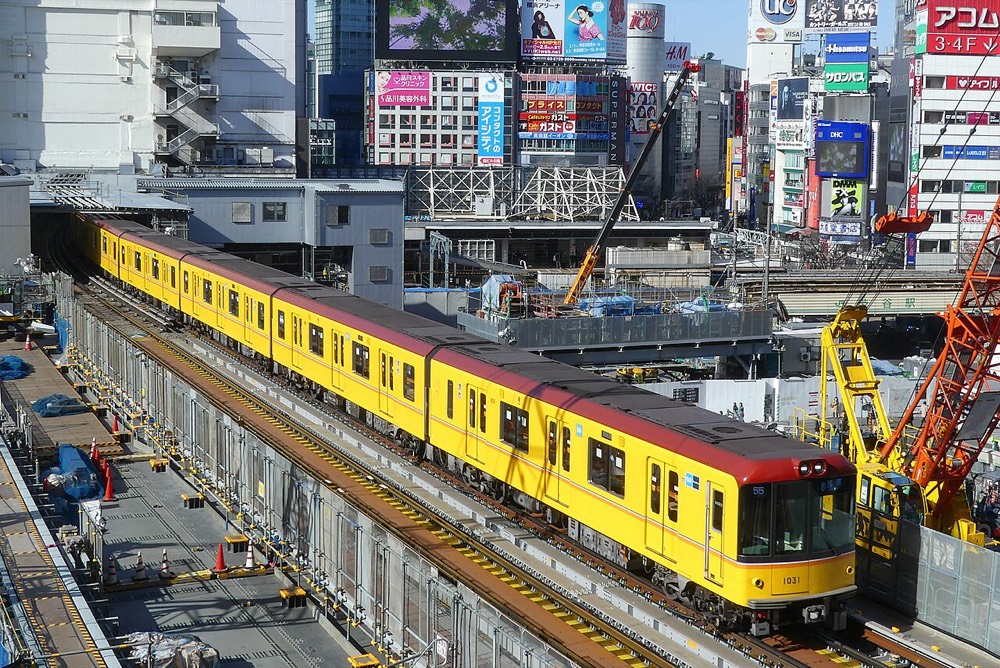
Lines you can ride (13 in total)
- Tokyo Metro's 9 lines: Ginza, Marunouchi, Hibiya, Tozai, Chiyoda, Yurakucho, Hanzomon, Namboku and Fukutoshin
- Toei Subway's 4 lines: Asakusa, Mita, Shinjuku and Oedo
Asakusa, Ueno, Ginza, Shinjuku, Shibuya, Omotesando, Roppongi, Tsukiji and Oshiage (home of Tokyo Skytree) are all reachable on these 13 lines, so coverage of the main sights is very good.
What is not included
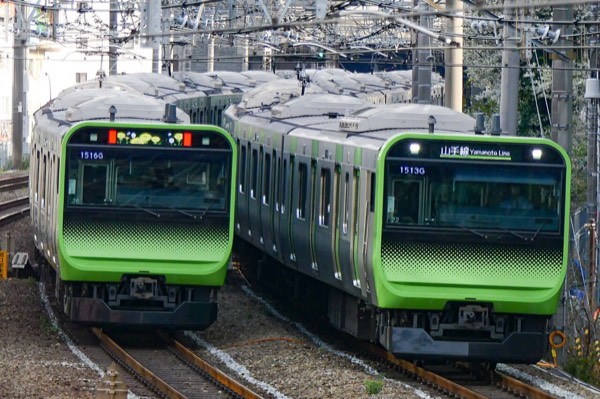
- All JR East lines (Yamanote, Chuo, Keiyo and others)
- Yurikamome and the Rinkai Line: watch out if you are heading to Odaiba
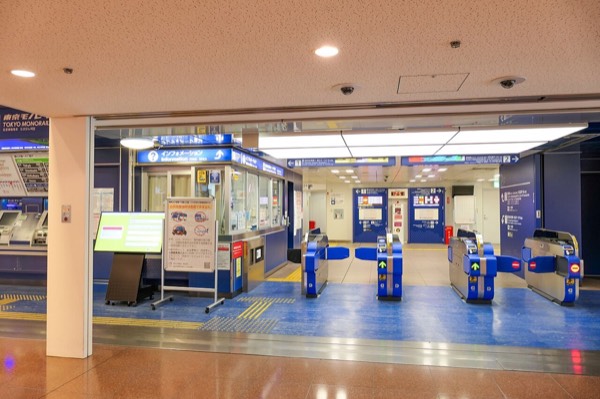
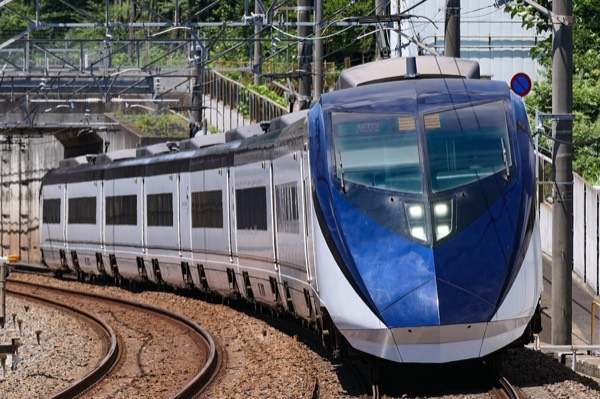
- Tokyo Monorail, Keisei and Keikyu: getting between the airports and the city is not covered
- Toei buses, the Toden Arakawa Line and the Nippori-Toneri Liner
- Private railway sections reached by through-running trains, such as the Fukutoshin Line running through onto the Tokyu Toyoko Line toward Yokohama; once you leave the subway section, you pay extra
The official notes for the QR version specifically say that to transfer to a non-subway line, you must exit at the connecting station and enter again with a separate ticket[3].
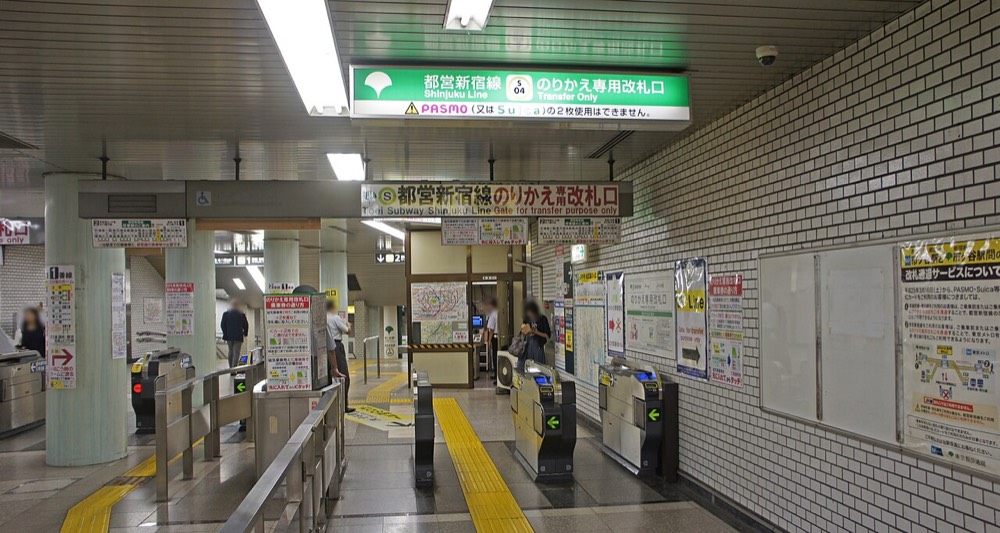
Who can buy the Tokyo Subway Ticket? Do you need a passport?
The Tokyo Subway Ticket is a discount ticket for people visiting Tokyo, and not everyone can buy it. According to Toei Transportation, it is for visitors from overseas and for people coming to Tokyo from outside the "1 metropolis and 7 prefectures"[4]: Tokyo, Kanagawa, Saitama, Chiba, Ibaraki, Tochigi, Gunma and Yamanashi.
- Overseas visitors: when buying in Japan, you show your passport so staff can confirm your short-term stay status[5].
- Japanese residents: only people living outside those eight prefectures can buy it, showing ID as each sales point requires.
- Foreign residents living in Tokyo: usually not eligible; buy the Common One-day Ticket or use an IC card instead.
- QR version: bought on the sales website; check that site's terms for any eligibility restrictions.
How to buy the Tokyo Subway Ticket: where to get it
The short answer: for most travelers, the easiest options are buying it at the airport on arrival, or buying the QR version online before you go.
Buying on the spot
According to the official Tokyo Subway Ticket website, on-the-spot sales points include[5]:
- Narita and Haneda airports: visitor information centers and some transport ticket counters in the arrival lobbies.
- Tokyo Metro pass offices: at major stations such as Shinjuku, Tokyo and Ikebukuro.
- Some tourist information centers, electronics stores and hotels.
Opening hours and the tickets on sale vary by location, so check the official list. You can also book through travel platforms such as KKday and Klook and exchange at a designated point; check each platform's page for prices and fees.
From March 2026: the phone QR code version
From 10:00 on March 25, 2026, the Tokyo Subway Ticket and the Common One-day Ticket can be used as QR codes[2]. According to the official details, the QR version works like this[3]:
- Buy it on the sales website. Prices are the same as the physical tickets (1,000 yen for 24 hours, 1,500 yen for 48 hours, 2,000 yen for 72 hours).
- You can start using it on any day within 90 days of purchase.
- Before entering, select the ticket on your account page on the site and tap "Start Use" (利用開始).
- Hold the QR code on your phone screen over the QR reader on the automatic gate. The 24/48/72 hours run from your first entry.
Things to watch with the QR version:
- Only some gates have QR readers: the plan is one gate lane with a reader at each ticket gate area (excluding stations managed by other companies).
- A few stations have no reader: for example, Kita-Senju and Naka-Meguro on the Hibiya Line, Shibuya on the Hanzomon and Fukutoshin lines, Oshiage on the Asakusa Line and Shinjuku on the Shinjuku Line. There, ask station staff to show an entry or exit QR code and scan it with your phone.
- Screenshots and printouts are not accepted: you must open the ticket screen on the sales site.
- If your phone dies or breaks, you have to buy a separate ticket; stations do not provide charging.
How many rides make a Tokyo day pass worth it? Using 2026 fares
The short answer: the 24-hour ticket pays off after about 4-6 rides, and the 48- and 72-hour tickets are worth it at 3-5 rides a day.
First, single fares. Tokyo Metro tickets cost 180-330 yen, or 178-324 yen by IC card[6]; Toei Subway tickets cost 180-430 yen, or 178-430 yen by IC card[7]. Most sightseeing trips in the city fall in the lowest three fare bands. Using IC fares:
| Ticket | Average cost per day | Short trips (178 yen) needed per day | Medium trips (209 yen) needed per day | Longer trips (252 yen) needed per day |
|---|---|---|---|---|
| 24-hour ticket, 1,000 yen | 1,000 yen | 6 | 5 | 4 |
| 48-hour ticket, 1,500 yen | 750 yen | 5 | 4 | 3 |
| 72-hour ticket, 2,000 yen | about 667 yen | 4 | 4 | 3 |
Some common situations:
- Transferring between Tokyo Metro and Toei: the two companies charge separately; there is a transfer discount, but the total single fare is still clearly higher than riding just one, so the Tokyo Subway Ticket pays off more easily.
- Visiting only one or two areas a day: for example, spending all day in Asakusa and Ueno with only 2-3 rides, paying per ride with Suica is cheaper.
- Staying on a JR line with sights mostly on JR: for example, going back and forth between Shinjuku, Harajuku and Akihabara, JR is more direct and the Tokyo Subway Ticket may not be worth it.
The 24-hour ticket runs for 24 hours from your first entry, so if you start in the afternoon you can keep using it until the next afternoon, which is more flexible than the calendar-day Common One-day Ticket. For a busy first trip to Tokyo, try counting your daily rides against our 5-day Tokyo itinerary.
Tokyo Subway Ticket vs other Tokyo subway day passes
There are several unlimited-ride passes for the Tokyo subway. They differ in coverage, how validity is counted and who can buy them:
| Ticket | Adult price | Coverage | Validity | Who can buy |
|---|---|---|---|---|
| Tokyo Subway Ticket | 1,000 / 1,500 / 2,000 yen | Tokyo Metro + Toei Subway | 24 / 48 / 72 hours from first entry | Overseas visitors, residents from outside the 8 prefectures |
| Tokyo Metro & Toei Subway Common One-day Ticket | 1,100 yen | Tokyo Metro + Toei Subway | Day of use (QR: day of entry) | Anyone |
| Tokyo Metro 24-hour Ticket | 700 yen | Tokyo Metro only | 24 hours from first entry | Anyone |
| Tokyo Free Ticket (東京フリーきっぷ) | 1,720 yen | Subway + Toei buses + Toden + Nippori-Toneri Liner + JR within the 23 wards | Day of use | Anyone |
The Tokyo Metro 24-hour Ticket changed to 700 yen on March 15, 2025[9], and it was not on the list of March 2026 price changes, but check the official site before buying. The Tokyo Free Ticket covers JR local and rapid trains within the 23 wards, Toei buses and more[8], so it suits days when you will mix JR and the subway.
A quick guide:
- Visitors with a passport staying 2-3 days or more: choose the Tokyo Subway Ticket, 48 or 72 hours.
- Not eligible, and only need one day: the Common One-day Ticket.
- All your routes are on Tokyo Metro: the Tokyo Metro 24-hour Ticket is cheapest.
- Heavy use of both JR and the subway in one day: the Tokyo Free Ticket.
For a fuller overview of getting around Tokyo, including airport transfers and the JR Yamanote Line, see our Tokyo transport guide. If you are weighing up the nationwide JR pass, see is the JR Pass worth it.
Airport transfer + Tokyo Subway Ticket combo tickets
The Tokyo Subway Ticket itself does not cover airport railways, so operators such as Keisei and Keikyu sell combo tickets that bundle airport transport with a subway pass. Prices from March 14, 2026[1]:
| Combo ticket | From March 14, 2026 (adult) |
|---|---|
| Keisei Skyliner & Tokyo Subway Ticket | 3,100-6,100 yen |
| Haneda & Tokyo Subway Ticket | 1,600-2,600 yen |
| Keikyu Haneda Otoku Kippu & Tokyo Subway Ticket | 1,600-2,600 yen |
| Haneda Airport Subway 1-Day Pass (羽田空港発着 地下鉄1DAYパス) | 1,700 yen |
The price ranges reflect the length of the subway pass (24/48/72 hours) and whether the airport leg is one-way or round trip. These combos are sold only at the other operators' counters or websites, not at Tokyo Metro or Toei stations[1]. For sales points and details, see the airport combo page on the official Tokyo Subway Ticket site[10]. Whether combos with the Airport Limousine or other airport buses are still sold in 2026 is not covered by the official price change notice, so check each bus company's website directly.
Should you use the Tokyo Subway Ticket together with Suica?
Yes. The Tokyo Subway Ticket can't be stored on Suica or PASMO, but on any trip you will run into transport it doesn't cover, such as the JR Yamanote Line, Yurikamome and buses, and that's where Suica comes in. A suggested setup:
- Subway: use the Tokyo Subway Ticket (or the phone QR code).
- JR, private railways and buses: tap Suica.
- Convenience stores, vending machines and lockers: Suica works for payment too.
Use only one ticket at a time at the gate, and don't stack Suica on top of the Tokyo Subway Ticket. For setting up Suica on iPhone or Android, see our Suica guide.
Before you go
- From March 14, 2026: 24-hour ticket 1,000 yen, 48-hour 1,500 yen, 72-hour 2,000 yen, children half price.
- It covers only Tokyo Metro and Toei Subway; JR, Yurikamome and airport railways are not included.
- It is for overseas visitors and Japanese residents from outside the 8 prefectures; bring your passport when buying in person.
- The phone QR version has been available since March 25, 2026. Screenshots don't work, so keep your phone charged.
- The Tokyo Subway Ticket is most useful if you stay near a subway station; see where to stay in Tokyo.
FAQ
How much is the Tokyo Subway Ticket in 2026?
From March 14, 2026: the 24-hour ticket is 1,000 yen for adults and 500 yen for children; the 48-hour ticket is 1,500 yen and 750 yen; the 72-hour ticket is 2,000 yen and 1,000 yen. Before the change they were 800, 1,200 and 1,500 yen, so the 72-hour ticket rose the most. The QR code version costs the same.
Can I use the Tokyo Subway Ticket on the JR Yamanote Line?
No. The Tokyo Subway Ticket covers only Tokyo Metro and Toei Subway lines. The JR Yamanote and Chuo lines, Yurikamome, Rinkai Line, Tokyo Monorail, Keisei and Keikyu are not included. On trains that run through onto private railways, you pay extra once you leave the subway section. If you will ride JR a lot, consider the Tokyo Free Ticket (1,720 yen), which includes JR within the 23 wards.
Who can buy the Tokyo Subway Ticket? Do I need a passport?
It is for visitors from overseas and for Japanese residents living outside Tokyo, Kanagawa, Saitama, Chiba, Ibaraki, Tochigi, Gunma and Yamanashi. When buying in Japan you must show a passport or other ID; overseas visitors usually show their passport. For the QR version bought online, check the sales site's terms for any restrictions.
How is the 24 hours on a Tokyo Subway Ticket counted?
The clock starts when you first pass through a subway ticket gate, not when you buy it or at midnight. For example, if you first enter at 3 p.m. on October 1, a 24-hour ticket is valid until 3 p.m. on October 2, which is more flexible than a calendar-day pass. For the QR version, tap Start Use on your phone before the gate; you can start on any day within 90 days of purchase.
How many rides make a Tokyo day pass worth it?
With IC single fares of 178-252 yen, the 24-hour ticket (1,000 yen) pays off after about 4-6 rides. The 48-hour ticket averages 750 yen a day, so 3-5 rides a day; the 72-hour ticket averages about 667 yen a day, so 3-4 rides a day. If you often transfer between Tokyo Metro and Toei, single fares are higher and the pass pays off sooner.
Can I load the Tokyo Subway Ticket onto Suica?
No. The Tokyo Subway Ticket is a separate magnetic card or phone QR code and cannot be stored on Suica or PASMO. In practice most people carry both: the Tokyo Subway Ticket for the subway, and Suica for JR, buses and convenience stores. Don't tap both at the gate at the same time.
Sources
- Tokyo Metropolitan Government: Price changes for joint Tokyo Metro and Toei Subway tickets (press release, January 30, 2026): Old and new prices of each ticket from March 14, 2026, and airport combo ticket prices
- Tokyo Metropolitan Government: Common One-day Ticket and Tokyo Subway Ticket usable by QR code (press release, January 30, 2026): QR code boarding from 10:00 on March 25, 2026
- Tokyo Metropolitan Government: Details of the QR code boarding service (attachment PDF): QR prices, start within 90 days, how validity is counted, stations without QR readers, and notes
- Toei Transportation: Limited-period and limited-area value tickets: Tokyo Subway Ticket eligibility (overseas and outside the 1 metropolis and 7 prefectures) and sales points
- Tokyo Subway Ticket official site: Purchase ticket on the spot: On-the-spot sales points such as airports, pass offices and tourist information centers, and ID requirements
- Tokyo Metro: Regular fares: Tokyo Metro ticket and IC card single fares
- Toei Transportation: Toei Subway regular fares: Toei Subway ticket and IC card single fares
- Toei Transportation: Tokyo Free Ticket: Coverage of the Tokyo Free Ticket
- Tetsudo Channel: Tokyo Metro 24-hour Ticket price rise from March 15, 2025: Tokyo Metro 24-hour Ticket changed to 700 yen
- Tokyo Subway Ticket official site: Set with airport access: Airport transport combo tickets
Fares, opening hours and event dates can change. Information checked on 2026.10.21; please confirm with official sources before you go.