JR TOKYO Wide Pass: Coverage, Price, and Using It for the Fuji Excursion, Kawaguchiko, Nikko and Karuizawa
JR TOKYO Wide Pass 2026: ¥16,000 for 3 consecutive days since March. Coverage (Fuji Excursion, Nikko, Karuizawa, Izu, Narita), seat rules, eligibility, break-even math.
Quick answer
The JR TOKYO Wide Pass is a 3-day JR East pass for holders of non-Japanese passports. Since March 14, 2026 it costs ¥16,000 for adults and ¥8,000 for children. For 3 consecutive days it covers JR East lines around the Kanto region (including Shinkansen and reserved standard seats on limited expresses), the Fuji Kyuko, Izu Kyuko and Tokyo Monorail lines, and the JR–Tobu through limited expresses to Nikko and Kinugawa. A Shinjuku–Kawaguchiko round trip on the Fuji Excursion costs about ¥8,380; add one Nikko round trip at about ¥8,280 and you already exceed the pass price.
The JR TOKYO Wide Pass is the ticket most travelers compare when they want to spend 3 consecutive days going from Tokyo to Kawaguchiko, Nikko, Karuizawa, Izu or Narita Airport. Using JR East's official information as of October 2026, this guide explains the Tokyo Wide Pass price, its coverage, which trains you can and can't ride, how seat reservations work, and runs real fares through several common itineraries so you can decide whether it's worth it.
How much is the JR TOKYO Wide Pass? 2026 price and validity
Bottom line: ¥16,000 for adults (12 and over) and ¥8,000 for children (6–11), valid for 3 consecutive days starting on the date you choose[1].
This price was set on March 14, 2026, when JR East revised its passes and moved the Tokyo Wide Pass from ¥15,000 to ¥16,000[4]. The increase that took effect on October 1, 2026 was for the nationwide Japan Rail Pass (for example, the ordinary 7-day pass went from ¥50,000 to ¥53,000, with a limited-time option to buy at the old price on the official website)[5]; as of October 22, JR East's official site still lists the Tokyo Wide Pass at ¥16,000[1]. Whether the nationwide pass is worth it is covered in Is the JR Pass worth it.
| Item | Details (checked October 2026) |
|---|---|
| Adult (12+) | ¥16,000[1] |
| Child (6–11) | ¥8,000; children under 6 need no pass if they don't occupy a reserved seat[1] |
| Validity | 3 consecutive days (no skipping days)[1] |
| Cars | Reserved and non-reserved standard cars; Green Car and GranClass cost extra[2] |
| Purchase limit | Only one pass at a time; validity periods may not overlap[1] |
| Refunds | Unused within validity, minus a 10% fee; no refund after a reserved train has departed[2] |
JR TOKYO Wide Pass coverage: which lines can you ride?
Bottom line: the pass covers the Kanto region and surrounding areas centered on Tokyo, including JR East lines (with set sections of the Tohoku, Joetsu and Hokuriku Shinkansen), plus the entire Fuji Kyuko, Izu Kyuko, Tokyo Monorail, Tokyo Waterfront Area Rapid Transit (Rinkai Line) and Joshin Dentetsu lines, and the Saitama New Urban Transit between Omiya and The Railway Museum[2].
According to the area map on JR East's site, the main end points are roughly[7]:
- Shinkansen: Joetsu Shinkansen to Echigo-Yuzawa (extending to GALA Yuzawa in winter and spring), Hokuriku Shinkansen to Sakudaira, Tohoku Shinkansen to Nasushiobara, with conventional lines continuing to Kuroiso.
- Yamanashi and Mt. Fuji: Chuo Line to Kofu and Kobuchizawa; transfer at Otsuki to the Fuji Kyuko line for Mt. Fuji Station and Kawaguchiko.
- Tochigi: Utsunomiya, the JR Nikko Line, and Tobu-Nikko and Kinugawa-Onsen via the JR–Tobu through limited expresses.
- Ibaraki and Chiba: Mito, the Hitachi area, Narita Airport and the Boso Peninsula.
- Izu: via Atami and Ito onto the Izu Kyuko line to Izukyu-Shimoda.
- Gunma: Takasaki, toward Shibukawa, and the Joshin Dentetsu line.
The official map is the final word on boundary stations; double-check edge stations (such as anything west of Karuizawa) before you go.
| Covered | Not covered (or extra fee) |
|---|---|
| JR East lines in the area, including Shinkansen and standard cars on limited expresses | Tokaido Shinkansen, JR buses[2] |
| Entire Fuji Kyuko line, the Fuji Excursion limited express | Fuji Kyuko's Fujisan View Express reserved seats and the Fuji Tozan Densha cost extra[2] |
| JR–Tobu through limited expresses to Nikko and Kinugawa (reserved seats) | Limited expresses that start and end on Tobu tracks, such as trains from Asakusa[2] |
| Tokyo Monorail (Haneda Airport), Narita Express | Keisei Skyliner, Keikyu Line |
| Rinkai Line (to Odaiba), Izu Kyuko line | Tokyo Metro, Toei Subway, Odakyu and the Hakone Tozan Railway |
The Tokyo subway is not covered. For subway rides, use a transit IC card or pair the pass with a Tokyo Subway Ticket. For an overview of getting around the city, see the Tokyo transport guide.
Using the Tokyo Wide Pass on the Fuji Excursion to Kawaguchiko
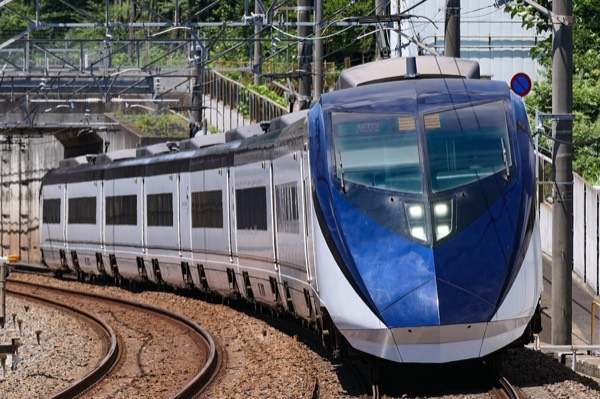
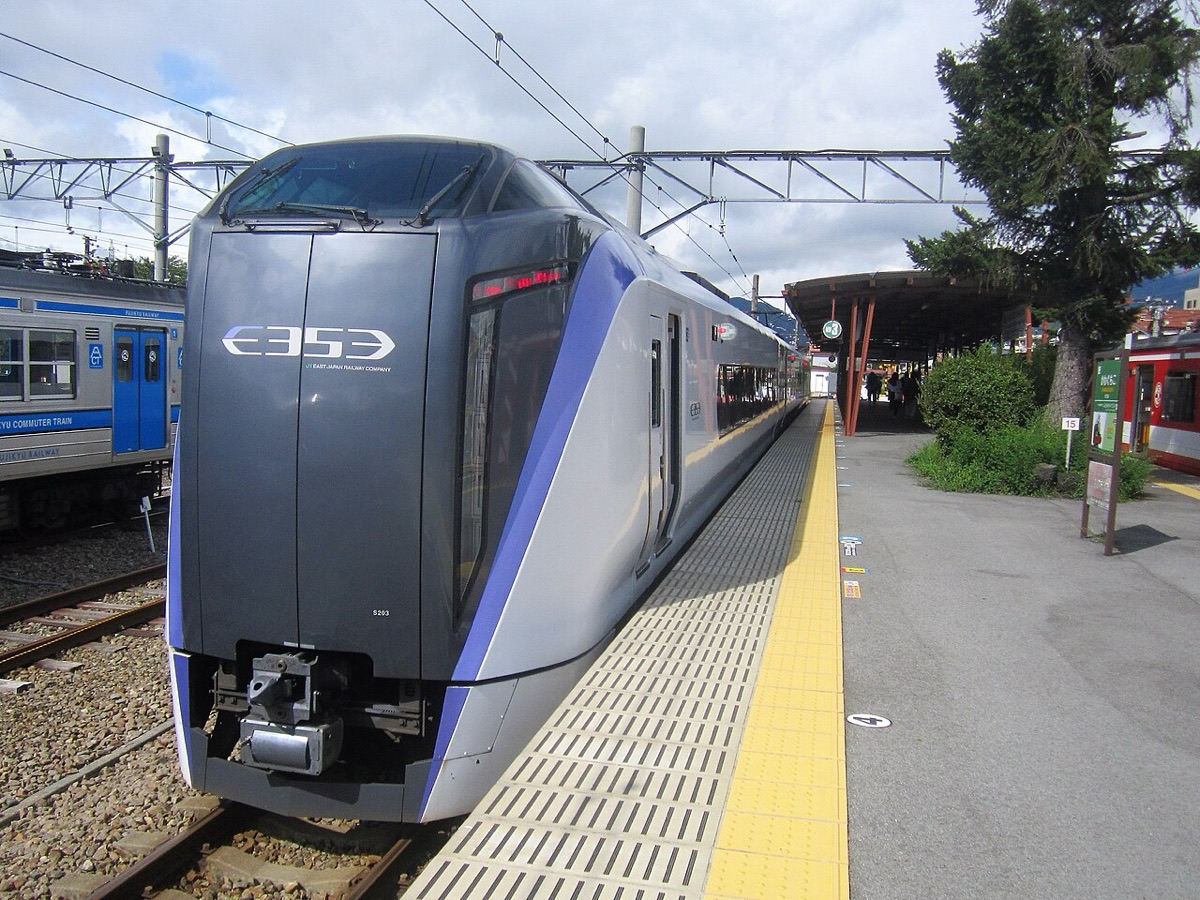
Bottom line: yes, you can ride it directly. Standard reserved seats on the Fuji Excursion, the JR–Fuji Kyuko through limited express, can be reserved at no extra charge, taking you from Shinjuku to Kawaguchiko without changing trains. Fuji Kyuko local trains from Otsuki are also covered[2].
For example, the Fuji Excursion No. 3 leaving Shinjuku at 7:30 on a weekday in November 2026 reaches Kawaguchiko in about 1 hour 58 minutes; the one-way fare plus reserved limited express charge is about ¥4,189 (IC fare), or about ¥8,380 round trip[6]. Every standard-car seat on the Fuji Excursion can be reserved. You can sit in an empty seat without a reservation, but a seat is not guaranteed[2]. Peak trains often sell out, so book online as early as one month ahead[3].
Two things to note: Fuji Kyuko's own sightseeing trains, the Fujisan View Express (reserved seats) and the Fuji Tozan Densha, cost extra[2], and the sightseeing buses around Kawaguchiko are not covered. Sights around Kawaguchiko, the best times to see Mt. Fuji and a comparison with highway buses are in our Mt. Fuji Kawaguchiko day trip guide.
Tokyo Wide Pass to Nikko and Kinugawa: through-train rules
Bottom line: you can only ride limited expresses that start or end on a JR line and run through onto Tobu tracks, such as the Nikko, Kinugawa and Spacia Kinugawa. They are all-reserved, so you must reserve a seat before boarding[2].
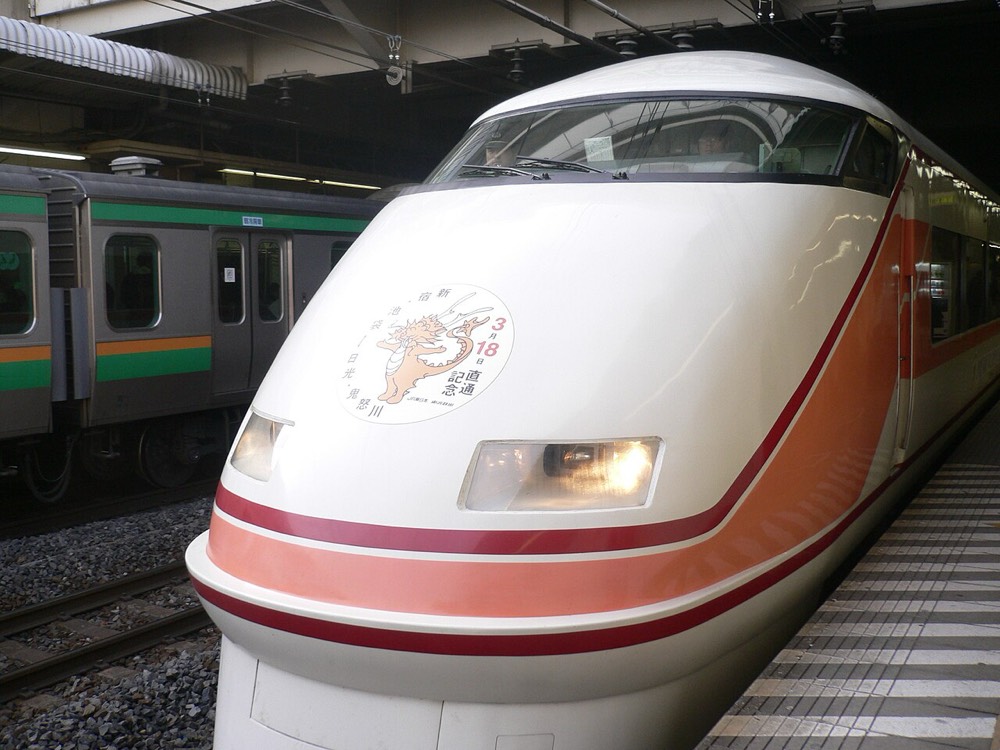
The terms state that between Kurihashi and Shimo-Imaichi, only limited expresses running through from JR are covered; between Shimo-Imaichi and Tobu-Nikko or Kinugawa-Onsen, Tobu local trains (including rapid trains) are also covered[2]. The most common mistake is trying to use the pass on limited expresses from Tobu's Asakusa Station. Those start and end on Tobu tracks, so the pass doesn't cover them[1].
For example, a weekday limited express leaving Shinjuku at 9:34 in November 2026 and running through to Tobu-Nikko takes about 1 hour 57 minutes and costs about ¥4,140 one way, or about ¥8,280 round trip[6]. Another route is the JR Tohoku Shinkansen to Utsunomiya, then the JR Nikko Line to JR Nikko Station, which is also covered. Buses in Nikko to Toshogu Shrine or Lake Chuzenji cost extra, though.
Karuizawa, Izu and Narita Airport: other common uses
Bottom line: the Hokuriku Shinkansen to Karuizawa, the Odoriko limited express to Izu and the Narita Express to and from the airport are long-distance runs that clearly push the pass toward paying for itself.
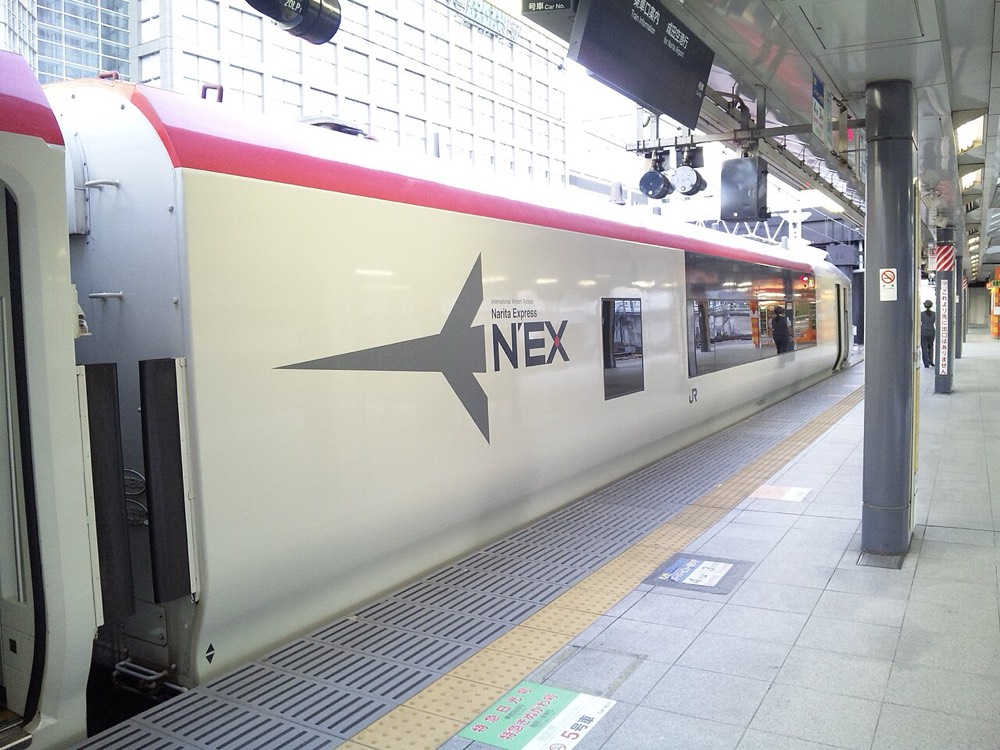
- Karuizawa: Tokyo to Karuizawa on the Hokuriku Shinkansen Asama takes about 1 hour 6 minutes, about ¥5,930 one way[6].
- Echigo-Yuzawa and GALA Yuzawa: Tokyo to Echigo-Yuzawa on the Joetsu Shinkansen takes about 1 hour 19 minutes, about ¥6,700 one way[6]; GALA Yuzawa Station operates only from winter to spring[1].
- Izu: the Odoriko limited express runs directly from Tokyo to Izukyu-Shimoda in about 2 hours 39 minutes, about ¥6,656 one way[6]. Sightseeing expresses where every car is Green class or higher require the Green Car fee[2].
- Narita Airport: the Narita Express (N'EX) from the airport to Tokyo takes about an hour, about ¥3,138 one way[6]. Every standard-car seat on the N'EX in the pass area can be reserved[2].
- Haneda Airport: the Tokyo Monorail to Hamamatsucho takes about 19 minutes for ¥519[6]. The saving is small, but it's handy at the start or end of your 3 days.
Tokyo Wide Pass break-even math: which itineraries pay off?
Bottom line: ¥16,000 is roughly "two long-distance round trips". A single day to Kawaguchiko doesn't pay off, but Kawaguchiko plus Nikko, or Karuizawa plus Kawaguchiko, within 3 days does.
The estimates below use IC fares plus regular-season reserved limited express charges for weekday trains in November 2026[6]. Reserved-seat charges are a bit higher in peak season, and actual amounts vary by date and train type.
| 3-day plan | Total with individual tickets (approx.) | Compared with the ¥16,000 pass |
|---|---|---|
| Shinjuku–Kawaguchiko (Fuji Excursion) round trip | ¥8,380 | Not worth it; about ¥7,600 short |
| Shinjuku–Kawaguchiko + Shinjuku–Tobu-Nikko | ¥16,660 | Small saving of about ¥660 |
| Narita Airport to Tokyo + Kawaguchiko and Nikko round trips | ¥19,800 | Saves about ¥3,800 |
| Tokyo–Karuizawa + Shinjuku–Kawaguchiko | ¥20,240 | Saves about ¥4,240 |
| Tokyo–Echigo-Yuzawa + Shinjuku–Tobu-Nikko | ¥21,680 | Saves about ¥5,680 |
| Tokyo–Izukyu-Shimoda round trip + Narita Airport to Tokyo | ¥16,450 | Small saving of about ¥450 |
JR East's own example, a trip from Tokyo to GALA Yuzawa and then Nikko, comes to about ¥21,500 with individual reserved-seat tickets[1]. A simple way to decide:
- Only consider the pass if at least 2 of the 3 days involve long-distance limited express or Shinkansen trips.
- If you have just 1 day outside Tokyo plus city sightseeing, individual tickets or a highway bus are usually cheaper.
- If you only need airport transfers, compare the N'EX Tokyo Round Trip Ticket (valid 14 days, ¥5,200)[4].
- If you're heading to Tohoku or farther, look at the 5-day and 10-day JR EAST PASS (¥35,000 and ¥50,000)[1].
Eligibility, how to buy the Tokyo Wide Pass and how to reserve seats
Bottom line: anyone holding a passport issued by a country other than Japan can buy it. You must show your original passport in person to buy and exchange it, and you can buy it on JR East's online reservation site or at counters at major stations in Japan[2][3].
Under the March 2026 terms, the conditions are[2]:
- You must hold a non-Japanese passport. Copies are not accepted, and the passport must be valid for the whole period you use the pass.
- Only the named holder may use it; it can't be transferred, even to family members.
- Carry your original passport while using the pass and show it if staff ask.
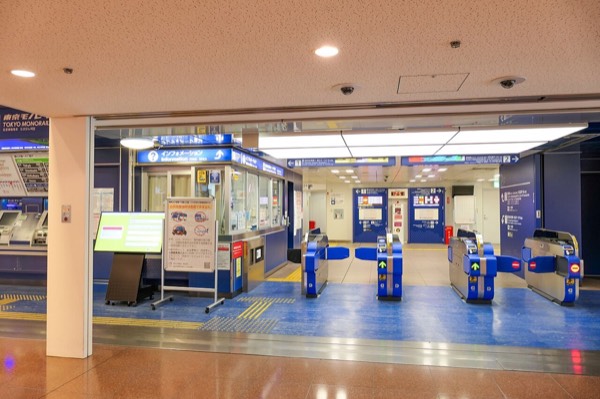
The process is roughly: buy on "JR-EAST Train Reservation" online or at a counter in Japan → collect (exchange for) the physical pass at a major station → use the physical pass at automatic ticket gates[3]. The Saitama New Urban Transit (to The Railway Museum) has no automatic gate access for the pass; use the staffed gate[2].
There are three ways to reserve seats: online from one month ahead, at reserved-seat ticket machines found at most stations in the Tokyo area, or at a ticket office (Midori-no-Madoguchi)[3]. The terms set no limit on the number of reservations, but you can't get a refund for a reserved train you missed, so change your reservation first if your plans shift[2].
How to plan it smoothly: a suggested 3-day plan
If this is your first time using the JR TOKYO Wide Pass, try this:
- Day 1: land at Narita, take the N'EX to Tokyo or Shinjuku, and explore the city in the afternoon.
- Day 2: take the Fuji Excursion to Kawaguchiko in the morning, see Mt. Fuji, and return to Shinjuku in the evening.
- Day 3: take a JR–Tobu through limited express to Nikko or Kinugawa-Onsen and return the same day, or stay a night in Kinugawa (if you stay overnight, your return must still fall within day 3).
One more reminder: the 3 consecutive days are counted by calendar date, so even a first day that starts in the evening counts as a full day. Fuji Excursion and Nikko limited expresses sell out early during the autumn leaves season and holidays, so reserve seats as soon as you have the pass. If you want to see autumn colors along the way, check the regional timing in Japan autumn leaves 2026.
FAQ
How much is the JR TOKYO Wide Pass in 2026? Did it go up in October?
JR East's official site (checked October 2026) lists ¥16,000 for adults and ¥8,000 for children aged 6–11, the price set on March 14, 2026, up from ¥15,000. The October 1, 2026 increase applied to the nationwide Japan Rail Pass; the Tokyo Wide Pass price on the official site has not changed again.
Can I take the Fuji Excursion to Kawaguchiko with the Tokyo Wide Pass?
Yes. The terms list the entire Fuji Kyuko line as covered, and you can reserve standard seats on the JR–Fuji Kyuko through limited express Fuji Excursion at no extra cost, riding from Shinjuku to Kawaguchiko without changing. Only Fuji Kyuko's own Fujisan View Express reserved seats and the Fuji Tozan Densha cost extra.
How do I get to Nikko with the Tokyo Wide Pass? Can I leave from Asakusa?
Take a limited express that starts at a JR station such as Shinjuku or Omiya and runs through onto Tobu tracks (for example the Nikko, Kinugawa or Spacia Kinugawa), and reserve a seat first. Expresses from Tobu's Asakusa Station start and end on Tobu tracks, so the pass doesn't cover them. Tobu local trains between Shimo-Imaichi and Tobu-Nikko or Kinugawa-Onsen are covered.
Can I start using the Tokyo Wide Pass at Narita or Haneda Airport?
Yes. Reserved standard seats on the Narita Express (N'EX) from Narita Airport to Tokyo and Shinjuku are covered, and from Haneda you can ride the Tokyo Monorail to Hamamatsucho. The Keisei Skyliner and Keikyu Line are not covered. If you only need airport transfers, compare the N'EX Tokyo Round Trip Ticket (¥5,200).
Does the Tokyo Wide Pass cover the Tokyo subway or the Odakyu line to Hakone?
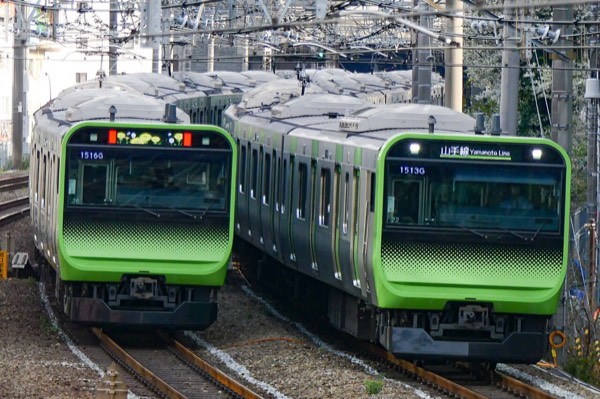
No. Tokyo Metro, Toei Subway, the Odakyu Romancecar and the Hakone Tozan Railway are not covered, and neither are the Tokaido Shinkansen or JR buses. Within Tokyo you can ride JR lines such as the Yamanote and Chuo lines and the Rinkai Line to Odaiba; for the subway, buy separate tickets or use an IC card.
Sources
- JR East | JR TOKYO Wide Pass: Price ¥16,000/¥8,000, 3 consecutive days, covered lines, official savings example
- JR East | JR TOKYO Wide Pass Terms and Conditions: Eligibility, Tobu through-train rules, Fuji Kyuko trains requiring extra fees, seat reservation and refund rules (March 2026 version)
- JR East | How to buy a pass (JR TOKYO Wide Pass): Purchase online and at counters in Japan; online seat reservations from one month ahead
- JNTO | Certain JR passes are about to get more convenient: ¥15,000 to ¥16,000 from March 14, 2026; N'EX Tokyo Round Trip Ticket ¥5,200
- JNTO | Price increases are coming to the nationwide Japan Rail Pass: Nationwide JR Pass price increase on October 1, 2026
- Yahoo! Transit (Yahoo!路線情報): IC fares and regular-season reserved limited express charges for weekday trains in November 2026 (searched October 22, 2026)
- JR East | JR TOKYO Wide Pass (Traditional Chinese): Chinese-language coverage area and notes
Fares, opening hours and event dates can change. Information checked on 2026.10.22; please confirm with official sources before you go.