Ureshino Onsen Guide: Beautifying Hot Springs, Onsen Tofu, Choosing a Ryokan and Getting There by Nishi-Kyushu Shinkansen
Ureshino Onsen, one of Japan's three best hot springs for the skin: comparing Wataya, Taishoya, Oomuraya and Koyokaku, Shinkansen access, Siebold no Yu and onsen tofu.
Quick answer
Ureshino Onsen in Ureshino, Saga Prefecture, has mainly sodium bicarbonate-chloride water and is counted among Japan's three best hot springs for the skin, with about 31 places to stay. From Hakata, take the Relay Kamome limited express to Takeo-Onsen and change across the platform to the Nishi-Kyushu Shinkansen: about 1 hour 10–20 minutes to Ureshino-Onsen Station, then 8–10 minutes by bus into town. From Nagasaki the Shinkansen takes about 25 minutes. The public bath Siebold no Yu costs 450 yen for adults, opens 6:00–22:00 and closes on the third Wednesday of the month. The 2027 Ureshino Attaka Matsuri runs January 23 to February 7.
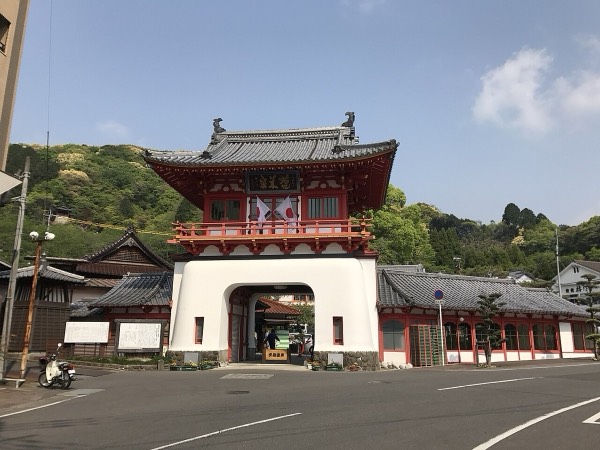
Ureshino Onsen (嬉野温泉) in southwestern Saga Prefecture is grouped with Kitsuregawa and Hinokami as one of Japan's three best hot springs for the skin, and it is also known for onsen tofu and Ureshino tea. For most people heading to Ureshino Onsen, the hard part isn't whether to go but where to stay: Wataya Besso, Taishoya, Oomuraya and Koyokaku are very different places. This guide compares the ryokan in a table, explains how to use Ureshino-Onsen Station on the Nishi-Kyushu Shinkansen (opened in 2022), covers fees at the public bath Siebold no Yu, where to eat onsen tofu and a one-night plan, and how Ureshino compares with Takeo, Kurokawa and Yufuin.
What makes Ureshino Onsen special? Skin-smoothing water, tofu and tea
In short: Ureshino Onsen's appeal is water that leaves your skin feeling silky, plus tofu cooked in that same water, and the whole town revolves around those two things.
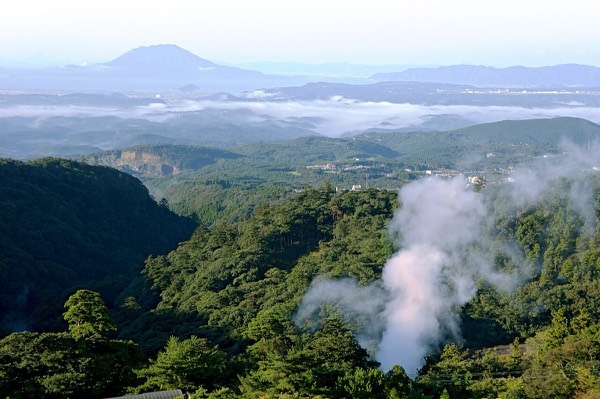
The water is mainly sodium bicarbonate-chloride, with source temperatures of 85–95°C, 17 springs and about 2,000 liters a minute; some of it is even drinkable[1]. The sodium bicarbonate lifts away skin oil and dead skin cells, so after a soak your skin feels as if you'd put on lotion. Kitsuregawa, Hinokami and Ureshino are called the three best hot springs for the skin because they share this cleansing type of water[12].
Ureshino has a long history, too: it appears in the ancient Hizen Province Fudoki, and in the Edo period it was a post town on the Nagasaki Kaido road[1]. Today there are about 31 places to stay[1]; it is smaller than Beppu, bigger than Kurokawa, and the town is easy to cover on foot.
Beyond bathing, Ureshino has three local specialties:
- Onsen yudofu: tofu simmered in hot spring water, which softens at the edges and turns the broth milky white (more on this below).
- Ureshino tea: tea fields spread across the foot of the mountains, and Ureshino is Saga's best-known green tea area[1]. Wataya Besso has a tea-and-books space called BOOKS&TEA Sanpuku, and its website features Ureshino tea and Hizen Yoshida ware[8].
- Hizen Yoshida ware: porcelain from the Yoshida area of Ureshino. The tourism association's event calendar lists the Oyamasan Pottery Fair in April and the Tatsu Matsuri in November, both good chances to visit the kilns.
Getting to Ureshino Onsen: how to use Ureshino-Onsen Station on the Nishi-Kyushu Shinkansen
In short: Ureshino-Onsen Station on the Nishi-Kyushu Shinkansen is about 1 hour 10–20 minutes from Hakata and about 25 minutes from Nagasaki, but the station is outside the hot spring town, so you need an 8–10 minute bus ride afterward.
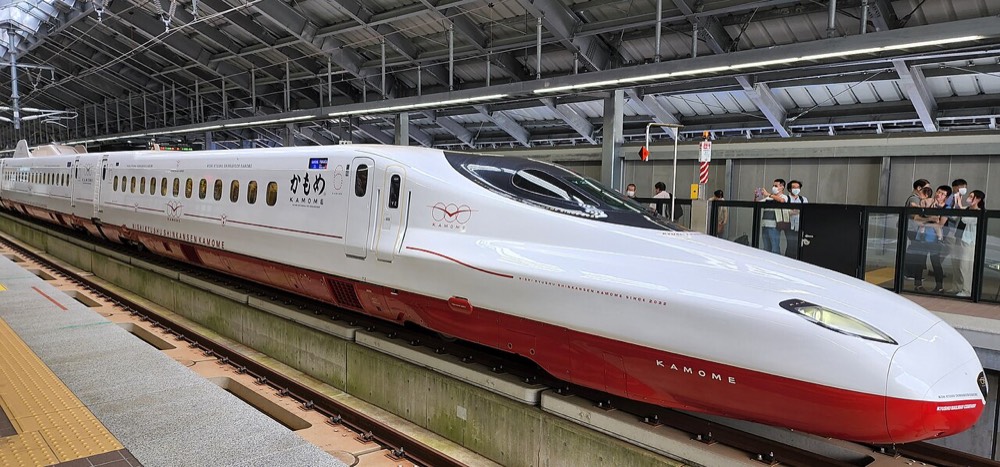
Since the Nishi-Kyushu Shinkansen (Takeo-Onsen to Nagasaki) opened in 2022, Ureshino-Onsen Station has been the newest way in. From Hakata, take the conventional limited express Relay Kamome (リレーかもめ) to Takeo-Onsen Station and change across the same platform to the Shinkansen Kamome (かもめ). On the October 2026 timetable, for example, the 6:32 from Hakata reaches Ureshino-Onsen at 7:49 and the 8:12 arrives at 9:30; from Nagasaki, the 6:58 Shinkansen reaches Ureshino-Onsen at 7:23[4]. Note that some Kamome trains don't stop at Ureshino-Onsen; the timetable marks them as passing, so check when you book[4].
From Ureshino-Onsen Station, take a JR Kyushu Bus or Yutoku Bus bound for Ureshino Onsen, about 8–10 minutes to the last stop, Ureshino Onsen Bus Center (嬉野温泉バスセンター). Most ryokan are within walking distance from there[2][6].
| From | How | Time (approx.) | Notes |
|---|---|---|---|
| Hakata | Relay Kamome, then Shinkansen across the platform at Takeo-Onsen | 1 hr 10–20 min to Ureshino-Onsen Station | Plus an 8–10 min bus; covered by JR Kyushu Rail Pass (Northern Kyushu and All Kyushu) |
| Nagasaki | Nishi-Kyushu Shinkansen Kamome | 25 min to Ureshino-Onsen Station | Some trains pass without stopping |
| Takeo-Onsen Station | JR Kyushu Bus | 30 min to Ureshino Onsen Bus Center | Handy when combining with Saga or Takeo |
| Fukuoka Airport / Hakata / Tenjin | Kyushu-go highway bus | 1 hr 20 min from Fukuoka Airport to Ureshino Bus Center | Add about 40 min from Hakata Bus Terminal; no transfers |
| Saga Airport | Shared fixed-fare taxi | — | About 4,000 yen per person |
| Nagasaki Airport | Taxi | 40 min | About 7,000 yen |
Highway bus and airport times and fares come from the Ureshino Onsen Tourism Association's access page[5]. Bus fares change often, so check Kyushu Kyuko Bus's official site. How to pick a JR Kyushu Rail Pass and reserve seats is covered in the Kyushu transport guide.
Which to choose: traveling solo with light luggage, the JR is fastest. With big suitcases or a family, the Kyushu-go bus drives straight into town, and skipping one transfer is easier. By car, it's about 5 minutes from the Ureshino IC on the Nagasaki Expressway[1].
Where to stay in Ureshino Onsen: comparing the popular ryokan
In short: choose Wataya Besso for a big resort feel, Taishoya for architecture and traditional large baths, Oomuraya for something small with personality, and Koyokaku for semi-open-air baths in your room and dinner served in-room.
These are the ryokan names that come up most when people search for Ureshino Onsen. The table below is based on each ryokan's official site. Rates swing widely by season and room type, and most official sites don't publish a fixed price list, so the table only describes each one's positioning; check the official site for your dates.
| Ryokan | Positioning and features | In-room hot spring | Day bathing | Best for |
|---|---|---|---|---|
| Wataya Besso (和多屋別荘) | Large, long-established ryokan on about 20,000 tsubo spanning the Ureshino River; tower by Kisho Kurokawa, books-and-tea space, riverside sauna | Rooms with open-air baths in the Kachoen and Miyabi wings | Yes, but suspended until 2026/11/30 | Spending the whole day on site; design lovers |
| Taishoya (大正屋) | Founded 1925, designed by Junzo Yoshimura; large baths Shiki no Yu and Taki no Yu, plus the baths at sister inn Shiibasanso | Not shown on the home page; check room types | Yes (separate day-bathing page) | Large baths and classic ryokan service |
| Ryokan Oomuraya (旅館大村屋) | Small ryokan that began as the Omura domain's Edo-era waki-honjin, built around music and books after your bath | Some rooms have free-flowing spring baths; 4 private baths | Day plans available | Younger travelers, solo or couples |
| Koyokaku (光陽閣) | River views from every room, all dinners served in-room centered on Saga beef, onsen tofu porridge at breakfast | Rooms with semi-open-air baths | Not listed on the site | Privacy and a focus on dinner |
| Ureshinokan (Ooedo Onsen Monogatari) | Run by a hot spring hotel chain | Depends on room type | Yes | Compare plans on the official site |
Details come from each ryokan's official site[7][8][9][10]; the day-bathing list comes from the tourism association[11].
Three points that are easy to overlook:
- Rooms with open-air baths are few: at Wataya Besso they are concentrated in a handful of rooms in the Kachoen and Miyabi wings[8], so book early for holidays or the winter lantern festival.
- Taishoya's sister inn Shiibasanso is in a valley about 5 minutes' drive south of town, with 20 rooms; check whether you're booking the main inn or Shiibasanso[7].
- Koyokaku keeps its outdoor bath at a mild 37°C or so[10], great if you dislike hot water or want a long soak, but those who like it hot may find it too cool.
For how to book half-board plans and private baths, and how check-in and etiquette work, start with the Japanese ryokan guide. If you have tattoos, a room with its own bath or a ryokan with private baths is the safest choice; options are covered in tattoos and onsen in Japan.
Ureshino Onsen public bath Siebold no Yu: fees and hours
In short: Siebold no Yu costs 450 yen for adults and is open 6:00–22:00, the cheapest way to try Ureshino's water without staying overnight[2].
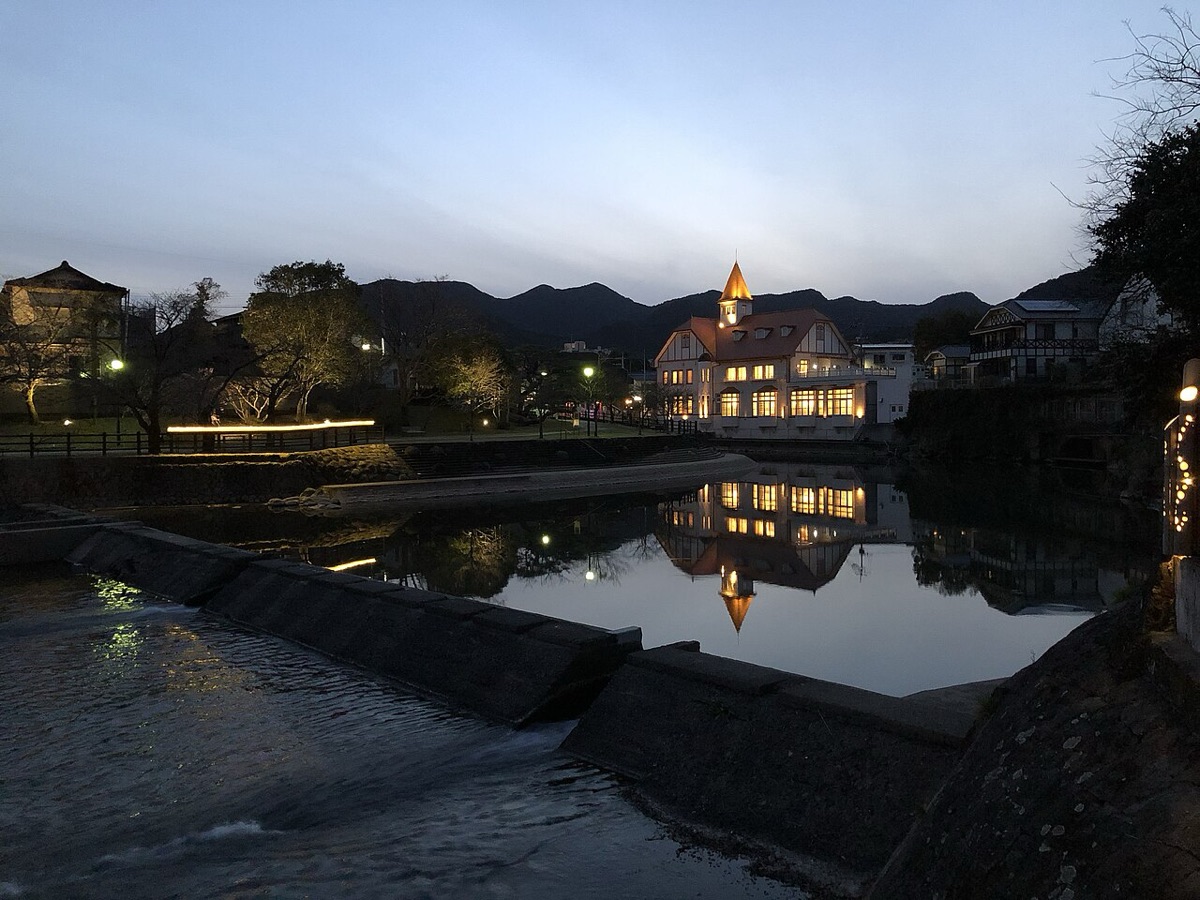
The spired Western-style building in the cover photo is Siebold no Yu. It opened in 2010 in a Gothic-style building modeled on Taisho-era design, and it's named after Siebold, the German physician who came to Japan in the Edo period.
| Item | Details |
|---|---|
| Bath fee | Adults 450 yen, elementary school children 220 yen, age 70+ 340 yen |
| Private bath | 2,500 yen for 50 minutes, plus a bathing tax of 100 yen per adult |
| Hours | 6:00–22:00 (last entry 21:30) |
| Closed | Third Wednesday of each month (next day if a public holiday) |
| Facilities | No outdoor bath; shampoo, body soap and hairdryers provided; towels sold separately from 130 yen |
| Parking | 56 spaces, first 90 minutes free |
Fees are based on Rurubu's published data[2]; amounts differ slightly between websites, so go by what's posted on site. Whether private baths can be reserved differs between weekdays and weekends; on weekends it's usually first come, first served.
Note for autumn and winter 2026: Ureshino City is repairing Siebold no Yu's roof and exterior walls from August 27 to December 15, 2026[3]. The notice doesn't say which days it will close, so during this period check the tourism association's latest news or call before you go.
Next door in Yuyu Plaza is the free Siebold footbath, a nice pairing with a stroll along the Ureshino River. If it's your first Japanese public bath, the basic rules are the same as any sento: wash before you get in, and keep towels out of the water.
Where to eat Ureshino onsen tofu, and why it melts
In short: Ureshino's onsen yudofu is tofu simmered in hot spring water; the minerals break down the tofu's surface so it turns silky and the broth goes milky white[12]. You can find it at restaurants in town and at most ryokan.
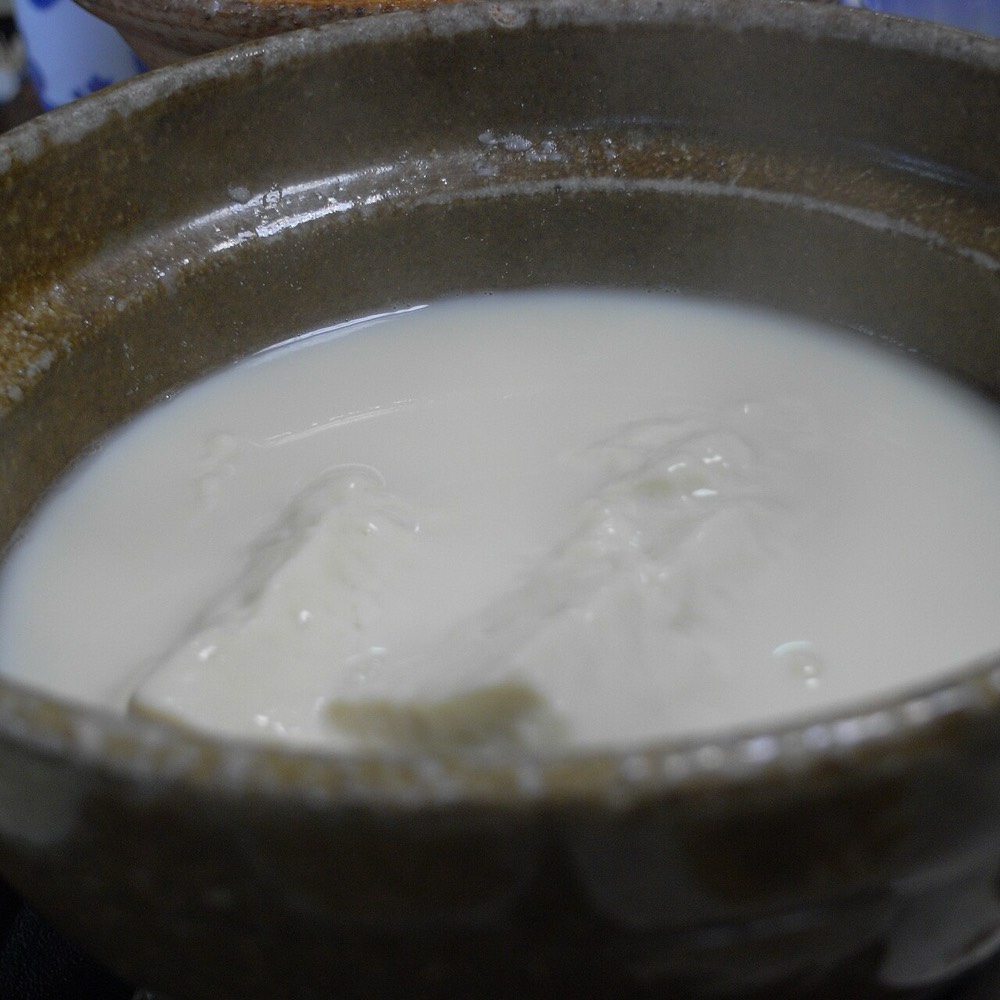
Unlike Kyoto's clear-broth yudofu, the Ureshino version gets softer the longer it cooks, until the broth looks like soy milk. You scoop up the tofu with the broth, and at many places the broth is already seasoned, so you can eat it without dipping sauce.
If you want a dedicated meal, common choices are:
- Soan Yokocho (宗庵よこ長): calls itself the birthplace of onsen yudofu, a short walk from the bus center. Media listings give hours of 10:30–21:00 (last order 20:30), closed Wednesdays; set meal prices differ between listings, so go by the menu in the shop.
- Taishoya's Yudofu Honpo: Taishoya's own tofu shop, where you can buy tofu and hot spring water to cook at home[7].
- Ryokan dinners and breakfasts: the tourism association's onsen tofu page lists many ryokan and restaurants[13], and Koyokaku turns it into a breakfast porridge[10]. If your plan already includes onsen tofu, you don't necessarily need a separate meal out.
How to plan one night at Ureshino Onsen: a sample from Fukuoka
In short: one night at Ureshino Onsen is enough: arrive around midday, leave the next morning, and continue to Nagasaki or Takeo on day two. This example takes the JR from Hakata and stays at a ryokan in town; check actual trains on the JR timetable[4].
| Time | Plan | Notes |
|---|---|---|
| Day 1, 11:00 | Relay Kamome from Hakata, change to the Shinkansen at Takeo-Onsen | About 1 hr 10–20 min |
| 12:30 | Bus from Ureshino-Onsen Station to Ureshino Onsen Bus Center | 8–10 min; drop bags at the ryokan |
| 13:00 | Onsen tofu lunch | Soan Yokocho is closed Wednesdays |
| 14:00 | Stroll the town: Ureshino riverside, Yuyu Plaza footbath, Toyotamahime Shrine | The shrine is known for prayers for beautiful skin |
| 15:00 | Check in, first soak in the large bath | Check-in times vary by ryokan |
| 18:00 | Dinner at the ryokan | During the winter lantern festival, head out after dinner |
| 21:00 | Second soak or a private bath | Drink plenty of water afterward |
| Day 2, 7:00 | Morning bath and breakfast | Breakfast often includes onsen tofu |
| 9:00 | Optional visit to Siebold no Yu | Opens at 6:00 |
| 10:30 | Check out, bus back to Ureshino-Onsen Station | About 25 min to Nagasaki; to Hakata, change at Takeo-Onsen |
If you're fitting Ureshino into a Nagasaki trip, the Nagasaki sightseeing guide covers sights and how to use the streetcars.
Winter event: the 2027 Ureshino Attaka Matsuri
In short: the 27th Ureshino Attaka Matsuri runs January 23 to February 7, 2027, lit from 18:00 until 7:00 the next morning[6].
During the festival, about 500–600 lanterns are set out around Honmachi shopping street, Yuyu Plaza, Onsen Park and Toyotamahime Shrine, including about 100 two-meter Hyakuto Hana lanterns. Entry is free, though some hands-on activities charge a fee[6]. The 26th edition ran January 24 to February 8, 2026, so both years cover about two weeks from late January to early February. Weekend rooms fill up during the festival; if you want a room with an open-air bath, book in autumn.
Who is Ureshino Onsen for? Choosing between Takeo, Kurokawa and Yufuin
In short: Ureshino Onsen suits travelers who want easy access and a focus on bathing and food, without needing lots of sightseeing; if you want a remote mountain hideaway or a busy tourist street, another onsen fits better.
| Ureshino Onsen | Takeo Onsen | Kurokawa Onsen | Yufuin | |
|---|---|---|---|---|
| From Hakata by public transport | A little over 1 hr plus a bus | About 1 hr; the station is the transfer point | About 3 hrs by bus | A little over 2 hrs by sightseeing train or bus |
| Atmosphere | Riverside onsen town, wide choice of ryokan | Small, good as a stopover | Secluded mountain onsen, bath hopping with a pass | Busy tourist street, beautiful scenery |
| Known for | Skin-smoothing water, onsen tofu, Ureshino tea | Vermilion tower gate | Outdoor bath hopping | Lake Kinrin, shopping street |
Kurokawa's bath-hopping pass and bus reservations are covered in the Kurokawa Onsen guide, and a two-day plan for Yufuin and Beppu is in the Yufuin and Beppu onsen trip.
Ureshino Onsen is a good fit if you
- Have one night and want to get there quickly from Fukuoka or Nagasaki
- Care about how your skin feels after a soak, or want onsen tofu and green tea to be a highlight
- Are a couple or a family with older relatives looking for a ryokan with an in-room bath
- Want an overnight stop between Fukuoka and Nagasaki
It's not ideal if you
- Want a deep-mountain hideaway surrounded by forest (choose Kurokawa)
- Want a tourist street packed with shops and cafés (choose Yufuin)
- Don't want any transfers at all: the Shinkansen station is some distance from town, so the direct bus is actually smoother
Before you go
- Check that your train stops at Ureshino-Onsen: some Shinkansen Kamome trains pass through, so check when buying tickets[4].
- Siebold no Yu repairs run until December 15, 2026: confirm opening status before you go[3].
- Wataya Besso has suspended day bathing until November 30, 2026; check the official site for whether it resumes in December[8].
- Many shops close on Wednesdays: restaurants such as Soan Yokocho close on Wednesdays, so plan around it.
- Winter festival and holidays: rooms with open-air baths are limited, so the earlier you book, the more choice you'll have.
FAQ
Why is Ureshino Onsen called a hot spring for beautiful skin?
Its water is mainly sodium bicarbonate-chloride. The sodium bicarbonate lifts away surface oil and dead skin, leaving skin feeling smooth, which is why Ureshino is grouped with Kitsuregawa Onsen (Tochigi) and Hinokami Onsen (Shimane) as Japan's three best hot springs for the skin. Source temperatures are 85–95°C, from 17 springs.
How far is Ureshino-Onsen Station from the hot spring town? Can I walk?
The Shinkansen station sits on the edge of town. Take a JR Kyushu Bus or Yutoku Bus bound for Ureshino Onsen, about 8–10 minutes to the last stop, Ureshino Onsen Bus Center, then walk. Walking with luggage isn't recommended; many ryokan offer pickup, so ask when you book.
From Fukuoka, is the train or the bus better for Ureshino Onsen?
The JR is faster: Relay Kamome from Hakata to Takeo-Onsen, then the Shinkansen, about 1 hour 10–20 minutes to Ureshino-Onsen Station, plus a bus into town. The Kyushu-go highway bus stops right at Ureshino Bus Center, about 1 hour 20 minutes from Fukuoka Airport with no transfers, which suits big luggage or tighter budgets. Check fares on each operator's website.
Can I bathe at Ureshino Onsen without staying overnight?
Yes. The cheapest option is the public bath Siebold no Yu at 450 yen for adults, and there is a free footbath in town. Ryokan such as Wataya Besso, Taishoya and Ureshinokan also offer day bathing, with hours and prices that vary. Wataya Besso has suspended day bathing until November 30, 2026, so check each official site first.
Where should I eat onsen tofu in Ureshino?
Soan Yokocho, which calls itself the birthplace of onsen yudofu (closed Wednesdays), is the most often recommended, near the bus center. Many ryokan also serve it at dinner or breakfast, and Taishoya runs a shop selling its own tofu with hot spring water so you can cook it at home.
When is the 2027 Ureshino Attaka Matsuri?
The 27th edition runs January 23 to February 7, 2027, lit from 18:00 to 7:00 the next morning. About 500–600 lanterns line the area around Honmachi shopping street, including about 100 two-meter Hyakuto Hana lanterns. Entry is free, though some activities charge a fee.
Sources
- Rurubu &more.: Ureshino Onsen: Spring type, temperature, number of springs and lodgings, history and the bus from Takeo-Onsen Station
- Rurubu &more.: Ureshino Onsen Public Bath Siebold no Yu: Bath fees, private baths, hours, closing days, parking and the bus from Ureshino-Onsen Station
- Ureshino Onsen Tourism Association: Siebold no Yu roof and exterior wall repair notice (September 8, 2026): Roof and exterior wall repairs from August 27 to December 15, 2026
- JR Group: Relay Kamome and Kamome timetable (as of October 2026): Hakata–Takeo-Onsen–Ureshino-Onsen and Nagasaki–Ureshino-Onsen services; some trains pass Ureshino-Onsen
- Ureshino Onsen Tourism Association: Access: Kyushu-go highway bus and access from Saga and Nagasaki airports
- Rurubu &more.: 27th Ureshino Attaka Matsuri: January 23 to February 7, 2027, lighting hours, lantern numbers and venues
- Ureshino Onsen Taishoya official site: Founded 1925, designed by Junzo Yoshimura, Shiki no Yu and Taki no Yu baths, sister inn Shiibasanso, house-made tofu
- Wataya Besso official site: 20,000-tsubo grounds, BOOKS&TEA Sanpuku, riverside sauna, day-bathing suspension notice; room pages list rooms with open-air baths
- Ryokan Oomuraya official site: Origins as an Omura domain waki-honjin, music-and-books concept, rooms with free-flowing spring baths and 4 private baths
- Ureshino Onsen Ryokan Koyokaku official site: Rooms with semi-open-air baths, river views from every room, 37°C outdoor bath, all dinners served in-room
- Ureshino Onsen Tourism Association: Day-trip hot springs: List of facilities offering day bathing
- All About News: What makes Ureshino Onsen, one of Japan's three best hot springs for the skin, special?: The three best hot springs for the skin and why onsen tofu changes texture
- Ureshino Onsen Tourism Association: Onsen yudofu: Shops and ryokan serving onsen tofu
Fares, opening hours and event dates can change. Information checked on 2026.11.11; please confirm with official sources before you go.