Sumo Tickets Guide: 2027 January Tournament Dates, How to Buy, Seat Prices and Watching at Ryogoku Kokugikan
How to buy sumo tickets for the January 2027 tournament at Ryogoku Kokugikan (Jan 10–24, sale from Dec 5): seat prices, official sites, same-day rules and timetable.
Quick answer
The 2027 January Grand Sumo Tournament (Hatsu Basho) runs January 10–24, 2027 at Ryogoku Kokugikan in Tokyo, with general sales opening December 5, 2026 at 10:00 JST. Tickets are sold only through the official Ticket Oosumo site (Japanese and English), 7-Eleven machines and a phone line; the Kokugikan box office sells only leftover same-day tickets. Weekday prices: 2F Chair C 5,000 yen, Chair A 10,000 yen, 1F 4-person Box C 38,000 yen; everyone aged 4 and up needs a ticket (checked November 2026).
How do you buy sumo tickets, and which seats are worth it? The first Tokyo tournament of 2027, the January Grand Sumo Tournament (Hatsu Basho), runs from January 10 to 24, 2027 at Ryogoku Kokugikan, with official general sales opening on December 5, 2026 at 10:00 JST[1]. This guide covers the official sales channels, real prices for the first-floor box seats (masu-seki) and second-floor chair seats, whether same-day tickets exist, the daily timetable, and chanko, the Sumo Museum and etiquette inside the arena, so you can decide which day and which section to book.
2027 January Sumo Tournament Dates and Ticket Sale Schedule
The January 2027 tournament runs for 15 straight days at Ryogoku Kokugikan, from Sunday, January 10 to Sunday, January 24[1]. Opening day is a Sunday and January 11 is a national holiday (Coming of Age Day), so both of the first two days use weekend/holiday pricing. January 16 and 17 are a weekend, and day 14 (1/23) and the final day (1/24) have their own higher prices.
The official Ticket Oosumo site releases tickets in this order (checked November 2026)[2]:
| Stage | Application period | Who can apply |
|---|---|---|
| Official fan club lottery 1 | 11/14–11/17 (closed) | Paid members (Yokozuna, Ozeki, Sekiwake tiers) |
| Official fan club lottery 2 | 11/21 11:00–11/24 23:00 | Paid members |
| Ticket Oosumo presale lottery | 11/27 11:00–11/29 23:00 | Free registered Ticket Oosumo members |
| Ticket Pia presale lottery | 12/2 11:00–12/3 11:00 | Ticket Pia members |
| General sale (first come, first served) | From 12/5 10:00 until 17:00 on match day | Everyone, including the English site |
Lottery winners take their share first, so popular days and seat types may already be gone by general sale. GO TOKYO notes that in 2024 all 90 tournament days sold out for the first time in 28 years[8], so for weekends and the final day, buy the moment sales open on December 5.
The six tournaments at a glance
Grand sumo holds six official tournaments (honbasho) a year, each lasting 15 days, and three of them are in Tokyo. These are the official 2027 dates[1]:
| Tournament | 2027 dates | Venue | General sale |
|---|---|---|---|
| January (Hatsu Basho) | 1/10–1/24 | Tokyo, Ryogoku Kokugikan | 2026/12/5 |
| March (Haru Basho) | 3/14–3/28 | Osaka, Edion Arena Osaka | 2027/2/6 |
| May (Natsu Basho) | 5/9–5/23 | Tokyo, Ryogoku Kokugikan | 2027/4/10 |
| July (Nagoya Basho) | 7/11–7/25 | Nagoya, IG Arena | 2027/5/15 |
| September (Aki Basho) | 9/12–9/26 | Tokyo, Ryogoku Kokugikan | 2027/8/7 |
| November (Kyushu Basho) | 11/14–11/28 | Fukuoka Kokusai Center | 2027/9/18 |
Prices and sales methods differ outside Tokyo. This guide focuses on Ryogoku Kokugikan; for Osaka, Nagoya or Fukuoka, see each tournament page on Ticket Oosumo.
Sumo Ticket Prices: Box Seats, Chair Seats or Ringside?
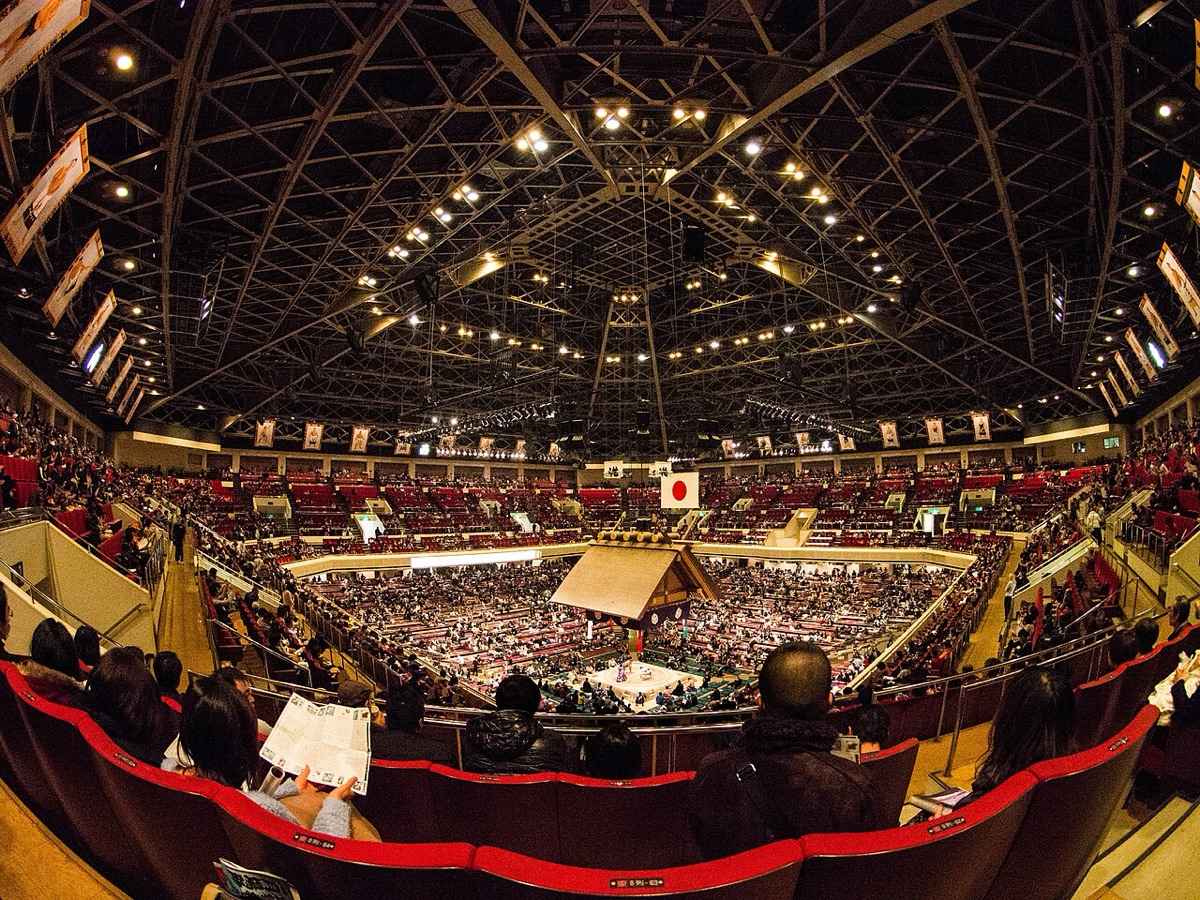
The short answer: first-timers who want comfort should pick second-floor Chair C or Chair B, and only consider first-floor box seats if you want to hear the collisions up close and have at least two people. These are the official January 2027 prices at Ryogoku Kokugikan, tax included[3]:
| Seat | Location | Weekday | Weekend/holiday | Day 14 & final day |
|---|---|---|---|---|
| Chair D | 2F row 14 | Adult 3,000 yen; child 500 yen | Adult 3,000; child 1,000 | Adult 3,000; child 1,000 |
| Chair C | 2F rows 12–13 | 5,000 yen | 6,000 | 7,000 |
| Chair B | 2F rows 7–11 | 6,000 | 7,000 | 8,000 |
| Chair A | 2F rows 4–6 | 10,000 | 11,000 | 12,000 |
| Chair S | 2F rows 1–3 | 11,000 | 12,000 | 13,000 |
| 4-person Box C | 1F rows 13–15 | 38,000 (4 people) | 42,000 | 46,000 |
| 4-person Box B | 1F rows 9–12 | 44,000 (4 people) | 50,000 | 56,000 |
| 4-person Box A | 1F rows 5–8 | 60,000 (4 people) | 66,000 | 72,000 |
| 4-person Box S | 1F rows 3–4 | 72,000 (4 people) | 80,000 | 88,000 |
| Ringside (Tamari) | Right beside the ring | 25,000 | 27,500 | 30,000 |
(Child prices apply only to Chair D, ages 4–15; all prices in yen)
- Box seats (masu-seki): tatami squares on the first floor separated by rails. You take off your shoes and sit on cushions, storing shoes behind your box[7]. A 4-person box is genuinely cramped, and sitting cross-legged for hours is hard for four adults. Besides 4-person boxes there are 1-, 2-, 3-, 5- and 6-person boxes, for example a 1-person Box C at 9,500 yen on weekdays and a 2-person Box B at 22,000 yen.
- Chair seats: regular seats on the second floor with a high view of the whole ring and the suspended roof; the first three rows (Chair S) feel closest. You can buy one seat, up to four.
- Ringside (Tamari): right by the ring, where wrestlers may tumble into you. Only for ages 16 and up, and eating, photography and phone use are banned in the seat[3].
- Everyone aged 4 and up needs a ticket, and there are no child prices except Chair D[2].
Who it suits and who it doesn't
- Chair seats suit: first-timers, solo travelers or pairs, anyone with bad knees or back, and people arriving in the afternoon.
- Box seats suit: families or groups of exactly four who want to eat bento while watching and don't mind sitting cross-legged.
- Box seats don't suit: tall or large travelers, people unused to floor seating, or pairs buying a 4-person box (the box won't be shared with strangers, but you pay for four).
- Ringside doesn't suit: anyone with children, or anyone who wants photos or snacks during the bouts.
How to Buy Sumo Tickets: Official Channels and Steps
Sumo tickets are sold only through official channels, and the Kokugikan box office does not sell advance tickets[2]. Unauthorized resale is strictly prohibited, and tickets bought via auctions or unofficial resale sites may be refused entry[4]. Your options:
| Channel | Language | Payment | Pickup | Notes |
|---|---|---|---|---|
| Ticket Oosumo (sumo.pia.jp) | Japanese | Credit card / 7-Eleven | 7-Eleven, delivery, QR e-ticket | Free registration; seat selection online |
| Ticket Oosumo English (sumo.pia.jp/en/) | English | Credit card only | Print at a 7-Eleven in Japan only | 2,000 yen fee per ticket; no changes or refunds |
| 7-Eleven in-store multi-copy machine (select Ticket Pia) | Japanese | Pay in store | Issued on the spot | No registration, but no seat selection |
| Sumo reservation line 0570-02-9310 | Japanese | 7-Eleven | 7-Eleven | 10:00–18:00, closes 2 days before the match |
| Kokugikan box office | Japanese | — | On the spot | Leftover same-day tickets only |
Buying on the English Ticket Oosumo site
- At 10:00 JST on December 5, open sumo.pia.jp/en/ and click the purchase button for the 2027 January Tournament[4].
- Choose your date and seat type and pay by credit card; each ticket carries a 2,000 yen service fee.
- Keep the pickup number from the confirmation email.
- After arriving in Japan, go to any 7-Eleven and print your ticket following the email instructions; your seat number appears on the printed ticket.
- Lost tickets cannot be used for entry, and tickets cannot be changed or refunded for any reason[4].
If you read Japanese, the Japanese Ticket Oosumo site lets you choose a QR e-ticket or delivery and has lower fees, but QR tickets cannot be used as screenshots or printouts[5]. Since 2025 the site also requires 3D Secure 2.0 for credit cards and phone-number verification, so check that your card works before registering.
Can You Buy Same-Day Tickets?
Possibly, but only if the day hasn't sold out. General sales run until 17:00 on match day, and the Kokugikan box office only sells tickets left over that day; if a day sells out beforehand, there are no same-day tickets at all[2]. The official seat list also has no separate "same-day unreserved" category, so don't count on cheap walk-up seats.
If you arrive in Japan without tickets, check the availability page on the Japanese Ticket Oosumo site every morning. Weekdays, especially days 2–5 and 9–12, are more likely to have scattered seats released. There is also an official face-value resale service (teika resale), which is far safer than unofficial resale sites.
Sumo Timetable in Tokyo: How a Tournament Day Flows
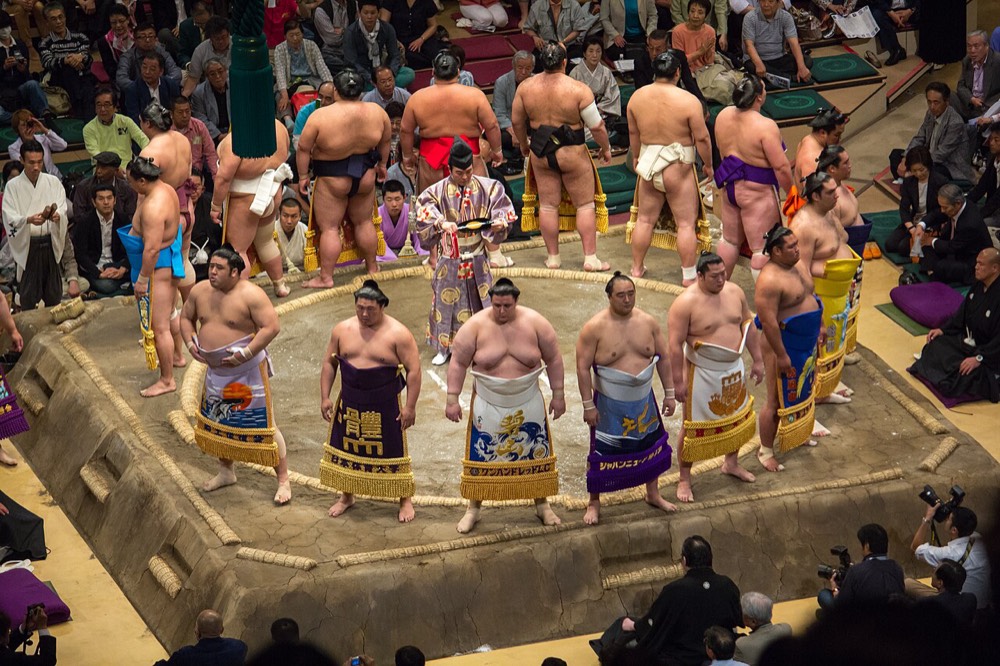
One ticket lets you watch from opening until about 18:00, and the best part is the last two hours of the afternoon. Bouts start with the lowest division, jonokuchi, then move up through jonidan, sandanme, makushita and juryo, finishing with makuuchi. Opening times for January 2027: 8:45 on days 1–12, 10:30 on days 13 and 14, and 10:00 on the final day[2].
| Approx. time | What happens | Highlights |
|---|---|---|
| Around 8:45 | Doors open; jonokuchi and other lower divisions begin | Few spectators, easy to walk around and soak in the atmosphere |
| Around noon | Sandanme, makushita | Up-and-coming young wrestlers |
| Around 14:00 | Juryo ring-entering ceremony and juryo bouts | Salaried "sekitori" ranks appear in ornate aprons |
| Around 15:40 | Makuuchi and yokozuna ring-entering ceremonies | The most colorful ceremonial aprons |
| Around 16:00 | Makuuchi bouts | Yokozuna, ozeki and the star wrestlers |
| Around 17:55 | Final bout, bow-twirling ceremony | The bow ritual after the last bout of the day |
(Times are based on past tournaments; check the official daily bout schedule. Day 13 onward and the final day run earlier.)
The official English page also says bouts run from the morning until about 18:00, with the main top-division matches in the afternoon[4]. You can come and go during the day, but re-entry is limited to once, through the South Gate with your ticket stub, and you must be back by 17:00[4][7].
Watching at Ryogoku Kokugikan: Food, Access and Etiquette
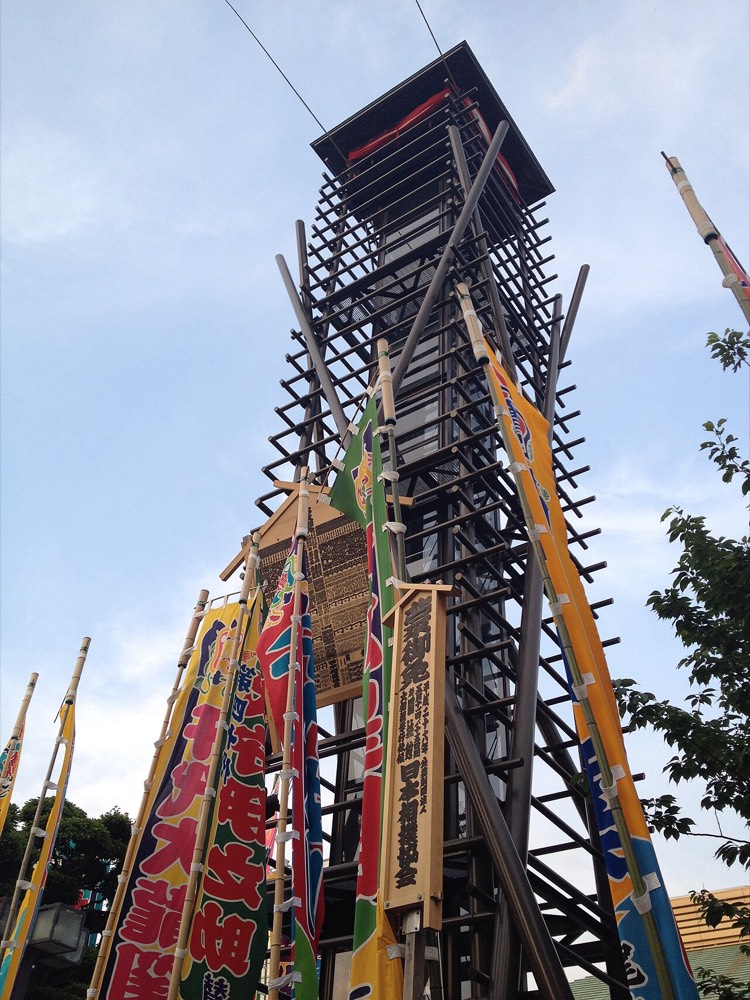
The Kokugikan is about a 2-minute walk from the west exit of JR Ryogoku Station on the Sobu Line, or about 5 minutes from Ryogoku Station on the Toei Oedo Line; there is no parking[10]. The Sobu Line runs directly from Shinjuku and Akihabara; for choosing trains and passes, see our Tokyo transport guide. During tournaments, colorful banners bearing wrestlers' names and a tall drum tower stand outside, so take photos before going in.
Chanko, bento and yakitori inside the Kokugikan
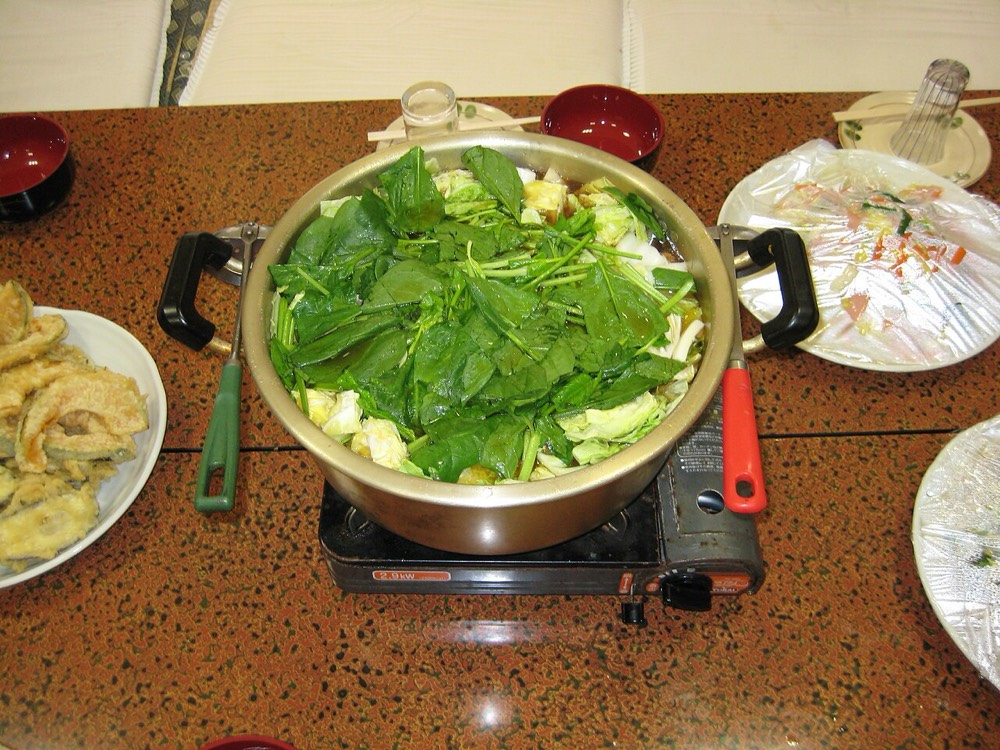
During tournaments, the basement hall (B1F) of the Kokugikan sells "special chanko" made from a sumo stable's own recipe. At the September 2026 tournament it was sold 11:00–16:30 for 500 yen a bowl, salt-flavored in the first half and soy-flavored in the second half[7] (past reference; the stable and flavors change each tournament). Shops on the first and second floors sell "rikishi bento" named after popular wrestlers and the famous Kokugikan yakitori, which you can take back to your seat; box seats are designed for eating while you watch. There is no hot water or microwave available[7].
If you want a proper sit-down chanko hotpot, there are many chanko restaurants around Ryogoku Station. They often have queues at dinner after the bouts end, so reserve ahead.
Etiquette and practical tips
The official Tokyo tournament guide lists these basic manners[7]:
- When the referee crouches and points his fan forward, the initial charge is about to happen; stay quiet.
- Don't walk along the aisles during a bout; wait until it ends.
- Don't bring folding back-rest chairs into box seats, and never throw cushions or anything else.
- Excessive heckling, whistling and abusing wrestlers are prohibited.
- Large suitcases can be left at the paid cloakroom on the first floor, and there are paid lockers on the east and west sides of the first floor.
January in Tokyo is cold in the mornings and evenings. The arena is heated but corridors can be chilly, so layers work best; for more winter tips, see our Japan in January travel guide.
No Tickets? The Sumo Museum and Other Options
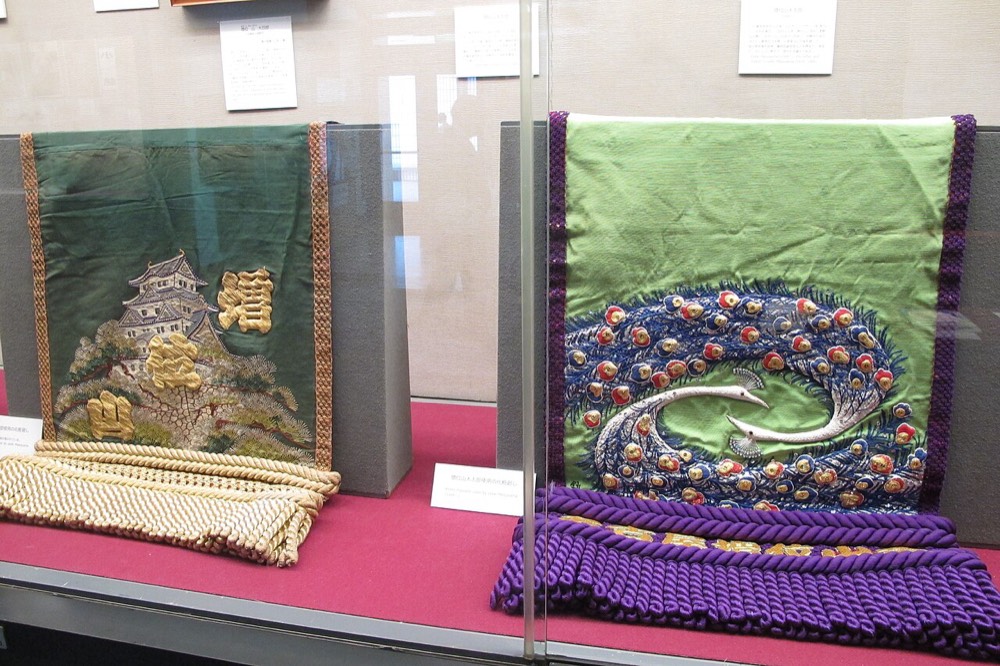
Even without sumo tickets, you can still experience sumo culture in Ryogoku. The Sumo Museum on the first floor of the Kokugikan is free and holds woodblock prints, banzuke ranking sheets and wrestlers' ceremonial aprons, with three themed exhibitions a year[6]:
| Period | Hours | Admission |
|---|---|---|
| Weekdays (outside tournaments) | 10:00–16:30 (last entry 16:00) | Free |
| Saturdays, Sundays, national holidays, New Year period | Generally closed (open on some days) | — |
| During Tokyo tournaments | Daily 12:30–16:00 | Requires that day's sumo ticket |
In other words, during the January 10–24 tournament you cannot enter the museum without a sumo ticket; for a free visit, go on a weekday outside tournament periods and check the museum schedule online first. The official sumo goods shop inside the Kokugikan is also open to the public on weekdays 10:00–15:00 outside tournaments.
Other options:
- TV or streaming: during tournaments NHK BS broadcasts from about 13:00 and NHK General from about 15:00, while ABEMA streams every bout from the first to the last[9], so you can watch from your hotel.
- Morning practice (asa-geiko): the Japan Sumo Association has no unified viewing system; each stable decides whether to accept visitors, and many do not. Paid guided tours are available. Don't wait outside stables or take photos on your own, and confirm the rules with the tour operator before joining.
- Ryogoku walk: near Ryogoku Station you can find tiles marking where the ring of the old Kokugikan stood, plus the Sumida River promenade, and combine it with Asakusa (see our Senso-ji guide).
How to Plan It: A Sample Tournament Day
Using a weekday Chair B seat with an afternoon arrival as an example:
- 10:00 Leave your hotel in Asakusa or Ueno and visit Senso-ji and Nakamise-dori.
- 12:00 Take the Toei Asakusa Line from Asakusa to Kuramae, transfer to the Oedo Line to Ryogoku, and have lunch near the station.
- 13:00 Enter the Kokugikan, visit the Sumo Museum on the first floor (open from 12:30 during tournaments, ticket required), then grab a bowl of chanko in the basement.
- 14:00 Head to your seat for the juryo bouts and ring-entering ceremony.
- 15:40–18:00 Makuuchi ring-entering ceremony, top-division bouts and the bow-twirling ceremony.
- 18:00 Leave to the sound of the closing "hane-daiko" drums, then have chanko nabe in Ryogoku or head back into the city.
To fit sumo into a wider Tokyo trip, pair it with our 5-day Tokyo itinerary and put Asakusa, Ryogoku and Tokyo Skytree on the same day; more Tokyo highlights are in our Tokyo attractions guide.
FAQ
How much are sumo tickets, and what is the cheapest seat?
For the January 2027 Tokyo tournament, the cheapest seat is Chair D in the last row of the second floor: 3,000 yen for adults every day, and 500 yen (weekdays) or 1,000 yen (weekends and holidays) for children aged 4–15, sold only online in small numbers. The more common Chair C costs 5,000 yen on weekdays, 6,000 yen on weekends and holidays, and 7,000 yen on day 14 and the final day.
How can foreign visitors buy sumo tickets?
The official English site Ticket Oosumo (sumo.pia.jp/en/) goes on sale the same day as the Japanese site. It takes credit cards only, adds a 2,000 yen service fee per ticket, and tickets must be printed at a 7-Eleven in Japan; no changes or refunds. If you can read Japanese, the Japanese Ticket Oosumo site offers QR e-tickets and no English-site fee.
Are same-day sumo tickets available at the Kokugikan?
Sometimes, but not guaranteed. General sales continue until 17:00 on the day of the match, and the Kokugikan box office only sells tickets left over on that day. If a day sells out beforehand, there are no same-day tickets. Weekends, opening day and the final day often sell out early, so buy online when sales open on December 5.
How long is a day of sumo, and when should I arrive?
Doors open at 8:45 (later from day 13), lower divisions wrestle from the morning, juryo appears in the afternoon, the makuuchi ring-entering ceremony is around 15:40, and the bow-twirling ceremony is around 17:55, ending around 18:00. First-timers who don't want a full day can arrive around 14:00 to see juryo, the ring-entering ceremony and all top-division bouts.
Do children need sumo tickets?
Yes. Everyone aged 4 and up needs a ticket, and there are no child prices except for Chair D. There are also family bundles such as the 4-person Kids Chair B and 6-person Kids Box C for children 15 and under, which can only be exchanged and used if eligible children attend. Children under 4 who need their own seat also need a ticket.
What can I do if I can't get sumo tickets?
Visit the Sumo Museum on the first floor of the Kokugikan (free on weekdays outside tournaments) or eat chanko nabe in Ryogoku. During tournaments you can watch NHK coverage from your hotel (NHK BS from about 13:00, NHK General from about 15:00) or stream on ABEMA. For morning practice, check each stable's or tour operator's rules.
Sources
- Japan Sumo Association: Annual Tournament Schedule: Dates and ticket sale start dates for 2026–2028
- Ticket Oosumo: January Tournament (Tokyo) sales information: Presale lotteries, general sale schedule, purchase channels, opening times
- Ticket Oosumo: January Tournament seat types and prices: Prices by seat type, child and age rules
- Ticket Oosumo (English): 2027 January Grand Tournament: English-site fee, ticket pickup, re-entry rules
- Japan Sumo Association: January 2027 general sale: Purchase limits and pickup methods
- Japan Sumo Association: About the Sumo Museum: Opening hours and admission
- Japan Sumo Association: September 2026 Tokyo Guidebook (PDF): Spectator etiquette, re-entry, chanko and bento inside the arena
- GO TOKYO: Beginner's Guide to Sumo: Background including the 2024 sell-outs
- Japan Sumo Association: Enjoy at Home (NHK and ABEMA coverage): TV and streaming times
- Japan Sumo Association: January Tournament access: Getting to the Kokugikan
Fares, opening hours and event dates can change. Information checked on 2026.11.21; please confirm with official sources before you go.