Okinawa Snorkeling Guide: Water Temperature by Month, Blue Cave vs Other Spots, Kids' Age Limits and Costs
When to snorkel in Okinawa: monthly JMA sea temperatures, wetsuit advice, Blue Cave vs Kerama, Minna and Sesoko, tour prices, kids' age limits and jellyfish season.
Quick answer
You can snorkel in Okinawa year-round, but June to October is the most comfortable. JMA 1991–2020 normals put coastal sea temperatures around southern Okinawa Island at about 29°C in August, a low of about 22°C in February, and 25–26°C in November, so winter needs a full wetsuit. First-timers usually pick a boat tour to the Blue Cave in Onna, which often switches to another spot in strong wind; the Kerama Islands have the clearest water. Most tours take children from age 5 or 6 and do not accept pregnant guests. Okinawa's box jellyfish (habu kurage) advisory runs June 1–September 30.
Three questions trip up most people planning Okinawa snorkeling: which months the water is warm enough, which spot to choose, and how old kids need to be. This guide uses Japan Meteorological Agency sea temperature normals to give a month-by-month table with gear advice, compares the Blue Cave, the Kerama Islands, Minna Island, Sesoko Island and the Miyako and Ishigaki reefs, and covers tour prices, children's age limits, winter north-wind cancellations and jellyfish season. It ends with a realistic half-day schedule for snorkeling in Onna.
Okinawa snorkeling season: sea temperature by month and what to wear
Bottom line: you can snorkel in Okinawa all year[3], but only June to October is comfortable in just a rash guard; from November to May you will want a wetsuit.
Sea temperatures in the table come from the JMA's coastal sea surface temperature information, daily normals for 1991–2020, averaged by month for this article[1]; air temperatures are JMA normals for Naha[2]. These are averages over a whole coastal area. Shallow water on a sunny midday can be a little warmer than shown, while cloudy days with a north wind feel much colder.
| Month | North Okinawa Island sea | South Okinawa Island sea | South Miyako | South Ishigaki | Naha mean air temp | General advice |
|---|---|---|---|---|---|---|
| Jan | 22.2°C | 22.9°C | 23.5°C | 23.7°C | 17.3°C | Full wetsuit, jacket for after |
| Feb | 21.5°C | 22.2°C | 23.0°C | 23.4°C | 17.5°C | Coldest month; not for the cold-sensitive |
| Mar | 21.7°C | 22.3°C | 23.3°C | 23.7°C | 19.1°C | Full wetsuit |
| Apr | 22.8°C | 23.4°C | 24.4°C | 24.8°C | 21.5°C | Wetsuit; best around sunny midday |
| May | 24.5°C | 25.1°C | 26.1°C | 26.6°C | 24.2°C | Thin wetsuit or long-sleeve rash guard |
| Jun | 26.7°C | 27.2°C | 27.9°C | 28.2°C | 27.2°C | Rash guard; watch rainy-season weather |
| Jul | 28.9°C | 29.0°C | 29.3°C | 29.3°C | 29.1°C | Best; rash guard |
| Aug | 29.1°C | 29.2°C | 29.3°C | 29.4°C | 29.0°C | Best; watch for typhoons |
| Sep | 28.4°C | 28.7°C | 28.7°C | 28.8°C | 27.9°C | Among the warmest water; typhoon season |
| Oct | 26.8°C | 27.4°C | 27.5°C | 27.6°C | 25.5°C | Comfortable; crowds thin out |
| Nov | 25.1°C | 25.8°C | 26.1°C | 26.3°C | 22.5°C | Thin wetsuit; chilly out of the water |
| Dec | 23.5°C | 24.2°C | 24.6°C | 24.7°C | 19.0°C | Full wetsuit |
What the table shows:
- The water is coldest in February–March, not January. The sea cools more slowly than the air. North Okinawa Island averages about 21.5°C in February, in line with Visit Okinawa Japan's range of about 21°C in February to nearly 30°C in August[3].
- Miyako and Ishigaki are about 1–2°C warmer than Okinawa Island, so heading south helps in winter.
- November is the last "still swimmable" month. At 25–26°C the water is not cold, but Naha's mean air temperature drops to 22.5°C, and the wind after you get out is the coldest part. For the rest of the month, see our Okinawa in November guide.
The "general advice" column is a rough guide based on water temperature; everyone feels cold differently. When booking, ask whether the operator lends wetsuits and whether they are full-length or shorty.
Can you snorkel in Okinawa in winter? North winds, wetsuits and cancellations
Bottom line: yes, if you choose the right tour. The bigger winter problem is not water temperature but north wind and waves.
Visit Okinawa Japan notes that winter north winds make it feel colder than the actual temperature[3]. For snorkeling, wind means two things: higher waves that can keep boats in port, and closures at spots facing the open sea. One Cape Maeda operator, for example, states that even on a sunny day strong wind can prevent entry to the Blue Cave; the captain decides on the day, and the tour moves to another safe spot or a beach entry with no discount[13].
How to make winter snorkeling work:
- Book a tour that lends full wetsuits rather than going in alone with a mask. Most beaches have no lifeguards or jellyfish nets in winter.
- Schedule snorkeling early in your trip so you have spare days if the boat is cancelled.
- Ask two things before booking: whether weather cancellations are fully refunded, and whether a changed spot is charged at full price.
- Bring a windproof jacket, a towel and a warm drink, and put them on as soon as you are back on the boat or beach.
January to March is also whale-watching season around Kerama, so if you mainly want to get out on the water in winter, a whale-watching boat may be better value; see our Okinawa whale watching guide. Winter clothing and sights are covered in our Okinawa winter travel guide.
Okinawa snorkeling spots compared: Blue Cave, Kerama, Minna and Sesoko
Bottom line: for a first time or a short stay, pick the Blue Cave in Onna; for the clearest water and confident swimmers, go to the Kerama Islands; families wanting shallow water can consider Minna Island or Sesoko Island.
| Spot | Starting point | Conditions and highlights | Best for | Watch out for |
|---|---|---|---|---|
| Cape Maeda (Blue Cave) | Onna Village, about 1 hour by car from Naha | Blue light reflected inside the cave, lots of fish[7] | Beginners, half-day trips | Fast currents, frequent wind closures, crowds |
| Kerama Islands (Tokashiki, Zamami, Aka) | Ferry from Naha, or a boat tour from Naha | Very clear water; turtles often seen at Aharen Beach[7] | Swimmers wanting coral and turtles | Seasickness; more winter cancellations |
| Minna Island | About 15 minutes by boat from Toguchi Port, Motobu | Wide shallows and white sand, good for paddling | Families, a relaxed half day | Few sailings; limited options outside summer |
| Sesoko Island | Drive over Sesoko Bridge; about 15 minutes from Churaumi Aquarium[8] | Sesoko Beach is about 800 m long; operators run snorkeling at Sesoko and Anchihama[8] | Self-drivers, combining with the north | Swim on your own only in managed areas during swim season |
| Miyako Island (Yabiji, etc.) | Boat tours from Miyako | Huge reef system about 17 km north to south, a Natural Monument of Japan[7] | Travelers already visiting Miyako | Boat only; depends on sea conditions |
| Ishigaki Island (around Kabira Bay) | Tours from Ishigaki | No swimming from Kabira Bay beach; tours go to the islets outside[7] | Travelers already visiting Ishigaki | Do not enter the water at Kabira Bay yourself |
Blue Cave snorkeling at Cape Maeda: the beginner favorite, but not a swimming beach
Cape Maeda (Maeda Misaki) is a headland on the Onna coast. The Blue Cave sits under limestone cliffs, and sunlight entering from the mouth makes the water glow blue[7].
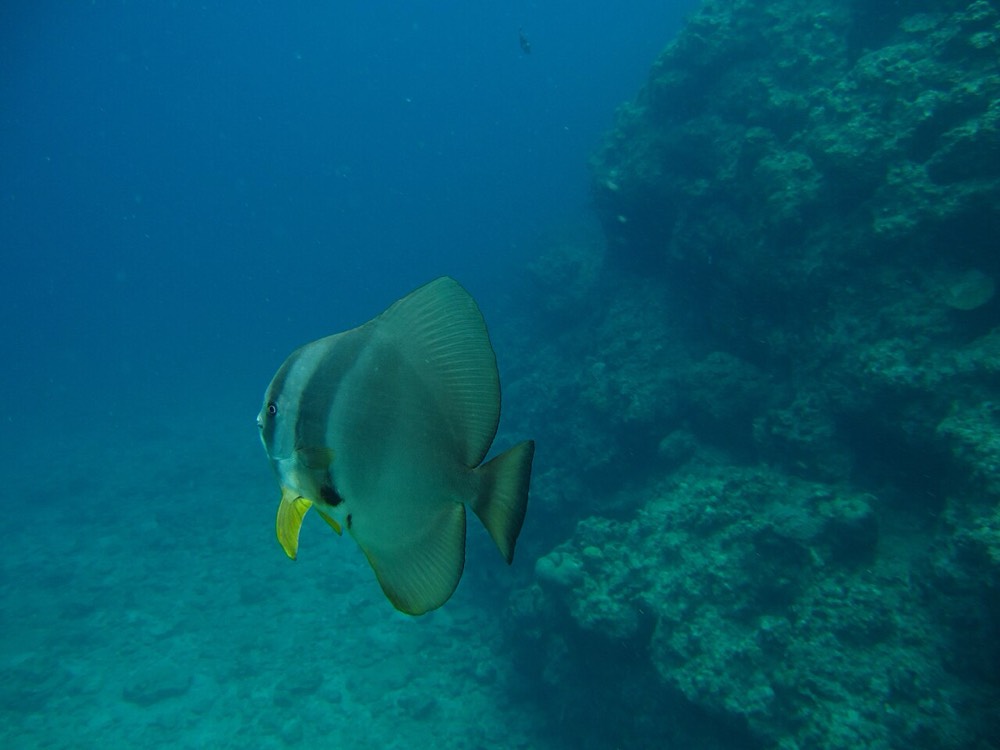
The Cape Maeda management office posts whether swimming is allowed each day and stresses that this is not a swimming beach: currents are fast, especially around high and low tide[4]. Its rules require a life jacket or buoyancy belt for snorkeling, ban swimming in bad weather or during wave or tsunami warnings, and prohibit jumping in near the cape and the cave[5]. From April 1, 2026, showers and lockers are open 7:00–18:30; after that the shower room entrance closes and you cannot retrieve items from the lockers inside[6].
So although there are steps to enter the water yourself, a tour (most go into the cave by boat) is the safer choice if it is your first time or you do not know the currents. Check the official sea-condition page on the morning; if swimming is banned, operators usually move to a nearby spot.
Kerama Islands: the clearest water, but factor in the boat ride
The Kerama Islands lie off Naha to the west. Visit Okinawa Japan notes that you can snorkel from the beaches on Aka, Zamami and Tokashiki, that Aharen Beach on Tokashiki is a great place to see sea turtles, and that joining a tour is still the safest option[7].
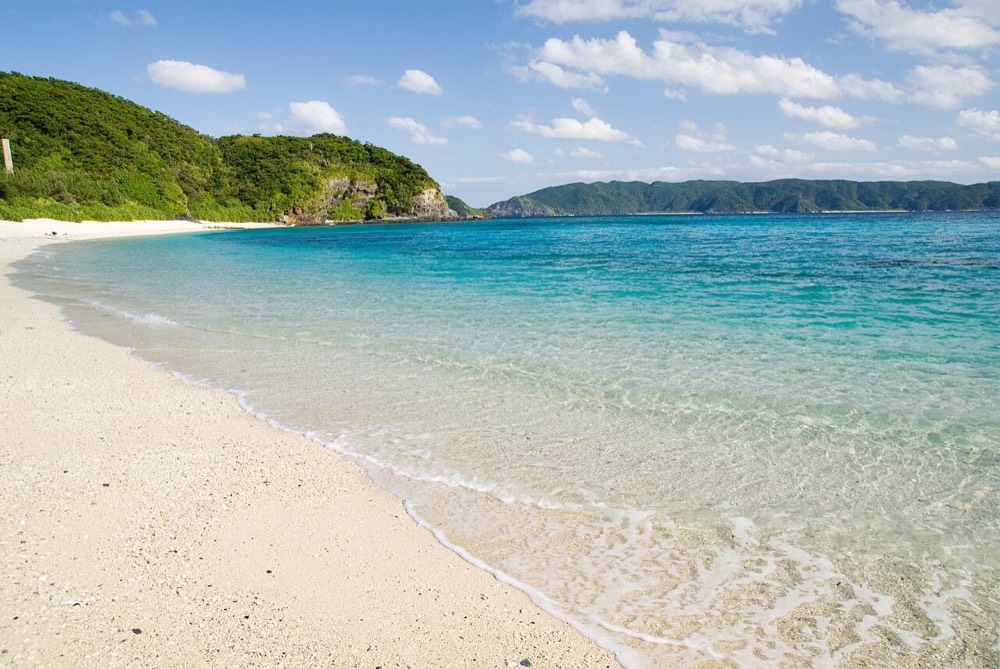
There are two ways to do Kerama: join a half-day boat tour from Mie-gusuku Port in Naha that goes straight to Kerama waters without landing on an island[15], or take the ferry or high-speed boat yourself and stay a night to snorkel from the beach. The second avoids tour time pressure but means judging the conditions yourself. Ferries, fares and routing are in our Okinawa island hopping guide.
Minna Island and Sesoko Island: family options in the north
Minna Island is a flat islet off the Motobu Peninsula, about 15 minutes by boat from Toguchi Port. Most visitors buy a beach or snorkeling package that includes the boat; sailings are limited, so confirm your return time before you go.
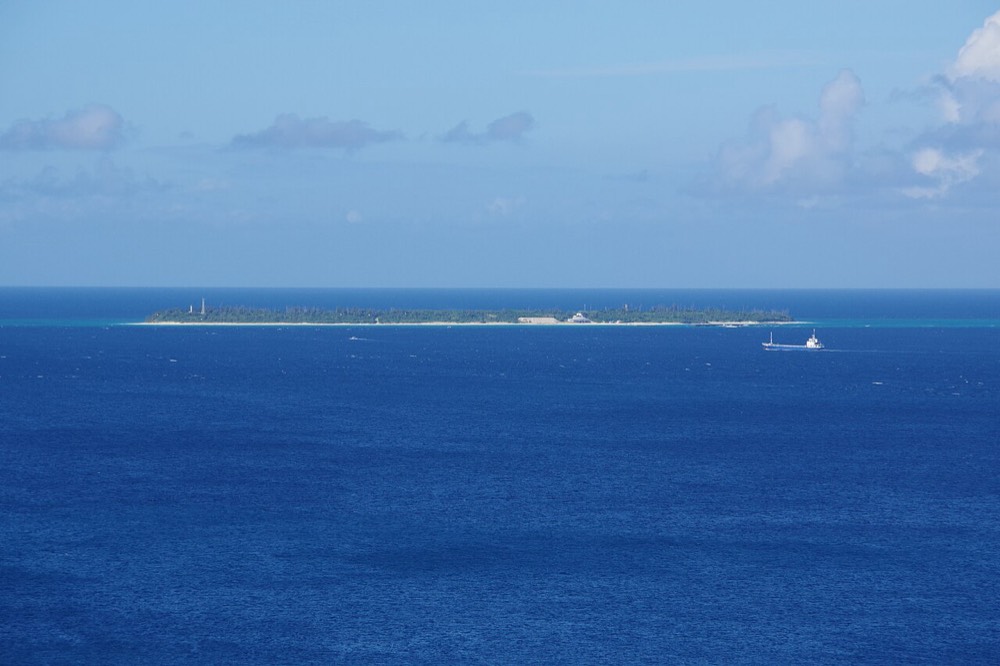
Sesoko Island is linked to Okinawa Island by the 762 m Sesoko Bridge, about 90 minutes from Naha Airport via the expressway[8], so it pairs easily with Churaumi Aquarium. Without a car, both northern spots are harder to reach; see how to get around Okinawa without a car or choose a tour with hotel pickup. For full guides to the southern islands, see our Miyako Island guide and Ishigaki Island guide.
Guided tour or snorkel on your own? Safety rules and costs
Bottom line: unless you know the local sea conditions, join a tour. Okinawa's currents, reef topography and jellyfish are not visible from the beach.
Guided tour vs snorkeling on your own
| Item | Snorkeling tour | On your own |
|---|---|---|
| Cost | About ¥5,000–¥9,000 (see below) | Rent or bring gear; some spots charge for parking and showers |
| Gear | Mask, snorkel, fins, life jacket; some include wetsuits | Your own; a life jacket is essential |
| Safety | Guide judges conditions and leads; insurance included | You judge currents and weather yourself |
| Spots | Boat access to places you cannot reach from shore | Shore entry only; ideally managed beaches in swim season |
| Weather | Operator decides to reroute or cancel | No one makes the call for you; highest risk |
Okinawa's rules for snorkeling operators
Okinawa has a dedicated water-safety ordinance, the Okinawa Prefecture Ordinance on the Prevention of Water Accidents and Ensuring the Safety of Swimmers (Ordinance No. 54 of 2025). It lists snorkeling businesses among marine leisure businesses that must notify the Okinawa Prefectural Public Safety Commission, requires accident-prevention measures, and allows suspension orders for violations[12]. When choosing an operator, ask whether it has filed under this ordinance and carries insurance, and avoid vague individual offers made only through social media.
Sample tour prices (checked November 2026)
These are real examples seen on booking sites. Prices vary by date, group size and whether pickup is included, so check the page when you book:
| Plan | Price and time | Age conditions | Includes |
|---|---|---|---|
| Onna Blue Cave boat snorkeling (Simple Marine Service) | From ¥5,800; about 2 hours total, about 1 hour in the water[13] | Ages 5–55; under 16 must be accompanied by a guardian[13] | Gear, insurance, boat, underwater photos and video[13] |
| Onna Blue Cave family boat snorkeling (Marine Club UMI) | Price shown when booking opens; about 2.5 hours total, about 40 minutes in the water[14] | Ages 5–69; under 13 must be accompanied by a guardian; doctor's certificate from 60[14] | Gear, insurance, boat, camera rental[14] |
| Kerama half-day boat snorkeling from Naha (Cerulean Blue) | Adults from a little over ¥5,000, varying by date; meet at Mie-gusuku Port[15] | Ages 6–60; no pregnant guests[15] | No island landing; may not run with fewer than 10 people[15] |
If you go to Cape Maeda on your own, check the on-site notices for parking and shower fees.
How old do kids need to be to snorkel in Okinawa? Who it suits and who it doesn't
Bottom line: most snorkeling tours set a minimum of 5–6, have an upper limit or require a doctor's certificate around 60, and usually do not accept pregnant guests[13][14][15].
| Who | Advice |
|---|---|
| Adults who can't swim | Fine on a tour with a life jacket and float ring; choose shallow or easy-entry plans |
| Children 5–6 and up | Join plans that state the age; child-size wetsuits and masks help |
| Toddlers 3–4 | Most tours won't take them; try shallows, glass-bottom boats or a Minna Island beach plan |
| Over 60 | Some operators require a doctor's certificate or don't accept; check before booking |
| Pregnant | Not suitable; most operators explicitly refuse[15] |
| Heart or respiratory conditions, ear infections, drinking that day | Not suitable; operators will refuse[15] |
| People who feel the cold | Avoid December–March, or go to Miyako or Ishigaki |
One more risk for children: the Okinawa Prefectural Institute of Health and Environment recorded 2,876 habu jellyfish stings from 1998 to 2023, about half of them in children aged 15 or under; children under 10 are smaller and more strongly affected by the venom[11].
Jellyfish season, coral protection and what to pack
Bottom line: guard against habu jellyfish from June to September, and never step on coral at any time of year.
- Habu jellyfish (box jellyfish): Okinawa Prefecture's 2026 habu jellyfish advisory ran from June 1 to September 30; of 199 dangerous-marine-life stings across the prefecture in 2025, 81 (about 40.7%) were from habu jellyfish[10]. The prefectural institute advises swimming at beaches with jellyfish nets and wearing a rash guard to cover skin even inside the nets[11]. If stung, get out of the water at once, do not rub the area, ask a lifeguard for help and see a doctor; full first-aid guidance is on the prefecture's website[10].
- Coral: More than 200 of the world's roughly 800 coral species are found around Okinawa[7]. When entering from shore, do not step on coral or let your fins touch it; Visit Okinawa Japan also encourages "reef safe" sunscreen[9].
- What to bring: swimwear (worn underneath), towel, change of clothes, rash guard or wetsuit, water-safe sandals, waterproof phone pouch, seasickness tablets (for boat tours), and a plastic bag for wet clothes.
Sample half-day: Blue Cave snorkeling in Onna
Bottom line: the first morning tour is the safest bet, with lighter winds and fewer people; spend the afternoon at Manzamo or in the north. This example assumes you stay in Naha and drive:
| Time | Plan | Notes |
|---|---|---|
| 7:30 | Leave Naha | About 1 hour to Onna via the Okinawa Expressway |
| 8:30 | Check in at the shop, change | Fill in a health form, safety briefing |
| 9:00–11:00 | Blue Cave boat snorkeling | About 40 minutes to 1 hour in the water; the rest is briefing and travel |
| 11:15 | Shower and change | Cape Maeda showers open 7:00–18:30[6], or use the shop's facilities |
| 12:00 | Lunch in Onna | You'll be hungry; eat before moving on |
| 13:30– | Manzamo, or north to Churaumi Aquarium | For more beach time, stop at Sesoko Island on the way |
Without a car, many Onna operators offer pickup from the resort hotel area; stay a night in Onna and snorkel the next morning.
Before you go
- When booking, ask: is a weather cancellation fully refunded, is a changed spot charged at full price, and are wetsuits and child-size gear available?
- On the morning, check the Cape Maeda sea-condition page or your operator's message; in August–September, also track typhoons.
- Go easy on alcohol the night before, and take seasickness tablets early for boat tours.
- Swim seasons at managed beaches mostly end in late October; after that there are no lifeguards or jellyfish nets, so join a tour instead of swimming alone.
FAQ
What is the best month for snorkeling in Okinawa?
June to October, when sea temperatures are about 27–29°C and a rash guard is enough. July, right after the rainy season and before peak typhoon months, tends to be the most settled. April–May and November (about 23–26°C) still work with a thin wetsuit and smaller crowds. Watch for typhoons in August and September.
Can you snorkel in Okinawa in winter (November to March)?
Yes, with realistic expectations. JMA normals show sea temperatures around Okinawa Island of about 21.5–23°C from January to March, while Naha's air averages only 17–19°C, so coming out of the water into a north wind is cold. A tour that lends full wetsuits is the practical choice; in winter the Blue Cave is often swapped for another spot due to waves.
How old do kids need to be for Blue Cave snorkeling?
It depends on the operator; 5 or 6 is a common minimum. For example, Blue Cave boat tours listed on booking sites in November 2026 showed ages 5–55 for one operator and 5–69 for another, with a doctor's certificate required from age 60. Children aged 3–4 usually need a family plan that explicitly accepts them, or a glass-bottom boat.
Can non-swimmers snorkel in Okinawa?
Yes, on a guided tour. Operators lend life jackets or buoyancy vests and guides often tow a float ring, and Cape Maeda's own rules require a life jacket or buoyancy belt for all snorkelers. People who panic in deep water may still feel uneasy, so choose a beach-entry or private-guide plan.
How much does a snorkeling tour in Okinawa cost?
As listed on booking sites in November 2026, Blue Cave boat tours in Onna started at around ¥5,800 including gear, insurance and photos, and half-day Kerama boat tours from Naha started at a little over ¥5,000 for adults. Plans with hotel pickup or a landing on Minna Island cost more. Prices vary by date and group size, so check the operator's page.
Can pregnant women snorkel in Okinawa?
Most snorkeling tours do not accept pregnant guests. A half-day Kerama tour from Naha, for example, states that pregnant guests cannot join and that no refund is given if this is discovered on the day. Glass-bottom boats, semi-submersibles or wading in the shallows are alternatives; consult your doctor first.
Sources
- JMA: Coastal sea surface temperature information (Okinawa): Daily 1991–2020 normals for North Okinawa Island, South Okinawa Island, South Miyako and South Ishigaki, averaged by month for this article
- JMA: Naha climate normals (1991–2020): Monthly mean air temperature in Naha
- Visit Okinawa Japan: When to Visit—Okinawa's Climate & Seasons: Year-round snorkeling, resort beaches opening in March, winter north winds
- Cape Maeda: Today's sea conditions: Swimming status notices, current warnings, life-buoy and AED location
- Cape Maeda: Guide (prohibited acts): Prohibited acts, no swimming during wave warnings
- Cape Maeda: Shower room hours notice: Shower and locker hours from April 1, 2026
- Visit Okinawa Japan: Okinawa Snorkeling Guide: Blue Cave, Kerama, Yabiji, Kabira Bay, Hatenohama and other spots
- Visit Okinawa Japan: Sesoko Island: Sesoko Bridge, Sesoko Beach, travel times
- Visit Okinawa Japan: Saving Okinawa's Fragile Coral Reefs: Not stepping on coral, reef-safe sunscreen
- Okinawa Prefecture: Habu jellyfish and other dangerous marine life: 2026 habu jellyfish advisory period, 2025 sting statistics
- Okinawa Prefectural Institute of Health and Environment News No. 48 (July 2024): Share of child victims, jellyfish nets and rash guard advice
- Okinawa Prefectural Police: Administrative disposition standards under the Okinawa water accident prevention ordinance: Ordinance No. 54 of 2025; snorkeling businesses must notify the Public Safety Commission
- asoview!: Simple Marine Service Blue Cave snorkeling: Price, ages 5–55, duration, rerouting rules in strong wind (checked November 2026)
- asoview!: Marine Club UMI Blue Cave boat snorkeling: Ages 5–69, doctor's certificate from 60, duration
- VELTRA: Kerama half-day boat snorkeling tour (Cerulean Blue): Departs Mie-gusuku Port, age 6+, no guests 61+ or pregnant (checked November 2026)
Fares, opening hours and event dates can change. Information checked on 2026.11.09; please confirm with official sources before you go.