Miyazaki Itinerary: Aoshima, Udo Jingu and the Nichinan Coast, With Transport and Winter Tips
Miyazaki itinerary: car vs JR and buses vs taxi, 2–3 day timetables, fares from Fukuoka and Kagoshima, plus Aoshima, Udo Jingu, Obi and local food.
Quick answer
The classic Miyazaki route is the Nichinan Coast: Aoshima, Horikiri Pass, Sun Messe Nichinan, Udo Jingu and Obi. By car it fits into one day. Without a car, use the JR Nichinan Line (Miyazaki Station to Aoshima in about 30 minutes) plus Miyazaki Kotsu buses (Miyazaki Station to Udo Jingu in about 1 hour 20–30 minutes) and plan 2 days with a night in Obi. From Hakata, shinkansen plus the B&S Miyazaki bus takes about 3 hours 20 minutes, from 6,000 yen with an early online fare; from Kagoshima-Chuo, the online fare on the limited express Kirishima is 3,400 yen. Miyazaki averages about 193 hours of sunshine in January, nearly twice Fukuoka's.
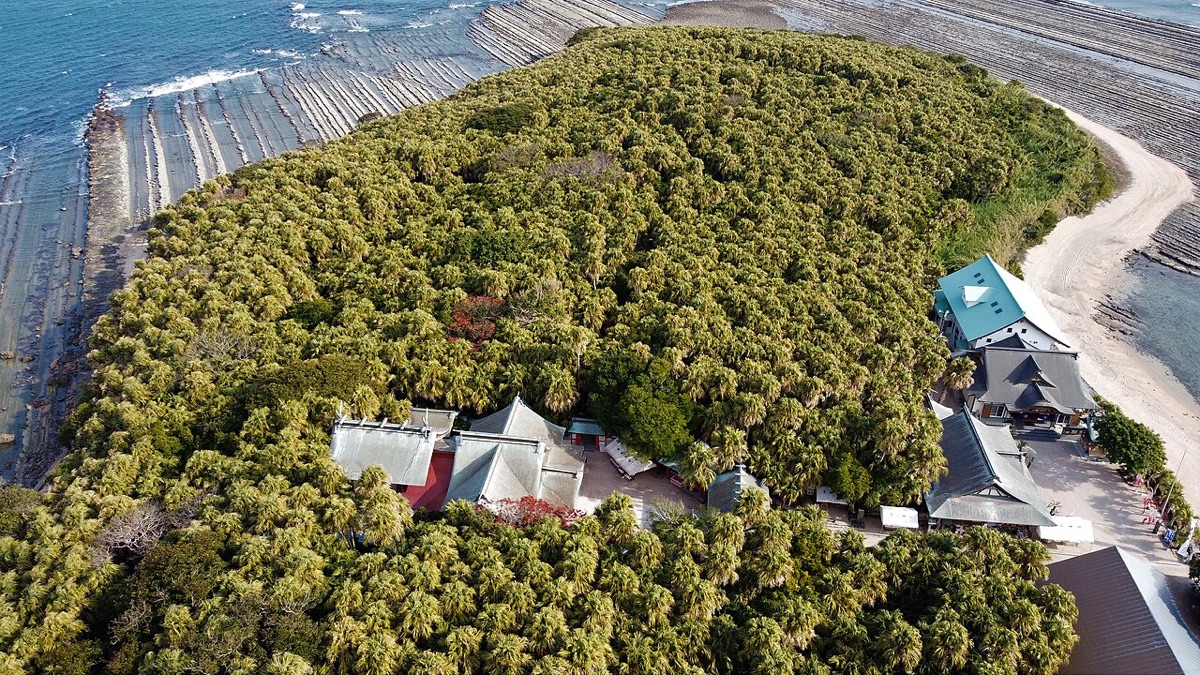
The best part of a Miyazaki trip is the Nichinan Coast in the south: Aoshima island covered in betel palms, Udo Jingu built inside a sea cave, and the stone-walled old town of Obi. Together they make a subtropical seascape you won't find elsewhere in Kyushu. This guide helps you decide whether to rent a car, shows how to get around without one using the JR Nichinan Line and buses, and gives realistic 2-day and 3-day timetables, plus how to get there from Miyazaki Airport, Fukuoka and Kagoshima and what it costs.
Who Is Miyazaki For? How Warm Is It in Winter?
Bottom line: Miyazaki's winter days are about 3°C warmer than Fukuoka's, with nearly twice the sunshine, which makes it a good winter choice in southern Kyushu. It is not tropical, though, and mornings and evenings are still cold.
Here is how the three cities compare in winter, based on Japan Meteorological Agency normals for 1991–2020[1][2][3]:
| Normals (January) | Miyazaki | Fukuoka | Kagoshima |
|---|---|---|---|
| Average high | 13.0°C | 10.2°C | 13.1°C |
| Average low | 3.0°C | 3.9°C | 4.9°C |
| Monthly sunshine | 192.6 hours | 104.1 hours | 132.6 hours |
| December sunshine | 183.9 hours | 112.2 hours | 143.2 hours |
Miyazaki and Kagoshima have similar daytime temperatures, but Miyazaki wins on clear days: northern Kyushu is often overcast in winter, while Miyazaki faces the Pacific and gets about 60 more hours of sunshine than Kagoshima in January. The catch is radiative cooling at night, so the lows are actually lower than Fukuoka's. Dress warmly for early starts.
Good for:
- People who want blue sky and sea in winter without flying to Okinawa
- Travelers who have already been to Fukuoka or Kumamoto and want a new Kyushu destination
- Those who can drive, or don't mind pacing the day around bus times
- Anyone already visiting Kagoshima or Kirishima who can add 2 days heading east
Less suited to:
- Only 1 day and no car: services are sparse, so you'll see 2–3 sights at most
- Big-city shopping and nightlife: Miyazaki city is small
- Swimming in winter: neither the sea nor the air is warm enough
How Do I Get to Miyazaki? Airport, Fukuoka and Kagoshima Fares
Bottom line: Flying into Miyazaki Airport is the most direct option. From Fukuoka, shinkansen plus bus takes about 3 hours 20 minutes; from Kagoshima, the limited express takes a little over 2 hours. All prices below are one-way adult fares.
| From | Mode | Time | One-way fare | Notes |
|---|---|---|---|---|
| Miyazaki Airport | JR to Miyazaki Station | About 10 min | About 360 yen | Roughly every 30 minutes during the day[19] |
| Miyazaki Airport | JR to Aoshima Station | About 50 min | See JR Kyushu | Saves a trip if heading straight to Aoshima[8] |
| Hakata | Shinkansen + B&S Miyazaki | About 3 h 18–20 min | Online 14-day early fare: 6,000 yen / 7-day early: 7,200 yen / online ticket: 8,200 yen | Transfer at Shin-Yatsushiro; prices announced February 2026[5] |
| Hakata, Tenjin | Phoenix highway bus | About 4 h 19 min from Hakata Bus Terminal to Miyako City | 7,000 yen regular; online dynamic fare 3,500–7,000 yen | All seats reserved; booking required[4] |
| Kagoshima-Chuo | JR limited express Kirishima | A little over 2 h | 5,190 yen regular reserved seat; 3,400 yen online only | Limited online seats[6] |
Some practical pointers:
- From Fukuoka on a budget: Phoenix online fares get cheaper the earlier you book, from as low as 3,500 yen, but it is the slowest option. Travelers 65 and over can buy a 5,500 yen senior fare (at the counter or by phone only)[4].
- To save time: B&S Miyazaki uses a same-platform transfer at Shin-Yatsushiro and is about an hour faster than the bus all the way[5].
- JR Kyushu Rail Pass holders: the Southern Kyushu pass covers Miyazaki and Kagoshima. To see whether it pays off, read our Kyushu transport guide.
- Combining Kagoshima and Miyazaki: travel one way rather than doubling back, for example in via Fukuoka and out via Miyazaki, or in via Kagoshima and out via Miyazaki. For the Kagoshima part, see our Kagoshima and Sakurajima guide. For a hot-spring stop on the way, spend a night at Kirishima Onsen, which lies on the same route to Miyazaki.
Getting Around Miyazaki: Car vs JR and Buses vs Sightseeing Taxi
Bottom line: If you drive, rent a car and do the Nichinan Coast in one day. Without a car, plan 2 days with an overnight stay. For a group of 3–4 who don't want to drive, a sightseeing taxi is the easiest choice.
| Comparison | Rental car | JR Nichinan Line + Miyazaki Kotsu buses | Sightseeing taxi (charter) |
|---|---|---|---|
| Sights per day | 5–6 | 2–3 | About 4 (4.5-hour plan) |
| Key times | Airport→Aoshima about 15 min; airport→Sun Messe about 40 min[12][11] | Miyazaki Station→Aoshima about 30 min; Miyazaki Station→Udo Jingu about 1 h 20–30 min[8] | Pickup from city hotels, the airport or stations |
| Cost | Rental company quote plus fuel | Per Miyazaki Kotsu and JR fares, paid per leg | Miyako Taxi's 4.5-hour Nichinan Coast plan, 9-seater reference price 53,800 yen, admissions extra[20] |
| Pros | Stop at Horikiri Pass; time Aoshima for low tide | No driving; you can drink | Driver knows the route; no waiting |
| Cons | Need an International Driving Permit or Japanese translation | Few services; missing one can mean waiting over an hour | Expensive per person for small groups |
The JR Nichinan Line runs south from Miyazaki Station through Aoshima, Obi, Aburatsu and Nango. From Aoshima Station it is about a 10–15 minute walk to Aoshima Shrine[12][8]. There is also the sightseeing limited express Umisachi Yamasachi. Under the timetable revised on March 14, 2026, it leaves Miyazaki at 9:43, reaching Aoshima at 10:21 and Obi at 11:09; the return leaves Obi at 14:29 and Aoshima at 15:10, arriving at Miyazaki at 15:35. Miyazaki to Nango costs 3,140 yen in the regular season. All seats are reserved, the train runs only on days shown in the official operating calendar, and tickets go on sale one month before travel at 10:00[7]. For other tourist trains, see our Kyushu sightseeing trains guide.
Miyazaki Kotsu buses are the main way to reach Udo Jingu, Sun Messe Nichinan and Obi. Route 965 toward Obi leaves from stop "Nishi 1" at Miyazaki Station's west exit and reaches Sun Messe Nichinan in about 1 hour 20 minutes; from stop 2 at Miyazaki Airport it takes about 53 minutes[11].
Travelers departing from Taiwan who hold a Taiwanese license need a Japanese translation of it. Travelers from elsewhere should check whether their license can be used in Japan (International Driving Permit or translation).
Miyazaki Itinerary Examples: 2 Days 1 Night and 3 Days 2 Nights (With Real Times)
Bottom line: without a car, the smoothest plan is "Day 1: Aoshima and Udo Jingu, stay in Obi; Day 2: Obi and Sun Messe." This is also the public transport route suggested by the Miyazaki tourism association[8]. With a car, you can do it all in one day.
Without a car: 2 days 1 night (JR + bus)
| Time | Plan | Transport |
|---|---|---|
| Day 1, 9:30 | Leave Miyazaki Airport or Miyazaki Station | JR Nichinan Line (about 50 min from the airport, about 30 min from Miyazaki Station) |
| 10:30–13:00 | Aoshima Shrine, Devil's Washboard, lunch on Aoshima | 10–15 min walk from Aoshima Station |
| 13:30–14:10 | Aoshima → Udo Jingu | Bus about 35 min, then about 10 min walk |
| 14:20–15:40 | Udo Jingu, throw undama | — |
| 16:00–16:45 | Udo Jingu → Obi | Bus about 45 min; stay in Obi or central Nichinan |
| Day 2, 9:00–12:30 | Komura Jutaro Memorial Museum, Obi Castle History Museum, lunch in the old town | Walk |
| 12:45–13:40 | Obi Joka → Sun Messe Nichinan | Bus about 50 min, then about 15 min walk |
| 13:50–15:20 | Sun Messe Nichinan Moai statues | Closed Wednesdays, avoid them |
| 15:30–17:00 | Back to Miyazaki Station or Miyazaki Airport | Bus about 1 h 30 min to the station, about 60 min to the airport |
Travel times in the table come from the Miyazaki tourism association's public transport route[8]. Buses do not necessarily run every hour, so treat the departure times as a guide, check actual departures with Miyazaki Kotsu's timetable search, then adjust how long you spend at each stop.
By car: the Nichinan Coast in one day
| Time | Plan | Drive |
|---|---|---|
| 8:30 | Pick up the car at Miyazaki Airport | About 15 min to Aoshima |
| 8:45–10:15 | Aoshima Shrine, Devil's Washboard (better at low tide) | Head south via Horikiri Pass |
| 10:30–10:50 | Sea views at Horikiri Pass | — |
| 11:30–13:00 | Sun Messe Nichinan (including lunch) | About 40 min direct from the airport, closer from Aoshima[9] |
| 13:15–14:30 | Udo Jingu | About 15 min from Sun Messe[9] |
| 15:00–17:00 | Stroll Obi castle town, eat Obi-ten | About 30 min from Udo Jingu[9] |
3 days 2 nights: add Miyazaki city, Takachiho or Kagoshima
- Days 1 and 2: follow the 2-day Nichinan Coast plan above.
- Day 3, pick one: stay in Miyazaki city for chicken nanban and charcoal-grilled chicken; head north to Takachiho (see below); or take the limited express Kirishima to Kagoshima and continue your trip.
Aoshima: Aoshima Shrine and the Devil's Washboard
Bottom line: Aoshima is a small island you can explore on foot. Aoshima Shrine is open for worship from 6:00 until sunset (varies by season), and the amulet counter from 8:00 to 17:00. There is no admission fee[8].
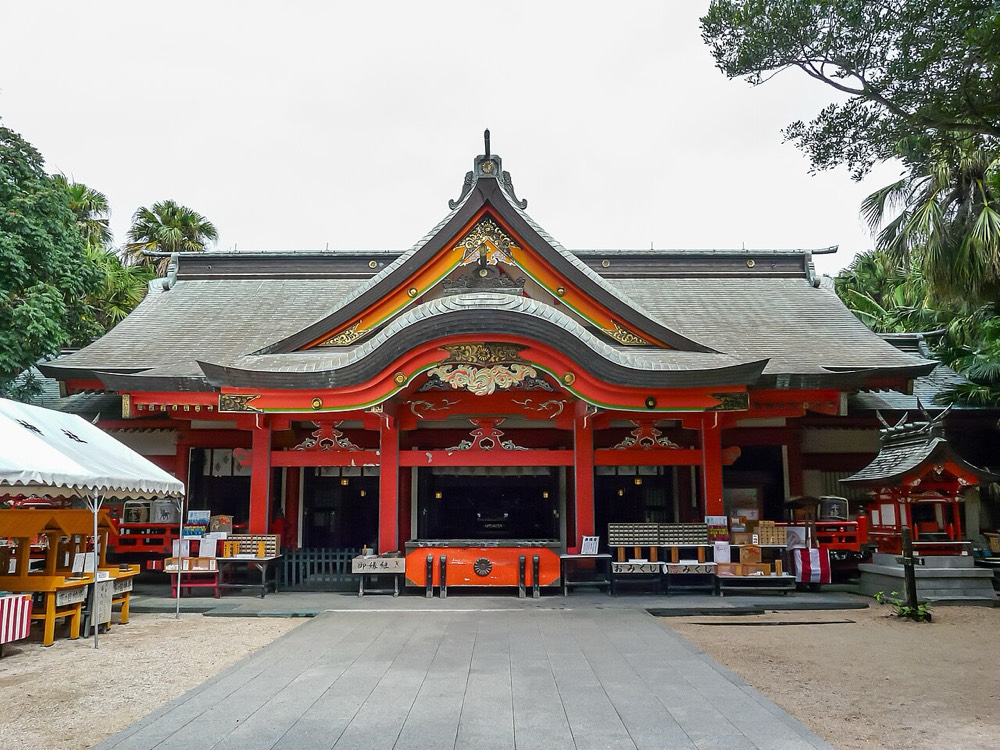
According to the shrine's official site, Aoshima formed from uplifted seabed and shell deposits about 7 million years ago. The shrine on the island is about 800 meters, or about a 10-minute walk, from JR Aoshima Station. The approach is a pedestrian-priority road and cars cannot drive in[12]. By car it is about 15 minutes from Miyazaki Airport and about 25 minutes from Miyazaki Station. Behind the shrine is the Motomiya (original shrine), reached along the "Inori no Kodo" path lined with ema votive plaques and surrounded by betel palms. It is the quietest corner of the island.
How to see the Devil's Washboard at its best
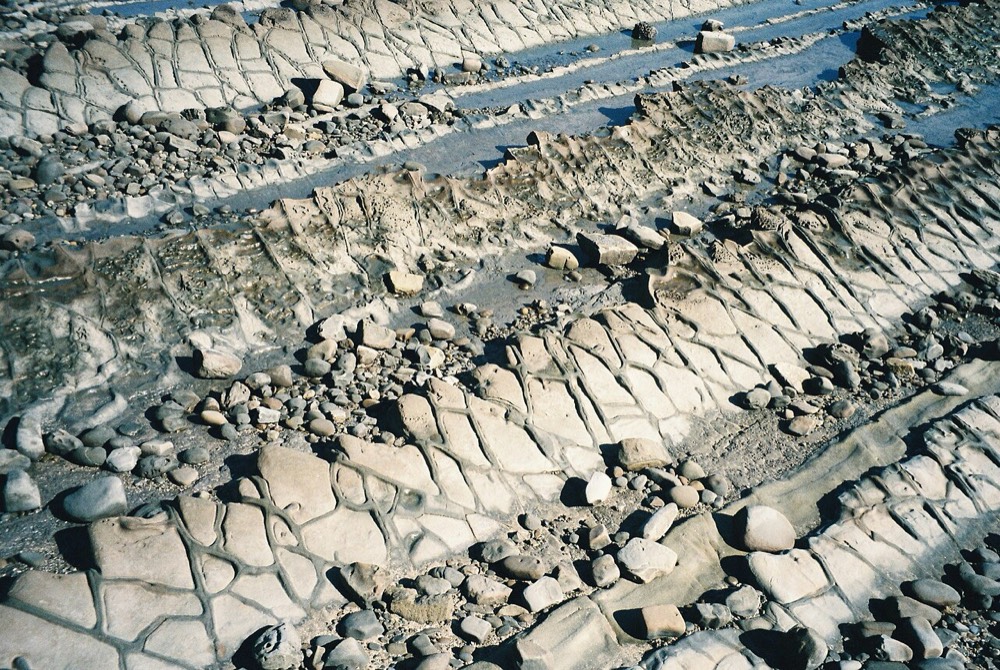
Oni no Sentakuita (the Devil's Washboard) is a wave-shaped rock platform formed as layers of sedimentary rock were eroded by waves, wind and rain over a long period. It is fully exposed only at low tide[13]. If you are driving, check Miyazaki's tide table and visit Aoshima around low tide. If you come by JR, walk along the shore from Aoshima Station and you'll see it.
New in 2026: Aoshima Onsen Purin
On February 1, 2026, Aoshima gained a Japanese-style pudding shop, Aoshima Onsen Purin. It is inside Aoshima Fisherman's Beachside Hostel & Spa at 3-1-53 Aoshima, Miyazaki city, is run by the team behind Nankoku Purin in central Miyazaki, and closes on Wednesdays[14]. The signature item is the Oni no Sentakuita Purin, shaped after the rock formation, for 580 yen; there is also a Shinwa no Yu Purin for 480 yen. Opening hours were not listed, so call ahead before you go.
Nichinan Coast: Horikiri Pass and the Sun Messe Nichinan Moai
Bottom line: National Route 220 south of Aoshima is the classic stretch of the Nichinan Coast. Drivers should stop at Horikiri Pass, and avoid Wednesdays for Sun Messe Nichinan.
Horikiri Pass
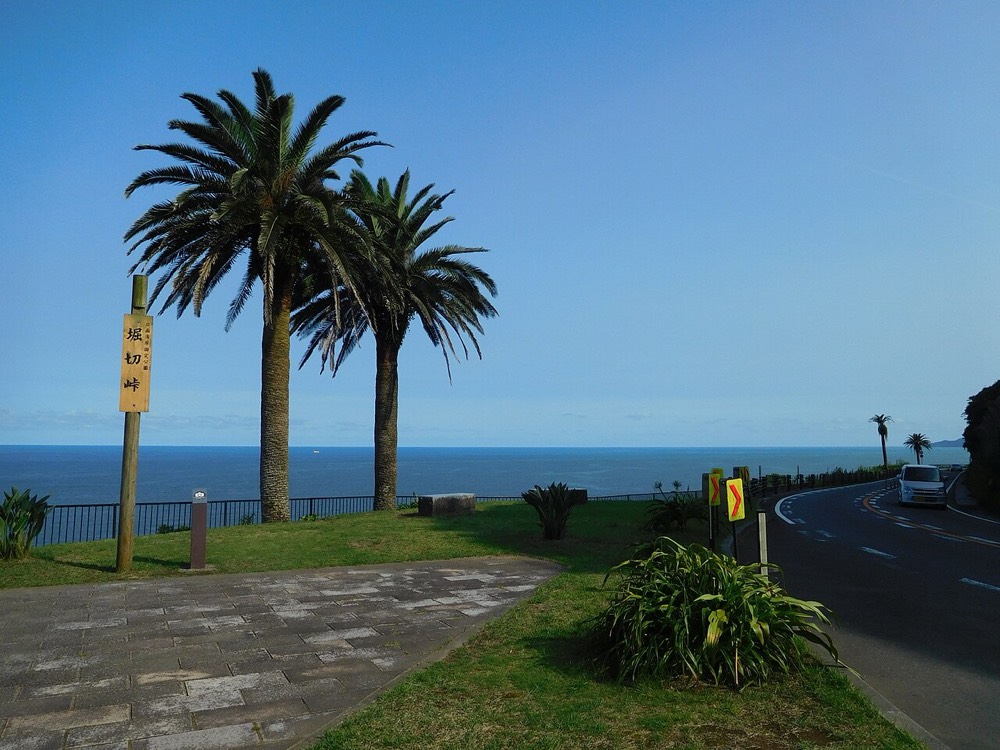
Horikiri Pass (Horikiri-toge) is just south of Aoshima. The roadside is lined with Canary Island date palms, and from above you can see the Pacific and a long sweep of the Devil's Washboard. It is one of the most representative viewpoints on the Nichinan Coast. Buses pass by without stopping, so for photos here you basically need a car or a chartered taxi.
Sun Messe Nichinan
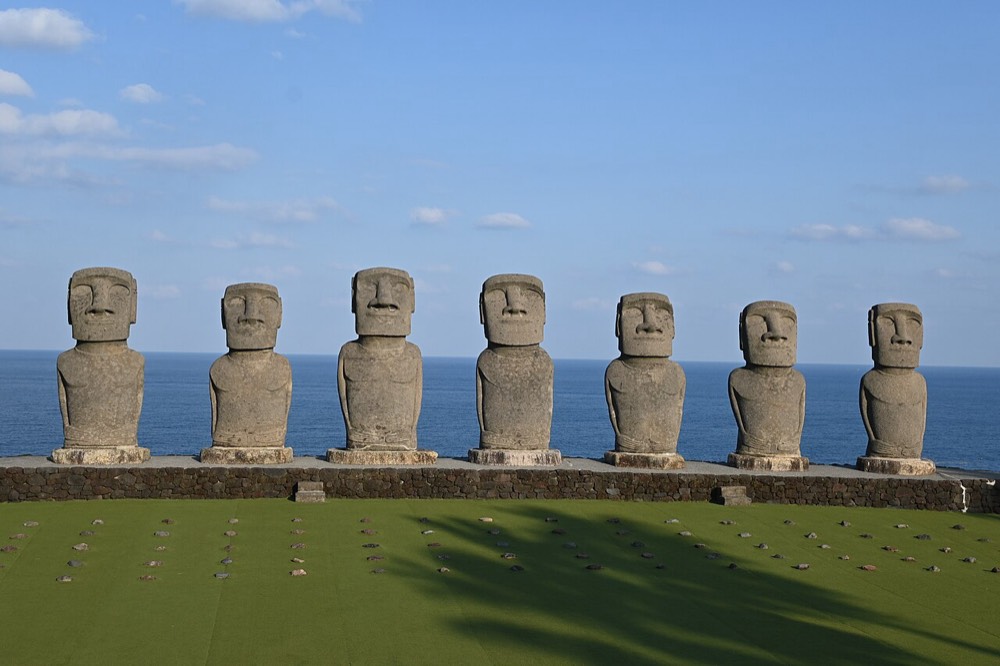
Sun Messe Nichinan is a hillside park facing the sea, best known for its row of seven Moai statues.
| Item | Details |
|---|---|
| Hours | 9:30–17:00 (last entry 16:30) |
| Closed | Every Wednesday; open as usual at New Year, Golden Week, Obon and on public holidays; some other irregular closures |
| Admission | Adults 1,000 yen; middle and high school students 700 yen; age 4 and up 500 yen |
| Bus | Miyazaki Kotsu route 965 to "Sun Messe Nichinan": about 1 h 20 min from Miyazaki Station, about 53 min from Miyazaki Airport |
Source: Sun Messe Nichinan official site[10][11]. From the bus stop to the park entrance there is an uphill walk, estimated at about 15 minutes on the official route[8].
Udo Jingu: Worship in a Sea Cave and Throw Undama
Bottom line: Udo Jingu's gates are open 6:00–18:00 and worship is free. From Miyazaki Station, take a bus toward Obi, get off at "Udo Jingu" and walk about 10 minutes[8].
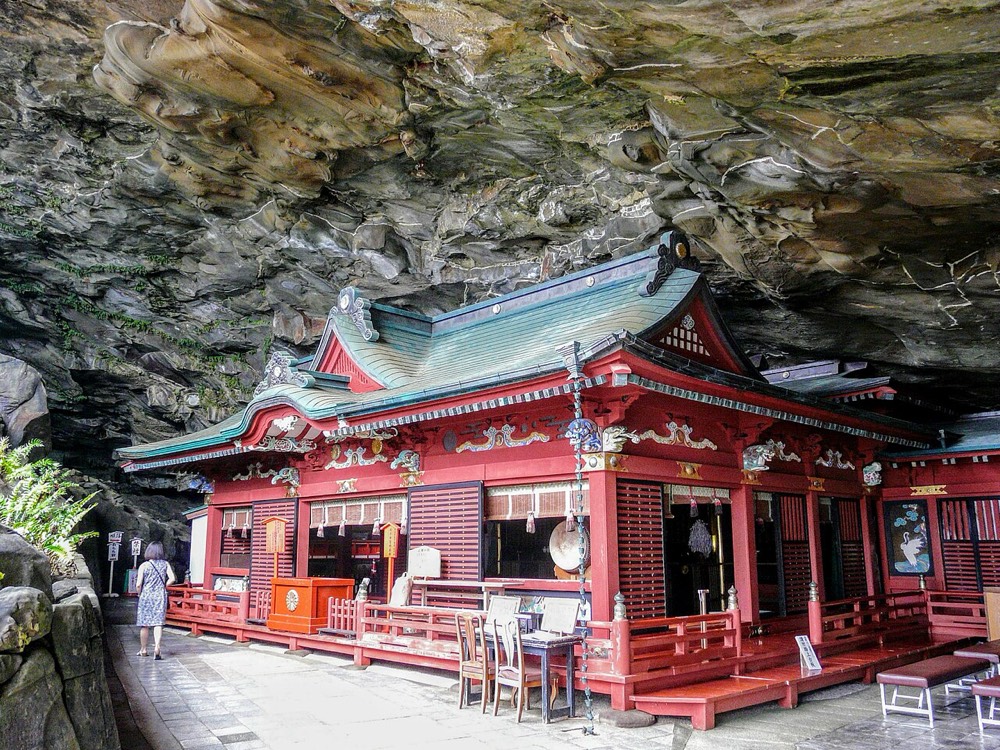
Locals call it "Udo-san." The vermilion main hall stands inside a sea cave on a headland jutting into the sea, and the shrine is known for prayers for safe childbirth, child-rearing and matchmaking; inside the cave is the "Ochichi-iwa" (breast rock)[13]. Reaching the main hall means going down a flight of stone steps and climbing back up, so allow extra time if you have limited mobility or a stroller.
How to throw undama: buy undama (luck stones) on the terrace in front of the main hall (Japanese travel media list 5 for 200 yen; check on site)[18] and throw them at the "Kameishi" (turtle rock) below. Landing one in the hollow means your wish will come true. Traditionally men throw with the left hand and women with the right. It's windy by the sea, so bring a hat or scarf in winter.
If you drive, parking is free, and it is about 50 minutes from Miyazaki IC via Route 220[18].
Obi Castle Town: The "Little Kyoto" of Kyushu
Bottom line: Obi was the castle town of the Ito clan (51,000 koku) for about 280 years from 1588. In 1977 it became the first Important Preservation District for Groups of Traditional Buildings in Kyushu, and its stone walls, samurai residences and Obi cedar remain well preserved[13].
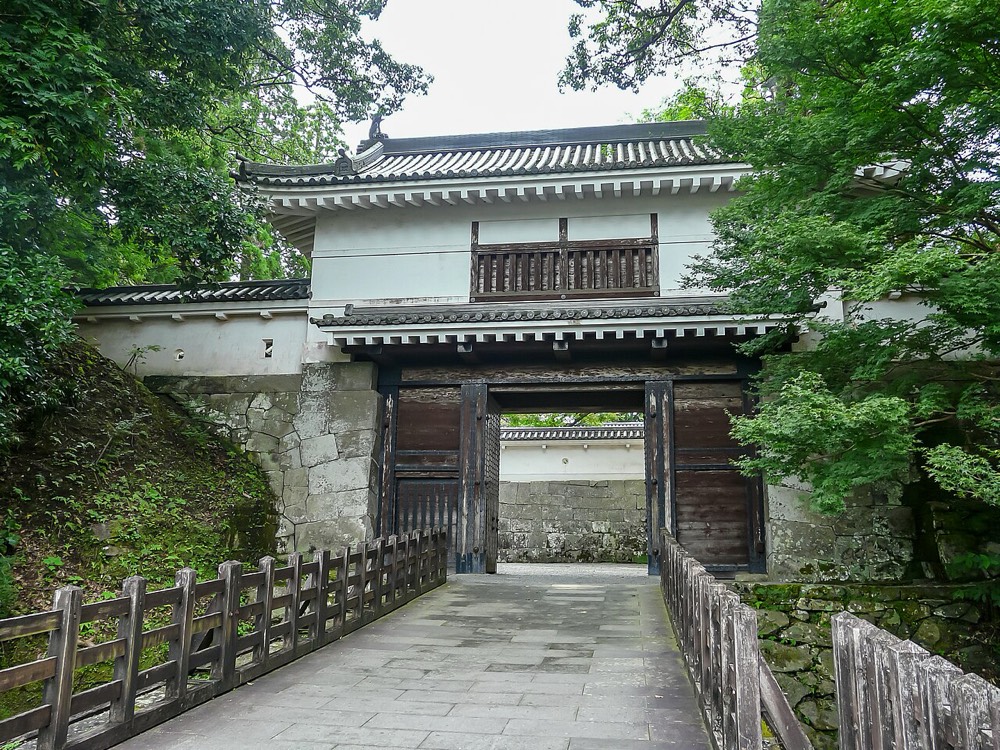
- Obi Castle History Museum: 9:30–17:00 (last entry 16:30), closed December 29–31[8].
- Komura Jutaro Memorial Museum: 9:00–17:00, closed December 29–31[8].
- Eat-and-walk map: Obi sells a walking map with coupons you can exchange at old-town shops for snacks such as Obi-ten and thick tamagoyaki. According to August 2024 information, the map with 5 coupons was 800 yen, and a set with the combined ticket for 4 museums was 1,300 yen, sold at the Obi Castle tourist parking ticket office, Obi Station and each museum[17]. Check 2026 prices on site.
Obi can be seen in a morning. Staying overnight means quieter evenings and mornings with fewer visitors, when the stone-walled lanes are especially peaceful, and you can catch the bus straight to Sun Messe Nichinan the next day.
Miyazaki Food: Chicken Nanban, Charcoal-Grilled Chicken and Hiyajiru
Bottom line: The three stars of Miyazaki food are chicken nanban, charcoal-grilled chicken and hiyajiru, with Obi-ten and bonito added in the Nichinan area.
Chicken nanban
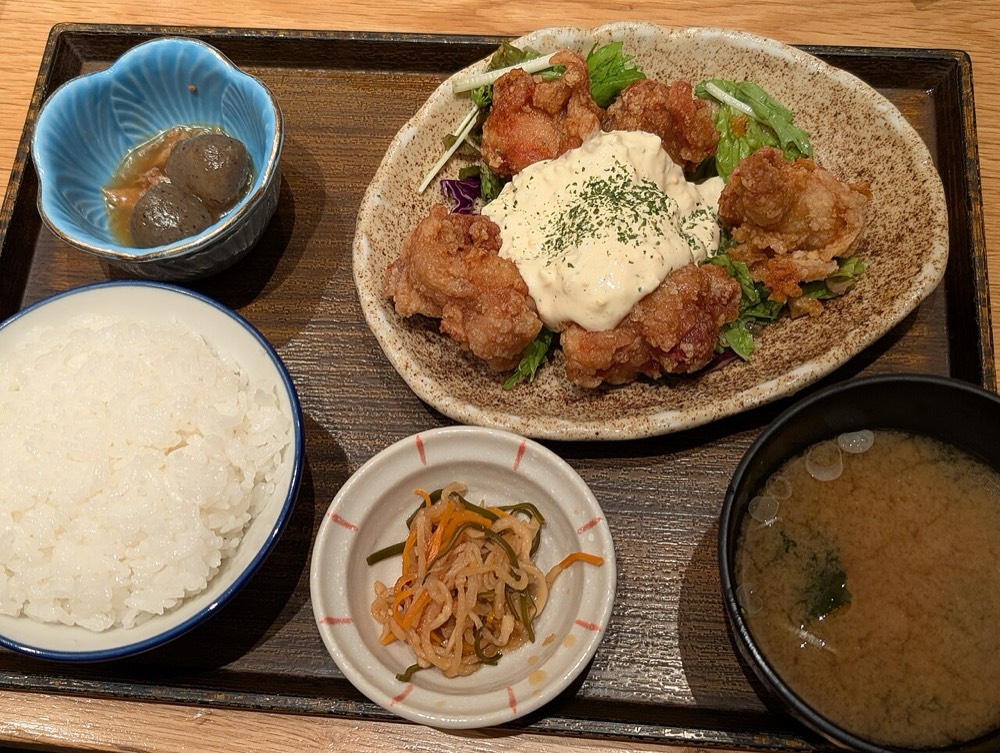
According to Miyazaki Prefecture, chicken nanban began as a staff meal at the Western-style restaurant "London" in Nobeoka in the Showa 30s (1955–1964), and at first it had neither a name nor tartar sauce[15]. The Ministry of Agriculture, Forestry and Fisheries explains that it was created to make lean, hard-to-eat chicken breast tasty, and some restaurants now use thigh meat instead[16]. Nobeoka has two shops regarded as the originals, "Nao-chan" (the original sweet-vinegar style) and "Ogura" (which added tartar sauce), and you'll find it all over Miyazaki city too.
Charcoal-grilled chicken (jidori no sumibiyaki)
Miyazaki's other way with chicken is to grill it over fierce charcoal until the surface is blackened and smoky. The ministry notes that in the countryside people used to grill chicken over oil drums cut in half, and shochu is the standard pairing[16]. Order "momo-yaki" or "sumibiyaki" at an izakaya. Expect a firm, chewy texture.
Hiyajiru
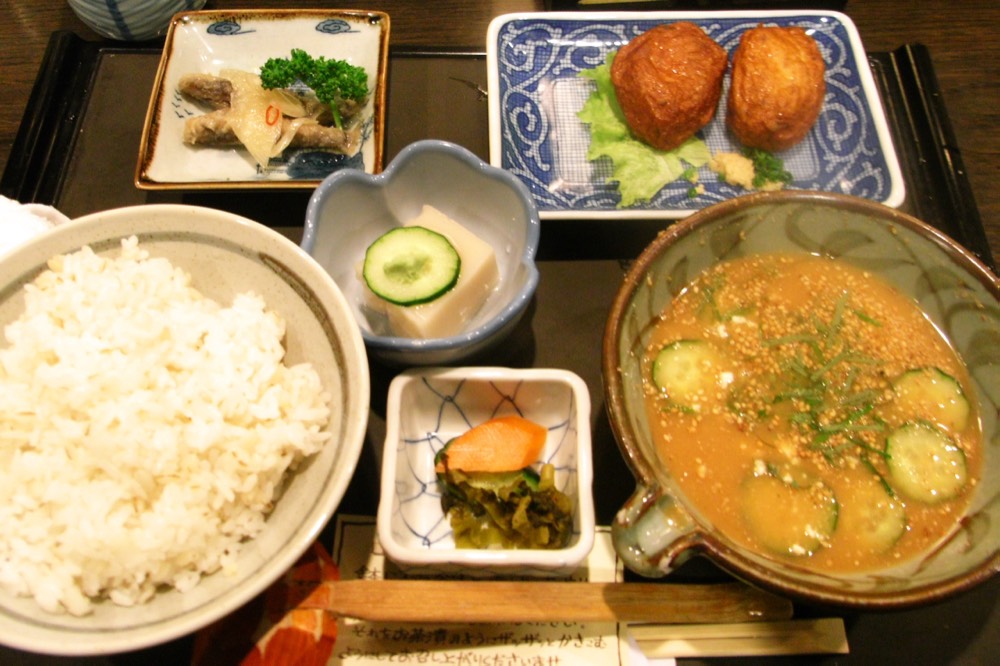
Hiyajiru is a summer dish from the Miyazaki plain: toasted dried sardines and miso are ground together and grilled, thinned with dashi, then mixed with shiso, cucumber and tofu and poured cold over barley rice[16]. Although it's a summer dish, many set-meal restaurants in Miyazaki city serve it all year.
Must-eats around Nichinan
- Obi-ten: fried fish paste mixed with tofu, brown sugar and miso, sweeter than Kagoshima's satsuma-age[16].
- Nichinan Ipponzuri Katsuo Aburi-ju: Nichinan has Japan's largest pole-and-line bonito catch, and this seared marinated bonito rice box is the top lunch pick around Obi[13].
Should I Add Takachiho?
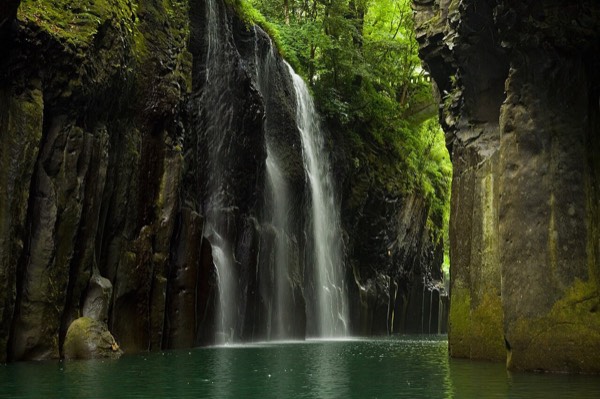
Takachiho Gorge is in northern Miyazaki Prefecture, at the opposite end from the Nichinan Coast, and the drive is long, so don't squeeze both into the same day. To see Manai Falls, row a boat and watch the night kagura, plan a separate day or even an overnight stay. Transport and boat reservations are covered in our Takachiho Gorge day trip guide.
Before You Go: How to Plan It Smoothly
- Avoid Wednesdays: Sun Messe Nichinan closes on Wednesdays[10], so schedule it for another day.
- Lock in bus times first: without a car, buses between Udo Jingu, Sun Messe and Obi are the bottleneck, so check departures before deciding how long to stay at each stop.
- Stay in Obi or Nichinan: for a 2-day trip without a car, staying in Obi saves the most time. For more dining choices and izakaya in the evening, stay near Miyazaki Station.
- Low tide: to see the Devil's Washboard fully exposed, check the tide times before you go.
- Winter clothing: daytime sun is strong, so bring a hat and sunscreen; mornings and evenings drop to around 3°C, so a jacket is still a must.
- One-way routes pay off: "in via Fukuoka, out via Miyazaki" or "in via Kagoshima, out via Miyazaki" saves half a day of travel compared with returning to the same city.
FAQ
Can I travel around Miyazaki without a car?
Yes, as long as you accept infrequent services. Aoshima is easy by JR Nichinan Line. Udo Jingu, Sun Messe Nichinan and Obi need Miyazaki Kotsu buses toward Obi, often over an hour each way with limited departures. Without a car, plan 2 days with a night in Obi or Nichinan and check each bus time in advance.
How do I get from Miyazaki Airport to Miyazaki Station?
JR Miyazaki Airport Station is next to the terminal. The train to Miyazaki Station takes about 10 minutes and costs about 360 yen (check JR Kyushu for the current fare), with roughly one train every 30 minutes during the day. To go straight to Aoshima, the train takes about 50 minutes, or about 15 minutes by car.
From Fukuoka to Miyazaki, is the bus or the shinkansen better?
To save money, take the Phoenix highway bus: about 4 hours 19 minutes from Hakata Bus Terminal to Miyako City, 7,000 yen regular or from 3,500 yen with online dynamic pricing. To save time, take B&S Miyazaki: shinkansen from Hakata to Shin-Yatsushiro, then a bus, about 3 hours 20 minutes, with a 14-day early online fare of 6,000 yen. Both require reservations.
Can I combine Kagoshima and Miyazaki in one trip?
Yes. The JR limited express Kirishima from Kagoshima-Chuo to Miyazaki takes a little over 2 hours. The online-only Kyushu Net Kippu costs 3,400 yen one way (a regular reserved seat is 5,190 yen). A common plan is Kagoshima city, one night at Kirishima Onsen, then the Nichinan Coast, flying home from Miyazaki Airport.
Is Miyazaki cold in winter? What should I wear?
According to Japan Meteorological Agency normals, Miyazaki's January average high is 13.0°C and the average low 3.0°C. Daytime sun by the sea is pleasant, but mornings and evenings are only around 3°C. Wear layers and bring a windproof jacket, especially for the windy coast at Udo Jingu and Horikiri Pass.
Sources
- Japan Meteorological Agency: Climate normals (Miyazaki): 1991–2020 normals, December–February temperatures and sunshine hours
- Japan Meteorological Agency: Climate normals (Fukuoka): Fukuoka December–February temperatures and sunshine hours
- Japan Meteorological Agency: Climate normals (Kagoshima): Kagoshima December–February temperatures and sunshine hours
- Miyazaki Kotsu: Phoenix (Miyazaki–Fukuoka): Fares, dynamic pricing, travel time, stops and reservation requirement
- JR Kyushu and JR Kyushu Bus: Non-stop B&S Miyazaki becomes Super Kaisoku (February 13, 2026): Hakata–Miyazaki travel time and early online fares
- JR Kyushu: Kyushu Net Kippu: Miyazaki–Kagoshima-Chuo regular and online fares
- JR Kyushu: Limited Express Umisachi Yamasachi: Timetable revised March 14, 2026, fare, all-reserved seating and booking
- Miyazaki Tourism Navi: 2-day Aoshima and Nichinan by public transport: JR and bus travel times, Aoshima Shrine and Udo Jingu hours, Obi museum hours
- Miyazaki Tourism Navi: Recommended drive (Nichinan area): Driving times between sights
- Sun Messe Nichinan: Visitor information: Hours, closing days and admission
- Sun Messe Nichinan: Access: Miyazaki Kotsu route 965 bus and driving times
- Aoshima Shrine: History and access: Walking time from JR Aoshima Station, driving times, no cars on the approach
- Miyazaki Tourism Navi: Southern Miyazaki: Udo Jingu, Devil's Washboard, Obi castle town and Nichinan food
- Rakuten Travel (from TV Miyazaki): Aoshima Onsen Purin: Opened February 1, 2026; address, closing day and prices
- Miyazaki Prefecture: Jaja, Chicken Nanban: Chicken nanban's origin in Nobeoka
- Ministry of Agriculture, Forestry and Fisheries: Local cuisine of Miyazaki: Hiyajiru, charcoal-grilled chicken, chicken nanban, Obi-ten
- Mapple Travel Guide: Obi: Obi walking map and combined museum ticket (August 2024 information)
- Rurubu & more: Udo Jingu: Undama price, parking
- Miyazaki Airport: Access by train: Miyazaki Airport Station timetable
- VELTRA: Miyako Taxi Nichinan Coast course (about 4.5 hours): Sightseeing taxi route, distance and reference price
Fares, opening hours and event dates can change. Information checked on 2026.11.25; please confirm with official sources before you go.